
Uncategorized
Echoes of the Magdalene Laundries
Behind the Silence: The Untold Story of the Women of the Magdalene Laundries
Estimated reading time: 5 minutes
Key Takeaways
- Over 30,000 women were confined to Magdalene Laundries in Ireland.
- The Irish government issued an official apology only in 2013.
- The experiences of these women continue to resonate in today’s society.
Table of Contents
Introduction
The Heart of the Story
The Wider Echo
The Now & The Next
Did You Know?
FAQs
Final Word
Introduction
In a world thriving on irony, where the meek are shushed by an overpowering force of silence, the stories of the women trapped in the Magdalene Laundries resonate like shards of glass. These were places designed to purify sins—the sins of women deemed immoral or simply ‘fallen’—yet what happened behind those haunting walls was anything but redemption. Their voices, often lost to the ages, deserve to rise once more like the cries of a long-awaited spring.
The Heart of the Story
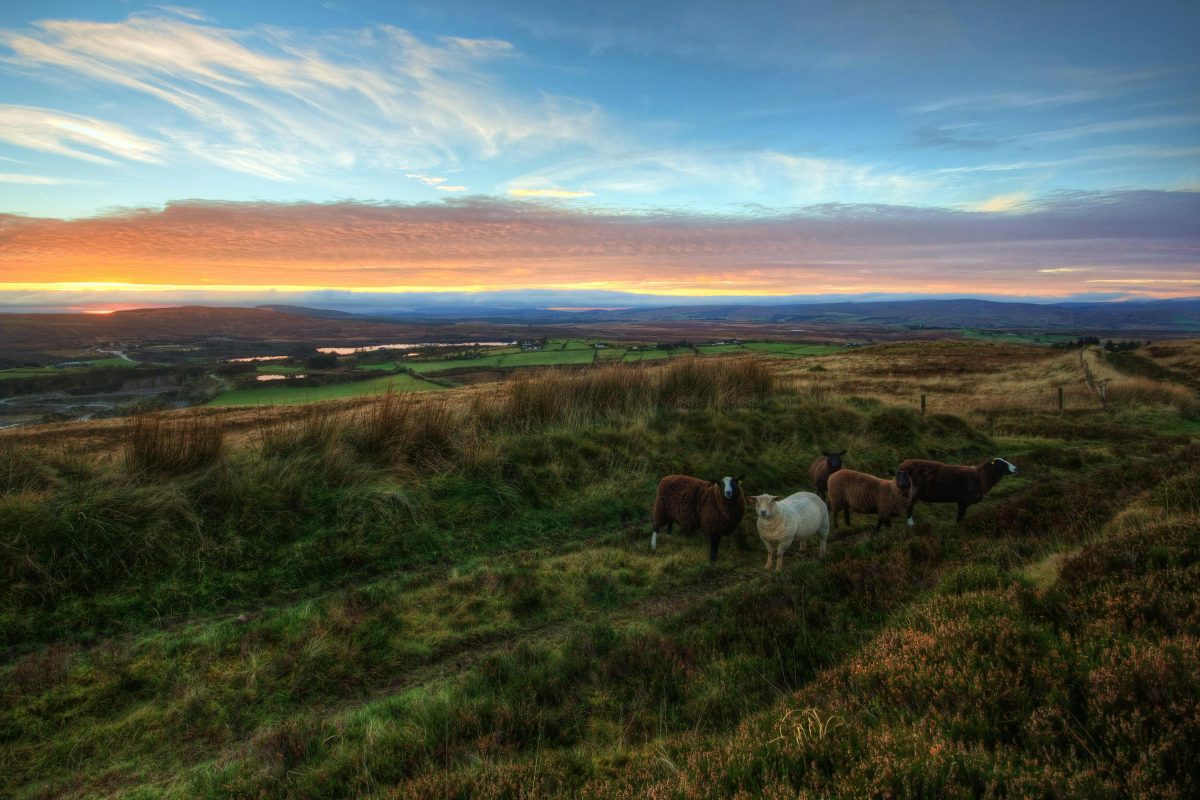
County Galway, rich in its emerald landscapes and tattered histories, birthed a poignant reality in the shadows of its hills. Here, in the heart of the west, many women found themselves consigned to the harsh confines of laundry houses, metaphorically scrubbing away at their identities, their joys, and their youth. The Magdalene Laundries, managed primarily by the Catholic Church, were operated with a veneer of piety but soaked in a tide of turmoil and humiliation. The lives of these women were molded by societal pressures: if they fell pregnant out of wedlock, if they were considered too ‘loose,’ or if they simply sought independence. They were beaten, both physically and emotionally, with silence being the heaviest lash of all. The names of places like Ballinasloe resonate as grim whispers in the corridors of Irish history.
The Wider Echo
What happened in those laundries echoes through the fabric of Irish society today. The women—now elderly or passed on, yet their experiences remain very much present in the cultural consciousness. In 2013, Ireland’s government officially apologized for the anguish caused, yet many feel this is a mere bandage on a wound that cannot be stitched. And as we reckon with the past, one often ponders: how do we uplift the voices of those we’ve silenced? Anne Harris, a spokesperson for Justice for Magdalenes, captures the heart of this: “They were among us, no different than our sisters, our mothers. Their stories are our stories.”
The Now & The Next
As our society grapples with the legacy of these injustices, conversations surrounding women’s rights are more vital than ever. Today, from education discussions in Dublin to grassroots movements in County Kerry, there’s a pulsing awareness about the importance of stem echoing the pleas of those women who lived in silence and suffering. How we engage with this history will shape the Ireland of tomorrow—where women’s voices matter, where their pain is acknowledged, and where their strength is celebrated, from the hills of Donegal to the shores of Wexford.
Did You Know?
- Over 30,000 women were confined to Magdalene Laundries in Ireland from the 1920s to the 1990s.
- The Irish government issued an official apology only in 2013, acknowledging the pain and suffering inflicted upon these women.
FAQs
What were the Magdalene Laundries?
The Magdalene Laundries were institutions run by the Catholic Church in Ireland that housed women considered “fallen” or immoral—many unjustly confined for reasons ranging from being a single mother to simply speaking out against authority.
What is the legacy of the Magdalene Laundries today?
The legacy of the Magdalene Laundries has sparked significant discussions around women’s rights, societal norms, and the role of the Church in Ireland, making it vital for future generations to understand and advocate for justice and equality.
Final Word
As the echoes of the past continue to shape our world, it is our duty to honor the spirit of the women who suffered in silence. Let us amplify their voices and ensure their experiences are never forgotten as we weave a new tapestry of Ireland—where everyone has a place and a voice.
If you carry the same pride we do, you’ll find a piece of home waiting at
HubIrish.com.
