
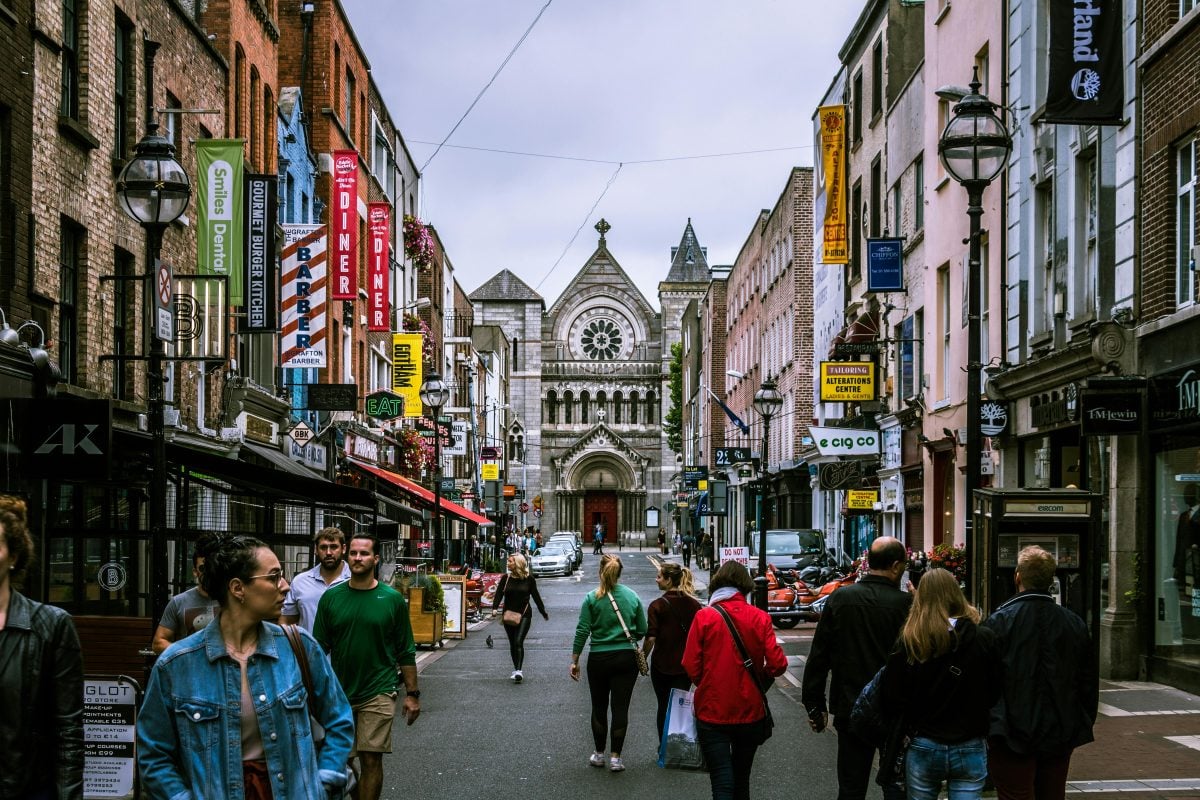
The Hunger Strike That Changed Ireland Forever

The Hunger Strike That Changed Ireland Forever

The Day the People Roared: How the 1981 Hunger Strike Changed Ireland Forever

Estimated reading time: 6 minutes

Key Takeaways

  • The hunger strike highlighted the struggle for political recognition of Irish republican prisoners.
  • Bobby Sands became a symbol of resistance and hope during the strike.
  • The strike drew significant international attention and support for the Irish cause.

Table of Contents

Introduction
The Heart of the Story
The Wider Echo
The Now & The Next
Did You Know?
FAQs
Final Word

Introduction

1981. A year that etched itself into the soul of Ireland, where the cries for justice echoed through the streets and hallways of history. The hunger strike of the Irish republican prisoners was not just a protest; it was a fierce resistance bathed in hope and despair. As the days turned to weeks, the nation held its breath—a courageous stand against oppression that would awaken the collective consciousness of a restless people.

The Heart of the Story

In the heart of Northern Ireland’s Derry, the spirit of Bobby Sands surged. As a young boy, he was merely a dreamer, but as a man, he stood defiantly against the might of an unjust regime. In the H-Block of Long Kesh Prison, Sands declared his hunger strike in March 1981, igniting a movement that resonated far beyond prison walls. His poetic words, laden with the weight of suffering and the light of hope, struck chords of passion that reached desperate hearts in Derry and across the globe. “Our revenge will be the laughter of our children,” he etched into the minds of those who dared to dream of a united Ireland, one free from chains past and present.

The Wider Echo

The stark reality of a man slowly starving for his cause was met with a tidal wave of empathy and anger. In those 66 days, 10 brave souls joined Sands on this deadly path. The images of their gaunt faces, a grim reminder of their sacrifice, flooded the media. The world watched as the Famine played a haunting repeat—a narrative of survival and suffering. The hunger strike catalyzed international protests, drawing global attention to the plight of the Irish people and their painful struggle for freedom. Politicians took notice, policies began to shift, and the whispers of new possibilities fluttered among the rubble of past injustices. The flame was lit.

The Now & The Next

Today, as we navigate the complexities of modern Ireland—be it a rising housing crisis or a fight for minority rights—the echoes of the hunger strike reverberate, reminding us of the essence of activism. The courage of those who risked everything for a cause larger than themselves inspires a new generation. We see the spirit of Bobby Sands reflected in young activists who continue to challenge the status quo, carrying the banner of change across borders. Every struggle, every voice, is a tribute—a resonance of the Irish spirit that refuses to be silenced.

Did You Know?

  • The hunger strike led to an unprecedented outpouring of solidarity, with an estimated 100,000 people attending Sands’ funeral in Derry in 1981.
  • Bobby Sands was elected as the MP for Fermanagh and South Tyrone during his hunger strike, garnering more votes than any other candidate despite being imprisoned.

FAQs

What were the main demands of the hunger strikers?
The hunger strikers sought political prisoner status, which included a right to wear their own clothes, free association, and improved conditions in prison. Their demands illuminated the larger political struggle for Irish republicanism.

How did the hunger strike impact Irish politics?
The hunger strike galvanized political support for Irish republicanist causes, shifted public opinion, and largely brought the situation in Northern Ireland to the forefront of international debate regarding human rights.

Final Word

So here’s to the day the people roared—a day when defiance carved its name into the annals of Irish history, a reminder of the courage it takes to stand for what is right. The hunger strike was not just about food; it was about justice, dignity, and the unrelenting spirit of the Irish heart. If you carry the same pride we do, you’ll find a piece of home waiting at
HubIrish.com.
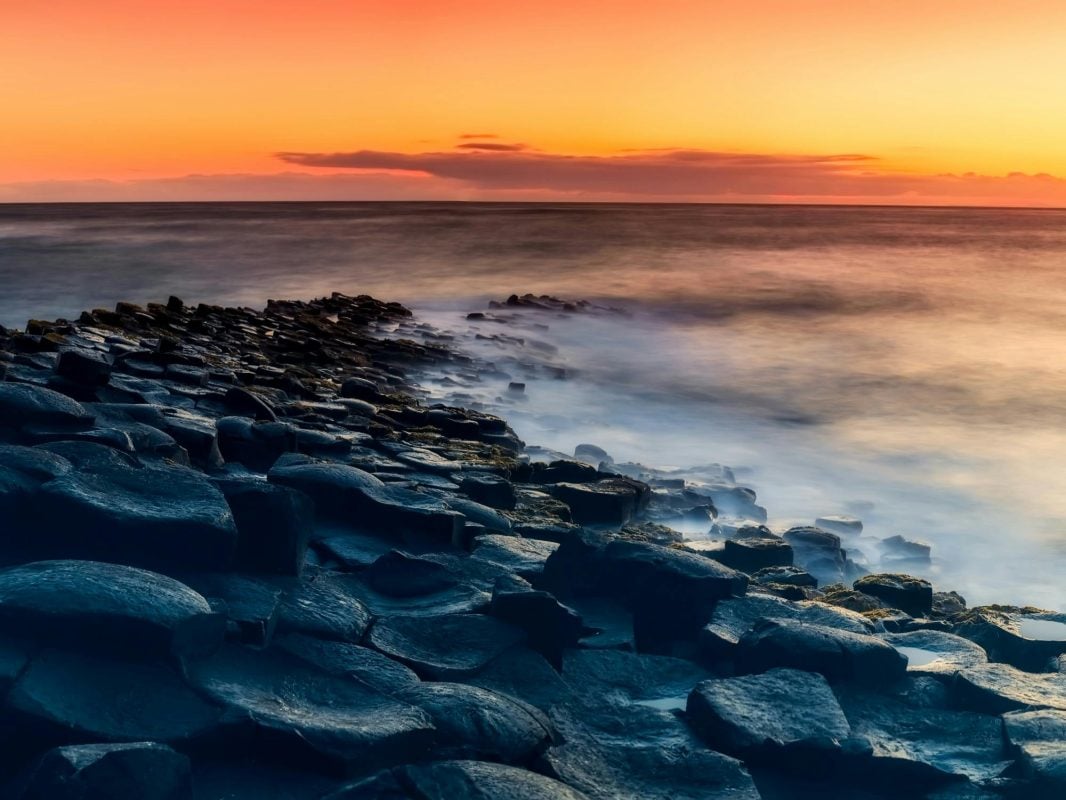
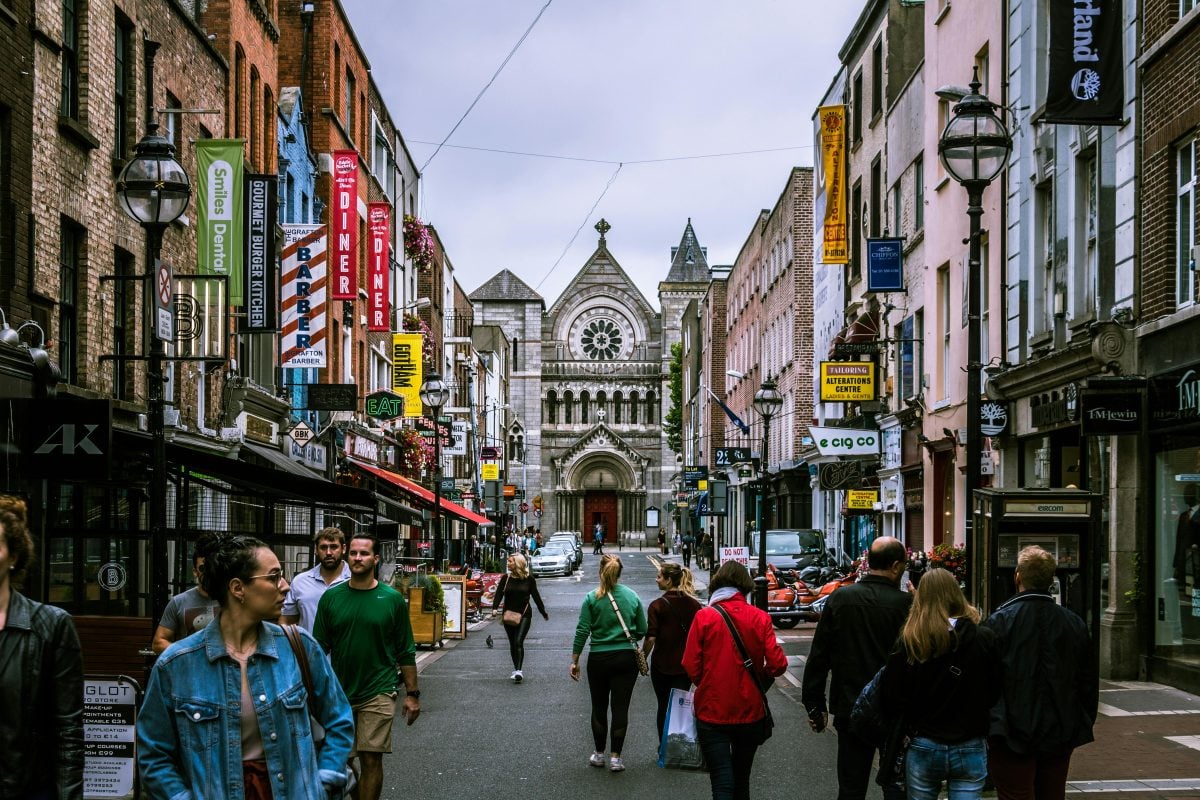
Derry Girls as a Beacon of Resilience

Derry Girls as a Beacon of Resilience

How the Derry Girls Became a Symbol of Resilience Amidst The Troubles

Estimated reading time: 4 minutes

Key Takeaways

  • The *Derry Girls* highlight the resilience of youth during The Troubles.
  • The show blends humor with the harsh realities of life in Northern Ireland.
  • It serves as a reminder that joy can thrive even in adversity.

Table of Contents

Introduction
A Torch in the Darkness
Reflections of a Nation
Echoes of Today
Did You Know?
FAQs
Final Word

Introduction

In the tapestry of Irish history, few threads shine as bright as those woven by the laughter and tears of Derry’s daughters. The *Derry Girls*, a comedic portrayal of life in the north during The Troubles, transcends the screen; it speaks to the very heart of resilience in the face of adversity. Amidst bomb blasts, curfews, and politics more tangled than the streets of Derry, these girls dared to find joy, humor, and hope. Their charm wasn’t just in their antics, but in how their stories mirrored a generation’s struggle against the weight of history.

A Torch in the Darkness

Set in the late 1990s, *Derry Girls* follows Erin, Orla, Clare, and James—a group of friends navigating the complexities of adolescence amid the chaos of a community torn apart by sectarian violence. Nationalist and Unionist divides flared, and each day could bring fear or danger, yet these girls found magic in mundane moments. Their laughter, quick wit, and unapologetic spirit became a lifebuoy for those who watched.

Derry, or Londonderry, depending on whom you asked, wore its scars boldly—in murals, memories, and whispered stories. It is a city marked by the events of Bloody Sunday in 1972, where innocent lives were lost to the turmoil of The Troubles. Learning resilience from generations before, Erin and her friends embodied the strength of their city. As the soundtrack of their youth played out against a backdrop of rebellion, it was not just laughter they sought; it was survival infused with an irrepressible spirit.

Reflections of a Nation

The impact of *Derry Girls* echoes far beyond the screen—a blend of humor and poignant realism that resonates within Irish minds and hearts, both at home and abroad. In a country often defined by its conflicts, this show reframed the narrative, reminding us that joy can blossom in the most unlikely places. Statistics show that during The Troubles, over 3,600 lives were lost, and countless families displaced or torn apart. Yet, here were four girls ready to take on the world with a quip, a snort, and a side-eye. The show became a celebration of youth—an anthem for those growing up in fractured times, teaching them that laughter can indeed be a form of resistance.

Echoes of Today

Today, as we navigate housing crises, political unrest, and the lingering scars of both our history and our future, the spirit of *Derry Girls* persists. The show’s legacy reminds us that life, with all its ups and downs, is worth living with a touch of levity. Young people like Erin, Clare, and Orla inspire a generation dealing with their own struggles, showing that finding strength in vulnerability is not just a lesson but a necessity. They remind us that talking about the tough stuff—be it mental health or identity—can be infused with humor and genuine connection. They carry forward the mantle of resilience, that torch handed down through the years in the vibrant heart of Derry.

Did You Know?

  • The show has been praised for accurately depicting Derry’s culture, language, and the peculiarities of growing up amid political strife.
  • The cast, particularly Nicola Coughlan (Clare), has spoken of the profound impact Derry Girls had on their careers, not merely as actors but as advocates for mental health and representation.

FAQs

What inspired the creation of Derry Girls?
Creator Lisa McGee drew from her own experiences growing up in Derry during The Troubles, using humor to depict the challenges and absurdities of that era. The stories of her family and friends influenced every punchline.

Why are Derry Girls considered significant in Irish culture?
The series vibrantly showcases the complexities of life in Northern Ireland, offering insights into a community’s resilience while promoting themes of friendship, love, and identity amid chaos.

Final Word

So here’s to the Derry Girls, who turned the weight of history into laughter, a reminder that joy can be a radical act. If you carry the same pride for the resilience and humor of our people, you’ll find a piece of home waiting at
HubIrish.com.
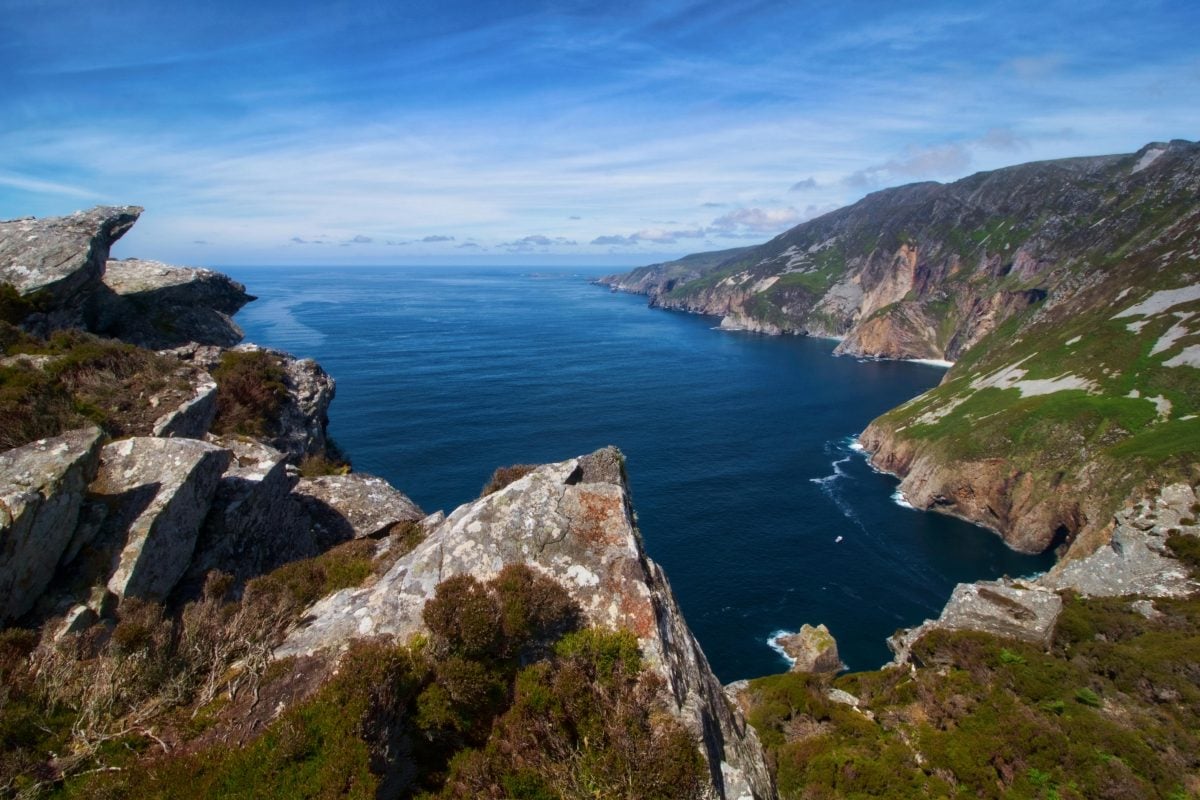
River Shannon’s Red Waters Spark a Nationwide Movement

The Day the River Shannon Turned Red: How a Silent Protest Against Pollution Sparked a Nationwide Environmental Movement

Estimated reading time: 5 minutes

Key Takeaways

  • The River Shannon’s alarming pollution highlighted the urgent need for environmental advocacy.
  • Local communities united to demand accountability and stricter regulations against polluters.
  • Environmental education has become integral to local curricula, inspiring future generations.

Table of Contents

Introduction
A Moment in Limerick’s Struggle
The Ripples of Change
A Legacy of Resilience
Did You Know?
FAQs
Final Word

Introduction

In the heart of Ireland’s lush greenery, where rivers weave tales of old, there was a day that awakened a nation. It was the day the River Shannon turned red—an alarming hue that captured the spirit and sorrow of a land battling pollution. And from that river of blood, a movement emerged, igniting hearts and minds across the country. The whispers of its waters transformed into a rallying cry for justice, for the earth, and for the generations to come.

A Moment in Limerick’s Struggle

On a brisk autumn day in Limerick, the River Shannon, once a symbol of life and flow, betrayed its nature with a gruesome change. On the 24th of October, 2018, residential complaints paired with a ghastly sight—an unsightly red sludge stirring in its depths, a remnant of industrial negligence. The colour seeping through the waters was not just a visual abomination but an echo of what the community had suffered for years: neglect, contamination, and heartbreak. There, along the banks of the Shannon, the people of Limerick gathered, clutching banners that screamed for action and accountability.

The Ripples of Change

This jarring image of the River Shannon stirred the conscience of a nation. The pollution was more than an environmental disaster; it was a reminder of Ireland’s forgotten battles against industrialization and governmental neglect. Activists like the Limerick Environmental Network arose, uniting voices from every corner of the land, advocating for strict regulations against polluters. Historic speeches echoed through community halls, rallying young and old alike, igniting a spark that would turn into a wildfire of environmental activism across Ireland. This incident became a wake-up call, reverberating through the halls of power and sparking a national movement that would resonate in each heart guided by the love of the land.

A Legacy of Resilience

Today, the clean-up efforts are ongoing, with citizens now keeping a watchful eye on industries that have long been given a free pass to pollute. Local schools have integrated environmental education into their curricula, igniting a love for nature among the youth. There’s a fire at play here, a collective force that will not wither under the weight of indifference. The battle against pollution now recalls the ancient struggles of Irish history—the enduring resilience against oppression. It’s palpable, it’s alive, and it’s here—a movement that demonstrates that even one river turning red can become a catalyst for love, respect, and care for the only home we have.

Did You Know?

  • The River Shannon is the longest river in Ireland, stretching over 360 kilometers from its source in County Cavan to the Atlantic Ocean.
  • Over 60% of Ireland’s water bodies are now considered to be at risk of pollution, highlighting a pressing issue of environmental stewardship in the country.

FAQs

What impact did the red water have on local wildlife?
The red sludge led to significant mortality among aquatic species, prompting an urgent response for habitat restoration and stricter pollution controls.

How can I get involved in environmental activism in Ireland?
Community groups like the Limerick Environmental Network and various local environmental organizations provide opportunities for volunteering and advocacy. Get involved and make your voice heard!

Final Word

From the shadows of loss, a movement has flourished—a testament to the Irish spirit’s resilience, reminding us that our fight to reclaim our land is a collective one. And so, if you carry the same pride we do, you’ll find a piece of home waiting at
HubIrish.com. Join us as we continue to honour the rivers, the land, and the very soul of Ireland.
Unveiling the Truth of Ireland’s Magdalene Laundries

From the Shadows of Silence: The Untold Story of Ireland’s Forgotten Magdalene Laundries

Estimated reading time: 7 minutes

Key Takeaways

  • The Magdalene Laundries operated from the mid-18th century to the late 20th century across Ireland.
  • Women were confined and stripped of their identities, often for societal reasons such as having children out of wedlock.
  • Survivors began to speak out about their experiences in the late 20th century, prompting official acknowledgements and efforts for reparations.

Table of Contents

Introduction
The Heart of the Story
The Wider Echo
The Now & The Next
Did You Know?
FAQs
Final Word

Introduction

In the heart of Ireland’s storied past lie the echoes of women trapped in the silence of suffering and stigma. The Magdalene Laundries — a haunting chapter that many dare not whisper. Here we unspool the truth, weaving tales of resilience, betrayal, and the relentless fight for dignity amidst the shadows of social order. A story not only historical but deeply human, begging to be reckoned with.

The Heart of the Story

From the mid-18th century to the late 20th century, the Magdalene Laundries operated throughout Ireland, with one of the most notorious being in Dublin. Here, thousands of women were confined, deemed “fallen” by society, forced into servitude, and stripped of their identities. They were daughters of shame, cast aside by families, accused of sin for giving birth out of wedlock or facing abuse. The very institutions that promised salvation instead became prisons clad in the respectable robes of religious sanctity.

Women found solace in one another, forging bonds of sisterhood within these stone walls. Yet the cruelty of the laundries was suffocating; scores of them absorbed the pain of unforgiving societal judgment within a penal system masquerading as rehabilitation. “We were just girls, sent to clean the dirty linen,” said one survivor, capturing the stark reality of their plight that was minutely detailed in the forthcoming Dublin report by the historical inquiry into the laundries.

The Wider Echo

The legacy of the Magdalene Laundries reverberates across the generations. It intertwines with Ireland’s struggle to reconcile its religious past with a modern understanding of women’s rights and dignity. Activism surged in the late 20th century, culminating in the 2013 report commissioned by the Irish government, which recognized the abuses that had taken place. As the often-whispered tragedies emerged from the depths, survivors began to speak, demanding acknowledgment and reparations. “The silence has been louder than any voice,” they said, a painful reminder of how shame had shackled society.

The Now & The Next

Today, as Ireland steps into a new era, the spirit of reckoning lives on through a younger generation eager to unearth the buried truths of their forebears. Movements advocating for women’s rights echo through the streets, and the memory of those silenced resonates profoundly. From the political sphere to social media platforms, advocacy continues to dismantle the old narratives of shame and stigma, making way for a more compassionate society. The fight is far from over; survivors remain at the forefront, reminding us that we cannot march forward without honoring those who came before.

Did You Know?

  • Over 30,000 women are believed to have passed through the Magdalene Laundries in Ireland.
  • In 2018, a memorial was erected in Dublin to honor the survivors and victims of the Magdalene Laundries, ensuring their stories would not be forgotten.

FAQs

What were the Magdalene Laundries?
Magdalene Laundries were institutions operated by religious organizations in Ireland that housed women alleged to be morally deviant, often involving forced labor and harsh conditions. Many women were ostracized for having children out of wedlock or for being victims of abuse.

Are there any memorials to the survivors today?
Yes, several memorials exist, including in Dublin, where the stories of these women’s struggles are commemorated and celebrated as part of Ireland’s attempt to reckon with its past.

Final Word

In the echoing silence of the Magdalene Laundries, the voices of the women once silenced now stir a clarion call for reflection, justice, and healing. Their stories, woven into the very fabric of Irish history, remind us of the light that can emerge from profound darkness. If you carry the same pride we do, you’ll find a piece of home waiting at
HubIrish.com.
Annie Moore and the Spirit of the Irish Diaspora

How Annie Moore, the First Immigrant at Ellis Island, Carried the Hopes of a Nation on Her Shoulders

Estimated reading time: 5 minutes

Key Takeaways

  • Annie Moore was the first official immigrant to be registered at Ellis Island, symbolizing the hopes of countless Irish immigrants.
  • Her story is integral to understanding the broader experiences of the Irish diaspora.
  • Annie’s journey reflects the shared humanity and resilience of immigrant families today.

Table of Contents

Introduction
The Heart of the Story
The Wider Echo
The Now & The Next
Did You Know?
FAQs
Final Word

Introduction

Annie Moore—the name barely echoes through the halls of our rich Irish history. Yet, on that fateful day in 1892, as she stepped onto the shores of America, she carried more than her suitcase; she bore the dreams, scars, and unyielding hopes of countless Irish souls yearning for a better life. In her gaze shone the resilience of a nation, her journey etched into the fabric of what it means to be Irish.

The Heart of the Story

Annie Moore was born in County Cork, a land steeped in tales of hardship and hope. At just 15, she crossed the turbulent waters of the Atlantic, leaving behind a country still reeling from the scars of famine and despair. Arriving at Ellis Island, she became the first immigrant to be officially registered there, a poignant moment in history that symbolizes not just her own journey, but the journeys of over 6 million Irish who followed her. As she stood before the immigration officials, the world opened up. But it also demanded much in return.

The Wider Echo

Annie’s story is not just her own; it is the heartbeat of the Irish diaspora, a reminder of the courage it takes to start anew. The echoes of her laughter and tears have resonated in Boston pubs, New York City streets, and even the far reaches of Australia. According to the Irish Government, more than 40% of people in the United States can trace their ancestry back to Ireland. Annie stood there alone, yet she represented a multitude—families split apart, hopes deferred, yet dreams carrying across oceans. Her face belonged to mothers, fathers, and children who uprooted their lives in search of safety and opportunity.

The Now & The Next

Today, as we navigate the complexities of identity and belonging in an increasingly divided world, Annie’s journey reminds us of our shared humanity. The struggles of immigrant families continue, echoing her courage through generations. In Dublin, we see it in the eyes of the youth clamoring for a voice in their future, in the way our pubs overflow with stories of those who left and returned, or never returned at all. Every GAA game, every song sung in unison, every tear shed brings us closer to understanding our collective past. As the writer John McGahern once said, “The past is never dead. It’s not even past.” Let us honour Annie—let her story be a guiding light as we step forward into tomorrow.

Did You Know?

  • Annie Moore was greeted on Ellis Island with a new pair of shoes and a $10 gold piece, symbolizing new beginnings.
  • The inscription on the Statue of Liberty, “Give me your tired, your poor, your huddled masses yearning to breathe free,” echoes the sentiments of many, including Annie herself.

FAQs

Why is Annie Moore significant in Irish history?
Annie is celebrated as the first documented immigrant to pass through Ellis Island, marking a pivotal point in the history of Irish emigration. Her story reflects the broader experiences of millions who sought refuge and opportunity in a new land.

What can we learn from her journey?
Annie’s journey teaches us about resilience, hope, and the courage to embrace change—even amidst uncertainty. Her story encourages us to appreciate our rich heritage and the sacrifices made by those before us.

Final Word

So let us lift a glass in Annie Moore’s name—she embodies the spirit of those who dared to dream, to hope, and to believe in the promise of a better tomorrow. If you carry the same pride we do, you’ll find a piece of home waiting at
HubIrish.com.
Mary Robinson and the Rise of Ireland’s First Female President

Mary Robinson and the Rise of Ireland's First Female President

The Forgotten Legacy of Mary Robinson: How Ireland’s First Female President Challenged an Entire Generation

Estimated reading time: 5 minutes

Key Takeaways

  • Mary Robinson was a pioneer for women’s rights in Ireland.
  • Her presidency marked a significant shift in Irish politics towards inclusivity.
  • Robinson’s legacy continues to inspire movements for change today.

Table of Contents

Introduction
The Heart of the Story
The Wider Echo
The Now & The Next
Did You Know?
FAQs
Final Word

Introduction

In the windswept lanes of Ballina, County Mayo, a daughter of the Irish soil dared to dream of a different world. Mary Robinson, a woman of unyielding spirit, stepped into the political fray in a time when women were little more than whispers in the halls of power. For a generation, she stood unbowed, embodying hope, courage, and the relentless quest for equality, the spark that ignited a revolution in Irish identity; her legacy shimmering as brightly today as it did in the late 20th century.

The Heart of the Story

Mary Robinson was elected as Ireland’s first female president in November 1990, a true pioneer in a male-dominated society. Coming from a family steeped in the struggle for social justice, she understood that leadership wasn’t merely about power; it was about empathy, understanding, and inclusion. Her presidency marked a turning point for Ireland—a bold statement that women belonged in positions of influence and could reshape the narrative of a nation. In her journeys through Mayo, she encountered the stories of countless women whose voices had long been suppressed, and she vowed to ensure they were heard. The first female president challenged the patriarchy, wearing no crown but carving her place in history like a rebel chisel against stone.

The Wider Echo

Robinson’s legacy isn’t confined to mere dates and titles; it reverberates through Ireland’s revivalist art, music, and myriad cultural movements. Her work for human rights and environmental issues brought Ireland to the global stage, amplifying voices that echoed unheard. She faced immense opposition—in a country still grappling with the chains of its past, her vision for a more inclusive Ireland was a stark contrast to the conservative atmosphere. “The best way to bring about change is to be that change,” she once said, reminding us that courage often wears a cloak of kindness. Like a ballad passed from generation to generation, her courage inspires those who continue to fight for equality in a changing world.

The Now & The Next

Today, as we find ourselves navigating issues of housing crises and socio-economic disparities, Mary Robinson’s call to action remains ever relevant. While we gather to discuss the future of Ireland, we must remember her impassioned plea for compassion and understanding. Looking at our nation, we can see the seeds she planted blossom into movements across generations, from local community efforts to global activism driven by women’s voices. As young girls don Gael jerseys in the spirit of empowerment or families rally for housing justice, they continue the work of those like Robinson who lit the flame of change.

Did You Know?

  • Mary Robinson was the first woman president of Ireland, serving from 1990 to 1997, and later became the UN High Commissioner for Human Rights.
  • Her initiatives helped pave the way for advancements in women’s rights in Ireland, leading to milestones like the repeal of the Eighth Amendment, which restricted women’s rights to bodily autonomy.

FAQs

What were some key initiatives during Mary Robinson’s presidency?
Robinson focused on social justice, human rights, and the need for more comprehensive immigration policies, setting a new precedent for future governance. Check out the impact of these shifts in GAA jerseys that celebrate our evolving Irish identity.

How does Robinson’s legacy impact modern Irish politics?
Her influence continues to resonate through contemporary leaders who advocate for inclusivity and equality, demonstrating that change is possible when the people rise together.

Final Word

As we raise our glasses to toast the ghosts of our past, let us not forget Mary Robinson—the woman who dared to dream impossibly loud. Her voice beckons from the shadows of history, inspiring hearts aflame with pride and purpose. If her legacy lives on in you, seek out your piece of home at
HubIrish.com, a place where every story, every struggle, and every triumphant note of our Irish spirit rings true.

Michael Collins and the Legacy of Irish Freedom

Michael Collins and the Legacy of Irish Freedom

Michael Collins: The Man Who Shook the Foundation of Modern Ireland — and Was Assassinated for It

Estimated reading time: 5 minutes

Key Takeaways

  • Michael Collins was a central figure in the fight for Irish independence.
  • His assassination at 31 years old marked a tragic moment in Irish history.
  • Collins envisioned a united Ireland, transcending divisions.

Table of Contents

Introduction
The Heart of the Story
The Wider Echo
The Now & The Next
Did You Know?
FAQs
Final Word

Introduction

He was a soldier, a visionary, a man whose very name ignites the Irish heart. Michael Collins is a symbol of ambition and heartbreak, a lighthouse through the tumultuous waters of Irish history. His life, cut tragically short, resounds as a powerful reminder of the sacrifices made on the path to freedom. A rebel against the shackles of oppression, Collins did not just fight for Ireland; he fought for a dream where the Irish spirit could soar free.

The Heart of the Story

In the blistering heat of July 22, 1922, amid the chaos of the Irish Civil War, Collins was mortally wounded in an ambush at Béal na Bláth in County Cork. That day, the laughter, camaraderie, and fervor of a young nation clashed with the dark stains of betrayal. He believed in reconciliation, yet his vision could not shield him from the sharp knives of division that cut through the very heart of his homeland. The echoes of his aspirations ripple through the valleys of Cork, a county that bore witness to his dreams and his final moments, forever marking it in the annals of Irish lore.

The Wider Echo

Michael Collins’ legacy is woven tightly into the fabric of Irish identity. His bold strategies and charismatic leadership during the War of Independence forged not just a path toward sovereignty but redefined what it meant to be Irish. “We are all citizens of a free nation,” he proclaimed, envisioning a united Ireland where all could prosper. Though he was slain, his mission transcended his physical being, and we still feel it today. The bitterness of that civil strife saw many families torn apart, echoing through generations, a lingering reminder of a nation still healing from fractures within its heart.

The Now & The Next

Today, as we grapple with new challenges—inequality, division, and a redefined identity—Collins’ vision for unity whispers through the winds of our modern struggles. Just as he envisioned a new Ireland blooming amidst strife, so too do we strive for a society where voices unite for the common good. It’s in Dublin bars, New York streets, and every hopeful heart that, like Collins, we carry the mantle of ambition to craft a future free of divisive shadows.

Did You Know?

  • Michael Collins was only 31 when he was assassinated, yet he played a pivotal role in establishing the Irish Free State.
  • His famous quote, “To be the leader of a nation, you must first be a prisoner of your own desires,” captures the essence of his struggle.

FAQs

What was Michael Collins’ role in the Irish War of Independence?
Collins was a key strategist and director of intelligence for the IRA, leading to significant victories against British forces before negotiating the treaty that led to the establishment of the Irish Free State. For further insight into his legacy and significance, consider exploring our commemoration jerseys.

How is Michael Collins remembered in Ireland today?
His legacy is celebrated through museums, documentaries, and annual commemorations. His story symbolizes both the hope and sorrow of a complex history, reminding us that the fight for identity is ongoing.

Final Word

Michael Collins’ spirit continues to challenge us, calling for resolve amidst trials. His life is a testament to the fire of ambition that drives the soul of Ireland.
If you carry the same pride we do, you’ll find a piece of home waiting at
HubIrish.com.

The Unity of Ireland Through the Beautiful Game

The Unity of Ireland Through the Beautiful Game

When the Irish Football Team United a Divided Nation — and Saved a Generation

Estimated reading time: 5 minutes

Key Takeaways

  • The 1988 Irish football team became a symbol of unity for a divided nation.
  • Major moments like Ray Houghton’s goal fostered a sense of shared identity.
  • The success of the team ignited a lasting passion for football across Ireland.

Table of Contents

Introduction
A Moment of Magic
The Shared Dream
Echoes of Today
Did You Know?
FAQs
Final Word

Introduction

In the summer of 1988, a nation held its breath, each heart beating in time with the rhythm of the football. When the Republic of Ireland’s team stepped onto the hallowed pitch of Stuttgart, they weren’t simply players; they were the embodiment of hope for a fractured country. A country split by a border and burdened by history, watching as their boys—under the watchful gaze of the green hills of home—became the flickering beacon of unity. This was not just football; this was a rallying cry, a revival, a lifeline thrown to a generation desperate to believe again. It was a story that would echo through the years, leaving an indelible mark on the soul of the Irish.

A Moment of Magic

Picture it now: the streets of Monaghan filled with laughter, hopes woven tightly with the shimmering love of football. The crowds gathered, young and old, all eyes glued to the television screens. The air in the pubs was thick with tension and excitement. When Ray Houghton scored that unforgettable goal against England, the roar that erupted felt like thunder through the ages. For those brief moments, it was as if the iron grip of division had loosened, if only just. In pubs, living rooms, and town squares, strangers embraced, sharing in the joy of what suddenly felt possible. “We are a nation of one,” they boasted. It was in that fervor that football transcended sport; it became a vessel of hope—a chance for shared identity and purpose amid the chaos of everyday life.

The Shared Dream

It wasn’t just about victory on the pitch; it was the dream, the aspiration of unity that lifted spirits. Fans carried their hopes stitched into their jerseys—each number a soldier fighting for pride, for a sense of belonging. Off the field, the Irish Sunday papers began publishing pieces that felt radical, hopeful, and optimistic. The voice of the team became the voice of the nation. The Republic’s triumphs on the world stage were seen as collective rather than individual, rekindling the notion that perhaps together, they could rise above their fractures. They became symbols of possibility, of what it meant to dream larger than oneself. Bobby Robson, the English manager, would later declare it was “the best moment in Irish football history,” but for the people, it was so much more—a reawakening of identity wrapped in the warmth of community.

Echoes of Today

Fast forward to today, and the echoes of that historic campaign still resonate. Ireland’s football teams continue to inspire pride and passion, reminding young Taylors, Carlings, and Maguires that anything is possible. In an era where divisions still linger, where housing crises challenge youth dreams, where identities are forged daily in the fires of a complex world, football remains a unifying thread. The gleam of a Green Army jersey is still a source of courage, a banner for solidarity across the diaspora—whether in New York pubs, Melbourne cafés, or Dublin squares. Every match is a reminder of what it means to band together, to fight for a future. “Remember that summer?” they say, eyes glistening with the warmth of nostalgia.

Did You Know?

  • The Republic of Ireland’s historic run to the quarter-finals of Euro 1988 was their first major tournament since their establishment in 1921.
  • The achievement spurred a deeper passion for football across Ireland, increasing grassroots participation in the sport.

FAQs

Why is the 1988 Irish football team significant?
The 1988 team is often credited for uniting a divided Ireland, providing a shared sense of pride and identity during a time of social uncertainty.

How did the team’s success impact future generations?
Their success inspired countless young players and fans and laid the groundwork for an enduring passion for football throughout Ireland.

Final Word

As the sun sets over the emerald isle, the legacy of that fateful summer endures—reminding us that even in division, we can find common ground. If you carry the same pride we do, you’ll find a piece of home waiting at
HubIrish.com.

The Forgotten Sisterhood of Irish Women

The Forgotten Sisterhood of Irish Women

The Forgotten Sisterhood: How the Magdalene Laundries Silenced Generations of Irish Women

Estimated reading time: 6 minutes

Key Takeaways

  • Thousands of women and girls were confined in Magdalene Laundries between 1922 and 1996 for minor social offenses.
  • The Irish state acknowledged its complicity in the injustices faced by these women.
  • Current discussions about women’s rights are deeply influenced by the legacy of the Laundries.

Table of Contents

Introduction
The Heart of the Story
The Wider Echo
The Now & The Next
Did You Know?
FAQs
Final Word

Introduction

*A hush descends over the pub. Ears lean in, hearts quicken. Behind the closed doors of Magdalene Laundries, the cries of women echo in silence — lives lost, tales untold. In the name of morality, a sisterhood endured, yet its whispers remain forgotten. Let’s shed light on these shadows, reclaim their stories, and give voice to the silenced.*

The Heart of the Story

In the rolling fields of Wicklow, when love scandals shattered families’ facades and society looked the other way, generations of women were swept into confinement. The notorious Magdalene Laundries, operated by the Catholic Church, became a prison masquerading as purification. Between 1922 and 1996, thousands of women and girls deemed “fallen” were sent to these institutions for offenses as trivial as having a child out of wedlock, being poor, or simply existing too loudly. Hidden from the world, they did laundry for the Church and endured harsh conditions, working tirelessly amidst a culture of shame and stigma. Their stories were segmented into silence, written into the margins of history.

The Wider Echo

The weight of the Laundries didn’t rest solely on the shoulders of those confined. Families mourned their daughters’ disappearances, and communities turned their backs; public discourse shunned what it did not want to see. Later revelations led to investigations and public apologies, with the Irish state admitting its complicity. The laundry’s virulent legacy of shame and control echoes through the ages, igniting ongoing discussions about women’s rights, sexual freedom, and the systemic injustices that allowed such abuses to flourish. As poet Seamus Heaney so poignantly said, “If you have the courage to speak, you may just set those voices free.”

The Now & The Next

Today, as Ireland grapples with its past, the Magdalene Laundries serve as a stark reminder of resilience amidst suffering. Initiatives to commemorate the victims continue, from art installations to truth commissions. The conversation around women’s rights has reached fever pitch, igniting revolution in the realm of mental health, reproductive rights, and equality. We find ourselves at a crossroads, reminded to listen to the once-silenced. The spirit of the women confined within those laundry walls pushes us to rise, to fight, and to remember. The reckoning is not just historical; it is enduring, and it lives within us all, both in the quiet of our hearts and in loud protests filling the streets.

Did You Know?

  • Over 30,000 women and children passed through the Magdalene Laundries in Ireland from 1922 to 1996, with many facing harsh conditions and systemic abuse.
  • In 2013, the Irish government formally apologized for the treatment of women in the Laundries, acknowledging the lasting trauma and injustice.

FAQs

What exactly were the Magdalene Laundries?
The Magdalene Laundries were institutions run by Catholic religious orders, where “fallen women” were sent for various social offenses. They were often forced to work without compensation, sometimes enduring emotional and physical abuse. These stories are part of Ireland’s historical fabric and need remembrance, as exemplified by the ongoing discussions about women’s rights in Cork.

How can people help support women affected by such historical injustices today?
Supporting organizations that focus on mental health, women’s rights, and historical reconciliation can play a vital role. Educating ourselves and standing in solidarity with those who still bear the scars of these legacies is crucial in creating a just future.

Final Word

*As we raise our glasses this night, let’s remember the lost voices, the forgotten sisterhood. If we carry the same pride we do, we owe it to the generations to come to ensure their stories aren’t just memories, but living legacies. Together, we can build a space where every voice is free to sing, and every story is celebrated. Find your piece of home, your connection at HubIrish.com — a reminder that our past shapes our present, and together, we forge the future.*

Sinéad O’Connor’s soulful fight for the voiceless

Sinéad O’Connor's soulful fight for the voiceless

When Sinéad O’Connor Sang for the Voiceless — A Dublin Legend’s Fight for Truth and Healing

Estimated reading time: 5 minutes

Key Takeaways

  • Sinéad O’Connor was a defining voice for the voiceless in Ireland.
  • Her protest on Saturday Night Live challenged societal silence on abuse.
  • She promoted mental health awareness through her candid discussions.

Table of Contents

Introduction
The Heart of Sinéad’s Legacy
The Wider Echo
The Now & The Next
Did You Know?
FAQs
Final Word

Introduction

Oi! Gather ‘round, you lovers of the real and raw, ’cause this tale hits straight to the bone. It’s not just a story; it’s the thunderous echo of an artist who painted the tempestuous sky of Irish identity with her heart wide open. Sinéad O’Connor, our echoing bard, carved the very essence of pain and hope into the Irish spirit, unearthing the voiceless and weaving melodies that demanded justice in a world too often lost in silence.

The Heart of Sinéad’s Legacy

Dublin knows her, oh indeed. Born in the heart of the city in 1966, Sinéad’s voice rose from a childhood mixed with turmoil and artistic brilliance. Imagine the young girl, a radiant spirit amidst the shadows of struggle, dreaming of breaking free. With “Nothing Compares 2 U,” she didn’t just capture hearts; she shattered glass ceilings. That haunting refrain became an anthem for those battling personal demons and societal injustices.

But let’s not forget the moment that cemented her as a true legend: her protest on Saturday Night Live in 1992, where she tore a photo of Pope John Paul II, declaring war against the silence that perpetuated abuse. The backlash was monumental, but a spark ignited—her voice became a beacon for the forgotten, the marginalized, challenging Ireland to confront its veins of hypocrisy. A child of Dublin, she was always destined to shake the very foundations of our beliefs.

The Wider Echo

Sinéad didn’t just sing—she screamed, cried, and lovingly coaxed us out of our comfortable corners, forcing us to face our truths. Amidst the backdrop of the Troubles in Northern Ireland, her music transcended personal heartbreak, becoming the soundtrack of a nation grappling with its identity. Statistics tell a potent story: the Irish mental health crisis, a stubborn shadow, loomed large, and her openness about her struggles illuminated the darkness.

“I have a very bad attitude,” she once quipped, igniting laughter but also every truth that weighed heavy on her soul. In a country where the stigma around mental health lingered like a dense fog, her candor offered the chance to breathe. Every word she sang became a prayer for healing—a harmonized revolution of individuality and acceptance amidst a background of rebellion. Oh, how we honored her words!

The Now & The Next

But let’s not rest upon her legacy—let’s resurrect it in our daily struggles. The housing crisis, youth suicide rates, and chronic mental health battles still plague Ireland. Let’s raise our voices, channel Sinéad’s spirit, and advocate for a world where hurting souls can find solace. Can we dare to keep the fire alive? Can the art of rock, soul, and spoken word continue to echo in our streets and homes?

Today, her influence ripples through the hearts of new artists, emboldening a new generation to lift their voices, to challenge the establishment, just like she did. The world is waiting for the next thunderous truth to unfurl, and it begins with each of us refusing the silence that surrounds suffering. Sinéad showed us that healing comes from confronting our pain, turning it into music, poetry, and relentless expression. Let’s be those voices—our hearts beating with pride and fury.

Did You Know?

  • Sinéad O’Connor was the first woman ever to achieve the Irish number one spot in the UK charts with a female-voiced song.
  • She has been a fierce advocate for child protection, famously campaigning against the Catholic Church’s silence on abuse.

FAQs

What motivated Sinéad O’Connor to become a voice for the marginalized?
Sinéad often spoke about her own struggles and experiences of abuse which fueled her commitment to advocate for those without a voice—making her a symbolic figure for countless people across Ireland and the diaspora.

How did her music impact mental health awareness in Ireland?
Her candid discussions of mental health challenges have opened up dialogues and advocacy around mental wellness, allowing many to feel less isolated in their struggles, fostering a critical conversation that continues today.

Final Word

So, let’s raise a glass in her honor and remember: every voice matters, no matter how soft or broken. If you carry the same pride we do, you’ll find a piece of home waiting at
HubIrish.com. Sing for the voiceless, fight for the truth, and let Sinéad’s spirit echo through all our hearts—forever and always.