Category Archives: Uncategorized

The Cork Rebel Who Shook Ireland’s Conscience

The Cork Rebel Who Shook Ireland’s Conscience

The Last Cork Rebel: How One Woman’s Fight Against the Church Shook Ireland’s Conscience

Estimated reading time: 6 minutes

Key Takeaways

  • Mary O’Leary emerged as a powerful voice against the church’s influence in Irish life.
  • Her activism sparked a nationwide movement for accountability and healing.
  • The legacy of her fight continues to resonate in contemporary discussions on mental health and trauma.

Table of Contents

Introduction
A Cork Woman’s Stand
The Wider Echo
The Now & The Next
Did You Know?
FAQs
Final Word

Introduction

There’s a fire in the heart of County Cork, where the rebel spirit still pulses through the veins of its people, and from that warmth, one woman’s voice rose above the din. It was Mary O’Leary, a name that echoed in the halls of power and thumped loudly in the pubs of Ballincollig. She was a force of nature, an unyielding beacon of defiance against the church’s iron grip on Irish life. Her story, knitted into the tapestry of Cork’s defiant legacy, isn’t just about one woman; it’s a shout, a roar that shook the very walls of a nation’s conscience. Pull up a chair, grab a pint, and let me take you through this tale of heartbreak, rebellion, and the undying pride we all hold close to our chests.

A Cork Woman’s Stand

Mary O’Leary strode into history with the wisdom of her ancestors whispering in her ears — the likes of whom had stood against oppression before her. She was no stranger to the pain and trauma that the Catholic Church’s scandal-ridden past had inflicted upon Irish families. Born in a small village where the echoes of GAA cheers mingled with the sharper whispers of sin and shame, Mary’s early life was defined by the struggle against the systemic injustice wrapped in the cleric’s robes. As heartfelt as a rebel’s ballad, her story is as real as the fields of Cork drenched in rain and resilience.

With every article penned and every protest she led, Mary became a symbol of hope for those drowning in silence. She sought to unearth the horrors of abuse hidden behind sacrosanct doors, wielding the power of truth like a sword against the stifling silence that had held Ireland in a chokehold for far too long. From the bustling streets of Cork city to the quiet corners of rural communities, Mary’s voice rang out, “No more will we hide in shadows!” Her fight wasn’t merely against the church but against a culture of fear that wrapped tightly around the throats of generations.

The Wider Echo

Mary’s stand was a ripple in a vast ocean of change, igniting a fervour across the country. It wasn’t just Cork she spoke for; it was every town and city in Ireland where children had grown up with a sense of dread, believing their pain was best left unacknowledged. In every heartfelt conversation in the pubs, from Derry to Dublin, people shared the burden of their experiences. The tidal wave of courage Mary unleashed encouraged dissenters and victims alike to stand tall and speak their truth.

“The Church must be held accountable,” she declared, her voice resonating like a battle cry. And it was this resolve that fuelled movements that reverberated at the heart of society — the Chalice broke, the crown of the church tarnished, and people realised they were not alone. Statistics began to tell stories of survivors coming forward, and there was a collective awakening that uncovered a network of pain intertwined with faith, betrayal, and the desperate need for healing. From every corner of Ireland, people replied to Mary’s call — for justice, for healing, for a reckoning.

The Now & The Next

Today, as we gather to contemplate the echoes of Mary O’Leary’s bravery, Ireland is still wrestling with its conscience. The scars left by the church’s legacy are far from healed, and there are still families grappling with the shadows of the past. In every town, every street, and every family discussion about identity and shame, her ghost lingers, a reminder that resistance is a sacred act. We stand at the cusp of change — much like those who roared in the fields of Cork, carrying the spirit of rebellion in their hearts. As discussions around mental health within communities blaze forth, thanks to Mary’s work, we embrace a future that acknowledges trauma without fear.

Did You Know?

  • In the early 2000s, more than 2,000 cases of abuse were reported in Ireland, shining a light on the dark history of the Church.
  • Mary O’Leary inspired the creation of numerous support networks for survivors throughout Ireland, cementing her legacy in both advocacy and action.

FAQs

Who was Mary O’Leary?
Mary O’Leary was an Irish activist from Cork, recognized for her tireless efforts in exposing historical abuses within the Catholic Church and championing survivor rights.

How did her activism influence modern Ireland?
Her bravery helped to ignite a broader conversation about accountability and healing, leading to many survivors coming forward to share their stories and seek justice.

Final Word

As we raise a toast to Mary O’Leary and to all those who’ve fought valiantly in the name of truth and justice, let’s not forget the lessons learned in her wake. The spirit of rebellion still flows through our communities, igniting sparks of hope for those who yearn for understanding and change. If you carry the same pride we do, you’ll find a piece of home waiting at HubIrish.com. Here’s to us — the rebels, the dreamers, and the storytellers! Sláinte!
Celtic Connections: The Power of Irish Rebel Songs

Celtic Connections: The Power of Irish Rebel Songs

🇮🇪 “Celtic Connections: How Irish Music Became a Global Anthem for Rebellion and Resilience”

Estimated reading time: 7 minutes

Key Takeaways

  • Irish music has played a vital role in expressing themes of rebellion and resilience.
  • The diaspora carried Irish musical traditions across the world, fostering connections.
  • Modern artists are revitalizing and reshaping Irish music for new audiences.

Table of Contents

Introduction
Echoes of a Hard Life
The Wider Echo
The Now & The Next
Did You Know?
FAQs
Final Word

Introduction

Ah, music. The wind beneath our wings, the clanging drums of our restless hearts! Irish music, with its haunting melodies and rallying refrains, has been more than mere entertainment; it’s been a battle cry, a shoulder to cry on, and a stubborn promise etched in stone. From the smoke-filled pubs of Dublin to the raucous nightlife of New York City, Irish songs have navigated tides of change, capturing the very essence of rebellion and resilience. So, gather ’round, dear reader. Let’s share a tune or two as we unravel the story of how our music became a global anthem that resonates with all who share our stubborn spirit.

Echoes of a Hard Life

Picture this: a tight little cottage in Kerry, where the embers flicker low and the walls seem to hold the weight of whispers from long ago. It’s the late hours when the world outside grows quiet, but inside, the pulse of a bodhrán strikes a rhythm that refuses to surrender. Here, among the warmth of family, stories swirl like the notes of an old sean-nós song. They sing of love lost, of battles won, and of bitter nights when hope seemed a distant dream. This music, crafted from hardship, rose from the ashes of oppression, breathing life into the souls burdened by history.

The Wider Echo

But our song isn’t just for the fireside; it traveled far and wide, a diaspora’s heartbeat. Irish emigrants jammed into the hold of ships bound for America carried more than their belongings; they carried the music of their homeland. A song like “The Foggy Dew” turned from a quiet lament to a roaring revolutionary anthem. With every note, it transcended borders, laying roots in distant lands and forming connections with those who yearned for home. Did you know that Irish music, especially the rebel ballads, has influenced countless movements around the world? From the mines of Pennsylvania to the streets of Buenos Aires, echoes of our tunes can be heard in the chants of those fighting for justice.

The Now & The Next

And what of today? What of the young lads and lassies with headphones on the bus, tapping their feet to the pulsating rhythm of a new generation of artists, like Hozier or the Fontaines D.C.? They’re bringing the raw essence of Irish music back home, reclaiming the stories of their forebears while adding their own beats. The challenges may have changed — a housing crisis that weighs heavy on the shoulders of many — but the spirit remains unbreakable. So whether in a high-rise flat in London or a quiet corner of Tralee, the music binds us, lifting our spirits even in the darkest of times.

Did You Know?

  • The Irish music scene is one of the most vibrant across the globe, with traditional and modern sounds intertwining in a celebration of our rich heritage.
  • In a recent study, it was found that participation in musical activities significantly improves mental health and well-being, a testament to the power of music in our lives.

FAQs

What are some popular Irish rebel songs?
Many songs like “The Parting Glass” and “The Rising of the Moon” echo the struggles of our past while stirring a sense of pride. They serve as reminders that our history is rich and worth celebrating!

How can I experience traditional Irish music today?
Whether in Ireland’s bustling pubs or at local festivals abroad, seek out those late-night sessions! They’re filled with laughter, camaraderie, and melodies that will stay with you forever.

Final Word

So here we stand, not just as spectators of our rich musical heritage, but as participants in the ongoing ballad of resilience and rebellion. Let’s carry this torch of our tradition into the future, lighting the way for generations to come. If you carry the same pride we do, you’ll find a piece of home waiting at
HubIrish.com.

The night Ireland united for a goal in 1990

The night Ireland united for a goal in 1990

The Night Ireland Stood Still: How a Single Goal in 1990 Became a Nation’s Heartbeat

Estimated reading time: 5 minutes

Key Takeaways

  • The 1990 World Cup marked Ireland’s first-ever appearance, igniting a national passion for football.
  • The goal scored by David O’Leary symbolized unity and hope for the Irish people.
  • This moment transcended sport, bridging divides within the nation.

Table of Contents

Introduction
A Game that Unified a Nation
The Wider Echo
The Now & The Next
Did You Know?
FAQs
Final Word

Introduction

Ah, those wild nights in Italian summer, where the spirit of a nation hung precariously on the edge of a footballing miracle! June 1990 — the time when a single goal could shatter a million hearts, or lift them to the sky. In the taverns of Dingle, the pubs of Dublin, and the fields of Tipperary, we gathered to witness the magic unfold. The Irish were no longer just a people of good stories and stout; we were a team, united by a common dream. One goal. One heartbeat. The world would never forget the night Ireland stood still.

A Game that Unified a Nation

Picture it: the quarter-final of the World Cup, and we were but a small island, but our hearts were as wide as any continent. It was during the match against Romania, when the echo of despair and hope clashed louder than church bells at Sunday mass. The ball rolled towards our hero, Packie Bonner, and it felt like time itself paused. When the clock counted down, and David O’Leary stepped up for that penalty kick, we held our breath — every man, woman, and child across this emerald isle, from the cliffs of Moher to the streets of Clones, clutching their lucky talismans, whispering prayers they hadn’t uttered since childhood. We stood as one, and when he scored, our hearts joyfully leapt in unison as if they’d all been tied together by the same unbreakable string.

The Wider Echo

That goal wasn’t just about football. No. It was about a nation reawakening. It bridged the divides — North and South, Rich and Poor, City and Country. For a brief moment, the troubles that had plagued us for decades were forgotten, if only in the distorted flashes of television screens. The shot heard around the world resonated not just through the streets of Cork, but echoed in the hearts of Irish people in New York, Sydney, and everywhere our spirit had migrated. Even a grumpy hermit in Donegal could not deny his soul burst with pride that night. Our lads were warriors draped in green, bringing home a glimmer of hope that transcended sport. A rowdy gaff party, with the smell of chips and pints, felt like gathering a tribe under the same banner again.

The Now & The Next

Fast forward to today — the barstools still hold the echoes of that game, the modern-game narrators dissect our beloved players, yet the hearts yearning for glory remain the same. We’ve moved from the pitches of Italia ’90 to the challenges we face today — a housing crisis, political unrest, and the diaspora weaving tales that tie back to this wild land. Somewhere, a lad from Kerry lounges in a Manhattan bar, watching our boys don the green again, seeking that sweet, sweet kick of nostalgia and pride. Just as that night forged our unity, so too can we continue to carry that spirit, demanding a brighter, better Ireland to come. One goal, one heartbeat, and golly, let’s get it done.

Did You Know?

  • The 1990 World Cup was Ireland’s first-ever World Cup appearance, igniting a fervour for football across the nation like never before.
  • The Irish fans, known for their good spirits, created a unique sense of camaraderie and togetherness that echoed through the pub and into the very fabric of society.

FAQs

Why was the 1990 World Cup so significant for Ireland?
It wasn’t just a tournament; it was a chance to unite a nation, showcasing the resilience and spirit of the Irish people. Even those in Kerry took pride in the green jerseys, no matter where they were in the world.

What impact did this moment have on Irish football culture?
It sparked a new generation of football fans and players, proving that Irish hearts beat just as strong as any on the pitch. The stories of that night are passed down, shaping our pride in the game!

Final Word

So the next time you hear the roar of an Irish crowd — wherever that may be — remember that night, that goal, and the beautiful chaos that followed. The spirit of ’90 is more than nostalgia; it is a call to live and fight with fire and heart. If you carry the same pride we do, you’ll find a piece of home waiting at
HubIrish.com.

Dublin’s music scene and the fight for its soul

Dublin's music scene and the fight for its soul

Sticky Floors and Broken Hearts: The Night Dublin’s Music Scene Fought for Its Soul

Estimated reading time: 6 minutes

Key Takeaways

  • Dublin’s music scene is a vibrant tapestry woven from laughter, heartbreak, and rebellion.
  • A significant percentage of Irish musicians are concerned about sustainability and financial security.
  • Music serves as a powerful vessel for culture and identity, connecting us to our roots.

Table of Contents

Introduction
The Heart of the Story
The Wider Echo
The Now & The Next
Did You Know?
FAQs
Final Word

Introduction

There’s a pulse in Dublin, you see. A heartbeat wrapped in the smoke of late-night pubs and the electric thrumming of guitars. It’s here that the music spills out on the streets and seeps into the soul, where sticky floors bear witness to laughter, heartbreak, and rebellion. Let me take you back, dear friends, to a night when the very life of Dublin’s music scene hung in the balance, reminding us of what we stand to lose when we forget to fight for our own.

The Heart of the Story

Picture it: Dublin in the heart of the 1980s, a decade that told its tales through punk, rock, and rebellion. The city was alive, and the evenings were for those who dared to feel — the raw energy of a Broken Record and the haunting melodies of a local legend, all woven into fabric known only as “the scene.” And how fitting that the very essence of this saga sprang from Dublin, where the streets echoed cries for freedom, as if a song of its own demanded to be sung. Yet, amid the high spirits, there was a darkness lurking, threatening to choke the life out of this sacred space—the encroachment of commerce threatening to bandage over something more profound.

The Wider Echo

It’s not just in Dublin, though. This is a reflection of a broader battle for culture across the island. When pride fades, the sound of music dims; and we become a ghost of our former selves. A staggering 49% of Irish musicians surveyed in 2020 expressed concern about the sustainability of their art amid rising costs and tighter policies. It’s as if we’re trying to hold onto a whisper in a thunderstorm, a reminder that the depths of our souls should never be bartered for a quick buck. “Music is the shorthand of emotion,” wrote Leo Tolstoy. Quite right, Leo—where would we be without that beautiful tether to our hearts?

The Now & The Next

Fast forward to today’s buzzing Dublin, where you might find a young lad sporting a GAA jersey, strumming a guitar at the back of a crowded pub, competing for attention against the roar of the crowd cheering for their teams. The fight is no longer about whether we can sing our songs, but who gets to sing them and where. Like the generations before us, we owe it to ourselves to honor the artists, to cherish the music that pours from those sticky floors—alive and full of stories that bind us to our roots.

Did You Know?

  • In 2022, over 75% of musicians in Ireland reported feeling financially insecure, a stark contrast to the vibrant legacy of our music scene.
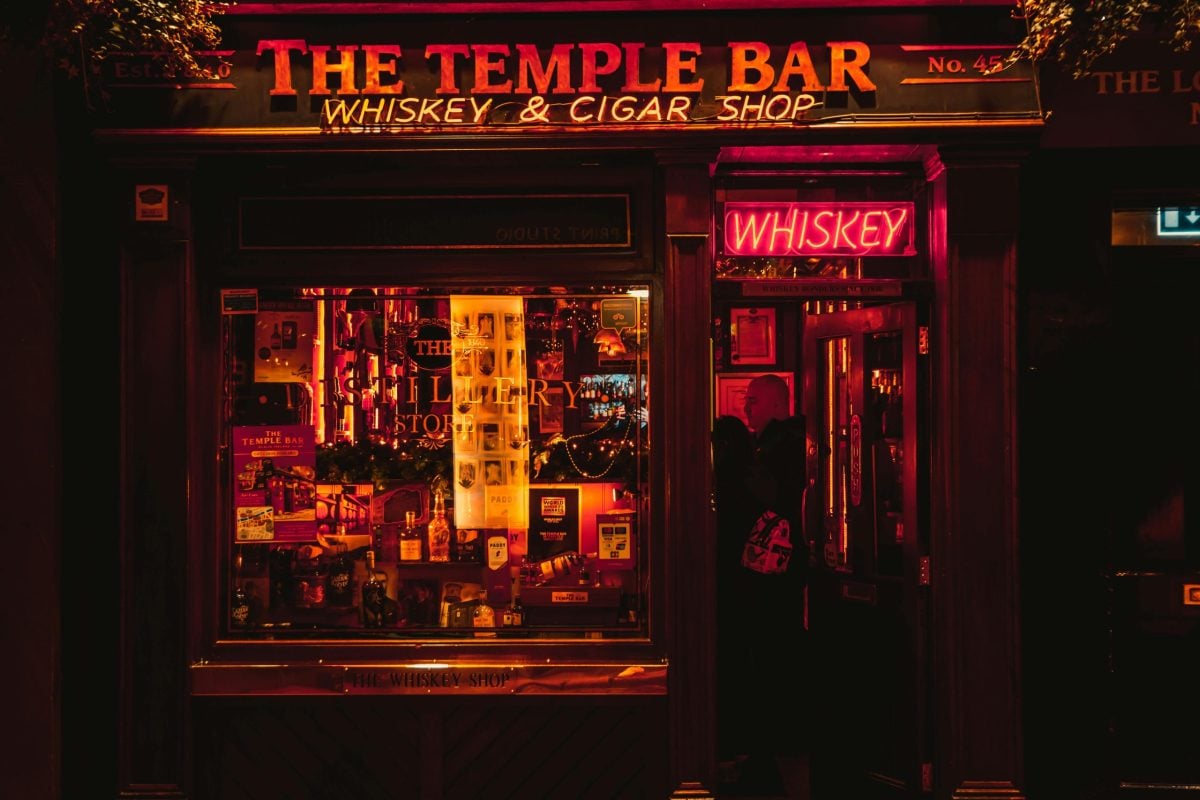
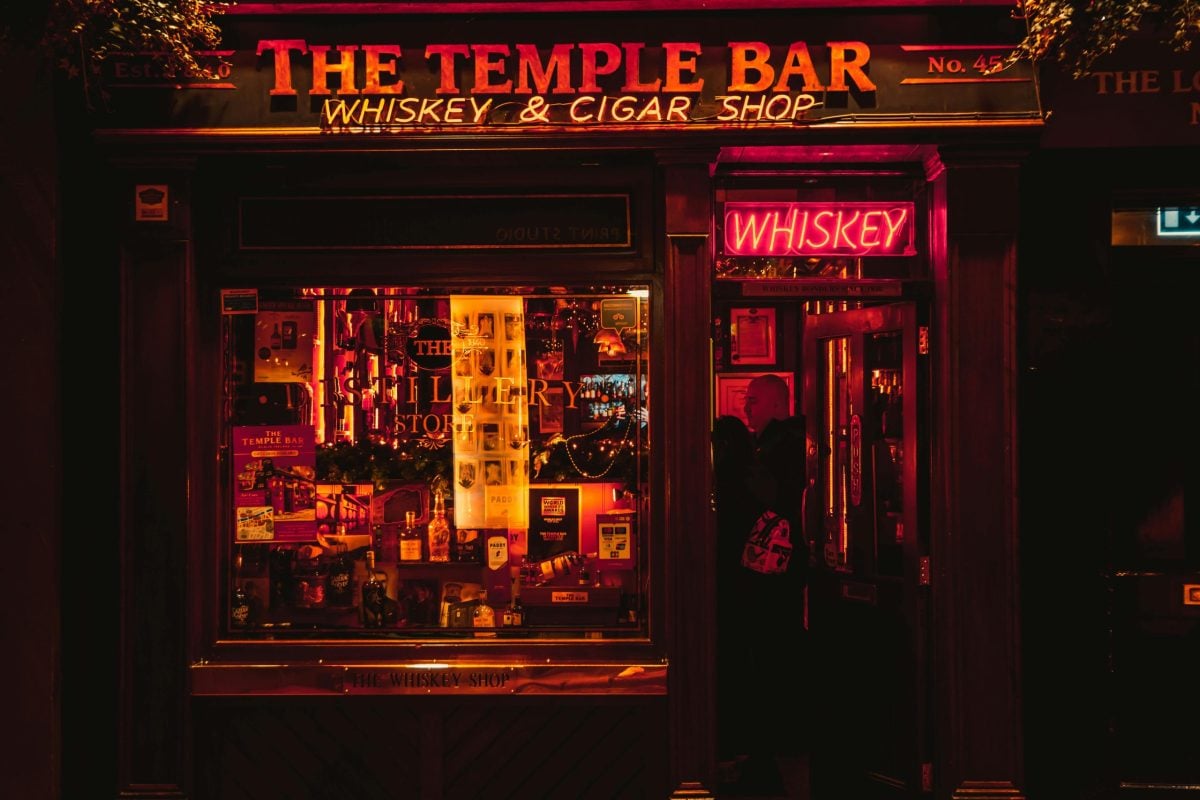
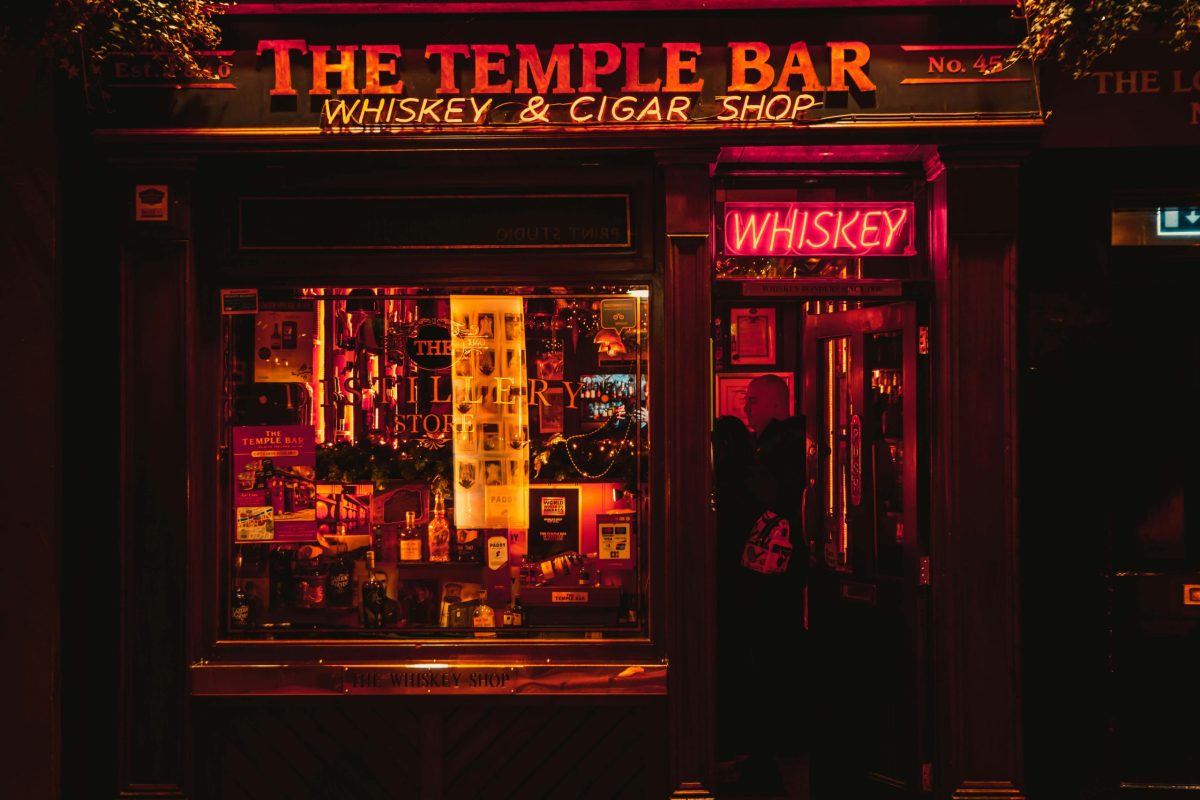
  • The famous Temple Bar district, known as Dublin’s cultural quarter, attracts over 2 million visitors annually, yet locals lament the loss of its once-authentic music venues.

FAQs

What can I do to support local musicians?
Attend gigs, buy merch, share their songs with friends – every little bit helps keep our music alive! You can find memorabilia on local artists at HubIrish.

Why is music so important to Irish culture?
Music is a vessel for our stories, struggles, and celebrations; it ties us back to our ancestors and roots, shaping our identity wherever we go.

Final Word

So raise a glass, my friends, and let’s keep the fight alive. For every note strummed in a dimly lit pub, for every tear shed over a battered guitar, there lies a story waiting to be told—a call to arms for the soul of Dublin and beyond. If you carry the same pride we do, you’ll find a piece of home waiting at
HubIrish.com
.

Heartbreak and Honor: Echoes of the Emerald Isle

Heartbreak and Honor: Echoes of the Emerald Isle

Whispers of the Emerald Isle: Tales of Heartbreak and Honor from the Shadows of our Ancestors

Estimated reading time: 6 minutes

Key Takeaways

  • The spirit of the Irish people is woven with tales of resilience and love.
  • Modern struggles echo the challenges faced by our ancestors.
  • Irish folklore serves as a bridge to understanding our cultural identity.

Table of Contents

Introduction
One Bitter Night in Kerry
A Reflection of the Past
The Silent Streets of Today
Did You Know?
FAQs
Final Word

Introduction

Gather round, lads and lassies! Let’s settle into the warmth of an Irish pub, the air thick with the scent of stout and old stories. Every sip of your pint echoes the heartbeats of our ancestors — their triumphs and sorrows weaving the tapestry of our lives today. For we are the children of the rebels, the dreamers, and the mourners. From Donegal to Dubai and back again, the whispers of the Emerald Isle call us home through tales of heartbreak and honor that are etched in our souls.

One Bitter Night in Kerry

Picture this: a sleepy village in Kerry, where the hills cradle secrets in their embrace. An old man, wise and weary, stares out into the night, a fire crackling softly in the hearth. He remembers the off-key ballads sung in the back lanes after a defeat on the field, the tears blurred by the late-night laughter. It was the ‘80s — fierce rivalry and pride literally defined the very heart of GAA. In that world of thunderous cheers and agonising losses, young lads lived for their team’s glory, dreaming of raising the cup above their heads. Until that fateful day in ‘85, when defeat came crashing down like a dark storm cloud over the whole county.

A Reflection of the Past

Ah, the story of loss runs deep in our veins. Each heartache unearths laughter through tears — it’s our way, isn’t it? In a country where history binds us, the soft echoes of the past ripple through every valley and across every sea. Those echoes remind us that we are never just individuals; we carry the legacy of our people, their fight for freedom, and their relentless spirit. From the hunger of the famine to jubilant victories on the pitch, every tale illuminates who we are. As the great Irish author Brendan Behan once said, “There’s no such thing as bad publicity except your own obituary.” In our stories, we rise; in our losses, we learn and grow ever stronger.

The Silent Streets of Today

Fast forward to now, and the echoes carry the voices of those who fought for the rights and respect still sought today. Walking through Dublin’s bustling streets or the quieter lanes of a small town, it’s impossible to ignore the cries for housing and affordable living — the new battleground where dreams often meet despair. A young person draped in a Kerry jersey looks at the horizon, eyes full of hope, yet burdened by the weight of history on their young shoulders. The spirit of our ancestors, the rebels who stood firm in the face of oppression, lives not just in stories but in every struggle for what’s right. Their fight fuels our fights, their dreams ignite our resolve, binding us across the waves of time and geography.

Did You Know?

  • The GAA was founded in 1884 to preserve and promote Irish sports, culture, and heritage — embracing our past through sport.
  • Over 70 million people claim Irish heritage worldwide, showing the lasting legacy of our spirit beyond these shores.

FAQs

What are some common themes in Irish folklore?
Ah, the tales of banshees, fairy forts, and the ever-elusive púca. Each story serves as a reminder of our deep connection to the land and our collective identity. For some fine folklore gear, check out the cultural section on HubIrish.

How does GAA influence modern Irish life?
It’s still the pulse of rural life, the pride of communities, and a bridge connecting us across oceans. If you catch a game in a Boston bar or a Dubai pub, the roar is a reminder that no matter where we are, we’re united under the green and gold.

Final Word

So here we gather, to remember not just the victories but also the heartbreaks that shaped our stories. Let’s lift our glasses to the memories, the fights, and the passion that bind us. As you walk through life, carry the spirit of your ancestors with pride; let their whispers guide you home — for if you carry the same pride we do, you’ll find a piece of home waiting at
HubIrish.com.

Tales of Love and Loss from the Emerald Isle

Tales of Love and Loss from the Emerald Isle

Whispers of the Emerald Isle: Tales of Love, Loss, and Ghosts from the Shadows of Our History

Estimated reading time: 7 minutes

Key Takeaways

  • The stories of our ancestors bind us together across generations and oceans.
  • Each Irish diaspora soul carries their unique tapestry of love and loss.
  • Maintaining our culture and heritage is essential for future generations.

Table of Contents

Introduction
The Heart of the Story
The Wider Echo
The Now & The Next
Did You Know?
FAQs
Final Word

Introduction

Gather round, my friends, for the stories I weave today are spun from the hearts of our ancestors. From the misty glens of home to the bustling streets of far-off lands, there’s a thread that binds us all—a shared tapestry of laughter and tears, love lost, and joy found. There’s magic in remembering, and in telling, we reclaim what has slipped through our fingers like fine sand. So, pour a wee dram, take a deep breath, and let us travel through the whispers of the Emerald Isle, where every tale carries the weight of history, emotion, and ghostly shadows.

The Heart of the Story

In the rugged hills of Wicklow, where the heather kisses the stones and the gurgle of the rivers sings lullabies, a tale of heartache took root. Old Sean, a man of weathered face and folklore’s grit, would often speak of his sweetheart, Mary. Their love was set against the backdrop of a turbulent time—when the echoes of rebellion reverberated through the valleys, and morning lights often found him wandering in silent despair. You see, Mary had to leave for the shores of America, leaving Sean haunted by promises made under the starry skies. The way he spoke of her, with a voice thick like the morning fog, one could hear not just desire but the ghost of a love never to fade. A love that stubbornly clung to the hills, whispering through every rustling leaf—echoes that make your heart ache and swell at the same time.

The Wider Echo

Ah, the threads of our stories weave together across oceans and generations. For every Sean in Wicklow, there are countless souls scattered through Boston pubs, pouring a pint and sharing tales of their own lost love or yearning for home. In a way, our diaspora carries the whispers of their ancestors—a reminder that while we may roam, our roots dig deep. As of 2022, over 70 million people of Irish descent live outside our shores. Each has a story—a tapestry of rebellion, heartache, joy, and ghosts of the past haunting their memories. It is in those moments of sharing, whether over a pint or at a family gathering, that we bridge the distances, keeping the ember of our culture alive.

The Now & The Next

And while we tell the tales of our past, we must also set our sights on the battles we face today. The struggle for housing haunts our streets like a banshee wailing into the night. Families, once thriving in the heart of cities, now search for refuge in ghost estates—shells of what once promised love and stability. Much like Sean, today, we face the echoes of unfulfilled dreams and hopes. Yet, in our resilience lies a fire. In a Kerry jersey in a London bar, in the songs that rise at the break of dawn, we continue to tell our stories, to fight for a better tomorrow. Let’s keep the conversations going, ensuring that our younger generations know that they are part of something bigger—a legacy that stretches back to the very stones of our beloved isle.

Did You Know?

  • Over 32 million people claim Irish ancestry in the United States alone, almost 10 times the population of Ireland itself.
  • The Banshee, a spirit from Irish folklore, is said to be a harbinger of death, a reminder that loss is an intrinsic part of our stories.

FAQs

What are some famous Irish folklore tales?
Stories of the Banshee, Leprechauns, and the Selkies resonate deeply. Each tale reflects our history, folklore, and cultural identity.

How can I connect more with my Irish roots?
Attend local Irish festivals, join GAA clubs, and explore our heritage through storytelling, music, and dance. You’ll find a piece of home wherever you go!

Final Word

So there you have it, my friends, a journey across love, loss, and the shadows that linger in every heart that beats for the Emerald Isle. As you carry these tales within you, know that you’re part of a legacy richer and deeper than the ancient stones of our land. Let’s keep whispering these stories until they turn into ballads that echo through the ages.
If you carry the same pride we do, you’ll find a piece of home waiting at
HubIrish.com.

Uncovering Ireland’s Forgotten Rebel Stories

Uncovering Ireland's Forgotten Rebel Stories

Echoes of the Past: The Hidden Stories of Ireland’s Forgotten Rebels

Estimated reading time: 8 minutes

Key Takeaways

  • The story of Seán, a rebel whose song inspired a movement.
  • Rebel songs connect past sacrifices to present struggles.
  • The importance of remembering forgotten rebels to inspire future generations.

Table of Contents

Introduction
The Heart of the Story
The Wider Echo
The Now & The Next
Did You Know?
FAQs
Final Word

Introduction

Ah, the rebels of yesteryear, wrapped in shadows and whispers. They didn’t march with grand parades or boast of medals. They lurked in the backrooms of the pubs, the sidestreets of towns, and the hearts of restless souls. Each one a nameless ghost, etching their stories in the fog of time. They fought not just for land or freedom but for the very spirit of a restless people — people like the proud folk of Tipperary, whose veins still pulse with tales of defiance. Gather ‘round, let’s unfurl those forgotten tales, breathe life into their musings, and celebrate their madness!

The Heart of the Story

In the quaint hills of Tipperary, they spoke in whispers of a rebel named Seán. A lad with a fire in his belly, he stood against the British soldiers, not with guns blazing, but with the power of song — a rebel ballad that echoed tales of freedom amidst the clatter of boots on cobblestones. They say music can stir the soul, and for Seán, it did more than that — it ignited a rebellion in the hearts of those oppressed. As he sang, crowds gathered, not just to listen, but to join, to feel something larger than themselves. He wasn’t just a man, he was a movement, a hope wrapped in the strains of the ol’ tin whistle that danced through the fields. He may have faded into history’s shadows, but for the people of Tipperary, his voice still lingers in the quiet moments of reflection, reminding them to fight for what’s right.

The Wider Echo

These stories of forgotten rebels are the threads that weave the tapestry of the Irish spirit, connecting us not just to our roots, but to each other. Nowadays, in every corner, whether it’s a café in Cork or a bustling pub in Ballymena, one can find echoes of Seán — a rebellious teenager belting out a song, urging his friends to remember the beauty of struggle. In a time of uncertainty, it’s a reminder that our sacrifices are not forgotten. The truth is, every chant you hear in the stands at a GAA match, every proud shout during a summer hurling championship, they’re built on the sacrifices of those who came before, the ones who dared to dream in a less forgiving world. It’s in our blood, after all.

The Now & The Next

As we seek justice today, the rebellious spirit lives on. Perhaps the struggle is different — the fight for housing, the battle against oppression, the marching for equality. Young folks in Dublin rally for rights against a backdrop of songs that were once sung in defiance. Our music, our tales, they’re the sinewy threads connecting the present with the past. It’s a dance that shifts with time, but our rebels remain ever courageous, reminding us to hold onto hope, no matter how bleak the night. From Boston to Berlin, our diaspora carries these echoes, snagging the fabric of Ireland wherever they go, reigniting that flame that lights up hearts far from home.

Did You Know?

  • In the 1916 Rising, nearly 1,600 men fought against British rule, many of whom were inspired by the ballads of their ancestors.
  • The song “The Foggy Dew,” penned in the aftermath of the Rising, remains a stalwart reminder of our struggle and resilience.

FAQs

What can I do to learn more about Irish history?
Seek out tales from the folks around you. Go to the local library, or just hang around a pub for the stories hidden in the pints. Explore Ireland’s rich history further through intriguing readings about activism and rebellion.

Why are rebel songs important?
They’re the pulse of our history! Rebel songs bind generations together, reminding us of our struggles and our triumphs, resonating through time with the wisdom of our ancestors. Like the proud melodies of Tipperary, they remind us of who we are and where we’ve come from.

Final Word

So, the echoes of the past ring like a clarion call, urging us to remember, to fight, to sing. These forgotten rebels may no longer walk among us, but their spirits ignite our hearts, keep our fires stoked. If you carry the same pride we do, you’ll find a piece of home waiting at
HubIrish.com.
And remember, every shake of the tambourine and each verse sung carries the weight of our people — and it’s up to us to keep their stories alive and loud, from the hills of Tipperary to the streets of New York.

Tales of Lost Love and Resilience in Ireland

Tales of Lost Love and Resilience in Ireland

Whispers of the Old Oak: Tales of Lost Love, Unyielding Resilience, and the Spirits of Ireland’s Heart

Estimated reading time: 6 minutes

Key Takeaways

  • Irish stories are woven with themes of love and loss.
  • The oak tree symbolizes resilience in Irish culture.
  • Connecting with your roots fosters a strong sense of identity.

Table of Contents

Introduction
The Heart of the Story
The Wider Echo
The Now & The Next
Did You Know?
FAQs
Final Word

Introduction

Gather around, you who carry the weight of the past in your knotted hands. There’s a pulse in the land, a whisper in the winds that sweep over the hills of Ireland — an echo of lost loves and resilient hearts. When the dance is over, and the laughter faded, what remains is the essence of our stories, wrapped in the roots of ancient oaks. On this feisty island, love and loss are stitched into our very being, binding us to our homeland and to each other, no matter how far our feet roam.

The Heart of the Story

In the cool morning hush of Galway, an old oak stands like a sentinel, bearing witness to the ebb and flow of life. It’s here, beneath its gnarled branches, that young lovers once carved their names into the bark, hearts fluttering like the swallows overhead. One autumn afternoon, two souls mingled their dreams and their laughter — Aisling and Liam. They believed their love was eternal, destined. But the winds of change blew strong as whispers of emigration bid farewell to dreams. With Liam bound for America, they stood beneath the old oak, promising to find their way back to each other, swearing to never let the distance dim their fire.

The Wider Echo

Love, loss, and longing intertwine in the narratives of countless Irish families who’ve scattered to the four corners of the earth. For every Aisling and Liam, there’s a world full of heartache carried in the memories of those left behind, waiting at bus stops and train stations that could only echo the laughter of a lover once close. Their stories speak to us from the vast distances, reminding us that though the seas may be wide, the roots run deeper. Today, nearly 10 million Irish citizens reside abroad, fueling a diaspora that thrives on the resilience of shared stories, bonds forged in the heat of shared experiences.

The Now & The Next

But what of the now? The world has changed, but the heart of Ireland still beats steadfast. In the pubs of New York where Kerry jerseys rival the sweat of hurling matches, the spirits of home come alive in laughter and song. Each note played, each pint raised in memory of lost loves and the courage to endure symbolizes an unbroken chain stretching from the old pages of history to the vibrant tapestry of modern life. Today, as housing crises grip our cities and grief intertwines with joy, the spirit of the oak whispers, pushing us to connect, resist, and reclaim what is ours — to shout our names into the wind, like the ones who came before us.

Did You Know?

  • Over 80 million people worldwide claim Irish ancestry, a testament to our enduring legacy.
  • The phrase “Céad Míle Fáilte,” meaning “a hundred thousand welcomes,” embodies the hospitality that welcomes our diaspora home.

FAQs

What does the oak tree symbolize in Irish culture?
The oak tree is revered as a symbol of strength and stability, representing resilience in the face of life’s storms, much like our people. For more on our culture, check out our art section.

How can I stay connected to my Irish roots while living abroad?
Embrace your identity! Join local Irish groups, celebrate our festivals, share stories, and support Irish businesses. You’re never alone — your roots run deep no matter where you are.

Final Word

As we pour another pint, as laughter rings out over tales of yore, remember the whispers of the old oak and the stories it guards. It isn’t just about love lost or heartache savored; it’s about the resilience of a spirit that knows no bounds. If you carry the same pride we do, you’ll find a piece of home waiting at
HubIrish.com.

Echoes of the Irish Spirit: Stories & Heritage

Echoes of the Irish Spirit: Stories & Heritage

From the Banshee’s Lament to the Pub’s Last Call: The Stories We Carry and the Ghosts We Honor

Estimated reading time: 7 minutes

Key Takeaways

  • The power of storytelling connects generations and cultural identities.
  • Over 70 million people of Irish descent worldwide share a common heritage.
  • Our stories shape who we are and help us honor our memories and connections.

Table of Contents

Introduction
The Heart of the Story
The Wider Echo
The Now & The Next
Did You Know?
FAQs
Final Word

Introduction

Gather ‘round, ye sons and daughters of the Emerald Isle! Here we stand, awe and ache in our hearts, stories swirling like smoke in a quaint pub. The night is long, and the songs of our past echo like the banshee’s wail, haunting and beautiful. Time’s handed us grief, love, and a stubborn pride — the kind that thrums in our veins on match day or during the quiet reflection at a wake. From the gales of Donegal to the vibrant streets of Dublin, our lives intertwine through stories — big, small, and oh-so-human.

The Heart of the Story

Picture this: a weathered old pub in a small village in Limerick, where the air crackles with tales of heartbreak and hope. An old man sits at the bar, nursing a pint, his eyes glassy with bygone dreams and maybe a few spirits too. “Did ye hear about the match last Saturday?” he bellows, throwing a hand across the table, animated like a giddy lad. He recounts the glory of that last-minute goal that lifted spirits higher than the stars above, while memories of friends long departed seep through the laughter and shouts. That’s the essence of our stories — the shared moments of triumph and despair, woven with threads of our collective identity.

The Wider Echo

But every story holds more than just joy or pain. It reverberates, casting ripples across the waters of our homeland and diaspora alike. The statistic is indecipherably stark, but it tells a tale of urgency: over 70 million people are of Irish descent globally. Imagine the hearts tethered to this little island, yearning for connection. Every cheer in a Boston GAA bar or a quiet tear shed at a hastily organized gathering on St. Patrick’s Day whispers of our shared legacy. In the land where politics and pride dance a delicate jig, we remember that the past doesn’t stay buried, especially when it’s steeped in love and loss.

The Now & The Next

Today, as the winds of change howl fiercely, our stories become more than just whispers of nostalgia — they’re calls to arms. Youth in our cities and towns are shaping their identities; a kid in a Kerry jersey dreams of stadium glory while grappling with their own reflections in Ireland’s lakes and mirrors. Their laughter joins the echoes of past rebellions and shared resilience. From the pint raised high in celebration to the quiet moments shared with a family member at a wake, we carry these stories. They remind us who we are — a thread of continuity that we must honor as we forge our path into tomorrow.

Did You Know?

  • The banshee, a spirit whose keen warns of impending death, is part of our folklore and speaks to our deep-rooted connection to the past.
  • In the last decade, the Irish population outside of Ireland has grown exponentially, with millions of us striving to connect with our roots.

FAQs

What is the significance of storytelling in Irish culture?
Our stories connect generations, echoing values, struggles, and identities, much like the rhythm of our most beloved songs. You can explore more about this rich tradition at HubIrish.com.

How can we honor Irish traditions today?
Participate in local events, reconnect with your kin, join a GAA team, or simply share a pint and a story to keep the legacy alive and kicking.

Final Word

So there ye have it, from the banshee’s lament whispered through the winds to the final call of the pub as it closes for the night. Our stories are more than mere words; they carve the landscape of our essence and continuously shape our future. If you carry the same pride we do, you’ll find a piece of home waiting at
HubIrish.com.

Whispers from the Bog: A Journey Through Irish Heart and History

Whispers from the Bog: A Journey Through Irish Heart and History

Whispers from the Bog: Unraveling the Tapestry of Love, Loss, and Rebellion in the Heart of Ireland

Estimated reading time: 6 minutes

Key Takeaways

  • The bogs of Ireland symbolize deep-rooted history and collective identity.
  • Irish heritage transcends geographical boundaries, connecting people through shared stories.
  • Modern generations are influenced by the legacy of their ancestors in ways that shape their futures.

Table of Contents

Introduction
The Heart of the Story
The Wider Echo
The Now & The Next
Did You Know?
FAQs
Final Word

Introduction

There’s a hum that rises from the depths of the bog, a lilt of love wrapped in whispered grief, echoing the spirit of rebellion that courses through our veins. Ireland, with her rolling hills and timeworn stones, holds stories as ancient as the soil itself. This is not merely a tale; it’s the pulse of a nation, the laughter and sorrow that dances around the fire in the heart of every Irishman and woman, whether at home in the emerald field of Kerry or bustling through the streets of New York. Let us wander together, for the bog has many whispers and each carries a weight of history that deserves to be heard.

The Heart of the Story

Imagine the hills of Kerry, where the wind tells tales of love lost to the sea and hearts made heavy with the weight of longing. Picture a young couple, their fingers intertwined, running through the wild heather — laughing, dreaming, unaware of the storm brewing on the horizon. But life’s cruel humour can intervene. He goes to fight, a rebel with a cause, laughter silenced on the battlefield, and she waits, heart bleeding by the fire, her voice lost amongst the howling gusts echoing through time.

The Wider Echo

This is not merely a local sorrow; this resonates from the coastal shores of Inis Meain to the crowded pubs of Boston, the diaspora holding tight to the threads of their homeland. “I have heard the call of the rebel siren,” they say, “the ache for home is louder than the songs we sing in our adopted lands.” And in every tear shed for a past we can never reclaim, there’s a fierce pride. It speaks of a shared heritage that binds us across oceans and generations, a collective heart that pulses in unison, regardless of how far we may roam.

The Now & The Next

As we squint into the future, we find the bog still whispering these stories. Today, a young lad in a Kerry jersey kicks a ball around a Dublin street, inspired by legends long gone, struggling to find his own hero’s journey in a world that often feels indifferent. He dreams of glory, yet feels the haunting history of his kin, the echoes of rebellion that shaped his past but can also dictate his future. It’s a legacy that demands recognition, for it is in our stories, from love lost to the fire of our ancestors, that we gather strength and find unity in this modern chaos.

Did You Know?

  • Over 70 million people around the world claim Irish ancestry, a testament to the legacy of emigration and the universal desire for belonging.
  • The ancient Irish tradition of storytelling has been used to preserve the tale of the 1916 Uprising, a pivotal moment that resonates with Irish identity and pride to this day.

FAQs

What do the bogs of Ireland symbolize?
The bogs are the heart of the land, holding centuries of history, love, and loss. They remind us of the slow, whispered tales of our ancestors, urging us to remember and reclaim our identity.

How can I connect with my Irish roots from abroad?
Celebrating your heritage can begin with the stories, songs, and even the jerseys of your county — find comfort in the familiar, like donning a GAA jersey from your home county.

Final Word

So, let us raise a glass to the past, to the love that crossed seas and the losses that shaped us. To the whispers from the bog that mold the tapestry of our souls, reminding us of where we come from, and lighting a pathway to where we’re going. If you carry the same pride we do, you’ll find a piece of home waiting at
HubIrish.com.