
Uncategorized
The Hidden Lives of the Tuam Babies
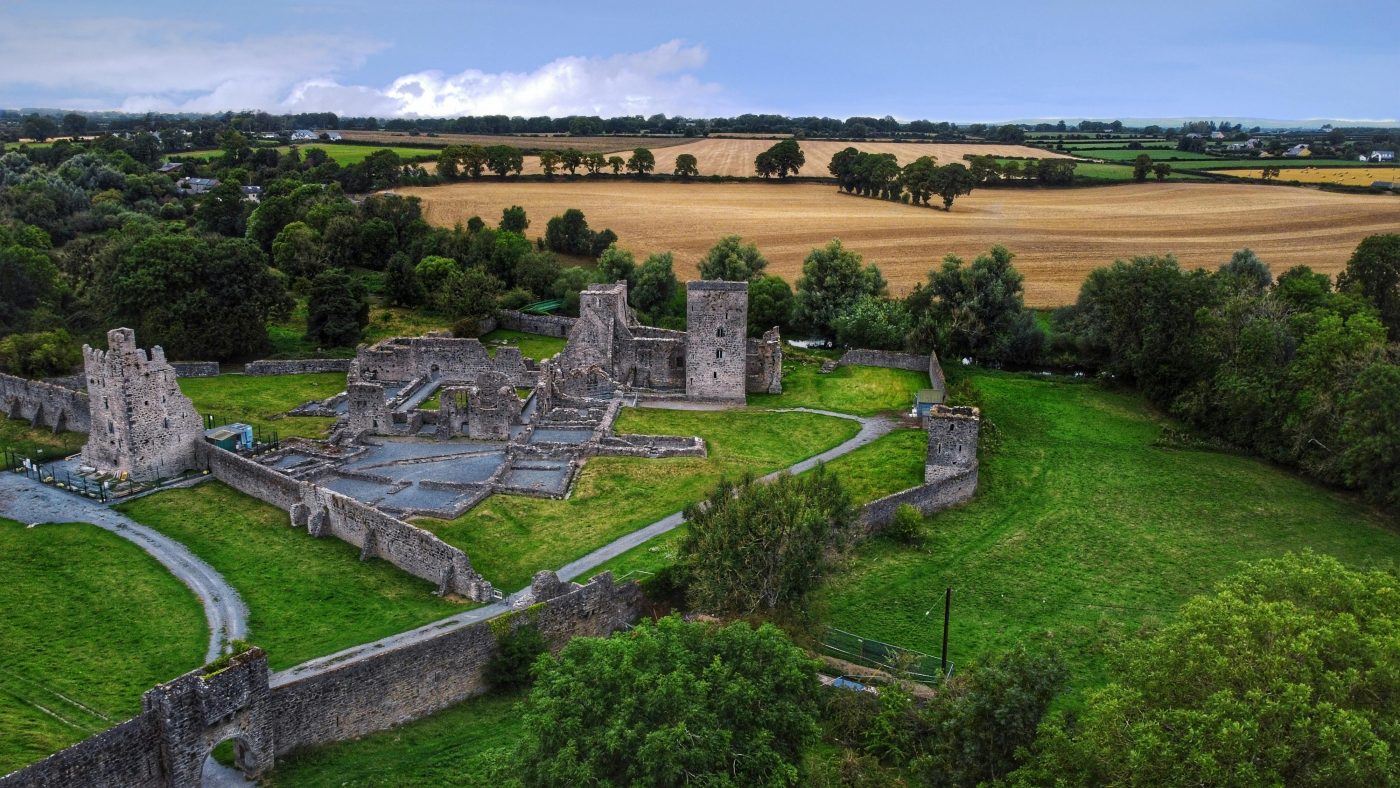
The Hidden Lives of the Tuam Babies: A Heartbreaking Legacy of Mother and Child
Estimated reading time: 5 minutes
Key Takeaways
- The Tuam Mother and Baby Home housed over 9,000 women from 1925 to 1961.
- A shocking report in 2014 revealed that up to 796 babies may be buried in unmarked graves at the site.
- The legacy of the Tuam babies continues to spark discussions around justice and reconciliation in Ireland.
Table of Contents
Introduction
The Heart of the Story
The Wider Echo
The Now & The Next
Did You Know?
FAQs
Final Word
Introduction
In the quiet town of Tuam, nestled in the heart of County Galway, echoes of grief and betrayal stir the soil beneath our feet. It’s a sorrow that refuses to fade, a haunting tale woven from the fabric of shame and lost innocence. Here, among the memories of mothers torn away from their children, lies a legacy that compels us to confront the darkest corners of our history.
The Heart of the Story
In 1925, a shocking discovery rocked the small community of Tuam as the remains of hundreds of infants were uncovered at the site of a former mother-and-baby home run by the Bon Secours Sisters. The site, a grim testament to the cruelty faced by many unwed mothers in Ireland throughout the 20th century, revealed the chilling truth—a hidden graveyard where the lost lives of these children lay silent, their stories untold. They were the babies of young women, often shunned by society. They were the children of sin, someone’s shame. The very existence of this home was steeped in secrecy, with mothers forced to live behind high walls, their screams of sorrow echoing through the narrow passes of Galway.
The Wider Echo
The truth unearthed in Tuam resonates far beyond the confines of its county. It speaks to a collective trauma shared not just among the families directly affected but across generations of Irish people grappling with a legacy riddled with neglect, discrimination, and a part of our collective identity that many wish to erase. As we reckon with the brutal realities faced by these women, the forced adoptions, and the inhumane treatment, we find ourselves standing at a crossroad of justice and reconciliation. Even today, as the scars of this injustice remain fresh, we are reminded of how deeply faith and shame intertwined in the fabric of Irish society. The heartbreaking truth is that these children were as unseen in life as they were in death, testament to a system that often valued purity over compassion.
The Now & The Next
Today, the Tuam tragedy serves as a poignant reminder of the struggles that mothers still face. In a country where a housing crisis looms large, and a history of putting societal expectations above individual humanity continues to haunt national discourse, we find ourselves asking: what lessons have we learned? As movements for justice gain momentum, the stories of those babies will not be silenced. They surge forth, urging us to fight for a future where every child matters and every mother is treated with dignity. The Tuam babies remind us that we must break the cycle of abandoning those in need. The pain of their absence fuels a fire within the Irish spirit, all the while igniting conversations on mental health, joyful motherhood, and the fundamental right to love freely.
Did You Know?
- The Tuam Mother and Baby Home operated from 1925 to 1961, with over 9,000 women housed there.
- In 2014, a report revealed that up to 796 babies could be buried in unmarked graves on the site, a number that shocked the nation and reignited conversations about systemic neglect.
FAQs
What actions have been taken regarding the Tuam site?
Following public outcry, several investigations have been conducted, and in 2019, the Irish government promised to carry out a forensic excavation of the site, ensuring the stories of these children will finally be told.
How can I help raise awareness about this issue?
Supporting organizations that advocate for the rights of mothers and children and promote awareness of these historical injustices can help foster a more compassionate society.
Final Word
The ripple of the Tuam babies’ story extends beyond time—it’s a call to remember and to reckon. As we move forward, let us carry their memories like a torch, illuminating paths of honesty and healing in our continuing journey towards justice. For those who carry the pride and pain of our shared history, a piece of home beckons through the shadows of our past at
HubIrish.com.
