

The Haunting Legacy of Magdalene Laundry Survivors

The Haunting Legacy of Magdalene Laundry Survivors

How the Silent Suffering of Magdalene Laundry Survivors Sparked a National Reckoning in Ireland

Estimated reading time: 6 minutes

Key Takeaways

  • The Magdalene Laundries were institutions where women faced severe mistreatment.
  • The last laundry closed in 1996, highlighting a grievous chapter in Irish history.
  • Survivors are now advocating for recognition and justice, sparking important societal changes.

Table of Contents

Introduction
The Heart of the Story
The Wider Echo
The Now & The Next
Did You Know?
FAQs
Final Word

Introduction

It’s a tale woven through the fabric of Ireland’s not-so-distant past; a haunting melody of pain, betrayal, and resilience. The story of the Magdalene Laundries, grim places where women sought refuge but found only solitude and suffering, echoes like a lament in the hearts of survivors. This is not just a story of their confinement; it’s a chronicle of silence breaking, of voices rising that demand acknowledgment, justice, and above all, recognition from a nation that must come to terms with its own history.

The Heart of the Story

In the shadowy streets of Dublin, where the cobblestones whisper stories long buried, the Magdalene Laundries flourished under the guise of penance and rehabilitation. Run by Catholic religious orders, these institutions became prisons where women, often simply deemed “fallen,” were stripped of their identities and forced to labor under duress. The last of these laundries closed as late as 1996, marking a grim legacy that wounded countless lives. Imagine, if you will, a young girl from Dublin — her laughter silenced, her spirit confined, her future rewritten by the societal scorn of her time. The streets she once roamed now held her captive in a never-ending cycle of shame and silence, her cries unheard amidst the steam of laundry machines.

The Wider Echo

But history has a way of clawing its way back into the light. As the survivors emerged from decades of silence — nurtured by the growing acknowledgment of trauma and the demand for accountability — Ireland began confronting its own reflection. The 2013 Report of the Inter-Departmental Committee to establish the facts of State involvement with the Magdalene Laundries shook the foundations of public discourse. As a nation built on tales of hardship and resilience, how could it remain indifferent to this chapter? With over 10,000 women passing through these doors, the wounds inflicted are stitched into the very fabric of our collective memory. It’s not just a tragedy of the past — it holds a mirror to the ongoing struggle for dignity and respect across Ireland.

The Now & The Next

In today’s Ireland, where the winds of change howl through housing estates and community gatherings, the echoes of these survivors resonate louder than ever. Their stories are interwoven with movements advocating for mental health, human rights, and societal change. The Magdalene Laundries serve as a stark reminder of what can happen when silence reigns and abuse flourishes unchecked. “We were not criminals,” survivor Annie Murphy declared — a poignant reminder to today’s youth that truth and justice, however painful, must be pursued with relentless spirit. Ireland is on a path, confronting its past while forging a future that honors the dignity of all its citizens.

Did You Know?

  • The last Magdalene Laundry, located in Dublin, closed down in 1996, a time many consider not too far removed from the modern era.
  • Research estimates that around 30,000 women and girls were incarcerated in the Magdalene Laundries throughout their history.

FAQs

What are Magdalene Laundries?
They were institutions run by religious orders in Ireland where women were often sent for “reformation.” Many endured severe isolation and mistreatment.

Is there ongoing support for Magdalene Laundry survivors?
Yes, various organizations work to support survivors, promote their stories, and push for further government acknowledgment and compensation.

Final Word

The legacy of the Magdalene Laundries is not just one of pain; it’s a story of survival, strength, and finally, recognition. As we remember those who suffered and those who emerged with their stories to tell, let us carry their truth forward in our hearts. If you carry the same pride we do, you’ll find a piece of home waiting at
HubIrish.com.
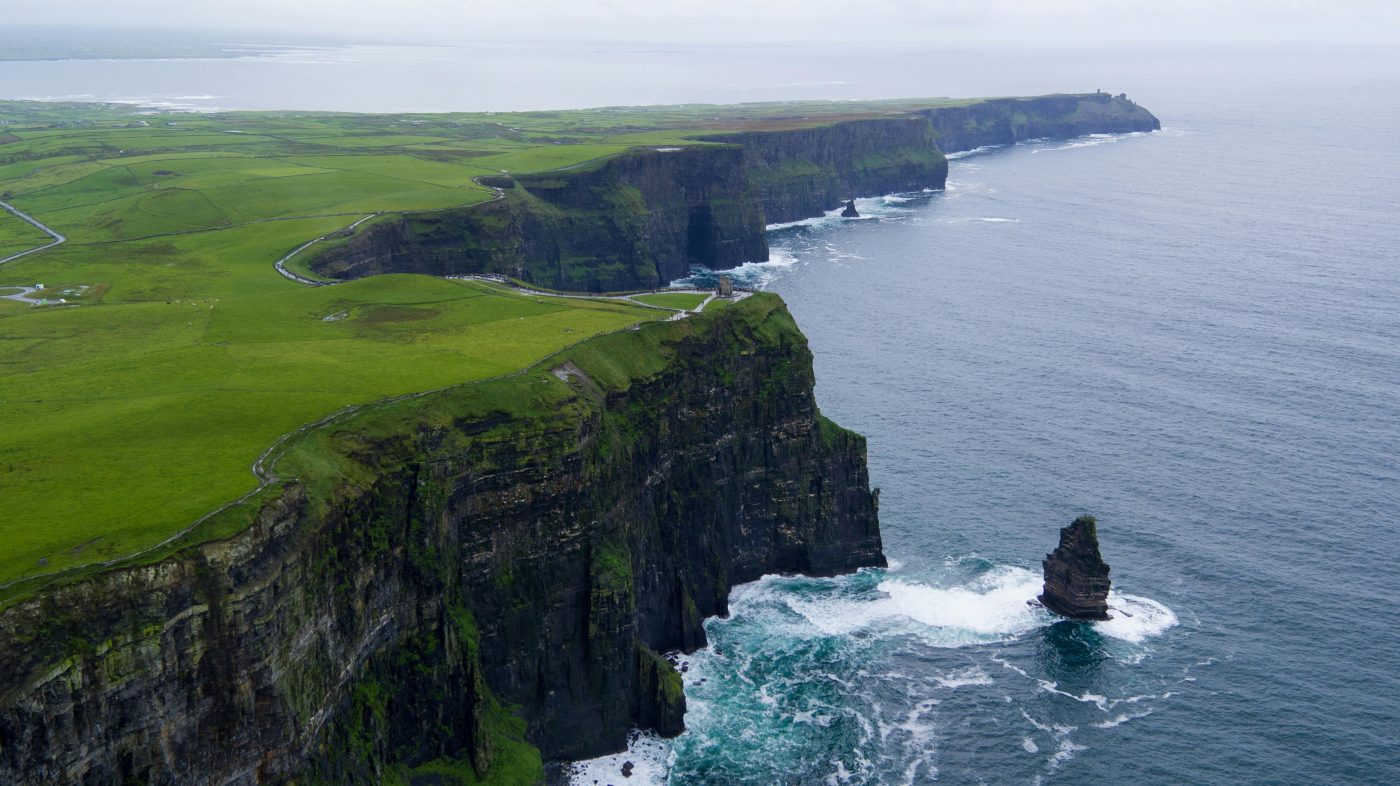

The Hunger Strike That Ignited Irish Freedom

The Hunger Strike That Ignited Irish Freedom

The Day the World Stood Still: How the 1981 Hunger Strikes Forever Changed the Fight for Irish Freedom

Estimated reading time: 6 minutes

Key Takeaways

  • The 1981 Hunger Strikes were a pivotal moment in the fight for Irish freedom.
  • They highlighted the issues of political identity and human rights amidst oppression.
  • The legacy of the hunger strikers continues to influence modern socio-political contexts.

Table of Contents

Introduction
The Heart of the Story
The Wider Echo
The Now & The Next
Did You Know?
FAQs
Final Word

Introduction

On the frayed edge of existence, amidst the clatter of cells and rotting dreams, ten brave souls held aloft the banner of freedom in a hunger strike that echoed around the globe. In the heart of Ireland—both North and South—1981 became a crucible, a boiling point that ignited not just outrage but a movement, binding souls in their struggle against oppression. These were men who refused to be ghosts; they were spirit, pride, and rebellion embodied.

The Heart of the Story

As the sun set on the old streets of Antrim, the lives of Bobby Sands, Francis Hughes, and their comrades morphed into legends. The Irish Republican Army (IRA) decision to seek the restoration of Special Category Status for its prisoners stirred a hornet’s nest. For them, it wasn’t just about rights; it was a matter of identity, of dignity stripped away under the weight of British rule. They bared their souls, refusing food, their faces gaunt but spirits soaring, as the world looked on in awe and horror.

The Wider Echo

The hunger strikes turned the spotlight on a hidden war, illuminating the brutal realities of a divided nation. Politicians in far-off lands bickered over the futility of violence, while activists rallied in squares, demanding justice. As Sands became the first to die, a wave of grief and anger surged through the streets—a reminder that these men were not just prisoners; they were martyrs in a struggle that was about more than just land. It was about culture, heritage, and the unbreakable bond of the Irish people. “Our revenge will be the laughter of our children,” Sands once wrote, sowing hope even in the darkest of times.

The Now & The Next

Fast forward to today, and the echoes of that hunger strike resonate in the streets of Belfast, in the hearts of a younger generation grasping for justice in a new context: housing crises, economic disparity, and the spectres of sectarianism that refuse to fade. The legacies of those ten brave men teach us that the fight isn’t over; it evolves. If the past is a map, the battle for freedom and equality continues to be drawn in contemporary contexts, demanding us to remember, to honour, and to act.

Did You Know?

  • Bobby Sands was elected as a Member of Parliament during his hunger strike, bringing unprecedented attention to the plight of Irish prisoners.
  • The 1981 Hunger Strikes remained one of the most significant events in the Irish conflict, galvanizing the Irish diaspora and shifting international perception of the Northern Irish situation.

FAQs

Why did the hunger strikers choose this method of protest?
They sought not just to draw attention to their plight but also to reclaim their identity as political prisoners rather than mere criminals.

How did the public react to the hunger strikes?
The strikes polarised opinion, with many supporting the hunger strikers’ cause, while others vehemently opposed it, highlighting the divided public sentiment in Northern Ireland and beyond.

Final Word

The 1981 Hunger Strikes stand as a beacon of resilience in the heart of Ireland—a testament to the spirit that refuses to be silenced. As we look back, may we remember these heroes with reverence and carry their courage into our own struggles today.
If you carry the same pride we do, you’ll find a piece of home waiting at
HubIrish.com.

Marie O’Donnell’s Fight Against the Magdalene Laundries

Marie O'Donnell's Fight Against the Magdalene Laundries

How One Irish Woman’s Brutal Fight Against the Magdalene Laundries Changed Lives Forever

Estimated reading time: 6 minutes

Key Takeaways

  • The Magdalene Laundries were institutions with dark histories that housed women labeled as sinful.
  • Marie O’Donnell’s courage led to a national reckoning on women’s rights and institutional abuse.
  • The last Magdalene Laundry closed in 1996, signaling the end of a painful chapter in Irish history.

Table of Contents

Introduction
The Heart of the Story
The Wider Echo
The Now & The Next
Did You Know?
FAQs
Final Word

Introduction

In the cool shadows of Ireland’s past, where whispers of unthinkable hardship linger, there emerged a ray of stubborn light—an unyielding spirit embodied by one courageous woman. The tale of the Magdalene Laundries evokes horror and sorrow, yet it is the fierce defiance of women like Marie O’Donnell that carved a path toward healing. These laundries, institutions masked as havens but in truth filled with oppression, became a battleground for those seeking justice. This story is not just of survival; it’s a return to dignity, a resurrection of spirits once silenced.

The Heart of the Story

Marie O’Donnell was once a name among many—just another girl washed into the cold, grey walls of a Magdalene Laundry in Galway. Plucked from her youth, Marie endured the drudgery of scrubbing linens, her laughter stolen by the relentless grind of compulsory servitude. But she was not just a victim; she was fierce. In 1993, Marie opened her mouth, broke the silence, and told her story. She became an emblem, a symbol of fortitude, and in exposing the horrors of the laundries, she ignited a fire within a generation. Her words carried the weight of truth like a drumbeat, challenging a society ready to forget.

The Wider Echo

By uncovering the stories of broken women, Marie stripped away the veil of ignorance. The laundries, often seen as places of moral correction, were in fact sites of suffering. Between 1922 and 1996, over 30,000 women endured this ghastly reality, relegated to the shadows and silenced by a culture steeped in shame. Marie’s act of bravery inspired others to share their experiences, bringing forth a tidal wave of testimonies that reshaped conversations about women’s rights and justice. The Irish government, once complacent, was forced to reckon with this dark chapter of its history. In 2013, a long-awaited report echoed the cries of those women, acknowledging the institutional abuse and laying bare the injustices perpetrated.

The Now & The Next

Today, as Ireland confronts its past, the ripples from Marie O’Donnell’s fight are still felt across the Emerald Isle. Her courage remains a beacon for others advocating for change—fighting against domestic violence, pushing for mental health awareness, and amplifying the voices of marginalized communities. The struggle for justice continues in a society still grappling with the shadows of its own history. And as we reflect, we must ask ourselves: how can we carry Marie’s strength forward? How do we ensure that the voices of the past propel us toward a more compassionate future?

Did You Know?

  • The last Magdalene Laundry in Ireland closed its doors in 1996, just a generation ago.
  • In 2018, the Irish government issued a formal apology to the women affected by the Magdalene Laundries, a significant step toward reconciliation.

FAQs

What were the Magdalene Laundries?
The Magdalene Laundries were institutions run by Catholic nuns in Ireland, housing women labeled as “fallen” or “sinful.” Many women were forced into hard labor and lived under oppressive conditions.

How did Marie O’Donnell’s story impact Irish society?
Marie’s courageous revelations sparked public outrage, leading to investigations and policy changes that sought justice for the women of the laundries and a broader discussion about women’s rights in Ireland today.

Final Word

As we raise our glasses to Marie O’Donnell and all those who fought for their voices to be heard, let us remember: history is not just a story of where we’ve been, but a compass guiding us forward. If you carry the same pride we do, you’ll find a piece of home waiting at
HubIrish.com.
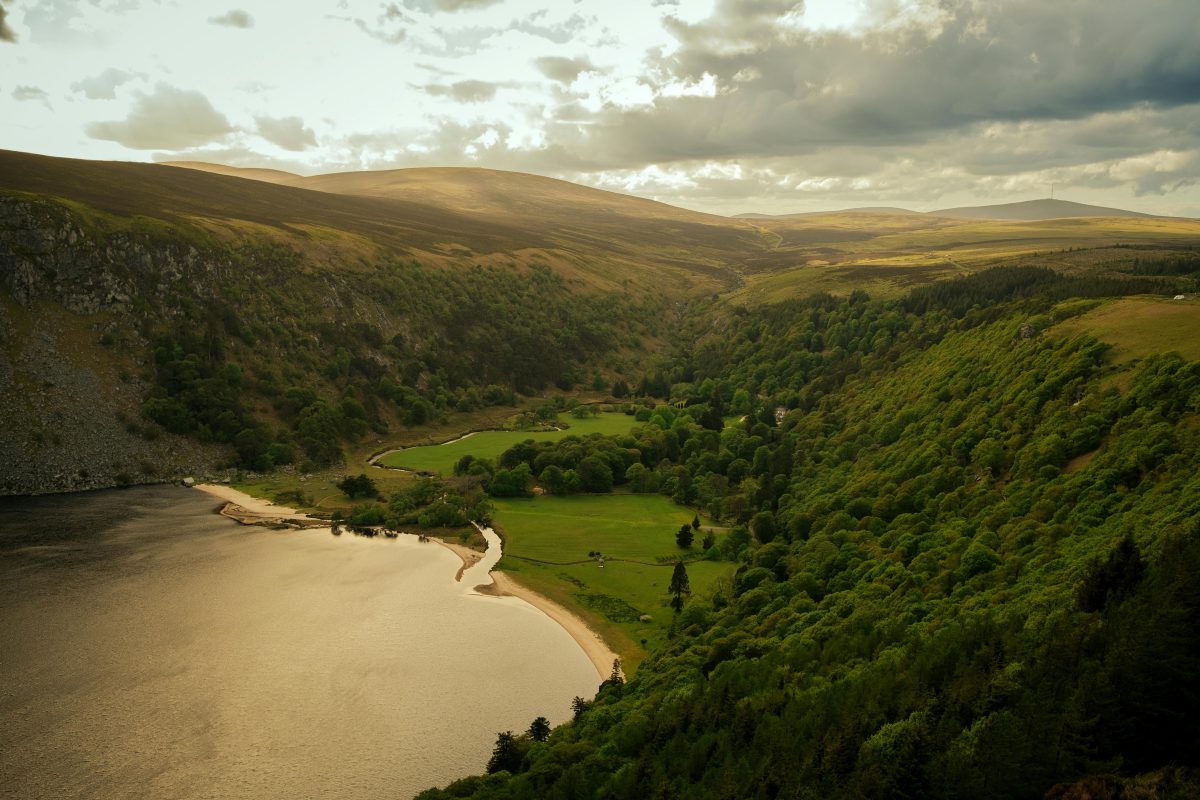
Edison’s Journey: From Famine to American Innovation

Edison's Journey: From Famine to American Innovation

From Famine to Fame: How an Irish American Inventor Changed the World and Built a Bridge Back Home

Estimated reading time: 6 minutes

Key Takeaways

  • Thomas Edison was inspired by his Irish roots, reflecting the resilience of Irish immigrants.
  • Edison’s inventions transformed society, serving as a bridge between Ireland and America.
  • The spirit of innovation transcends borders, continuing to inspire future generations.

Table of Contents

Introduction
The Heart of the Story
The Wider Echo
The Now & The Next
Did You Know?
FAQs
Final Word

Introduction

In the bittersweet light of Irish history, where sorrow often swirls with pride, there stands a man who embodies the indomitable Irish spirit. Thomas Edison, while better known as the wizard of Menlo Park, is often overshadowed in tales of the Irish Diaspora. But his Irish roots reveal a poignant journey — from the blistering hunger of famine to the incandescent glow of invention, lighting a path for his kin left behind in County Kerry. In each flicker of light, there lies a story of resilience, of dreams ignited, and a bridge built back home.

The Heart of the Story

Born in Milan, Ohio, to Irish immigrants from County Kerry, Edison’s ancestry is a testament to the countless Irish families who fled the Great Famine in search of new beginnings. The echoes of their struggles resonate deeply in the very soil that nurtured his dreams. With each invention—from the phonograph to the modern electric light bulb—Edison was not just changing the world; he was weaving the hopes of a decimated people into the very fabric of American life.

As a young boy, he chased after the flickering glimmers of fireflies, not knowing that those fleeting lights would inspire a lifetime of illuminating the darkness. Imagine the pride in Kerry, as news spread of the boy whose touch could change the world, the boy who once feared hunger, now feeding the dreams of millions.

The Wider Echo

Edison’s contributions reached far beyond the realm of science. They represented a bridge of hope extending from the heart of famine-stricken Ireland to the bustling streets of America. More than just a metaphorical bridge, each invention sparked new pathways in business, education, and culture, as Irish immigrants began to forge their identities in a new land. His story propelled the Irish narrative from one of loss to one of innovation and influence.

The sorrow of the Famine may have uprooted families, but it also planted the seeds of resilience. In 1903, Edison was quoted saying, “I never did a day’s work in my life; it was all fun.” Underneath the jest lies a testament to the spirit inherited from his ancestors, those who worked hard not merely to survive but to thrive, fostering an Irish-American legacy built on ingenuity.

The Now & The Next

Today, as families in County Kerry walk the windswept shores, they can look back at their history with pride. Edison’s influence still reverberates, reminding us that innovation knows no borders. The spirit of bridging divides lives on, manifesting in fields such as technology, the arts, and community-building initiatives. From tech hubs in Dublin to academic pursuits inspired by Edison’s legacy, the dream remains alive, threading through generations.

As the Irish diaspora continues to thrive, from bustling Boston to the villages of Kerry, they carry the torch of innovation lit by ancestors like Edison. Whether through a GAA jersey worn proudly in a neighborhood game or through the laughter echoing from kitchen tables around Dublin, the spirit of Edison’s kin drives forward, inspiring the next wave of dreamers and doers.

Did You Know?

  • The Great Famine (1845-1852) led to an exodus where over a million Irish people left their homeland.
  • Thomas Edison held over 1,000 patents, revolutionizing the modern world with inventions that continue to shape our lives.

FAQs

What is Thomas Edison’s connection to Ireland?
Edison’s parents emigrated from County Kerry, Ireland, during the Great Famine, shaping his identity and legacy.

How did the Irish diaspora influence America?
Irish immigrants brought rich traditions and resilience, significantly impacting American culture, politics, and industry.

Final Word

From the fiery ashes of strife to the radiant glow of achievement, Edison’s life reminds us that ingenuity and spirit know no boundaries. If you share a heart of pride in this legacy, you’ll find a piece of home waiting at
HubIrish.com.
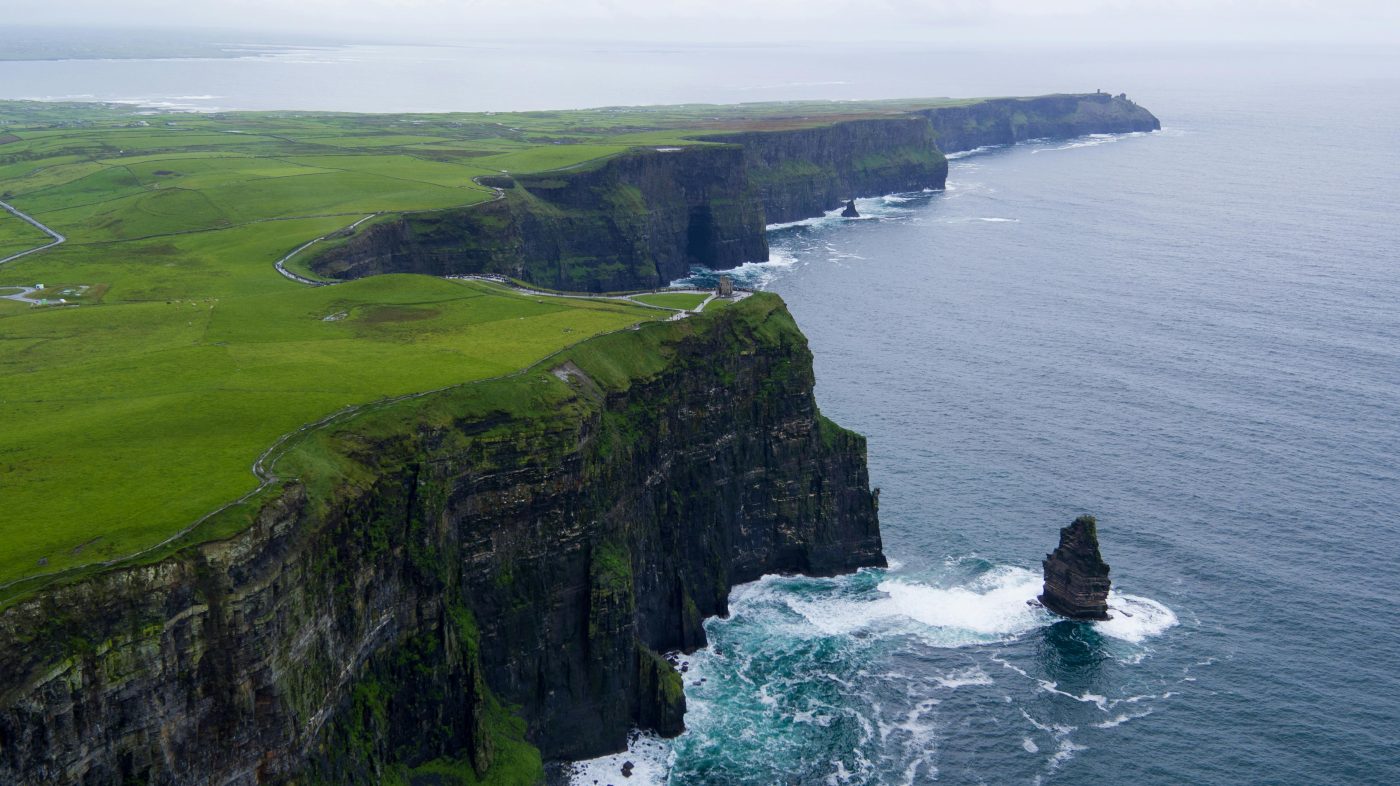
Christy Moore’s Night of Remembrance for Tuam’s Mothers

Christy Moore's Night of Remembrance for Tuam's Mothers

The Night Christy Moore Sang for the Forgotten Mothers of Tuam

Estimated reading time: 5 minutes

Key Takeaways

  • The Tuam scandal revealed the historical mistreatment of women and children in Ireland.
  • Christy Moore’s music acts as a catalyst for social change and remembrance.
  • The concert was a celebration of resilience and healing for the community.

Table of Contents

Introduction
The Heart of the Story
The Wider Echo
The Now & The Next
Did You Know?
FAQs
Final Word

Introduction

In the damp, echoed breath of a Galway night, Christy Moore stood before a crowd that had gathered for more than just music. They gathered for each other, for stories untold — the sweet sorrow woven through every note he strummed. It was a night not merely of song, but of redemption for those lost, a requiem of remembrance for the forgotten mothers of Tuam, who bore their grief in silence while the world turned away.

The Heart of the Story

In the shadow of the town of Galway, lies the haunting reminiscence of the Tuam mother-and-baby home scandal. From 1925 to 1961, women seeking refuge amid unthinkable shame were effectively erased from history, their children taken or lost, buried in unmarked graves, and their stories left to rot like forgotten ruins. Christy Moore’s voice lifted from the stage, pouring love and sorrow into the air, igniting humanity where it had long been extinguished. His ballads transformed the heavy air, wrapping the audience in a warm embrace, a collective catharsis, finally acknowledging the pain these women endured.

The Wider Echo

As Moore’s melodies intertwined with the bittersweet acceptance of those gathered, the echoes of a nation’s shame reverberated through the ages. The Tuam scandal, which came to light more than five decades later, became a symbol of neglect — a stark reminder of a church and state that turned a blind eye to the suffering of women. The words “never again” rang louder on that night as each verse bore witness to the fifty-five lost lives unearthed in hidden graves. By singing for these women, he reminded us all that healing begins by facing the darkest corners of our past.

The Now & The Next

Yet, the night was not only about the past; it was woven with threads of hope. Today, as Ireland wrestles with its ghosts and bloody history, from housing crises to mental health disparities, Christy’s songs serve as a reminder — of resilience and of truth. It is a rallying cry for little girls and boys, children of the diaspora, to know their worth and their story. As mothers in contemporary Ireland walk through the shadows of stigma and fear, let Christy’s notes anoint their journey toward liberation with every strum of his guitar.

Did You Know?

  • The Tuam mother-and-baby home scandal surfaced in 2014, revealing that over 800 children were buried in unmarked graves.
  • Christy Moore has been a prominent figure in preserving Irish folk music, using his platform to advocate for historical injustices.

FAQs

What was the significance of the Tuam mother-and-baby home scandal?
It represents the mistreatment and neglect of vulnerable women and children in Ireland, sparking national outrage and calls for justice in 2014.

How has Christy Moore contributed to Irish music and culture?
Christy has used his voice not only to entertain but to shed light on social issues, making him a legendary figure in Ireland’s folk movement.

Final Word

The night Christy Moore sang for the forgotten mothers of Tuam wasn’t just a concert; it was a communion of heartbreak and healing. As we celebrate this story, let us carry the torch of remembrance and justice together. If you carry the same pride we do, you’ll find a piece of home waiting at
HubIrish.com.

The haunting tale of the Kerry Babies tragedy

The Forgotten Tragedy of the Kerry Babies: How a Nation’s Silence Haunts a Mother’s Love

Estimated reading time: 6 minutes

Key Takeaways

  • The Kerry Babies scandal revealed the societal stigma against single mothers in Ireland.
  • It ignited discussions about women’s rights, motherhood, and reproductive health.
  • The legacy of the scandal continues to influence Irish society today.

Table of Contents

Introduction
The Heart of the Story
The Wider Echo
The Now & The Next
Did You Know?
FAQs
Final Word

Introduction

In the rich tapestry of Ireland’s history, it’s often the whispered stories that haunt us hardest. The Kerry Babies scandal is one such tale—a profound tragedy hidden beneath layers of societal shame, judgment, and the echoes of lawless hearts. This tale reminds us of the fragile thread of a mother’s love, frayed by the harshness of a nation’s silence.

The Heart of the Story

It was April 1984 when the body of a newborn baby was discovered near the village of Ballaugh in County Kerry. A local tragedy morphed into a sensational scandal, igniting fierce debates about morality, motherhood, and the law. Anne Lovett had been just seventeen, a scared girl alone, her story typifying the stigma faced by women in Ireland’s conservative society. The atmosphere of personal shame intertwined with communal silence; the chilling notion that motherhood could itself be criminalized was entrenched in the very fabric of the nation.
Kerry was a picturesque county, bustling with proud faces, yet beneath the surface lay a labyrinth of bitterness where love was stifled by fear. Anne lost not only her child but also her name, forgotten in the media frenzy, overshadowed by sensationalism that condemned rather than consoled.

The Wider Echo

The Kerry Babies saga sparked nationwide reflection. It stirred the dormant feminist movement and brought to light the appalling treatment of women and their rights. As headlines painted victims as villains, the case laid bare a society grappling with its conscience. In the Irish cultural psyche, guilt and shame became synonymous with motherhood, as generations passed down this legacy of silence. A decade later, the *Irish Times* would reflect, “We did not know the pain we inflicted on each other.”
Moreover, it highlighted a crucial shift as voices in the Democratic Socialist Party linked Anne’s fate to the ongoing battle for reproductive rights, forcing society to confront the consequences of its inadequacies.

The Now & The Next

Today, as the nation grapples with issues such as housing and healthcare crises, the echoes of the Kerry Babies remind us of the fragile balance between societal judgment and compassion. In remembrance of Anne Lovett, we seek not just to rectify the profound injustices of the past but to shape a future where love prevails over shame. The stories of women still resonate—they gather in Dublin’s streets, chant against reproductive injustices, and seek solace in community. Anne’s lost child is a call to protect the mothering spirit, to ensure that no other heart bears such a burden of isolation or grief.

Did You Know?

  • The Kerry Babies scandal marked a pivotal moment in Irish history, influencing the Criminal Law (Amendment) Act 1935, which was widely seen as oppressive towards mothers.
  • In 2018, following years of advocacy, Ireland voted to repeal the Eighth Amendment, allowing women more autonomy over their reproductive choices—a long-awaited nod to the struggles of mothers like Anne.

FAQs

What was the primary impact of the Kerry Babies case on Irish society?
It opened the floodgates for discussions about women’s rights, shed light on the treatment of single mothers, and urged legislative change regarding reproductive health in Ireland.

How is Anne Lovett remembered today?
Anne Lovett’s story has become a symbol of the fight for women’s rights, reminding us of the past injustices while encouraging ongoing dialogue about maternal health and the pressing need for legislative reforms.

Final Word

As we reflect on the heart-wrenching tragedy that marked both a mother and a nation, let us carry Anne Lovett’s story in our hearts. Let us transform her pain into a promise—one where love is celebrated, not shunned.
If you carry the same pride we do, you’ll find a piece of home waiting at
HubIrish.com.

Mary Robinson’s legacy for Ireland’s women

The Hidden Legacy of Mary Robinson: How a President’s Journey Became a Beacon for Ireland’s Forgotten Women

Estimated reading time: 6 minutes

Key Takeaways

  • Mary Robinson was the first female president of Ireland and a significant advocate for women’s rights.
  • Her presidency marked a turning point in the narrative surrounding gender equality in Ireland.
  • Robinson’s influence extended globally as she served as the UN High Commissioner for Human Rights.

Table of Contents

Introduction
The Heart of the Story
The Wider Echo
The Now & The Next
Did You Know?
FAQs
Final Word

Introduction

In the heart of Ireland, where the Liffey runs deep and the whispers of history cling to every stone, Mary Robinson emerged. She was not just the first woman president; she was a voice—poignant and resolute—for the women who felt the shadows cast by a patriarchal society. Her journey is a tale woven with threads of struggle, resilience, and an unwavering commitment to justice that resonates deeply within every Irish heart.

The Heart of the Story

Born in Ballina, County Mayo, in 1944, Mary Robinson grew up in a world that seemed to silence women. Yet from an early age, she knew she was destined for more. With a fierce intellect and a heart full of advocacy, she shattered expectations as she became Ireland’s first female barrister and later the first female President of Ireland in 1990. Robinson’s presidency was not merely a ceremonial role; it marked a seismic shift in the narrative surrounding Irish women. Amid economic booms and societal shifts, she tirelessly advocated for women’s rights, addressing the inequalities faced by women from the Gaelic strongholds of the West to the bustling streets of Dublin.

The Wider Echo

Mary’s journey did not end at Áras an Uachtaráin. It crescendoed into a global arena as she took on the mantle of United Nations High Commissioner for Human Rights. Robinson wielded her influence like a sword, cutting through the dark fabric of injustice. “The test of the morality of a society is what it does for its children,” she once said, encapsulating her drive to improve the lives of the marginalized. Across the seas, her words reverberated, inspiring women everywhere to reclaim their narratives. The echoes of her work can be felt in modern movements advocating for gender equality and social justice, proving her legacy is much more than symbolic; it’s transformative.

The Now & The Next

Today, as the winds of change still howl through Ireland’s streets, the spirit of Mary Robinson persists. In a world entrenched in issues of climate justice and human rights, her fight resonates with a new generation. Young Irish women, emboldened by her fearless spirit, are stepping up, leading marches, and demanding a seat at the table where their voices matter. The hunger for a just society—one that champions the rights of all its citizens—thrums through rallies in urban centres to quiet villages in Kerry, reminding us that the journey Mary started is far from over. It’s a call to arms, a pledge to honour her legacy by nurturing a rich tapestry of voices, stories, and dreams.

Did You Know?

  • Mary Robinson was the first Irish President to visit the United States, paving the way for future diplomatic relations.
  • In 2019, she was named a member of the Elders, a group of global leaders working for peace and human rights worldwide.

FAQs

How did Mary Robinson impact women’s rights in Ireland?
Robinson’s presidency galvanized attention to women’s issues, advocating for reproductive rights, equal pay, and childcare support which had long been overlooked in a predominantly male political landscape.
You can learn more about her significances, such as the move towards a more inclusive Ireland, especially from Mayo.

What role did Mary Robinson play internationally?
As UN High Commissioner for Human Rights, Robinson championed global human rights initiatives, bringing issues like climate change and gender violence to the forefront, showing that local actions can resonate on a world stage.

Final Word

The tapestry of Irish history is richer for the threads Mary Robinson has woven through her tireless advocacy and undying spirit. As we reflect on her legacy, let us gather together as one, igniting the fire within us to demand justice, equality, and a voice for those who are still voiceless. If you carry the same pride we do, you’ll find a piece of home waiting at HubIrish.com.

Remembering Sinéad O’Connor: Love and Loss in Dublin

Remembering Sinéad O’Connor: Love and Loss in Dublin

The Day the Music Died for Sinéad O’Connor: A Legacy of Love and Loss in the Heart of Ireland

Estimated reading time: 5 minutes

Key Takeaways

  • Sinéad O’Connor’s music transcended traditional boundaries, resonating with themes of loss and resilience.
  • Her bold actions and advocacy for mental health and women’s rights made her a significant cultural icon.
  • The impact of her artistry continues to echo within Irish culture and the broader global community.

Table of Contents

Introduction
The Heart of the Story
The Wider Echo
The Now & The Next
Did You Know?
FAQs
Final Word

Introduction

In a world that often feels more akin to a cacophony, one voice broke through the noise, resonating deeply in the hearts of many. Sinéad O’Connor, a rebel with a cause, a woman who wore her heart on her sleeve, became a vessel for the unspoken pain of her people. Yet, on that fateful day when the news of her passing broke, it seemed as if the music had died, leaving behind a haunting silence that echoed through the streets of Dublin and far beyond.

The Heart of the Story

O’Connor’s story, rooted in the rugged beauty of Dublin, was one of triumph against adversity. Born in a turbulent time in 1966, she emerged as a musical prodigy and an outspoken activist. From the very beginning, she was unrepentant. The world got its first taste of her provocative brilliance with “Nothing Compares 2 U,” a song that transcended the charts and became an anthem of heartbreak and resistance. Sinéad’s voice—a razor sharp yet angelic sound—spoke of loss, love, and the complexities of the human experience. Yet, beneath the glamour and accolades lay a life grappling with profound personal trauma, a life that reminded us of the fragility of art amidst struggle.

The Wider Echo

Sinéad O’Connor was more than a singer; she was a symbol of defiance. Whether it was tearing up a picture of the Pope on live television or her steadfast advocacy for mental health and women’s rights, she bravely confronted the demons haunting her life, even when the world turned its back. Her actions were mirrors to the rebellion simmering through the veins of Irish society—a society healing from its historical scars with each note she sang. In the throes of her battles, O’Connor’s voice rang back to generations of Irish souls who had fought for their freedom—her name became intertwined with the stories of strength and resistance, a reminder that vulnerability could invariably be a catalyst for change.

The Now & The Next

Today, we stand in the aftermath of her loss, contemplating how to carry forward her legacy of love and defiance. The current state of Ireland—a country still facing its own judgments and injustices—calls for her spirit to guide us. As we grapple with the issues of mental health, political unrest, and societal expectations, O’Connor would remind us that we are not alone. There is strength in vulnerability, power in shame, and beauty in raw authenticity. As her voice may have quieted, the echoes of her impact continue to resonate, prompting us to sing louder, for those silenced still deserve to be heard.

Did You Know?

  • Sinéad O’Connor was the first woman to place a song at number one in the UK charts who was not released from a major record label in decades, showcasing her immense talent and unique artistry.
  • In her life, O’Connor was a staunch advocate for those suffering from mental illness, openly sharing her own struggles in hopes of breaking the stigma surrounding mental health issues.

FAQs

Why was Sinéad O’Connor significant in Irish culture?
Sinéad was a multifaceted artist whose outspoken nature and bold performances brought attention to important social issues, making her a cultural icon in Ireland and among the Irish diaspora. Her legacy continues through her music and activism.

What are some of Sinéad O’Connor’s most famous songs?
Besides “Nothing Compares 2 U,” her tracks like “The Emperor’s New Clothes” and “Troy” deeply resonate with themes of love, loss, and rebellion, echoing the experiences of many who’ve walked a similar path.

Final Word

As we raise our glasses in her memory, we are reminded that in the depths of loss lies an ocean of love. Sinéad O’Connor taught us that the heartache might sting, but it is also where our strength blooms. If you carry the same pride we do, you’ll find a piece of home waiting at
HubIrish.com.

Derry Girls Reawakens Unity in a Divided City

Derry Girls Reawakens Unity in a Divided City

Derry Girls and the Echoes of History: How a Sitcom Sparked a Rebirth of Unity in a Divided City

Estimated reading time: 5 minutes

Key Takeaways

  • Derry Girls evokes laughter amidst a legacy of conflict, fostering unity.
  • The show’s relatable characters help bridge historical divides.
  • Laughter is a balm for traumatic pasts, offering healing through shared experiences.

Table of Contents

Introduction
A City’s Heartbeat
More Than Television: A Cultural Phenomenon
The Here and Now: Reflection or Rebirth?
Did You Know?
FAQs
Final Word

Introduction

Laughter. In the heart of Derry, it was a sound long overshadowed by echoing grief and division. “Derry Girls,” a sitcom bursting with teenage antics, raucous humor, and poignant truths, swept over the airwaves like a cool breeze, offering not just a refuge from reality but a way to engage with it. Here, amidst the laughter, lay a mirror reflecting the resilience of a city forged by conflict yet yearning for laughter and connection. We’ll explore how this show reawakened a sense of unity in a city still grappling with the scars of its past.

A City’s Heartbeat

Derry, or Londonderry to some, is a place where streets tell stories. Just a generation ago, the walls of this city bore witness to riots, bombings, and the agony of a divided community. The painting on the gable of the Bogside, the mural of civil rights marches, the Siege of Derry—they whisper the trials endured. Yet, amid this legacy of pain, emerge voices that break the silence, like Lisa McGee’s creation, Derry Girls. The sitcom, premiering in 2018 on Channel 4, encapsulates teenage life against the backdrop of The Troubles—a time marked by fear but also by indomitable spirit. In its humor, the series offers the citizens of Merry Derry a chance to connect over shared experiences, be they mundane or tumultuous, and remind previous generations that laughter can be a balm in the face of adversity. And let’s not forget that this city’s upbringing was never devoid of flair—from the colorful pubs of Derry to its rich musical heritage, every note played carries the sorrows and celebrations alike.

More Than Television: A Cultural Phenomenon

With its relatable characters—Erin, Orla, Clare, and the indomitable James—viewers found not only humor but also an understanding of the tension that shaped their homeland. Each episode blended nostalgia with sharp social commentary, yet what truly set it apart was its ability to foster empathy across boundaries. Fans began to engage in conversations about peace, remembrance, and hope. Quotes from the series jumped off screens and into hearts; phrases like “It’s all so stupid, and that’s why it’s funny” echoed beyond the realm of television and into the everyday banter of the people. In a country often overshadowed by its troubled past, the show became a reminder that we are defined not just by scars but also by laughter.

The Here and Now: Reflection or Rebirth?

As we stood at the crossroads of remembrance and rejuvenation, the echoes of Derry Girls resonated deeply. Today, young Derry folk are hanging out in cafés, quoting lines and laughing over the latest episodes, feeling the rhythm of a city reborn. As parents and grandparents share their stories with a new generation, these tales intermingle with the humor of a sitcom, forging bonds that reach across historic divides. In schools across Northern Ireland, teachers nurture dialogue about peace and reconciliation—fundamentally changing how communities perceive one another. It’s a hopeful future where empathy and humor guide the way forward, witnessing an evolving narrative. What does this mean for Ireland as a whole? More than just a television show, Derry Girls is a beacon of unity, a reminder that from the ashes of conflict can bloom laughter.

Did You Know?

  • Derry has a thriving arts scene that flourished after the end of The Troubles, which Derry Girls helped to highlight.
  • The series drew critical acclaim, winning multiple awards, including the BAFTA for Best Comedy.

FAQs

What inspired Lisa McGee to create Derry Girls?
McGee’s own experiences as a teenager growing up in Derry during the 1990s heavily influenced the show’s authentic depiction of life amid The Troubles.

How can I visit some of the locations featured in Derry Girls?
Tours are available in Derry that take you through the filming locations, giving fans a chance to explore the rich history and vibrant culture of the city.

Final Word

The laughter from Derry Girls lingers, mingling with the whispers of the past, reminding us that we are stronger together. Through joy and heartache, the spirit of a city resounds. So, if you feel the pride of this extraordinary tale, join us at
HubIrish.com for a deeper journey into the soul of Ireland.

the haunting legacy of ann lovett

the haunting legacy of ann lovett

Ann Lovett’s Tragic Story Exposed Ireland’s Dark Secrets and Sparked a Fight for Change

Estimated reading time: 5 minutes

Key Takeaways

  • Ann Lovett’s death sparked a national conversation about women’s rights in Ireland.
  • Her story serves as a reminder of the stigmas surrounding single motherhood and reproductive rights.
  • The feminist movement in Ireland gained momentum after her tragic passing.

Table of Contents

Introduction
The Heart of the Story
The Wider Echo
The Now & The Next
Did You Know?
FAQs
Final Word

Introduction

In the rolling hills of County Longford, where the whispers of the past echo through the fields, a tragedy struck that would catapult a hidden darkness into the glaring light of day. Ann Lovett’s story, marked by sorrow and societal condemnation, reflects the harsh realities of Ireland in the early 1980s. It’s a heart-wrenching tale of lost youth, silence, and the desperate cry for compassion that still resonates today. Join me as we unravel the chains of neglect that bound a girl but sparked a movement for change across a nation.

The Heart of the Story

On a cold January day in 1984, Ann Lovett, a 15-year-old from County Longford, was found dying in a convent graveyard, having given birth a few hours earlier. The details reveal a truly tragic narrative: a pregnant teenager abandoned to the shadows. Ann’s death was not just about one young girl; it exposed a chasm in Irish society that fell hard on the shoulders of vulnerable women. In a country where the whispers of the church carried immense weight, Ann was lost in the perversity of shame and stigma attached to single motherhood. It sparked a collective outrage among women who resonated with her pain, pushing the public to confront those dark secrets that had been lurking beneath Ireland’s emerald-green surface.

The Wider Echo

Ann’s tragic story ignited a fire that spread quickly through Ireland’s feminist movement, prompting a national dialogue on reproductive rights, the role of the church, and the treatment of women. It paved the way for the eventual decriminalization of homosexuality and abortion rights, issues that remain contentious to this day. Following her death, women’s groups rallied to demand respect, dignity, and justice, transforming societal discourse around the treatment of women and single mothers. Ann is often remembered not just for her heartbreak but as a symbol of resilience in the fight for women’s rights, mirroring wider frustrations that echoed throughout the 1980s and beyond: “Never again.”

The Now & The Next

Fast forward to today, and while strides have been made, the echoes of Ann Lovett’s story still resonate. We see modern-day struggles around mental health and the persistent stigma attached to unplanned pregnancies. The fight for reproductive rights continues, highlighting that the battle against societal judgment and neglect is far from over. We commemorate Ann Lovett, the girl who died too soon, and honor her memory by advocating for a more inclusive and compassionate Ireland. Her story encourages the next generation to challenge what was once accepted and tirelessly pursue justice and understanding for the vulnerable. Born in a time of silence, her spirit still encourages voices to rise, loud and unapologetic.

Did You Know?

  • The tragedy of Ann Lovett prompted the establishment of the National Women’s Council of Ireland in 1973, aiming to represent the voice of women across the country.
  • In 2018, Ireland voted overwhelmingly to repeal the Eighth Amendment, which restricted abortion rights, a monumental change mirrored in the spirit of Ann’s tragic passing.

FAQs

What was the societal impact of Ann Lovett’s death?
Ann’s death highlighted the grave injustices faced by women in Ireland, leading to increased awareness and activism around reproductive rights and women’s health. For more insights, check our products representing women’s rights movements across the nation.

How is Ann Lovett remembered today?
Ann is remembered as a symbol of courage and a rallying point for women’s rights in Ireland. Her story also inspires ongoing discussions about the past and future of women’s issues in the country.

Final Word

Through Ann Lovett’s tragic story, we have woven threads of grief, courage, and unyielding spirit into the very fabric of Irish identity. We must carry her memory as a torch for future generations, ensuring that no voice goes unheard and no heart is abandoned in silence. If you carry the same pride we do, you’ll find a piece of home waiting at
HubIrish.com.