

The Kerry Babies Scandal and Its Impact on Ireland

The Kerry Babies Scandal and Its Impact on Ireland

The Day Ireland ‘Rebelled’ Against Itself: The Untold Story of the Kerry Babies Scandal and Its Lasting Impact

Estimated reading time: 6 minutes

Key Takeaways

  • The Kerry Babies scandal revealed deep societal issues surrounding women’s rights in Ireland.
  • It prompted widespread public discourse and activism advocating for unwed mothers.
  • The impact of the scandal can still be felt in ongoing discussions about reproductive justice in Ireland.

Table of Contents

Introduction
The Heart of the Story
The Wider Echo
The Now & The Next
Did You Know?
FAQs
Final Word

Introduction

In the quiet corners of County Kerry, where green hills cradle age-old stories, the nation was rattled to its core by a scandal that echoed not just the sorrow of one mother, but the haunting whispers of a society grappling with its own demons. The Kerry Babies scandal of 1984 was a moment when Ireland turned against itself, a mirror reflecting shame, judgement, and an urgent call for change. It was a day that would forever haunt the psyche of our nation.

The Heart of the Story

On a day shrouded in dark clouds and heavy hearts, the body of an infant washed ashore at Cahersiveen. The discovery unraveled as a grim tale of small-town suspicion, maternal grief, and societal hypocrisy. The mother, who was soon revealed to be a young woman named Joanne Hayes, was thrust into the eye of a storm that held her accountable for the tragic death of her child. In the eyes of many, Joanne represented the reckless abandon of youth and the failures of a deeply conservative society. Her ordeal was compounded by Ireland’s laws and attitudes towards women, especially those who dared to stray from the narrow path set before them by church and state. Through it all, County Kerry stood as a backdrop, a character in its own right, pregnant with the tension of its past and future, a place steeped in the silenced stoutness of shame but also the spirit of resilience.

The Wider Echo

The Kerry Babies scandal did not merely sing the song of one woman’s accusation; it unleashed a broader discourse about women’s rights, societal attitudes towards unwed mothers, and the failures of the institutions meant to protect them. The public outrage that followed turned into a modernist awakening. It swayed Irish opinion and forced a reckoning with the deeply ingrained shame surrounding issues of sexuality and motherhood. As attorney Michael O’Higgins famously remarked, “This is not just about guilt; it’s about the guilt we all carry as a society.” In the years that followed, a wave of feminist activism began to challenge the status quo, igniting conversations that would ultimately lead to a re-evaluation of how women were treated in Ireland. From Dublin to Belfast, the ripple effect urged even the farthest counties to reconsider their own traditions.

The Now & The Next

Fast-forward to today, the shadows of the Kerry Babies saga weave through our contemporary social fabric. Ireland, as we stand now, grapples with ongoing debates about women’s rights, including reproductive justice and mental health support. The lessons from that fragmented moment—where one woman’s grief was laid bare before the harsh judgement of the public—resonate with movements demanding equity, respect, and dignity for all. As we witness the changes in legislation and the growing awareness for marginalized voices, we can trace a line back to the embers ignited by those heart-wrenching days of the 1980s. The past, stubborn though it is, is ever present; we owe it to Joanne and to all those who came after her to carry this torch forward.

Did You Know?

  • The Kerry Babies scandal directly contributed to the establishment of organizations addressing women’s rights in Ireland, significantly altering how society views unwed mothers.
  • The case served as the catalyst for the 1986 Irish referendum on the Eighth Amendment, leading to ongoing discussions about reproductive rights.

FAQs

What was the Kerry Babies scandal about?
The Kerry Babies scandal revolved around the discovery of an infant’s body, leading to the wrongful accusation of Joanne Hayes, shedding light on societal attitudes towards women and motherhood in Ireland’s past.

How did this scandal impact modern Ireland?
It sparked a movement for women’s rights, influencing discussions around reproductive justice and pushing for a reevaluation of societal attitudes toward unwed mothers.

Final Word

As flickering candles in a darkened chapel remind us of the light we strive to find, the Kerry Babies scandal stands as a tragic chapter in our history. Yet, from that darkness came resilience, understanding, and an undying commitment to protect the rights of all our people. If you carry the same pride we do, you’ll find a piece of home waiting at
HubIrish.com.
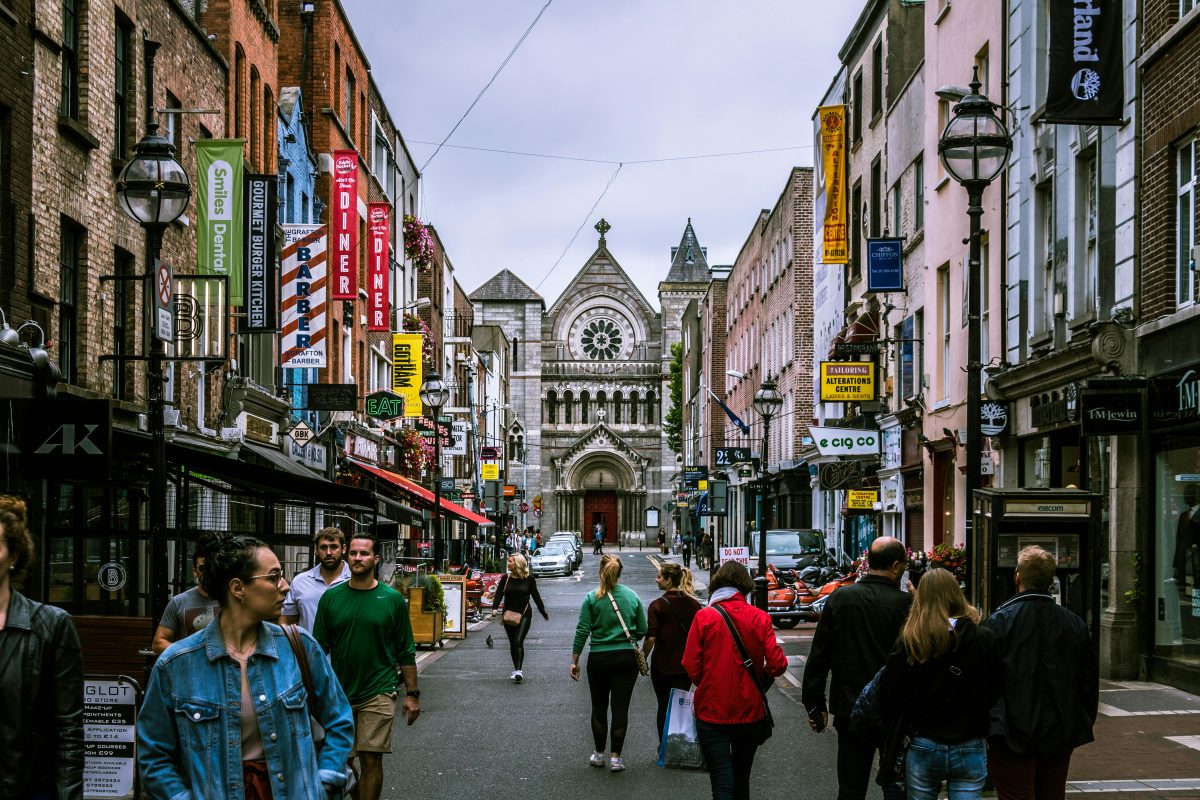

The Forgotten Voices of the Kerry Babies

The Forgotten Voices of the Kerry Babies

The Forgotten Voices of the Kerry Babies: A Tragic Legacy of Loss and Resilience

Estimated reading time: 6 minutes

Key Takeaways

  • The Kerry Babies scandal exposed societal injustices against unwed mothers in Ireland.
  • The case prompted national discussions on reproductive rights and women’s issues.
  • It left an enduring impact on Irish culture, reminding us of the importance of empathy and understanding.

Table of Contents

Introduction
The Heart of the Story
The Wider Echo
The Now & The Next
Did You Know?
FAQs
Final Word

Introduction

In the lush green hills of County Kerry, where the mist wraps around ancient stones, a heart-wrenching tale lies buried waiting to be unearthed. The Kerry Babies scandal ripped through the seams of Irish society in the 1980s, leaving echoes of pain, shame, and resilience. It tells a story of lost voices—mothers silenced, children denied their identity, and a nation grappling with the ghosts of its past. This narrative remains a stark reminder of the injustices faced by women in the shadows of Ireland’s pious façades.

The Heart of the Story

In 1984, the tranquil landscape of Kerry was upended when the body of a newborn was discovered on a remote beach near Cahersiveen. The ensuing investigation led to a whirlwind of scandal and heartache that revealed the harsh realities of a society intent on repressing the truth. The tragic circumstances surrounding this child—an alleged abandoned baby tied to the complexities of unwed motherhood—triggered a purging of judgment that extended beyond the dead to accuse and vilify the living.

The case became a dark lens through which the nation could examine its treatment of women—the disdain for those who fell pregnant outside of marriage, the stigmas attached to single motherhood. Mary O’Rourke, then a local politician, later lamented the plight of the women involved: “These mothers were treated with utter contempt instead of compassion.” And there it was, the real tragedy—lost lives, unrecognised love, and an enduring silence that shrouded those who had already suffered so much.

In nearby Kerry, tales of this scandal still haunt the local lore, etching a narrative of sorrow into the fabric of familial history. The stigma lingered, not only in the hearts of those affected but rippling out to touch entire communities, years after the headlines faded. Just as the emerald hills guard these painful memories, they stand as a testament to struggles unseen and lives unacknowledged.

The Wider Echo

The fallout from the Kerry Babies scandal was monumental, sparking nationwide outrage and discussions that rippled through time and community. It revealed a chasm—between private familial love and public societal condemnation. Women across Ireland started to question their roles and rights—and as the truth began to emerge from the fog of victimisation, discourse ignited around reproductive rights and women’s issues that had long languished in silence. Social change was slow but inescapable, with subsequent generations continuing to pick up the banner of justice.

Notably, the scandal unfolded within an era when the Catholic Church wielded immense power over Irish life. It added fuel to a growing fire of skepticism towards the established norms of societal control. “What happened to these women, this child, is not just a family tragedy, it was a national disgrace,” stated feminist writer and activist Mary McAleese, echoing sentiments that would eventually usher reforms in legal and social attitudes. It was a bell tolling for change that resonated far beyond the shores of Kerry.

The Now & The Next

Today, as Ireland grapples with modern social issues—ranging from the pressing housing crisis to the ongoing struggle for women’s rights—this legacy of horror and hope plays a crucial role in our narrative. The groundwork laid by those courageous voices in the 1980s reminds us that the journey towards change is a marathon, not a sprint. Each story hidden in the folds of history reveals our humanity, calling us to act—whether that’s joining protests, championing rights, or sharing silent stories long confined to the shadows.

In this spirit, we connect with the memories of those who came before us. We honour the forgotten by ensuring that their legacies are never again unacknowledged. Today’s children, dressed in the green and gold Kerry jerseys, carry their stories forward, learning that resilience is born of struggle, and that every voice matters, no matter how silent it was previously.

Did You Know?

  • The Kerry Babies case forced an inquest into the practices of the Irish Church and raised awareness of the harsh treatment faced by single mothers.
  • The scandal became a pivotal catalyst for the eventual rise of Ireland’s reproductive rights movement, leading to significant changes in legislation in the following decades.

FAQs

What was the Kerry Babies scandal?
The Kerry Babies scandal was a significant event in the 1980s involving the mysterious death of a newborn on a beach in County Kerry, which revealed deep-rooted societal issues regarding unwed mothers and sparked national outrage.

How did the scandal affect Irish society?
The scandal acted as a catalyst for discussion around women’s rights in Ireland, leading to lasting changes in societal attitudes towards single motherhood and reproductive rights.

Final Word

As we draw the curtain on this chapter of sorrow and resilience, let us commit ourselves to remembering the untold stories that shaped our society. Just as in the heart of Kerry, where the land remembers the pain of those who came before, let us carry their legacy forward. Their lives, albeit fraught with loss, resonate with enduring strength, pushing us towards a future built on empathy and understanding.
If you carry the same pride we do, you’ll find a piece of home waiting at
HubIrish.com.

Echoes of Tuam Babies: Grief and Resilience

Echoes of Tuam Babies: Grief and Resilience

How the Silent Voices of the Tuam Babies Echoed Through Generations of Grief and Resistance

Estimated reading time: 6 minutes

Key Takeaways

  • The Tuam Babies scandal highlights systemic failures in protecting vulnerable women and children.
  • Public outrage has led to renewed discussions about justice for victims of the past.
  • The movement towards recognition and memorialization of the Tuam Babies is part of a broader fight for women’s rights in Ireland.

Table of Contents

Introduction
The Heart of the Story
The Wider Echo
The Now & The Next
Did You Know?
FAQs
Final Word

Introduction

In the quiet village of Tuam, County Galway, beneath a once-bustling mother and baby home, lay unmarked graves—silent witnesses to the heartbreak that spanned generations. The Tuam Babies, as they came to be known, embody a tragic chapter of Irish history, shedding light on a past riddled with loss, shame, and strength. Their voices may have been silenced, but through the indignation of their families and the resilience of a nation, their stories resonate still, igniting a fierce tide of remembrance and resistance against injustices past.

The Heart of the Story

In the early 20th century, the Bon Secours Mother and Baby Home in Tuam became a place where the most vulnerable—the unwed mothers and their infants—were hidden away from a society that shunned them. Between 1925 and 1961, it’s estimated that around 796 children died in that home, many from entirely preventable conditions. They lay in mass graves, forgotten or ignored by the very system that was supposed to protect them. The official inquiries of the late 2010s would finally bring these voices to the forefront, stirring a national reckoning. Families were deprived of closure for decades, left with nothing but heartache and a burning desire for justice. It was only through the persistent efforts of campaigners and families who refused to let their stories slip away that the truth began to emerge—a truth anchored in Galway pride and defiance.

The Wider Echo

The Tuam Babies’ plight reverberated far beyond the green fields of Ireland, seeding anger in the hearts of the diaspora who felt the weight of the past pressing down on their shoulders. In 2019, the Commission of Investigation into Mother and Baby Homes reported their findings, revealing systemic neglect and horrific conditions. Public outrage erupted, with calls for accountability and a renewed national conversation about the treatment of women and children across the history of the Irish state. Between tales shared in diaspora pubs from Boston to Sydney, people sought solace and empowerment in collective grief, inspired by the resilience of those who now dared to demand justice for the Tuam victims and for the countless others who suffered in silence.

The Now & The Next

Today, Ireland stands on the cusp of significant societal change, ignited by brutal truths from the past. The echoes of the Tuam Babies do not only remind us of our history but also galvanize movements advocating against the injustices still faced by women today—be it through reproductive rights, mental health awareness, or the fight against homelessness for mothers and children. Activists in Dublin rally for systemic changes, their voices intertwined with those of the silenced babies, echoing the refrain: “Never again.” The movement fosters a new Irish identity, one forged in the fire of remembrance, pride, and a commitment to create a more just society for all.

Did You Know?

  • The Tuam Babies scandal is part of a broader dark history of mother and baby homes in Ireland, with over 9,000 women and children affected across various institutions.
  • In 2017, the Irish government issued an apology for the treatment of women and children in these homes, recognizing the enduring trauma families continue to experience.

FAQs

What was the role of the Catholic Church in the Tuam Babies tragedy?
The Catholic Church operated the Tuam Mother and Baby Home, which enforced strict moral codes and shamed unwed mothers, leading to their exploitation and the neglect of their children. The church’s influence in society at the time was immense, exacerbating the stigma faced by mothers and their babies.

What steps have been taken for the Tuam Babies?
In 2021, the Irish government committed to memorializing the victims and providing support for families seeking closure, including the establishment of a memorial site in Tuam.

Final Word

As we carry the stories of the Tuam Babies forward, we hold in our hearts the essence of those lost lives and the grief of generations. In memory and honor, we gather strength to fight for justice and change, ensuring that the silent voices echo eternally in the fabric of our national identity. If you carry the same pride we do, you’ll find a piece of home waiting at HubIrish.com.
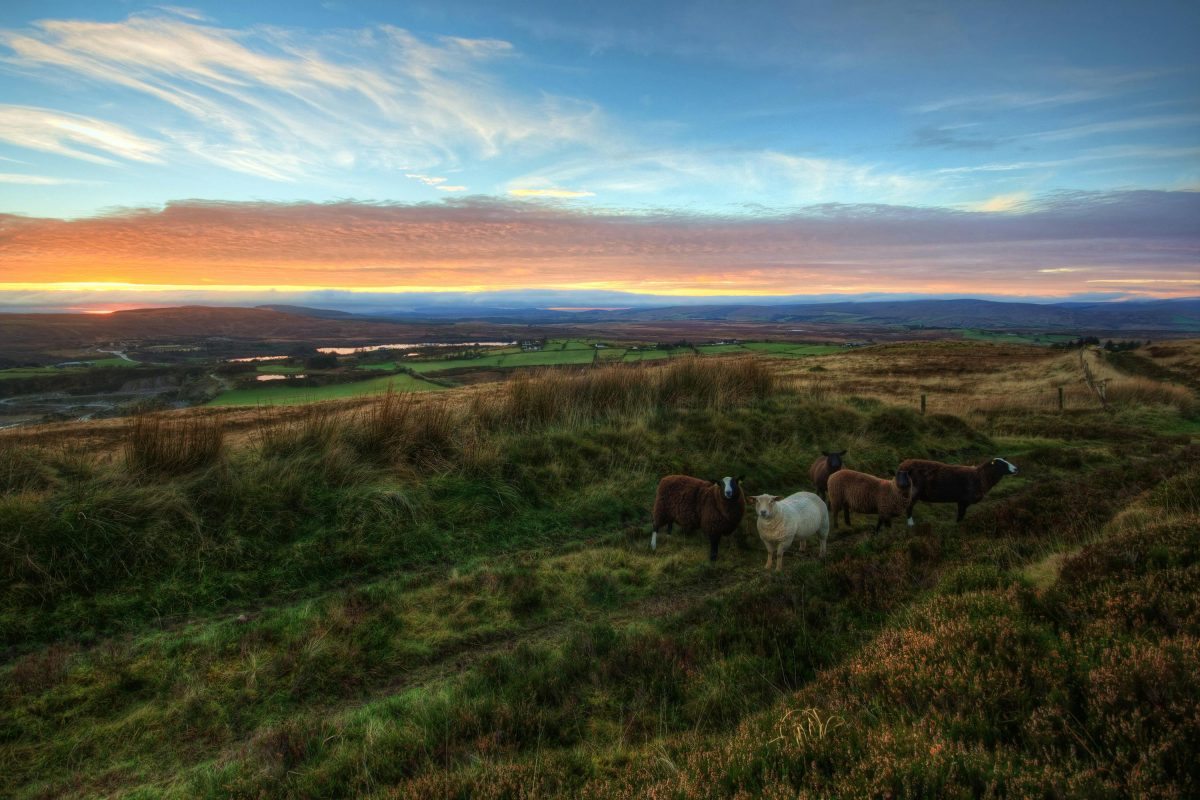
The Nurse Who Changed Dublin’s 1916 Rising

The Nurse Who Changed Dublin's 1916 Rising

How a Forgotten Irish Nurse Defied the British Crown and Changed the Course of the 1916 Rising

Estimated reading time: 5 minutes

Key Takeaways

  • Elizabeth O’Farrell played a crucial role as a nurse during the Easter Rising.
  • She delivered important messages amidst turmoil, bridging communication between rebels and British forces.
  • O’Farrell’s contributions highlight the often-overlooked roles of women in history.
  • Her legacy continues to inspire modern movements for equality and representation.

Table of Contents

Introduction
The Heart of the Story
The Wider Echo
The Now & The Next
Did You Know?
FAQs
Final Word

Introduction

Drenched in the sweat and blood of rebellion, the heart of Dublin beat wild and untamed during those fateful days of April 1916. Through smoke and chaos, one woman rushed forward, not with a rifle, but with bandages — defiant in the face of imperial oppression. This is not the tale of a general or a politician; it’s a story of a nurse, forgotten by the annals of history yet pivotal in shaping the spirit of a rising nation.

The Heart of the Story

At the forefront of the Easter Rising was Elizabeth O’Farrell, a Dublin-born nurse who became an unexpected heroine. When the insurgents seized the General Post Office, amid the cacophony and chaos, it was O’Farrell who organized medical care for the wounded. Her own hands, often drenched with the blood of comrades, worked tirelessly in a makeshift hospital, playing a vital role that many would later overlook.

O’Farrell’s courage went beyond the medical; she was also a messenger, braving the streets of Dublin to convey critical messages between the leaders of the uprising and the British forces. When the truce was called, she famously delivered the surrender order to the rebels. Yet, it was not victory that she delivered — it was a deep collective sigh of defeat. In that moment, a silent hero emerged, forever tied to the blood-soaked pavement of Dublin.

The Wider Echo

O’Farrell’s contributions exemplified the unrecognizable labor of women during the Rising. While many historical accounts merely brush over her tale, it speaks volumes about the roles women played — roles often relegated to the shadows of a male-dominated narrative. Today, her bravery resonates with the ongoing struggles for equality and recognition. The spirit of O’Farrell lingers in the women who stand for change, refusing to be silent.

As one historian aptly put it, “The 1916 Rising was a symphony of courage, and Elizabeth O’Farrell was a principal player.” Her defiance against oppression changed the course of the rebellion, influencing how women labor for their rightful place in history.

The Now & The Next

Fast forward to today, we find ourselves on the cusp of another rising tide — this time in the battle for housing, rights, and representation. Can we harness the spirit of O’Farrell? Amid the mounting pressures faced by families and citizens yearning for a better Ireland, her story pushes us to remember — to act, and to rise. Each protest, each march reminds us of those who fought not just for freedom but for the right to exist with dignity and unity. We must ensure that the sacrifices of our past are not made in vain.

Did You Know?

  • Elizabeth O’Farrell was one of the first women to receive the Irish Republic’s Military Medal for her bravery during the Rising.
  • Despite her significant contributions, she was largely omitted from commemorative narratives until recent decades, reflecting a broader trend of women’s historical invisibility.

FAQs

What was Elizabeth O’Farrell’s role in the Easter Rising?
O’Farrell served as a nurse and a messenger, crucially providing medical care and relaying messages during the uprising. Her bravery played a pivotal part in the Rising’s events.

Why is Elizabeth O’Farrell’s story forgotten?
Many women’s roles in historical events were often overlooked or downplayed, with narratives focusing more on male figures. O’Farrell’s story is now being reassessed and highlighted for its significance.

Final Word

Elizabeth O’Farrell’s story, though often forgotten, is a beacon for all who seek to resist and to rise. Her legacy calls us to remember the forgotten voices of our past, as we craft a future that respects the sacrifices made for our freedoms.
If you carry the same pride we do, you’ll find a piece of home waiting at
HubIrish.com.

The Kerry Babies Scandal and Its Lasting Impact

The Kerry Babies Scandal and Its Lasting Impact

The Forgotten Voices of the Kerry Babies: How a Tragic Scandal Changed Ireland Forever

Estimated reading time: 5 minutes

Key Takeaways

  • The Kerry Babies scandal revealed societal judgment and harsh realities for single mothers in Ireland.
  • This event catalyzed significant discussions around women’s rights and reproductive justice in Ireland.
  • The case continues to resonate, highlighting ongoing struggles for equality and recognition in Irish society.

Table of Contents

Introduction
The Heart of the Story
The Wider Echo
The Now & The Next
Did You Know?
FAQs
Final Word

Introduction

In the rolling hills of County Kerry, where tales are spun as richly as the turf smoke in a cozy pub, a dark secret lay buried. The Kerry Babies scandal of the late 1980s shattered lives, igniting fires of outrage that would reshape the very fabric of Irish society. It isn’t just a story — it’s a haunting reminder of how deep the roots of shame and silence can sink into a nation’s heart, echoing through the generations like a mournful dirge.

The Heart of the Story

What began as the tragic discovery of the bodies of two newborns in 1984 would soon unfurl into a national crisis, revealing the dark underbelly of societal judgment and the harsh realities of single motherhood in Ireland. The story centers on the young woman, known only as “The Kerry Woman,” who became embroiled in a whirlwind of accusations and media scrutiny. It was a time when the very notion of shame could suffocate a person, especially a woman, beneath the weight of judgmental whispers. The subsequent investigation, deeply flawed and riddled with bias, reflected Ireland’s conservative values clashing violently with a growing desire for progress and equality — but at what cost?

Here in Kerry, the silent cries of these forgotten children intertwined with the pathos of a mother condemned by a society unwilling to extend compassion. As the case unfolded, it laid bare the complexities of love, loss, and the thirst for understanding, which resonates to this day. A true tragedy, it showed how far we had yet to go in recognizing the humanity in those turned away by convention.

The Wider Echo

The Kerry Babies case was not an isolated incident but a seismic event that rippled through the entire nation. It forced many to confront the dark truths of Ireland’s past — the Magdalene Laundries, the societal shackles on women, and an oppressive silence that stifled lives for far too long. The case saw protests, calls for justice, and fueled conversations on reproductive rights and women’s autonomy. It became clear that the fabric of Irish society was frayed, and in the end, it took the voice of the people to demand their right to be heard. “We’re no longer living in a puritanical past,” said one of the many activists who took to the streets, signifying a shift as stark as the green of a Kerry field.

The Now & The Next

Fast forward to today and we find echoes of the past reverberating still, as Ireland navigates its way through ongoing struggles over identity, belonging, and justice. The Kerry Babies scandal transformed into a symbol of resilience, igniting a new era where Irish women began to reclaim their stories and rights. No longer can we afford to forget those who have suffered in silence; the stories of mothers, children, and families are at the heart of a nation learning to acknowledge its scars. In the face of the current housing crisis and ongoing struggles for equality, the voices of those once marginalized must rise again, chanting for change and acknowledgment in the court of public opinion.

Did You Know?

  • The Kerry Babies scandal led to the establishment of the first Irish Council for Civil Liberties, highlighting the growing demand for human rights advocacy in the country.
  • This event also sparked the conversation that culminated in the legalization of abortion in Ireland in 2018, showing how the past continues to shape our future.

FAQs

What was the primary outcome of the Kerry Babies case?
The case highlighted the systemic failures in the treatment of women, prompting significant changes in public attitudes and legislation around reproductive rights. You can learn more about social justice movements that grew from such stories in places like Kerry.

How did this scandal impact Irish society in the long term?
The national discussion it instigated led to the modernization of views on women’s rights, affecting generations to come. This vibrant transformation continues to impact discourse within the modern Irish landscape, creating a clearer path towards equality.

Final Word

As we reflect on the forgotten voices of the Kerry Babies, let us carry their memory like a flame in the darkness — a reminder that we must never again allow silence to cloak the suffering of the innocent.
If you carry the same pride we do, you’ll find a piece of home waiting at
HubIrish.com.
The Legacy of Anna Parnell: Unsung Hero of the Rising

The Legacy of Anna Parnell: Unsung Hero of the Rising

How a Forgotten Irish Nurse Became the Unsung Hero of the 1916 Rising

Estimated reading time: 5 minutes

Key Takeaways

  • Anna Parnell was a key figure during the 1916 Rising, providing essential medical care.
  • Her contributions highlight the often-overlooked role of women in Ireland’s fight for independence.
  • Anna’s legacy continues to inspire contemporary struggles for justice and equality.

Table of Contents

Introduction
The Heart of the Story
The Wider Echo
The Now & The Next
Did You Know?
FAQs
Final Word

Introduction

In the heart of Dublin, where the echoes of gunfire met the cries for freedom, a nurse named Anna Parnell stood as a beacon of hope amidst the chaos of the 1916 Rising. Often credited as a footnote in the annals of revolution, her story is a potent reminder of the sacrifices that shaped our nation, a tender heart hidden amongst the paroxysms of blood and valor.

The Heart of the Story

Anna Parnell, born in Dublin in 1881, was driven by a desire to aid, to heal, and to bring comfort in tumultuous times. As the fighting erupted on that fateful Easter Monday, Anna didn’t cower; she sprang into action, aiding the wounded and providing solace to those who fought for a vision of Ireland where freedom reigned. Working alongside her comrades in the GPO, amid the walls laden with the acrid scent of gunpowder and blood, Anna became a lifeline, a medic against the storm of oppression, embodying the spirit of resilience that pulses through the veins of every Irishman and Irishwoman. Her story, though overshadowed by the tales of men who carried guns, resonates with the quieter heroism of women who offered their lives to the care of others.

The Wider Echo

Anna’s work illustrated a broader narrative—the essential yet overlooked role of women in Ireland’s fight for independence. Her bravery during the Rising contributed to a formidable legacy of Irish women in activism and nursing, trading the conventions of their time for something far more worthy. As history has shown, revolution thrives on the shoulders of many: the soldier, the nurse, the mother—with Anna standing proudly among them. It is estimated that over 150 women actively participated in the Rising, their stories weaving a tapestry that speaks volumes about courage. As we remember Anna, we remember them all, whose contributions we must never let fade into silence.

The Now & The Next

Today, as Ireland grapples with its identity amidst modern challenges — housing crises, challenges to freedom, and societal shifts — we can look to figures like Anna Parnell not just as relics of the past but as inspirations for today’s struggles. They remind us that the fight for justice is ongoing, that the silent heroes in our communities still wield the power to effect change. Whether it’s fighting for asylum seekers, advocating for mental health, or standing with marginalized communities, Anna’s spirit lives on in each voice raised against injustice, echoing softly in the corridors of our nation’s ever-pulsating heart.

Did You Know?

  • During the 1916 Rising, an estimated 2,000 men and women fought for independence, but more than half were wounded.
  • Women like Anna Parnell laid the groundwork for future suffrage movements, paving the way for women’s rights in Ireland and beyond.

FAQs

What roles did women play during the Easter Rising?
Women like Anna were instrumental in both combat and care roles. Their contributions were vital in sustaining the fight, yet often overlooked in historical narratives. They not only nursed the injured but also played key roles in planning and executing revolutionary acts.

How can I learn more about women in Irish history?
There are numerous resources available, including libraries, museums, and historical societies. Engaging with local history in places like Dublin can offer invaluable insights into the lives of remarkable women like Anna Parnell.

Final Word

As we raise our glasses to the spirit of the Rising, let us not forget the nurses, the mothers, the unsung heroes like Anna Parnell who stood in the face of adversity. Their narratives enrich our tapestry and urge us to remember — not just with pride, but with a commitment to carry their legacy forward. If you carry the same pride we do, you’ll find a piece of home waiting at HubIrish.com.

Remembering the Women of the Magdalene Laundries

Remembering the Women of the Magdalene Laundries

Why the Forgotten Women of the Magdalene Laundries Still Haunt Our Conscience Today

Estimated reading time: 5 minutes

Key Takeaways

  • The Magdalene Laundries operated in Ireland from 1922 to 1996, imprisoning women for perceived moral failures.
  • Approximately 30,000 women passed through these institutions, highlighting systemic oppression.
  • The legacy of the Magdalene Laundries is a reminder of the ongoing struggle for women’s rights and justice.

Table of Contents

Introduction
A Slice of Hell in Limerick
The Wider Echo
The Now & The Next
Did You Know?
FAQs
Final Word

Introduction

In the heart of Ireland’s lush soul lies a ghost, a ghastly echo of the past, where the spirits of women — silenced, shunned, cast aside — linger still. They were daughters, sisters, mothers; lost souls confined in the shadows of the Magdalene Laundries. Their story, retraced in whispers and cries, beckons us to confront a haunting legacy still entwined in the fabric of our national tale. Today, we remember them, lest we forget the dark corners of our history.

A Slice of Hell in Limerick

Nestled amid the rolling hills of Limerick, the Magdalene Laundries operated under the guise of sisterly sanctity. Yet beneath the whitewashed walls, sorrow ran deep. From 1922 to 1996, thousands of young women were imprisoned, deemed ‘fallen’ for inconsequential sins, such as bearing a child out of wedlock or being deemed wayward. Voiceless, they labored, their lives scripted by nuns who deemed them unworthy of compassion. With every shirt they scrubbed, they washed away their own dreams, drowning in a sea of shame.

The Wider Echo

The tale of the Magdalene Laundries isn’t just about loss; it’s a broader reflection of a society crippled by its own prejudices. As we disentangle the threads of history, painful truths emerge: approximately 30,000 women passed through these institutions — dehumanized and marginalized. This legacy of trauma highlights the systemic oppression faced not just in Limerick, but across the entire island, slices of which bleed into the very bones of our politics and culture today. Echoes of their plight resonate through time, reminding us of those who vehemently fought for women’s rights in the wake of this dark chapter — activists whose voices became the catalysts for change.

The Now & The Next

Today, as we grapple with contemporary struggles — from the housing crisis that ensnares families to the ongoing fights for equal rights across various spectrums of society — the voices of the Magdalene women urge us not to forget. Each echo of their story stirs a fire within our collective conscience, igniting an obligation to protect the vulnerable and foster a community where compassion prevails. We owe it to those who suffered to ensure that history does not repeat itself, that their stories inspire a generation ready to challenge systemic injustice and lift the weight of silence.

Did You Know?

  • The story of the Magdalene Laundries inspired the Oscar-nominated film “Philomena,” shining a light on the injustices faced by women incarcerated there.
  • The Irish government formally apologized for the treatment of these women in 2013, yet the haunting remains, as many families still seek closure and recognition.

FAQs

What are the Magdalene Laundries?
Magdalene Laundries were institutions run by the Catholic Church that housed women viewed as ‘fallen’ or immoral. They were tasked with labor and subjected to strict, often cruel, conditions.

Why should we remember these women today?
Remembering these women is crucial in acknowledging systemic injustices faced by women. Their stories reinforce our shared responsibility to advocate for compassion, understanding, and justice for all marginalized groups.

Final Word

As we stand on the shoulders of giants, let’s honor the women of the Magdalene Laundries by vowing to illuminate the dark corners of our society, restoring dignity to the forgotten. Their pain has woven itself into our national identity, demanding we remember, reflect, and rise against the tide of injustice. If you carry the same pride we do, you’ll find a piece of home waiting at
HubIrish.com.
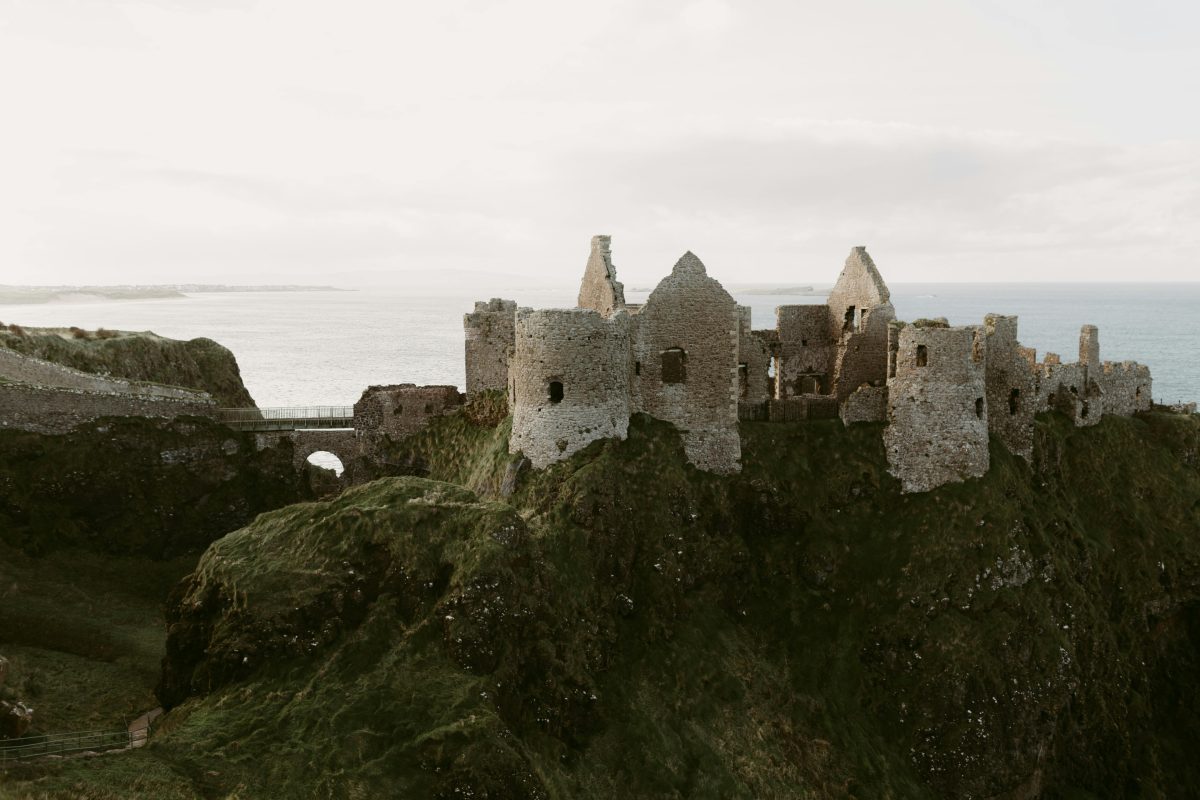
Rebel Songs: Shaping Irish Identity Through Protest

Rebel Songs: Shaping Irish Identity Through Protest

From Dublin’s Streets to the Stage: How the Rebel Songs Shaped a Generation of Protest and Identity

Estimated reading time: 5 minutes

Key Takeaways

  • Rebel songs are deeply intertwined with Irish identity and history.
  • These anthems have evolved to reflect contemporary struggles, uniting generations.
  • Music acts as a powerful medium to inspire protest and awareness of social issues.

Table of Contents

Introduction
The Heart of the Story
The Wider Echo
The Now & The Next
Did You Know?
FAQs
Final Word

Introduction

Through the cobblestones of Dublin to the fervent heartstrings of the Irish soul, rebel songs have sung out across the land, planting seeds of pride and pain in every ear that dares to listen. These anthems—crafted in the crucible of resistance—echo the laughter, tears, and unwavering spirit of a people fighting for their identity, their home, and their freedom. Let us venture into the depths of their lyrical power, where the streets speak, and the stage becomes a battleground for truth.

The Heart of the Story

Imagine the dimly lit pubs of Dublin, filled with the scent of stout and the flicker of candles, as friends gather to belt out the words of “The Foggy Dew,” a song embodying both sorrow and defiance in the face of colonial rule. Today’s youth take part in this tradition, joining hands raised high, paying homage to those who fought at Easter 1916, revolutionaries whose courage inspired generations. The song captures the spirit of a Dublin that refuses to remain silent, much like the echoes of voices ranging from the likes of Luke Kelly to Sinéad O’Connor resonating across continents, shaping our national narrative, one note at a time.

The Wider Echo

These rebel tunes are not simply songs; they are vessels of memory, fraught with the weight of history. In the 1980s, during the heated struggles of The Troubles, “The Celtic Symphonies” and “The Star of the County Down” stirred a political awakening. Protesters, armed not with rifles but with passion, marched to the rhythms of rebellion that connected those on the streets of Belfast and Derry to the diaspora in Boston and beyond. As historian Brian Hanley aptly notes, “these songs encapsulated the spirit of a people unwilling to be subdued,” forging connections that transcended borders.

The Now & The Next

Fast forward to today where, amidst a housing crisis, housing protests are gaining momentum across the country. Activists harness the same spirit that birthed the rebel songs, chanting their truth and raising awareness for a broken system. In this digital age, new artists are blending modern sounds with the timeless lyrics of struggle, like Hozier holding hands with history, a reminder that the pulse of rebellion is ever-present. It’s a call to arms for the disillusioned and disenfranchised, a chorus carried by those in Skibbereen dreaming of a fair tomorrow.

Did You Know?

  • The earliest rebel songs traced back to the 17th century—“The Rising of the Moon” depicts the 1798 rebellion against British rule.
  • Sinéad O’Connor’s rendition of “The Foggy Dew” in 1990 brought renewed attention to the significance of these ballads, marrying old struggles with new realities.

FAQs

What role do rebel songs play in modern Irish identity?
Rebel songs continue to unify and inspire, serving as a soundtrack to protests and celebrations alike, encapsulating the essence of resistance both at home and in the diaspora.

How can I learn more about Ireland’s rich musical heritage?
Explore local events or visit a Dublin pub where the music flows as freely as the stories. It’s a great way to connect with your roots!

Final Word

So here’s to the rebel ballads—the cries of a nation, forever etched in memory and song, soulful echoes resonating through the ages. May we continue to sing them with pride, for they are the tapestries of our identity woven through trials and triumphs, reminding us always where we come from.
If you carry the same pride we do, you’ll find a piece of home waiting at
HubIrish.com.
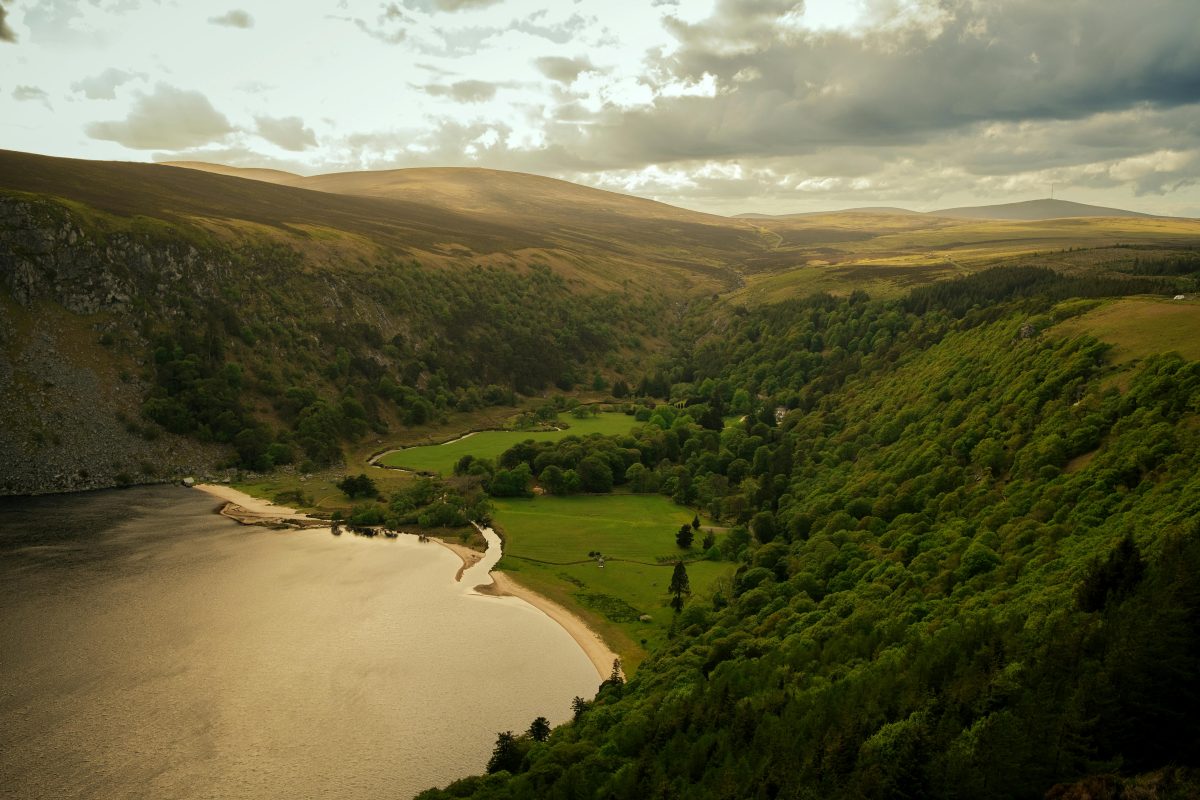
Kerry’s Villages United Against Eviction

Kerry's Villages United Against Eviction

How the Villages in Kerry Resisted Eviction — And Stood Together to Save Their Souls

Estimated reading time: 5 minutes

Key Takeaways

  • The Land Wars in the late 19th century ignited a wave of resistance against eviction in Kerry.
  • Solidarity among families and the community played a crucial role in opposing landlord authority.
  • The echoes of the past continue to influence modern housing rights movements across Ireland.

Table of Contents

Introduction
The Heart of the Story
The Wider Echo
The Now & The Next
Did You Know?
FAQs
Final Word

Introduction

In the emerald embrace of County Kerry lies a tale of bravery and sorrow, where the very marrow of Irish spirit was tested against the cold winds of eviction. Picture it: families torn from their homes, children weeping in the shadows of those old stone walls, women clutching at the fabric of their lives as the specter of homelessness loomed like a storm cloud overhead. This is the resilient story of the villages in Kerry—bound together by the blood, sweat, and tears of their ancestors, standing firm against the night.

The Heart of the Story

In the late 19th century, the villages in that rugged land of Kerry faced the specter of eviction as landlords seized control of their lands. The infamous Land Wars stirred the hearts of men and women alike. It was here that the likes of the great John Mitchel and others rallied, igniting the flame of resistance in the hearts of the oppressed. Farmers, once proud owners of their fields, became desperate as they faced the gallows of poverty and the galling authority of the landlords. Gathered under starry skies, whispers turned to roars as communities united, refusing to succumb to despair.

The Wider Echo

What began in the vale of Kerry echoed through the isles of Ireland, reaching the ears of those in far-off lands. The mantra of ‘Land for the People’ became the rallying cry, resonating not only in fields but in hearts across the globe. Emigrants in America, with their weary souls and aching hearts, reinvigorated the movement, sending funds and support to those struggling at home. Family ties served as lifelines, a venomous reminder of what was at stake—not just land, but a way of life deeply intertwined with the Irish identity. The sacrifices made galvanized the cause as stories of eviction and short-lived resilience crashed like waves against the shores of Irish diaspora memory.

The Now & The Next

And today? The spirit of those who resisted evictions can still be felt in the energy of modern protests, as people rally for housing rights across Ireland. In Kerry, as in the bustling streets of Dublin or the vibrant corners of Galway, the fight for belonging continues, echoing the age-old struggle of our ancestors. The echoes of the past teach us; as we gather with our GAA jerseys, as we raise our voices in solidarity, we embody the spirit of resilience that defines us. As families gather in homes that still stand, they remember, and they fight for those homes—for the generations yet to come.

Did You Know?

  • The Land League, founded in the 1870s, was crucial in driving the Irish land struggle, advocating for tenant rights across the nation.
  • In Kerry, like much of rural Ireland, the average eviction rate in the early 1880s was alarmingly high, causing widespread despair.

FAQs

What were the main causes of eviction in rural Ireland during the Land Wars?
The primary causes included the rise of rents, agricultural failures, and oppressive land laws. Evicted families often faced dire circumstances, leading to mass movements for reform.

How did the local Irish communities respond to these challenges?
Communities banded together, organized protests, and supported each other through mutual aid. These acts of solidarity laid the groundwork for the powerful movements that would follow.

Final Word

The soul of Ireland is stitched together with threads of hardship, resilience, and an indomitable spirit. The story of how the villages in Kerry resisted eviction reveals the heartbeat of a nation—a nation that continues to fight for its soul, its land, and its people. If you too carry the same pride we do, you’ll find a piece of home waiting at
HubIrish.com.

The Political Rise of Mary Lou McDonald in Ireland

The Political Rise of Mary Lou McDonald in Ireland

Why the Untold Story of Mary Lou McDonald’s Political Rise is Ireland’s Best Kept Secret

Estimated reading time: 5 minutes

Key Takeaways

  • Mary Lou McDonald represents a generational shift in Irish politics.
  • Her leadership is centered around inclusivity and social justice.
  • There is a growing trust in Sinn Féin, especially among young voters.

Table of Contents

Introduction
A Voice for the Unsung
Reshaping the Narrative
Continuing the Journey
Did You Know?
FAQs
Final Word

Introduction

In the heart of Dublin, where the river flows like a pulse through the veins of the city, a woman has emerged from the edges of obscurity to claim her space in the annals of Irish politics. Mary Lou McDonald, leader of Sinn Féin, is not just a figure in a tailored suit; she’s a storm. Her rise is a testament to resilience, a haunting echo of the struggles our people have endured. It’s a story woven with threads of ambition and advocacy, navigating a landscape still marked by history’s scars.

A Voice for the Unsung

Mary Lou’s story isn’t just personal; it reflects a generational shift in Irish politics. Born in 1969, in the bustling heart of Dublin, she grew up absorbing tales of revolution and rebirth. Dublin, that fierce heart, in the backdrop of conflict, shaped her ambitions, igniting a passion for the underrepresented voices of this island. As a young woman, inspired by her surroundings, she began her journey, armed with tenacity and sharp intellect.

Reshaping the Narrative

Mary Lou’s ascent is echoed by her determination to shift the narrative. In a country tired of the old guard, she is a beacon for a new vision of Ireland — one that respects its history but refuses to be held hostage by it. Her leadership transcends party lines, resonating with those fed up with politics that overwhelmingly serve the elite. “Politics is about people,” she insists, reminding us that the struggle for a better Ireland is far from over. Her tale intertwines with the desires of the Irish people yearning for change. A statistic worth noting — according to a recent survey, 58% of young voters in Ireland express more trust in Sinn Féin than any other party. This shift signals a thirst for representation, authenticity, and hope in the face of adversity.

Continuing the Journey

Today, McDonald stands at the forefront of pivotal discussions, like housing crises and social rights — issues that echo through every corner of our landscape. In every housing march or rally in Limerick, Galway, or Cork, her influence is felt. McDonald is not just a political leader; she is a catalyst for change at a time when many feel lost in a struggle for basic dignity. As we see a new generation rise, buoyed by voices like hers, the momentum towards a united Ireland feels more tangible than ever, healing wounds while looking forward.

Did You Know?

  • Mary Lou McDonald studied at Trinity College Dublin, holding a degree in Political Science and Economics.
  • In 2018, she became the first woman to lead Sinn Féin, symbolizing a significant shift towards inclusivity and representation in Irish politics.

FAQs

What policies does Mary Lou McDonald champion?
McDonald advocates for affordable housing, social justice, and a united Ireland. Her focus is on creating an equitable society for all Irish citizens.

How has her leadership impacted Sinn Féin’s popularity?
Under her guidance, Sinn Féin has seen a surge in popularity, particularly among younger voters, proving that fresh ideas resonate in a changing political landscape.

Final Word

The story of Mary Lou McDonald is a tapestry of resilience, hope, and the indomitable spirit of the Irish people — a narrative that deserves to be told at every tavern table and every political discussion. If you carry the same pride we do, you’ll find a piece of home waiting at
HubIrish.com.