
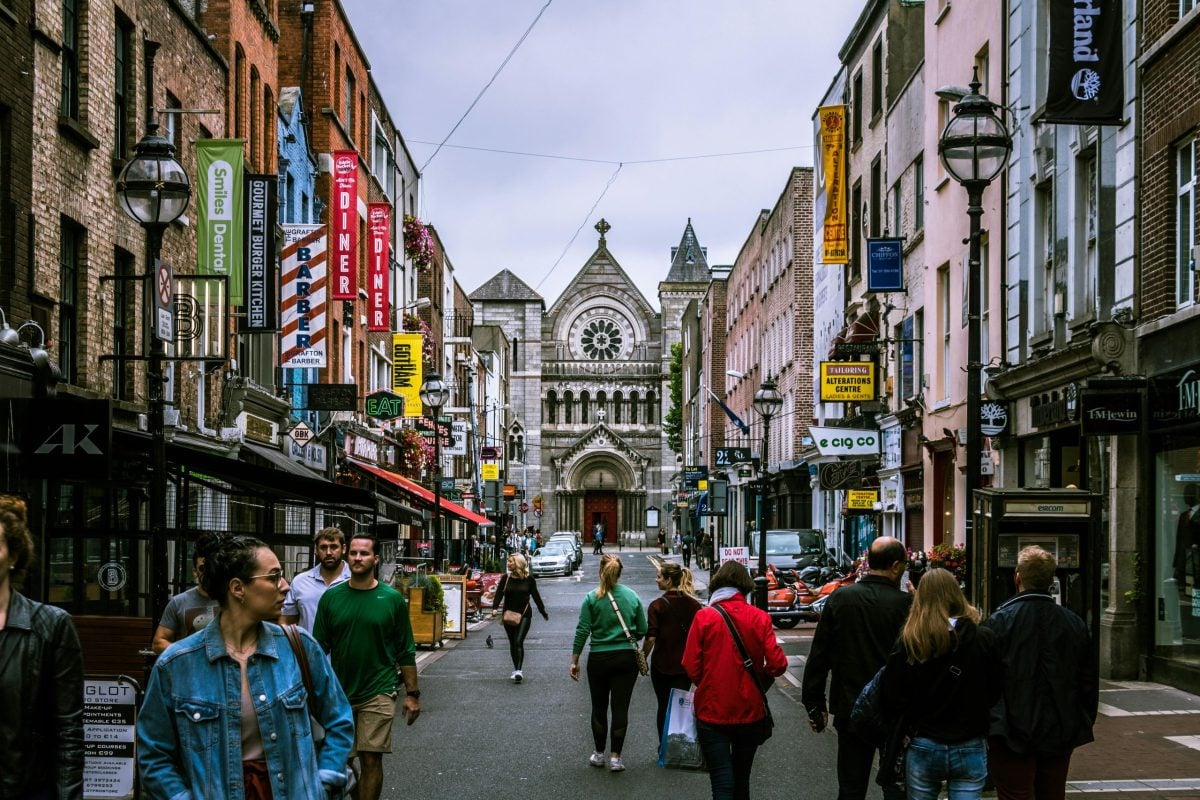
Uncovering the Lives of Ireland’s Forgotten Children

Uncovering the Lives of Ireland's Forgotten Children

The Forgotten Stories of Tuam: Uncovering the Lives and Losses of Ireland’s Stolen Children

Estimated reading time: 6 minutes

Key Takeaways

  • Tuam was home to a Mother and Baby Home that housed over 9,000 children.
  • The discovery of a mass grave reignited discussions about the treatment of unwed mothers and their children.
  • The Irish government has begun investigations and issued apologies to survivors, but many seek deeper reforms.

Table of Contents

Introduction
The Heart of the Story
The Wider Echo
The Now & The Next
Did You Know?
FAQs
Final Word

Introduction

In the quiet corners of Tuam, a tragic truth echoes—a truth that rattles the bones of our history. Here lie the forgotten children, victims of a cruel system, swept aside and silenced for decades. Their stories remain intertwined with the very fabric of Irish identity, begging for recognition in a country that often looks away. It’s time to honor them, to remember their names, to breathe life back into their tales of loss, longing, and love.

The Heart of the Story

In the mid-20th century, Tuam, County Galway, became a silent witness to one of Ireland’s darkest hours—the heartbreaking saga of the Bon Secours Mother and Baby Home. Here, from 1925 to 1961, over 9,000 children entered a system designed to shun them from society. Many were born out of wedlock, deemed ‘illegitimate,’ and cast off by the very mothers who brought them into this world.

Imagine, if you will, the stolen childhoods packed into a cramped room, where laughter was a foreign sound, overshadowed by tears and unyielding silence. The so-called ‘fallen women’ were ushered into this institution, and the children—those innocent rays of hope—were stripped of their identities. What remains are whispered stories, frail threads of memories passed down through generations.

The 2014 discovery of a mass grave at the site—with as many as 796 children’s bodies—reopened wounds long buried. It became a shared memory that demanded to be acknowledged. The whole of Ireland watched, grieved, and woke up to a haunting realization: these were not just numbers; they were blood and bone, parts of a collective history. Their untold stories ripple through Galway, the town that will forever bear this scar.

The Wider Echo

This story transcends Tuam; it forms part of a greater narrative—a tale of shame and resilience that has shaped modern Ireland. In the aftermath of the abuse scandals, public outrage surged. Survivors and advocates rallied, demanding justice, accountability, and acknowledgement. A report published in 2021 called the practices in these homes ‘inhumane and profoundly damaging’, overshadowing the bright spirits of those lost.

The echoes of Tuam reach far beyond the cemetery gates. They are the voices of mothers who were denied dignity, children unheard and unremembered. The fight for justice still pulses in the veins of activists, reminding us that the children buried beneath that earth are not forgotten; they are an indelible part of our conscience. “We must raise our voices not just for the dead but for the living,” said one historian, encapsulating the desperate need for change.

The Now & The Next

Today, as Ireland grapples with the fallout from decades of neglect, the lessons of Tuam remain vital. Survivors’ voices demand action, and solidarity builds across communities, from Dublin to Derry, as people unite for reform in how we treat our most vulnerable. The legacy of these children calls for a collective response to lingering injustices, from the housing crisis to the ongoing struggles of the marginalized.

Let us ensure the tears of the past lead to tears of joy and liberation in the future. Ireland must embrace its diverse narratives, challenge outdated norms, and foster compassion. In doing so, the souls of those lost in Tuam will guide us toward a kinder, welcoming nation—one where every voice matters and every child is cherished.

Did You Know?

  • The Tuam Home was one of numerous institutions across Ireland that housed unmarried mothers and their children, some of which are now under investigation for systemic abuse.
  • In 2013, a report indicated that up to 35,000 children were born in Mother and Baby Homes in Ireland throughout the 20th century, many of whom were adopted without their mothers’ consent.

FAQs

What has been done to hold those responsible accountable?
Investigations and apologies from the Irish government have been announced, but many argue for deeper reforms and reparations to the survivors and descendants.

How can people support survivors today?
Witnessing and sharing their stories is a critical first step, along with participating in advocacy campaigns and supporting organizations that uplift their voices.

Final Word

The forgotten children of Tuam may have left this world unceremoniously, but their stories cry out from the shadows. Let us honor them with every step we take toward redemption. We owe it to their lost childhoods to remember and to strive for a brighter future.
If you carry the same pride we do, you’ll find a piece of home waiting at
HubIrish.com.

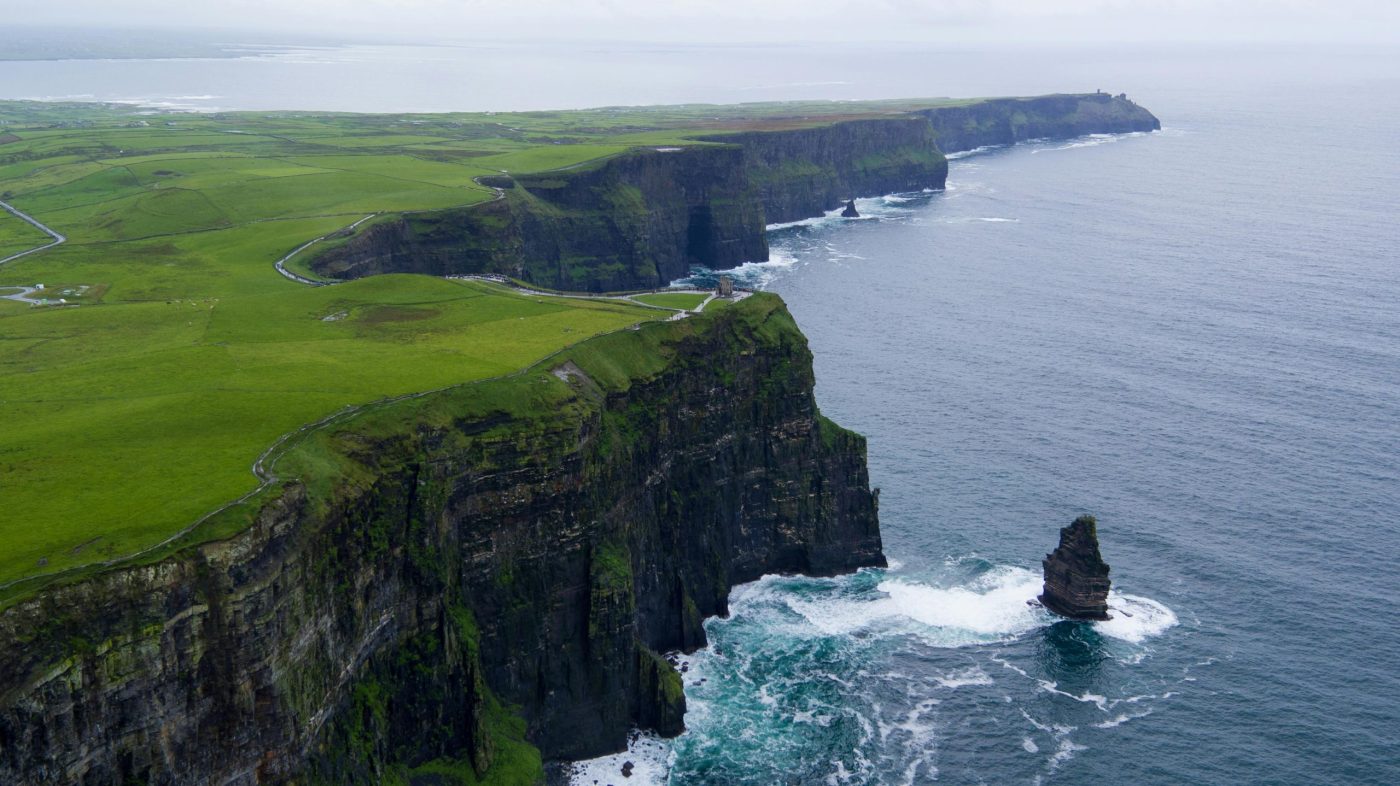
Mary Robinson and Ireland’s Call for Justice

Mary Robinson and Ireland's Call for Justice

Mary Robinson: The Unyielding Voice Who Begged Ireland to Hear the Unheard

Estimated reading time: 6 minutes

Key Takeaways

  • Mary Robinson pioneered advocacy for human rights and gender equality in Ireland.
  • She was the first woman President of Ireland and served from 1990 to 1997.
  • Robinson’s legacy continues to inspire young activists today, channeling her spirit in various social justice movements.

Table of Contents

Introduction
A Journey from Ballina to Global Stages
The Wider Echo: A New Ireland
The Now & The Next: Voices Still Rising
Did You Know?
FAQs
Final Word

Introduction

In the heart of Ireland, where whispers of sorrow meet the thunder of pride, Mary Robinson emerged like a beacon in the fog. A woman of courage, she didn’t just shatter glass ceilings; she lifted voices from the shadows. The forgotten, the silenced, the unheard — they found their advocate in her, a true believer that every life had a story worth sharing. In a land often bound by tradition, she forged a path toward a future where justice and compassion reign supreme. Yet, the call for change was met with anger, fear, and resistance, a reflection of a society grappling with its past while yearning for its future. For Robinson, it was not merely a battle but a calling; she was determined to lead Ireland to its reckoning.

A Journey from Ballina to Global Stages

Born in County Mayo in 1944, Mary Robinson grew up under the watchful eyes of both a community steeped in tradition and a country wrestling with its identity. Her journey — from the quiet streets of Mayo to the Presidency and beyond — was marked by a fierce resolve to challenge the status quo. In 1990, she became the first woman to hold the presidential office in Ireland, an act that sent ripples through a society yearning for equality. With every speech, she planted seeds of hope, fostering discussions around human rights, climate change, and gender equality. The demand for change was palpable, and though the winds of the times stirred controversy, her voice grew stronger. Robinson’s presidency was a herald of the new Ireland, where voices once muffled by old prejudices began to resonate with power and clarity.

The Wider Echo: A New Ireland

Expand the lens and you see — in Robinson’s call for justice — a reflection of Ireland’s own journey. The scars of the past, the shadows of oppression and inequality could not be ignored any longer. She didn’t just fight for the gender pay gap; she raised the plight of the homeless, supporting those languishing in the cracks of an economic system prioritizing profit over people. Her legacy became a shared narrative — a tale of resilience that resonated deeply within the Irish diaspora. Words of Robinson found a home not just in Dublin but in Boston, New York, and Sydney, infusing their collective memories with a new sense of purpose. In her call to the Irish to hear the unheard, she conjured a bold new identity; one shaped by care, respect, and an acknowledgment of all who contribute to the rich tapestry of Irish life.

The Now & The Next: Voices Still Rising

Today, the echoes of Mary Robinson resound in every struggle for justice, a reminder that the fight is far from over. Issues of housing, climate change, and social justice bleed into the fabric of modern Irish society, providing new recruits for her cause. Young activists march, rallying against the tide of inequality, channeling the spirit of Robinson in their vibrant protests, reminding the government — and the world — that every life matters. Ireland stands at a crossroads; will it nurture the legacy of its first female president or let it fade into memory? As we grapple with today’s challenges, Robinson’s heart beats in the contemporary struggles, urging us: don’t be silent. Raise your voice, for it is the unheard who will light the way forward.

Did You Know?

  • Mary Robinson served as United Nations High Commissioner for Human Rights from 1997 to 2002, amplifying global conversations on human rights.
  • In 2016, she was nominated for the Nobel Peace Prize, underscoring her lasting impact on human rights and climate justice both in Ireland and globally.

FAQs

What are Mary Robinson’s most significant achievements?
Robinson’s legacy includes transformative advocacy in human rights, gender equality, and climate justice. As an author and speaker, she continues to inspire future generations, representing a passionate and inclusive Ireland.

How did Mary Robinson’s presidency change the perception of women in Ireland?
Her presidency encouraged women across Ireland to step into leadership roles and demand equality, reshaping societal expectations. Today, Irish women are powerful forces in politics, business, and activism, building on the foundation Robinson laid.

Final Word

As the sun sets over the lush green fields, one can’t help but feel Mary Robinson’s enduring spirit in the whispers of the wind. Her story is intertwined with the fabric of modern Ireland, echoing in our hearts and our cries for justice. Let’s honor her legacy and remember that in every struggle for the unheard, there lies an opportunity to build a brighter, more inclusive future for all. If you carry the same pride we do, you’ll find a piece of home waiting at
HubIrish.com.
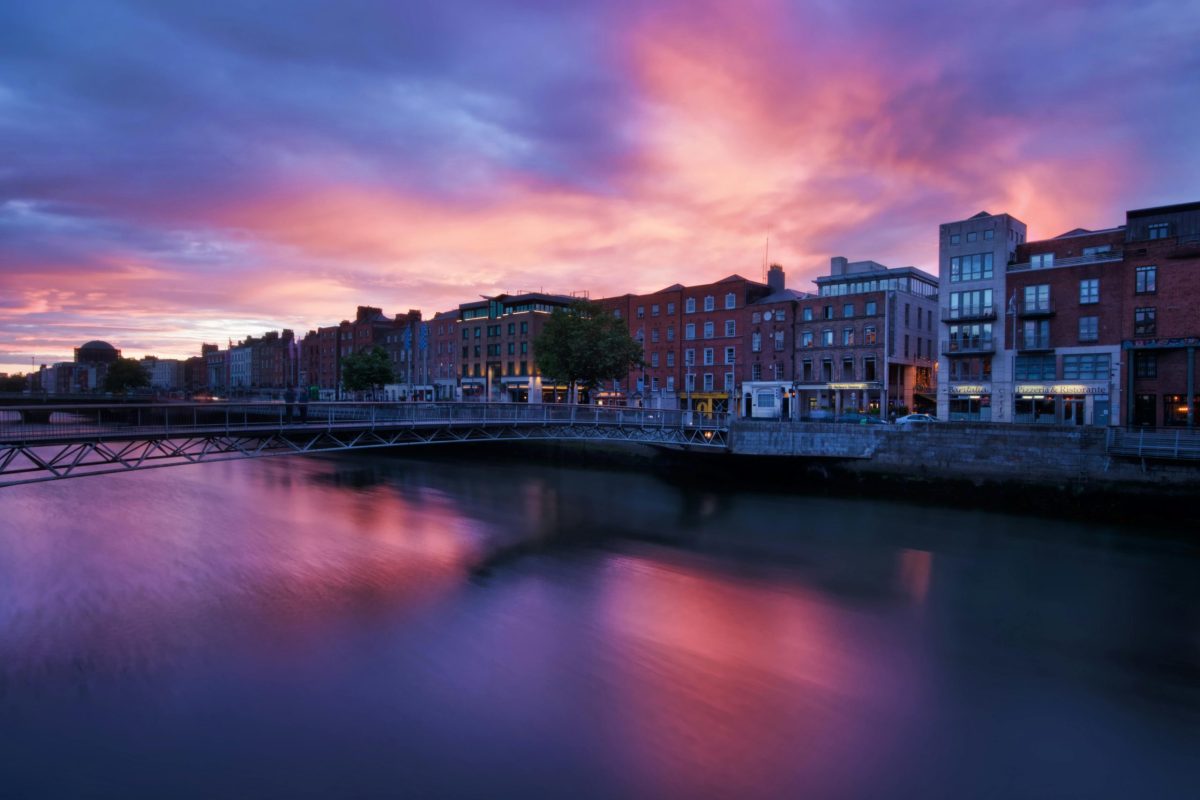
The Legacy of Amy Fitzpatrick and the Call for Justice

The Legacy of Amy Fitzpatrick and the Call for Justice

How a 13-Year-Old Girl’s Tragic Death Shook Ireland and Sparked a National Outcry for Justice

Estimated reading time: 7 minutes

Key Takeaways

  • Amy Fitzpatrick’s tragic death became a symbol for the fight against domestic violence in Ireland.
  • The Collective Justice for Amy Fitzpatrick Campaign aims for accountability and legislative change.
  • Public protests and awareness initiatives have emerged following her death, highlighting hidden struggles.

Table of Contents

Introduction
The Heart of the Story
The Wider Echo
The Now & The Next
Did You Know?
FAQs
Final Word

Introduction

In the quiet town of Ballaghaderreen, a tragedy unfolded that would reverberate throughout the very fabric of Irish society. On January 10, 2018, the community lost a bright light, 13-year-old Amy Fitzpatrick, to an act of violence that would ignite a fevered quest for justice and a call to end domestic violence. Her story is one of heartbreak and heroism, a tale that speaks to the very soul of Ireland and encapsulates a struggle that many dare not name.

The Heart of the Story

Amy, described as luminous, vivacious, and overflowing with dreams, faced unimaginable darkness. When her life was abruptly taken in a case that shook her family and the vibrant community of Roscommon, it wasn’t just a loss for her relatives; it was a grievous wake-up call for a nation steeped in the mundane brutality of everyday life. Her death was more than a personal tragedy; it served as a rallying point for families who have lived in silence, battling their own demons behind closed doors. The Collective Justice for Amy Fitzpatrick Campaign launched, demanding accountability and legislative change: for the voices of the abused not to be silenced, for victims to be heard, and for lives like Amy’s not to be taken without consequence.

The Wider Echo

Ireland became a crucible of pain and resolve, pouring over into protests that spread from the narrow streets of small towns to the grand architecture of Dublin. The statistic of abused women and children in Ireland — staggering and heartbreaking — found its voice in the collective outcry. In the wake of Amy’s tragic death, the community remembered her not just as a victim, but as a call to arms against an insidious plague that has long been hidden. Politicians, activists, and everyday citizens joined forces, each sharing their stories; it brought to light the grim reality that many endure. Each placard raised in defiance, each chant echoing into the night, revived the souls lost in shadow and despair.

The Now & The Next

Today, as we navigate the complexities of modern Ireland, we remember Amy as a brave ambassador, a testament to the fight against violence that remains far from over. We bear witness to families like Amy’s striving for more than just memory; they seek justice, change, and community healing. From housing shortages to the ongoing discussions about domestic violence legislation, Ireland stands at a precipice, challenged to transform pain into strength, to turn grief into a movement. The stories of heroes continue, shaping our future, inspiring conversations that need to be held, faces of the forgotten demanding to be seen — all influenced by the legacy of a young girl who deserved so much more.

Did You Know?

  • According to Safe Ireland, 1 in 5 women in Ireland experience domestic violence in their lifetimes, with many more remaining silent.
  • In 2017 alone, over 14,000 calls were made to domestic violence helplines across the country.

FAQs

What can be done to prevent domestic violence in Ireland?
Education and awareness campaigns play a critical role. Initiatives like community workshops and advocacy groups help empower bystanders and victims alike.

How can I support victims of domestic violence?
Supporting local shelters, volunteering for helplines, and lending your voice to advocacy efforts can provide a lifeline to those in need.

Final Word

Amy Fitzpatrick’s legacy is a haunting reminder of the struggles that ripple through our communities. We must wear her memory like a badge of honor, pushing past the silence, speaking out, and standing together against violence. If you carry this pride and mourn alongside us, find a piece of home waiting at
HubIrish.com.
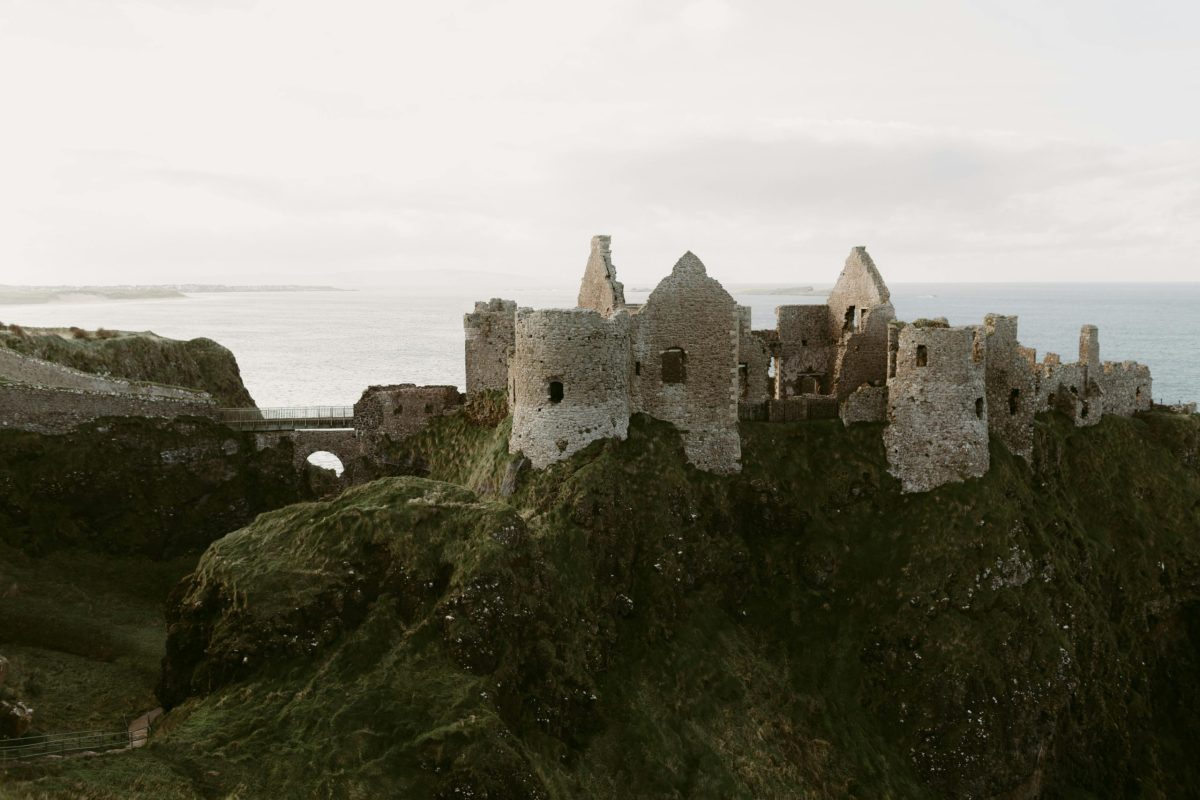
The Voices of Magdalene: Stories that Changed Ireland

The Voices of Magdalene: Stories that Changed Ireland

How the Forgotten Women of the Magdalene Laundries Shattered Silence and Reshaped Modern Ireland

Estimated reading time: 7 minutes

Key Takeaways

  • The voices of women from the Magdalene Laundries are integral to understanding modern Irish identity.
  • Awareness and advocacy for victims have evolved dramatically, culminating in formal apologies and recognition.
  • The legacy of the Magdalene survivors continues to inspire social justice movements and dialogue around women’s rights.

Table of Contents

Introduction
The Heart of the Story
The Wider Echo
The Now & The Next
Did You Know?
FAQs
Final Word

Introduction

A shiver in the spine, the stories buried deep, silenced screams echoing off the stone walls of Irish history. The Magdalene Laundries, monuments of shame, held thousands captive — not just in body but in spirit. Here, women lived lives of erasure, their identities stripped bare, their voices silenced. To some, they were the fallen; to others, mere statistics. Today, we peel back those layers, honoring the forgotten and uncovering the truth they fought to tell. From these shadows, a radiant strength emerged, reshaping modern Ireland.

The Heart of the Story

In Galway, where the hills meet the sea, the stories of those women breathe life into the cobbled streets and sun-dappled fields. The laundries sprouted like weeds — where the good intentions of a pious society buried countless young women, branded as “fallen” or “disgraced.” From the 1920s to the 1990s, over 30,000 women labored within these walls, washing not just linen but the stains society placed upon their souls.

Witness their plight: Mary, a single mother whose baby was taken from her, slammed against the world’s cruelty; Anne, locked away for refusing to surrender her dreams to staying “respectable.” These women endured labor, loneliness, and shame in silence, but within their shared struggle was a rebellion waiting to bloom. It was within these confines that they forged friendships that transcended the harsh realities of their lives, building a sisterhood of resilience. Galway became their silent witness, the salty breeze sweeping across the city, carrying with it whispers of their fight for freedom.

The Wider Echo

But change does not happen overnight. It took decades for their stories to break through the concrete walls of societal silence. In 1993, thanks to the brave voices of women like Tómas Ó Cárthaigh and the tireless campaigning of groups like the Magdalene Survivors Together, awareness began to unfurl like a clenched fist. The tide turned when, in 2013, the Irish government issued an apology, validating the pain and anguish of women who had suffered for far too long. According to the *Report of the Inter-Departmental Committee to establish the facts of State involvement with the Magdalene Laundries*, the stories published had shocking implications for the future of Ireland, shattering clockwork perceptions of “the good” and “the sinful.”

The Now & The Next

Here we stand, in a new Ireland, ripe with diversity and awareness. The threads of those who served in the laundries weave into our tapestry, reminding us that progress means giving voice and agency to the once-voiceless. Today, we see campaigns fighting for the rights of those oppressed, the battle against discrimination, and the fight for mental health awareness taking shape. As those women walked out of the darkness, they lit a path illuminating the importance of speaking truth to power, of weaving a fabric of empathy within our society. Their bravery shapes our ideals, a steadfast pulse that we, as a nation, carry forward.

Did You Know?

  • The Irish government formally apologized for the State’s involvement with the Magdalene Laundries in 2013, acknowledging the suffering endured within.
  • The laundries operated not only in Ireland but also in the UK, Canada, and the US, often influenced by the same harmful ideologies during the mid-20th century.

FAQs

What was the purpose of the Magdalene Laundries?
Originally intended as refuges for women viewed as “impure” or “fallen,” they became prisons of labor and shame. Over time, they became state-sanctioned institutions where societal expectations were enforced through harsh means. For more insight, check out our sections concerning Galway.

How have the Magdalene survivors influenced Irish society today?
The survivors’ stories have sparked vital discussions about social justice, women’s rights, and mental health, driving modern Ireland toward reconciliation and healing.

Final Word

As we raise our glasses in honor of those who survived, recognize the strength in vulnerability — the power found in breaking silence. The stories of the Magdalene women are not just tales of despair but of unyielding spirit, a luminous reminder that their shadows now illuminate our path. If you carry the same pride we do, you’ll find a piece of home waiting at
HubIrish.com.
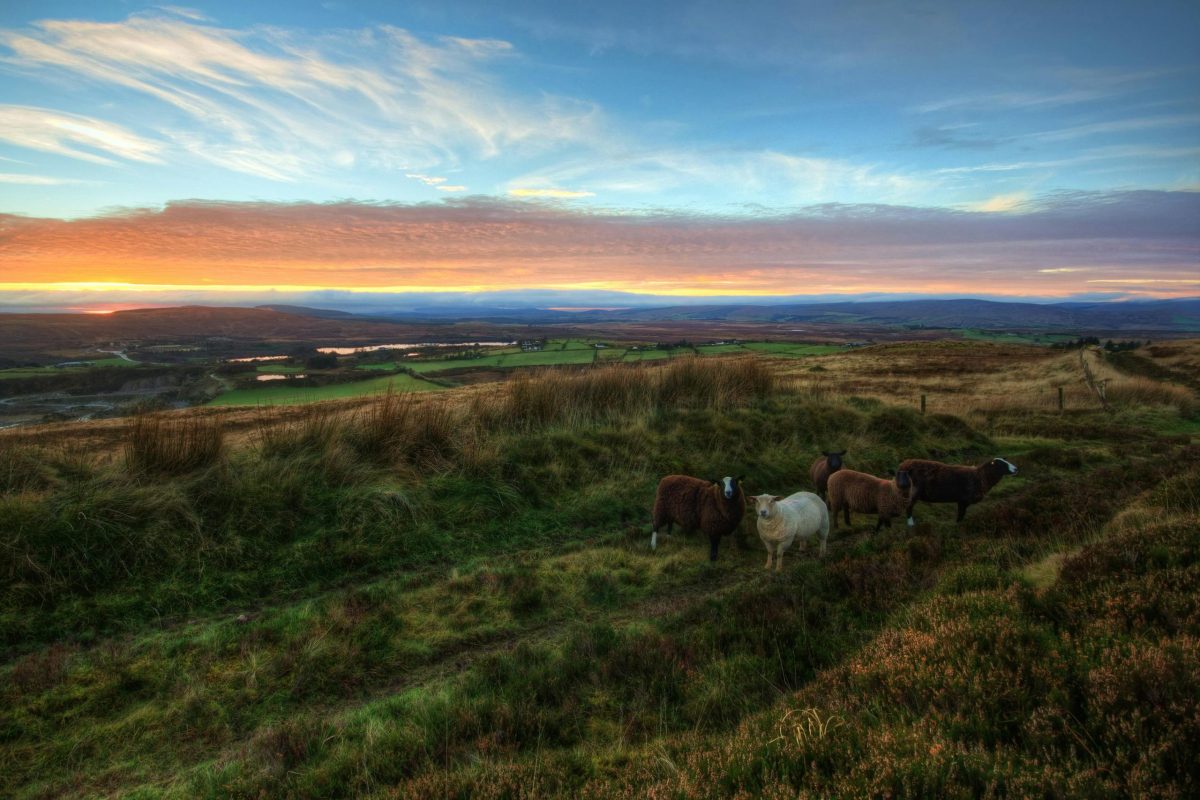
Bobby Sands the hunger striker and poet of Ireland

Bobby Sands the hunger striker and poet of Ireland

Bobby Sands: The Hunger Striker Who Became a Poetic Voice for Ireland’s Pain

Estimated reading time: 5 minutes

Key Takeaways

  • Bobby Sands was a poet and a political prisoner whose hunger strike became a symbol of the struggle for Irish rights.
  • His powerful poetry resonates with themes of freedom, justice, and identity.
  • Sands’ death catalyzed international support for the Irish republican movement.

Table of Contents

Introduction
The Heart of the Story
The Wider Echo
The Now & The Next
Did You Know?
FAQs
Final Word

Introduction

He was more than a man; he was a symbol, a heartbeat echoing through prison walls—a ghost that haunts our streets and our stories. Bobby Sands, a kid from the Falls Road, became a poet in a land soaked with blood and wounds, stitching verses with the threads of freedom and despair. In the world of rebellion and rage, his last meal was silence, and yet his voice still rises like the mist off the Mourne Mountains, reverberating with the cries of those who came before and those yet to come.

The Heart of the Story

Born in Antrim in 1954, Bobby Sands emerged from a family shaped by the shadows of The Troubles. Those early days were steeped in a sense of inequality and injustice. As a teenager, Sands felt the pull of nationalism and activism, a fervent desire to carve out a future where his people could taste freedom—without the bitterness of oppression. By 1972, Sand’s world spiraled into chaos. Seventeen lives were lost on Bloody Sunday, and he quickly became immersed in the struggle for Irish sovereignty.

The Wider Echo

Sands was arrested, yet his battle transformed. As he slouched in a prison cell, he found poetry—a lifeline amidst despair. His verses pierced hearts like arrows, capturing the anguish of a divided nation. His poem, “The Tool,” reflects his longing for freedom, a cry that rose above the harsh realities of life behind bars. Through hunger strikes and silent protests, Sands became the poet of the people, martyring dreams for the future in a desperate bid for recognition. His death on May 5, 1981, was not the end—it birthed a new movement, igniting passionate support worldwide and mounting international pressure on the British government.

The Now & The Next

Even today, amid the sprawling suburbs of Dublin and beyond, echoes of Sands’ legacy linger. Streets are named after him, and marches remember his sacrifice. The hunger for justice persists among the youth of Ireland, who bear witness to the ongoing challenges involving identity, politics, and equality. From housing protests in Cork to diaspora vigils in Boston, the spirit of Bobby Sands fuels the fight against modern inequities. It’s a reminder that his poetic voice is far from silenced; it continues to inspire hope in a world still threaded with conflict.

Did You Know?

  • Bobby Sands wrote over 30 poems during his imprisonment, reflecting the struggle for Irish identity and justice.
  • His death sparked worldwide outrage, leading to a shift in public opinion about the British government’s treatment of Irish political prisoners.

FAQs

What impact did Bobby Sands have on the Irish republican movement?
Sands’ hunger strike was pivotal in bringing attention to the plight of political prisoners, ultimately boosting international solidarity and support for the Irish republican cause.

How are Bobby Sands’ writings viewed today?
His poetry remains in high regard, often used as a vehicle for discussions on freedom, identity, and human rights in contemporary Ireland.

Final Word

Bobby Sands is not merely a chapter in the story of Ireland; he is the ink that writes the saga of resistance, resilience, and hope. His legacy lives on in every heart that beats for justice. If you carry the same pride we do, you’ll find a piece of home waiting at
HubIrish.com.
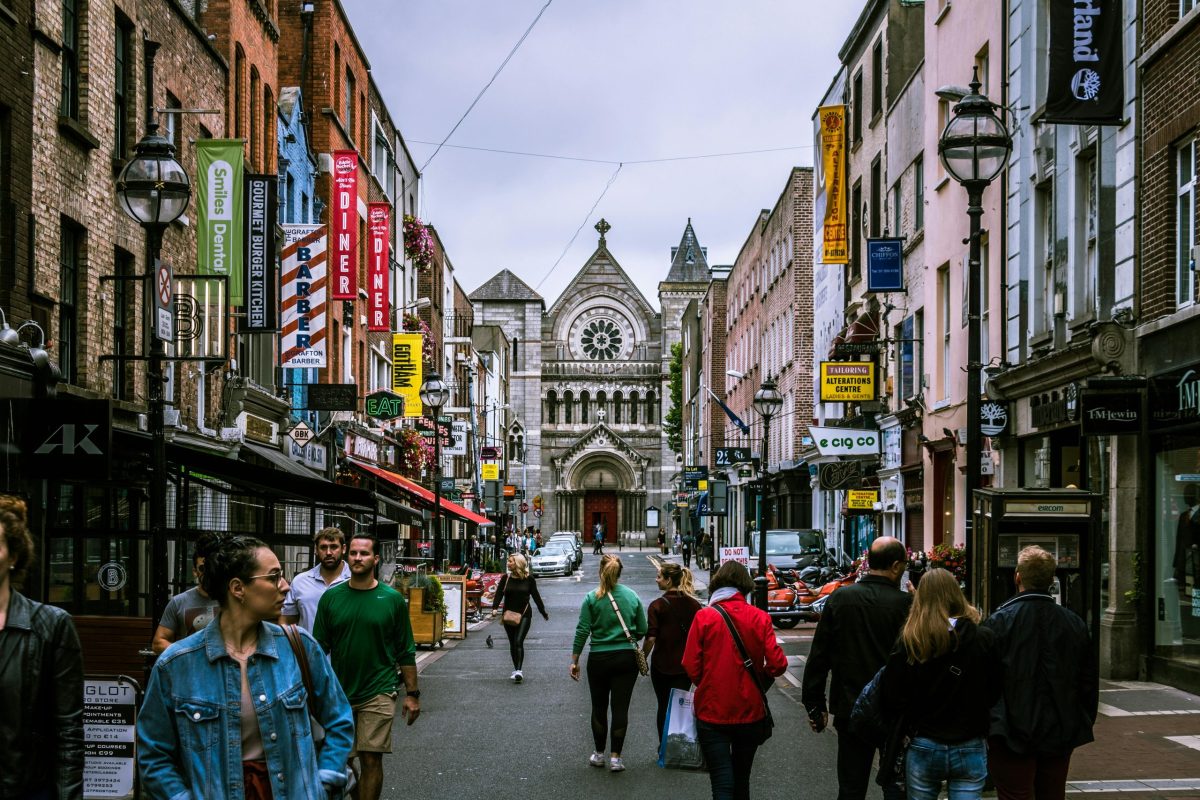
The enduring impact of Mother Mary C. Sullivan

The enduring impact of Mother Mary C. Sullivan

The Unseen Legacy of Mother Mary C. Sullivan: The Nun Who Fought for the Rights of Ireland’s Forgotten Women

Estimated reading time: 6 minutes

Key Takeaways

  • Mother Mary C. Sullivan dedicated her life to advocating for women’s rights in Ireland.
  • Her efforts contributed to significant social reforms that improved women’s status.
  • Today, her legacy inspires activists fighting for equality and justice.

Table of Contents

Introduction
The Heart of the Story
The Wider Echo
The Now & The Next
Did You Know?
FAQs
Final Word

Introduction

In the dim light of history, where echoes of forgotten voices whisper through the ages, one woman stands tall — Mother Mary C. Sullivan. She was not just a nun; she was a champion for those silenced by society, a fierce defender of the rights of women often left in the shadows. Her legacy, though largely unseen, weaves through the heart of Ireland’s relentless struggle for equality and justice.

The Heart of the Story

Born in 1909 in County Kerry, a land known for its breathtaking landscapes and deep-rooted traditions, Mary Sullivan became part of a generation grappling with the harsh realities of life. A devoted nun, her mission extended beyond the convent walls; it ventured into the very fabric of society where women often faced discrimination and poverty, especially in the throes of post-war Ireland. Mary established educational initiatives and helped set up women’s hostels — places where many found refuge. Her work was not always welcomed in a society steeped in patriarchal norms, yet she persisted, fueled by the belief that every woman had the right to dignity and opportunity.

The Wider Echo

Mary’s tireless efforts resonate well beyond her time. They foreshadowed the changes that would challenge Ireland in the coming decades — the fight for women’s rights that would eventually lead to significant social reforms. In 1971, the first Irish women to hold public office cited the groundwork laid by pioneers like Mary as vital to their success. Mary Sullivan’s actions were a clarion call for justice, echoing alongside other giants in Ireland’s history who rose to demand equality amidst a landscape of inequality.

The Now & The Next

Today, as Ireland faces new challenges — the housing crisis, struggles for LGBTQ+ rights, and ongoing discussions about gender equality — Mother Mary C. Sullivan’s legacy not only survives but inspires. Young activists cite her work as a guiding light, a reminder that change often starts with one voice, one act of kindness. In a modern Ireland that now flourishes in diversity and acceptance, it’s essential to remember the battles fought by our foremothers. Her life reminds us that we must carry the torch, illuminating paths yet untraveled for future generations.

Did You Know?

  • In the 1980s, women comprised only 4% of the seats in the Irish parliament, a stark contrast to today, showcasing progress since Mother Sullivan’s time.
  • The first Women’s Liberation Movement meeting in Ireland took place in 1970, where many echoed Mary’s calls for equality and empowerment.

FAQs

Who was Mother Mary C. Sullivan?
A devoted nun and social activist, she dedicated her life to advocating for women’s rights in Ireland during the 20th century. Her work laid the foundation for future movements demanding equality.

What impact did she have on modern Ireland?
Her efforts in social welfare and education for women have profoundly influenced today’s dialogue on gender equality in Ireland, inspiring countless activists working for social justice.

Final Word

Mary Sullivan’s spirit persists as a fierce reminder that each act of courage adds a new chapter to our shared Irish tale. As we navigate our current struggles, let’s carry her spirit in our hearts and strive for a better tomorrow. If you carry the same pride we do, you’ll find a piece of home waiting at
HubIrish.com.
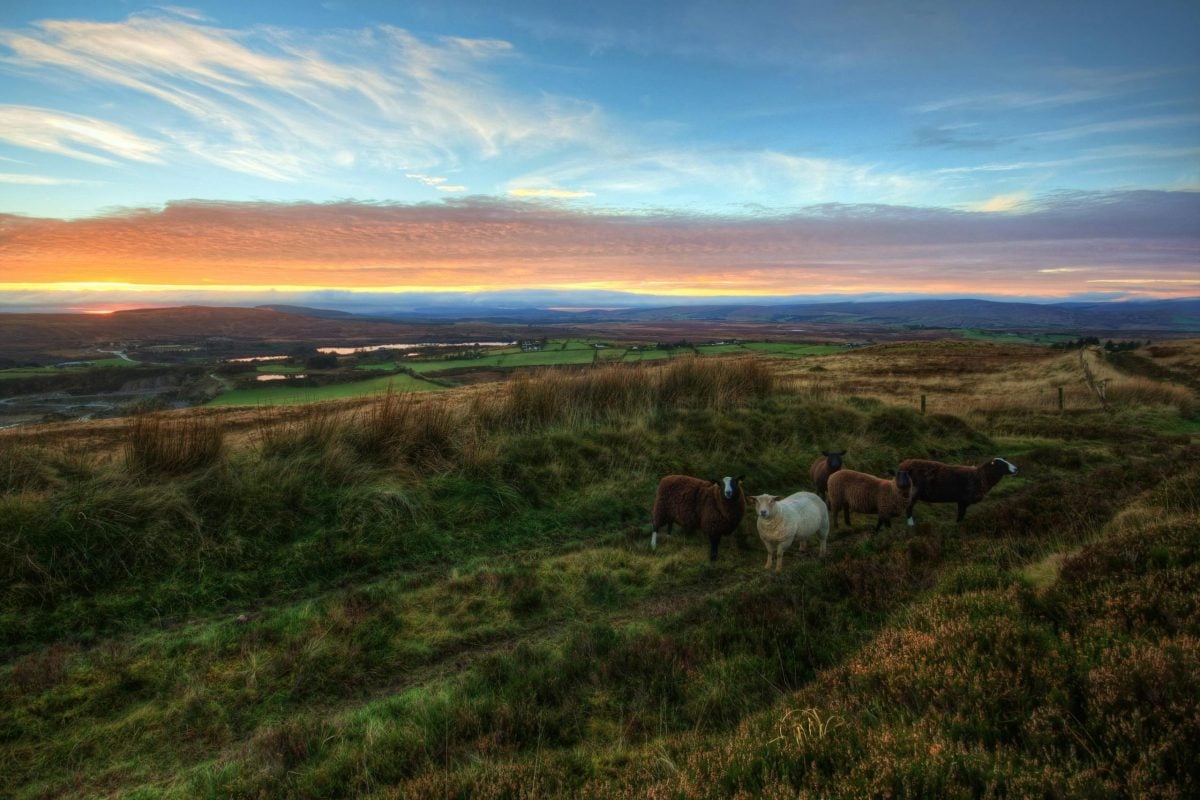
The Untold Struggle of the Magdalene Women

The Untold Struggle of the Magdalene Women

Behind Closed Doors: The Untold Story of the Magdalene Women Who Fought for Justice

Estimated reading time: 7 minutes

Key Takeaways

  • The Magdalene Laundries were institutions where thousands of women were treated unjustly.
  • Public acknowledgment of the abuses began with the 2013 Report of the Inter-Departmental Committee.
  • The stories of the Magdalene women are woven into the fabric of modern Irish identity.

Table of Contents

Introduction
The Heart of the Story
The Wider Echo
The Now & The Next
Did You Know?
FAQs
Final Word

Introduction

In the heart of Ireland, where the echoes of history pulse through every stone, there lies a story steeped in sorrow and defiance. The Magdalene Laundries, prisons masquerading as sanctuaries, once held countless women in their shrouded halls. These women bore the weight of shame and silence, trapped behind closed doors, yet their spirits flickered with resilience. Today, we unveil their struggle for justice, a fierce testament to the Irish spirit that refuses to be silenced.

The Heart of the Story

The laundries were veils of darkness hidden in cities like Dublin, where countless lives were altered irreparably. From the 1920s to the late 1990s, over 30,000 women entered these institutions—beaten down by societal norms that painted them as fallen women, unworthy of love, compassion, and refuge. They were janitors of their own pain, working long hours in harsh conditions, their services exploited under the guise of penance and redemption. But buried within this brutality was a flicker of revolution. Women like Margaret McGowan and Catherine McCabe emerged as voices for their sisters. Their letters of protest and narratives of abuse opened the doors of a past long hidden away. These fearless women became the heartbeats of resistance, challenging a system that sought to suppress them.

The Wider Echo

As Ireland grappled with its past, the stories of the Magdalene women rippled through the fabric of the nation. Their plight echoed raw wounds of injustice, prompting public inquiries and a deeper examination of moral failings. In Ireland’s shameful silence, the courageous voices of these women demanded acknowledgment and restitution. The 2013 Report of the Inter-Departmental Committee revealed the sheer scale of the horrors endured, shedding light on decades of abuse and neglect. The government’s eventual apology in 2015 marked a pivotal moment — not just for the survivors, but for an Ireland finally ready to face its demons and embrace a reckoning.

The Now & The Next

Today, the echoes of those laundries haunt our collective memory. The impact of the Magdalene women’s legacy weaves through modern Irish life. As Ireland fights against the backdrop of a housing crisis, struggles with mental health, and faces systemic injustices, awareness grows. The courage of these women reminds us that the fight for dignity and respect is never-ending. Each march for rights, each petition for justice, is infused with their spirit—echoing the cry for freedom and equality that defines the core of Irish identity.

Did You Know?

  • The final Magdalene Laundry closed its doors in 1996, marking the end of a grim era in Irish history.
  • The government formally issued an apology in 2013, admitting that the treatment of women in these institutions was “wrong” and “unjust.”

FAQs

What were the Magdalene Laundries?
They were institutions run by religious orders in Ireland, where women labeled as “fallen” or “immoral” were confined, forced to work without pay, and often subjected to harsh conditions.

What is being done to address the injustices faced by these women?
There are ongoing discussions about reparations and support for survivors. Documentaries and literature continue to shed light on their stories, ensuring that their legacy endures.

Final Word

Behind every door that once remained closed, there are tales of resilience, suffering, and justice that can no longer be ignored. These women, the Magdalene sisters, taught Ireland the true meaning of strength. If you carry the same pride we do, you’ll find a piece of home waiting at HubIrish.com.

The Resilience of the Magdalene Laundries Women

The Resilience of the Magdalene Laundries Women

How the Women of the Magdalene Laundries Fought to Reclaim Their Voices

Estimated reading time: 5 minutes

Key Takeaways

  • The Magdalene Laundries in Ireland were places of oppression and abuse for many women.
  • Women within these institutions forged strong bonds and began to reclaim their voices.
  • The legacy of the Magdalene Laundries continues to impact discussions on women’s rights today.

Table of Contents

Introduction
The Heart of the Story
The Wider Echo
The Now & The Next
Did You Know?
FAQs
Final Word

Introduction

There’s a heartbeat in every story, but this one—this one thumps with the anguish of lost voices, a symphony of betrayal and resilience. The Magdalene Laundries stand as grim monuments to hurt and oppression, yet within their walls, women forged unbreakable bonds, casting aside silence to reclaim their dignity. Today, we bear witness to their struggle, their triumph—a melody only they can sing.

The Heart of the Story

For decades, the Magdalene Laundries in Ireland buried women alive in the narrative of shame. From Clare to Cork, these institutions preyed upon the vulnerable — the fallen woman, the rape survivor, and the unwed mother — branding them sinners, dressed in rags, scrubbing linens in silent servitude. But among them, powerful spirits emerged. Women like Anne Marie D’Arcy and Margaret Grace felt the injustice in their bones. They were daughters of the earth, fierce and unyielding. They built a community forged in shared pain, whispering support in the dark corners of the laundry rooms in Clare and everywhere else across the land. Their voices, once hushed, began to rise like the dawn, reclaiming what had been snatched away — their identities, their power.

The Wider Echo

The echoes of the Magdalene Laundries extend far beyond their barred windows and iron gates. The fallout of the Church’s involvement reverberated across the nation, leaving a scar on Ireland’s collective conscience. From the confessionals to the parliaments, voices of advocacy emerged, demanding justice for the silenced. In 2013, the Irish government offered an apology and compensation, acknowledging the wrongs inflicted. But mere words cannot erase the anguish—it is a journey towards healing, and for the survivors, it’s a call to arms: “We will tell our stories.”

The Now & The Next

Today, across Ireland, we continue the conversation. The legacy of the Magdalene Laundries pushes us to reckon with the past—highlighting women’s rights, the fight against societal shame, and the struggle for identity in a landscape still yearning for redemption. Activists today pave new paths, channeling the bravery of those who fought in silence. It’s a movement to create spaces where all voices—young, old, oppressed—can be heard and respected. This isn’t just history; it is the heart of a living Ireland. The next echo is ours to write.

Did You Know?

  • The Magdalene Laundries operated from the late 18th century until the late 20th century, with many women confined for the entirety of their lives.
  • Approximately 10,000 women passed through the laundries, many facing abuse and neglect during their captivity.

FAQs

What were the Magdalene Laundries?
The Magdalene Laundries were institutions run by Catholic religious orders in Ireland, where women deemed ‘fallen’ were sent to live in confinement, often subjected to hard labor and abuse.

How are survivors remembered today?
Survivors of the Magdalene Laundries are increasingly honored through various memorials and advocacy groups that aim to educate the public and ensure such injustices never happen again.

Final Word

As we gather around the stories of those wronged, we cultivate a collective memory that honors their fight and their voices. Let us never forget; let us never become silent.
If you carry the same pride we do, you’ll find a piece of home waiting at
HubIrish.com.

The McGuigans: Pioneers of GAA in America

The McGuigans: Pioneers of GAA in America

From Tyrone to Triumph: How the Footballing Legacy of the McGuigan Family Redefined GAA in America

Estimated reading time: 6 minutes

Key Takeaways

  • The McGuigan family’s journey reflects resilience and cultural pride in the face of emigration.
  • Gaelic games have fostered community bonds among Irish-Americans, enriching their cultural identity.
  • The legacy of the McGuigans continues to inspire young players in the U.S.

Table of Contents

Introduction
A Family’s Genesis in the Fields of Tyrone
The Shift Across the Sea: New Dreams in America
Building Bridges with Every Goal
Did You Know?
FAQs
Final Word

Introduction

In the land where the green hills roll like a football under the sun, a family named McGuigan carried the weight of triumph and tragedy. They sailed across the Atlantic, bringing with them not just an enduring love for Gaelic sports but a legacy that would echo across the fields of America. From the heart of Tyrone to the spirited stadiums of New York, their story is that of resilience, love, and relentless pursuit of glory — a testament to what it means to be Irish in a foreign land.

A Family’s Genesis in the Fields of Tyrone

The McGuigan family hails from County Tyrone, a land rich in sporting heritage and the haunting echoes of history. Hurling and football weren’t just games; they were lifelines woven into the very fabric of community life. At home, the family’s bond grew strong among the fields of Clonoe, where brothers played with the heart of a lion and the fury of the storm. Their father, a quiet man with a fierce passion for the GAA, instilled the values of perseverance and teamwork in each of his sons — values that would carry them through heartbreak and triumph alike.

The Shift Across the Sea: New Dreams in America

As emigration became a bitter reality during the hardships of the late 20th century, the McGuigan family found themselves in the bustling heart of New York City. They brought with them the hallowed principles of Gaelic sports, quickly forming communities that transcended the limitations of their new environment. The New York GAA scene was thirsty for their passion, adaptability, and the indomitable Irish spirit — they were the lifeblood that pulsed through the veins of Irish-American football.

Building Bridges with Every Goal

Today, the McGuigan legacy stands as a beacon for countless Irish families in the diaspora. Every goal scored in the field reflects a heart’s yearning for recognition, a call back home. From the historic Gaelic Park of the Bronx to the vibrant celebrations of St. Patrick’s Day, their journey resonates. Young players wearing the colors of tyranny, adorned with the emblem of slain heroes, continue to honor their legacy. The McGuigans symbolize hope and aspiration, bridging past and future — the beating heart of a community carved from struggles and dreams.

Did You Know?

  • The GAA in New York dates back to 1928, reflecting the deep-rooted connection of the Irish diaspora to their home culture.
  • The McGuigan family’s unique approach to Gaelic games helped nurture over 20 local clubs in the New York region.

FAQs

What impact have families like the McGuigans had on GAA in America?
They have enriched the cultural and sporting fabric of the diaspora, fostering deep community bonds through Gaelic games. The McGuigans are often hailed as pioneers in this respect.

What can new Irish emigrants learn from the McGuigan story?
Their journey teaches resilience, the power of community, and keeping cultural ties alive, no matter where you are in the world — a lesson that rings true to many, with County Tyrone forever rooted in their hearts.

Final Word

As the sun sets over New York City and the chants of Gaelic football drift through the parks, we remember the McGuigan family as more than just athletes; they are the custodians of culture, the bearers of dreams, and the embodiment of Irish heritage in America. If you carry the same pride we do, you’ll find a piece of home waiting at
HubIrish.com.

How Irish Poets Revived the Language of the Gael

How Irish Poets Revived the Language of the Gael

The Day the Irish Reclaimed Their Voice: How a Group of Poets and Rebels Resurrected the Language of the Gael

Estimated reading time: 4 minutes

Key Takeaways

  • The Gaelic League, formed in the late 19th century, played a crucial role in reviving the Irish language.
  • Poets and writers like W.B. Yeats and Patrick Pearse were instrumental in this cultural renaissance.
  • The Irish language has found new life today through community efforts and educational initiatives.

Table of Contents

Introduction
A Rolling Blaze in County Kerry
The Wider Echo of Rebellion
The Now & The Next: A Modern Revival
Did You Know?
FAQs
Final Word

Introduction

In the heart of Ireland, where the wind whispers secrets of heroes and poets alike, there comes a day etched in memory, a day when a group of passionate souls rose, words at their fingertips, to regain the voice of the Gael. In a land where the very stones speak Gaelic, the poets and rebels of yesteryear flickered back to life, igniting a flame of cultural pride and defiance against centuries of oppression.

A Rolling Blaze in County Kerry

The beautiful Kerry is where this legendary tale unfolds, where the rugged landscape mirrors the passion of its people. It was the late 19th century when the Gaelic League was born, spearheaded by the fearless Patrick Pearse and the literary titan, W.B. Yeats. Together, they breathed life into the Irish language, reclaiming it from the shadows of colonial rule. This was more than a revival; it was a revolution, igniting generations of passionate voices who longed to speak in their mother tongue, to sing the songs of their ancestors, and to breathe the air rich with Gaelic poetry.

The Wider Echo of Rebellion

But the rise of the Gael was more than just words on paper; it was a beacon of hope, binding people across the globe. As Irishmen fled their shores to America and other lands, they took their language and culture with them, weaving the fabric of Irishness into the tapestry of their new homes. One quote from Yeats captures this sentiment perfectly: “Education is not the filling of a pail, but the lighting of a fire.” And light they did. From Boston to Sydney, the flame of the Irish language flickered brightly, awakening pride in heritage that echoed through families, bars, and gatherings.

The Now & The Next: A Modern Revival

Today, as Ireland grapples with modern challenges—housing crises, cultural dislocation, and the fading gaze of tradition—this revival of the Irish language offers a powerful antidote. The young characters of our tales, like Emma, a Gaeilgeoir from Dublin, rally to promote Irish in schools, universities, and workplaces. Their mission is simple yet profound: to ensure that the artistic and spiritual weight of their heritage is not lost to time. They champion cultural festivals, spoken word events, and community classes, ensuring that the stories and melodies of their forebears are sung and remembered. Ireland’s spirit isn’t waning; it’s just finding a new way to sing.

Did You Know?

  • The Gaelic League, established in 1893, has been instrumental in promoting the Irish language and culture across the globe.
  • Today, around 1.7 million people in Ireland can speak Irish, with increasing numbers in the diaspora seeking out their roots through language.

FAQs

What role did poetry play in the Irish language revival?
Poetry was central to the revival, with figures like Thomas Kinsella translating key works, making Irish literature more accessible. For those wanting to embrace this heritage, check out our collection of Irish cultural pieces.

How can I start learning Irish today?
There are countless online courses and community classes. The spark is there in every heart that beats for the land; all you need to do is reach out and grasp it.

Final Word

As the sun sets over the hills of Kerry and the echoes of ancient warriors dance on the breeze, let us remember: the language of the Gael is vibrant, alive, and forever embedded in the soul of the Irish spirit. If you carry the same pride we do, you’ll find a piece of home waiting at
HubIrish.com.