
Mary Robinson’s Fight for Justice in Irish Feminism

Mary Robinson's Fight for Justice in Irish Feminism

Remembering the Forgotten: How Mary Robinson’s Fight for Justice Reshaped Irish Feminism and Human Rights

Estimated reading time: 6 minutes

Key Takeaways

  • Mary Robinson was a pioneer in not just Irish politics, but in global human rights.
  • Her presidency marked significant progress in addressing social justice issues in Ireland.
  • Robinson’s advocacy reminds us that the battle for equality continues today.

Table of Contents

Introduction
Mary Robinson: The Trailblazer of Change
The Wider Echo
The Now & The Next
Did You Know?
FAQs
Final Word

Introduction

Stand as a witness, for we speak of a legacy molded in tenacity, a beacon of justice born in the heart of Ireland. Mary Robinson shone where others faltered, her torch illuminating the dark recesses of oppression, shaping an era of reckoning and resilience. In her fight, she raised a clarion call for feminism and human rights, echoing through the valleys of our history and touching the lives of many.

Mary Robinson: The Trailblazer of Change

Born in County Mayo, Mary Robinson stood out from a young age, driven by principles instilled in her by her family. Rising to prominence as Ireland’s first female president and a fervent advocate for human rights, she reshaped not just the political landscape but the very fabric of Irish society. Robinson’s presidency, from 1990 to 1997, was marked by bold attempts to mend the fractures within our nation — to pull back the curtains on issues of social justice and inequality.

The Wider Echo

But Mary Robinson’s legacy extends far beyond the confines of a presidential office. As she took her fight to the global stage, she gave voice to countless women who had been silenced by a history of discrimination — from the Magdalene Laundries to gender-based violence. “A nation cannot be free if it oppresses women,” she proclaimed. It was a sobering truth that shook the pillars of power, reinforcing the belief that justice for one is justice for all. In a country that had seen its fair share of turmoil, her story is a reminder of the strength and resilience embedded within the Irish spirit.

The Now & The Next

Today, we stand at a crossroads, as Mary did, confronting new challenges. The housing crisis, ongoing inequality, and the need for further systemic reform call upon us. In the words of Robinson at a recent rally, “Justice is not just an abstract value; it is a lived experience.” As we navigate this turbulent terrain, the lessons learned from her fight inspire a new generation of activists — from the streets of Dublin to the global arena. It is exceptionally clear; the battle for equality is far from over.

Did You Know?

  • Mary Robinson was the first woman to be elected as President of Ireland in 1990.
  • She played a crucial role in establishing the Irish Human Rights Foundation, emphasizing women’s rights as human rights.

FAQs

What was Mary Robinson’s role after her presidency?
After her presidency, Mary Robinson served as the United Nations High Commissioner for Human Rights, furthering her commitment to advocate for global justice and human rights.

How can I get involved in human rights advocacy today?
Engage with local organizations, participate in community initiatives, or simply educate yourself and others about the pressing issues of our time.

Final Word

Mary Robinson taught us that change starts with a single voice — every one of us has a part to play in echoing her message for justice and equality. Let us carry her light, proclaiming the rights of all with a fervor that echoes through our land. If you carry the same pride we do, you’ll find a piece of home waiting at
HubIrish.com.

Derry Girls and the Power of Resilience

Derry Girls and the Power of Resilience

Why the Derry Girls’ Portrayal of The Troubles is a Love Letter to Our Resilience

Estimated reading time: 6 minutes

Key Takeaways

  • The *Derry Girls* series blends humor with the harsh realities of The Troubles.
  • Resilience is a central theme, illustrating how laughter can coexist with trauma.
  • The show encourages younger generations to connect with their heritage and history.

Table of Contents

Introduction
The Heart of Derry and The Troubles
The Wider Echo of Resilience
The Now & The Next: Carrying the Legacy Forward
Did You Know?
FAQs
Final Word

Introduction

In the whirl of life, through laughter and tears, the echoes of Derry’s streets rattle in our hearts. The *Derry Girls* series isn’t just a sitcom; it’s a vibrant patchwork of our past, stitching together laughter and loss, the absurdity of adolescence amidst the raw edges of conflict. As the vibrant characters navigate the ups and downs of teenage life, we, too, remember our resilience — a flickering flame against the darkness, illuminating the trials we once knew all too well.

The Heart of Derry and The Troubles

The stories woven into *Derry Girls* bloom from a very real backdrop, where joy and sorrow jostle for space. Derry, or Londonderry, is a city attached to the fabric of The Troubles, a harrowing conflict that defined generations. Within its walls, innocent laughter coexists with the weight of history, where girls like Erin, Orla, Clare, and the irrepressible James navigate bomb scares, school pressures, and family expectations. They are *us*; they are the spirit of this city, of this country — Derry isn’t just their home, it’s the heart of Ireland’s narrative during a tumultuous era.

The Wider Echo of Resilience

The allure of *Derry Girls* lies in its unyielding approach to The Troubles. With every cheeky remark and longing glances exchanged at the dinner table, the series illustrates a fierce resilience. For many of us, it strikes a familiar chord; the laughter in defiance of despair, camaraderie born from shared trauma. This series mirrors the countless real-life stories of those who lived through the chaos, reminding us that amidst the heartache, we found ways to find joy. A recent study shows that humor plays a significant role in healing, a balm to our wounds, much like the camaraderie found in a good *session* in a packed pub on a rainy night in Donegal.

The Now & The Next: Carrying the Legacy Forward

Today, the spirit of *Derry Girls* resonates beyond the screen, urging new generations to explore their roots and understand the weight of their history. Each young person, every student navigating life’s maze, carries the torch ignited by those who endured — continuing to foster resilience in the face of adversity. The echoes of our collective cares are felt in housing marches and protests against injustice in cities like Dublin and Cork — the struggles may have morphed, but the essence of resistance remains. The legacy of The Troubles and laughter thrives within this spirit. Herein lies our connective thread, binding us to past and present alike.

Did You Know?

  • *Derry Girls* is set during the 1990s, a pivotal point during The Troubles, capturing the complexities and contradictions typical of that time.
  • The series has garnered a cult following across the globe, resonating especially with the Irish diaspora, reminding them of home through humor and heartache.

FAQs

What inspired the creation of *Derry Girls*?
Creator Lisa McGee sought to present the unique experiences of teenage girls in Northern Ireland during The Troubles, using humor as a lens for reflection. Many Irish viewers relate deeply, influencing contemporary narrative storytelling.

How can I engage with Irish culture through similar mediums?
Dive into Irish literature, cinema, and music, which explore themes of resilience and identity. Exploring works related to legends or rebellions can also offer rich context, like the story of Bobby Sands, a truly gripping narrative of endurance.

Final Word

As the laughter fades and the credits roll, we find ourselves enriched by stories that echo our identity, a testament to our resilience against all odds. Like the girls from Derry, may we continue to find strength and joy in our own stories, celebrating the joy of simply being alive in this beautiful, complicated country. If you carry the same pride we do, you’ll find a piece of home waiting at
HubIrish.com.
Anne McCabe and the Fight for Justice in Ireland

Anne McCabe and the Fight for Justice in Ireland

How the Murder of Anne McCabe Sparked a Generation’s Fight Against the Magdalene Laundries

Estimated reading time: 7 minutes

Key Takeaways

  • The murder of Anne McCabe ignited a widespread movement against the Magdalene Laundries.
  • Anne’s tragic story symbolizes the broader struggles faced by women in Ireland.
  • The fight for justice and recognition for survivors continues today.

Table of Contents

Introduction
The Heart of the Story
The Wider Echo
The Now & The Next
Did You Know?
FAQs
Final Word

Introduction

In the heart of a Dublin summer in 1996, the murder of Anne McCabe cut through the fabric of society like a harsh whisper, awakening truths long buried in shame. This was not just a tragedy; it was the cry of women trapped in a system that silenced them. Her death became a rallying point for a generation, igniting a fierce rebellion against the Magdalene Laundries—those shadowy institutions that claimed to save souls but instead enslaved them in a relentless cycle of stigma and suffering.

The Heart of the Story

Anne McCabe was a mother, a daughter, a sister—a life caught up in the relentless tides of societal judgment and abuse. Her murder in County Wicklow left a community shattered and a nation angry, demanding answers. As whispers of her plight filled the streets, they also rekindled the stories of countless women who had suffered in silence, shut away in Magdalene Laundries, where they were forced to toil under the guise of penance. The laundries, operating under the auspices of church and state, became prisons filled with women deemed ‘fallen’—women like Anne, who deserved compassion but received condemnation.

The Wider Echo

In the wake of Anne’s death, resistance began to form, sparked by the rage of those who recognised the echo of injustice. Women, long silenced by shame, took to the streets, their voices rising in solidarity. This was the cataclysm that led to investigations and eventual apologies from the Irish government, the first tentative steps toward reckoning with a painful history. “I carry their stories,” said survivor Mary O’Rourke, recalling the horrors hidden behind closed doors. The Magdalene Laundries became emblematic of Ireland’s legacy of repression, and as hundreds of survivors began to step forward, the nation’s conscience was stirred.

The Now & The Next

Today, the scars of the Magdalene Laundries remain, but so does the spirit of resistance. The ongoing fight for recognition, accountability, and justice has inspired new generations to carry the torch. Activists demand not just acknowledgment but transformation—real action to ensure such injustices never happen again. The past is a spectre, but it also gives strength, as the voices of the forgotten continue to reclaim their narratives, paving the road for future generations. This rebellion against the remaining shadows of injustice is woven into the societal fabric—a reminder that every voice matters, and silence is no longer an option.

Did You Know?

  • The Irish government has officially issued multiple apologies to survivors of the Magdalene Laundries, recognizing the State’s role in their suffering.
  • The 2013 report by the McAleese Committee revealed shocking abuses and the extent of confinement faced by women in these institutions, impacting societal views on women’s rights in Ireland today.

FAQs

What triggered the activism around the Magdalene Laundries?
The murder of Anne McCabe was a flashpoint that catalyzed public outrage about the treatment of women in Magdalene Laundries and inspired a wave of activism seeking justice.

How have survivors of the Magdalene Laundries been supported?
Survivor groups and advocacy organizations work tirelessly to support survivors, providing therapy, community, and resources to ensure their voices are heard and validated.

Final Word

Anne McCabe’s story is forever etched into Ireland’s consciousness—a poignant reminder of the struggles faced by women who were cast aside. As we rise to meet the challenges of today, may we carry her memory, igniting passion for justice and understanding. If you carry the same pride we do, you’ll find a piece of home waiting at
HubIrish.com.

Constance Markievicz: A Revolutionary Spirit in Ireland

Constance Markievicz: A Revolutionary Spirit in Ireland

Daughter of the Revolution: How Constance Markievicz Defied Society and Redefined Womanhood in Ireland

Estimated reading time: 6 minutes

Key Takeaways

  • Constance Markievicz was a pioneering figure in Irish history, advocating for women’s rights and social justice.
  • She was the first woman to command troops during a revolutionary conflict in Ireland.
  • Markievicz’s legacy continues to inspire discussions on gender equality and empowerment today.

Table of Contents

Introduction
The Heart of the Story
The Wider Echo
The Now & The Next
Did You Know?
FAQs
Final Word

Introduction

When you think of the women who bore witness to Ireland’s stormy history, one name stands tall like a lighthouse against a tumultuous sea — Constance Markievicz. She wasn’t just a woman in a man’s world; she was a force of nature, a revolutionary spirit who dared to rewrite the narrative of Irish womanhood. Her story doesn’t just echo through the ages; it explodes with passion, bravery, and defiance. In 1916, during the Easter Rising, she stood armed, unapologetic, and fierce, changing the face of Irish identity forever.

The Heart of the Story

Dublin, the beating heart of this tale, was home to Markievicz, born into a wealthy Anglo-Irish family, steeped in privilege and expectation. But Constance had a different call — a call to arms and a call to uplift the voices of her people, particularly women. She joined the ranks of the Irish Citizen Army, where her ardent belief in inspiration over conformity sparked a blaze in the hearts of many. From the stone walls of Dublin to the battle-worn streets of the city, she led an unprecedented charge, becoming the first woman to command troops in war.

The Wider Echo

Markievicz’s impact transcended the battlefield. She was elected to the British Parliament in 1918, refusing to sit; her presence alone was a radical act. This was a woman who believed politics should resonate with the voice of the people — that it should reverberate like a clarion call across the tumultuous landscape of Ireland. Rallies, speeches, protests — she was a fierce champion for women’s rights and social justice at a time when such voices were often cast aside like old newspapers. Her spirit ignited a movement that would echo through generations, illustrating the intertwining of gender and nationalism in a country yearning for liberation.

The Now & The Next

As we navigate the complexities of modern Irish life, the shadows of Revolution linger in our choices. Markievicz’s legacy is woven into discussions of gender equality, social justice, and empowerment that persist today. With the housing crisis looming large over Dublin and the voices of the marginalized rising stronger than ever, we can look back to Constance’s tenacity as fuel for our battles now. Her spirit is evident in the waves of protests across cities, in the rallying cries for humane housing and dignity for all — the unstoppable fight for rights that echoes all the way back to the roots of revolution.

Did You Know?

  • Constance Markievicz was the first woman in Europe to be elected to a parliament.
  • Despite her immense contributions to the Irish revolution, she was primarily known during her time for her passionate speeches advocating for women’s rights.

FAQs

What influenced Constance Markievicz’s participation in the Easter Rising?
Drawn to nationalism and the fight against British rule, her experiences in Paris during the French Revolution also shaped her views. You can explore more stories about notable figures from Cork, who shared her zest for freedom.

How did Markievicz’s actions influence modern feminism in Ireland?
Her fearless strides toward equality paved the way for future generations, with her legacy becoming a badge of honor for the women’s movement today. Constance’s ideals still inspire Irish women, who now fight for their rightful place in society.

Final Word

Constance Markievicz is not just a name etched in the annals of history; she is a relentless spirit, a symbol of defiance, a woman who rewrote what it meant to be Irish, especially for the women who followed in her footsteps. If you’re touched by her story, you’ll find a piece of home waiting at
HubIrish.com.
Remembering Thomas McDonagh: The Poet Who Became a Martyr

Remembering Thomas McDonagh: The Poet Who Became a Martyr

The Day a Poet Became a Martyr: The Untold Legacy of Thomas McDonagh

Estimated reading time: 6 minutes

Key Takeaways

  • Thomas McDonagh was a prominent poet and revolutionary during Ireland’s Easter Rising.
  • His work goes beyond poetry, reflecting the deep yearnings for Irish independence.
  • McDonagh’s legacy continues to inspire generations fighting for justice and change.

Table of Contents

Introduction
A Poet’s Resolve in County Kerry
The Wider Echo
The Now & The Next
Did You Know?
FAQs
Final Word

Introduction

There are days that box you in, that burrow deep into the marrow of the earth, igniting memories simmering just under the skin. The day they called forth one of our own, a poet, a dreamer, Thomas McDonagh, to lay down his words alongside his blood in a fight for a free Ireland—his life was as short as a flickered match yet burned with a brilliance we still feel today. It was a season of rebellion, and his legacy is stitched in the very fabric of our Irish hearts.

A Poet’s Resolve in County Kerry

Born amid the haunting beauty of County Kerry in 1878, McDonagh was not just a man of words; he was a thinker, a teacher, a revolutionary. He felt the weight of history on his shoulders, this palpable tension threading through the towns and fields. Through the tragic echoes of the Great Famine and the aesthetic allure of nature, he painted his sorrow and rage with ink. His poetic voice, ignited by passion, stirred a longing for change, often embedded in the verses he crafted — heavy with the dreams of a nation hungry for self-determination.

In 1916, as the world watched in bated breath, he stood firm at the heart of the Easter Rising, armed not only with rifles but with fervent words. Each line he penned cried out against oppression, setting aflame the spirits of his fellow Irish men and women.

The Wider Echo

The haunting cadence of his best-known poem, “The Dead,” reverberates through history. In it, he encapsulates a collective grief and a fierce longing for freedom. Speaking of those who fought and died, McDonagh encapsulated the very essence of resistance. “I hear the voice of the dead and the dying,” he writes, a line that resonates today. His dignity shone brightly even in the face of a firing squad. Executed on May 3rd, 1916, McDonagh transformed from mere man into martyr, and his death—an act of unimaginable bravery—spurred an entire generation to rise for Ireland’s freedom.

Today, we remember how his spirit still ignites fierce passion in the hearts of the Irish and those of Irish descent scattered across the globe. Each commemorative rhyme we recite is tethered to the hope of that turbulent time, linking generations through shared dreams and shared sorrows.

The Now & The Next

Fast forward to our contemporary landscape, where echoes of McDonagh’s dreams collide with today’s struggles. In a country still grappling with systemic injustices, from housing crises to mental health battles, the spirit of McDonagh whispers through the protest chants; it inspires poets of today to rise, to challenge the norms, to fight through art as he once did. A little girl in Kerry may not yet know his name, but the courage of her ancestors surrounds her—reminding her that the pen can indeed be mightier than the sword.

When we unearth the truths of our past, we nourish the soil for the dreams of tomorrow. We breathe life into those dreams with every word we write—a continuous cycle of creating, inspiring, and growing, just as McDonagh did.

Did You Know?

  • Thomas McDonagh was a member of the Irish Volunteers and played a pivotal role in the establishment of the Irish Republican Brotherhood.
  • The poem “The Dead” is often regarded as a landmark in modern Irish literature, reflecting the emotional turmoil of rebellion and loss.

FAQs

What is Thomas McDonagh mostly known for?
He is celebrated as a poet, revolutionary, and martyr of the 1916 Easter Rising, inspiring generations with his poignant writings and sacrifices for Irish freedom. Discover the glory of Irish poets and their courageous legacies at this collection.

Where can I find more about the Irish Revolution?
The narratives of our history run deep—check out local bookstores or delve into historical societies to uncover the tales of those who took a stand like McDonagh.

Final Word

As we walk through the corridors of our collective memory, let us not forget the indelible mark left by Thomas McDonagh. He is not merely a footnote of history but a beacon for those who dream of a better tomorrow. If you carry the same pride we do, you’ll find a piece of home waiting at
HubIrish.com.
The Love Story of an Irish Revolutionary and a Silent Rebel

The Love Story of an Irish Revolutionary and a Silent Rebel

How a Hidden Diary Revealed the Love Story of an Irish Revolutionary and a Silent Rebel

Estimated reading time: 8 minutes

Key Takeaways

  • The love story of Michael Collins and Kitty Kiernan illustrates the personal struggles alongside political turmoil.
  • Hidden diaries reveal the emotional depth of historical figures often seen only through their political actions.
  • This relationship serves as a reminder of the intertwined nature of love and the fight for freedom.

Table of Contents

Introduction
The Heart of the Story
The Wider Echo
The Now & The Next
Did You Know?
FAQs
Final Word

Introduction

In the haze of rebellion, amidst the whispers of history, love blooms in the most unexpected of places. Hidden deep within the heart of County Kerry, a diary lay sleeping for decades, bursting with untold tales of passion that danced alongside the fervor of revolution. This is a story of two souls intertwined by the fire of change, a revolutionary and a silent rebel, grounded not just in the struggle for a free Ireland, but in the profound and intimate struggles of the heart.

The Heart of the Story

Michael Collins, a name that echoes through the valleys and streets of Ireland, stood not just as a soldier and statesman, but as a fierce lover. His relationship with Kitty Kiernan, a spirited woman from County Longford, is often cast in the shadows of his political legacy. The very fabric of their love story unfurled through collated letters and intimate diary entries that revealed an emotional depth often unspoken in grand narratives of revolution. Kitty, the daughter of a prominent Irish nationalist, embodied the life of quiet rebellion. She ran in circles that shaped Irish opinion but remained admirably unnoticed in the headlines. And yet, her love for Collins was as powerful as the cause he fought for. At times passionate, at times uncertain, their letters exchange dreams of peace while balancing the heavy price of war. The diary, once discovered, unlocked a treasure trove of vulnerability, portraying a love unblemished by the chaos surrounding them.

The Wider Echo

Their love story resonates far beyond the pages of history books; it reflects a tumultuous time when love was a radical act amidst insurgence. In a nation where little was preserved, Kitty’s unwavering support for Collins and her steadfast belief in his cause encapsulated the spirit of the diaspora that yearned for freedom—a yearning also presented in the letters of thousands who spread their roots across the globe, from Boston to Sydney, always holding stories of home in their hearts. Their correspondence came to light around the 100th anniversary of the Easter Rising, turning the tide of historical narratives, providing intimacy to the public’s understanding of revolutionary figures. Nationalism was more than a cause; it was personal. It was about belief, connection, and deep-seated emotion—a poignant reminder that our struggles are intertwined with our deepest bonds.

The Now & The Next

Today, as we witness the ripple effects of emigration and identity conflict, similar threads of love, rebellion, and sacrifice weave through modern lives. The essence of Collins and Kiernan’s relationship lives in stories sung in pubs across Dublin and London, in the lashes of Gaelic games representing a love for one’s county and culture. Amidst the uncertainties that prevail today—the housing crisis, mental health struggles, and vast diasporas longing for connection—the passionate past serves as both a guide and a testament to resilience. As the next generation picks up the mantle, let their tale inspire anew, a reminder that love, even when quiet, has the power to change the world.

Did You Know?

  • Michael Collins was only 31 years old when he was assassinated in 1922, making his work and the love that he shared with Kitty Kiernan particularly poignant given their brief time together.
  • The letters exchanged between Collins and Kiernan were not published until many years after both had passed, shedding light on the personal lives of these political icons.

FAQs

What was Michael Collins’ role in the Irish War of Independence?
Michael Collins served as Director of Intelligence for the Irish Republican Army and was instrumental in planning key operations during the war. His legacy continues to inspire many, especially in places like Kerry, where his revolutionary spirit lives on.

How did this love story affect Irish history?
The love between Collins and Kiernan humanized the struggle for Irish independence, reminding us that at the heart of every fight are real people with deep connections and emotions. It challenges how we understand historical narratives, especially when we celebrate icons like Collins.

Final Word

And so, as we raise our glasses in remembrance of those who loved fiercely and fought valiantly, let us also cherish the unyielding spirit of both the personal and the collective. This love story, unveiled through a hidden diary, remains a testament to the resilience of the human spirit amid the clamor for justice and freedom.
If you carry the same pride we do, you’ll find a piece of home waiting at
HubIrish.com.
Katie Taylor’s Punch that Transformed Women’s Boxing

Katie Taylor's Punch that Transformed Women's Boxing

How a Single Punch from Katie Taylor Changed the Face of Women’s Boxing in Ireland Forever

Estimated reading time: 5 minutes

Key Takeaways

  • Katie Taylor’s victory at the Olympics sparked a women’s boxing revolution in Ireland.
  • Her success challenged perceptions and inspired future generations of female athletes.
  • The legacy of her achievements continues to empower young women in sports today.

Table of Contents

Introduction
The Heart of the Story
The Wider Echo
The Now & The Next
Did You Know?
FAQs
Final Word

Introduction

In Dublin’s vibrant streets, where dreams flicker like flames, an explosion of spirit took place on a raucous night in 2012. Here, Katie Taylor delivered a punch that would resound not just in the ring, but deep into the core of Irish identity, echoing the tenacity of women striving for recognition and equality. What was a singular moment of athletic prowess became the catalyst for a women’s boxing revolution — one born from sweat, heartache, and sheer grit.

The Heart of the Story

Katie Taylor, from Bray in Wicklow, was no ordinary fighter. A flame ignited within her at just eleven years of age, that led her to the gritty boxing gyms of Dublin, where she shattered expectations. With every jab and feint, she evolved — traversing from the amateur circuit to ultimate glory at the Olympic Games in London. Her monumental gold medal victory was not merely a personal triumph; it was a battle cry for all women who dared to dream within the confines of a patriarchal world.

The Wider Echo

Beyond the ropes, this moment reshaped the very fabric of women’s sports in Ireland. It elevated boxing as a serious arena for female athletes, paving the way for future generations. No longer could the sport be viewed as an unsuitable arena for women; Taylor’s triumph silenced the naysayers and inspired young girls to lace their gloves tightly and step into the ring, their hearts primed for battle. And her legacy holds fast across the diaspora, where Irish women everywhere found a piece of themselves reflected in Taylor’s fierce determination and success. As she said, “It’s about getting the balance right, believing you can achieve anything.”

The Now & The Next

Today, the impact of Katie’s legacy permeates through the culture of Irish sports. Schools are holding boxing classes for girls, communities are setting up women’s boxing clubs, and young athletes are empowered to step into the spotlight. In parallel, issues such as the lack of sponsorship and visibility for women in sports still remain, but the foundation laid by Katie’s historic punches continues to challenge the status quo. As Ireland grapples with its current identities and inequalities, onlookers now recognize strength in female resilience and grit, ready to carry the torch she lit.

Did You Know?

  • Katie Taylor has won multiple World Championships, solidifying her place as one of the greatest amateur female boxers in history.
  • In 2019, she became the first female boxer to headline a major boxing event at Madison Square Garden, showcasing her influence beyond Irish borders.

FAQs

What inspired Katie Taylor to pursue boxing?
Growing up in a sporting family, Katie was influenced by her father, a former boxer, who ignited her passion for the sport early on.

How has Taylor’s legacy affected women’s sports in Ireland?
Katie’s success has inspired a surge in both participation and support for women’s boxing, dramatically changing public perception and fostering new opportunities for female athletes.

Final Word

Katie Taylor’s journey is a testament to what can emerge from the haze of adversity, echoing through the hearts of all who dream of greatness. As we remember her monumental punch that changed women’s boxing forever, let us honour that spirit in our daily lives, nurturing the fight for equality in every corner of our society. If you carry the same pride we do, you’ll find a piece of home waiting at
HubIrish.com.
Beneath the Magdalene Laundries: Lost Stories of Dublin Women

Beneath the Magdalene Laundries: Lost Stories of Dublin Women

Beneath the Magdalene Laundries: The Lost Stories of Women Who Defied Silence

Estimated reading time: 6 minutes

Key Takeaways

  • Over 30,000 women were affected by the Magdalene Laundries from the 1920s to the 1990s.
  • The laundries served as a means of controlling women’s autonomy in society.
  • Women’s stories from the laundries have shaped conversations on social justice and women’s rights.

Table of Contents

Introduction
The Heart of the Story
The Wider Echo
The Now & The Next
Did You Know?
FAQs
Final Word

Introduction

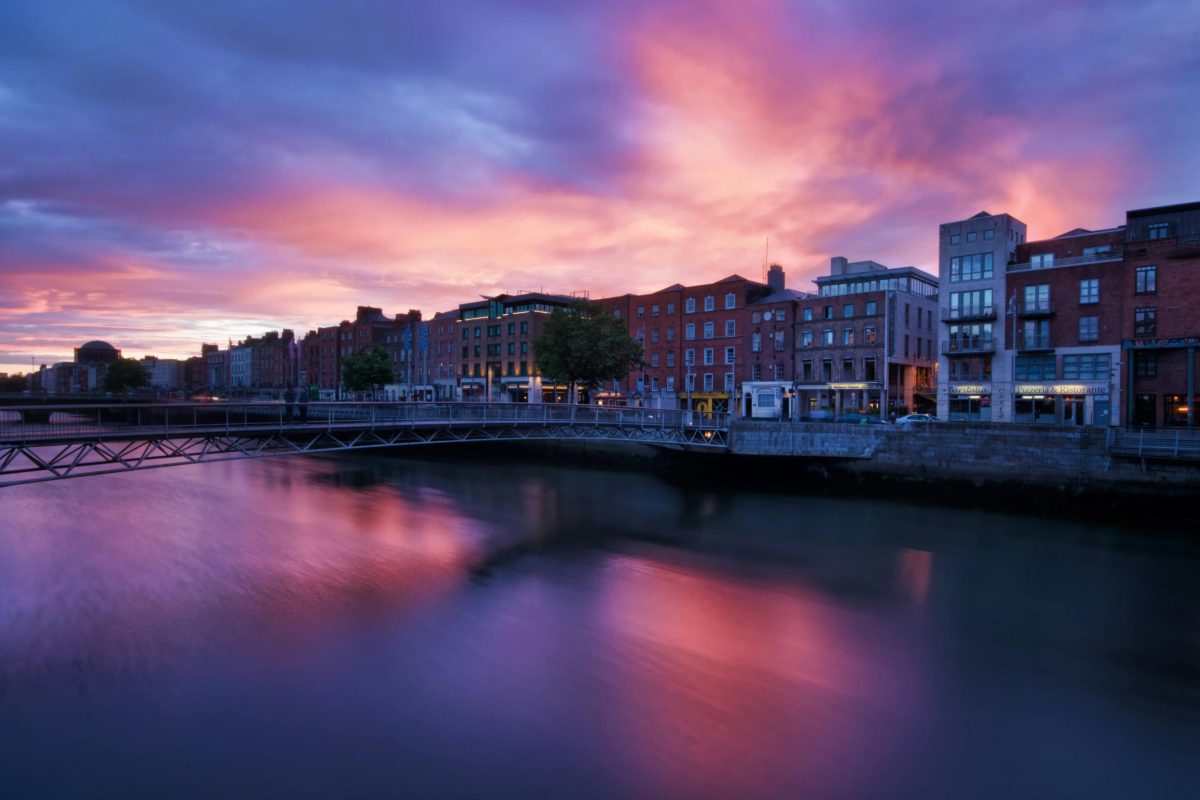
The wind howls through the empty streets of Dublin, echoing the lost voices of women whose stories were buried beneath the weight of silence. These women, cast into the shadows of the Magdalene Laundries, lived lives unseen, unheard. They were mothers, daughters, and sisters, each bearing the brunt of society’s judgment while fighting for their right to be heard. It is time to lift the veil of shame and reclaim the narratives of those who stood against oppression, illuminating the history that makes us who we are.

The Heart of the Story

In Dublin, the haunting specter of the Magdalene Laundries looms large. Established in the 18th century, these institutions promised refuge but instead became prisons of forced labor and institutional silence. Women, often dismissed as “fallen” or “undesirable,” were stripped of their identities. Take the story of Catherine Corless, a historian from County Galway, who brought the atrocities of the laundries to light. Her investigations into the Tuam Mother and Baby Home exposed the depths of human suffering hidden behind closed doors. This was not mere historical curiosity—it was a fight against systemic injustice, a testament to the resilience of women who defied silence and dared to speak their truth.

The Wider Echo

The tale of the Magdalene Laundries resonates across Ireland and beyond. It is intertwined with the very fabric of societal expectations and personal despair. In the heat of protest and the calls for justice, these women’s stories have shaped movements for change, giving rise to conversations around women’s rights and social justice that reverberate today. As historian Mary McAuliffe states, “The laundries were about controlling women, and it’s a microcosm of a much larger issue related to women’s rights in Ireland.” It’s pivotal to remember these narratives, for they hold the power to inspire young generations navigating the complexities of modern society.

The Now & The Next

Today, as we stand at the crossroads of memory and activism, the stories of these women—who faced unspeakable pain with courage—call us to reflect on what we can do to ensure justice prevails. The legacy of the laundries must ripple outward, shedding light on ongoing struggles, such as the housing crisis and the fight against modern-day injustices affecting women in Ireland. With a collective voice, we must honor their battles by challenging the status quo and advocating for change. We remember them not just as victims but as warriors whose spirit lives on in our fight against oppression.

Did You Know?

  • Over 30,000 women were confined in the Magdalene Laundries from the 1920s to the 1990s in Ireland, where their forced labor contributed to the wealth of the institutions.
  • In 2013, the Irish government officially apologized for the treatment of women at these institutions, a step towards acknowledging and rectifying the long-standing injustices.

FAQs

What were the Magdalene Laundries?
The Magdalene Laundries were institutions in Ireland for women who were deemed “fallen” or in need of correction, where they faced harsh conditions and forced labor under the guise of rehabilitation.

How can we honor the memory of women affected by the laundries?
We can honor their memory through education, sharing their stories, and supporting movements that advocate for women’s rights and social justice.

Final Word

The echoes of the past teach us that silence can no longer be an option. As we remember the lost stories of the women from the Magdalene Laundries, let their fight for justice fuel our own. Join the chorus of voices rising up and advocating for truth, because if you carry the same pride we do, you’ll find a piece of home waiting at
HubIrish.com.
The day women’s rights reclaimed the streets

The day women's rights reclaimed the streets

The Day Women’s Rights Reclaimed the Streets: The Untold Story of the 1980s Contraceptive Train

Estimated reading time: 6 minutes

Key Takeaways

  • The Contraceptive Train represented a pivotal moment in the fight for women’s reproductive rights in Ireland.
  • Activists on the train challenged deeply rooted societal norms and laws surrounding contraception.
  • The journey sparked a broader dialogue on women’s autonomy and health rights, influencing future generations.

Table of Contents

Introduction
A Journey for Liberation
The Wider Echo
The Now & The Next
Did You Know?
FAQs
Final Word

Introduction

In the grey clouds of 1980s Ireland, change rolled in like a storm. This was no ordinary day—it was the day the Contraceptive Train would rattle the tracks of oppression, a slow-moving rebellion across the land of saints and scholars. It bore the hopes of women drowned in silence, those who had longed for autonomy in a society wrapped tightly in the chains of conservatism. It was a train filled not just with birth control pills, but with dreams of freedom, shouts of resistance, and the sweet song of a future unfettered.

A Journey for Liberation

The Contraceptive Train rolled from Dublin to Belfast on a fateful day in 1980, sparked by a burning need for change. Women like Dr. Mary O’Rourke and her dedicated activists boarded that train, armed with contraceptives and an unwavering will. They sought not just to talk about reproductive rights, but to demand them openly. The laws were suffocating; a woman could not purchase contraception without fear of persecution. It was an era where dining with the pill was considered scandalous, yet here they were—mothers, daughters, and grandmothers—all aboard the hope-filled wagon of change, making their way through Galway towns and hearts alike.

The Wider Echo

This journey was not simply local; it echoed through the diaspora, drawing attention to the women stifled on the Emerald Isle. The train represented more than physical travel; it was a social movement forged in desperation. While the public outcry for reproductive rights surged, the shadow of the Church loomed large, and the train set out to demystify and destigmatize contraception. As slogans rang out in the streets, the awareness of women’s struggles sparked across borders—from Boston to Brisbane. The image of women reclaiming their bodies ignited a furious passion, forcing society to confront the realities facing Irish women in their everyday lives.

The Now & The Next

Fast forward to today, and Ireland has matured, but remnants of that struggle still bite at our heels—look at the ongoing debates about reproductive rights and healthcare access. The voices of the Contraceptive Train echo in the cries of modern activists fighting for equality in healthcare. Every rally, every protest, ignited by that historic day, reminds us that while we’ve made strides, the journey is far from over. It’s a call to arms—a reminder that women’s rights are human rights, and that we still have a role to play in this evolving narrative. If we’ve learned anything, it’s that change starts on the ground floor, and sometimes, it requires moving mountains.

Did You Know?

  • The Contraceptive Train was not just a pivotal event in Irish history; it played a significant role in shaping modern attitudes toward women’s reproductive rights.
  • The Irish public overwhelmingly supported the activists on board, leading to the eventual legalization of contraceptives in the late 1980s.

FAQs

What was the Contraceptive Train?
A movement initiated in 1980 aimed at protesting against Ireland’s restrictive contraception laws, where advocates traveled by train to raise awareness and distribute contraceptives.

How did the Contraceptive Train impact reproductive rights in Ireland?
This bold action catalyzed a significant shift in public awareness and ultimately contributed to legal changes that expanded women’s reproductive rights in the years that followed.

Final Word

And so we tread the path blazed by those fierce women, inspired by their boldness as we confront the present and forge the future. The Contraceptive Train was more than a moment; it was the stirring of a revolution still felt in today’s discourse. If you carry the same pride we do, you’ll find a piece of home waiting at
HubIrish.com.

The Women of 1916: Unsung Heroes of Modern Ireland

The Women of 1916: Unsung Heroes of Modern Ireland

The Forgotten Revolution: How the Women of 1916 Shaped Modern Ireland and Were Erased from History

Estimated reading time: 5 minutes

Key Takeaways

  • Women played a pivotal role in the 1916 Rising, challenging traditional gender roles.
  • Historical narratives have often overlooked their contributions, only focusing on male figures.
  • The legacy of these women continues to inspire modern social justice movements.

Table of Contents

Introduction
The Heart of the Story
The Wider Echo
The Now & The Next
Did You Know?
FAQs
Final Word

Introduction

There it was, the clamor of battle, the thundering of hope against the backdrop of despair—a kaleidoscope of gunfire and dreams. In the heart of Dublin, a revolution unfurled in 1916. Not just men with rifles and voices echoing the past, but women—fearless, fierce, and all but forgotten in the annals of history. This is their story, drenched in sorrow, courage, and indomitable spirit; a tale yearning for its rightful place in the narrative of a nation born from rebellion.

The Heart of the Story

In April 1916, as the sun rose over Dublin, a group of women stood shoulder to shoulder with their male counterparts, fueled by the echoes of a thousand generations. Constance Markievicz, an aristocrat turned revolutionary, was among the first to take up arms. Her unyielding belief in the cause was not merely a battle for Irish independence but for women’s rights. Ella Young and Mabel McConnell joined her, casting aside pudgy expectations of femininity in pursuit of freedom. Historical accounts sketch these heroines as mere shadows, but they were the heart and soul of the uprising, resilient like the wild Irish rose.

The Wider Echo

The ripple effect of their courage cascaded through Ireland’s veins, igniting a flame for future generations. Yet, as history often does, it dimmed their contributions, favoring stories of men and bullets over the voices that crafted the message. Women like Grace Gifford, who married her fiancé in this makeshift battlefield of life and death, penned a poignant reminder that war was not merely a physical struggle. “I am not afraid,” she would write. Her words echo in the hearts of young activists today, reminding us that true revolution is not only about arms but hearts, minds, and spirits. Women bore the brunt of loss, and their fight forged the road to suffrage and equality in Ireland.

The Now & The Next

Today, as we navigate the stormy seas of social justice, we must rekindle their flame, drawing connections from the past to the present. From housing crises in Dublin’s tenements to the inclusive discussions on feminism aboard an Irish ship of state, we carry their legacy. The issues they tirelessly advocated for—equality, representation, autonomy—are reborn in the protests echoing through Ireland’s cities. Each march, each voice raised in solidarity, reminds us that the fight isn’t over. We owe it to them to amplify their story; to stop erasing the women who dared to dream a nation anew.

Did You Know?

  • Constance Markievicz was the first woman elected to the British Parliament, taking up the fight for both Ireland and women’s rights, yet she refused to take her seat.
  • Women were active participants not only in the 1916 Rising but also throughout the War of Independence and the subsequent civil war, forging paths in a narrative often centered on men.

FAQs

What was the role of women in the Easter Rising?
Women played crucial roles, serving as combatants, medics, and logistical supporters. Their involvement in the uprising reshaped the narrative of Irish national identity. Discover more about their fight here.

Why are these women often forgotten in history?
While they contributed significantly to the independence struggle, historical narratives primarily focused on male leaders. It took decades for their stories to emerge from the margins; today, they are celebrated as pivotal figures in Irish history.

Final Word

As we raise our glasses and toasts to those who came before us, let us not forget the courageous women who wrote the chapters of our revolution with heart and pain, passion and hope. They fought for a freedom beyond the battlefield—a freedom interwoven with the fabric of our modern identity, reminding us that we are a tapestry of stories untold. If you carry the same pride we do, you’ll find a piece of home waiting at
HubIrish.com.