
Mary Robinson’s Fight for Women’s Rights Sparks Global Change

Mary Robinson’s Fight for Women’s Rights Sparks Global Change

How Mary Robinson’s Fight for Women’s Rights in Ireland Ignited a Global Movement

Estimated reading time: 5 minutes

Key Takeaways

  • Mary Robinson was a pioneer for women’s rights in Ireland and beyond.
  • Her presidency marked a significant shift in the narrative for women’s inequality.
  • Robinson’s legacy continues to inspire women’s movements worldwide.

Table of Contents

Introduction
Forging a Path in County Mayo
A Wider Echo of Change
The Now & The Next
Did You Know?
FAQs
Final Word

Introduction

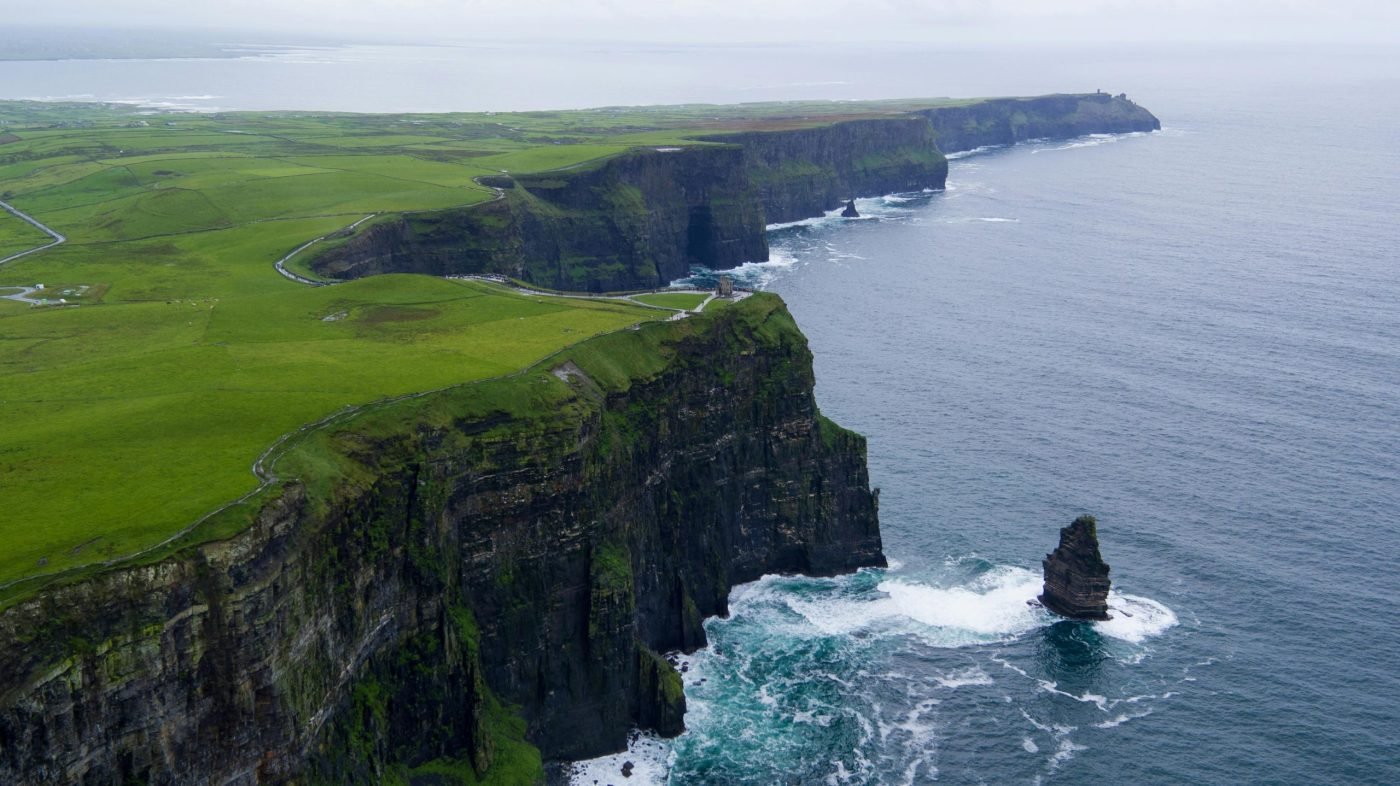
In the heart of this emerald isle, where the grass is as green as hope and the winds carry whispers of resilience, one woman’s voice rose above the clamor. Mary Robinson, the first female president of Ireland, transformed the landscape for women, igniting a wildfire of change that spanned continents. With each step, she became not just a beacon for Irish women, but a harbinger of global rights and dignity.

Forging a Path in County Mayo

Mary Robinson’s journey began in Mayo and took root in a society that whispered of change while clinging to age-old traditions. Following her graduation from Trinity College Dublin, she returned home burdened by the unfairness she had witnessed. The late 20th century brimmed with challenge; Ireland was a country shackled by conservative norms. Robinson championed the cause of women, asserting their rights to equality—rights that remained as foreign in their own land as an unvisited continent. She balanced legal battles, political campaigns, and fierce advocacy, often standing in the rain for causes often overlooked.

A Wider Echo of Change

Robinson’s legacy did not confine itself to the borders of Ireland. It resonated globally, inspiring generations of women in their fights against oppression. In 1990, when Robinson became the first woman president of Ireland, she changed the narrative. She spoke out against the Magdalene Laundries, pondered on the women left behind, and carved pathways to empowerment that had been hidden behind silence for too long. “Human rights are women’s rights and women’s rights are human rights” became a rallying cry that could be heard echoing from the shores of Galway to the towns and villages of distant lands. It was a phrase that tied the personal to the political, binding hearts and minds worldwide. It was a simple line that empowered millions.

The Now & The Next

Today, as we witness yet another wave of women’s movements globally, we see the roots of Robinson’s work reflected across the expanse of Ireland and the world. In the streets of Cork, during protests for housing and social equality, young women carry her spirit with them—bold, fierce, and unwavering. They are armed with the knowledge that the freedom of one is tied to the freedom of all. The struggle continues, whether it be a family struggling to survive a cost-of-living crisis or a young girl dreaming of a life unbound by societal expectations. Robinson’s legacy challenges us not only to reflect on the past but to act in the present and future. The hearts she ignited beat on.

Did You Know?

  • Mary Robinson was the first female president of Ireland, serving from 1990 to 1997, and was a pioneer of social justice.
  • In 1997, she was appointed United Nations High Commissioner for Human Rights, amplifying her global impact on human rights issues.

FAQs

What were the most significant achievements of Mary Robinson during her presidency?
Robinson advocated for social and political reforms, including the rights of marginalized communities. Her groundbreaking work vastly improved the visibility of women in Irish life.

How did Mary Robinson influence gender equality beyond Ireland?
Through her roles in various international organizations, she championed gender equality and social justice, helping to reshape the narrative of women’s roles globally.

Final Word

Mary Robinson’s journey was a fight for not just Irish women, but all women who dare to dream. As we raise our glasses in celebration of her legacy, let us remember that her story is not complete; we are now the authors of the next chapter. If you carry the same pride we do, you’ll find a piece of home waiting at
HubIrish.com.
Echoes of 1981: Armagh’s Hunger Strikers and Solidarity

Echoes of 1981: Armagh's Hunger Strikers and Solidarity

How a Fateful Winter’s Night in 1981 Sparked Solidarity for the Hunger Strikers in Armagh

Estimated reading time: 5 minutes

Key Takeaways

  • The 1981 hunger strikes were a pivotal moment in Irish history, symbolizing resistance against oppression.
  • Bobby Sands emerged as a significant figure during the strike, representing a beacon of hope for many.
  • Solidarity from both local and international communities played a crucial role in the hunger strike’s impact.

Table of Contents

Introduction
The Heart of the Story
The Wider Echo
The Now & The Next
Did You Know?
FAQs
Final Word

Introduction

It was January 1981, a biting cold that seeped into bones, hearts heavy with unspoken words and invisible chains. A night in Armagh that would echo through generations—a night where hunger became a weapon, and the collective spirit of a people turned into a roaring flame. As the bitter wind howled, so too did the cries for justice, solidifying the bond of solidarity against government indifference. This, dear reader, is a tale sown from despair, yet blooming with resolve—a true Irish story we carry, like our history, stitched into the fabric of who we are.

The Heart of the Story

In those precarious months, Bobby Sands and his comrades in the H-Blocks of Long Kesh bore the weight of a nation’s anguish. The hunger strike became a beacon, with Sands as the torchbearer—a poet and warrior, fueled by the dreams of a united Ireland. From the heart of Armagh, families grieved as their loved ones fasted, spirits entwined in a fight against unjust incarceration. The hunger strike was not merely a protest; it was the sharpening of a collective identity, a litany of hunger resounding in hearts from Belfast to Boston.

The Wider Echo

The 1981 hunger strikes changed the course of a generation. Each day that Bobby Sands refused to eat became a potent symbol—a strike against oppression that drew widespread international attention. From the streets of Dublin to the halls of Washington, people found their voices, rising up in solidarity. As Thomas Cahill wrote, “Those who forget their history are doomed to repeat it,” and throughout Ireland’s tumultuous legacy, the hunger strikes served as a vivid reminder of the price of freedom—suffering is often our greatest unifier.

The Now & The Next

Today, as a new wave of struggle engulfs Ireland—the housing crisis ravaging homes, the echoes of unemployment—a reconnecting of the spirit is happening. Young activists march for change, weaving the threads of history through their own versions of struggle. The legacy of those hunger strikers shines like a guiding star, proving that resilience is forged in the fires of hardship. In schools, communities are teaching the legacy of Bobby Sands, illuminating how a solitary act of resistance can inspire broad-based movements for justice. Like the GAA jerseys donned proudly by young Irish hearts, history becomes more than mere memory; it becomes a rallying point for future wonders.

Did You Know?

  • Bobby Sands was elected as a member of parliament while on hunger strike, garnering immense attention to the plight of prisoners in Northern Ireland.
  • The hunger strikes and their aftermath sparked a wave of sympathy and support from Irish communities worldwide, profoundly impacting Irish-American relations.

FAQs

What was the main demand of the hunger strikers?
The hunger strikers sought to be recognized as political prisoners, with the same rights as they were accorded during earlier conflicts. This recognition remains a poignant topic in discussions about justice in Ireland today.

How did the general public react to the hunger strikes?
The public response was mixed; some supported the cause and engaged in activism, while others criticized the methods. As history has shown, the struggle for justice often divides opinion, uniting the past with the present.

Final Word

As we remember that fateful winter’s night in 1981, we carry the torch of those who fought before us. There is power in resilience, power in unity. Each struggle, every voice raised, resonates with the same cries echoing from Armagh’s hallowed ground. The hunger strikers did not only fight for freedom; they ignited the indomitable spirit of a people. If you carry the same pride we do, you’ll find a piece of home waiting at HubIrish.com.
The haunting discovery of Tuam’s silent sisters

The haunting discovery of Tuam's silent sisters

The Night Two Sisters Were Found Dead in a Tuam Home — and What It Revealed About Ireland’s Language of Silence

Estimated reading time: 7 minutes

Key Takeaways

  • The discovery of two sisters’ remains in Tuam unveiled horrific truths about mother-and-baby homes in Ireland.
  • Community outcry for justice reflects long-standing societal denial and shame surrounding unwed mothers.
  • Efforts for recognition and compensation for survivors are ongoing as Ireland confronts its past.

Table of Contents

Introduction
Unveiling the Silent Sisters
The Wider Echo
The Now & The Next
Did You Know?
FAQs
Final Word

Introduction

On a chill night in 2014, near the crumbling walls of an old home in Tuam, County Galway, a discovery was made that would resurface the ghosts of our past, crack the walls of silence, and ignite an unspoken sorrow in the hearts of many. The story of the death of two sisters, buried clandestinely in a mother-and-baby home, is not just a tale of tragedy; it is a mirror revealing shadows of Ireland’s darkest secrets. In this tale, the echoes of silenced voices speak louder than thunder.

Unveiling the Silent Sisters

The night the remains of the two sisters were uncovered, histories intertwined like ivy on old stone, stretching back to a time when women were punished for their struggles. This unmarked grave, a relic of the Tuam mother-and-baby home, told the story of a thousand voices silenced by shame. The home, notorious for the brutal treatment of women, served as a harsh sanctuary where the echoes of laughter morphed into whispers of despair.

In a countryside where every blade of grass stirs with a story, Tuam symbolizes the broader folklore of maternal sacrifice, heartbreak, and the enduring spirit of survival. Each woman who passed through those doors held within her a tale. Stories of love, loss, and the heartbreaking act of concealment. According to the Galway County Council’s records, “some 796 children had died under the care of this institution,” and many of their stories remain entangled in the cobwebs of history.

The Wider Echo

But the discovery was more than an isolated incident; it unveiled the rotting heart of Ireland’s societal norms—a historical amnesia stitched together with threads of denial and shame. Writing in “The Irish Times,” journalist Ciarán O’Neill reflected, “these children’s voices have been silenced for generations, buried alongside family secrets.” In their memory, a community rallied, demanding accountability and a recognition of the injustices suffered by their mothers.

For far too long, the pain of unwed mothers and the deaths of children went unacknowledged, wrapped in the fabric of a culture that preached silence. The stories spilled over into conversations in crowded pubs and quiet kitchens late at night, echoing a unified call for healing. It led to an inquisition into the treatment of women in the past, revealing a wound that, while festering, yearned to be healed—an unburdening of collective shame.

The Now & The Next

Today, Ireland wrestles with its history in a way that is raw, unvarnished. Authorities are exploring reparations for the mothers and survivors of these institutions—a step toward reckoning with the past. Meanwhile, writers, artists, and advocates gather in a chorus of voices seeking justice for the mothers like those of the sisters in Tuam. Their stories fuel movements that challenge the status quo, pulling the thread of silence from its seams.

As the wounds festered over decades, a renewed call for recognition resonates within today’s government and societal forums—no longer can we let silence define our legacy. The memory of those sisters in Tuam whispers to us still, urging us to speak, restore, and reclaim lost narratives, turning trauma into an anthem of resilience.

Did You Know?

  • The Tuam home was one of 18 mother-and-baby homes in Ireland, where many mothers faced harsh treatment and stigma.
  • A 2019 report revealed that 9,000 children in total were buried in unmarked graves across various mother-and-baby homes throughout Ireland.

FAQs

What was the Tuam mother-and-baby home?
The Tuam mother-and-baby home was a church-run institution in County Galway that housed unwed mothers and their children from 1925 until 1961, marred by allegations of abuse and neglect.

Why is the discovery of the sisters significant?
The unearthing of their remains highlights a dark chapter in Ireland’s history, prompting calls for transparency and recognition of the injustices faced by women and children in such institutions.

Final Word

As we reconcile these tangled truths, may we honor the sisters of Tuam and all who suffered in silence. Their stories shape us, demanding that we listen, remember, and speak their names. This is the legacy—the stories our children will carry, the unyielding echoes of love and loss.
If you carry the same pride we do, you’ll find a piece of home waiting at
HubIrish.com.
The Day the Pope Came to Knock and Changed Our Faith

The Day the Pope Came to Knock and Changed Our Faith

The Day the Pope Came to Knock: How One Visit Changed a Nation’s Faith Forever

Estimated reading time: 5 minutes

Key Takeaways

  • The Pope’s visit was a momentous occasion for Ireland, stirring deep emotions within its people.
  • It ignited discussions about faith and the church’s relevance in modern society.
  • The transformation of Irish faith is ongoing, reflecting societal changes.

Table of Contents

Introduction
A Visit of Reverence
The Wider Echo
The Now & The Next
Did You Know?
FAQs
Final Word

Introduction

On a drizzling August day in 1979, the world tuned in to a small village in County Mayo, where the Pope arrived, not as a man of the church but as a beacon of hope for a weary nation. With every “Ireland’s own,” whispered across the fields, something deep within the Irish soul stirred, a call to faith that transcended the years of pain and struggle.

A Visit of Reverence

I remember my da telling stories of that day—thousands flocking to the Knock Shrine, hearts brimming with a mixture of skepticism and blind hope. Pope John Paul II, in all his papal regalia, stood before us like a lighthouse amidst a storm-tossed sea. This wasn’t merely a visit; it was a lifeline to a people battered by change, by modernity, and by a crumbling relationship with the church that had shaped our very beings. People gathered in their Sunday best, hair slicked with rain, spirits unswayed, believing that divine intervention might just be on the horizon. It was a day of palpable faith, yet, for many, a reckoning was lurking in the backdrop—a faith challenged, traditions questioned, secrets buried deep.

The Wider Echo

The Pope’s visit marked a significant moment in our landscape of belief. Ireland, steeped in Catholic traditions for centuries, was grappling with widespread disillusionment. The very fabric of our faith was fraying, with scandals within the church cracking its foundations. This visit turned the world’s gaze upon us, igniting fierce debates on morality, justice, and the role of faith in a modern Ireland. Yet, it also illuminated the deep-seated longing for connection. “The future lies in our hearts,” Pope John Paul II proclaimed, but many wondered if those hearts were too wounded to heal.

The Now & The Next

Fast forward to today, and the struggles of faith in Ireland are still palpable. The church, much like in the past, stands at a crossroads. Young people grapple with their identities in a world that has unraveled old certainties, while voices of truth echo louder, demanding accountability. Yet, amidst this change, we find a new kind of faith blossoming—a radical acceptance of our histories, of our complexities. The rising generation chants for inclusivity, for honesty, for a spirituality that honors both heart and spirit. As the summer sun beams over County Mayo, signaling another pilgrimage season at Knock, echoes of that transformative day remind us of the journey we’re on—a return to what it means to be wholly, beautifully Irish.

Did You Know?

  • The Knock Shrine, established in 1879, is one of the most popular pilgrimage sites in Ireland, attracting millions of visitors seeking healing and hope.
  • Pope John Paul II’s visit to Ireland in 1979 was the first papal visit to the country, making headlines worldwide and reaffirming the Vatican’s connection to a historically Catholic nation.

FAQs

Why did the Pope visit Knock in 1979?
The Pope’s visit aimed to strengthen the Catholic faith amidst growing challenges and to celebrate the centenary of the apparition of Our Lady at Knock, offering a sense of hope to the community. You can read more about the area’s history here.

What impact did the Pope’s visit have on Irish society?
The visit garnered massive public support but also sparked debates on the church’s role in everyday life, contributing to ongoing discussions about faith and identity in contemporary Ireland.

Final Word

From that unforgettable moment in Knock to the hearts of millions now, Ireland’s narrative of faith continues to evolve. It’s a hymn of resilience, an anthem of transformation. If you carry the same pride we do, you’ll find a piece of home waiting at
HubIrish.com.

From Heartbreak to Hope: Ann Lovett’s Legacy

From Heartbreak to Hope: Ann Lovett's Legacy

From the Ashes of the Kerry Babies Scandal: How One Mother’s Heartbreak Changed Irish Law Forever

Estimated reading time: 6 minutes

Key Takeaways

  • The Kerry Babies scandal catalyzed significant changes in Irish women’s rights.
  • Ann Lovett’s tragic story sparked national discourse on reproductive rights.
  • The impact of the scandal continues to shape conversations about women’s autonomy.

Table of Contents

Introduction
The Heart of the Story
The Wider Echo
The Now & The Next
Did You Know?
FAQs
Final Word

Introduction

In the heart of County Kerry, beneath the whispers of the mountains and the sighs of the sea, arose a tragedy that shook the very foundations of Irish society. The Kerry Babies scandal, a tale steeped in sorrow and injustice, brought to light the raw wounds of a nation grappling with shame and maternal grief. One mother’s fight became a beacon of hope, igniting a fire for change in a land bound by tradition and stigmatization.

The Heart of the Story

In 1984, the body of an infant was discovered on the shores of Banna Strand, casting a shadow over the tranquil beaches of Kerry. This disquieting event spiraled into a national scandal when it became entangled with the wrongful accusations against Ann Lovett, a young woman who had just given birth. Lovett’s tragic tale—of loneliness, fear, and despair—unfolded amid a society rife with judgment, stigma, and a crushing lack of support for young mothers. Seeking justice for her lost child, Lovett made the ultimate sacrifice, leading to a heartbreaking culmination that left scars on an entire generation.

The Wider Echo

This tale of tragedy resonated deeply across Ireland, forcing society to confront its collective conscience. The stigma surrounding unwed mothers was laid bare, as was the often-harrowing intersection of love, loss, and societal expectation. The public outcry not only galvanized support for reproductive rights but also heralded a reckoning with the oppressive structures that governed women’s lives. As Ann Lovett’s voice echoed through newspapers and courtrooms, her story became inseparable from the broader narrative of women fighting for autonomy in a postcolonial Ireland.

The Now & The Next

Fast forward to today, where the echoes of the Kerry Babies scandal still reverberate, as more women reclaim their stories and dignities. The legalization of abortion in 2018 marked a new dawn for many—but the societal wounds still merit attention. Young Irish mothers are now more empowered, but as we continue to navigate conversations about reproductive rights, mental health, and social support systems, let us remember Ann Lovett’s legacy, honoring the pain that birthed change. Feeling that rush of pride? That fierce spirit? It’s all for the mothers, the fighters, the unsung heroines grappling with their stories, ensuring that no woman walks alone.

Did You Know?

  • The Kerry Babies scandal is often cited as a catalyst for the modern Irish women’s rights movement, sparking crucial conversations around gender equality.
  • In 1984, Ann Lovett’s tragic story led to the establishment of support frameworks aimed at better protecting and respecting women in crisis, a movement that continues to evolve today.

FAQs

What impact did the Kerry Babies scandal have on Irish legislation?
The scandal led to significant changes in how the Irish legal system viewed maternal issues, particularly regarding privacy and the rights of women, helping to shape later reproductive laws.

Why is Ann Lovett’s story still relevant today?
Ann’s heartbreaking experience reflects ongoing struggles faced by women regarding reproductive rights, support systems, and societal stigma—issues that resonant through generations.

Final Word

As we raise a glass to the fighters and storytellers, let Ann Lovett’s legacy illuminate the path for future generations. If you carry the same pride we do, you’ll find a piece of home waiting at
HubIrish.com.
The Legacy of a Mother’s Love and the Magdalene Laundries

The Legacy of a Mother's Love and the Magdalene Laundries

How a Forgotten Mother’s Love Laid Bare the Scandals of the Magdalene Laundries

Estimated reading time: 7 minutes

Key Takeaways

  • A mother’s love can defy the darkest of histories.
  • Countless women endured unimaginable hardships in the Magdalene Laundries.
  • Collective remembrance can ignite change and healing.

Table of Contents

Introduction
A Mother’s Fight in County Clare
The Wider Echo of Grief and Resistance
The Now & The Next: A Legacy of Defiance
Did You Know?
FAQs
Final Word

Introduction

Under the weight of silence and shame, a mother’s love often flickers amidst the despair. This tale is an unearthing, a rebellion against the darkness that cloaked the sorrows of countless women intertwined with the buzz of the laundry wheels in the Magdalene Laundries. Here, we dive back into the heart of Ireland, where the cries and stories of these resilient mothers still echo, revealing the unspeakable tribulations that the Magdalene women endured.

A Mother’s Fight in County Clare

Take Mary McGowan, an ordinary woman from County Clare, who in the 1990s unearthed the tragic history of the Magdalene Laundries. When Mary learned that her own mother had spent time in one of these institutions, the heartache was as palpable as the stories that began to surface. Thousands of women, branded as fallen, were banished to laundries — prisons disguised as sanctuaries where they toiled endlessly and lived in subjugation. Estimations suggest up to 30,000 women were impacted, their lives stolen under the guise of moral rectitude.

Mary’s journey became a personal crusade. With tenacity, she sought to shine a light on those who had been silenced for too long. Through her efforts, the stories of the laundries’ inmates, including the abuse and neglect they faced, began to flow like the rivers of County Clare — speaking, at last, of the shame and guilt that hung heavy over a nation.

The Wider Echo of Grief and Resistance

The revelations stirred the collective conscience of Ireland, slowly pushing against the petrified stone of institutional silence. Survivor accounts emerged, fueled by mothers like Mary who chose love and remembrance over ignorance. One survivor, who once labored in these laundries, recalled, “We were like ghosts, existing, not living.” The scars of these women painted a broader history that had rippled across generations, revealing Ireland’s need to confront its past rather than bury it beneath the layers of its own shame.

In 2013, Ireland embarked on a journey of acknowledgment. The government opened inquiries, leading to the publication of the McAleese Report, which laid bare the systemic failings and horrors that took place behind the laundry’s closed doors. Mary, alongside other advocates, had rallied for a change, igniting conversations about justice and healing that were decades past due.

The Now & The Next: A Legacy of Defiance

Today, as Ireland navigates a complex landscape of equality and justice, the legacy of the laundries remains vital in discussions around women’s rights and institutional accountability. We live in a time where healing is possible, but only if we embrace the truth. As young Irish women continue to challenge societal norms and fight for their rights, they carry the spirit of those mothers who suffered in silence. Mary’s tireless advocacy serves as a reminder that love can ignite change, transforming sorrow into strength.

The scars still linger, yet the voices are louder than ever. Each story unveiled may one day serve as a beacon for the next generation, guiding them through the tumult as they strive for a society that values truth and dignity. The future is intertwined with the past, each step connecting the present to a mother’s love that simply refused to be forgotten.

Did You Know?

  • The last Magdalene Laundry closed its doors in 1996, marking a dark chapter in Irish society that lasted over a century.
  • The McAleese Report estimated there were over 10,000 women detained in laundries from 1922 to 1996, many of whom were subjected to harsh labor and emotional neglect.

FAQs

What were the Magdalene Laundries?
The Magdalene Laundries were institutions run by Catholic religious orders in Ireland, where women considered ‘fallen’ would live and work, often against their will. The conditions were harsh, and many women reported physical and emotional abuse.

How did the Magdalene Laundries come to public attention?
The laundries gained renewed attention in the late 1990s through media reports and the advocacy of survivors, revealing the long-hidden stories of neglect and abuse that haunted many families across Ireland.

Final Word

As we raise our glasses in memory of those who suffered, let us heed the lessons of Mary McGowan’s undying love and fervid fight for justice. May their stories ripple through generations and ignite the flame of compassion and truth.
If you carry the same pride we do, you’ll find a piece of home waiting at
HubIrish.com.
Mary Robinson and the Fight for Human Rights

Mary Robinson and the Fight for Human Rights

Mary Robinson: How a Quiet Law Professor Became Ireland’s Fiercest Advocate for Human Rights

Estimated reading time: 4 minutes

Key Takeaways

  • Mary Robinson was the first woman President of Ireland and a champion for human rights.
  • She transformed the role of the presidency into a platform for social justice advocacy.
  • Her legacy continues to inspire activists fighting for equality and justice in modern Ireland.

Table of Contents

Introduction
A Beacon of Change
The Wider Echo
The Now & The Next
Did You Know?
FAQs
Final Word

Introduction

In a land forged from struggle and resilience, Mary Robinson emerged not just as a leader, but as a beacon of hope. The first woman to hold the office of President of Ireland, she didn’t just break glass ceilings; she shattered them, wielding her quiet strength like a thunderstorm. Hers is a journey marked by courage, eloquence, and an unwavering commitment to the rights of humanity—echoing through the valleys of Clare to the furthest corners of the globe.

A Beacon of Change

Born in Ballina, County Mayo, in 1944, Mary Robinson began her ascent from the humble roots of a small town. A law graduate from Trinity College Dublin, she carved her niche as a formidable academic and a champion for the marginalized. It was during her tenure as a senator that she first raised her voice against injustices—a clarion call for those who felt voiceless in the tumult of political rhetoric. Robinson championed women’s rights, advocating for the repeal of the ban on married women working in the public sector, and her fierce stance provided a new narrative in a country often shackled to tradition.

The Wider Echo

When she took office as President in 1990, Robinson became a symbol of profound change and hope. Her presidency was not merely a figurehead; it was an era that transformed how Ireland perceived itself—both as a nation and on the world stage. She adapted the office’s role, replacing the ceremonial with the active, using her platform to advocate for those struggling with injustice and inequality globally. In 1993, Robinson addressed the United Nations, bringing Ireland’s voice to international discussions on human rights, demanding accountability for the atrocities that echoed through ages, forever altering Ireland’s identity in the global community.

The Now & The Next

Today, as the ghost estates cradle lost dreams and the nation wrestles with issues such as poverty and housing shortages, Robinson’s enduring legacy serves as a poignant reminder of the potential within us all. Her work draws parallels to current struggles—be it the displacement of families from their homes or the fight for equality in an ever-challenging socio-political landscape. Her advocacy continues to inspire a new generation of activists who are unafraid to speak out and seek meaningful change in an Ireland still in the throes of transformation.

Did You Know?

  • Mary Robinson founded the Mary Robinson Foundation – Climate Justice in 2010, fighting for the intersection of human rights and climate change.
  • In 2022, she was named one of the 100 most influential women in the world by the BBC for her ongoing commitment to social justice.

FAQs

What is Mary Robinson known for beyond her presidency?
Robinson is widely recognized for her role in advocating for human rights initiatives globally, especially regarding climate justice and women’s rights. Check out related stories from Dublin.

How has Mary Robinson influenced modern Irish politics?
Her legacy continues to inspire leaders and activists who push for social change and engagement, reflecting a more inclusive Irish identity.

Final Word

Mary Robinson’s journey is a testament to the power of compassion paired with action. As we raise our glasses to the future, let us remember her words and her unwavering spirit—an indomitable Celtic fire.
If you carry the same pride we do, you’ll find a piece of home waiting at
HubIrish.com.

Uncovering the Lost Voices of Ireland’s Magdalene Women

Uncovering the Lost Voices of Ireland's Magdalene Women

Behind Closed Doors: The Untold Stories of the Women Lost in Ireland’s Magdalene Laundries

Estimated reading time: 5 minutes

Key Takeaways

  • Magdalene laundries were institutions that exploited vulnerable women.
  • Over 30,000 women were affected by these institutions between the 18th and 20th centuries.
  • The last Magdalene laundry closed in 1996, revealing ongoing injustices.

Table of Contents

Introduction
The Heart of the Story
The Wider Echo
The Now & The Next
Did You Know?
FAQs
Final Word

Introduction

In the corners of our collective memory, where the light barely reaches, lies the haunting legacy of the Magdalene laundries — silent testimonies of resilience wrapped in layers of heartache. These institutions, often shrouded in stigma and despair, were places where women were robbed of their youth, their voices muffled beneath the weight of societal judgment and erasure. In sharing their stories, we reclaim not just their pasts, but also our history, woven tightly with threads of sorrow and injustice.

The Heart of the Story

From the cobblestone streets of Galway to the fog-draped hills of Donegal, countless women found themselves in these laundries in the 20th century — labeled as ‘fallen’ or ‘unruly’. They were mothers, daughters, and sisters — loves torn asunder by the harsh hands of a society more keen on punishment than redemption. Their stories are interwoven with grief, with sisters who saw one another stripped of freedom, hushed in the name of faith. Take the story of Margaret, one of the many who spent her teenage years behind the cold stone walls, where hope flickered dimly and camaraderie became a lifeline. These ladies forged bonds in the darkness as they scrubbed away the stains of an unforgiving world — their laughter mingling with the echo of rattling chains.

The Wider Echo

As we navigate through this pivotal part of our history, we need to confront the fact that the stories of the Magdalene women echo through generations — impacting the Irish diaspora, shaping dialogues of justice, and highlighting the relentless fight for recognition and healing. In a 2013 report, the Irish government formally apologized, acknowledging the suffering and abuse suffered within these institutions. Yet, the echoes of silence and loss still permeate our society, reminding us that the struggle for justice transcends generations. We are not simply talking about institutions but rather a reflection of deep societal issues still at play — the stigmatization of women, the systemic denial of agency.

The Now & The Next

Today, we stand at a crossroads, reflecting on how far we have come and yet how far we still have to go. Current movements for women’s rights, mental health, and societal healing draw strength from the whispers of the past. The fight for justice for the women of the Magdalene laundries informs our debates on reproductive rights, the protection of marginalized communities, and the need for a society where everyone is afforded dignity and respect. It is crucial to remember that history is not just written in the books of academia, but in the hearts and actions of the living.

Did You Know?

  • Over 30,000 women were estimated to have passed through the Magdalene laundries between the 18th and 20th centuries — a number that is both staggering and heartbreaking.
  • The last of the laundries closed in 1996, highlighting the insidious endurance of institutional injustices well into modern Irish society.

FAQs

What was the purpose of the Magdalene Laundries?
Primarily, these institutions aimed to rehabilitate women deemed ‘sinners’ or ‘morally loose’, often through hard labor and punitive measures, stripping them of their autonomy and dignity.

How are the stories of these women being remembered today?
Initiatives like the Magdalene Laundry Memorial and ongoing legislative discussions reflect a collective effort to bring recognition and reparations to survivors and their families, emphasizing the importance of historical acknowledgment in healing.

Final Word

So here we raise a glass, not just in memory but in acknowledgment of the resilience of these women — the ones who fought through silence and oppression. If we are to carry forward their spirit, let us do so in a manner that compels our society to change and embrace justice, dignity, and equality for every heartbeat across this land. If you carry the same pride we do, you’ll find a piece of home waiting at HubIrish.com.

The Untold Stories from the Magdalene Laundries

The Untold Stories from the Magdalene Laundries

From the Ashes of a Forgotten Laundry: The Untold Stories of the Women of the Magdalene Laundries

Estimated reading time: 6 minutes

Key Takeaways

  • The Magdalene Laundries were a dark chapter in Irish history, where women faced servitude under the guise of redemption.
  • Survivors are now leading efforts to address the injustices they faced and raise awareness about women’s rights in Ireland.
  • The legacy of the laundries continues to impact contemporary Irish society, highlighting the ongoing struggle for female agency.

Table of Contents

Introduction
The Heart of the Story
The Wider Echo
The Now & The Next
Did You Know?
FAQs
Final Word

Introduction

In the shadows of Dublin’s cobblestone streets, the Magdalene Laundries stand as haunting memorials to the women whose lives were wrenched from them. Forced into servitude under the guise of redemption, these women experienced a dark chapter of Irish history more painful than any song or poem could capture. Here, we peel back the layers of this injustice, remembering the women silenced by shame and society.

The Heart of the Story

The Magdalene Laundries, operated by the Catholic Church, were meant to ‘rehabilitate’ women deemed socially unacceptable, often for reasons as trivial as becoming pregnant outside of marriage or being perceived as a nuisance. In Dublin, they labored in silence, their spirits occasionally flaring with rebellion, but mostly swallowed by despair and anonymity. For many, it was a life spent behind locked doors, laying bare the devastating impact of a society that shunned instead of embraced. These women, with their dreams crushed, were denied their names here—their very identities stripped away like the linens they washed day in and day out. Yet, from their ashes would rise the cries of a truth long ignored.

The Wider Echo

Beyond the confines of those laundries, the echo of their suffering reverberates through the very fabric of Ireland’s feminist movement today. Survivors like Maureen Sullivan and others have courageously shared their harrowing tales, catalyzing a reckoning in Irish society. In 2013, the Irish government issued a formal apology, acknowledging their failure and pledging compensation, but no amount of money can rewrite the memories etched in those women’s hearts. As demand for justice and truth arises, it intertwines with contemporary struggles—fighting against the undercurrents of misogyny and seeking to reclaim what was taken. “No more silence,” one survivor stated at a gathering, and indeed, their voices have become a potent orchestration, weaving through the corridors of power and into the hearts of communities both at home and in the diaspora.

The Now & The Next

Ireland in 2023 stands at a precipice of reflection and progress. The haunting legacy of the Magdalene Laundries has given rise to a wider dialogue about female agency and societal responsibility. Young Irish women today, infused with a spirit of resilience, are learning from those battles. From the streets of Cork to Dublin’s cafés, activists rally, fighting for reproductive rights and reminding us that the fight doesn’t end here. The legacy of the women who suffered in silence challenges every corner of modern Irish life—a reminder to listen closely and advocate fiercely. Each wave of protest, every powerful voice, builds upon the stories from the laundries. It’s an unveiling of history, a clarion call for justice that refuses to be muffled.

Did You Know?

  • The last laundries closed as recently as 1996, highlighting how deep and recent these injustices run in Ireland’s own narrative.
  • Survivors have since formed advocacy groups, shining a light on the broader impacts of institutional abuse within the Church and state.

FAQs

What exactly were the Magdalene Laundries?
They were institutions run by the Catholic Church in Ireland for ‘fallen’ women from the late 18th century until the late 20th century, where they were often forced into labor under harsh conditions. You can learn more about these experiences through survivor testimonies available online.

Why are the stories of these women important today?
Their narratives shed light on systemic misogyny and injustice that still manifest in various forms today, underlining the need for continuous advocacy and reform, especially in light of current debates surrounding women’s rights in Ireland.

Final Word

As we sip our pints and hear the laughter rolling from hearty conversations in the pub, let us not forget these women who toiled and suffered in silence. Their lives were threaded into the fabric of Ireland, and by remembering their stories, we honor their resilience. If you carry the same pride we do, you’ll find a piece of home waiting at
HubIrish.com.

The Impact of Derry Girls on Irish Resilience

The Impact of Derry Girls on Irish Resilience

The Day Derry Girls Changed How We Laugh About The Troubles: An Exploration of Catharsis in Comedy

Estimated reading time: 5 minutes

Key Takeaways

  • “Derry Girls” uses humor to address the complexities of life during the Troubles.
  • The show fosters conversations about resilience and community healing.
  • Laughter is portrayed as a form of resistance and identity.

Table of Contents

Introduction
The Heart of the Story
The Wider Echo
The Now & The Next
Did You Know?
FAQs
Final Word

Introduction

In the heart of Derry, a city with a history too heavy to bear alone, a laughter thrummed like a heartbeat through the walls of its troubled past. “Derry Girls,” a comedy that burst forth from the mouths of everyday teenagers, showed us all there’s a way to hold tragedy and humor in the same clenched fist. It’s a wild combination — painful and exquisite, just like our history. In a place forged by conflict, where resilience and rebellion intertwine, something beautiful emerged: catharsis through comedy.

The Heart of the Story

“Derry Girls,” created by Lisa McGee, is not merely a sitcom; it’s a poignant tapestry of life in a Northern Irish town during the Troubles. The show’s vibrant characters — Erin, Orla, Clare, and the irascible James — walk the line between adolescence and adulthood, navigating friendships, family drama, and the weight of historical violence. With its irreverent humor, the series allows us to confront the absurdity amidst adversity. The juxtaposition of teenage angst against the backdrop of checkpoints and bomb scares illuminates the human experience in a way that is both laughable and heartbreaking. This cathartic alchemy resonates deeply, particularly in Derry, where the show is set. It invites us to find joy in the mundane, even in the shadows of our past and the echoes of our grief.

The Wider Echo

When “Derry Girls” first graced our screens, it seemed the laughter exploded like an unexpected firework amidst the dull ache of history. As the world was transfixed by the antics of the girls, something deeper happened: conversations began to shift. The troubles were not just horror stories but also the birthplace of resilience, camaraderie, and creative expression. It’s a poignant reminder that our hard-won laughter can bridge divided communities and heal festering wounds. Much like the late journalist and activist Veronica Guerin, who fearlessly faced her own trials, “Derry Girls” confronts the past and reshapes it into something new, a testament to the spirit of survival and hope that will never be extinguished.

The Now & The Next

Today, as we wrestle with new challenges like the cost-of-living crisis and the lingering effects of conflict, “Derry Girls” inspires a generation to reframe their narratives. The threads of comedy woven through our history remind us that laughter can be an act of resistance, a bold declaration of our identity. As we watch Erin and friends navigate their world, we see echoes of ourselves, regardless of where we may now call home. Like the influx of Irish emigrants thriving in Boston or New York, we carry the spirit of home within us, defying borders and boundaries. It’s a reminder that whether in comedy or in life, the stories we tell today can reshuffle the past’s narrative, making way for a future laced with laughter and resilience.

Did You Know?

  • The “Derry Girls” series has gained international acclaim, winning multiple awards including BAFTA nominations, solidifying its impact on Irish and global culture.
  • The show’s location filming was a direct collaboration with local businesses and the community, making it a source of pride and identity for the people of Derry.

FAQs

What inspired Lisa McGee to create Derry Girls?
Lisa McGee drew from her own experiences growing up in Derry during the Troubles, using humor to explore complex themes of family, friendship, and the struggle for identity.

How has Derry Girls impacted perceptions of The Troubles?
The series has opened up discussions about the conflict in a cultural context, allowing viewers to see the resilience of the human spirit through laughter, highlighting that healing can stem from shared experience and humor.

Final Word

Derry has seen its suffering and its joy, and in that complex fabric lies the heart of its people. “Derry Girls” is more than a show; it’s a celebration of every Derry girl and boy who chose to laugh rather than cry, proving that our shared stories forge unbreakable bonds. So when you remember the laughter, let it speak of resilience — a reminder that joy is the ultimate act of rebellion.
If you carry the same pride we do, you’ll find a piece of home waiting at
HubIrish.com.