An Irish Tale of Unity and Identity

An Irish Tale of Unity and Identity

From the Pubs of Dublin to the Divided Streets of Belfast: An Irish Tale of Unity, Division, and the Never-Ending Quest for Identity

Estimated reading time: 6 minutes

Key Takeaways

  • The story of Ireland is rich with themes of unity and division.
  • The Irish diaspora continues to shape cultural identity worldwide.
  • Community, resilience, and belonging are core aspects of modern Irish society.

Table of Contents

Introduction
The Heart of the Story
The Wider Echo
The Now & The Next
Did You Know?
FAQs
Final Word

Introduction

Gather ‘round, my dear friends, as we pull a stool to the bar and let the stories flow like the finest Irish stout. You see, the tale of our emerald isle isn’t just painted in green; it’s laced with the reds and blues of our struggles, our unity, and the love that often slips through our fingers like whiskey on the rocks. In a land stitched together by blood, sweat, and a thousand struggles, the echoes of laughter and lament resound—spilling from the smoky pubs of Dublin to the conflicted yet resilient streets of Belfast.

The Heart of the Story

Let’s take a trip to Derry, a city where the river wraps around its history tighter than a pair of well-worn black shoes. It’s a place where shadows linger longer than light, where children laugh by day and mourners walk by night. Here, the walls are inked with murals—testaments to strife and pride, reminders of who we are and who we might become. Remember those days of glory when the Irish football team took to the pitch, hearts thumping, roaring for the boys in green? In Derry, the tension of unity and division dances like a wild spirit through pub doors. We stand together, yet apart—boundless in pride, yet often filled with disparate loyalties that can rip us apart.

The Wider Echo

But let’s pull back, widen our gaze, and see the web we weave across the globe. Our stories fly from Boston’s bustling streets to the neon lights of Dubai—bridging both time and geography, yet weighed down by the scars of our past. In every sip of a pint abroad, there’s a whisper of home, a longing for the familiar. In 2020, about 425,000 Irish-born people lived overseas, each carrying their share of tales that ripple back to us like the tide. Those stories of resilience are stitched into the fabric of our identity, an identity built through hardship and joy. As James Connolly once said, “The thing I am most proud of is the ‘I’ in Ireland.” And isn’t that what we are all seeking? That solid ground, that unwavering sense of belonging amid the chaos.

The Now & The Next

And as we stare into the present—a housing crisis looming over our shoulders like a harsh winter wind, a rugby match blaring over the speakers of a New York pub, or a young Traveller kid in a Kerry jersey dreaming of glory—what do we do with our tales? They matter now more than ever. Every day is a chance to build bridges rather than walls, to call on that collective spirit and share our pride and pain. Let us remember that while the streets may divide us, our hearts never truly will. Together, let’s roar for our heroes on and off the pitch, for the damsels in distress and the forgotten tales, lifting each other up as we set the stage for the next round.

Did You Know?

  • Between 2015 and 2020, over 60,000 Irish nationals emigrated, reflecting the ongoing search for dignity and opportunity in distant lands.
  • The Irish population abroad is estimated to be around 70 million—more than ten times the population of Ireland itself—each one carrying a piece of our rich tapestry.

FAQs

Q: What role does GAA play in modern Irish identity?
The GAA stands as a bastion of community spirit. It reminds us of who we are, uniting us across borders. You can find jerseys from every county, including GAA jerseys representing our rich heritage.

Q: How can I reconnect with my Irish roots while living abroad?
Get involved in local Irish societies, join a GAA club, or dive into the music scene. No matter the distance, the spirit of home always calls us back.

Final Word

So let’s raise a glass to unity, to the stories that bind us through division and celebration. As we leave the pub tonight, remember those words from our ancestors—strength lies in our shared identity. If you carry the same pride we do, you’ll find a piece of home waiting at HubIrish.com.

How the Irish Built America One Pint at a Time

How the Irish Built America One Pint at a Time

From the Fields of Famine to the Streets of San Francisco: How the Irish Built America, One Pint at a Time

Estimated reading time: 5 minutes

Key Takeaways

  • The Irish diaspora played a significant role in shaping American culture.
  • Pubs serve as community hubs, fostering connections and shared stories.
  • Irish music and heritage continue to resonate across generations.

Table of Contents

Introduction
The Heart of the Story
The Wider Echo
The Now & The Next
Did You Know?
FAQs
Final Word

Introduction

Ah, gather ’round, a story as rich as a pint of Guinness and as warming as a fire on a chilly night. Picture it: the sun-drenched fields of Ireland, our ancestors toiling away, the wind carrying whispers of dreams to shores far away. Famine was a cruel knell that echoed through the valleys of Kerry, driving our people into the belly of ships, chasing the flickering promise of America. They left with little more than hope stitched into their ragged coats, and yet, they arrived in the land of opportunity, ready to build — one pint at a time.

The Heart of the Story

Like many Irish souls, they found solace in the taverns of San Francisco where the air thickened with laughter and the scent of whiskey. There, between raucous songs and the clatter of mugs, our kin forged identities, piecing together lives from the fragments of their history. Stories of those early settlers—sweating over construction sites, tracking mud into the very bars that served them—they lived tales of grit and camaraderie. Each pint poured was a tribute to the trials back home, every round a celebration of survival. In such a place, even a shite day could end in songs that made the heart swell, laughter echoing and spirits rising like the foamy head of a stout.

The Wider Echo

But it wasn’t just beer they were crafting. No, they were building a deeper narrative of what it meant to be Irish abroad. This diaspora pushed our culture into the limelight, embedding Irish roots in soil across every corner of America. As they raised their glasses, they also raised the flag of equality, tolerance, and resilience, fervently shaping public consciousness. A bar in New York could shake with the ballads of rebel songs; each note reverberating, entwining the past with the present. As one renowned Irish poet once said, “We are the stories we tell.” And oh, how our people have told their stories, carving identities that would be celebrated from Boston to Albuquerque.

The Now & The Next

Today, as we sit with our pints in hand, the echoes of history remind us that community is built, not just on the yards of well-mowed grass or gleaming towers of concrete, but in the heartfelt laugh over a pint in a bustling pub on a Friday night. Young boys and girls in Donegal, rocking their county jerseys, dream of being the next generation to live those stories anew. Whether in the fields of Kerry or the crowded streets of Brooklyn, they play on, stitching their own dreams into the fabric of Ireland’s tapestry. Faced with the modern challenges of a housing crisis or climate woes, our spirit endures, connecting through the pint of Guinness, linking past and present, like a lifeline across the ocean.

Did You Know?

  • The famous Irish publican pub ‘Murphy’s’ has its origins from a family who fled the Great Famine.
  • By the 1850s, nearly 40% of New York’s population was of Irish descent, shaping the city’s identity dramatically.

FAQs

Why do Irish pubs emphasize community and family?
Pubs are not just places to drink; they’re community hubs where stories are shared and bonds are formed. Whether in Ireland or America, a pint shared is a friendship forged. You can show off your county pride with gear from GAA jerseys that symbolize this heritage.

What role does music play in Irish culture?
Music is the heartbeat of our community, bringing people together in celebration or mourning. Every tune is a tale, and every lyric holds a piece of our history, reminding us of where we came from and who we are as a people.

Final Word

So, whether you’re sipping a pint in the hills of Kerry or raising your glass in a San Francisco bar, remember — you’re part of a lineage, a tale of endurance, laughter, and community. So it goes: if you carry the same pride we do, you’ll find a piece of home waiting at
HubIrish.com.
When the GAA Became a Battlefield for Peace

When the GAA Became a Battlefield for Peace

When the GAA Became a Battlefield: The Day Offaly’s Hurlers Called for Peace Amidst the Storm

Estimated reading time: 5 minutes

Key Takeaways

  • Sport can transcend competition and become a call for unity.
  • The GAA reflects the socio-political landscape of Ireland.
  • Moments of solidarity can echo through generations.

Table of Contents

Introduction
A Moment in the Fray
From Hurling to Harmony
The Echoes of Today
Did You Know?
FAQs
Final Word

Introduction

Ah, gather ’round, my friends, and let me spin a yarn. Picture this: a grey day in Offaly, the air heavy with the scent of rain and the sweet anticipation of battle — not just of hurls and balls, but of hearts and histories. This isn’t just a tale of points and puck-outs. No, this is a poignant moment where sport kissed the fragile threads of peace, and the cry for harmony rang louder than the roar of a thousand fans. Therein lies a story that stitches together pride, pain, and a fierce love for our land.

A Moment in the Fray

It was the summer of ’99, and Offaly’s hurlers stood on the precipice of a great reckoning. The GAA holds a mirror to our society; in its dust and sweat lies the pulse of the nation. And that year, the pulse quickened with tensions that erupted not only on the field but off it, echoing the struggles of real life outside the pitch. The players, handsome and fierce, bore their county’s name like a shield — Offaly was not just a team; it was a family, a story of hopes and dreams, trimmed with the bitter edge of hard-fought battles. They played for glory, but also for unity, and on that fateful day, they transcended sport.

From Hurling to Harmony

As the match unfolded before thousands at Croke Park, heartbeats synchronizing with every swing of the hurley, a rare chant surged through the crowd: “Peace, not points!” It wasn’t just the pursuit of victory that mattered anymore; it was the peace we yearned for in a time of divide, a message that carried far beyond the smoky confines of stadium gates. A roar of solidarity emerged, reminiscent of the songs that came before, born from rebellion but now singing for something deeper. The hurlers of Offaly became unlikely prophets that day — their message resonating from Dublin to Derry and beyond.

The Echoes of Today

In our modern Ireland, where challenges loom large — from the struggles of the housing crisis to the battles we fight over identity and unity — this moment serves as a reminder that the spirit of the GAA is more significant than the trophies that shine on our shelves. Today, as families trail from the banks of the Shannon to the bustling streets of New York, the essence of Offaly’s call for peace resides in our hearts. Just as those players wore their jerseys with pride, today’s youth are draped in their county colors, yearning for a sense of belonging amid the noise of life. The legacy continues as we press forward, not to forget the past but to weave it into a brighter future.

Did You Know?

  • The GAA is over 130 years old, founded in 1884, and has since become a cornerstone of Irish culture.
  • Offaly has won four All-Ireland Senior Hurling Championships — notable triumphs steeped in fervor and passion.

FAQs

Why is the GAA so important to Irish culture?
It’s the heartbeat of our communities, binding us together through stories, struggles, and a love for sport. Offaly’s story is just one of many that illustrate how deeply it resonates across all of Ireland.

How can I support my county from abroad?
There’s no shortage of ways! Wearing your county’s colors, following matches online, or getting involved with GAA clubs around the world brings that spirit of home wherever you find yourself. Check out the latest gear for GAA jerseys to show your pride!

Final Word

So, dear friends, as you raise a glass tonight — whether at a pub in Portlaoise or a bar in Boston — remember the echoes of that day when hurling called for harmony, reminding us that the game is more than just a pastime. It’s a powerful narrative of who we are, where we came from, and where we dream to go. If you carry the same pride we do, you’ll find a piece of home waiting at
HubIrish.com.
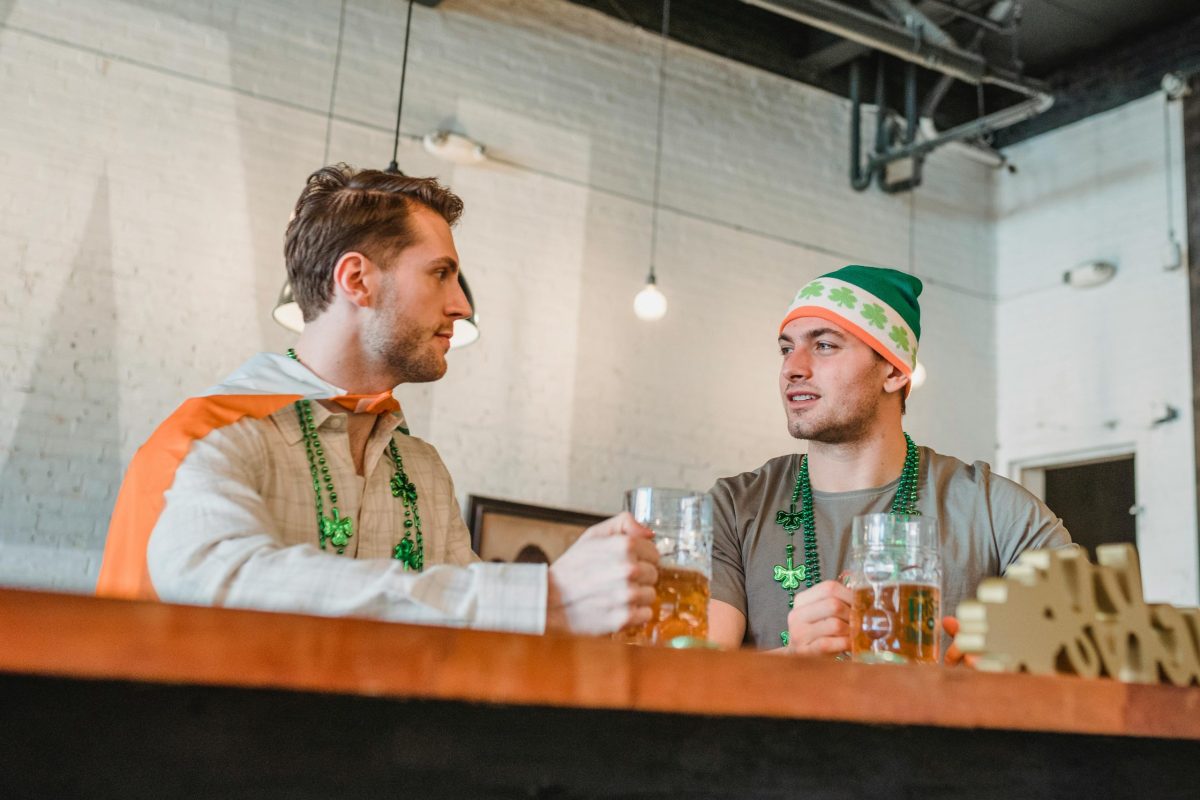
Irish Diaspora: A Journey of Identity and Resilience

Irish Diaspora: A Journey of Identity and Resilience

From Green Fields to Gritty Streets: How the Irish Diaspora Redefined Identity in a Globalized World

Estimated reading time: 7 minutes

Key Takeaways

  • The Irish diaspora carries cultural heritage and identity globally.
  • Over 70 million people can trace their roots back to Ireland.
  • Irish communities worldwide celebrate their culture through vibrant traditions.

Table of Contents

Introduction
The Heart of the Story
The Wider Echo
The Now & The Next
Did You Know?
FAQs
Final Word

Introduction

There’s a mad magic to the Irish story, tales told over a pint, carried in the hearts of those who’ve packed their hopes into suitcases bound for distant shores. The green fields of home, rich with myth and memory, meet the grit of city streets far away — a clash of culture, a dance of identity. This is no ordinary tale; it’s an epic of resilience and rebirth, of pride interlaced with pain, echoing from the hills of Kerry to the alleys of Boston.

The Heart of the Story

In a crowded pub in Tralee, an old man spins stories that wrap around you like the warmth of an Irish autumn. “Ah, but the world’s a cruel teacher, isn’t it?” he says between sips of whiskey. “We left the fields, but they never left us.” He’s right, of course. Each emigrant carried a morsel of home in their hearts, a piece of heritage tucked away like a cherished postcard. In cities like New York, Dublin’s spirit bursts forth through parades and festivals, where laughter and music weave their own magic — but it’s the heartaches too, the longing, that define us. From the uileann pipes that call across the Hudson River to the rebel songs echoing in Boston bars, echoes of Kerry pride flourish, morphing into something both familiar and new.

The Wider Echo

Yet, the story isn’t just personal — it’s political, it’s a tapestry of struggle against oppression, marked by strikes, protests, and advocating for justice. The Irish diaspora isn’t just a footnote; it’s a chapter. A statistic boasted by the Irish government claims over 70 million people around the globe can trace their roots back to the Emerald Isle. Through the highs and lows, they’ve fought to redefine not just where the Irish are, but who they are. This global identity is a dance of resilience, celebrating our quirks, our way of life, even as we grapple with changes far from the familiar hills of Limerick and the bitterness of history.

The Now & The Next

And as we stand in our familiar boots, confronting today’s battles — be it in Dublin’s bustling streets or in the suburban sprawl of Toronto — we weave our past into our present. Whether it’s a housing crisis that makes you feel like a stranger on your own soil, or a heartbeat of rebellion rising up from beneath our feet, the spark of the Irish spirit remains. Schools and communities abroad now proudly wave their county flags, kids grow up sporting their GAA jerseys, and pride still spills over, just like a pint of stout that refuses to settle. No matter where life takes us, we will always carry that rich, green legacy of laughter and heartbreak alike, forever entwined.

Did You Know?

  • Over 1.5 million Irish citizens reside abroad, fiercely championing their heritage.
  • The Irish diaspora has influenced significant cultural movements in cities like New York, Boston, and London, creating vibrant enclaves of Irish pride and tradition.

FAQs

What are some key traditions the Irish diaspora maintain?
From céilí dancing and Irish music sessions to St. Patrick’s Day parades, traditions are alive and well in communities across the globe, showcasing the bright and beautiful tapestry of Irish culture. There’s also a pride in supporting county teams, as seen with the wares in GAA jerseys worn from Sydney to San Francisco.

How do Irish communities stay connected, even when apart?
Beyond technology, the Irish know how to gather. From community events to cultural festivals, and even the occasional rugby match watched with fervor, the spirit of connection breathes life into home — no matter how far you roam.

Final Word

So, whether you’re raising a glass in Galway or sharing a laugh in the heart of Toronto, remember this: we’re bound by more than blood; we’re held together by stories of resilience, laughter, and love. Wherever you find yourself, carry that Irish spirit. If you carry the same pride we do, you’ll find a piece of home waiting at
HubIrish.com.
Community Resilience: The Irish Pub Experience During Lockdown

Community Resilience: The Irish Pub Experience During Lockdown

The Day the Irish Pubs Closed: How a Nation Found Community in Isolation

Estimated reading time: 6 minutes

Key Takeaways

  • Irish pubs serve as community hubs that foster connection and storytelling.
  • The closure of pubs during the pandemic highlighted the importance of virtual connections.
  • Resilience emerged as communities adapted to isolation with creativity and camaraderie.

Table of Contents

Introduction
The Heart of the Story
The Wider Echo
The Now & The Next
Did You Know?
FAQs
Final Word

Introduction

Picture this, if you can: the local pub, where laughter rings out like the clinking of glasses at half-time. A place where tales are spun like a great ball of yarn. Memories of joyous roars and the sweet sound of “a pint and a story” fill your head. And then it stopped. Just like that, the world inverted and silence fell heavier than a whiskey barrel at midnight. When the Irish pubs closed, a spirit of community faced a vast void — only to rise anew from the ashes of isolation, teaching us that we are not alone in this great tapestry of life.

The Heart of the Story

On that fateful day — March 16, 2020, when the last pint was pulled and the doors of pubs like O’Malley’s in Cork slammed shut — it felt like a collective punch to the gut. The energy that vibrant pubs exude; the late-night chats over a Guinness, the passionate debates about the GAA, the mournful singing of “Fields of Athenry” that you could hear echoing from the cobbled streets. Each pub is a heartbeat of its community, a launching pad for stories that weave the fabric of our lives. Yet, just like that, our gathering places disappeared faster than a summer’s rain. Yet, in that silence, something remarkable happened; we found a new way to connect. A simple phone call or a video chat grew into a lifeline, connecting us across miles and bringing the warmth of home right into our living rooms.

The Wider Echo

The pandemic stripped away many faces, but what it could not take was the essence of who we are. In the darkest corners of our minds, amidst the unrelenting anxiety, a spark of resilience ignited. Irish folks abroad, expats scattered from Derry to Dublin, began to band together in virtual pub quizzes and Zoom call singalongs. It was a pang of nostalgia wrapped in a new coat of modernity. We learned that isolation could be soothed, even from a distance. The truth struck deep: what mattered was not the wooden bar or the frosty pint, but the connection itself — the shared stories, the laughter, the grit in our throats when we remembered those we’d lost.

The Now & The Next

As we ease back into the pub-filled economy, it is essential to carry the lessons learned from those barren months. Like a solid Kerry jersey stitched together with pride, our communities have been sewn as one. We’re no longer just raising a glass to a single goal but reinforcing the spirit of perseverance. In the face of housing crises and the uncertain tides of today, a community rooted in camaraderie will lift one another up. One pint at a time, it seems we all needed that reminder of our connectedness — a lesson dipped in humor, nostalgia, and Irish pride. It is in this same vein that we can ensure every toast in a pub honors not only our victories but also those nights of shared solitude as we remember our kin, both near and far. So when you step into the pub for the first time, raise your glass high — not just for the ones beside you but for those who had to go without.

Did You Know?

  • Before the pandemic, there were over 7,000 licensed pubs in Ireland, each playing a crucial part in local culture.
  • During lockdown, Dubliners created “I Love Dublin” and other online communities, helping thousands feel less isolated and connected to their city.

FAQs

What were the most significant changes in Irish pubs during lockdown?
Social distancing rules redefined the layout of our beloved pubs. A pint or two was enjoyed over longer stretches, with patrons finding joy in the simple little things like waiting outside queuing — much like the old days of feisanna.

Will the Irish pub experience ever return to normal?
Normal might now be a new way of gathering in heart. The essence of the pub — the laughter, songs, and stories — will remain. Many will rise up stronger, just as our ancestors did before us.

Final Word

So, from this wake of closed doors, we swipe open new tales and traditions. The heart of a nation beats in its ability to overcome, to revisit its roots, and to honour its past. If you carry the same pride we do, you’ll find a piece of home waiting at
HubIrish.com.
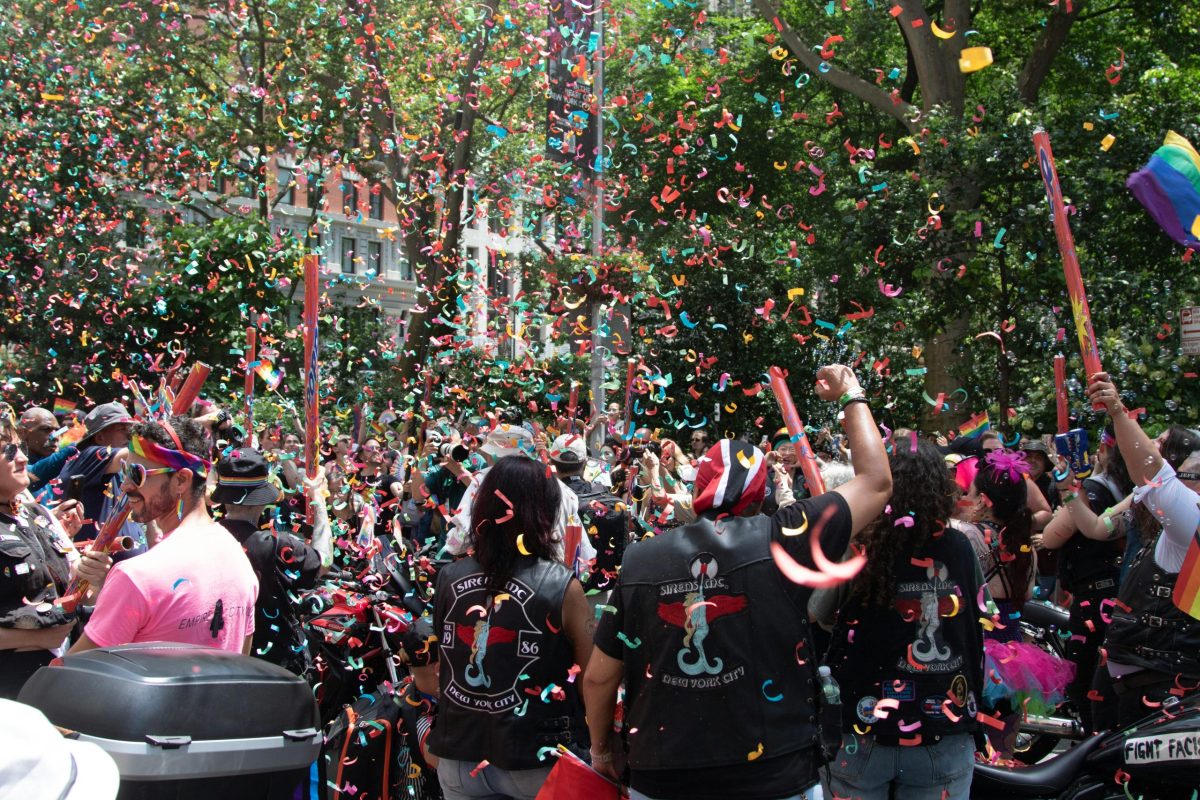
Irish Identity in the Diaspora: Language and Love

Irish Identity in the Diaspora: Language and Love

You Can Take the Boy Out of the Gaeltacht: The Irish Identity That Comes Home with You — Stories of Language, Love, and Loss from the Diaspora

Estimated reading time: 5 minutes

Key Takeaways

  • The Irish identity is deeply rooted in language and culture, persisting despite geographical distances.
  • Shared history and traditions play a crucial role in uniting the global Irish diaspora.
  • The younger generation continues to embrace and celebrate their heritage through various cultural events and practices.

Table of Contents

Introduction
[The Heart of the Story]
[The Wider Echo]
[The Now & The Next]
Did You Know?
FAQs
Final Word

Introduction

Step into a pub on a rainy evening in Galway, where the air is thick with tales of home and heartbreak. The flickering light of the fire dances, and a familiar accent rises above the chatter. Here, stories ripple like a brook, flowing from lips that long to reconnect with what shapes their very core. You see, no matter how far we wander — Donegal, Denver, or Dubai — the heart remains tethered to the land of our ancestors, whispering secrets of our Irish identity like the soft rustle of trees in a misty glen.

[The Heart of the Story]

In the dark corners of a Chicago pub, an Irishman raises his glass, the weight of memories heavy in his heart. He tells a story of summer days spent running across the grassy hills of Donegal, where as a boy, he first heard the lilting sounds of Irish spoken by the old folks — a language organic and alive, bursting with life and folklore. He shares tales of women weaving tapestries of stories, of faeries dancing at dusk, of his mother’s voice warning him not to stray too far lest he be whisked away. It’s in these memories that he finds the essence of home, filled with laughter, sorrow, and lessons that stitch him back to his roots, no matter how many miles he’s traveled.

[The Wider Echo]

Our shared history ebbs and flows like the tides, a collective song sung by generations past. Language isn’t just words; it’s the lifeblood of our culture. The rhythm of Gaelic is a balm for the ache of homesickness — a reminder that we belong to something grander. Statistics tell us of over 70 million people of Irish descent across the globe. Most haven’t set foot on the verdant isle for decades, yet in their hearts, Ireland breathes. It’s a testament to resilience, a bridge connecting the old world with the new, a battle cry of identity forged in the fire of history.

[The Now & The Next]

But it’s not just about history; it’s about the present. In New York, the Kerry diaspora gathers to watch the All-Ireland finals, where fists pump and voices roar as if the men of the past stood shoulder to shoulder with them. The housing crisis back home stirs deep concern as they rally for change, ever aware that their brothers and sisters live under the weight of injustice. And from the heart of Kerry to the city streets of Boston, young children adorn their jerseys, they’re a mix of heritage and hope, carrying that green pride with them just like their ancestors did. They play the games in schoolyards, creating the next chapter of the story we’re all bound to — an identity marked by love, loss, and a fierce spirit.

Did You Know?

  • Approximately 30% of the population of Ireland speaks Irish, yet it’s the rhythm of the language in diaspora communities that keeps it alive.
  • Irish emigration has seen over 10 million people leave the country since the 19th century, with many holding onto their culture and pride, no matter the distance.

FAQs

What does it mean to be Irish in the diaspora today?
Being Irish today means holding onto the memories and traditions that connect us, wherever we are. From traditional music in community halls to gathering for Gaelic games, our culture remains vibrant. Explore more about our heritage through GAA jerseys.

How can the diaspora stay connected to their roots?
Attend cultural events, celebrate St. Patrick’s Day, or join local GAA clubs! Even small acts, like learning a few phrases in Irish, can forge connections that keep the flame of our identity glowing strong.

Final Word

So, raise your glass tonight to the language of our past, to the stories that shape us, and to the generations yet to come. We are bound by memory, heritage, and a loving spirit that defies distance.
If you carry the same pride we do, you’ll find a piece of home waiting at
HubIrish.com.
How the 1990 World Cup Shaped Irish Identity

How the 1990 World Cup Shaped Irish Identity

From Silent Streets to Roaring Crowds: How the 1990 World Cup Transformed Irish Identity Forever

Estimated reading time: 6 minutes

Key Takeaways

  • The 1990 World Cup was a pivotal moment for Irish identity.
  • Shared experiences united the Irish nation and its diaspora.
  • The achievements of the football team instilled national pride.

Table of Contents

Introduction
The Heart of the Story
The Wider Echo
The Now & The Next
Did You Know?
FAQs
Final Word

Introduction

Ah, 1990! A year that rang out like the chime of a long-forgotten tune, echoing through the heart of the Emerald Isle. Before the ball was kicked on that July day in Rome, we were a nation tucked away in the peripheries, our identity woven from threads of folklore and famine, a landscape embossed with quiet resilience and whispered hopes. But the roar of the crowd in the Stadio Olimpico was a starting pistol, shattering the silence that enveloped us. As we sailed into those World Cup waters, an Irish sea of green unfurled, clutching at victory and unearthing a new definition of ourselves. That summer, in skins of hope and pride, we emerged — not just players on a pitch but representatives of a nation that refused to remain hidden.

The Heart of the Story

Imagine the pubs of Cork that year, buzzing like bees in a clover field, every pint raised a testament to the new camaraderie that washed over us. From Donegal to Kerry, we were painted by yesteryears of football failures overcome, hearts now beating in unison. When Packie Bonner stood firm against a penalty, it was as if the very soul of Ireland had taken a stand, shouting out a defiance we’d never realized we had. Kids cheered in back gardens, grandfathers murmured prayers of gratitude, and the women made sure the stew was warm for the homecoming kids who had ventured out to watch Ireland play with the spirit of warriors. For the first time, we wore our identity openly, unburdened by the shadows of the past, flowing like the river Shannon through streets once choked with silence.

The Wider Echo

It was more than football. It was a revolution of the heart. We began to see ourselves through a new lens, blending the grit of our history with the gleam of newfound pride. A poll by the Irish Times shortly after that Cup showed over seventy percent of people identified as “proud to be Irish” for the first time in decades. Just think about that — a statistical love letter to a reborn identity! The diaspora clenched their fists in support, draped in green and white even from the bars of Boston to the streets of Sydney. It wasn’t merely a game; it was the realisation that the North, South, East, and West were not merely compass points, but pieces of a puzzle connecting every Irish soul. Through every cheer, a distant cousin reached closer to home.

The Now & The Next

But here we are, decades later, in a different fight — and yet, that spirit kinda lingers. The bromh of our youth now tussles with the clang of the housing crisis, the hum of a bus rolling to a GAA game in New York, and families striving to hold onto their heritage amid the bustle of modernity. The laughter of a child draped in a Mayo jersey intermingles with the sighs of parents scrambling to find stability in an ever-changing world. As we push forward, let’s hold onto that roar from the summer of ’90, the unity forged, for who knows when we might need to raise our voices again? For in these struggles, our Irish spirit — whether it’s in Drumshanbo or Dublin — finds its way back into the hearts of those who dare to dream.

Did You Know?

  • The Republic of Ireland’s football team made their stunning World Cup debut in 1990, reaching the quarter-finals before falling to the Netherlands in a dramatic penalty shootout.
  • Ireland’s four million citizens became a global phenomenon as the nation united under a single flag in support of their team, which remains one of the most memorable moments in sporting history.

FAQs

What was the significance of the 1990 World Cup for Ireland?
It was a pivotal moment that reshaped the Irish identity, uniting a nation through shared pride and collective memory, instilling a sense of belonging that echoes today.

How did the Irish diaspora connect with the World Cup?
The World Cup provided a platform for Irish people around the globe to reconnect with their roots, with celebrations igniting from pub corners in New York to terraces in Sydney.

Final Word

As we raise our glasses in acknowledgment of that miraculous summer, let’s remember: we are more than just a team. We are a story—one of resilience, laughter, and tears shed in joy. So carry that sense of pride with you, and know, there’s a piece of home waiting at
HubIrish.com.
Ireland’s Musical Heartbeat: Songs of Resilience and Pride

Ireland's Musical Heartbeat: Songs of Resilience and Pride

From Rebel Yells to Celtic Melodies: How Ireland’s Soul Is Found in Every Tune and Tear

Estimated reading time: 5 minutes

Key Takeaways

  • The music of Ireland is a powerful reflection of its history and culture.
  • Over 70 million people worldwide trace their ancestry back to Ireland.
  • Irish folk songs serve as a connection for the diaspora, celebrating shared experiences.

Table of Contents

Introduction
The Heart of the Story
The Wider Echo
The Now & The Next
Did You Know?
FAQs
Final Word

Introduction

Ah, gather ‘round, dear friends, and let me spin you a yarn. It’s the music of our hearts, the rebels’ cries echoing through the valleys, the sweet sounds of fiddles and pipes lifting our spirits when times get tough. We walk with our heads held high, successors of warriors and dreamers, and every note resonates like thunder from our past — reminding us who we are and where we come from. Each tune, every tear we shed, tells the story of our genteel madness, our muddy roots, and the vibrant tapestry of life that defines us as Irish. It’s in the cracks of our laughter and the deep sighs of our sorrow that we find our essence. So, hold your pint tight and let’s sing along.

The Heart of the Story

Imagine yourself in a wee pub in Tyrone, the rich aroma of stout swirling around you, its hoppy bitterness a comfort to the soul. The musicians, aged like the finest whiskey, serenade tales of rebellion, resilience, and romance. “There was a time when our voices were stifled,” the fiddler says, as the crowd hushes for a moment, listening intently — “but not now, by God.” Those rebel songs, with their thumping drums and unruly lyrics, remind us of the scars we bare, of battles fought on muddy fields, of dreams crushed yet revived with every verse. They carry whispers of activism, a deep-set belief that we were never meant to be silenced. There’s power in the strum of a guitar that makes your heart race like the pulse of your ancient ancestors. In music, we rise. In song, we find our freedom.

The Wider Echo

But let’s zoom out for a moment — what does all this mean beyond the smoky walls of our pubs? Ask any emigrant in a far-off land, and they’ll tell you that the bittersweet sounds of home wrap around them like a warm blanket on cold nights. Statistically, over 70 million people trace their roots back to this emerald isle — from Boston’s streets to the bustling horns of Dubai’s markets. We sing of our ancestors’ struggles and victories across continents, with each note a lifeline that ties the diaspora to their homeland. It’s a reminder — we are never alone; we walk together. The past isn’t just history; it’s breathed into the very fabric of our present and shadows our future. Those melodies are our memories, threading together fragmented lives flung across the globe.

The Now & The Next

And here we stand today, the GAA jersey as much a part of us as the bodhrán’s beat. The togs may change, the accents may soften, but the pride? Oh, it only grows. Picture it: a local team in Dublin, jerseys emblazoned with family names, knotted memories of summers past and futures yet to unfold. Young lads or lassies, heads held high, marching onto the field with the clarity of those old rebel songs ringing in their ears. They know — each game is not just a bout of sport, but a saga being played out in the flesh. The Irish story is still being written, inked with laughter and tears, victories and losses, dreams dashed only to be rebuilt. Our resilience? Forged in music, tempered by rebellion, reflected in every ounce of heart we put into life.

Did You Know?

  • There are more people of Irish descent worldwide than there are Irish citizens on the island — a staggering 70 million across the globe!
  • The bodhrán, a traditional Irish drum, has roots dating back over 2,000 years, connecting us to our ancient past.

FAQs

What are some popular Irish folk songs?
You’d hear classics like “The Wild Rover” and “Galway Girl” echoing in pubs across Ireland and beyond, stirring the heart and feet of any who happen to listen. They’ve become anthems of our heritage.

Why is music so important to Irish culture?
It’s our lifeblood, holding our history, uniting our people, and celebrating our resilience. It’s how we remember, connect, and keep our stories alive — even in the farthest corners of the world.

Final Word

So, let’s keep the music playing, the memories alive, and the stories soaring on the winds of time. Every tune, a heartbeat; every tear, a celebration of life.
If you carry the same pride we do, you’ll find a piece of home waiting at
HubIrish.com.
The Banshee: Ireland’s Voice of Grief and Resistance

The Banshee: Ireland's Voice of Grief and Resistance

More Than Myth: How the Banshee Became Ireland’s Voice of Grief and Resistance

Estimated reading time: 7 minutes

Key Takeaways

  • The banshee serves as a powerful symbol of grief and resilience in Irish culture.
  • Her wailing is a reminder of the historical pains faced by Irish families.
  • The banshee’s legacy continues to inspire movements for justice and resistance today.

Table of Contents

Introduction
The Heart of the Story
The Wider Echo
The Now & The Next
Did You Know?
FAQs
Final Word

Introduction

Ah, gather round, mischief-makers and dreamers! In the shrouded corners of our green isle, beneath the weight of history and the shadows of sorrow, there exists a creature whose wail is as loud as a hundred mourning mothers. The banshee — a haunting melody, a lament for our loved ones lost, a call to revolt. From the windswept hills of Antrim to the bustling streets of Dublin, she weaves through our psyche like a needle threading the fabric of grief. She is the interface between our past sorrows and our rebellious spirits. So pour yourself a pint, and let me tell you of this spectral matron of mourning, this fierce guardian of our tales.

The Heart of the Story

Imagine for a moment — a chill autumn night in Antrim, the leaves crunching underfoot like old regrets. You’re there in the thick fog, your heart heavy, when suddenly, a scream pierces through the silence. It’s a banshee’s wail, keening for a soul that has slipped away into the ether. This is no mere bedtime story; in our rich tapestry of folklore, the banshee embodies our collective grief. She is said to warn families of impending death, her cry echoing the pain of loss that all too many of us know far too well. Her very existence tangles with the essence of what it means to be Irish — sorrow entwined with strength, resistance carved deep into our spirit.

The Wider Echo

But why does the banshee matter in the grand narrative of Ireland? When we honor her scream, we also embrace the grief of generations — the parents we lost to emigration, the children lost to conflict, the dreams crushed underfoot by oppressors. The banshee stands as a symbol of resilience; her roar is a reminder that through struggle, we rise. Just like our songs of rebellion, her presence reverberates through the diaspora. From a street in Boston to a pub in Sydney, her spirit does not diminish — instead, it grows stronger. “Out of the darkness, light shines,” they say, and who better to roar us back into the light than the banshee herself?

The Now & The Next

Today, as we grapple with crises that would make our forebears weep, we hear echoes of the banshee in the chants of the housing marches in Cork, where voices rise in anger against injustice. Her resilience lives on as a call to arms in every community frustrated with neglect. When young rebel hearts take to the streets, they carry the tears of the banshee, vowing to shout louder than her warning cry. We are the descendants of the wretched and the worn, flipping the script of grief into a banner of defiance. “You may silence the song, but you’ll never quiet the spirit,” they say. Let her voice shape our stories, let it guide us forward!

Did You Know?

  • The banshee is known in various cultures, symbolizing death and mourning, but her roots are deeply entrenched in Irish lore.
  • In County Kerry, some believe that the banshee’s wail is also a fierce warning against oppression, echoing Ireland’s long history of resistance.

FAQs

What does the banshee symbolize besides grief?
Beyond mourning, she represents the spirit of resistance against tyranny and the pain of loss that is woven throughout Irish history, a tale that resonates for those from Kerry to Kilkenny, and beyond.

How can we honor the banshee’s legacy today?
By embracing our stories, fighting for the vulnerable, and raising our voices against injustice! Whether at home or abroad, let every cry for change honor her spirit.

Final Word

So here’s to the banshee — the voice of grief that shouts resistance, the melody that transcends borders, and the echo that reminds us of who we are. If you carry the same pride we do, you’ll find a piece of home waiting at
HubIrish.com. Raise a glass, reclaim your roots, and let the banshee’s wail propel you forward!

The Song That Gave Voice to a Nation’s Pride

The Song That Gave Voice to a Nation's Pride

The Day Ireland Found Its Voice: How A Single Song Changed the Soundtrack of a Nation

Estimated reading time: 5 minutes

Key Takeaways

  • The power of a song to unite a nation and evoke deep feelings.
  • Irish music serves as a vital connection to cultural heritage for the diaspora.
  • The ongoing significance of “The Fields of Athenry” in modern Irish identity.

Table of Contents

Introduction
The Heart of the Story
The Wider Echo
The Now & The Next
Did You Know?
FAQs
Final Word

Introduction

Gather ’round, lads and lassies, for this tale is woven with threads of pride, pain, and anthems that echo across the hills of Erin. It was the day a humble song broke from the earth and erupted into the heart of a restless nation. A song that sang for the ones who lost their way — for the voices silenced, and the dreams that dared to rise. It’s about finding your voice when the world shouts you down, and for us, that voice came in a melody that carried the weight of a thousand histories.

The Heart of the Story

In Limerick, under the dimly lit eaves of a pub, a group of weary workers gathered. Their hearts heavy with tales of emigration, they found solace in each other’s company, and the air hummed with the vibrant timbre of shared memories. One night, in a moment of divine inspiration, a local bard struck up a tune that twisted through the crowd like a wild wind. It was “The Fields of Athenry.” That song lifted every head and broke barriers — igniting voices that had long been hushed. It wasn’t just words; it was incantation, a spell that entwined sorrow and strength, maiden and rebel, past and present.

The Wider Echo

As that haunting melody wove itself through the nation, it echoed far beyond the smoky bars of Limerick. It became a battle cry, a lullaby, cherished in homes from Ballaghaderreen to Boston. Travelling the world, it reached immigrants in far-off lands, serving as a reminder of roots buried deep in the soil of home. It united us, sparked conversations, and stirred emotion like nothing seen before. Statistics tell us that Irish music is one of our greatest exports, but there’s magic in this song — it binds generations. The sum of our sorrows and joys can be found in its verses, making it one of the country’s most beloved ballads. “It speaks for our soul,” they would say. And how true that is.

The Now & The Next

Yet today, as we stand at crossroads where the future and the past collide, does our voice still resonate? We face housing crises, political quarrels, the hidden wounds of every forgotten song. Still, in stadiums across the globe, when the mighty Irish rugby lads chant that refrain, the world listens, and something shifts. Someone remembers they are Irish. So here we are in the diaspora — from Dubai to Donegal — singing our hearts out, reminding ourselves that our stories are woven into every note and every cheer, standing up for those who came before us and for those yet to follow.

Did You Know?

  • The first recording of “The Fields of Athenry” was made by the Irish tenor, Paddy Reilly, in 1979, forever changing how the world heard our history.
  • Irish diaspora populations in America alone reached over 30 million, many of whom carry the spirit of our music with pride.

FAQs

What does “The Fields of Athenry” symbolize?
It symbolizes resilience, loss, and hope, weaving together the tales of countless Irish lives across generations. You can always find our rich cultural heritage at HubIrish.com.

Why is music so important to Irish identity?
It’s our history on repeat, a passport back home, reminding us who we are — no matter how far we roam.

Final Word

So raise a glass, hum that tune, and let it echo in your heart. Remember that, no matter where you go, the spirit of Ireland thrives in the songs we sing and the memories we carry. If you carry the same pride we do, you’ll find a piece of home waiting at
HubIrish.com.