
The Resilience of the Irish Spirit after the Celtic Tiger

The Resilience of the Irish Spirit after the Celtic Tiger

From Rebellion to Recovery: How the Irish Spirit Rose from the Ashes of the Celtic Tiger

Estimated reading time: 6 minutes

Key Takeaways

  • The Irish spirit is defined by resilience and community.
  • The Celtic Tiger era was a time of both prosperity and downfall.
  • Financial crisis led to a renewed sense of solidarity among the Irish.

Table of Contents

Introduction
The Heart of the Story
The Wider Echo
The Now & The Next
Did You Know?
FAQs
Final Word

Introduction

There’s a line in an old rebel song that goes, “I’m a rebel, I’m a fighter.” Well, doesn’t that sum up the spirit of the Irish? It’s a spirit forged in struggle, stitched together with shamrocks and tears. From the gaudy highs of the Celtic Tiger—when we thought we’d conquered the world—to the mighty crash that left us reeling, our story is one of resilience, rebellion, and recovery. Sit back, my friends, and let’s spin a yarn about how we clawed our way back from the brink, spitting fire and spirit all the way.

The Heart of the Story

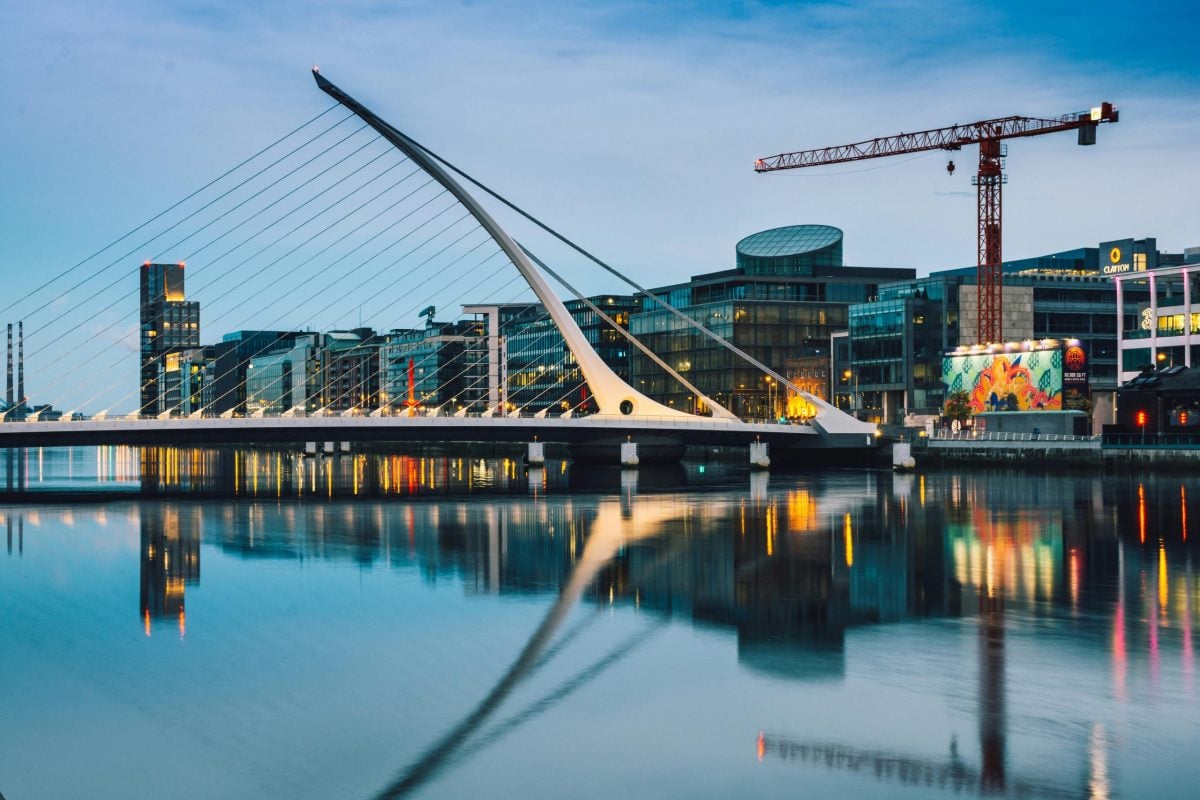
Oh, the Celtic Tiger! How we danced to its ferocious rhythm in the 90s and into the naughties. Investment flowed like Guinness at a wedding, and for a brief moment, we were kings and queens, sipping on prosperity. In Dublin, skyscrapers shot up like promises, each one a toast to the future, or so we thought. Yet, as quickly as our fortune changed, so too did our reality. The banks collapsed, the housing market took a joyful nosedive, and suddenly the gleeful laughter turned to hushed whispers of despair. But through it all, we remembered the old songs of our mothers—“Tear down the sky, rise up anew!” And rise we did, spurred by community and solidarity.

The Wider Echo

For Ireland, the crash was more than just a financial catastrophe; it unearthed ghosts we thought were buried. Our diaspora, scattered from Boston to Birmingham, felt the tremors. Many felt the sting of exile again—last pint raised, last waves waved—and for those at home, the struggle for a decent wage, a roof over the head, that familiar fight continued. A recent study pointed out that over 1 in 5 young adults in Ireland are living at home due to the skyrocketing cost of living. Yet here we stand, on the shoulders of giants, where the fight doesn’t fade and hope lingers longer than a pint in a quiet pub.

The Now & The Next

Fast-forward from the rubble of the Celtic crisis to today. We’ve emerged into a new landscape—still battered but not broken. Whether it’s the hands that raised a glass at a GAA match in Kerry, or the community groups rebuilding lives across the country, hope has taken root. Look around you—you’ll find an Ireland where resilience is a lifestyle. There are pubs filled with laughter, families gathering for Sunday dinner, and with every game we play, every song that echoes through the hills, we come together. We sing of our ancestors’ bravery not as a distant echo, but as a living anthem in our hearts.

Did You Know?

  • In 2013, Ireland became the first country to legalize same-sex marriage through popular vote, showcasing the resilient spirit of change in society.
  • Ireland’s GDP grew exponentially post-bailout, proving that where there’s a hill, there’s a way—a true mark of our tenacity.

FAQs

What is the Celtic Tiger?
The Celtic Tiger refers to the period of rapid economic growth in Ireland from the mid-1990s until the global recession of 2008. It was marked by a surge in job creation and wealth, particularly for those in urban Ireland.
You can read more about the impact this period had on the Irish community here.

How did the financial crisis affect the Irish people?
The financial crisis left a lasting impact on many Irish families, with rising unemployment and housing crises. However, it also galvanized community efforts and inspired a drive towards political reform, resulting in a strong sense of solidarity across the nation.

Final Word

And so, dear friends, we toast not just to the triumph of Irish ingenuity but to the heart that beats in every village and city across this grand green isle. The story of our recovery is still being written; every day is a new chapter filled with challenges and victories. If you carry the same pride we do, you’ll find a piece of home waiting at
HubIrish.com.
Remembering the Shannon: Echoes of Irish History

Remembering the Shannon: Echoes of Irish History

When the River Fought Back: The Day the Shannon Refused to Forget Its History

Estimated reading time: 7 minutes

Key Takeaways

  • The River Shannon serves as a powerful symbol of Irish history and cultural identity.
  • It stands as a testament to resilience amid oppression and migration.
  • The river’s stories highlight the importance of remembering our roots.

Table of Contents

Introduction
The Heart of the Story
The Wider Echo
The Now & The Next
Did You Know?
FAQs
Final Word

Introduction

Ah, the mighty Shannon! A river that’s pulled the tales of generations through its current, like old men spinning yarn in a smoke-filled pub. On a crisp autumn day, the waters rose, not just with rain, but with memories long buried and stories left untold. It was the day that the Shannon declared, “I remember, I won’t forget.” It wasn’t just a river, my friends; it was a living archive, a witness to history’s greatest battles, betrayals, and triumphs — each ripple a reminder that, no matter how far we wander, our past is impossible to shake off.

The Heart of the Story

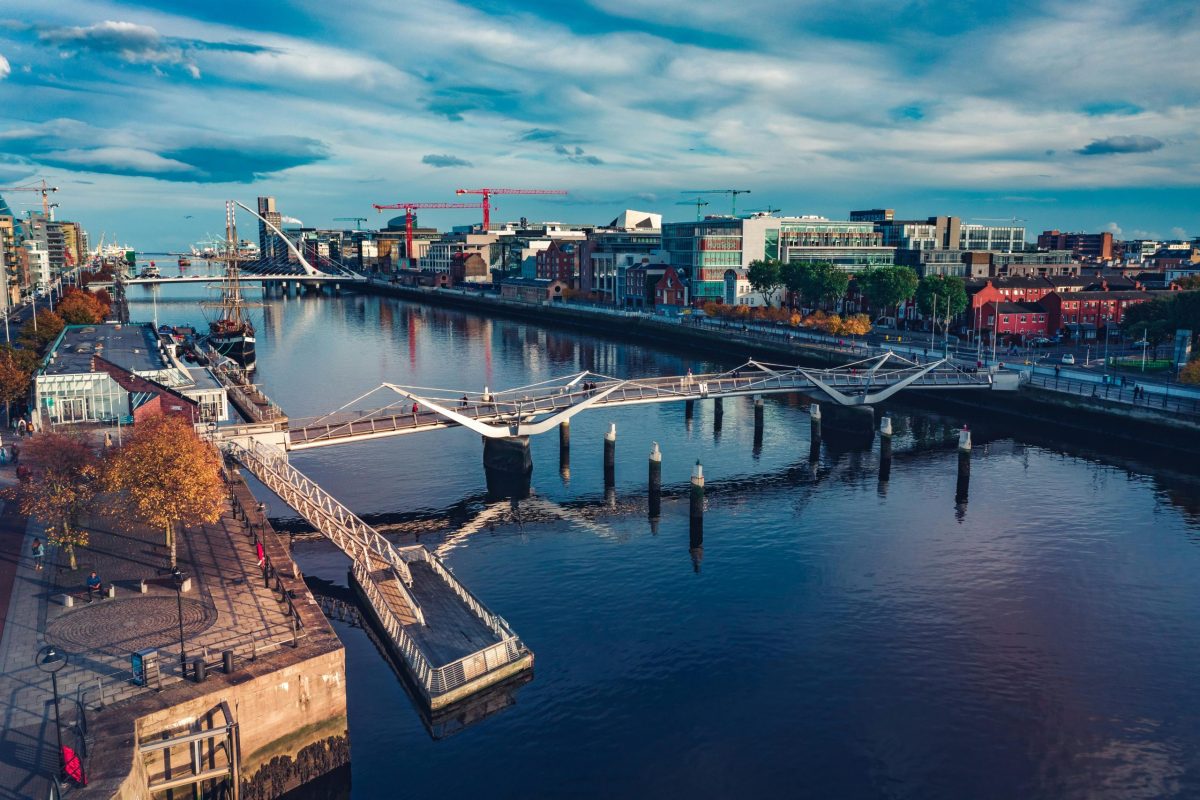
It was in Clare where the river met its reckoning that fateful day. People flocked to its banks, their hearts heavy with sorrow and pride. They were there to honour those who once crossed its depths seeking freedom, a memory fresher than the damp earth beneath their feet. The Shannon had witnessed the Irish diaspora flow like blood from a wound, carving its way to Green Fields in America, Bogs in Australia, and the bustling streets of London. Each wave, each swell of water sang with the songs of their struggles and their joys. The poetry of the river was not just a sound; it was the memory of who we are, where we’ve come from, and the spirits of the ones who never made it home.

The Wider Echo

That day, as the clouds thundered above, it felt like a reckoning for Ireland herself. In the shadows of oppression and migration, the Shannon stood firm, a testament to resilience. It dragged the stories of those who had perished fighting for freedom to the surface. It roared like a rebel song echoing through the hills — a declaration of our enduring spirit. A spirit that refuses to fade, even as our homeland bears the weight of modern issues: housing crises, emigration, and the fractures laid open by decades of turmoil. As one elder cried out, “Remember the flood, or we’ll drown in our own forgetfulness!” We were not just riverside spectators; we were stepping into history’s embrace.

The Now & The Next

Today, as many fight for homes in Dublin that no one can afford, the spirit of the Shannon flows on, reminding us that the struggles of the past shape our future. It’s in the dreams of a Traveller kid running with a Kerry jersey, the longing of a family gathered over a virtual Sunday dinner, and the rebels who pen their truths to remind others of their roots. The Shannon whispers, “Do not forget your history — it is your anchor.” It calls us to rise against the tide of indifference and stay true to the dreams that have always fueled our journey.

Did You Know?

  • The River Shannon is the longest river in Ireland, flowing for over 360 kilometers.
  • It has witnessed countless uprisings, and historical events, including the great Fenian Rising in the 1860s.

FAQs

What’s the significance of the River Shannon in Irish history?
The Shannon is not just a river; it’s a lifeblood of Irish culture and identity, reflecting our history, struggles, and migration stories through its depths.

How can I support the preservation of Irish waterways?
Engaging in local clean-ups, participating in community awareness sessions, and advocating for sustainable practices can help protect our rivers, keeping our history alive.

Final Word

So next time you raise a glass, remember the River Shannon. Feel its history wrapping around your heart, urging you to hold fast to your roots. Let it stir your blood and fire up your spirit, for we are all part of its story. If you carry the same pride we do, you’ll find a piece of home waiting at HubIrish.com.
Irish Resilience: From Famine to Foam

Irish Resilience: From Famine to Foam

From Spoiled Potatoes to Stellar Pints: How an Irish Legacy of Resilience is Brewing Across the Globe

Estimated reading time: 6 minutes

Key Takeaways

  • The Irish narrative of resilience shapes both culture and community.
  • Pubs serve as cultural and social hubs for the Irish diaspora.
  • The influence of Irish ancestry spans across the globe.

Table of Contents

Introduction
The Heart of the Story
The Wider Echo
The Now & The Next
Did You Know?
FAQs
Final Word

Introduction

Ah, the weight of history hangs heavy on the shoulders of the Irish! From the arid fields in Mayo where the potatoes withered and dreams wilted, to the bustling bars of New York where laughter rises like the froth on a freshly poured pint. This tale isn’t merely about sustenance; no, it’s a testament to the indomitable spirit that binds past and present, loss and triumph, tradition and innovation. It’s a ripple in time that shouts: We are still here, and our story is rich as the stout we brew!

The Heart of the Story

Let’s step into the heart of this storied land, a little corner of Mayo that pulses with pride and pain. Picture the famines, the sweat of generations shaping the earth we tread. Our ancestors, wrestling with the soil, were poets and warriors alike — turning the very dirt of hunger into a feast of resilience. The cafes of Castlebar and the pubs of Westport remember it all, whispering tales over pints. But as our potatoes turned to dust, our dreams took flight across oceans. What emerged from those ashes? An unyielding legacy, where stout and ale flourish in foreign lands, carrying the essence of home and hope.

The Wider Echo

Now, let’s widen our gaze, shall we? There’s a thread of continuity that stitches together the past and the present. In pubs from Dublin to Toronto, a pint of Guinness isn’t just a drink; it’s a ritual, connecting hearts and homes. After all, the Irish are no strangers to hardship. A friend once said, “We are a nation that thrives on the bitter,” and how right he was! From the ghost estates left behind to the vibrant GAA clubs popping up in cities far beyond our shores, the spirit of resilience fuels our diaspora, driving a cultural renaissance fueled by pride. Statistics show that Irish pubs welcome over 5 million tourists annually — a beautiful reminder that our spirit keeps wandering hearts anchored.

The Now & The Next

But what does this all mean today, in the wake of the current housing crisis or as we deal with the changing tides of identity and community? Every pint poured carries with it a history, a collective memory of resilience, a bridge spanning despair with fierce community pride. See it in the faces in the stands at Gaelic games in New York — families waving their flags, generations entwined in the fervor of sport. Our identity swirls in competition and camaraderie. And as we hold onto our jerseys tight, let’s remember where we came from and keep the spirit of resilience alive as we drink to the past, celebrate the present, and toast the future!

Did You Know?

  • About 70 million people around the world claim Irish ancestry, echoing our legacy far and wide.
  • Irish pubs serve over 300,000 pints of Guinness every day — can you taste that sweet unity?

FAQs

What does resilience look like in modern Ireland?
It’s in every chant at GAA matches, every immigrant’s story, every pint raised in cheerful camaraderie. Resilience is our lifeblood! For more gear, check out GAA jerseys that honor our journey.

How can we support Irish culture abroad?
Engage with your local Irish community, attend cultural festivals, and yes, pop into a pub! Each pint shared tells a story of unity. Remember, every drop counts!

Final Word

So, let’s lift a glass and toast to our ancestors — the farmers who fertilized our spirit and the warriors who defend our culture. Here’s to bridging the gap from spoiled potatoes to stellar pints, threading our past into the tapestry of tomorrow.
If you carry the same pride we do, you’ll find a piece of home waiting at
HubIrish.com.

How the GAA Became the Heartbeat of Irish Identity

How the GAA Became the Heartbeat of Irish Identity

We Were Never Just a Hobby—How the GAA Became the Heartbeat of Irish Identity

Estimated reading time: 6 minutes

Key Takeaways

  • The GAA is a vital part of Irish cultural identity.
  • It connects communities, both locally and internationally.
  • Modern GAA reflects inclusivity and global representation.

Table of Contents

Introduction
The Heart of the Story
The Wider Echo
The Now & The Next
Did You Know?
FAQs
Final Word

Introduction

Gather ’round, you curious souls, for there’s magic in our stories. In every shout from the sideline, every clash of hurley on leather, there’s a heartbeat — our heartbeat. The GAA is more than a pastime; it is a tapestry woven with the threads of laughter, strife, and pride. It’s the beating heart of who we are, whether we’re huddled in a damp field in Galway or standing in the sunlit squares of Manhattan. It’s the rhythm of our existence, a world of sweat-soaked jerseys, and the sweet taste of victory that lingers long past the whistle blows.

The Heart of the Story

Ah, the stories etched into our souls! I remember a day, clear and bright, a crowd of us gathered in the heat of summer, hearts pounding as we watched the lads from Cork battle it out against the men from Kerry. The air was thick with the scent of simmering stews, leaping flames of rivalry swirling in those stands. It was here, at that local pitch, that young boys dreamt their dreams and grannies dug out their rosary beads, whispering a prayer for the boy with the number 10. And isn’t that the truth? The GAA isn’t merely sport; it’s a rite of passage, a crucible where heroes are made and tales are spun. From Cork to Kerry, from championship glory to gut-wrenching defeats — it’s a story shared, a culture steeped in passion.

The Wider Echo

As we zoom out, we see the broader strokes of our identity painted against the canvas of Ireland’s landscape. The GAA is not just a game; it has become a focal point of our national pride and communal resilience. In the words of a wise old man I once knew, “Football and hurling paint the whole world green.” And he’s right. It’s a tether that binds us all, from the rolling hills of Antrim to the bustling streets of Dublin — a connection as deep-rooted as the stone walls built to fend off the invading hordes. As the pandemic swept through, people sought solace in watching the GAA online, a reminder of home, a glimpse into the heart of Ireland when so many were miles away.

The Now & The Next

Today, the GAA stands at a crossroads. It’s a microcosm of modern Irish life; young ones sporting jerseys with names etched on the back, heroes rising from the ashes of shame, leaving the old rivalries behind in favour of unity, inclusivity, and — dare I say it — the pride of representation for all. From the lads in New York wearing their Mayo jerseys, grieving for the home they can’t touch, to the TikTok videos of children showing their hurling skills in the streets of Chicago — the spirit of Ireland thrives! The GAA is no longer confined to the emerald isle; it resonates globally. These games are cultural lifelines, pulling at our roots, reminding us who we were and who we can be, together.

Did You Know?

  • The GAA was founded in 1884, making it one of the oldest sporting organisations in the world.
  • There are now over 2,200 GAA clubs globally, with a vibrant community of Irish emigrants keeping the spirit alive.

FAQs

Why is the GAA so important to Irish culture?
The GAA is a powerful symbol of Irish identity, connecting generations and communities. It embodies our folklore, heritage, and community spirit. It’s a tradition that’s been passed down through the generations, and proudly so. Just ask anyone from Limerick about the glory days, and you’ll get an earful!

How can I participate in GAA events abroad?
Many cities have GAA clubs that welcome all, so you’re never alone in a foreign land. Get out there, wear your colours, and join a team! You’ll feel the crack from the moment you step onto the pitch, just as if you were on home soil.

Final Word

So there you have it. The GAA isn’t merely a hobby to pass the time; it’s a heartbeat that reverberates through the lives and stories of every Irish soul, from the fields of Donegal to the backstreets of Derry and beyond.
If you carry the same pride we do, you’ll find a piece of home waiting at
HubIrish.com.
Irish Folklore: Our Stories and Identity Today

Irish Folklore: Our Stories and Identity Today

From Banshees to Beards: How Irish Folklore Shapes Our Identity Today

Estimated reading time: 5 minutes

Key Takeaways

  • Irish folklore is an integral part of cultural identity.
  • Up to 80 million people worldwide identify as having Irish roots.
  • Folklore reflects modern societal challenges and triumphs.

Table of Contents

Introduction
The Heart of the Story
The Wider Echo
The Now & The Next
Did You Know?
FAQs
Final Word

Introduction

We’re a country steeped in tales—some whispered by the fireside, some roared over pints in darkened pubs. Our folklore, like an old photograph fading at the edges, is where we find our blood and bond. From Cú Chulainn’s spears to the cries of the Banshee, our yarns are threaded through every fiber of our identity. So grab a seat, pour yourself a drop of something strong, and let’s take a walk through our myths and memories, still shimmering in the glow of shared laughter and silent tears.

The Heart of the Story

Ah, the county of Galway—where the seanchaí still weaves stories from the cobblestones. Here, folklore dances in the wind, and the veil between the living and the dead rustles like the grasses of Connemara. I remember a fair night in the pub, an old man with the silver sheen of age on his brow and a twinkle that told of mischief. He spun a tale of the Banshee, gliding through the night like a shivering shadow, a harbinger of sorrow. The room fell quiet; even the fierce banter around the darts board softened. We didn’t just hear a tale—we felt it breathe; a reminder that grief and glory entwine in our marrow.

The Wider Echo

Folklore provides a mirror, reflecting our challenges and triumphs, shaping our view of who we are. It’s not just about spooks and sprites. It’s a lens into our collective experience—emigration waves that scatter families across the globe, yet always bring them home for a story or two. Did you know, up to 80 million people around the globe identify as having Irish roots? They carry our stories in their hearts like heirlooms, resonating between the bars of Boston or boisterous draws in Melbourne. Just like the Banshee, they’re distant yet close, embodying the essence of what it means to be Irish, no matter how far from the green they roam.

The Now & The Next

As we face modernity’s relentless tide, the wisdom of our ancestors still guides us. Remember how our grannies used to squeeze our hands while saying the rosary? Practicality mixed with belief—maybe they knew something we didn’t. Today, the battles aren’t just against foes with swords but against the evils of poverty, mental health, and disconnection. Look at your local GAA club, the heart of the village, where stories of the past inform the energy of today’s team, each point scored a nod to the legends that came before. We’re all linked, driven by the spirits of fairies and rebels, wearing our pride like a badge, even on the most ordinary of days.

Did You Know?

  • The Banshee is said to be a warning of death, but it also embodies the deep love lost between generations, a call to remember.
  • Irish folklore tells us of 397 different types of fairy. Makes you wonder—who’s watching you from behind the hedges?

FAQs

What can I do to preserve my Irish heritage while abroad?
Join local Irish diaspora groups, connect through the GAA scene, or participate in cultural events. Keep those roots alive; they’ll anchor you in turbulent times. Check out GAA jerseys to show your pride.

How important is folklore in modern Irish society?
Like the looms of our ancestors, it’s woven into every festive occasion, shaping our language, music, and even our politics. You can feel it in those rebel ballads sung on rainy evenings; folklore isn’t just remembrance—it’s a call to action, a rallying cry for unity.

Final Word

So, as you sit back and contemplate these tales—the chilling, the heartwarming, the inexplicably beautiful—remember: our folklore isn’t just history. It’s who we are. It lives on in every laugh shared, every tear shed. If you carry the same pride we do, you’ll find a piece of home waiting at
HubIrish.com.
Ireland’s Fierce Female Warriors: Legends of the Past

Ireland's Fierce Female Warriors: Legends of the Past

From Raids to Rebellion: The Forgotten Story of Ireland’s Brave Female Warriors

Estimated reading time: 7 minutes

Key Takeaways

  • Grace O’Malley was a formidable pirate and military leader.
  • Women played vital roles in key historical events like the 1916 Rising.
  • Modern women are inspired by the legacy of their historical counterparts.

Table of Contents

Introduction
The Heart of the Story
The Wider Echo
The Now & The Next
Did You Know?
FAQs
Final Word

Introduction

Come sit a while, my friends, and let me sing you a tale, not of gods or kings, but of the daughters of Erin, fierce and fearless. These women stood steadfast in the storm, forged in the fires of rebellion and raids, carrying the weight of a land that pulsed with the beat of their heart. From the wilds of Connacht to the bustling streets of Dublin, they are the unsung heroines who, under the shadows of history, fought for the freedoms we now sometimes take for granted. Ah, it’s time we etch their names back into our hearts.

The Heart of the Story

Picture if you will, the mist curling around the hills of Galway, where the echo of women’s war cries once danced on the wind. In the 16th century, in the realm of the Gaelic lords, women like Grace O’Malley—Granuaile herself—commanded fleets and forged alliances. A formidable pirate, she did not shy away from battle; she welcomed it with the fierceness of a lioness protecting her pride. Ah, what stories her sails could tell! How many English ships failed against her cunning and strength? She didn’t just defend her shores; she sent waves of fear into the hearts of colonizers. Granuaile embodied the spirit of rebellion; she was a mother, a warrior, a legend. And every time our history speaks of valor, let us ensure her name dances amongst those greats.

The Wider Echo

But let’s not stop there, for the land of a thousand tales is richer than just one. Remember the stories of the 1916 Rising, where women fought alongside men, crafting the narratives of our nation’s struggle. The likes of Constance Markievicz, who held her position in the fight for freedom yet faced the walls of prison like a true soldier. Women’s voices have always resonated within our shared struggle. In truth, we are but echoes of those who came before, and how poignant it is to know that their courage paved the way for the rights we cherish today. With each tick of the clock, their silent sacrifices are the heartbeat of our present democracy, one we must nurture and remember.

The Now & The Next

Today, as we navigate through the maze of modernity—housing crises, identity issues, and political upheaval—it’s vital to claw back those tales, those legends of yore. A young girl in a Kerry jersey dreams not just of playing on the pitch but of leading her team to victory, her courage fueled by the whispers of the fierce warriors of our past. The gendered barriers are bravely being dismantled, just like they were in centuries past. Young women are embracing roles once deemed unfitting, and like the Granuaile’s of our nation, they too are carving their legacy, etching their names into the annals of history.

Did You Know?

  • Grace O’Malley was a contemporary of Queen Elizabeth I, but while one ruled by royal decree, the other wielded power through fear and respect on the high seas.
  • Women played a crucial role in the 1916 Easter Rising, with many serving as medics and messengers, reminding us that while history often paints the heroes as men, the truth is far more nuanced.

FAQs

Why were women important in Irish history?
Women were not just bystanders in Ireland’s tumultuous past; they were warriors, strategists, and advocates for freedom. Their contributions, often overshadowed, were vital in shaping our identity. Dive deeper into our rich history through GAA jerseys that honor these fierce females and the spirit of Ireland.

How can I teach my children about these incredible women?
Share the stories, the legends! Turn your storytelling into lively discussions at dinner, make it a tradition to celebrate these women, their strength, and their indomitable spirit. Kids love tales of bravery just as much as they adore wearing their GAA jerseys while kicking a ball around!

Final Word

So, there you have it, dear friends—a tapestry woven with the threads of bravery, resilience, and spirit. Celebrate the women, the warriors who shaped not just Ireland’s past but paved the way for our future. And remember, every time you pull on a jersey, feel their strength brewing within you. If you carry the same pride we do, you’ll find a piece of home waiting at HubIrish.com.
The Irish Heart: Love Across Oceans and Generations

The Irish Heart: Love Across Oceans and Generations

From Emigration to Emoticons: How the Irish Heart Speaks in Every Language of Love

Estimated reading time: 7 minutes

Key Takeaways

  • The Irish experience of love transcends borders and time.
  • Modern expressions of love connect generations through technology.
  • The Irish diaspora is a rich tapestry of stories and belonging.

Table of Contents

Introduction
The Heart of the Story
The Wider Echo
The Now & The Next
Did You Know?
FAQs
Final Word

Introduction

Ah, gather round and lend an ear, for tonight we delve into the soul of what it means to be Irish—whether you’re nestled in the green fields of Donegal or amidst the skyscrapers of New York. Love, my friends, is the language we all speak, and for the Irish, it’s a tongue steeped in stories, ties that bind, and guffaws accompanied by a drop of whiskey. It whispers through the rolling hills, echoes in the pubs, and dances across the oceans, connecting us in ways we can only begin to grasp.

The Heart of the Story

Love, like our old Gaelic games, is passed down from generation to generation, a fiercely proud legacy. Think back to the ancestors who ventured forth across the choppy seas, clutching their dreams like their children—a farewell steeped in both courage and heartache. Picture them, bustling through the gritty streets of Boston or lonesome lanes in Melbourne, finding solace among familiar vignettes of home, trading stories over pints and heartaches over long-distance calls.

Perhaps it’s your da, who left Kerry with nothing but a suitcase and a song, reminding you in every long-distance chat about the simple things—the taste of tea on a stormy day, the touch of the land underfoot. His heart packed tighter than that suitcase. And yet, here we are, speaking in text messages and emojis—the modern-day iterations of his love letters. Who knew that a simple heart emoji could carry the weight of generations?

The Wider Echo

The Irish diaspora is not merely a scattering; it’s a tapestry woven from threads of love, loss, and a fierce sense of belonging. Each thread tells a story—like the rebel songs of old, they call us back. When Katie McCabe taps the football into the net, or when the Gaelic chant rises from the stands of Croker, it’s not just sport. It’s the heartbeat of a nation, reverberating through the streets of Dublin and the backroads of America. That same heartbeat fuels both the hope of our youth as they chase dreams abroad and the memories of those who circled back to remind us where we came from.

The Now & The Next

In today’s world, emotions fly faster than a ball on match day. From virtual embraces to emoticons, we’ve learned to express our vulnerabilities—something the old lads may never have dreamed of. Yet, the essence of love remains unchanged. As conversations bloom in chats and the laughter dances through video calls, let’s not lose sight of our roots. We owe it to our forebears who crossed the oceans so we could boast a life rich in connection, unity, and yes, a bit of chaos.

As we tread through the murky waters of the housing crisis or the ever-rising cost of living, let’s remember to wield our hearts as weapons—sharing love for family, friends, and yes, even strangers, just like those who came before us might’ve done pushing through the fields and lanes of Galway.

Did You Know?

  • Over 70 million people worldwide claim Irish ancestry, creating a vast network of hearts waiting to express their love, no matter the distance.
  • The Irish are renowned for their storytelling, with a long lineage of oral tradition punctuated by the rhythm of music and the warmth of shared tales.

FAQs

What does it mean to have ‘the gift of the gab’?
It means having an ability to speak fluently and engageively. It’s an Irish trait, treasured in our pubs, at family gatherings, and surely among every puckish child who charms their way into or out of trouble!

How do I connect with my Irish roots?
Start with family stories—reach out to older generations. Dive into history, visit the old haunts, or sport a GAA jersey to show off your pride!

Final Word

So here we stand, across continents and time zones, sharing heartbeats and heartbreaks, carrying the essence of home wherever we go. If you carry the same pride we do, you’ll find a piece of home waiting at
HubIrish.com. Join us, share your story, and let’s keep the spirit of the Irish alive — for love knows no borders.
The Lasting Legacy of the 1916 Rising in Modern Ireland

The Lasting Legacy of the 1916 Rising in Modern Ireland

From the GPO to the Wi-Fi Café: How the 1916 Rising Shaped Modern Ireland in Ways We Never Knew

Estimated reading time: 5 minutes

Key Takeaways

  • The 1916 Rising was integral to shaping Irish identity.
  • Modern celebrations of Irish culture echo the resilience of the past.
  • Historical events influence contemporary social issues in Ireland.

Table of Contents

Introduction
The Heart of the Story
The Wider Echo
The Now & The Next
Did You Know?
FAQs
Final Word

Introduction

Ah, the 1916 Rising – a tale stitched into the fabric of our very bones, whispered down darkened lanes and lit up later by the glow of memory in the hearts of those who came after. It’s a riveting saga, one that doesn’t just float like a whisper over cobblestones and through the GPO, but claws into modern life like a weathered parent giving advice over a pint. We’re here, 107 years later, with our smartphones and lattes, and yet we hold tight to the stories of the past like a warm shawl on a brisk Galway night.

The Heart of the Story

Picture it: Dublin in 1916, fierce winds dancing through the streets, carrying the bravery of ordinary men and women who, fueled by desperation and duty, would become legends. Among them was Tom Clarke, a man whose name reverberates from the rooftops of O’Connell Street down to the mighty River Liffey. In his day, the heart of Dublin echoed with determination. You could smell the gunpowder, but you could also feel the dreams of a nation rising from the ashes of oppression. It wasn’t just a rebellion; it was a mother, a father, a child – it was our very existence turning on its head.

The Wider Echo

Fast forward to 2023, and the ghosts of those brave souls linger, shaping everything from the grit in our banter to the political cauldron bubbling near the Dáil. Across the oceans, Irish pubs in Boston, Sydney, and even Tokyo share tales of those dark days. Each pint raised in the diaspora is a salute to resilience, a chaser to stories left behind. According to the Central Statistics Office, over 70 million people worldwide claim Irish heritage – all connected back to those fierce souls in the GPO.

The Now & The Next

In today’s Ireland, we confront new battles, from housing crises to identity quandaries that would make our forebears’ heads spin. A Traveller kid in a Kerry jersey hustling to make it through school—just as heroes fought for our right to self-identify in 1916—faces their own kind of rebellion. The spirit of the Rising is alive as we strive for something better, something more just. With each march for equality or rally for housing rights, we continue to carve our path, our own trajectory steeped in the grit that was ignited so long ago.

Did You Know?

  • The 1916 Proclamation was printed on sheets of paper taken from the backs of a failing newspaper.
  • There are more Irish people in America than in Ireland itself—nearly 33.5 million as recorded in the 2019 census!

FAQs

What does the 1916 Rising mean for modern Ireland?
It’s a landmark moment that helped shape the national identity, reminding us of the continuous fight for rights and representation. Historical relics can be found in places like Dublin, where the spirit of those brave rebels continues to inspire generations.

How do I reconnect with Irish history?
Start with some good readin’, like a yarn from an old relative or delve into local folklore. You’ll find that stories weave ties stronger than any newfangled connection online.

Final Word

So pull up a seat, raise a pint, and toast to the courage of our ancestors who fought for a vision that never truly dies. The fabric of Ireland is alive and breathing, intertwined with every pub tale, every match played in the rain, and every heart that calls this soil home.
Join us in celebrating that spirit at
HubIrish.com, where the heart of Ireland beats on and every story matters.

How Ireland’s 1988 Rugby Victory Reshaped Our Identity

How Ireland’s 1988 Rugby Victory Reshaped Our Identity

The Day the Shamrock Shook the World: How Ireland’s 1988 Rugby Victory Reshaped Our National Identity

Estimated reading time: 5 minutes

Key Takeaways

  • The 1988 victory revitalized Irish national pride.
  • Irish rugby transformed from perennial underdogs to formidable competitors.
  • The win had a global impact, connecting the diaspora through shared joy.

Table of Contents

Introduction
A Day Like No Other
The Wider Echo
The Now & The Next
Did You Know?
FAQs
Final Word

Introduction

Ah, gather ‘round, my friends! Let me take you back to a moment thick with possibility and pride — the day the shamrock shook the world. It was a day in 1988, a day when a bunch of lads in emerald green showed not just the rugby world but also ourselves what we were made of. It was a turning point, a surefire reminder that amidst the ruins of identity, something beautiful could emerge. And as the crowd roared in Lansdowne Road, even the very soil of Ireland seemed to vibrate with a shared heartbeat.

A Day Like No Other

Picture this: the wind in your hair, and you can almost taste the hope and tension hanging in the air that night in Dublin. The clash against the mighty All Blacks wasn’t just any game; it was a rite of passage. We’d been beaten and beaten again, but that evening in November, the stars aligned. Over in Clare, locals gathered in pubs, their hearts intertwined with the players trotting out onto the sacred grass. And what happened next? Glory, pure bloody glory! A 15-12 victory that didn’t just change a scoreboard; it altered our national psyche.

The Wider Echo

This wasn’t just a match. No, this was a symphony of pride that echoed from Skibbereen to Sydney, and from Killarney to Kansas City. Irish pubs around the globe erupted; even the stout seemed to flow with extra vigor that night. The diaspora, every soul longing for home, clinked their glasses in unison, a chorus of cheers ringing out that transcended oceans. We collectively redefined ourselves — a nation no longer merely known for a history of struggles but as a fierce competitor on the global stage. Every slice of that game rippled through our narrative, and suddenly, we were not just survivors; we were warriors.

The Now & The Next

Fast forward to today, and the echoes of 1988 still reverberate. We navigate modern challenges, be it the rising cost of living or the ongoing plight of housing. But hope reminds us: “We did it once, we can do it again!” Children in Kerry throw their jerseys on, dreaming of matches they have yet to play, filled with stories passed down from their grannies. As memories linger in the air, that victory gives us the fortitude to stride forward, shoulders back, heads held high, ready to meet the future, whatever the hell it holds.

Did You Know?

  • The Irish rugby team’s victory over the All Blacks in 1988 marked the first time in 28 matches that Ireland triumphed over New Zealand.
  • Over 750,000 Irish emigrants in the United States celebrated that win, proving how sport can forge deeper connections to the homeland.

FAQs

What impact did the 1988 victory have on Irish rugby?
That triumph laid the groundwork for a brighter future for Irish rugby, heralding an era of success and unity. The legacy still inspires young players, especially in counties like Ulster, fostering pride in our history.

How did the win affect Irish identity?
It reshaped how we saw ourselves. No longer just a country of poetic lament, we became a nation that could stand toe-to-toe with the best in the world. That achievement inspired not just athletes but entire generations, proving that we can conquer adversity, together.

Final Word

As the sun sets on another day, remember the fire ignited by that moment in ’88. Each time you pull on your jersey, picture those players running out from the tunnel. If you carry the same pride we do, you’ll find a piece of home waiting at
HubIrish.com.
Keep the spirit alive, and may the shamrock continue to shake the world.

Irish farming and the culinary revolution

Irish farming and the culinary revolution

From the Fields to the Fridge: How Irish Farming Fueled a Culinary Revolution

Estimated reading time: 7 minutes

Key Takeaways

  • Irish farming practices intertwine with culinary traditions, reviving local ingredients.
  • The Irish culinary renaissance strengthens ties among communities worldwide.
  • Modern farmers embrace sustainable practices to innovate while protecting cultural heritage.

Table of Contents

Introduction
The Heart of the Story
The Wider Echo
The Now & The Next
Did You Know?
FAQs
Final Word

Introduction

Gather ‘round, lads and lassies, because we’re diving deep into a tale as rich as a bowl of creamy colcannon. From the hummus-smooth pastures of Kildare to the bustling kitchens of trendy Dublin eateries, we’re tracing the thread that binds our treasured soil to the gourmet plates gracing tables worldwide. It’s not just farming; it’s a revolution, sprouted from sweat and the whisper of timeless traditions. So light the fire and grab a pint, because this is where the heart of Ireland truly lies.

The Heart of the Story

When you walk through the fields of Kildare, the air hangs thick with promise—each blade of grass, every droplet of morning dew cradles an unspoken story. Farmers here have tilled the land with the wisdom of their ancestors, coaxing the earth to yield not just potatoes and cabbage, but a legacy. As the world swelled with foreign tastes and curious palates, Irish farmers began to respond, infusing their centuries-old practices with new zeal. They championed local ingredients, bringing back forgotten herbs and heirloom vegetables, crafting dishes that gave a nod to the past while setting the pace for the future.

The Wider Echo

This culinary renaissance isn’t merely a trend—it echoes thunderously through our communities, stitching together our fractured identities, both home and abroad. Think of the Irish diaspora, nestled in far-flung corners of the globe—could they ever forget the taste of a good stew or the warmth of soda bread? According to a recent survey, over 70% of Irish expats deeply crave their traditional meals while living abroad, a craving not just for food, but a longing for home. It’s in those dusty kitchens in Boston or London where our heritage is reinforced, each bite a connection back to this emerald isle.

The Now & The Next

Fast forward to present-day Ireland, where our farmers are not just sowing seeds; they’re sowing hope. In the face of climate change and urban expansion, they’re digging deeper—investing in sustainable practices, championing organic produce, and even embracing the future with aquaponics. Just last week, I met a young lad at a farmer’s market in Galway, proudly selling his homemade vegan black pudding. Now that is the sweet nectar of innovation, juxtaposing tradition with modern tastes, all while keeping our culture alive. And outside the farmer’s market, over a pint at the local, the chatter swirls, from the latest GAA match to the evening special at the pub—all fueled by this very same revolution on our plates.

Did You Know?

  • The Irish agricultural sector supports approximately 170,000 jobs and is a backbone of rural communities across the country.
  • In recent years, Ireland has become one of Europe’s largest exporters of organic foods, showing that the seeds sown in our fields have truly bloomed on the global stage.

FAQs

What role does tradition play in modern Irish cuisine?
Tradition is like the broth that binds our dishes—each recipe holds echoes of history that enhance the flavors, bringing together generations. From the classic Irish stew to the unexpected twist of a black pudding frittata, our roots nourish our culinary creativity.

How can I support local Irish farmers?
Support can be as easy as sourcing your ingredients locally—visit your farmers’ markets, choose produce from artisanal vendors, or even join a community-supported agriculture (CSA) program. It’s about knitting tighter the bonds within our communities.

Final Word

So there you have it, a story woven between the fields and the fridge, a testament to the resilience and artistry found right here on our shores. Whether you’re spinning tales in a Dublin pub or savoring the flavors of home from afar, remember—the heart of Ireland beats strongest in every bite we share. If you carry the same pride we do, you’ll find a piece of home waiting at
HubIrish.com.