Riverdance and the Awakening of Irish Pride

Riverdance and the Awakening of Irish Pride

The Day the Riverdance Revolution Danced Out of Ireland’s Shadows: How a Show Changed Our Global Identity

Estimated reading time: 6 minutes

Key Takeaways

  • Riverdance emerged as a cultural phenomenon in 1994, showcasing Irish identity globally.
  • The performance blended traditional Irish music and dance, capturing hearts worldwide.
  • It continues to influence modern art and culture while addressing contemporary issues.

Table of Contents

Introduction
The Heart of the Story
The Wider Echo
The Now & The Next
Did You Know?
FAQs
Final Word

Introduction

Ah, gather ’round, ye sons and daughters of Éire! Let me take you back to a time when the world caught a glimpse of our spirit — bare, bold, and bursting at the seams like a fresh loaf of brown bread. It was 1994, a fateful spring night in Dublin, when Riverdance clambered out of the shadows of the past, hot-footing its way into the hearts of millions. It was more than a dance; it was an awakening, a declaration that we were here, loud and proud, shaking off the dust of centuries-old tales and ready to dance them into a new age.

The Heart of the Story

Picture this: a smoky pub in Galway, the air thick with laughter and the scent of stout. Old men with weathered faces swap stories about the past, and all eyes turn to the screen as a chorus of taps bursts forth from the stage, mesmerizing them with the story of our land told through the cadence of feet. Riverdance pulled the curtain back, revealing a kaleidoscope of culture that mirrored the heart of our nation — where the lines of music and motion intertwined like the rivers that bless our fields.

When Michael Flatley and his merry band of dancers became the unsung ambassadors of our culture, it was like a roaring bonfire was lit on the hills of our homeland. They took the traditions forged in the flickering flames of history and flung them into the modern arena, reminding the world that our stories, our rhythms, and our identity were worth celebrating. This wasn’t just about a show; it was about reclaiming the narrative that had often been overshadowed by centuries of struggle and heartache.

The Wider Echo

The ripple effects of that dance went far beyond our shores. The world paused, captivated; nations as disparate as Japan and Brazil found themselves tapping their toes to a heartbeat that originated from our emerald isle. Every ticket sold wasn’t just a step forward on a stage but a declaration of our rightful place on the global stage too. It wasn’t merely a cultural performance; it became a symbol of resilience, an overture that resonated deeply amid our diaspora, from Boston to Sydney, igniting pride in hearts weary from longing.

The Now & The Next

Fast forward nearly three decades, and this dance still echoes in the hearts of a new generation, each footfall a reminder of home. But as we revel in the light of Riverdance, we must also carry the weight of the shadows — the housing crisis, the emigration that still tears families apart, and the struggle for identity in a rapidly changing world. Those young ones wearing their GAA jerseys bear witness to a culture not just of dance but of unity and community, much like our beloved Riverdance pulled us together under one banner, uniting us against the adversities of the modern age.

Did You Know?

  • Riverdance was originally conceived as an interval act for the Eurovision Song Contest in 1994. Who knew such magic could come from a 7-minute performance?
  • Since its debut, Riverdance has become a cultural phenomenon, seen by over 25 million people in over 47 countries, making it a true testament to the power of our cultural stories.

FAQs

What impact did Riverdance have on traditional Irish music?
Riverdance revitalized interest in traditional Irish music and dance, sparking a global wave that led to many contemporary artists drawing inspiration from our rich history, including those in the vibrant Irish music scene.

Is Riverdance still performing today?
Absolutely! The show continues to breathe new life into theaters across the globe. Each performance brings a fresh energy, intertwining the old with the new, uniting audiences in a shared revelry that serves as a dance between past, present, and future.

Final Word

So, dear readers, the next time you see a dancer’s feet flying across the stage, let it remind you: we are the sum of our stories, our struggles, and our triumphs. Riverdance didn’t just change a performance; it changed how the world saw us — a tapestry woven from resilience and grace. If you carry the same pride we do, you’ll find a piece of home waiting at
HubIrish.com.
The Last Survivor of the 1916 Rising

The Last Survivor of the 1916 Rising

The Last Survivor of the 1916 Rising: How One Man’s Unwavering Spirit Preserved Ireland’s Rebel Legacy

Estimated reading time: 5 minutes

Key Takeaways

  • The story of the 1916 Rising is not just historical; it continues to resonate today.
  • Understanding our past empowers us to advocate for justice and change in the present.
  • The spirit of rebellion and identity is celebrated in various forms across Ireland.

Table of Contents

Introduction
The Heart of the Story
The Wider Echo
The Now & The Next
Did You Know?
FAQs
Final Word

Introduction

There’s a song lurking in the shadows of our hearts — one that whispers the tales of brave souls, crackling like turf on a winter’s night. It is the kind of soul that let the tears flow and fists fly when the oppressors stole our summers and our songs. Today, we gather around that flickering flame to remember the last survivor of the 1916 Rising. A man whose unwavering spirit became the echo of a fierce rebellion that rumbled through the ages, gifting us the freedom to stand proud and loud, from Kerry to Kildare.

The Heart of the Story

The tale steers us towards the heart of Dublin, Easter 1916. Men and women marching not for the bling of riches, but for the idea of a nation — a blazing torch held high against the dark of imperial might. In the face of artillery and betrayal, heroes emerged: Pearse, Connolly, and more, soaked in the blood and tears of their battles and their beliefs. Among them, a lad from Dublin’s streets, a ghost now in history books but a heartbeat in our souls. Those who stood firm knew the world was watching. They shouted out, not just against tyranny, but for the very essence of who we were meant to be — and who we hoped to be. And they passed down that spirit, like precious heirlooms, in families all over the island, and in places far away.

The Wider Echo

Oftentimes, we forget the sacrifices and the depth of struggle experienced by those brave souls. The dust of the Rising settled only to ignite a fire that spanned across continents, through every bar in Boston to the fields of Australia. Every whispered word for justice, every rebel chant in a crowded pub carried the essence of their dream. “For freedom’s sake, we must endure,” said Connolly, and little did he know that those words would echo through time, reverberating in protests and calls for change across decades. Today, as we survey this fractured island of ours, from Limerick‘s vibrant streets to the undercurrents still flowing through the north, we recognize the pulse of that spirit still alive. It reminds us to stay the course, to fight for what matters, and to never forget where we came from.

The Now & The Next

But let’s not let the ink dry too quickly on the pages of this tale. Our fight today might wear a different face — it could be the battle for homes in a way that would make our ancestors proud or the fight to dignify the lives of those lost and aching. Every day, people gather in homes, pubs, and fields, reliving those glorious moments, wearing jerseys and carrying flags that tell stories of defiance and identity. We don our jerseys not just for sport, but as a dedication to the families who endured and believed, those who still dream of a united home. And while we raise a glass high, let us take a moment to remember those who took the stand back then — and those continuing to challenge the tides even now.

Did You Know?

  • The 1916 Rising took place over Easter weekend, a time known for its transformation of grief into hope.
  • In the aftermath of the Rising, as many as 3,000 people were detained by British forces, showcasing the scale of rebellion.

FAQs

What impact did the 1916 Rising have on modern Ireland?
The Rising ignited a fire for independence that ultimately led to the establishment of the Irish Free State in 1922, a crucial step in our journey towards self-governance.

How can we honor the memory of the 1916 leaders today?
We can do this by remembering their stories, reflecting on our shared identity, and participating in community events that celebrate our heritage, like those in your local GAA club.

Final Word

So, as we sit around the table — or perhaps the pub counter — let’s carry the legacy forward. Let’s breathe life into the moments that made us who we are. Share the stories, the music, the madness that wind through our veins and keep that flickering flame alight.
If you carry the same pride we do, you’ll find a piece of home waiting at
HubIrish.com.
The Heart of the Irish Diaspora and Rebel Spirit

The Heart of the Irish Diaspora and Rebel Spirit

Shamrocks and Shadows: How the Irish Diaspora Kept the Spirit of Rebellion Alive Across the Globe

Estimated reading time: 6 minutes

Key Takeaways

  • The Irish diaspora is a global presence, with over 70 million people of Irish descent.
  • Music and gatherings serve as vital connections to Irish culture and history.
  • Modern struggles echo past challenges faced by the Irish, promoting ongoing resilience.

Table of Contents

Introduction
The Heart of the Story
The Wider Echo
The Now & The Next
Did You Know?
FAQs
Final Word

Introduction

Ah, the Irish. We’re a fierce lot, aren’t we? Rooted in red earth and green pastures, yet we’ve scattered ourselves across the globe, carrying tales of heartache and triumph like precious cargo. Each distant shore holds whispers of rebellion — the kind that fuelled songs bellied up at the bar, and ignited fires in the hearts of those who dared to remember. It’s never just about the scores and the losses. It’s a legacy, a spirit interwoven within our existence, shared in crowded pubs from Dublin to Detroit. Together, we keep the flames alive.

The Heart of the Story

Take a moment to consider Kerry, where endless hills cradle stories rich with melancholy. Imagine an old local, pint in hand, recounting years past — of sons bidding farewell, not to say goodbye but to write new chapters in lands they could only dream of. And it’s in the echoes of those songs as they gather in a Boston bar, nursing an old injury from a match long gone. Each note strummed from a guitar keeps the spirit of home alive, reminding immigrants of the heartbeats left behind. As they share laughter and tears, every toast transcends borders, binding together a diaspora tracing back to the emerald isle. That’s where rebellion breathes — in the simple act of remembering where they came from.

The Wider Echo

Unbeknownst to many, there lies an unyielding spirit, woven together with threads of resilience and tenacity. According to the Irish Central Statistics Office, there are over 70 million people of Irish descent worldwide. That’s right, my friend — we aren’t just confined to that lush patch of island floating in the Atlantic; we are everywhere. From Sydney to San Francisco, each “craic” shared drips with the essence of rebellion. Every gathering amplifies the memory of past struggles, from the horrors of the Famine to the passionate cries for independence. These are the pulse beats that remind us — we are not just a people; we are a movement, a reminder that the fight for our identity never truly dies.

The Now & The Next

And let us not forget the struggles that continue to flourish today. In 2023, we aren’t just celebrating our past; we’re grappling with modern predicaments that have roots entwined with our history. Picture this: A young lad in a Mayo jersey, shouting encouragement from his seat in an oversized New York GAA gathering. Hoping for a taste of glory while navigating the tightening grip of a housing crisis — much like his forebears faced when they set sail generations before. The feeling of dislocation lingers, but so does the pride, igniting a new rebellion — not just against oppression but against apathy itself. We lift our voices, old and young, rallying for change while rooted in the soil of our ancestors.

Did You Know?

  • The Irish have the largest diaspora in the world, with over 70 million people identifying as Irish worldwide.
  • The oldest known Irish songs of rebellion date back to the 17th century, capturing the spirit of defiance that continues to resonate today.

FAQs

What is the significance of the Irish diaspora in keeping the spirit of rebellion alive?
The Irish diaspora plays a crucial role in not only preserving our culture and traditions but also in fostering a sense of communal resilience, especially through music and gatherings that echo our history.

How can I stay connected to my Irish roots if I live abroad?
Join local Irish clubs, participate in cultural events, or even wear your county’s GAA jersey with pride. Those little connections back to home can serve as vibrant reminders of who you are.

Final Word

As we raise our glasses and weave our stories with laughter and nostalgia, remember — the spirit of rebellion flows through us like a river cutting across the landscape of our collective past. It’s not forgotten; it’s alive, pulsing in the veins of every Irish heart.
So wherever you may wander, take a piece of that pride with you. If you carry the same pride we do, you’ll find a piece of home waiting at
HubIrish.com.
Rethinking Ireland’s Waterways and Their Stories

Rethinking Ireland’s Waterways and Their Stories

The Day the River Shannon Ran Red: Rethinking Ireland’s Waterways Through the Lens of Rebellion

Estimated reading time: 8 minutes

Key Takeaways

  • The River Shannon symbolizes both tranquility and rebellion in Ireland’s history.
  • Modern challenges echo the past, requiring us to recognize our landscapes and stories.
  • Future generations must remember the sacrifices made for their freedoms today.

Table of Contents

Introduction
The Heart of the Story
The Wider Echo
The Now & The Next
Did You Know?
FAQs
Final Word

Introduction

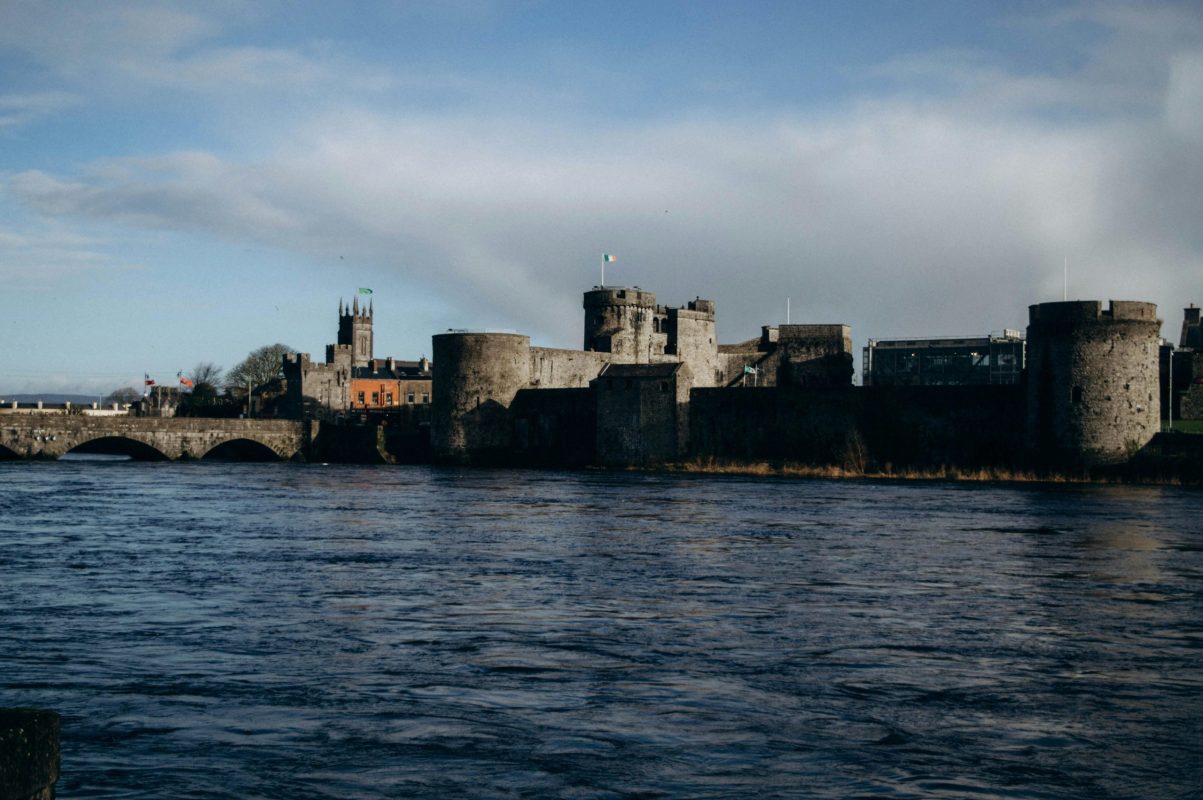
You can still hear it echo through the valleys and the streets, can’t you? The sound of rebellion, of thunderous hearts and whispered secrets. The River Shannon, long considered a vein of tranquillity, became a crimson symbol of defiance on that fateful day. As the currents ran red, they stained the very soul of Ireland, reminding us of our history, our struggle, and the waters that carve our stories into the land. This isn’t just about water, my friends; it’s about what flows beneath, and what we choose to remember.

The Heart of the Story

In the verdant heart of Clare, alongside the banks of the mighty Shannon, whispers of rebellion have danced through the air for centuries. Each ripple, each splash, tells a story of those who have fought — not only against the oppressors but against the tide of forgetfulness. I remember my granda using to say, “Blood is thicker than water, but the river runs deeper.” It was here that local fishermen in the early 20th century would meet under the cover of mist, plotting, dreaming, harnessing the power of the river not just as a means to fish, but as a means to resist. What was wrought in those currents was more than just ambition; it was the spirit of a nation refusing to be lulled into submission.

The Wider Echo

But what does it mean for us today, as we navigate our modern rivers of worry — housing crises, economic fears, the diaspora yearning for home? The Shannon, once a conduit for rebellion, now navigates a sea of bureaucracy, whispers of modern-day protests echoing through its flow. We’re in a time where we must reconsider the significance of our landscapes. A river does not merely shape the soil; it carries our stories and struggles. It’s about recognition — from the mountains to the sea, every part of this land holds a tale, and as we carry our history, we find strength in remembrance.

The Now & The Next

What of future generations? The young, brimming with potential? Will they remember the sacrifices made for the freedoms they enjoy? In Dublin, down on the quays where the Liffey reflects the hustle of the modern world, we see myriad signs of resilience: murals depicting tales of old, community gatherings under the glare of streetlights. Yet, alongside these vibrant notes, a sense of urgency runs deeper. We no longer just march against colonialism or oppression; now, we fight against the fog of apathy that clouds our young. Their jerseys might be modern, but their identity is forged in that same spirit — that defiance in the face of adversity flows like the rivers of old.

Did You Know?

  • The River Shannon is the longest river in Ireland, stretching over 360 kilometers — a symbol of the resilience and rich history of the land it flows through.
  • Folklore speaks of spirits inhabiting the waters, where folklore and reality intertwine, reminding us that every drop tells a story.

FAQs

What’s the significance of the color red in Irish rebellion?
The color red symbolizes blood and sacrifice, often reflecting the struggles for freedom across our wonderful lands. It’s crucial we remember these sacrifices, especially regarding movements like the 1916 Rising in Dublin.

How does the River Shannon connect different parts of Ireland?
Ah, the River Shannon weaves through multiple counties, offering routes of connection and community. From the fjords of Limerick to the tranquil scenery of Kilbeggan, it’s a lifeline that binds our stories together.

Final Word

So as we sit, pint in hand, in our local, let’s not forget to raise a glass to that ancient river winding through our hearts. If you carry the same pride we do, you’ll find a piece of home waiting at
HubIrish.com. Let’s keep telling our stories, as vivid as the waters that flow through our land, as rich and deep as the roots that hold us firm.
Rebels to Rock Stars: The Dublin Night That Changed Everything

Rebels to Rock Stars: The Dublin Night That Changed Everything

From Rebels to Rock Stars: How One Night in Dublin Ignited a Cultural Revolution

Estimated reading time: 6 minutes

Key Takeaways

  • The late 70s Dublin rock scene was pivotal for the emergence of iconic bands.
  • Music became a powerful medium for cultural identity and expression.
  • The legacy of these artists continues to inspire modern musicians.

Table of Contents

Introduction
The Heart of the Story
The Wider Echo
The Now & The Next
Did You Know?
FAQs
Final Word

Introduction

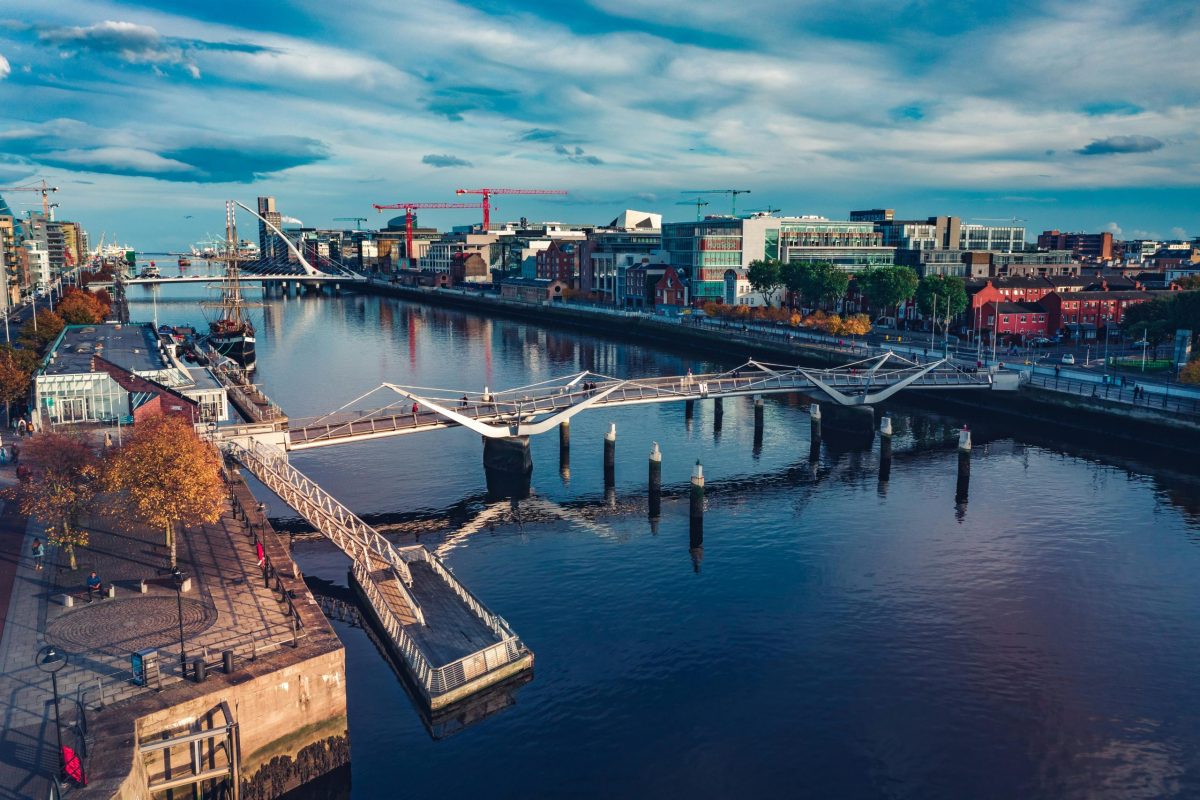
There’s a fire in the heart of Dublin — a blaze that ignited not just a night of raucous revelry but a revolution in art, music, and the rebellious spirit of a people who’ve known far too much struggle. On a drizzly evening stitched with hope and raw whiskey, Dublin transformed; from cobbled streets echoing the footfalls of our ancestors to the electric hum of artists proclaiming their truth. It was one night that would take the city’s defiance and dress it up as rock ’n’ roll, bloody hell! In this tale, we turn to the grit of the past, breathed into life by the magic of here and now.

The Heart of the Story

Picture this: it’s the late 70s, and Dublin, represented by its magnificent Dublin, was a cauldron of creativity, bubbling anxiously beneath the weight of a tepid economy and political unrest. Enter the rebels of rock music — the ones looking to shake off a history haunted by oppression and embrace a sound that reverberates with their agony and ecstasy. Thin Lizzy were the legends emerging from those smoke-filled pubs, belting out raw poetry against the backdrop of their troubled soil and troubled hearts. Every riff and lyric was a grenade —soaring, bursting, shattering the status quo.

The Wider Echo

This wasn’t just music; it was a movement. Across a divided Ireland, from the shores of Kerry to the plaid-clad streets of Derry, people felt the pulse of something greater. In pubs, classrooms, and under star-lit skies, folks whispered, roared, and connected through melodies. The night awakened a fierce sense of identity that would echo through generations, igniting the flames of both unity and individuality. As one passionate fan once said, “Our troubles are real, but so is our spirit.” These melodies stitched our past to our future, forming a tapestry of cultural pride.

The Now & The Next

And today? You can walk those very streets where the ghost of rebellion mingles with the pulse of modernity. Fast forward to the present, where you see generations of artists reclaiming that audacity. The melodies have evolved, yes, but the spirit remains the same. A young lad in a Kerry jersey in the heart of New York dances to a beat that still reverberates from those Dublin nights. Each note whispers stories of our ancestors, of struggles won and lost, and of pride that refuses to dim. An identity revived, a legacy secured.

Did You Know?

  • The Irish rock scene in the late 1970s birthed bands that would gain international acclaim, such as U2, which remain iconic today.
  • Many of the songs written during this era stood as anthems for various movements — political and personal —making waves both in Ireland and around the world.

FAQs

What inspired the rise of Irish rock music?
Social upheaval, political unrest, and a longing for expression drove many artists to resonate with the struggles of their people, leading to a vibrant music scene.

How has the legacy of performers like Thin Lizzy influenced modern artists?
Their fearless storytelling and musicality paved the way for a generation of musicians who continue to find pride in their narratives — all throughout the world.

Final Word

So here’s to the rebels turned rock stars, to the magic of that night in Dublin — may we hold onto that spirit, relish in our melodies, and let our stories flow like the finest of Irish whiskey. If you carry the same pride we do, you’ll find a piece of home waiting at
HubIrish.com.

The Legacy of the Irish Diaspora in America

The Legacy of the Irish Diaspora in America

The Day the Shamrock Rose: How Irish Diaspora Changed the Face of American Culture Forever

Estimated reading time: 7 minutes

Key Takeaways

  • The Irish diaspora profoundly influenced American culture through music and identity.
  • St. Patrick’s Day evolved into a global celebration of Irish heritage.
  • Resilience of the Irish people is reflected in their enduring cultural traditions.

Table of Contents

Introduction
The Heart of the Story
The Wider Echo
The Now & The Next
Did You Know?
FAQs
Final Word

Introduction

Once upon a misty morning in a dimly-lit pub, the air thick with the scent of stout, an old fella regaled us with a tale of shamrocks traveling across the Atlantic. A tale of hardship, heart, and the spirit of those who left their roots behind yet held their heads high. This is a swirl of pride, rebellion, and glory — how the Irish diaspora has carved out a soul in the great American tapestry, leaving a mark deeper than the grooves of any old fiddle.

The Heart of the Story

Picture it now: the winding lanes of Kerry, where folk sang of longing as they waved goodbye to parents, lovers, and fields of green. As they set sail on rickety boats, hope and despair roiled in their hearts. They arrived in a land where the skies were gray and the roads paved with dreams yet unfulfilled. But they brought their stories and their tunes, sowing seeds of culture that would bloom in the unlikeliest of places, from the bustling streets of Boston to the quiet corners of Chicago.

These new Irish Americans held onto their identity through music and dance, from fiddles thrumming in the back rooms of taverns to the sound of clinking glasses as rebel songs rose in defiance against the oppressors. The echoes of a distant homeland rang out, filling the streets with laughter and lament, mixing with the jazz and blues, creating a symphony of cultures.

The Wider Echo

As we look back, we see it — this isn’t just a tale of individuals. It’s the rise of the Irish in America that screams resilience. By the end of the 19th century, nearly a third of all the pub owners in New York City were Irish. The shamrock, once a mere weed in the fields of Galway, now graced the rooftops of skyscrapers and the caps of baseball teams. It became a badge of honor, and St. Patrick’s Day transformed from a quiet reflection in rural towns to the world’s biggest party, a celebration of a heritage that none dared to forget.

In the words of Eamon de Valera, “The Irish have not mislaid their nationalities; they wear them as a badge of honor.” And as the Irish flag was raised, it wasn’t just a piece of cloth; it was the spirit of a people — fierce, proud, full of life. Each heartbeat of the diaspora echoed in every celebration, every struggle, and every triumph in the face of adversity.

The Now & The Next

Today, as we sit in cafés in Dublin or bars in San Francisco, we find ourselves in a world where the history of our migration whispers through the cities we call home. The housing crisis haunts families, from Cork to Corktown, as stories of old poverty linger like the ghost of a banshee. But even in struggle, we thrive — Irish identity bubbles in the froth of pints and the triumphant cries at GAA matches abroad. A kid in a Kerry jersey in New York is more than a garment; it’s a heartbreak and a hope, a cry for acceptance, a connection to roots long buried but never forgotten. Those emerald threads that tie us together are stronger than steel.

Did You Know?

  • Over 10% of the U.S. population claims Irish ancestry, forever altering American culture and identity.
  • St. Patrick’s Day is celebrated in more countries than any national festival, bringing waves of green and shamrocks across the globe.

FAQs

What are the roots of Irish-American music?
Irish-American music developed from the blending of traditional Irish music and other cultural influences, giving birth to genres like Celtic punk and folk pop. Find your piece of history with an authentic art piece inspired by this vibrant culture.

Why is St. Patrick’s Day so globally significant?
It’s a day where everyone embraces the Irish spirit, celebrating resilience and joy. From the Irish diaspora in America to the streets of Dublin, everyone wears green and shares a story — and perhaps a pint or two.

Final Word

So, raise your glass in celebration of our past, present, and future. For every shamrock that travels far, there’s a heart that beats strong — a reminder of where we come from and who we are. If you carry the same pride we do, you’ll find a piece of home waiting at HubIrish.com.
The Heartbeat of Irish Community in Old Pubs

The Heartbeat of Irish Community in Old Pubs

The Last of the Old School: How an Irish Pub Became a Sanctuary for Lost Souls and Stories

Estimated reading time: 7 minutes

Key Takeaways

  • The Irish pub is a cultural sanctuary where stories and community intertwine.
  • These spaces serve as refuge against loneliness and a connection to heritage.
  • While some traditional pubs are disappearing, many remain vibrant and full of history.

Table of Contents

Introduction
The Heart of the Story
The Wider Echo
The Now & The Next
Did You Know?
FAQs
Final Word

Introduction

There’s magic to be found in shadows. The dim-lighted corners echo with laughter, tales twisted like good whiskey. Welcome, my friend, to the pub—an altar of stories where the lost souls gather over pints, exchanging struggles and glories under the watchful gaze of the old tin sign that reads, “The Last Pint Before the Long Road Home.” This is no mere watering hole; it’s a sanctuary veiled in smoke and friendship, where the weight of the world is lifted, one tale at a time.

The Heart of the Story

In the ancient streets of Galway, a pub stands defiantly against the tides of time. Its wooden beams creak with the burden of countless stories—of heartbreak, rebellion, and the laughter of those who dared to love fiercely in a world full of strife. It’s here that Malachy, the rugged barkeep with hands hardened from years of pouring pints and listening to broken dreams, threads together the fabric of community. Malachy knows every drink order and every heartache that lingers in the air, like the smell of freshly pulled pints. He waits for that moment—just the right swell of pain or joy—to offer his sage wisdom or, more often than not, a sympathetic ear.

The Wider Echo

Beneath the laughter, the pints, and the clinking glasses lies a quiet understanding: these gatherings are not just escapism. They are a tapestry woven with shared experiences, a rebellion against loneliness and displacement. In a world where our Irish brothers and sisters find refuge in Boston bars and London pubs—the heartbeat of our land beats loudest in these cherished spaces. Ireland is scattered far and wide, but every story of loss or longing creates a sense of belonging, echoes of our history, both glorious and tragic.

The Now & The Next

As the moonlight spills over the pub’s cracked windows, the conversations grow weighty. An immigrant from Kerry reminisces about home, a young lad shares dreams of GAA glory with his Kerry jersey on, all while eyes glisten with the kind of hope that comes from being rooted, no matter how far one travels. The pub isn’t just a relic of the past; it’s a lifeline, reminding us that family, tradition, and identity weave together like the finest of Irish tapestries. It’s our touchstone in times of rising rents, environmental change, and the incessant march of progress. Just last week, a motion went through the council back home to preserve the last of these old pubs against the wave of gentrification—a battle cry from those who know the heart of an Irish pub beats for more than profits.

Did You Know?

  • Irish pubs have been recognized by UNESCO as an Intangible Cultural Heritage due to their historical and cultural significance.
  • According to surveys, 70% of Irish people consider the local pub their home away from home, where countless friendships and romances have blossomed.

FAQs

Why is the Irish pub considered important in our culture?
The Irish pub symbolizes community and togetherness, serving as a gathering place for storytelling and bonding, echoing our rich heritage. Want a piece of that? Try a new GAA jersey—it’ll connect you to your roots, wherever you may roam.

Can you still find old school pubs in Ireland?
Absolutely! While some have succumbed to modernism, many authentic pubs thrive, filled with history, character, and welcoming souls. You just have to wander the right streets, like in Cork, where the stories pour as freely as the stout.

Final Word

So, pull up a stool, feel the warmth of the hearth, and let the stories wash over you like a wave of nostalgia. As the last round is called, remember that every heart echoes with its own tale. If you carry the same pride we do, you’ll find a piece of home waiting at
HubIrish.com.
Irish Athletes Rising From Adversity

Irish Athletes Rising From Adversity

From the Fields of Famine to the Halls of Fame: How Irish Athletes Overcame Adversity to Triumph on the World Stage

Estimated reading time: 6 minutes

Key Takeaways

  • Irish athletes have risen from the depths of adversity to showcase their talents globally.
  • The spirit of resilience is embedded in the culture, reflected in their sports achievements.
  • Contemporary issues mirror historical struggles, uniting the Irish identity through sport.

Table of Contents

Introduction
The Heart of the Story
The Wider Echo
The Now & The Next
Did You Know?
FAQs
Final Word

Introduction

Gather ’round, dear friends, and lend me your ears. We’re spinning a yarn, long and winding as a Connemara road, about grit — the kind that meets sweat and tears on the world’s grand stages. It’s a tale steeped in storms and sunshine, from fields bitter with famine to the hallowed halls of triumph. This is not just the story of our champions, but a reflection of a people — resilient, defiant, and forever searching for the light, even when the dark feels pervasive.

The Heart of the Story

Think of the haunting cries of the old times, where Irish feet trod fields once starved of life. They were fields of sorrow, yet they birthed athletes who’d come to embody the struggle and spirit of our nation. Take a gander at County Galway, where legends were sewn into the very fabric of the turf. That red-haired sprinter who rose from the ashes, racing not just against time but against the legacy of those who suffered before him. Every achievement, a nod to those who endured — the weight of famine pressing down, yet every shot, every sprint, resonating with the call of the ancestors.

The Wider Echo

Now, look beyond our shores. The Irish have nestled into every corner of the globe, bringing with them stories of resilience. We’re a nation who has waltzed through desperation and into delight. Figures like Katie Taylor, wearing victory as if it were second skin, forge paths not just for themselves but for entire communities. Every time she raises a glove, it’s a love letter to grit. “You can’t take the fight out of the Irish,” they say, and that’s truer than the weather forecast—often grim, but not without a flicker of hope and warmth. In those moments, reigniting the flame of pride, we remember our power, our fortitude.

The Now & The Next

And here we sit today, surrounded by stories of struggle that parallel our past. The housing crisis pushes families into corners and the battlegrounds of everyday life. Our children wearing their County jerseys with pride, running down the streets of New York, Dubai, or any pub in between, carrying a legacy riddled with both beauty and pain. These athletes—be they hurlers, footballers, or boxers—are crafting a new narrative of what it means to be Irish today. They remind us that the fight isn’t over; we continue to push forward, whether on a pitch or in life’s daily scuffles, with a fierce determination that sings from the marrow of our bones.

Did You Know?

  • In the early 1900s, Ireland had the highest number of amateur athletes per capita than any other nation.
  • Kerry has won the All-Ireland Senior Football Championship a record 37 times, making their GAA legacy one of triumph against the odds.

FAQs

Why is sport so important to Irish identity?
Sport is the lifeblood of our communities. It connects us, inspires pride, and reflects our resilience, particularly in the face of adversity.

How can I support Irish athletes?
Show up to matches, share their stories, and wear their jerseys with pride! Dive into the Celtic spirit through sporting events that keep our history bright. Check GAA jerseys for pieces of heritage.

Final Word

So here’s to the heroes born from hardship—those who remind us that even the darkest evenings do not last forever. Let’s raise a glass, whether filled with whiskey or cheer, to the fighters, the dreamers, and kin stretching across continents. If you carry the same pride we do, you’ll find a piece of home waiting at
HubIrish.com.
The Rebel Songs That Shaped Ireland’s Identity

The Rebel Songs That Shaped Ireland's Identity

🇮🇪 “When the River Shannon Brought the Rebel’s Song: The Night Ireland Found Its Voice” — A Journey Through the Forgotten Folksongs That Shaped a Nation’s Identity

Estimated reading time: 7 minutes

Key Takeaways

  • Folksongs are a vital thread connecting generations of Irish culture.
  • The River Shannon is a symbol of resilience and identity.
  • Modern social movements can draw inspiration from traditional ballads.

Table of Contents

Introduction
The Heart of the Story
The Wider Echo
The Now & The Next
Did You Know?
FAQs
Final Word

Introduction

Gather ’round, dear readers, for a tale spun from the very fabric of our misty isle. A story of voices lifted high on the banks of the River Shannon, where the winds carried a song that spoke of loss, love, and rebellion. It’s a tale of the songs that have flowed through our hearts like the waters of that grand river — songs that tell of our past, connect us to our ancestors, and ignite a fire in our souls like a late-night session in a crowded pub. So, pour yourself a glass, listen close, and let’s dive into the melody, the heartache, and the pride draped in our rich tapestry of forgotten folksongs.

The Heart of the Story

In the quiet corners of Clare, where the ancient stones of the Burren tell stories older than time itself, folksongs danced on the tongues of farmers and fishermen alike. The notes mingled with the sound of the lapping water and the cries of seabirds, ushering forth tales of rebellion — of the boys who took to their feet, not to run, but to stand against tyranny, to sing against the chains that bound them. The likes of “The Rising of the Moon” echoed through the ages, reminding us that the spirit of our forebears lives on every time we share a drink or share a tune. In Clare, the heartbeat of our nation thrums in the melodies of forgotten ballads, breathing life into the stories of our struggle and our enduring hope.

The Wider Echo

What resonates from the banks of the Shannon stretches far beyond fleeting notes or resonant chords. The echoes of our songs reflect the shared experiences of a wandering diaspora, from Boston pubs to the bustling streets of London and the sunny terraces of Sydney. Folksongs are our map, navigating us through life’s grief and glory. They remind us of failed promises and the harsh realities of empire and famine, yet still raise a glass to resilience. For every note that’s sung, there’s a history carried across oceans and ages. “Our revenge will be the laughter of our children,” said Bobby Sands, and through song, we ensure that laughter sings loud and clear, reuniting us, even when miles apart.

The Now & The Next

Today, as we grapple with housing crises and the creeping shadows of uncertainty, we are reminded that our roots still run deep. Imagine a young Traveller child, proudly wearing a Kerry jersey, standing firm on the field — a living emblem of strength and identity forged from the legends sung by their kin. These ballads make the present real, bridging the gap between past and future. They remind us to be proud of our county, our heritage, and the collective strength we hold as we sing our way through the challenges of today. Let every chord played be a reminder of who we are and who we are yet to become.

Did You Know?

  • The River Shannon is the longest river in Ireland, flowing 360 kilometers from the Shannon Pot in County Leitrim to the Atlantic Ocean.
  • The Song “The Foggy Dew” recounts the Easter Rising of 1916 and has become a staple of Irish folk music, carrying the weight of a nation’s memory.

FAQs

What role do folk songs play in Irish culture?
They are the heart and soul of our history, echoing the struggles and joys of the Irish people — a thread that binds us across generations and geographies.

Can folk songs help in today’s social movements?
Absolutely! They inspire and unite us, reminding us of our shared struggles while encouraging action and resilience in the face of adversity. Songs often mark the pivotal moments in our journeys towards justice.

Final Word

So, as we close this chapter, remember — each tune, each tale, is a piece of home. Let the rebel’s song flow through you like the Shannon itself, connecting you to the roots of your ancestors and the pulse of your past. If you carry the same pride we do, you’ll find a piece of home waiting at
HubIrish.com.

The Heartbeat of Irish Culture Around the World

The Heartbeat of Irish Culture Around the World

From Mullingar to Montmartre: The Irish Love Affair That Turned the World Into a Stage

Estimated reading time: 6 minutes

Key Takeaways

  • Irish music transcends borders, uniting millions globally.
  • There are approximately 70 million people worldwide of Irish descent.
  • The Irish cultural influence is deeply ingrained in global music.

Table of Contents

Introduction
The Heart of the Story
The Wider Echo
The Now & The Next
Did You Know?
FAQs
Final Word

Introduction

Ah, there’s an old spirit in our bones, in the whispers of the night that beckon us to remember—how we’ve taken the world and spun it like a well-loved yarn. From the hum of a Mullingar pub to the light of Montmartre’s cafés, we’ve made our mark in laughter, rebellion, song, and dance. A love affair, they call it. But it’s more than that—it’s the very pulse of our Irish heart beating in every corner of the globe.

The Heart of the Story

Think of the last time you walked into a bar—any bar, maybe in Wicklow, perhaps—and there’s the band, the fiddles and flutes wailing tunes that echo the rich history of what it is to be Irish. In that moment, you’re no longer just yourself. You become a part of something greater. A ballad, a story shared ’round a table, and you’re swept away by the ache and glory of it. Every chord strummed reverberates with generations of heartbreak and joy, echoing the likes of Christy Moore and the tales of our ancestors, who danced to the sound of freedom and defiance. Yes, our songs go beyond sea and soil; they mingle with the scents of Dublin’s streets and the lights of Parisian nights, a tapestry woven with pride and resilience.

The Wider Echo

But let’s not fool ourselves—this isn’t simply a tale of mirth and music. No, it’s a saga stitched with the stitches of struggle—politics driving us away and the dreams we weave into our journeys. Whether it’s in the heart of New York or on the bustling streets of London, we carry our stories. And, oh how they linger in the air! Remember those with the courage to leave everything behind in search of a better tomorrow? They took their tunes along, transforming foreign lands into stages for their souls. Reports tell us that around the world, some 70 million people claim Irish heritage. That’s not just numbers, folks, that’s an uproar—an anthem of diaspora echoing in every bar, every café, and every heart. Here, where separation thrusts families apart, music and story bind us together like an unyielding net.

The Now & The Next

Fast forward to today—a spirited modern struggle unfolds amidst economic strains and rising barriers. Families torn apart, dreams tattered, and the daily battles in places like Cork’s streets ahead. Yet, in every gaelic football match in Brooklyn, in every Céilí concert online, that heartbeat remains steadfast. It’s the twelve-year-old kid in a Kerry jersey dreaming of making his mark while knowing he’s part of a grand legacy. Our identity is a living thing, ever-growing and ever-changing, with tales still to be told. We’ll keep honoring those who paved the way, in memory and in spirit. If the world gives us no stage, we’ll dance in the streets.

Did You Know?

  • Over 70 million people worldwide identify as having Irish ancestry, making up a large part of the global diaspora.
  • The Irish influence on global music is so profound, it’s estimated that one in six musicians worldwide has Irish roots.

FAQs

What are some of the best places to experience Irish culture abroad?
Cities like Boston, New York, and London host rich Irish cultural landscapes with music, dance, and festive gatherings, especially during St. Patrick’s Day. If you’re feeling nostalgic, consider donning a classic GAA jersey while you’re there!

What role does music play in Irish identity?
Music is the heartbeat of Irish culture, transcending generations. From rebel ballads to contemporary folk music, it binds our past to our present, ensuring our stories never fade away.

Final Word

You see, as we gather ‘round the table in every pub, theater, and gathering place across the world, it’s the laughter and tears that bind us in an eternal embrace. If you carry the same pride we do, you’ll find a piece of home waiting at
HubIrish.com.