
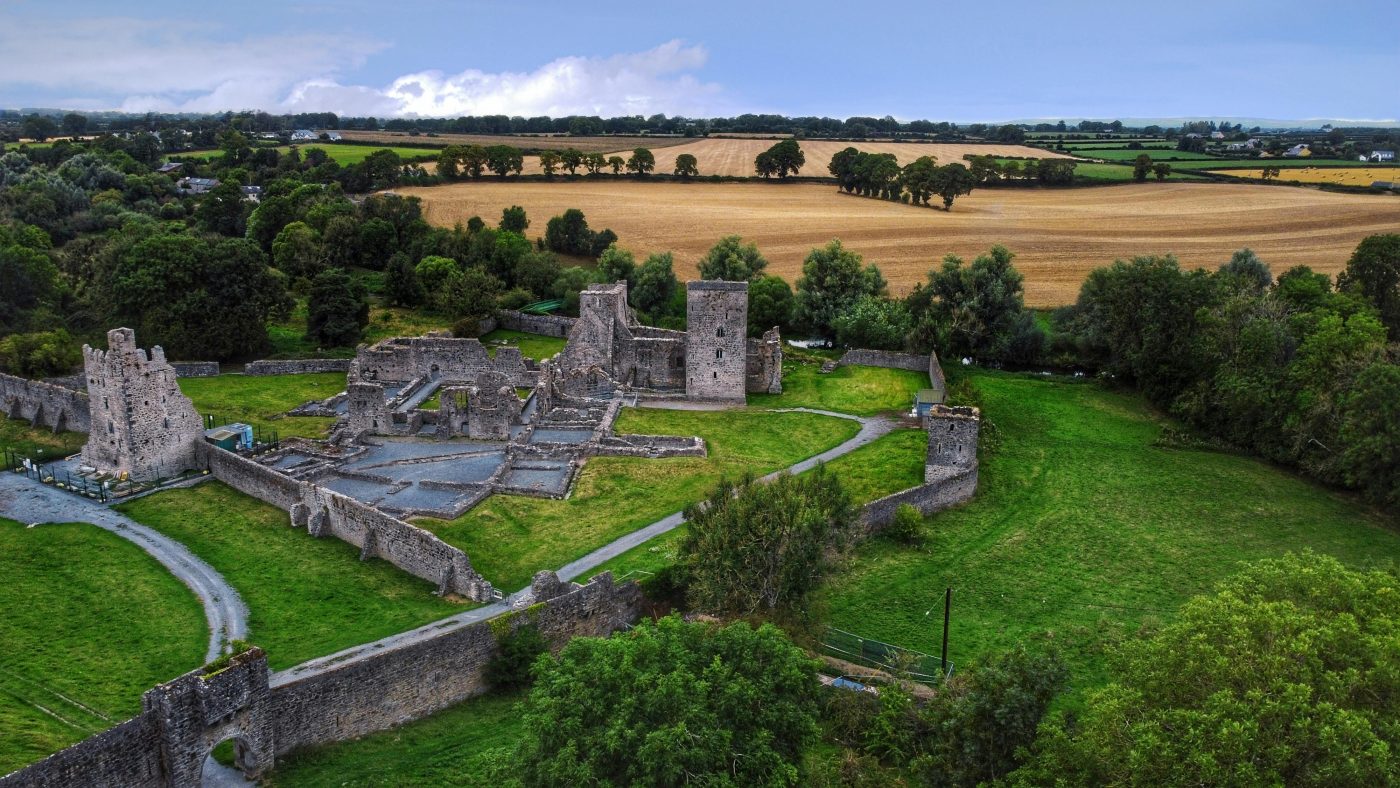
The Battle of Aughrim: A Turning Point for Ireland

The Battle of Aughrim: A Turning Point for Ireland

Published

Aughrim, 1691: The Battle That Changed the Course of Ireland’s Future and Left Its Wounds Unhealed

Estimated reading time: 5 minutes

Key Takeaways

  • The Battle of Aughrim was a crucial conflict in Irish history.
  • It resulted in significant casualties and a prolonged period of suffering for the Irish population.
  • The battle’s legacy continues to influence Ireland’s identity and socio-political landscape.

Table of Contents

Introduction
The Heart of the Story
The Wider Echo
The Now & The Next
Did You Know?
FAQs
Final Word

Introduction

In the gentle rolling hills of County Wicklow, the echoes of a forgotten battle still resonate. Aughrim, 1691 — a day when hope clashed against fate, and the dream of a nation fluttered at the brink of extinguish. Each year, the shadows of that summer remind us not just of the valor and tragedy of our forebears but of a legacy that whispers through centuries, urging us to remember and reflect.

The Heart of the Story

The Battle of Aughrim marked a pivotal moment in Irish history, a furious clash between the forces of William of Orange and the soldiers loyal to the deposed King James II. On July 22, amidst the verdant fields of County Wicklow, the air crackled with tension, the ground trembling beneath the weight of marching boots and fervent hearts. Over 7,000 lives stood in the balance that fateful day; it was not merely a contest for power but a soul-stirring fight for identity and faith. The defeat of the Irish troops did not just shatter the dreams of a kingdom but reverberated through the hearts of its people, prompting a century of exile and despair, where families would be torn asunder and lands left untended.

The Wider Echo

Aughrim’s shadow lingers over the annals of Irish history, an emblem of resistance and tragedy. The tens of thousands who fled their homeland in the wake of this battle are reminders of a diaspora steeped in heartache and resilience. As the generations of Irish emigrants scattered across the globe, they carried with them stories of struggle and survival — whispers of the lives lost at Aughrim weaving their narrative into the very fabric of lands from Boston to Sydney. Historian Timothy McMahon poignantly notes, “Each battle lost lays the groundwork for revolts yet to come.” The seeds of rebellion were sown long before the fires of 1798 or the sacrifices of 1916, forever etched in the Irish spirit.

The Now & The Next

The echoes of Aughrim resonate to this day, as modern Ireland grapples with its identity amid political strife and societal change. Just as those warriors walked into the fray, the voices of our youth march into today’s challenges, armed not with swords, but with the courage to demand change. As we face housing shortages, mental health crises, and economic disparities, who can forget the sacrifices of our ancestors? They stand as a reminder that we too have battles to wage — for dignity, for respect, and for a home that embraces each and every one of us, be it in the streets of Dublin or the shores of the diaspora.

Did You Know?

  • The Battle of Aughrim is considered one of the bloodiest battles ever fought on Irish soil, with casualties estimated at 7,000 soldiers.
  • The aftermath of Aughrim fueled the penal laws in Ireland, deepening the suffering and oppression of the Irish Catholic population for generations.

FAQs

What was the significance of the Battle of Aughrim in Irish history?
It marked a turning point in the Williamite War in Ireland, leading to centuries of suffering for the Catholic population and shaping the political landscape of Ireland. More on Wicklow history can be found here.

How is the memory of Aughrim honored today?
Annual commemorations and reflections keep the memory alive, reminding us of the sacrifices made and the importance of resilience in the face of adversity.

Final Word

As the sun sets over Wicklow, the spirits of Aughrim beckon us to remember — to honour their bravery, to recount their tales of sacrifice, and to find strength in our heritage.
If you carry the same pride we do, you’ll find a piece of home waiting at
HubIrish.com.

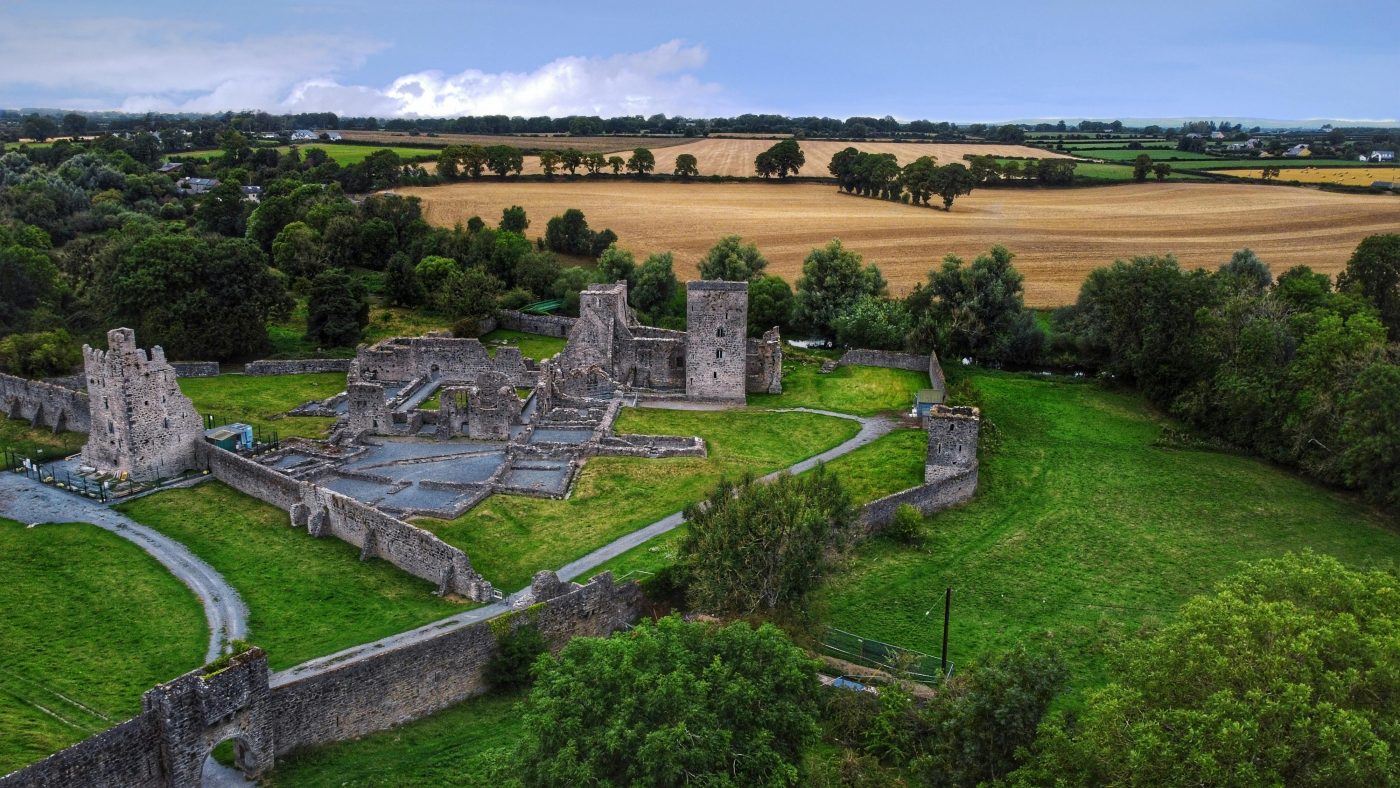
Éamon de Valera’s Defiance: A Night that Shaped Ireland

Éamon de Valera’s Defiance: A Night that Shaped Ireland

Published

The Night Éamon de Valera Defied the British Crown — and Changed Irish History Forever

Estimated reading time: 6 minutes

Key Takeaways

  • Éamon de Valera was a pivotal figure in the Easter Rising of 1916.
  • The Rising inspired a wave of Irish nationalism and resilience that resonates today.
  • De Valera’s legacy continues to influence movements for social justice in modern Ireland.

Table of Contents

Introduction
A Spark in the Night: The Rising of 1916
The Wider Echo: A Nation Braced for Change
The Now & The Next: Resilience in Modern Ireland
Did You Know?
FAQs
Final Word

Introduction

Darkness falls over Dublin like a heavy curse, and the air is thick with the tension of an unyielding spirit. In a tavern, heavy with the scent of whiskey and the sound of hushed whispers, lies the heart of a revolutionary. Éamon de Valera, the man who would become a legend, sits amongst his comrades, their dreams and fears coalescing into a singular moment that trembles on the brink of history. This is the night that defiance against the crown ignited a fire that continues to burn within the Irish soul.

A Spark in the Night: The Rising of 1916

It was April 24th, 1916, when the roar of revolution echoed off the grand walls of Dublin Castle. The leaders of the Easter Rising gathered, including de Valera, a man both scholarly and resolute, his heart alight with the fervor of a nation longing to break free. As the streets burned and the soldiers of the Crown marched in, the passion of a people was given voice. De Valera was not just a participant; he was a guiding force.

The whispers of rebellion spiraled from the whispers of Cork to the hills of Kerry, bridging the divide between urban and rural, between the past and the future. With the doors of history flung wide open, the rebels of Dublin stood firm. Their cause began to weave through the soul of Ireland, rallying everyone who still had a breath left to fight for their own identities.

The Wider Echo: A Nation Braced for Change

But the Rising would not be the end. Instead, it ignited a spirit of resilience that spread beyond Dublin’s cobblestones. As jails filled with political prisoners and the specter of execution loomed, the echoes of Dublin reached across the seas, calling to the Irish diaspora nestled inside Boston bars, galvanizing support, and turning hearts against the British oppression.

Éamon de Valera, imprisoned, transformed into a symbol — a man steadfast against the weight of imperialism that thought it could stunt Irish ambition. His speeches, delivered with fervor and longing, would later resonate from the gilded salons of Washington D.C. to the narrow lanes of Derry. He didn’t just talk of Ireland’s freedom; he ignited the very essence of what it meant to be Irish. You can hear the cadence of his voice in the murmur of the River Shannon, a timeless testament to unity and resistance.

The Now & The Next: Resilience in Modern Ireland

Fast forward to today, and Ireland is at a crossroads once again, though the oppressors have changed. The spirits of de Valera and his compatriots linger in protests for housing rights, climate justice, and equality for all. Young voices rise in the vibrant streets of Belfast and the bustling neighborhoods of Dublin, demanding change, much like those defiant souls in 1916.

As the country grapples with myriad challenges, the legacy of de Valera serves as a guiding light. His belief in the potential of Ireland fuels a generation ready to confront the ghosts of inheritance. Each call for justice is an echo of his defiance, and each march across the earth is a reminder that the heart of a true Irishman knows no bounds. Our bloodlines trace back to those who fought before, reminding us that our voice matters today, just as it did on that stormy night in Dublin.

Did You Know?

  • Éamon de Valera was not only a politician but also served as the President of the Irish Republic and later as Taoiseach, playing a pivotal role in transforming Ireland into a modern state.
  • The night of the Rising saw not just revolutionary fervor but also the Irish language being championed—de Valera’s love for the language shaped cultural pride that resonates to this day.

FAQs

What was Éamon de Valera’s role in the Easter Rising?
He was one of the key leaders, helping to articulate the vision of a free Ireland and leading troops in the fight against British rule. You can explore more about Ireland’s turbulent history through items from 1916 commemoration gear.

What is de Valera’s legacy today?
His legacy inspires contemporary movements for social justice and political reform, echoing the continuous struggle for freedom and dignity across Ireland.

Final Word

As we gather our thoughts around the flicker of candlelight in our homes or the flickering screens of our devices, let us remember de Valera’s defiance and the dreams of that fateful night. Let them instill a fire within you to stand for justice. If you carry the same pride we do, you’ll find a piece of home waiting at HubIrish.com.
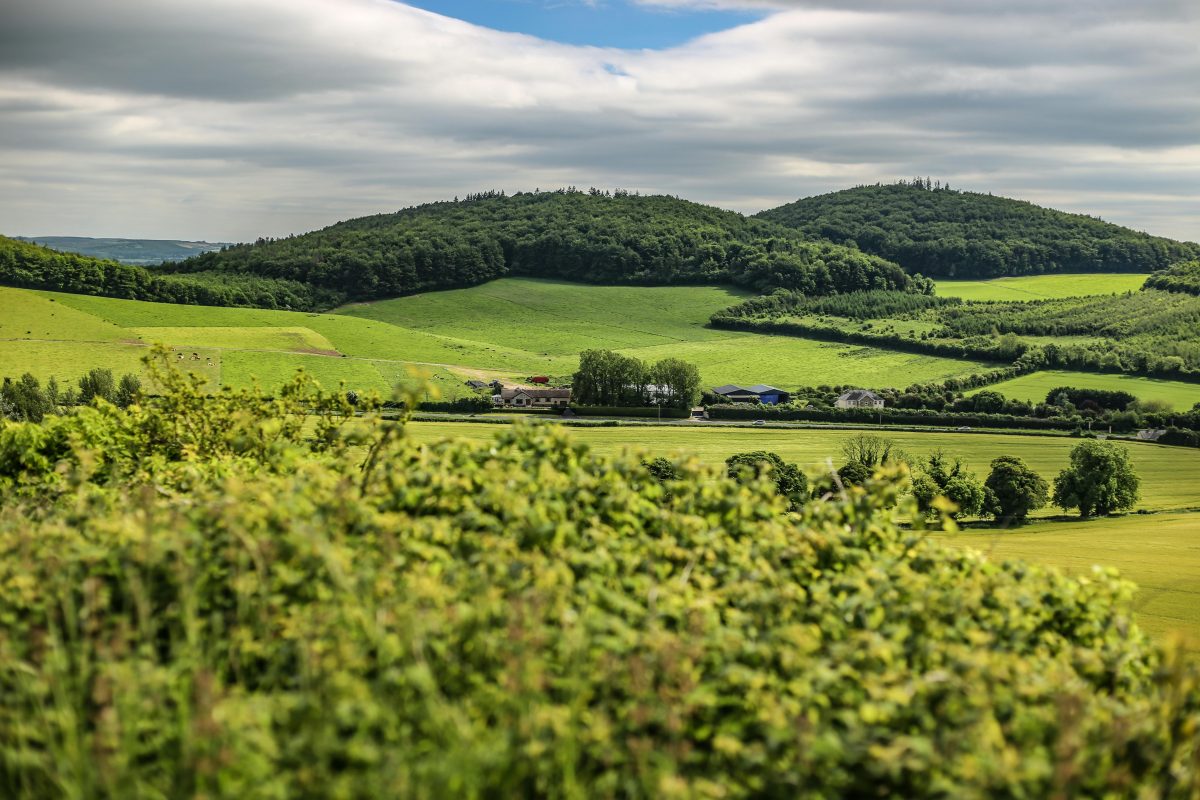
The Hidden Lives of the Tuam Babies

The Hidden Lives of the Tuam Babies

Published

The Hidden Lives of the Tuam Babies: A Heartbreaking Legacy of Mother and Child

Estimated reading time: 5 minutes

Key Takeaways

  • The Tuam Mother and Baby Home housed over 9,000 women from 1925 to 1961.
  • A shocking report in 2014 revealed that up to 796 babies may be buried in unmarked graves at the site.
  • The legacy of the Tuam babies continues to spark discussions around justice and reconciliation in Ireland.

Table of Contents

Introduction
The Heart of the Story
The Wider Echo
The Now & The Next
Did You Know?
FAQs
Final Word

Introduction

In the quiet town of Tuam, nestled in the heart of County Galway, echoes of grief and betrayal stir the soil beneath our feet. It’s a sorrow that refuses to fade, a haunting tale woven from the fabric of shame and lost innocence. Here, among the memories of mothers torn away from their children, lies a legacy that compels us to confront the darkest corners of our history.

The Heart of the Story

In 1925, a shocking discovery rocked the small community of Tuam as the remains of hundreds of infants were uncovered at the site of a former mother-and-baby home run by the Bon Secours Sisters. The site, a grim testament to the cruelty faced by many unwed mothers in Ireland throughout the 20th century, revealed the chilling truth—a hidden graveyard where the lost lives of these children lay silent, their stories untold. They were the babies of young women, often shunned by society. They were the children of sin, someone’s shame. The very existence of this home was steeped in secrecy, with mothers forced to live behind high walls, their screams of sorrow echoing through the narrow passes of Galway.

The Wider Echo

The truth unearthed in Tuam resonates far beyond the confines of its county. It speaks to a collective trauma shared not just among the families directly affected but across generations of Irish people grappling with a legacy riddled with neglect, discrimination, and a part of our collective identity that many wish to erase. As we reckon with the brutal realities faced by these women, the forced adoptions, and the inhumane treatment, we find ourselves standing at a crossroad of justice and reconciliation. Even today, as the scars of this injustice remain fresh, we are reminded of how deeply faith and shame intertwined in the fabric of Irish society. The heartbreaking truth is that these children were as unseen in life as they were in death, testament to a system that often valued purity over compassion.

The Now & The Next

Today, the Tuam tragedy serves as a poignant reminder of the struggles that mothers still face. In a country where a housing crisis looms large, and a history of putting societal expectations above individual humanity continues to haunt national discourse, we find ourselves asking: what lessons have we learned? As movements for justice gain momentum, the stories of those babies will not be silenced. They surge forth, urging us to fight for a future where every child matters and every mother is treated with dignity. The Tuam babies remind us that we must break the cycle of abandoning those in need. The pain of their absence fuels a fire within the Irish spirit, all the while igniting conversations on mental health, joyful motherhood, and the fundamental right to love freely.

Did You Know?

  • The Tuam Mother and Baby Home operated from 1925 to 1961, with over 9,000 women housed there.
  • In 2014, a report revealed that up to 796 babies could be buried in unmarked graves on the site, a number that shocked the nation and reignited conversations about systemic neglect.

FAQs

What actions have been taken regarding the Tuam site?
Following public outcry, several investigations have been conducted, and in 2019, the Irish government promised to carry out a forensic excavation of the site, ensuring the stories of these children will finally be told.

How can I help raise awareness about this issue?
Supporting organizations that advocate for the rights of mothers and children and promote awareness of these historical injustices can help foster a more compassionate society.

Final Word

The ripple of the Tuam babies’ story extends beyond time—it’s a call to remember and to reckon. As we move forward, let us carry their memories like a torch, illuminating paths of honesty and healing in our continuing journey towards justice. For those who carry the pride and pain of our shared history, a piece of home beckons through the shadows of our past at
HubIrish.com.

The Legacy of Mary Elmes and Her Courageous Heart

The Legacy of Mary Elmes and Her Courageous Heart

Published

The Forgotten Legacy of Mary Elmes: The Irish Woman Who Rescued Jewish Children from the Holocaust

Estimated reading time: 5 minutes

Key Takeaways

  • Mary Elmes was a heroic figure during World War II, saving Jewish children from Nazi oppression.
  • Her legacy challenges historical narratives about the role of Irish women in times of crisis.
  • The spirit of her activism continues to inspire action against social injustice in contemporary Ireland.

Table of Contents

Introduction
The Heart of the Story
The Wider Echo
The Now & The Next
Did You Know?
FAQs
Final Word

Introduction

In the shadows of history, there lie unheralded heroes, their stories buried beneath the weight of time. One such champion, an unlikely warrior, emerges in the tale of Mary Elmes, an Irish woman whose fierce love and unyielding spirit transcended the boundaries of fear and hatred during the darkest of days. While the world turned a blind eye, Elmes became a beacon of hope, cherishing lives lost to the brutality of the Holocaust and carving a niche of humanity in the face of despair.

The Heart of the Story

Born in 1908 in County Clare, Mary Elmes didn’t conform to the norms of her time. Stepping into the grim reality of World War II, she linked arms with others of brave heart who risked everything to save Jewish children from the clutches of Nazi oppression. Her journey took her to France, where she poured her energy into aiding refugee children, providing shelter amidst chaos. Despite the risks, she became a vital force in the clandestine networks that smuggled children from occupied territories, demonstrating that empathy could be an unyielding force against evil.

The Wider Echo

Her impact rippled back to Ireland and beyond, challenging prevailing notions of passivity in the face of the war. Mary Elmes’s story reminds us that Irish women, often overlooked in the annals of history, wielded power in silent rebellions. The Irish diaspora, scattering seeds of legacy wherever they roamed, continued to draw strength from the bravery of pioneers like Elmes who turned struggles into hope. As she once said, “If you are going to die tomorrow, you should live today.” In a world plagued by indifference, her courageous act reverberates like a distant drumbeat, echoing the cries for freedom and justice.

The Now & The Next

In today’s landscape, her resilience beckons us to face our own challenges. As Ireland grapples with rising social injustices and the burgeoning homelessness crisis, we see the spirit of Elmes manifest again in countless individuals who merge courage with compassion. Her life implores us to advocate for those at the margins, to remember the stories of loss and tenacity. Mary Elmes reminds us that the power to rescue a single soul, to challenge the status quo, exists within us all, waiting for the call to action.

Did You Know?

  • Mary Elmes was awarded the title of Righteous Among the Nations by Yad Vashem, honoring non-Jews who risked their lives to save Jews during the Holocaust.
  • In 2015, a tree was planted in her honor in Paris, where many lives were saved, symbolizing hope and the ties that bind our shared humanity.

FAQs

What motivated Mary Elmes to help Jewish children?
Her activism was deeply rooted in her Christian faith and a strong belief in human dignity, inspiring her to make a difference when it was most needed.

How is Mary Elmes remembered today?
From Clare to the halls of Yad Vashem, her legacy continues to inspire new generations to confront injustice through compassion and action.

Final Word

As we toast to the spirits of our past and present, let us carry forward the lessons of Mary Elmes. Her life whispers to us amid the tensions of today’s world — love knows no borders, and bravery shines brightest in moments of despair. If you carry the same pride we do, you’ll find a piece of home waiting at
HubIrish.com.
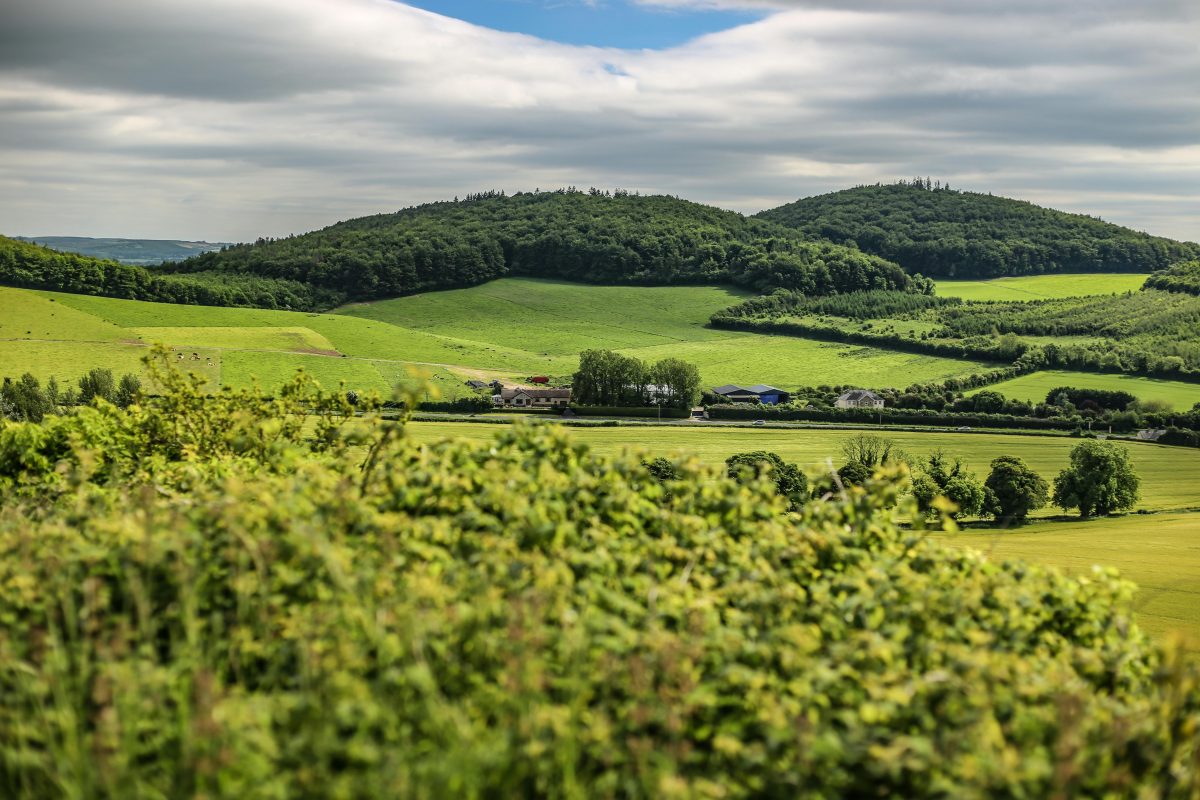
Ireland’s Heartfelt Return of Famine Victims

Ireland’s Heartfelt Return of Famine Victims

Published

The Day Ireland Welcomed Home the Dead: How the Memory of 1,500 Irish Famine Victims Changed Our Understanding of Grief

Estimated reading time: 5 minutes

Key Takeaways

  • The memory of the Irish Famine victims is a reminder of resilience and community.
  • Commemoration of loss fosters a sense of kinship among the diaspora.
  • Modern struggles echo the past, urging us to advocate for justice and hope.

Table of Contents

Introduction
The Heart of the Story
The Wider Echo
The Now & The Next
Did You Know?
FAQs
Final Word

Introduction

On a windswept day in May, the shores of Galway wept with the weight of forgotten souls. For a century, these lost lives were but whispers in the fierce winds of our past. Yet on that day, Ireland stretched out its arms in a haunting embrace, welcoming home 1,500 souls who sought solace from hunger and despair. What we grieved that day was not merely the dead, but the echoes of a resilience whose flames still flicker in our hearts.

The Heart of the Story

The year was 1849, a dark chapter etched into Ireland’s annals. As famine ravaged the land like a merciless beast, thousands embarked on a bleak journey across the treacherous waters of the Atlantic, seeking refuge and a promise of better days. Many never returned, their bodies claimed by the cruel embrace of the sea. However, the legacy of their struggle became a potent reminder of loss and love. The Irish people, with their backbone forged from centuries of oppression, transformed this tragedy into a tapestry of resilience.

The Wider Echo

More than just a tale of sorrow, these memories resonate through our collective consciousness, invoking the spirit of kinship among the diaspora. The ache of a loved one lost lives on in the hearts of those who now call Boston or Sydney home. In 1997, nearly 150 years after the famine’s devastating peak, a poignant ceremony was held to honor these victims. Ireland gathered not just to mourn, but to celebrate the spirit of survival and the indomitable will to overcome adversity. The act of remembering became an act of resistance, a declaration that while we grieve, we also fight to create a future unbound by the chains of our past.

The Now & The Next

Today, as we navigate through modern struggles—the housing crisis, the haunting echoes of economic uncertainty—we find ourselves entwined in this very legacy of grief and resilience. The memory of those lost during the famine reminds us to stand firm in our resolve, to protect and advocate for each other. Young people wearing Kerry jerseys at sporting events are more than just symbols of pride; they are threads in the fabric of a community that refuses to forget those who came before. Let their struggles empower our fight for justice, housing, and hope.

Did You Know?

  • Approximately 1 million Irish people perished during the Great Famine, and more than 1 million emigrated, altering the face of the nation forever.
  • The annual Day of Commemoration in Ireland reflects not just on those lost but also serves as a reminder of the strength that emerges from shared grief.

FAQs

What is the Day of Commemoration in Ireland?
The Day of Commemoration is a solemn occasion where we honor the memories of those lost during the Great Famine and celebrate their lasting impact on Irish identity and pride.

How can I participate in remembering the Famine?
Join local events, visit museums dedicated to Irish history, or share stories of ancestry, ensuring that the legacies of our past continue to inspire future generations.

Final Word

As we close this chapter on a haunting yet hopeful day, remember that grief binds us, reminding us that our collective spirit is unyielding. If you carry the same pride we do, you’ll find a piece of home waiting at
HubIrish.com.

Unearthing the Legacy of Tuam’s Silent Graves

Unearthing the Legacy of Tuam’s Silent Graves

Published

How the Silent Graves of Tuam Reveal a Legacy of Shame and Resilience in Ireland

Estimated reading time: 6 minutes

Key Takeaways

  • The discovery of over 800 children’s bodies in Tuam highlights a dark chapter in Irish history.
  • The mother-and-baby home system reflects societal shame and the stigma of unmarried mothers.
  • Ongoing efforts seek justice for those affected by historical injustices related to mother-and-baby homes.

Table of Contents

Introduction
[The Heart of the Story]
[The Wider Echo]
[The Now & The Next]
Did You Know?
FAQs
Final Word

Introduction

In the quiet town of Tuam, Galway, a haunting truth lies beneath the soil — silent graves filled with the remains of innocent children from the now-infamous mother-and-baby home. These unmarked sites are not just graves; they sing the songs of sorrow, love, abandonment, and a country’s shame, echoing the need for resilience amid a history marred by neglect and societal stigma. They are a testament to the dark legacy of Ireland, forcing us to confront our past while honoring the strength of those who suffered.

[The Heart of the Story]

It was in 2014 when the bodies of over 800 children were discovered in a mass grave at the site of the former Tuam home. Unrecognized, unloved, their lives extinguished so young, their stories erased from the history books. These infants, the children of unmarried mothers shunned by society, were born into a world that twisted love into fear and compassion into injustice. The bond of motherhood became a burden, a source of shame too great to bear. The Tuam mother-and-baby home, run by the Bon Secours Sisters from 1925 to 1961, became synonymous with a national scandal, exposing the dark underbelly of the Church’s influence on Irish life — and the devastating impact of stigma on vulnerable communities, particularly in Galway, where the evidence of this brutality silently lies.

[The Wider Echo]

This grave, a somber symbol of neglect, resonates throughout the diaspora, stirring feelings of rage and mourning amongst those who carry the weight of history. There is a collective memory in the Irish soul — a shared grief for those who were denied their dignity and humanity. The words of journalist and author, Lise Hand, come to mind: “The truth may be painful, but it is essential.” The revelations of Tuam force us, not just as a nation, but as a people, to reckon with the past. Beyond Tuam lies an ongoing struggle for justice for the many lost souls whose stories remain hidden, forgotten by society. Public outrage over the scandal signals a willingness to confront our past rather than sweep it under the rug, challenging a system that normalized cruelty in the name of morality.

[The Now & The Next]

Today, as we navigate healing and reconciliation in a modern Ireland, lessons from Tuam resonate louder than ever. The government’s apology in 2021 acknowledged the pain, but actions speak louder than words. With every call for justice, we remember the faces behind these silent graves, and that fight for recognition and accountability carries on. The ongoing issue of mother-and-baby homes reflects broader societal truths — it’s not just about the past; it’s also about the present. As families grapple with the fallout from historical injustices, the need for a comprehensive policy addressing the needs of those affected becomes imperative. Let it remind us of our collective responsibility — to champion a society where no child remains unrecognized, unvalued, or unloved.

Did You Know?

  • Over 9,000 women and children passed through the Tuam mother-and-baby home during its operation, with many never receiving any form of recognition.
  • The Irish government announced plans to conduct a national inquiry into mother-and-baby homes in 2017 but faced significant delays in implementing it.

FAQs

What actions are currently being taken to address the Tuam scandal?
In response to public outcry, the Irish Government has committed to a comprehensive report detailing the experiences of those affected by mother-and-baby homes, alongside an inquiry into the records held.

How can I support survivors and their families?
Support advocacy groups that work towards justice for survivors, such as the Survivors’ Network and other organizations fighting for acknowledgment and reparations for those affected.

Final Word

The silent graves of Tuam are more than just a painful reminder of what was lost; they reflect the resilience of a people determined to reclaim their narrative. If you carry the same pride we do, you’ll find a piece of home waiting at HubIrish.com.
Mary Robinson’s Fight for Justice in Ireland

Mary Robinson’s Fight for Justice in Ireland

Published

The Forgotten Legacy of Mary Robinson: How One Woman’s Fight for Justice Changed Ireland Forever

Estimated reading time: 6 minutes

Key Takeaways

  • Mary Robinson was the first female president of Ireland.
  • Her legacy includes championing human rights and social justice.
  • Robinson’s influence is felt in contemporary social movements.

Table of Contents

Introduction
Mary Robinson’s Groundbreaking Leadership
The Wider Echo of Her Message
A Legacy that Lives On
Did You Know?
FAQs
Final Word

Introduction

On the soft, rain-kissed soil of Ireland, where history runs as deep as the roots of ancient oaks, a fierce woman dared to challenge the status quo. Mary Robinson, a name that whispers in the winds of change, ignited a revolution of thought and compassion. Her journey became a hymn for those who dared to dream of a more just Ireland, one where every voice could rise above the din of silence. In a land steeped in tradition and often gripped by the shackles of prejudice, she stood firm, a beacon of hope, justice, and humanity.

Mary Robinson’s Groundbreaking Leadership

Mary Robinson’s rise to prominence began not just with a vision but through tireless effort and relentless advocacy. In the heart of Galway, her roots intertwined with the values of a community yearning for progress, she broke barriers as Ireland’s first female president in 1990. But Robinson was more than a figurehead; she was a revolutionary. In her inaugural address, she held the mirror up to society, challenging the norms that perpetuated inequality and injustice. “Our future lies in bridging the gaps,” she proclaimed, urging for an Ireland that embraced all its people, regardless of their history.

The Wider Echo of Her Message

Mary Robinson’s voice resonated beyond the fortress of Áras an Uachtaráin. Her commitment to human rights and social justice sparked an awakening in Irish society. When she championed issues such as women’s rights, climate justice, and the plight of the marginalized, she laid a foundation upon which future movements were built. The traveling community, LGBTQ+ rights, and environmental advocacy all found a place at the table where Robinson set forth her agenda of inclusivity. An abiding spirit ignited by her fervor instilled hope across the diaspora, reminding every Irish soul abroad of their responsibility to advocate for justice back home.

A Legacy that Lives On

As we delve into the moments that shaped modern Ireland, we see that the battles Mary fought are far from over. Today, Ireland finds itself at a crossroads with social housing crises and disparities that echo the past. The lessons she imparted guide us now — that the struggle for justice is relentless and requires the courage of every citizen. The emerging youth, equipped with the spirit of Robinson, are vocal on the streets demanding change. They are our reminders, carrying the torch in neighborhoods from Dublin to the far corners of the globe, echoing her call for a more equitable society.

Did You Know?

  • Mary Robinson was the first President of Ireland to visit Northern Ireland, promoting peace and reconciliation in a divided nation.
  • She played a pivotal role in making the UN Human Rights Council more accessible and committed to human rights globally.

FAQs

What were some of Mary Robinson’s significant achievements?
Robinson’s notable achievements include the establishment of the Irish Presidential Commission on the Status of People with Disabilities and her advocacy for women’s rights during her presidency.

How did Mary Robinson influence modern Ireland?
Her influence is widely felt in contemporary social movements, including those advocating for LGBTQ+ rights and environmental justice, guiding a generation to advocate for equality and inclusivity.

Final Word

Mary Robinson’s legacy is a rich tapestry woven with the threads of compassion, courage, and conviction. In a world where change comes slowly, her spark ignites the flames of progress, forever shining a light on the path ahead. May we all carry that torch, honoring her fight for justice and truth.
If you carry the same pride we do, you’ll find a piece of home waiting at
HubIrish.com.
The rise of Irish resistance after the Easter Rising

The rise of Irish resistance after the Easter Rising

Published

The Day the Irish Rebelled: How the Dúnedain Destruction Sparked a New Era of Resistance

Estimated reading time: 6 minutes

Key Takeaways

  • The Easter Rising of 1916 launched a new wave of Irish nationalism.
  • Key figures like Patrick Pearse and Countess Markievicz played pivotal roles.
  • The impact of the Rising lasted well beyond its short duration.
  • The fight for justice continues in modern Ireland.

Table of Contents

Introduction
The Heart of the Story
The Wider Echo
The Now & The Next
Did You Know?
FAQs
Final Word

Introduction

On a brisk April morning in 1916, Dublin awoke to the thunder of artillery and the crackle of gunfire. The air hung thick with defiance; the spirit of the Irish had reached its boiling point. The Easter Rising was not merely a rebellion; it was the heart of a nation, pulsing with the memories of centuries of struggle. Here, armed men and women stood firm amidst a backdrop of ruins, igniting a fire that would flicker for generations to come and shaping the very essence of Irish identity.

The Heart of the Story

Dublin’s fair city, where once the laughter of street vendors mingled with the songs of the lark, now echoed with the shouts of rebels. The Dúnedain—and those who took inspiration from their mythic tales—rose in defiance of British rule. Among them, the brave and the desperate; men like Patrick Pearse and women like Countess Markievicz embodied a new hope. Stripped of options and yearning for independence, they called upon the people of Dublin to rise, promising the moon and stars for a chance at freedom. The streets, lined with cobblestones, bore witness to a confrontation that would change the course of history.

The Wider Echo

But the aftermath of the Rising was bittersweet. The Dublin that had ignited the revolution was marked by blood and tears; the streets, now drenched in sorrow, would bear the weight of their sacrifice. As news reached shores far from home, the diaspora rose in solidarity, recalling their own ties to the land, fighting for freedom in Boston, New York, and Sydney. These stories of sacrifice and steadfastness shaped Ireland’s narrative—a narrative that cast a long shadow, even into the darkest recesses of modern politics. As the winds of change swept across the sea, it became clear that the Irish spirit would not easily be extinguished.

The Now & The Next

Fast forward to the present—a time of new rebellions and new fights, where voices echo through the halls of the Dáil calling for housing, healthcare, and equality. Modern Ireland grapples with the legacy of its storied past, and as young activists don their GAA jerseys—like those worn with pride in Kerry—they stand as reminders that the fight for justice is ongoing. Today, the world watches as they carry forth the torch lit by those who walked before them, for they know the truth: the spirit of the Irish does not waver; it bends, it breaks, but it never bows down.

Did You Know?

  • The Easter Rising of 1916 lasted only six days but had a profound impact, leading to the establishment of the Irish Free State in 1922.
  • The proclamation read by Patrick Pearse on Easter Monday declared the Republic of Ireland, a momentous challenge to British authority that propelled Ireland toward independence.

FAQs

What was the significance of the 1916 Easter Rising?
The Rising was pivotal in galvanizing Irish nationalism and sparked a series of events that led to Ireland’s eventual independence. The martyrdom of the leaders became a rallying cry for future generations.

Who were key figures in the Rising?
Besides Patrick Pearse and Countess Markievicz, other prominent figures included James Connolly and Joseph Plunkett, each representing differing ideologies within the nationalist movement.

Final Word

The Dúnedain’s destruction was not an end but a beginning—a call to arms that reverberates through the ages. As we share stories in pubs and gatherings, we keep their spirit alive. If you carry the same pride we do, you’ll find a piece of home waiting at
HubIrish.com.
The Forgotten Mothers of Tuam

The Forgotten Mothers of Tuam

Published

The Forgotten Mothers of Tuam: Unveiling the Silence Behind the Babies Buried in the Septic Tank

Estimated reading time: 5 minutes

Key Takeaways

  • The story of Tuam highlights the plight of single mothers in Irish history.
  • Activists are working for justice and acknowledgment of the victims.
  • The legacy of Tuam challenges current discourses on social justice.

Table of Contents

Introduction
The Heart of the Story
The Wider Echo
The Now & The Next
Did You Know?
FAQs
Final Word

Introduction

In the quiet corners of Ireland’s collective memory, buried under the weight of shame, isolation, and stigma, lies a harrowing story — the tale of the victims of Tuam. These were the mothers silenced by society, and the babies who never had a chance to cry out. Their truth beckons us to listen, to remember, and to right the wrongs of our history. What happened in Tuam is a stark reminder that the echoes of our past still shape the heart of our nation.

The Heart of the Story

In Tuam, County Galway, the graves of nearly 800 children were unearthed, revealing a sombre truth about a mother and baby home run by the Bon Secours Sisters from 1925 to 1961. These children, innocent and unclaimed, were often born to unmarried mothers, women deemed “fallen” by society’s unforgiving standards. The mothers, trapped in a system that viewed them as little more than vessels of shame, had their lives and their legacies stripped from them. Their voices echo in the justice-seeking cries of activists today. In the words of Mary McAleese, the former Irish President, “The silence surrounding these institutions was deafening.” The buried babies became symbols of lost hopes, and their mothers’ agony, a testament to injustice.

The Wider Echo

The uncovering of this tragic history prompted national outrage, highlighting a harsh reality faced by many women throughout Irish history. It not only speaks to the plight of single mothers but examines the systemic issues that led to the erosion of women’s rights and societal dignity. The Tuam scandal forces a reckoning — both within ourselves and our institutions. It uncovers the facade of family values that too often obscured the harsh treatment of vulnerable women. As we seek healing and reconciliation, we are reminded of Sister Eileen O’Reilly’s claim: “The pain of those mothers, many who have died with their stories untold, deserves our attention.”

The Now & The Next

Today, as Ireland grapples with crises of housing and mental health, the legacy of Tuam brings forth the resolve to listen to those often left in silence. Activists continue to push for memorials, acknowledgment, and justice for the families affected. The pain of Tuam reverberates through current discourses on social justice and human rights. It encourages us to reconsider how we care for the least among us, advocating for the marginalized rather than forsaking them to the shadows of society. In her own fight for change, Senator Lynn Ruane eloquently said, “We cannot change our past, but we can ensure a more humane future.”

Did You Know?

  • The Tuam grave site was discovered in 2014 when local historians were researching the former mother-and-baby home at the site.
  • A 2017 report revealed that 796 babies died in Tuam, with a significant portion passing away from preventable diseases exacerbated by neglect.

FAQs

What were mother-and-baby homes in Ireland?
Mother-and-baby homes were institutions where unmarried mothers would go to give birth. Many were treated poorly, and their children were often adopted without consent. This dark legacy highlights ongoing trauma in Irish society, reflective of broader systemic oppressions.

What is being done to memorialize the victims of Tuam?
Efforts are ongoing to create memorials and provide closure for families affected by this tragedy. Survivors and advocates are also pushing for justice claims to preserve the memory of those who suffered.

Final Word

The story of the forgotten mothers of Tuam is not just a chapter in history; it’s a call to action. A reminder to uphold dignity, compassion, and justice for all. Together, let us carry their legacies forward, weaving their truth into the rich tapestry of our shared Irish identity. If you carry the same pride we do, you’ll find a piece of home waiting at
HubIrish.com.
The Heartwarming Tale of an Irish Letter’s Impact

The Heartwarming Tale of an Irish Letter’s Impact

Published

How a Forgotten Letter from an Irish Emigrant Changed Lives in the Bronx Forever

Estimated reading time: 7 minutes

Key Takeaways

  • A letter can bridge decades of separation and rekindle lost connections.
  • Reunion with one’s roots can reignite personal histories and relationships.
  • The Irish diaspora’s experiences echo themes of resilience and belonging.

Table of Contents

Introduction
The Heart of the Story
The Wider Echo
The Now & The Next
Did You Know?
FAQs
Final Word

Introduction

In the smoky bars of the Bronx, where laughter mingles with sorrow, a simple letter ignited a journey of hope and reunion. This is not just a tale of ink on paper but a profound testament to the strength of the Irish diaspora — the story of a lost generation reaching back across the Atlantic to heal fractured bonds. Like the haunting notes of a fiddler’s lament, the echoes of this letter resonate through time, reminding us all that the ties of blood and spirit can never truly be severed.

The Heart of the Story

The year was 1963, and in a small parish in County Galway, a humble woman named Mary O’Neill penned a heartfelt letter to her brother, Sean, who had made the transatlantic leap to the Bronx in search of a new life. They had shared laughter and tears in the fields of Connemara, but he vanished into the urban sprawl of America, leaving behind a silence that grew heavier with each passing year. Mary’s letter, written on yellowed graph paper, was her way of reaching through the decades of separation. In that moment of vulnerability, she poured her heart out, recounting the warm days of their childhood and the aching loneliness of his absence. Yet, she never sent it. Life swept her away with its quotidian demands — raising children and tending to the farm.

The Wider Echo

It wasn’t until nearly thirty years later that the letter resurfaced, rediscovered among her belongings after her passing. Reluctantly, Sean read the words written so many years ago. They struck him deeply. By then, he had lived a life of solitude punctuated by fleeting friendships and the promise of a better tomorrow that never quite arrived. The letter rekindled a longing to return home, to reconnect with his roots, and to seek out the family he had left behind. He traveled back to Galway, where he was met not as a stranger, but as a prodigal son. That reunion, fueled by love and nostalgia, was a microcosm of the broader Irish immigrant experience, echoing themes of loss, resilience, and the timeless bonds of family.

The Now & The Next

Today, the legacy of that letter still breathes in the hearts of the Irish expatriates in the Bronx, many of whom cherish their own stories of emigration and familial connection. Amid today’s currents of political strife and social unrest, the need for connection remains steadfast. The Bronx is now a vibrant tapestry of cultures, just as it once was a sanctuary for fleeing souls. The lessons from Sean and Mary’s letter resonate, a call to cherished memories and to honor those who carried the weight of their dreams across oceans. As we gather in pubs and kitchens, with the clinking of glasses and the sharing of stories, we realize that amidst the noise of our modern lives, the heart of the Irish spirit thrives on love, remembrance, and a longing to belong, generation after generation.

Did You Know?

  • Over 70 million people worldwide claim Irish ancestry, a testament to the profound impact of emigration on the Irish identity.
  • In the United States, Irish immigrants became one of the largest ethnic groups, shaping the culture and history of cities like New York, Boston, and Chicago.

FAQs

What was the impact of emigration on Irish families?
Emigration profoundly impacted Irish families, often separating loved ones and creating a need for reconnection through letters, calls, or family visits across oceans. This experience is reflected in many heartwarming tales of reunions, such as that of Sean and Mary, which highlight the bonds of family.

How can I learn more about my Irish roots?
There are numerous resources available, including genealogy websites and local Irish cultural organizations that can help you trace your family history and connect with your heritage.

Final Word

As we raise a glass to Sean, Mary, and all those who sailed away in search of a better life, let us remember that our stories intertwine across continents. They are threads in the grand tapestry of Irish life, woven with love and tenacity. If you carry the same pride we do, you’ll find a piece of home waiting at HubIrish.com.