

Mary Robinson’s Resilient Fight for Women’s Rights

Mary Robinson’s Resilient Fight for Women’s Rights

Published

Mary Robinson Stood Up for Women in a Male-Dominated Church — Here’s How She Changed Ireland Forever

Estimated reading time: 6 minutes

Key Takeaways

  • Mary Robinson was the first female President of Ireland.
  • She championed women’s rights and social justice throughout her career.
  • Her influence extends beyond Ireland, advocating for global climate justice.

Table of Contents

Introduction
The Heart of the Story
The Wider Echo
The Now & The Next
Did You Know?
FAQs
Final Word

Introduction

In a land steeped in tradition, where priests held sway and silence shrouded the cries for justice, one woman dared to speak. Mary Robinson — the first female President of Ireland — transformed the very fabric of Irish society. Her journey began not in the corridors of power, but within the sacred walls of a church that largely ignored women’s voices. This is her story, soaked in struggle and resilience, where boldness crashed against cultural tides, and hope flickered in the hearts of many.

The Heart of the Story

Born in Ballina, County Mayo, in 1944, Mary Robinson was no stranger to the duality of Irish life. Growing up in a family devoted to social justice, she witnessed religious authority tying women into rigid roles. Determined to challenge this status quo, Robinson set her sights on law. Her education at the King’s Inns led her to the bar, where she became a trailblazer, a voice within a system that tried to quiet her. The establishment was not ready for her, but her tenacity echoed through the halls of justice. Mayo gave her roots, but it was Dublin that would ignite her passion for activism. On Ireland’s political stage, she emerged as a champion of women, the marginalized, the unheard.

The Wider Echo

Mary Robinson’s ascendancy into the presidency in 1990 was a historical moment, not just for her, but for women across the globe. With every speech, she illuminated issues like divorce, women’s rights, and equality, which had once been cloaked in the shadows of the Church’s patriarchal dominance. Her landmark address at the United Nations in 1998 marked an extraordinary chapter — she became a voice for the voiceless, pushing against societal norms. To this day, her legacy resonates, reminding Ireland that silence is not an option; justice demands defiance. “What you do makes a difference, and you have to decide what kind of difference you want to make,” Robinson once said, a mantra that has galvanized generations.

The Now & The Next

Today, in an Ireland still grappling with the shadows of its past — from housing crises to the fight for LGBTQ+ rights — Mary Robinson’s light continues to guide progress. As young activists rise, echoing her call for equality, they pay homage to a woman who dared to break the mold. The battles aren’t over; the fight for women’s rights, for the homeless, for the children caught in poverty, is a pulse that beats on. In her spirit, they find courage, igniting a movement that thrives not just in Ireland but within the broader diaspora, where the longing for connection, and justice resounds in every corner.

Did You Know?

  • Mary Robinson was the first female President of Ireland, serving from 1990 to 1997 and paving the way for future female leaders.
  • Robinson has been a fierce advocate for climate justice, leading the Mary Robinson Foundation — Climate Justice, urging nations to consider human rights in climate change policies.

FAQs

What were some of Mary Robinson’s major achievements as President?
Robinson introduced significant reforms in areas such as divorce legislation and women’s rights, making her presidency a historical turning point in Irish politics. For more on the impact of Mayo, click here.

How did Mary Robinson influence the global conversation around climate change?
After her presidency, she became one of the leading voices advocating for climate justice, connecting human rights with environmental issues on a global stage.

Final Word

Mary Robinson didn’t just occupy a seat of power — she ignited a movement, pulling at the threads of injustice, demanding more than a whisper. Her legacy is a reminder that the fight for dignity never fades. If you carry the same pride we do, you’ll find a piece of home waiting at
HubIrish.com.
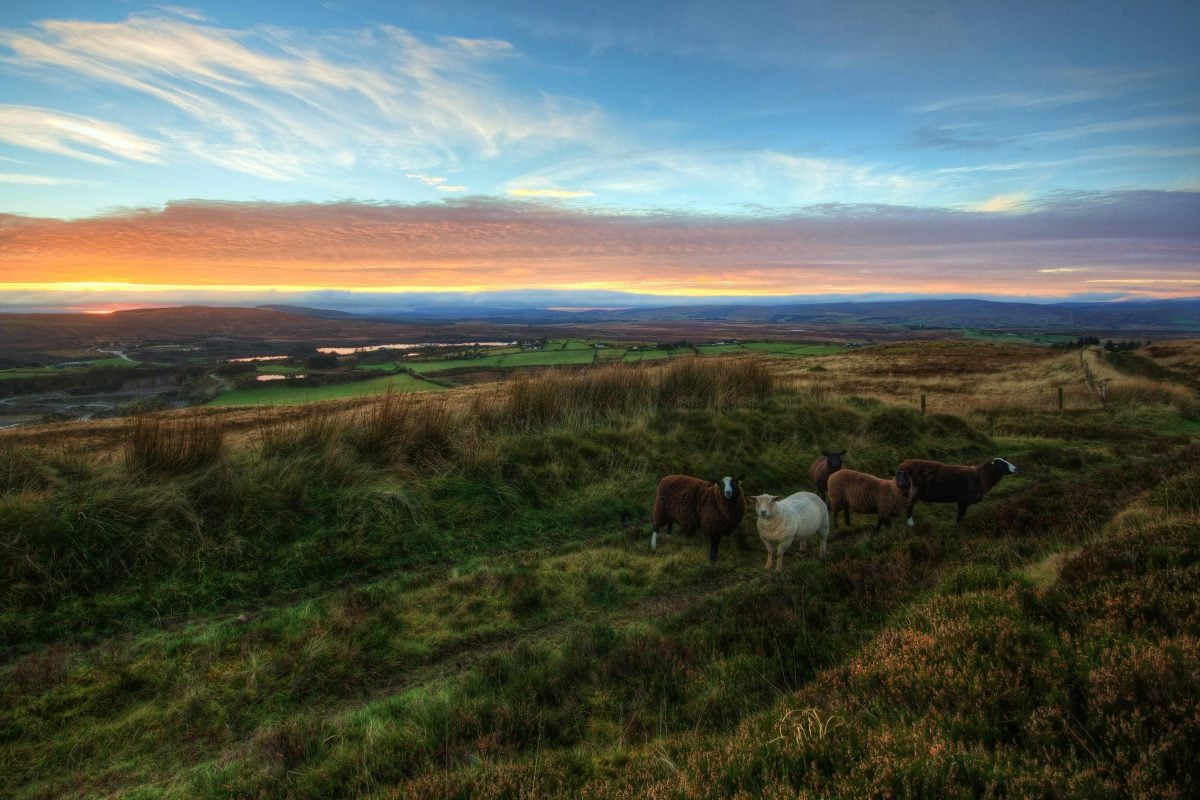
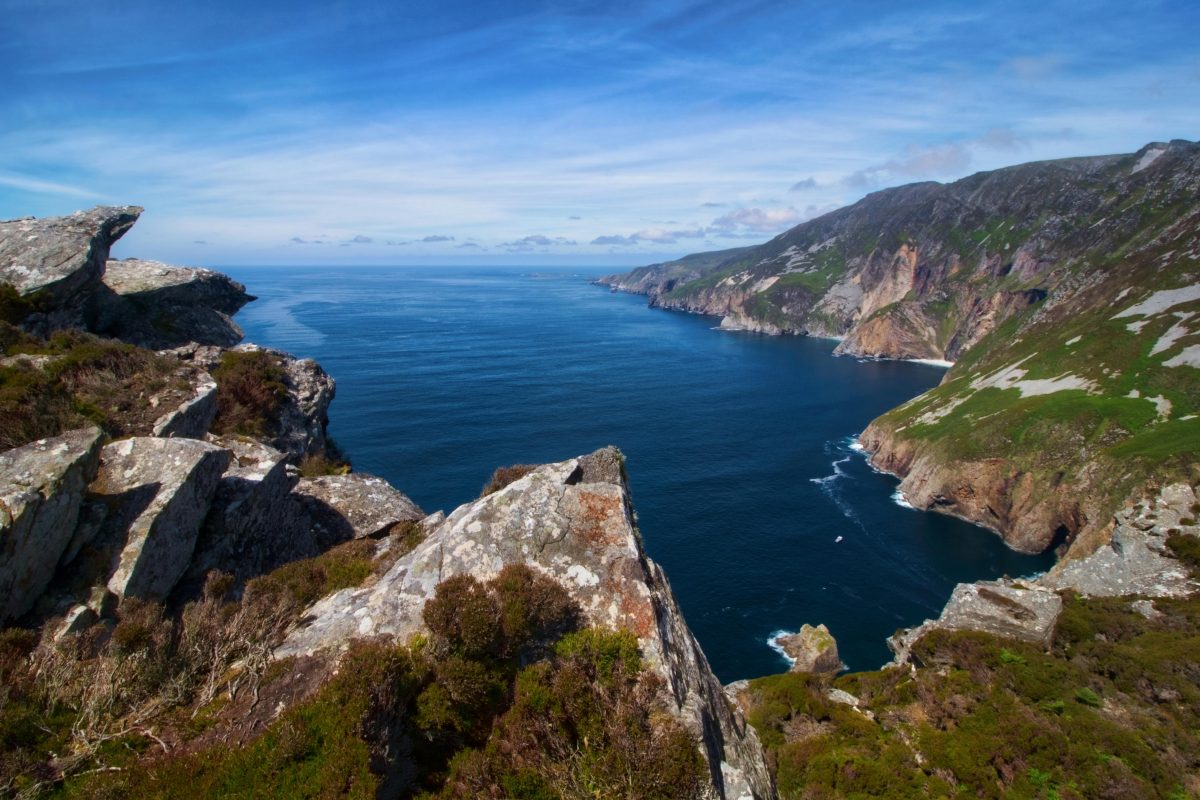
The day the Irish flag was raised in Tuam

Published

The Day the Irish Flag Was Raised Over a Famine Grave: Uncovering the Forgotten Story of the Tuam Babies

Estimated reading time: 7 minutes

Key Takeaways

  • The Tuam mother-and-baby home is a symbol of institutional neglect and abuse.
  • The raising of the Irish flag marks a commitment to remembrance and justice for lost lives.
  • Activism surrounding the Tuam babies has sparked a national discourse on healing and acknowledgment.

Table of Contents

Introduction
The Heart of the Story
The Wider Echo
The Now & The Next
Did You Know?
FAQs
Final Word

Introduction

In the sleepy town of Tuam, County Galway, a dreadful secret lay buried beneath the grass — a secret that spoke not just of tragedy, but of resilience, the weight of loss, and the haunting echoes of Ireland’s past. The day the Irish flag was finally raised over the grave of hundreds of lost souls marked a turning point, a moment where the heart of a nation beat heavy with shame and hope. It is a story of children, disregarded and forgotten, yet bound forever to the spirit of a people who refuse to forget.

The Heart of the Story

In the early 20th century, as Ireland struggled to define its identity post-famine, the Tuam mother-and-baby home became a chilling witness to the societal neglect of vulnerable lives. This institution, run by the Bon Secours sisters, housed unwed mothers and their children from 1925 to 1961. When the scandal of the so-called “Tuam babies” was unearthed in 2014, the nation was forced to confront a brutal history of silence. Reports revealed that the remains of 796 infants had been found in a septic tank where they were buried, a harsh reminder of how Ireland treated its most defenceless. Yet amid such horror, the local community rallied, demanding justice and remembrance for those little souls whose lives were snuffed out far too soon. The raising of the Irish flag over their grave was a poignant act of reclamation — symbolizing a vow that such neglect would never be ignored again. Galway, with its ancient stones and fierce heart, stood as a reminder that those bodies, once hidden, now belonged to a collective memory.

The Wider Echo

The Tuam tragedy resonated not just locally, but reverberated through the nation and across the globe. It forced a reckoning with the legacy of institutional abuse in Ireland and the lasting impact of the Catholic Church’s grip over society. Hundreds of children buried without names or dignity screamed out from history, demanding acknowledgment. Echoing in the halls of government, activists and survivors — including mothers who had once slipped through the cracks of society — influenced policy and sparked a wider conversation about Ireland’s past. “We cannot forget,” said Mary Robinson, former president of Ireland. “It is our duty to remember those who suffered as we seek justice and healing.” For many in the Irish diaspora, the Tuam babies have come to symbolize the irreparable wound left by years of neglect, reminding us that every heart lost carries the weight of a whole community that must heal together.

The Now & The Next

Today, as we navigate a world rife with its own crises — housing shortages, mental health battles, social upheaval — the story of the Tuam babies lingers, urging us to recognize the unseen children among us. It beckons us to confront the injustices of our society and protect those who cannot protect themselves. Each GAA match, each homecoming, is a chance to remember, reflect, and reclaim the lost voices of our past. A new generation of activists carry their message forward, proclaiming: “Never again will we let harm come to our children.” The shadow of Tuam hangs over us, but it also lights the path forward — steering our hearts towards accountability and compassion.

Did You Know?

  • The Tuam mother-and-baby home is part of a dark chapter in Irish history, revealing the institutionalized repression of women and children during the 20th century.
  • Survivors and advocates continue to lobby for memorials and support systems in memory of the children lost, emphasizing the importance of acknowledgment and healing within the community.

FAQs

What was the Tuam mother-and-baby home?
The Tuam mother-and-baby home operated from 1925 to 1961, where unwed mothers and their children were housed. Its legacy is marred by the discovery of the remains of nearly 800 children in a septic tank, igniting national outrage and calls for justice.

How can I support the cause of remembrance for the Tuam babies?
Support local initiatives and organizations advocating for survivors of institutional abuse while promoting awareness of the history. Engaging with memorial days and community discussions can also amplify these vital conversations.

Final Word

As we raise the Irish flag over the grave of the Tuam babies, let it serve as a reminder that we are all part of this story — one of love and loss, grief and hope. If you carry the same pride we do, you’ll find a piece of home waiting at
HubIrish.com.

A Whispered Confession That Changed Tuam’s Story

A Whispered Confession That Changed Tuam’s Story

Published

How a Whispered Confession Changed the Course of the Tuam Babies’ Scandal Forever

Estimated reading time: 5 minutes

Key Takeaways

  • The Tuam Babies’ Scandal brings to light the injustices faced by thousands of children in Ireland.
  • A survivor’s confession sparked a wave of public outrage and calls for justice.
  • The legacy of this scandal continues to drive advocacy for better maternal and child rights.

Table of Contents

Introduction
The Heart of the Story
The Wider Echo
The Now & The Next
Did You Know?
FAQs
Final Word

Introduction

In the quiet corners of Irish history, amidst laughter and tears, lie stories too painful to ignore. The Tuam Babies’ Scandal peeled back the veneer of respectability, exposing the raw, festering wounds of societal shame and hidden truths. Here, the haunt of loss mingles with the whisper of a confession that transformed silence into defiance, making the world listen, finally, to the ghosts of Tuam.

The Heart of the Story

In the heart of Galway, where the hills remember every whisper of history, the Bon Secours Mother and Baby Home concealed unimaginable sorrow. For decades, infants born in these walls were denied their right to life, love, and dignity. Between 1925 and 1961, it is estimated that over 9,000 children died in this institution, their fate buried beneath secrecy and societal stigma. The real catalyst in unearthing this ghastly history was a revelation from within — a heartfelt confession from a survivor, a courageous voice against the suffocating silence. The words became a rallying cry: “We were not just numbers.” This whisper ignited a firestorm of public outrage and compelled many to confront the realities that had long been hidden under the cloak of respectability.

The Wider Echo

This wasn’t just about Tuam. This was about every mother, every child, every painful history that Ireland had swept under a rug. In July 2014, the publication of a report by the Commission of Investigation into Mother and Baby Homes rang like an alarm across the land. Underneath those figures — 796 babies found in unmarked graves — lay the grief of generations. The scandal reverberated beyond borders, resonating in the hearts of the Irish diaspora around the world. It compelled Ireland to reassess not just its past, but its current societal stance on issues of motherhood, mental health, and the rights of children. “The past isn’t dead; it isn’t even past,” mused William Faulkner, and nowhere rang truer than in the souls of those connected to Tuam.

The Now & The Next

As the murky waters of history are finally ceded to justice, contemporary Ireland is waking up to its own haunting realities. With a housing crisis gripping cities and towns, the echoes of past trauma serve as a powerful reminder to never let history repeat itself. Today, those involved in advocacy surrounding the Mother and Baby Homes are pushing for change, marching with purpose to ensure such darkness never casts its shadow again. The Tuam Babies’ legacy urges us to challenge the status quo. It teaches new generations to stand up for vulnerable voices and bear witness to their stories — stories that must not just be told but heard, respected, and transformed into action.

Did You Know?

  • The Tuam Babies’ scandal led to the establishment of the Mother and Baby Homes Commission of Investigation in 2015, aiming to shed light on the experiences of those in the institutions.
  • The site of the Tuam Mother and Baby Home is now set to become a memorial, symbolizing both remembrance and the ongoing fight for justice for those who suffered in similar institutions across Ireland.

FAQs

What changes have been made following the Tuam Babies’ revelations?
Several policy changes and initiatives have been proposed, focusing on improved mental health services and the establishment of memorials for the victims of mother and baby homes. The ongoing mission remains to give those affected a voice and recognition.

How can people support the ongoing efforts for justice?
Engaging with advocacy groups, attending memorial events, and sharing stories help raise awareness and keep the dialogue alive, ensuring history is acknowledged and never forgotten.

Final Word

The whispered confessions from Tuam echo like ancient songs, urging Ireland to confront its haunted past with a fierce and loving heart. Let us rise, united in remembrance and purpose.
If you carry the same pride we do, you’ll find a piece of home waiting at
HubIrish.com.
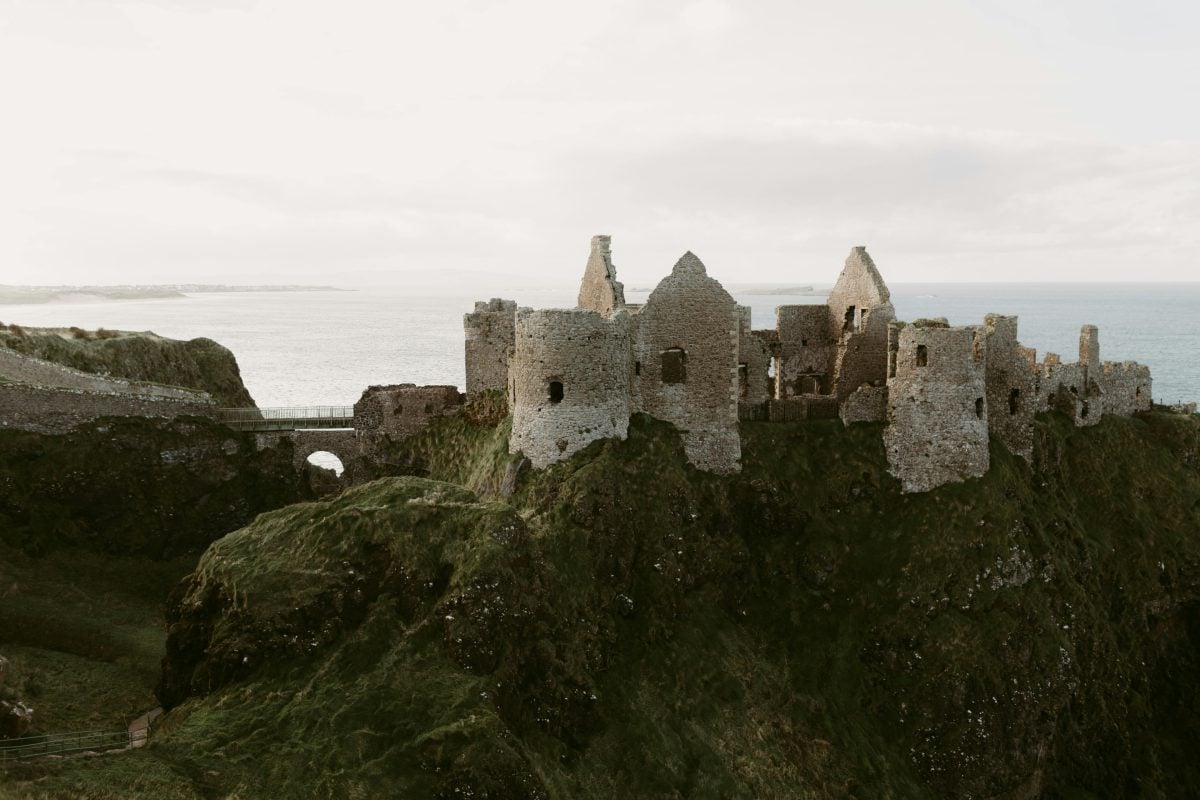
How the 1981 Hunger Strikes Changed Ireland Forever

How the 1981 Hunger Strikes Changed Ireland Forever

Published

The Day the World Stood Still: How the 1981 Hunger Strikes Changed Ireland Forever

Estimated reading time: 5 minutes

Key Takeaways

  • The hunger strikes highlighted the struggle for political recognition in Ireland.
  • Bobby Sands emerged as a powerful symbol for the Irish resistance.
  • The events catalyzed significant political changes in Northern Ireland.

Table of Contents

Introduction
The Heart of the Story
The Wider Echo
The Now & The Next
Did You Know?
FAQs
Final Word

Introduction

In the spring of ’81, a battle waged not with guns, but with silence, hunger, and fervent hearts. Bobby Sands, a poet and politician turned prisoner, became the voice of the voiceless, each day a visceral reminder of hope stuffed in a prison cell. The world watched as hunger strikers starved themselves in a defiant act of rebellion—daring to hold their heads high in the face of a system designed to break them. In the brimming landscape of conflict, this was a moment where time itself paused, giving birth to one of the fiercest symbols of the Irish fight for identity, justice, and freedom.

The Heart of the Story

The hunger strikes unfolded within the stark walls of the Maze Prison in County Antrim, where men like Bobby Sands fought for their dignity as political prisoners. These were not merely acts of self-neglect; they were a profound statement echoing through the streets of Dublin to the remote corners of the Irish diaspora. Bobby Sands, who began his hunger strike on March 1, 1981, wrote haunting poetry that articulated their plight, tapping into the very spirit of rebellion ingrained within the Irish psyche. Such words ignited flames of solidarity far beyond mere politics; it stirred the very heart of a nation.

The Wider Echo

As each day passed, the hunger strikers drew in the attention of journalists, artists, and ordinary citizens alike—beyond the bars of their prison cells, they transformed into icons of resistance. The reality was stark: as Sands and his fellow prisoners starved, their stories seeped into international headlines. Amidst this pain, a renaissance flourished in the arts, with songs and poems reverberating through pubs and homes, sowing seeds of rebellion. According to the Irish News, by July 1981, support for the hunger strikers had reached a crescendo, resulting in increased nationalist fervor across Ireland and abroad.

The Now & The Next

Today, the echoes of the hunger strikes resonate still, manifesting in conversations about justice, identity, and the human spirit’s tenacity. They remind us of the journey yet to come, as a new generation navigates issues around human rights and political representation. The legacy of Sands and his comrades challenges us to remember that resistance takes many forms: from voices raised against injustice in housing crises in Cork to homages to the cultural resilience of the Irish in diaspora communities worldwide. It’s a stark reminder that the fight for dignity, for recognition, is far from over.

Did You Know?

  • Bobby Sands was elected as a Member of Parliament during his hunger strike, garnering over 30,000 votes—a testament to the support he drew even in his direst circumstances.
  • The hunger strikes led to a significant shift in the political landscape, ultimately culminating in the peace process in the 1990s, shaping the future of Northern Ireland.

FAQs

What were the demands of the hunger strikers?
The hunger strikers sought five demands: the right not to wear a prison uniform, the right to free association, the right to one visit, one letter, and one parcel per week, the right to organize their own activities, and the right to judicial review of their cases. For more insights into the history of this struggle, check our section on Derry.

How did the hunger strikes impact Ireland’s political landscape?
The hunger strikes forced a global awareness of issues in Northern Ireland, leading to increased pressure for political dialogue and eventually, the Good Friday Agreement. This pivotal moment reshaped both Northern Ireland and the wider relationship between the North and the South.

Final Word

The legacy of the 1981 hunger strikes is etched deeply within the fabric of contemporary Irish identity. Our fight for dignity and recognition continues—in every call for justice, in every heart that beats for freedom. If you carry the same pride we do, you’ll find a piece of home waiting at
HubIrish.com.
Maureen O’Hara and the Fight for Irish Independence

Maureen O’Hara and the Fight for Irish Independence

Published

The Quiet Courage of Maureen O’Hara: How a Hollywood Starlet Fought for Irish Independence

Estimated reading time: 6 minutes

Key Takeaways

  • Maureen O’Hara’s films played a crucial role in representing Irish identity.
  • She was a vocal advocate for Irish independence throughout her life.
  • Her legacy inspires contemporary movements for social justice and dignity.

Table of Contents

Introduction
The Heart of the Story
The Wider Echo
The Now & The Next
Did You Know?
FAQs
Final Word

Introduction

In the shimmering glow of Hollywood, one Irish woman stood tall against the sands of time and the weight of expectation. Maureen O’Hara was more than a starlet; she was a blazing torch of resilience and identity, a heartbeat echoing the tales of a nation yearning for freedom. With fiery red hair and an even fiercer spirit, she quelled the doubts of an age that often dismissed women’s voices, becoming a beacon of courage in the fight for Irish independence. Hers is a story woven into the very fabric of our Irish souls — a tale of passion, defiance, and pride.

The Heart of the Story

Born in the gentle embrace of Dublin on August 17, 1920, Maureen O’Hara grew up amidst the echoes of revolutionary fervor. Her family’s strong sense of patriotism instilled in her a profound love for Ireland, which would influence her entire career. While Hollywood bathed in the allure of the mainstream, O’Hara remained steadfast in her commitment to her roots. With her stunning roles in classics like “The Quiet Man” and “How Green Was My Valley”, O’Hara was not just a leading lady; she was a voice for the Irish diaspora, advocating for her homeland from the glitz of the silver screen.

The Wider Echo

Beyond the silver screen, O’Hara’s commitment to Ireland was steadfast. She became an outspoken advocate against British rule, using her fame to challenge the narrative surrounding Irish identity. In a particularly stirring moment in the early 1970s, she traveled to the Irish Senate to speak on issues affecting the Irish people, emphasizing the importance of self-determination and cultural pride. Her portrayal of strong female characters often mirrored the resilience of her nation. As she said, “I am proud to be an Irish woman, and I will always fight for the freedom and dignity of my country.” Those words reverberated across oceans, inspiring countless Irish men and women who, like her, sought liberty and recognition.

The Now & The Next

Today, as we grapple with issues like housing shortages and social justice, O’Hara’s legacy calls us to action. We are reminded that the spirit of independence and courage, like her undeniable strength, lives on in the hearts of the Irish diaspora. Whether it’s a protest in Cork or a community gathering in New York, the fight for dignity and identity continues. Today we honor her not just by recalling her timeless performances but by embodying the fighting spirit she portrayed so beautifully — for ourselves and for future generations. Just as she stood for Ireland, we must stand for one another.

Did You Know?

  • Maureen O’Hara was the last surviving lead actor from the classic Hollywood era, passing away in 2015 at the age of 95.
  • She was deeply involved in the Irish cultural scene and was presented with an honorary doctorate from University College Dublin in 2011 for her contributions to Irish Arts.

FAQs

What were some of Maureen O’Hara’s most famous films?
O’Hara’s career spans classic films including “The Quiet Man,” “Miracle on 34th Street,” and “The Parent Trap,” showcasing her dynamic range and cultural significance.

How did O’Hara contribute to Irish independence?
Beyond her film career, Maureen passionately advocated for Irish independence and frequently supported Irish causes, using her platform to elevate awareness on international stages.

Final Word

As we raise a glass to Maureen O’Hara, let us embody her courage and love for our land. Her story is a reminder that the fight for freedom is ageless, the spirit of Ireland is indomitable, and heroes can rise from both the small streets of Dublin and the grand stages of Hollywood. If you carry the same pride we do, you’ll find a piece of home waiting at
HubIrish.com.
Daughters of the Rising: Tuam’s Emotional Stand Against Silence

Published

The Day the Daughters of the 1916 Rising Stood Up Against Silence in Tuam

Estimated reading time: 7 minutes

Key Takeaways

  • The daughters of the 1916 Rising bravely fought against the silence surrounding historical injustices.
  • The story of Tuam highlights the importance of remembering lost lives and seeking justice for victims of institutional abuse.
  • The legacy of the Rising continues to inspire new generations of activists in Ireland.

Table of Contents

Introduction
Unveiling Shadows in Galway
Resonating Truths Across Generations
The Continual Fight for Justice
Did You Know?
FAQs
Final Word

Introduction

On a day steeped in history, when silence spoke volumes, the echoes of the past clawed their way into the present at the haunting site of Tuam. In this small town, the whispers of its daughters, born of the 1916 Rising, rose like smoke into the air, fierce and unrelenting. Their fight? A rebellion against the silence that shrouded the horrors of a bygone era, a struggle to reclaim their voices and truth from those who deemed them unworthy of memory.

Unveiling Shadows in Galway

Tuam, located in County Galway, became synonymous with heartache, a solemn reminder of the children interred in mass graves hidden beneath the very ground we walk upon. The real story, however, lies not just in the whispered lamentations of the lost lives, but in the passionate resurgence of their descendants. When the mother and child home scandal erupted in the 1970s and resurfaced in the 2010s, it was these daughters of the Rising — fierce and unyielding women like Catherine Corless — who rallied with justice in their hearts and truth in their mouths. They were not simply seeking closure; they demanded acknowledgment and remembrance of their kin. They stepped into the light and declared, “No more silence!”

Resonating Truths Across Generations

This was not merely a local scandal; it resonated beyond Tuam, touching every corner of Ireland and the Irish diaspora. The cries of a nation echoed back; “We will not forget!” This was a pivotal moment, a test of memory, accountability, and justice. Renowned writer John Banville notes, “History is a vast, complicated series of knots.” The Daughters of the Rising cut through these knots with chisels of bravery, forcing the truth of Tuam into the national conversation. It reminded us that the past lingers long, and the memory of those who suffered in silence continues to pulse through the veins of every Irish heart.

The Continual Fight for Justice

Today, as Ireland grapples with countless issues — a housing crisis that leaves too many homeless, a society still recovering from the scars of its past — the daughters of Tuam inspire the next generation of activists. Young people wearing their pride on their sleeves, whether in GAA jerseys or emblazoned with supportive slogans, advocate for those lost in the system. The connection to the legacy of 1916 remains alive, as they fight not just for their ancestors, but for a vision of a more compassionate Ireland.

Did You Know?

  • The Tuam mother and baby home scandal saw the unearthing of over 796 children’s bodies, buried in mass graves, highlighting decades of institutional abuse.
  • Catherine Corless’s research and relentless pursuit of justice have influenced wider conversations about memorializing victims of state neglect and institutional abuse across Ireland.

FAQs

What was the significance of the 1916 Rising?
The 1916 Rising was a pivotal event in Irish history, representing the fight for independence from British rule. It marked the awakening of a new national consciousness, inspiring generations to advocate for social justice and human rights. For more on GAA jerseys and how they connect us to our heritage, see our collection of GAA jerseys.

How can I support the ongoing fight for justice in Ireland?
Get involved with local advocacy groups, participate in community discussions, and educate yourself on the history that shapes our society today. Every voice matters, just like those resonating through Tuam’s eerie silence.

Final Word

As we put down the pen on another chapter of Irish history, let us remember that the fight for truth and justice knows no end. Draw strength from the fire of our forebears, for in their struggle lies our own. If you share the pride we feel, come find a piece of home waiting for you at
HubIrish.com, where our identities intertwine and the spirit of Ireland lives on vibrantly.

Mary Robinson and the Rebirth of Modern Ireland

Mary Robinson and the Rebirth of Modern Ireland

Published

How Mary Robinson’s Fight for Change Rewrote the Future of Ireland

Estimated reading time: 6 minutes

Key Takeaways

  • Mary Robinson broke gender barriers as Ireland’s first female president.
  • Her advocacy sparked transformative discussions on social justice and equality.
  • Robinson’s legacy resonates with current movements for change in Ireland.

Table of Contents

Introduction
The Heart of the Story
The Wider Echo
The Now & The Next
Did You Know?
FAQs
Final Word

Introduction

In the green heart of Ireland, where the echoes of the past mingle with the hopes of tomorrow, one woman shattered the glass ceiling and reshaped the nation. Mary Robinson, with her fierce intellect and unyielding spirit, became Ireland’s first female president in 1990, blazing trails for a generation yearning for change. Her journey—from the quiet classrooms of Dublin to the global stage—is more than a personal triumph; it is a testament to a nation’s evolving identity, marked by the scars of its history and the dreams of its people.

The Heart of the Story

Derry, a city shadowed by conflict yet shimmering with resilient stories, was where the early whispers of change began to stir. Robinson’s ascent wasn’t just about breaking barriers; it was about transforming a society that had long been limited by tradition and gender. She spoke boldly against the dogmas that bound women to silence, challenging the rampant conservatism of the Irish state. Her advocacy for marginalized voices echoed through the lush valleys and historic streets of counties like Derry, igniting a flame in the hearts of many who felt overlooked and oppressed. With Robinson as a beacon of hope, discussions around reproductive rights, same-sex marriage, and social justice blossomed, gradually shifting the societal landscape.

The Wider Echo

Robinson’s presidency was not merely an event; it symbolized the dawn of a new Ireland, one which began to reflect the diverse tapestry of its people. Her approach was fresh, passionate, and rooted in equality and inclusion, profoundly affecting national policies and the psyche of the Irish citizenry. “We are all equal,” she famously proclaimed, a phrase that resonated with many whose voices were silenced for too long. According to a 2020 report by the Economic and Social Research Institute, nearly 80% of the Irish public viewed gender equality as paramount—a legacy built upon Robinson’s tireless fight for progress.

The Now & The Next

Today, as Ireland grapples with issues like the housing crisis and social disparities, Robinson’s ethos of activism is more relevant than ever. In the vibrant communities of Galway, Dublin, and beyond, young Irish people rally, inspired by her legacy, advocating for mental health, climate action, and the rights of the marginalized. From GAA clubs to diaspora gatherings in far-flung cities, her spirit nurtures a movement that seeks to redefine Irish identity in a world that constantly changes. The fight for justice and equality is far from over; for many, it has only just begun.

Did You Know?

  • Mary Robinson became the first female Irish president, serving from 1990 to 1997, and later became the UN High Commissioner for Human Rights.
  • During her presidency, she focused on social and economic issues, becoming a staunch advocate for both women’s rights and LGBTQ+ rights in Ireland.

FAQs

What was Mary Robinson’s impact on Irish politics?
Robinson not only broke social barriers but also influenced significant changes in laws around gender equality and civil rights, inspiring new generations to pursue activism. Many celebrate her contributions during Women’s History Month—she remains a symbol of hope for many seeking to influence change.

How is Mary Robinson viewed today?
She is revered as a trailblazer in Irish history, prompting discussions of women’s leadership and continuing to influence socio-political matters. Just wander through her legacy in places like Galway, and you’ll hear echoes of admiration from new voices eager to carry the torch she lit.

Final Word

As we reflect on Mary Robinson’s indomitable spirit, let us carry forward her fiery passion for justice, equality, and change. The Ireland she championed is not just a story of the past, but a call to action for the present and future. So, raise a glass, and let the echoes of her legacy inspire us all to stand tall and proud. If you carry the same pride we do, you’ll find a piece of home waiting at
HubIrish.com.
The Forgotten Daughter of the Dublin Rising

The Forgotten Daughter of the Dublin Rising

Published

The Forgotten Daughter of the Dublin Rising: How Mary Johnstone’s Life of Sacrifice Revealed a Nation’s Heart

Estimated reading time: 5 minutes

Key Takeaways

  • Mary Johnstone played a critical role in the 1916 Easter Rising, embodying the spirit of revolution.
  • Her contributions highlight the significance of women in Irish historical narratives.
  • Mary’s legacy extends beyond the past, inspiring modern struggles for justice and equality.

Table of Contents

Introduction
A Daughter’s Act of Defiance
The Heartbeat of a Nation
A Legacy Bathed in Hope
Did You Know?
FAQs
Final Word

Introduction

In the smoky corners of our collective memory, amidst the rousing verses of rebel ballads and the haunting echoes of bloodied battlefields, lie the stories of those who fought not for glory, but for the heart of a nation. Mary Johnstone, a resolute woman amid the chaos of the 1916 Easter Rising, remains a shadowy figure — often forgotten but never truly lost. Her sacrifices remind us of the swelling tides of love and loss that pulse through the veins of Ireland.

A Daughter’s Act of Defiance

Mary Johnstone was born in the quiet embrace of County Kerry, a land of myth and melody, where tales of heroes and martyrs intertwined with the everyday life of the people. She was more than just a woman of her time; she was a revolutionary. In the heart of Dublin, as rebels surged through the streets, Mary, a widow by the time the rising erupted, stepped into the fray. Her husband, a soldier, had fallen, leaving her to raise her children in a world rife with tyranny and sorrow.

Driven by a heart that throbbed with the pain of loss and the hope of change, Mary took the mantle of the underground — housing rebels, distributing pamphlets, and rallying women to the cause. Her bravery did not echo in the grand halls of history books, yet her actions resonate in the hearts of those who know the true essence of sacrifice. In those moments of turmoil, she forged a path for her children, igniting a spirit that would inspire generations, one that reverberates through every corner of Kerry.

The Heartbeat of a Nation

Mary’s life embodies a deeper narrative than mere historical facts; it is a testament to the often-unseen strength of women throughout Irish history. Her story traverses beyond the confines of Dublin’s battle-strewn streets, echoing throughout the diaspora of Irish families who left behind their homeland in hopes of a better life. As Ireland continues to grapple with its past, the lessons of resilience thrumming within women like Mary remind us that the fight for freedom extends beyond the battlefield — into the kitchens, the fields, and the living rooms where dreams are forged.

A Legacy Bathed in Hope

Today, as we navigate a world fraught with its own challenges — a housing crisis that echoes the past struggles for home and belonging, the musical notes of rebellion still tremble between the lines of our modern lives. Mary Johnstone’s thirst for justice taught us that every mother’s struggle is a calling — a fierce dedication to securing a future free from the shadows of oppression. While the whispers of the past grow ever fainter, they call us to remember Mary’s legacy, ensuring her tale endures in the hearts of those who cherish their ancestors’ dreams.

Did You Know?

  • Mary Johnstone was crucial in organizing women’s roles in the 1916 Easter Rising, showcasing the pivotal contributions of women in Ireland’s history.
  • The aftermath of the Easter Rising saw a resurgence of interest in women’s rights, sowing the seeds for future generations to advocate for equality and justice.

FAQs

Who was Mary Johnstone?
Mary Johnstone was an unsung heroine of the 1916 Easter Rising, famously organizing women into roles that greatly assisted the cause for Irish independence. Her steadfast commitment to the rising contributed to the reshaping of women’s roles in Irish society.

Why is she considered a ‘forgotten’ figure?
Despite her vital contributions, Mary Johnstone’s name is often left out of the historical narratives surrounding prominent figures of the Easter Rising, leading to her being overlooked in discussions about Ireland’s revolutionary past.

Final Word

As we raise our glasses to the indomitable spirit of women like Mary Johnstone, let us remember that the true heart of a nation pulses in the stories we share and the memories we nurture. May we carry forth that pride and bravery, emboldened by the sacrifices of those who paved the way for us. If you carry the same pride we do, you’ll find a piece of home waiting at
HubIrish.com.

The Hidden Lives of Tuam’s Lost Children

The Hidden Lives of Tuam’s Lost Children

Published

How a Slip of Paper Revealed the Hidden Lives of Tuam’s Lost Children

Estimated reading time: 6 minutes

Key Takeaways

  • 796 children were neglected and forgotten in the Tuam Mother and Baby Home.
  • Excavations in 2018 brought to light the remains of these lost children.
  • The story of Tuam challenges modern conversations about child welfare.

Table of Contents

Introduction
The Heart of the Story
The Wider Echo
The Now & The Next
Did You Know?
FAQs
Final Word

Introduction

In the heart of Galway, amid the whisper of the wind and the echoes of laughter, a haunting truth was buried beneath the rubble of history. It lay hidden like the tender shoots of spring beneath the frost. The tale of Tuam’s lost children — innocent souls washed away in the tides of neglect and silence — is a tale that must be told. A slip of paper became the harbinger of their stories, the key to unlocking a chapter of Irish history shrouded in scandal and sorrow.

The Heart of the Story

It was a mundane Thursday, the 3rd of March, 2017, when a slip of paper from the archives unveiled the unthinkable. Archival documents revealed that 796 children, churned through the orphanage in Tuam, County Galway, had all but vanished from living memory. These were not mere statistics; they were lives cut short — babies and toddlers who had been neglected, forgotten, and shunned, victims of an era suffused with shame and stigma. The name Tuam, long associated with traditional hospitality and warmth, now echoed with the chilling reminder of systemic failures and heart-wrenching loss.

The Wider Echo

The revelations surrounding Tuam resonate like a mournful melody across Ireland and its diaspora. The cry for justice lingers, a lamentation for those who never saw the sun rise beyond the walls of that forsaken institution. In 2018, an excavation unearthed the remains of the children in the grave — a twisting dark flower blooming in the silence of neglect. As the nation grieved, it rekindled conversations about the Magdalene Laundries, the mother-and-child schemes, and the complex tapestry of choices forced upon the most vulnerable. The survivor stories emerged like nettles through tarmac — raw, vivid, and demanding we listen.

The Now & The Next

Today, the ghost of Tuam reminds us of the potent mix of pride and pain that shapes the Irish identity. The societal scars of the past still bleed into modern conversations about child welfare, social justice, and accountability. As we stand on the brink of change, let us not forget those lost souls. Every child should feel the warmth of hope and safety. And now, as housing crises plague our communities and the echoes of past injustices still resonate, it is paramount we carry their memories forward, ensuring our society invests in a future where every child is cherished. Only then can we truly honor those who were once silenced.

Did You Know?

  • The Tuam Mother and Baby Home operated from 1925 to 1961, with little oversight from authorities.
  • In 2021, the Irish government announced plans to formally apologize to the survivors of these institutions.

FAQs

What was the inspiration behind the Tuam revelations?
The tragic exposure of the forgotten children in Tuam stemmed from a desire to confront a painful past and seek accountability, igniting public interest and extensive media coverage.

How can we honor the memories of Tuam’s lost children today?
We can support organizations that advocate for children’s rights and participate in community awareness programs that tell their stories — using their legacy to inspire change.

Final Word

The fragile threads of our history are woven into the fabric of our future. As we lift our pints and tell our tales, let us remember those lost in the shadows of Tuam. If you carry the same pride we do, you’ll find a piece of home waiting at
HubIrish.com.

Mary Robinson’s Fight Against the Church

Mary Robinson’s Fight Against the Church

Published

Mary Robinson’s Fight Against the Church: How One Woman’s Resistance Changed Ireland Forever

Estimated reading time: 6 minutes

Key Takeaways

  • Mary Robinson challenged the prevailing influence of the Catholic Church in Ireland.
  • Her presidency marked a pivotal moment for women’s rights and social justice in Ireland.
  • Robinson’s advocacy for the Magdalene Laundries brought awareness to historical injustices.

Table of Contents

Introduction
The Heart of the Story
The Wider Echo
The Now & The Next
Did You Know?
FAQs
Final Word

Introduction

In the heart of Ireland, a quiet storm brewed. A woman with a vision, a voice unyielded by the chains of convention, dared to stand where many feared to tread. Mary Robinson, the woman who became Ireland’s first female president, was more than a political pioneer; she was a beacon of hope for countless souls shackled by the weight of tradition. Her journey was not just hers alone but a collective fight for freedom in the most unyielding of places — the very fabric of Irish identity woven with strands of faith, doubt, and justice.

The Heart of the Story

Born in Galway in 1944, Mary Robinson lived through times when the voice of the Church loomed larger than the voices of ordinary people. Through her youth, she saw firsthand the stifling oppression felt by generations. As she emerged as a lawyer and politician, she remained undeterred, delving deep into human rights issues and becoming a fervent advocate for women’s rights and social justice. But it wasn’t until her presidency from 1990 to 1997 that Mary turned the tide for Ireland. This stalwart woman challenged the status quo, those voices that told her — and every other woman like her — that their place was behind closed doors, unheard and unseen.

The Wider Echo

Robinson’s clash with the Catholic Church reverberated far beyond the borders of Ireland. She stood against the prevailing dogmas, first speaking out against the Church’s role in the Magdalene Laundries, where thousands of women endured a life of servitude and shame. Her moral compass pointed unerringly toward justice, proclaiming loudly, “The state has an obligation to protect its citizens.” It was a call that awakened a nation, stirring the hearts of those who had long suffered in silence. By shining a light on horrors that many wished to bury, Robinson laid the groundwork for a more equitable society — paving the way for transformative changes in the following decades.

The Now & The Next

Fast forward to today — Ireland is a different place. Yet the shadows of the past still loom large. As the movement for LGBTQ+ rights, reproductive rights, and social justice continues to thrive, the echoes of Mary Robinson’s fight resonate in protests, parliaments, and hearts across the nation. She showed us that every action in defiance of oppression adds to the swell of change. A new generation of advocates steps forward, fighting for housing, mental health, and dignity, clutching the torch that Robinson ignited. Mary’s legacy teaches us that change cannot be wrought in silence; it must be shouted from the rooftops, and she proved that one woman’s voice could echo through time.

Did You Know?

  • Mary Robinson was the first Irish president to visit the United States and, in 1993, addressed the United Nations General Assembly — an unprecedented approach that restored Ireland’s image on the world stage.
  • Despite her achievements, in 1994, she took a bold stance against the Church while advocating for the victims of the Magdalene Laundries, which directly challenged the long-held influence of Catholicism in Irish public life.

FAQs

What were the Magdalene Laundries?
The Magdalene Laundries were institutions operated by the Catholic Church where women viewed as “fallen” were sent to live and work, often without legal rights. This dark chapter humiliating and criminalized many women, and Robinson’s advocacy for their recognition is still a critical subject in Irish discourse.

How did Mary Robinson influence modern Ireland?
Mary Robinson’s presidency inspired a more open society, challenging previously held norms regarding women’s roles in politics. Her legacy is felt today as Ireland embraces progressive values, seeking to rectify past injustices faced by many marginalized communities.

Final Word

Mary Robinson’s fight against the Church was not just a personal battle; it was an Irish fight. A fight that resonated through the ages, shaping the course of history. Today, we carry her spirit. As you wear the colors of your county, remember the strength it takes to rise — to resist, to remain steadfast. If you carry the same pride we do, you’ll find a piece of home waiting at
HubIrish.com.