
Irish Folklore and the Fight for Freedom

Irish Folklore and the Fight for Freedom

Published

From Emigration to Insurrection: How Irish Folklore Fueled the Fight for Freedom

Estimated reading time: 8 minutes

Key Takeaways

  • Irish folklore is a vital part of the cultural identity and the history of struggles for freedom.
  • The emigration experience intertwined with mythical tales shapes the Irish diaspora.
  • Cultural and historical narratives continue to inspire modern Irish activism.

Table of Contents

Introduction
The Heart of the Story
The Wider Echo
The Now & The Next
Did You Know?
FAQs
Final Word

Introduction

Ah, gather ‘round, ye spirit of the Isles! There’s a tale to tell that stretches beyond the green hills of Éire, weaving through dim-lit pubs and echoing in the hearts of our scattered kin. It’s a story of sweat, song, rebellion, and the unyielding essence of our folklore. This tale, dear readers, starts with emigration, dances through the struggle for freedom, and finds its rhythm in the ancestral call that ignites the Irish soul around the world.

The Heart of the Story

In the windswept fields of Kerry, tales were spun like yarn, where stories of the banshee’s wail and leprechauns’ gold brought comfort in hard times. Our ancestors, facing famine and injustice, whispered these legends, not just as mere entertainments, but as potent reminders of resilience and identity. How many of them packed their bags, hearts heavy yet hopeful, clutching a wooden rosary, bound for the great unknown? They boarded ships, dreaming of freedom, their minds filled with the songs of Tom Crean and the spirit of the rebels who would follow. Each exit from our shores was a burning ember, a flicker of the weight of history igniting a flame for resistance.

The Wider Echo

And so, the echo of a sorrowful past long remembered continues to pulse through the veins of the Irish diaspora. It thrums in the hearts of those who huddle in Boston pubs or cheer for our lads and lasses in the stadiums of Sydney. From the ashes of oppression rose the fervor of insurrection, blending old folk tales with new belief. As the voices of history echoed—gripped by the tireless hands of men like James Connolly and Padraig Pearse—the folklore steered the very spirit of the rebellion. “The past is a foreign country,” they say, but I ask—what if it’s our guiding star in this lonesome journey of life? With each shared story over a pint, we stitch the fabric of our nation anew, with threads dipped in pride and legacy.

The Now & The Next

As we stand at the crossroads of the next chapter in our history, the struggles remain present. There’s the housing crisis back home, the immigrant stories from Galway to New York, and of course, tales of young GAA players donning their county’s colors abroad, echoing both pride and pressure. Just last week, I sat beside a lad from Clare at a match in Cork, both adorned in the same colors, our laughter echoing the distant wails of the past. We lifted our glasses high—saying thanks to those who had gone before us, their tales of hope and defiance ringing true. But we knew: the fight is not over, as we face new battles against inequality and loss of identity. Yet still, we revolve on the spindle of our stories, weaving the past into every lovely moment of our present.

Did You Know?

  • More than 5 million people of Irish descent now live outside Ireland, making up a network of glorious stories and heritage shared across the globe.
  • Folklore elements such as the banshee, the pooka, and the leprechaun have shaped Irish identity for centuries, blending myth with the mettle of our past struggles.

FAQs

What role does folklore play in modern Irish activism?
Folklore serves as a rallying cry, uniting our communities through shared history and heritage. It inspires an understanding of our roots while igniting passion in movements for justice and equality, just as the stories of rebellion did in years gone.

How can I connect with Irish culture while abroad?
Join local Irish clubs, participate in cultural events, or simply gather with friends to share a pint and some rebel tunes on a Friday night! The camaraderie of our stories and traditions transcends borders, keeping our spirit alive—no matter where you roam. Check out Irish teams’ merchandise such as GAA jerseys to feel that connection.

Final Word

So here’s to our cherished past, our bittersweet tales, and to the relentless future. With every song sung and every story shared around the world, we remember where we come from and enkindle the fire for freedom anew. If you carry the same pride we do, you’ll find a piece of home waiting at
HubIrish.com.
Irish Hip Hop: A Bold Reclamation of Identity

Irish Hip Hop: A Bold Reclamation of Identity

Published

“When Gaeilge Meets Grime: How Irish Hip Hop Is Reclaiming Our Identity”

Estimated reading time: 7 minutes

Key Takeaways

  • Irish hip hop uniquely blends modern music with traditional language.
  • The movement is reclaiming identity and cultural pride among young people.
  • Irish hip hop is rapidly gaining popularity both in Ireland and abroad.

Table of Contents

Introduction
The Heart of the Story
The Wider Echo
The Now & The Next
Did You Know?
FAQs
Final Word

Introduction

Gather round, lads and lassies, let me spin you a yarn! Picture this: the dark warmth of a Dublin pub where the whiskey flows and stories never die. The kind of place where you might hear a rebel ballad one minute, and the next, a sharp rhyme hits you like a punch from Dónal. That’s the heartbeat of our new Irish hip hop: young voices, defiant and proud, reclaiming the language of our forefathers while dancing to a modern beat. This isn’t just music; it’s a movement. It’s our identity, wrapped in rhythm and rhyme, blending Gaeilge and grime like a fine Irish stew.

The Heart of the Story

Let me take you to Kerry, a green county where Gaelic whispers dance on the windswept hills. In the shadows cast by the Slieve Mish mountains, young rappers like Jafaris and Denise Chaila are shaking the roots of tradition. They’ve turned the swells of hip hop into something fiercely Irish. Walking the streets of Tralee, they’re reimagining what it means to be Irish today—not just in English, but in our beautiful native tongue, so often silenced but now roaring back. The blend of Gaeilge with beats that thump like a heart in love shows us that our culture doesn’t fade; it transforms.

The Wider Echo

This is more than just music; it’s a cultural revolution, and the world is watching. Back in the day, our language faced shame like a fella caught without a jersey at a high-stakes match. But now, hearing Gaeilge on stage, woven into grunge and grime, that’s a victory! We’re drawing parallels to the fight against oppression, the same spirit that fueled the rebels of old—we’re reminding the world our stories matter! The stats are clear: over 70,000 young people are speaking Irish outside the classroom. It’s a revival, a reclaiming of identity amidst a diaspora that often feels lost. Imagine a GAA final, but instead of the whistle, the speakers blasting an Irish rap. You feel that chill? It’s your heritage calling.

The Now & The Next

Flash to today, where a crowded pub in Boston erupts with the beats of an Irish hip hop artist echoing through the room. It’s not just about keeping the language alive; it’s about survival and pride. This isn’t merely nostalgic; it’s revolutionary! A young Traveller kid in Kerry wearing a vibrant jersey, singing along with a Gaelic verse, feeling that connection across the ocean to home—this is where we’re headed. Coming together in celebration, holding onto our identity in a world that wants to box us in. The beat drops, and with every line, we reclaim who we are.

Did You Know?

  • Irish hip hop has seen a 300% increase in popularity since 2015, with acts drawing massive crowds at festivals.
  • Gaeilge is now considered one of the fastest-growing languages in Europe, reviving a connection that has lain dormant for decades.

FAQs

What’s the significance of Irish hip hop?
It’s a bold reclamation of identity and language, showcasing that hip hop, too, can be as Irish as a good pint of Guinness in hand. The youth are bridging gaps, celebrating our roots through modern beats.

Can I experience this scene outside of Ireland?
Absolutely! Cities like London and New York are bubbling with Irish talent taking the stage and sharing this dynamic culture with the world. Catch a show next time you’re abroad and let the rhythm fill your heart!

Final Word

As our stories spill forth, rich and loud, let’s remember the magic of a word, the power of a rhyme, and how they take us from our homes in Cavan to every corner of the earth. If you carry the same pride we do, a piece of home is waiting for you at HubIrish.com. Let’s keep this legacy alive—one rap, one rhyme, one heartbeat at a time. Slán go fóill!

The Irish Spirit of Resilience Through Generations

The Irish Spirit of Resilience Through Generations

Published

They Tried to Bury Us, But We Were Seeds: The Irish Spirit of Resilience Through Generations

Estimated reading time: 5 minutes

Key Takeaways

  • The resilience of the Irish people is a core aspect of their identity.
  • Historical events like the Great Famine have shaped modern Irish culture.
  • The spirit of the Irish has transcended geographical boundaries, influencing communities worldwide.

Table of Contents

Introduction
The Heart of the Story
The Wider Echo
The Now & The Next
Did You Know?
FAQs
Final Word

Introduction

Ah, gather round, me friends, and let me spin you a tale as old as time, yet fresh as a dewy morning in the hills of Kerry. It’s a tale of resilience, of bouncing back when the world wants to press you down. It’s the spirit of the Irish, like a stubborn sprout pushing through cracked pavement, defiantly reaching for the sun, no matter how many storms try to snuff out its flame. Listen close, for this isn’t just a history lesson — it’s a heartbeat, a drum echoing through generations, each thump a testament to our unwavering spirit.

The Heart of the Story

Let’s wander into the valleys of Kerry, where tales of hardship live nestled between towering mountains and the roar of the Atlantic waves. Picture it now: our forebears, perhaps in the 19th century, grappling with hunger and oppression, the famine’s shadow creeping through the green fields. Yet amid that despair, they planted seeds of resistance. Families bound together, fortified by faith and generations of stories passed around firesides, each word a holy vow to rise again. They knew well that the ground may be barren, but the roots run deep, whispering of strength inherited, an unbreakable bond formed in soil and sorrow.

The Wider Echo

Now zoom out from the rolling hills of Kerry to the bustling streets of Dublin, where the echoes of history cling to the air like the sweet scent of fresh-baked soda bread. As our people settled in the far corners of the earth, from Boston bars to Sydney cafés, they carried this spirit of resilience with them. It was said, “If you can’t be there, carry the fire in your heart.” It’s this defiance that led to the Birth of the Republic in 1916, a monumental uprising rooted in the same stubborn soil. As Irish-Americans raise a pint to their heritage, they’re not just toasting to the past — they’re celebrating the seeds that were not just buried, but have flourished across the seas.

The Now & The Next

Fast forward to the present — the world may have changed, but the Irish spirit remains fiercely alive. Today, we face new storms: a housing crisis that leaves many feeling unmoored and lost. And yet, we see the spark in the eyes of young people, adorned in their GAA jerseys, standing tall against the noise, fighting for their dreams. They’re stitching together hopes and fears into a brave quilt of community, one vibrant patch at a time. Just like before, when the going gets tough, the tough remember that they are made of the very earth they stand upon, and their roots run deeper than the troubles that seek to bury them.

Did You Know?

  • Ireland’s population has been shaped by waves of emigration — more than 10 million people left our shores during the Great Famine alone.
  • The Irish Diaspora is one of the largest in the world, with over 70 million people of Irish descent living abroad today.

FAQs

What does resilience mean in the context of Irish culture?
Resilience is embedded in the very fabric of Irish identity, shaping our history and our response to challenges. It calls us to remember our roots and fosters a sense of pride in overcoming adversity.

How can I connect with my Irish heritage abroad?
Engage with your local Irish community — whether through GAA games or cultural events. You’ll find that same rooted spirit thriving, no matter where you are in the world. Check out some vibrant GAA jerseys to feel connected, wherever you are.

Final Word

So, as we lift our heads and keep our hearts hopeful, let’s remember — they tried to bury us, but we were seeds. Let each of us tend to our roots, whatever and wherever they may be. If you carry the same pride we do, you’ll find a piece of home waiting at
HubIrish.com.
The Tricolor That Ignited Ireland’s Rebellion

The Tricolor That Ignited Ireland's Rebellion

Published

The Day the Tricolor Became a Tinderbox: How Ireland’s Flag Sparked a Revolution

Estimated reading time: 5 minutes

Key Takeaways

  • The tricolor symbolizes hope, resilience, and unity for all Irish people.
  • Historically significant events like the 1916 rebellion have shaped its meaning.
  • The flag continues to inspire discussions about identity and community today.

Table of Contents

Introduction
A Flag of Hope and Anger
The Wider Echo
The Now & The Next
Did You Know?
FAQs
Final Word

Introduction

In the smoky back rooms of Irish pubs, they spin stories thick as a pint and just as intoxicating. They speak of days when our flag — the tricolor — wasn’t just fabric fluttering in the wind, but a fiery beacon for the hearts of the oppressed. Every stitch held the anger and hopes of a generation, ready to ignite a rebellion that had been simmering through the long dark nights. On that day, the tricolor became a tinderbox, and Ireland caught fire.

A Flag of Hope and Anger

Picture this: a damp April morning in 1916. The air crackles with the urgency of change, the streets of Dublin buzz with unrest. The echoes of earlier revolutions vibrate within the hearts of men and women like a drum. They fill their chests with fire and rage, pushing past the barriers that had long held them back. The young men and women of Dublin gather, their eyes fixed on the rebellion flag that symbolizes so much more than a hope for independence — it embodies their refusal to remain shackled. A simple tricolor that would become the banner under which they fight for their freedom, their dignity, and their identity.

The Wider Echo

This isn’t just about Dublin or 1916; it’s about every Irish heart across the globe, from Boston to Brisbane, where echoes of rebellion and longing for home resonate. The tricolor has become a symbol of resilience. The Protestants and Catholics, the farmers, and the city folk united—fighting not just for an Ireland free from Britain, but for the very soul of a nation. “The only thing better than a pint,” they’ll say, “is a pint shared under the flag of our freedom.” This bond, this unity, reminds us that our struggles were stitched with a common thread, and every man or woman readied to defend the tricolor left behind a legacy stronger than the blood shed.

The Now & The Next

Today, the tricolor still flutters proudly, yet it faces new challenges — housing crises, divisions within society, and the cry for voices unheard in our communities. What does it mean when a young boy in Kerry dons his jersey, gazing upon the flag? Does he feel the weight of history on his shoulders, or does he dream of a united Ireland whose voice rings clear? The flame of unity must light the path forward, reminding us that each seam in our tricolor carries both scars and stories — from the battlefield to the barbershop and beyond.

Did You Know?

  • The tricolor was first raised by Thomas Francis Meagher in 1848 during the Young Irelander Rebellion.
  • On March 17, 1907, the flag was officially adopted for use by the Irish volunteers in the struggle for independence.

FAQs

How did the symbolism of the tricolor evolve?
Over the decades, the tricolor has come to symbolize not just nationalist aspirations but the complex journey of an entire nation grappling with issues of identity, belonging, and pride. Many who carry the flag today see it as a banner for inclusion and unity, moving beyond its revolutionary roots.

What role did the diaspora play in the tricolor’s story?
The Irish diaspora, from Limerick to London, played a pivotal role in keeping the symbol alive, inspiring generations abroad to remember their roots and the continual fight for justice and equality.

Final Word

So, let us sit together, pint in hand, remembering those who marched under the tricolor and the countless tales woven through the fabric of our existence. Each time we wave that flag, we set fire to the past with pride, illuminating our path forward.
If you carry the same pride we do, you’ll find a piece of home waiting at
HubIrish.com.
Irish Sports and the Spirit of Unity in Turmoil

Irish Sports and the Spirit of Unity in Turmoil

Published

From the Fields to the Frontlines: How Irish Sports Unite a Nation in Times of Turmoil

Estimated reading time: 5 minutes

Key Takeaways

  • Irish sports embody the spirit and unity of the nation.
  • GAA championships light up communities, fostering a sense of belonging.
  • Sports for the Irish diaspora maintain ties to their heritage.

Table of Contents

Introduction
The Heart of the Story
The Wider Echo
The Now & The Next
Did You Know?
FAQs
Final Word

Introduction

Ah, gather ’round, ye sons and daughters of Éire. Take a seat, lift your pint, and lend me your ears. For in the heart of every whistle blown and every goal scored lies a tale of unity, struggle, and pride. It’s a story wrapped in the sweat of our fields and the echo of our cries from the frontlines. In times when sorrow sat heavy upon our shoulders, it was sport that whispered hope into our weary hearts. We rally not just for the final score but for each other, like a family coming together at a wake — laughing, weeping, and sharing the spirit of the old sod.

The Heart of the Story

In the shadow of Slieve League, where the cliffs meet the churning sea, the people of Donegal have known their fair share of anguish. History would have them beleaguered by emigration, a diaspora that scattered families like leaves in a gale. Yet, when it came time for the GAA championships, the turf would light up, and you’d find that same family spirit ignited through every kick, every pass, and every roar of the crowd. The jerseys sported with pride, once merely fabric, transformed into a banner of resilience — a defiance against the tides of despair.

The Wider Echo

But let’s not narrow our gaze; this story travels far beyond the gaelic fields of Donegal. It stretches across continents — to Boston bars where the echo of a whistle becomes a rallying cry for the Irish in exile, to London pubs where the pint flows freely with stories of the homeland. Statistically, it’s told that more Irish live abroad than in Ireland itself; they are intertwined with their roots through the ritual of sport, forging connections that can weather even the mightiest of storms. Through defeat and victory alike, we share our stories, binding together a collective experience, forging an identity that dances to the beat of a rebel song.

The Now & The Next

As the sun sets over Croke Park, casting long shadows over the turf, we’re reminded that the battles fought on the field mirror those in our lives today. The housing crisis weighs heavy like a stone on our hearts, but even amidst this turbulence, we see a glimmering light in the eyes of a child wearing a Kerry jersey, running through a weathered estate. They’re chasing dreams brighter than the glint of any trophy. Today, sport continues to unite us — whether it be a game in New York or a match in the heart of a dusty village in Kerry. It’s a lifeline, a shared heartbeat that reminds us that we are never truly alone.

Did You Know?

  • The GAA has over 2 million members and promotes the Irish culture worldwide, even for those living thousands of miles away.
  • In the past decade, over 1,500 new GAA clubs have been founded internationally, showing the undying spirit and connection of the Irish diaspora.

FAQs

Why is GAA important to Irish culture?
The GAA is more than just a sport; it’s a celebration of our heritage, a reminder of our struggles and triumphs, a way for Irish people at home and abroad to connect. For more insights into the GAA, check out our selection of GAA jerseys.

How does sport serve as a unifying force?
At its core, sport invites conversation and cultivates community. Whether in the stands or on the pitch, we forge friendships and create lasting memories forged on the fierce battlegrounds of competition — it’s where we build our shared identity.

Final Word

So here’s to every goal, every tackle, every cheer and jeer — to the spirit of a nation that finds solace in stories shared across crowded pubs and quiet fields. If you carry the same pride we do, you’ll find a piece of home waiting at
HubIrish.com.
How the GAA Celebrates Irish Identity and Spirit

How the GAA Celebrates Irish Identity and Spirit

Published

🇮🇪 “From the GAA to Graveyards: How the Spirit of Irish Identity Rises from Every Turf and Heartbeat”

Estimated reading time: 7 minutes

Key Takeaways

  • The GAA connects the Irish identity with sporting heritage.
  • Irish culture is enriched by the stories of both triumph and loss.
  • The diaspora plays a vital role in preserving and sharing Irish identity.

Table of Contents

Introduction
The Heart of the Story
The Wider Echo
The Now & The Next
Did You Know?
FAQs
Final Word

Introduction

Ah, Ireland, a land stitched together by the threads of a thousand stories. Legends whisper through the hills, and every stone in our ancient graveyards keeps a secret. From fields of tussled grass, where kids kick leather on a Sunday, to the echoing silence of our departed, each breath we take is inked with pride and carved with pain. Our identity? It’s a fortress, muddied by tears, polished by laughter, born of rebellion, and nurtured by cherished memories. Today, let’s wander through the intertwined landscapes of sport and sorrow, where the spirit of the Irish rises like smoke from a turf fire, every heartbeat a reminder — we are still here.

The Heart of the Story

Imagine the fields of Kerry, where the GAA flag flutters high against a backdrop of mountains, a symbol of resilience. The sound of a whistle pierces through the air, the kind that pushes kids to play football until the sun dips beneath the horizon. My uncle, God rest him, would tell tales of ’82, when the townsfolk gathered like an army, chanting, spitting, and cheering their crew to victory — every cheer a gust of wind feeding the flame of identity. Losing was not an option; it was a chance to taste the bitterness of heartbreak, a ticket to humility. This is where layers of character are forged — in the smoke of each battle, the embrace of each defeat. In games like these, every pint raised and every hearty laugh shared transforms into blood and bone. When the players leave the pitch, the spirit dances in the hearts of those who share the stories of those gory, glorious battles.

The Wider Echo

A nation’s history is not just inked in books but also rooted in the fields of play and the silence of graveyards. Every ball kicked in Croke Park, every tear shed over a grave, holds the essence of who we are — defiant, proud, and ever-hopeful. Can you feel it? The living weave through the past, and we mustn’t forget the lessons whispered from long ago. From the echoes of the Hunger Strikes to the fierce fill of rebel songs, this identity is a riot of voices, all converging to create harmony in our discord. As we look at our increasing diaspora, spread like confetti across the globe, let us not mourn our lost ones, but rather celebrate every new home, remembering — our spirit travels with them. Take a moment to recall the last time you heard an Irish song in a bar across the world. Felt like a hand on your heart, didn’t it? We are everywhere, our history shaping not just where we come from, but where we are going.

The Now & The Next

But listen, lads and lassies, it doesn’t stop there. Today, we’re grappling with a housing crisis, watching families separated by borders choke on the sting of disconnection. The donkeys of Dublin’s housing market and the spiraling rents push many to find solace in more than a pint — in pre-loved jerseys waved in pride. Picture a lad in a pub in New York, donning a GAA jersey, belly full of stout, singing folksongs until the dawn breaks over the buildings. Or a kid, a wee lad, wearing his Kerry shorts, dreams of running like the legends of yore. This heritage, this love, pulses through veins worldwide, reminding us that no distance dampens our spirit. It’s a legacy that fiercely clings to hope, a rebel heart that refuses to quiet down. Today, let us carry forward the stories, the pain, and the joy — let them breathe in the blood of our kin!

Did You Know?

  • The GAA is the oldest and largest sporting organization in Ireland, with over 2,000 clubs celebrating our heritage every day.
  • Over 70 million people of Irish descent live outside the island of Ireland, making our diaspora one of the largest in the world.

FAQs

What makes the GAA so significant in Irish culture?
The GAA embodies more than games; it’s a heartbeat of identity, bridging communities and preserving our folklore through sport.

How can I connect with my Irish roots if I live abroad?
Seek out local Irish pubs, join community groups, and fly the flag high! You’ll find your story is everywhere, just waiting to be told.

Final Word

So, as you wander through the graveyards of history or the fields of our beloved sport, carry this truth: we are forged in pain and pride, bound by love and laughter. We are the spirit of a thousand memories, marching forward, arms wide open. If you carry the same pride we do, you’ll find a piece of home waiting at
HubIrish.com. Now, go and tell your story.
From famine to fame: the Irish potato farmer’s dream

From famine to fame: the Irish potato farmer's dream

Published

From Famine to Fame: How an Irish Potato Farmer Became a Hollywood Star Against All Odds

Estimated reading time: 6 minutes

Key Takeaways

  • The story of Liam represents the resilience of those who emigrated during the Great Famine.
  • The journey of Irish emigrants is a shared narrative that connects communities globally.
  • Modern immigrant stories are often reflections of past struggles and dreams.

Table of Contents

Introduction
The Heart of the Story
The Wider Echo
The Now & The Next
Did You Know?
FAQs
Final Word

Introduction

Gather ’round, folks, and let me spin you a tale of courage and grit — a story soaked in the spirit of our ancestors, those who faced famine and heartache, but forged ahead, ploughing through each hurdle like an Irish farmer determined to harvest hope from barren soil. Picture it now: a humble potato farmer from County Tipperary, a mere stone’s throw from the echoes of our tumultuous history, where every ridge and furrow whispers the struggles of a past steeped in sorrow. Yet, that very soil would sprout something unforeseen. From the dust of his ancestors emerged a dreamer, driven to rise against the odds. Let’s see how he did it.

The Heart of the Story

In the heart of Tipperary, where the rolling fields cradle the sun and the scent of fresh earth mingles with the rugged spirit of its people, our farmer, let’s call him Liam, weathered the storms of the Great Famine. With fields stripped bare, his family faced the hunger that gnawed at their bellies more fiercely than any famine month ever could. But in every potato that stubbornly sprouted, Liam felt a flicker of resilience. When he first glimpsed the flickering lights of Dublin, broadening his sights beyond the lanes of his hometown, he knew his heart was tangled with a different kind of dream — a dream of the silver screen. From the muck and mire, he dared to dream of Hollywood.

The Wider Echo

Liam’s journey intertwines with the fabric of our Irish diaspora, thousands scattering across the globe, yearning for a glimpse of fortune. If you’ve ever raised a pint in a Boston bar, murmured a rebel song besieged by long-standing sorrows, or clapped along to a Céilí in a crowded hall in Brooklyn, you know this feeling. The struggles, the triumphs, it’s what binds us, transcending time and distance. But a wave of hope surged when Liam packed his bags and set sail, choosing to face a future as bright as the morning sun cresting over the Cliffs of Moher.

The Now & The Next

Today, we see that same spirit in the immigrant communities thriving abroad, be it in the bustling streets of New York or the sun-kissed shores of Dubai. Just like Liam, they laugh, they cry, and they wrestle with the weight of longing and belonging. Schools filled with Kerry jerseys, kids chasing dreams bigger than themselves; every half-time talk, every late-night session infused with dreams that mirror Liam’s journey. It’s not just about who we are but where we come from — the blood, sweat, and tears of those potatoes connect us all. So raise your glasses high to the starry-eyed dreamers, who transform pain into artistry, and grit into glory!

Did You Know?

  • The Great Famine (1845-1852) led to the emigration of nearly 1 million Irish people, many of whom found a new home in America, forever changing the cultural landscape.
  • Irish emigrants have left an indelible mark on Hollywood; stars like Maureen O’Hara and Pierce Brosnan are testament to our fair isle’s influence on the silver screen.

FAQs

How did the Irish Potato Famine impact emigration?
The famine spurred mass emigration from Ireland, with families fleeing in search of a better life. Many ended up in America, where their stories intertwine with the country’s history. For a glimpse into our rich history, visit the Donegal section.

What does it mean to be an Irish star in Hollywood?
It means blending the old with the new, taking the tales of our forebears and reshaping them for a global audience while celebrating the rugged, heartfelt parts of our identity — just like Liam!

Final Word

So there you have it, a tale of resilience rising from the shadows of hunger to dance on the bright lights of stardom. Let us not forget the lessons learned from those who tilled the land and dared to dream — whether you’re at a pub in Kilkenny or a bustling café in Toronto, carry their spirit with you. If you carry the same pride we do, you’ll find a piece of home waiting at
HubIrish.com.
Celtic Connections: The Power of Irish Rebel Songs

Celtic Connections: The Power of Irish Rebel Songs

Published

🇮🇪 “Celtic Connections: How Irish Music Became a Global Anthem for Rebellion and Resilience”

Estimated reading time: 7 minutes

Key Takeaways

  • Irish music has played a vital role in expressing themes of rebellion and resilience.
  • The diaspora carried Irish musical traditions across the world, fostering connections.
  • Modern artists are revitalizing and reshaping Irish music for new audiences.

Table of Contents

Introduction
Echoes of a Hard Life
The Wider Echo
The Now & The Next
Did You Know?
FAQs
Final Word

Introduction

Ah, music. The wind beneath our wings, the clanging drums of our restless hearts! Irish music, with its haunting melodies and rallying refrains, has been more than mere entertainment; it’s been a battle cry, a shoulder to cry on, and a stubborn promise etched in stone. From the smoke-filled pubs of Dublin to the raucous nightlife of New York City, Irish songs have navigated tides of change, capturing the very essence of rebellion and resilience. So, gather ’round, dear reader. Let’s share a tune or two as we unravel the story of how our music became a global anthem that resonates with all who share our stubborn spirit.

Echoes of a Hard Life

Picture this: a tight little cottage in Kerry, where the embers flicker low and the walls seem to hold the weight of whispers from long ago. It’s the late hours when the world outside grows quiet, but inside, the pulse of a bodhrán strikes a rhythm that refuses to surrender. Here, among the warmth of family, stories swirl like the notes of an old sean-nós song. They sing of love lost, of battles won, and of bitter nights when hope seemed a distant dream. This music, crafted from hardship, rose from the ashes of oppression, breathing life into the souls burdened by history.

The Wider Echo

But our song isn’t just for the fireside; it traveled far and wide, a diaspora’s heartbeat. Irish emigrants jammed into the hold of ships bound for America carried more than their belongings; they carried the music of their homeland. A song like “The Foggy Dew” turned from a quiet lament to a roaring revolutionary anthem. With every note, it transcended borders, laying roots in distant lands and forming connections with those who yearned for home. Did you know that Irish music, especially the rebel ballads, has influenced countless movements around the world? From the mines of Pennsylvania to the streets of Buenos Aires, echoes of our tunes can be heard in the chants of those fighting for justice.

The Now & The Next

And what of today? What of the young lads and lassies with headphones on the bus, tapping their feet to the pulsating rhythm of a new generation of artists, like Hozier or the Fontaines D.C.? They’re bringing the raw essence of Irish music back home, reclaiming the stories of their forebears while adding their own beats. The challenges may have changed — a housing crisis that weighs heavy on the shoulders of many — but the spirit remains unbreakable. So whether in a high-rise flat in London or a quiet corner of Tralee, the music binds us, lifting our spirits even in the darkest of times.

Did You Know?

  • The Irish music scene is one of the most vibrant across the globe, with traditional and modern sounds intertwining in a celebration of our rich heritage.
  • In a recent study, it was found that participation in musical activities significantly improves mental health and well-being, a testament to the power of music in our lives.

FAQs

What are some popular Irish rebel songs?
Many songs like “The Parting Glass” and “The Rising of the Moon” echo the struggles of our past while stirring a sense of pride. They serve as reminders that our history is rich and worth celebrating!

How can I experience traditional Irish music today?
Whether in Ireland’s bustling pubs or at local festivals abroad, seek out those late-night sessions! They’re filled with laughter, camaraderie, and melodies that will stay with you forever.

Final Word

So here we stand, not just as spectators of our rich musical heritage, but as participants in the ongoing ballad of resilience and rebellion. Let’s carry this torch of our tradition into the future, lighting the way for generations to come. If you carry the same pride we do, you’ll find a piece of home waiting at
HubIrish.com.
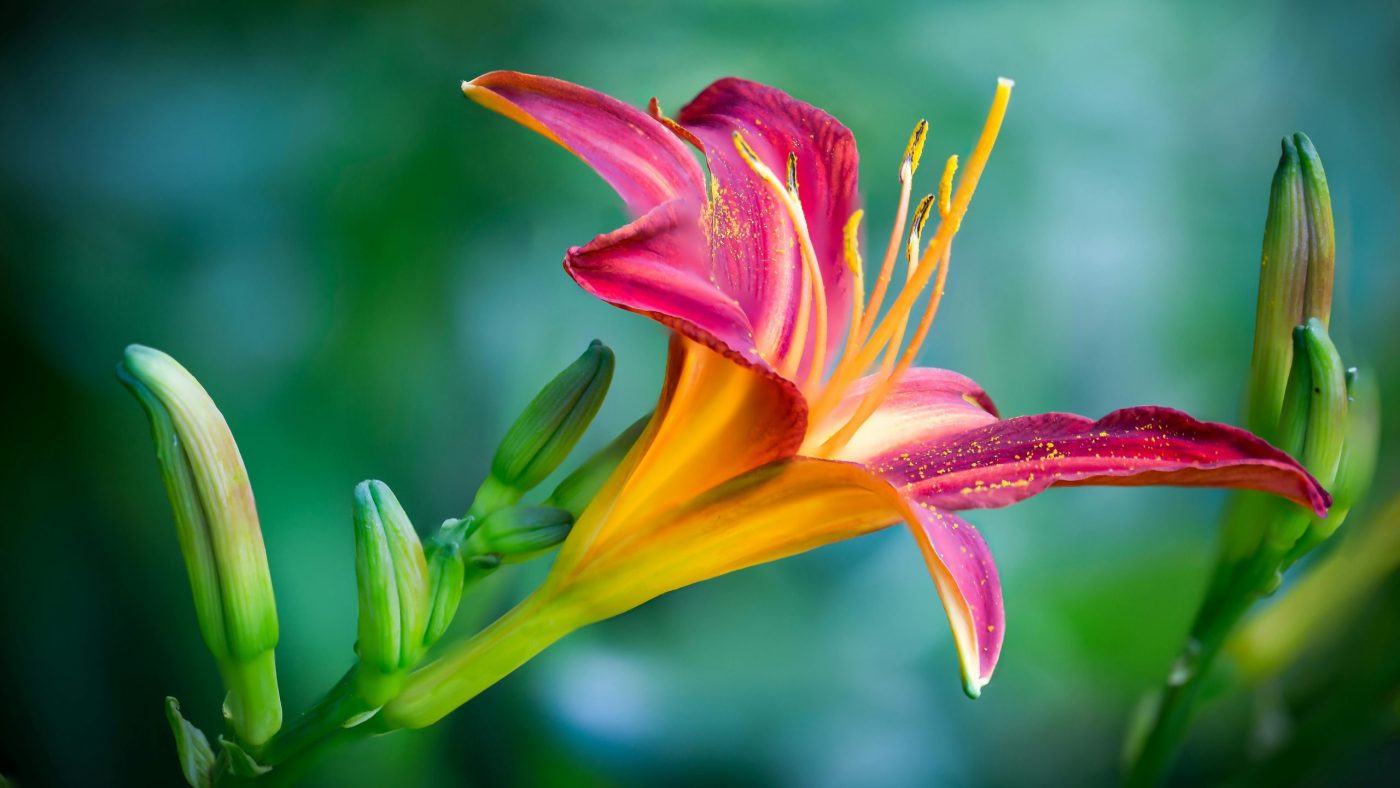
Heartbreak and Honor: Echoes of the Emerald Isle

Heartbreak and Honor: Echoes of the Emerald Isle

Published

Whispers of the Emerald Isle: Tales of Heartbreak and Honor from the Shadows of our Ancestors

Estimated reading time: 6 minutes

Key Takeaways

  • The spirit of the Irish people is woven with tales of resilience and love.
  • Modern struggles echo the challenges faced by our ancestors.
  • Irish folklore serves as a bridge to understanding our cultural identity.

Table of Contents

Introduction
One Bitter Night in Kerry
A Reflection of the Past
The Silent Streets of Today
Did You Know?
FAQs
Final Word

Introduction

Gather round, lads and lassies! Let’s settle into the warmth of an Irish pub, the air thick with the scent of stout and old stories. Every sip of your pint echoes the heartbeats of our ancestors — their triumphs and sorrows weaving the tapestry of our lives today. For we are the children of the rebels, the dreamers, and the mourners. From Donegal to Dubai and back again, the whispers of the Emerald Isle call us home through tales of heartbreak and honor that are etched in our souls.

One Bitter Night in Kerry

Picture this: a sleepy village in Kerry, where the hills cradle secrets in their embrace. An old man, wise and weary, stares out into the night, a fire crackling softly in the hearth. He remembers the off-key ballads sung in the back lanes after a defeat on the field, the tears blurred by the late-night laughter. It was the ‘80s — fierce rivalry and pride literally defined the very heart of GAA. In that world of thunderous cheers and agonising losses, young lads lived for their team’s glory, dreaming of raising the cup above their heads. Until that fateful day in ‘85, when defeat came crashing down like a dark storm cloud over the whole county.

A Reflection of the Past

Ah, the story of loss runs deep in our veins. Each heartache unearths laughter through tears — it’s our way, isn’t it? In a country where history binds us, the soft echoes of the past ripple through every valley and across every sea. Those echoes remind us that we are never just individuals; we carry the legacy of our people, their fight for freedom, and their relentless spirit. From the hunger of the famine to jubilant victories on the pitch, every tale illuminates who we are. As the great Irish author Brendan Behan once said, “There’s no such thing as bad publicity except your own obituary.” In our stories, we rise; in our losses, we learn and grow ever stronger.

The Silent Streets of Today

Fast forward to now, and the echoes carry the voices of those who fought for the rights and respect still sought today. Walking through Dublin’s bustling streets or the quieter lanes of a small town, it’s impossible to ignore the cries for housing and affordable living — the new battleground where dreams often meet despair. A young person draped in a Kerry jersey looks at the horizon, eyes full of hope, yet burdened by the weight of history on their young shoulders. The spirit of our ancestors, the rebels who stood firm in the face of oppression, lives not just in stories but in every struggle for what’s right. Their fight fuels our fights, their dreams ignite our resolve, binding us across the waves of time and geography.

Did You Know?

  • The GAA was founded in 1884 to preserve and promote Irish sports, culture, and heritage — embracing our past through sport.
  • Over 70 million people claim Irish heritage worldwide, showing the lasting legacy of our spirit beyond these shores.

FAQs

What are some common themes in Irish folklore?
Ah, the tales of banshees, fairy forts, and the ever-elusive púca. Each story serves as a reminder of our deep connection to the land and our collective identity. For some fine folklore gear, check out the cultural section on HubIrish.

How does GAA influence modern Irish life?
It’s still the pulse of rural life, the pride of communities, and a bridge connecting us across oceans. If you catch a game in a Boston bar or a Dubai pub, the roar is a reminder that no matter where we are, we’re united under the green and gold.

Final Word

So here we gather, to remember not just the victories but also the heartbreaks that shaped our stories. Let’s lift our glasses to the memories, the fights, and the passion that bind us. As you walk through life, carry the spirit of your ancestors with pride; let their whispers guide you home — for if you carry the same pride we do, you’ll find a piece of home waiting at
HubIrish.com.
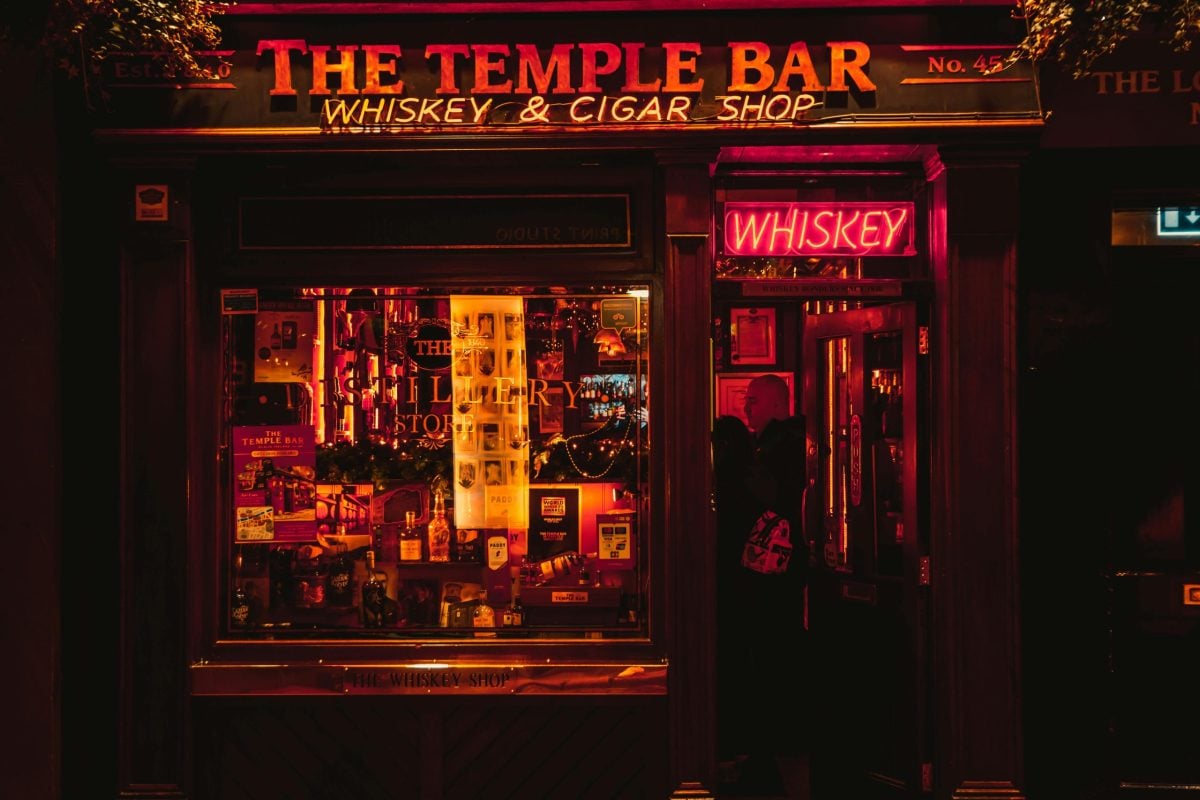
Tales of Lost Love and Resilience in Ireland

Tales of Lost Love and Resilience in Ireland

Published

Whispers of the Old Oak: Tales of Lost Love, Unyielding Resilience, and the Spirits of Ireland’s Heart

Estimated reading time: 6 minutes

Key Takeaways

  • Irish stories are woven with themes of love and loss.
  • The oak tree symbolizes resilience in Irish culture.
  • Connecting with your roots fosters a strong sense of identity.

Table of Contents

Introduction
The Heart of the Story
The Wider Echo
The Now & The Next
Did You Know?
FAQs
Final Word

Introduction

Gather around, you who carry the weight of the past in your knotted hands. There’s a pulse in the land, a whisper in the winds that sweep over the hills of Ireland — an echo of lost loves and resilient hearts. When the dance is over, and the laughter faded, what remains is the essence of our stories, wrapped in the roots of ancient oaks. On this feisty island, love and loss are stitched into our very being, binding us to our homeland and to each other, no matter how far our feet roam.

The Heart of the Story

In the cool morning hush of Galway, an old oak stands like a sentinel, bearing witness to the ebb and flow of life. It’s here, beneath its gnarled branches, that young lovers once carved their names into the bark, hearts fluttering like the swallows overhead. One autumn afternoon, two souls mingled their dreams and their laughter — Aisling and Liam. They believed their love was eternal, destined. But the winds of change blew strong as whispers of emigration bid farewell to dreams. With Liam bound for America, they stood beneath the old oak, promising to find their way back to each other, swearing to never let the distance dim their fire.

The Wider Echo

Love, loss, and longing intertwine in the narratives of countless Irish families who’ve scattered to the four corners of the earth. For every Aisling and Liam, there’s a world full of heartache carried in the memories of those left behind, waiting at bus stops and train stations that could only echo the laughter of a lover once close. Their stories speak to us from the vast distances, reminding us that though the seas may be wide, the roots run deeper. Today, nearly 10 million Irish citizens reside abroad, fueling a diaspora that thrives on the resilience of shared stories, bonds forged in the heat of shared experiences.

The Now & The Next

But what of the now? The world has changed, but the heart of Ireland still beats steadfast. In the pubs of New York where Kerry jerseys rival the sweat of hurling matches, the spirits of home come alive in laughter and song. Each note played, each pint raised in memory of lost loves and the courage to endure symbolizes an unbroken chain stretching from the old pages of history to the vibrant tapestry of modern life. Today, as housing crises grip our cities and grief intertwines with joy, the spirit of the oak whispers, pushing us to connect, resist, and reclaim what is ours — to shout our names into the wind, like the ones who came before us.

Did You Know?

  • Over 80 million people worldwide claim Irish ancestry, a testament to our enduring legacy.
  • The phrase “Céad Míle Fáilte,” meaning “a hundred thousand welcomes,” embodies the hospitality that welcomes our diaspora home.

FAQs

What does the oak tree symbolize in Irish culture?
The oak tree is revered as a symbol of strength and stability, representing resilience in the face of life’s storms, much like our people. For more on our culture, check out our art section.

How can I stay connected to my Irish roots while living abroad?
Embrace your identity! Join local Irish groups, celebrate our festivals, share stories, and support Irish businesses. You’re never alone — your roots run deep no matter where you are.

Final Word

As we pour another pint, as laughter rings out over tales of yore, remember the whispers of the old oak and the stories it guards. It isn’t just about love lost or heartache savored; it’s about the resilience of a spirit that knows no bounds. If you carry the same pride we do, you’ll find a piece of home waiting at
HubIrish.com.