

The Forgotten Women of Tuam and Their Silent Sorrow

The Forgotten Women of Tuam and Their Silent Sorrow

Published

The Forgotten Women of Tuam: Unraveling the Tragedy of the Mother and Baby Home

Estimated reading time: 5 minutes

Key Takeaways

  • The Mother and Baby Home in Tuam operated from 1925 to 1961, housing thousands of mothers and their children.
  • Shocking discoveries in 2014 revealed a mass grave of nearly 800 infants, igniting national outrage.
  • The scandal highlighted systemic failures in societal treatment of women and children in Ireland.

Table of Contents

Introduction
The Heart of the Story
The Wider Echo
The Now & The Next
Did You Know?
FAQs
Final Word

Introduction

In the shadow of Tuam, where the echoes of laughter mingle with whispers of sorrow, a haunting tale of heartbreak and resilience lies buried. The Mother and Baby Home stands as a testament to the forgotten women of Ireland, where mothers, stripped of their dignity, dared to love, to nurture, and to survive against an unforgiving tide of stigma and shame.

The Heart of the Story

In Galway, the air is thick with the unsung stories of those who came before us. The Mother and Baby Home in Tuam, run by the Bon Secours Sisters from 1925 to 1961, became a prison of sorts — a gilded cage for the “fallen women” of society. It was a place where love was a commodity too often denied. Estimates suggest that over 9,000 mothers and their children passed through its doors. Many were abandoned like unwanted waifs, leaving behind not just children but shattered lives. The shocking discovery of a mass grave in 2014, containing the remains of nearly 800 infants, ignited a firestorm of outrage and grief that reverberated throughout the nation.

The Wider Echo

The tragedies unfolded in Tuam — they weren’t isolated; they were emblematic of a larger narrative woven throughout Irish history, characterized by shame, silence, and societal judgment. The scandal of the Mother and Baby Home ignited conversations on social justice and the treatment of women. The survivors became the voice of the voiceless, urging us to confront our past, reminding us of the systemic failings that allowed such horrors to flourish. As Mary McAleese, the former President of Ireland, poignantly stated, “You cannot judge a nation by its wealth, but by how it treats its vulnerable. The children of Tuam were among our most vulnerable, and we failed them.”

The Now & The Next

Today, the repercussions of the past ripple onward. Conversations on maternal healthcare, child rights, and systemic reform are vital in shaping a more compassionate Ireland. But can we overcome the ghosts of our history? The faces of mothers and children continue to haunt the halls, compelling us to act. Their stories demand a reckoning and healing, an end to cycles of trauma. As we undertake this journey, let us ensure that the legacy of the forgotten women of Tuam is one that resonates with hope, movement, and redemption.

Did You Know?

  • The Tuam home operated for 36 years, and many children died within its walls due to neglect and lack of proper medical care.
  • Recent investigations have shown that upwards of 1,000 children died in Mother and Baby Homes, a devastating impact on the fabric of Irish society.

FAQs

What was the purpose of Mother and Baby Homes?
These institutions were primarily designed to house unmarried mothers and their children, often subjecting them to harsh conditions and societal stigma.

Are there efforts to remember the victims of the Tuam Mother and Baby Home?
Yes, numerous campaigns and memorial drives are ongoing to honor the memories and experiences of those affected, striving for acknowledgement and justice.

Final Word

The story of the forgotten women of Tuam is one that reminds us it’s time for reckoning, reflection, and restoration. Through each tale told, we can nurture a future free from shame, building an Ireland that stands as a beacon of compassion.
If you carry the same pride we do, you’ll find a piece of home waiting at
HubIrish.com.


Mary Robinson’s legacy as a voice for justice

Mary Robinson’s legacy as a voice for justice

Published

Mary Robinson’s Unyielding Fight for Rights: How a Quiet Irish Politician Became a Global Beacon of Justice

Estimated reading time: 7 minutes

Key Takeaways

  • Mary Robinson was the first female President of Ireland.
  • She championed human rights and social justice on a global scale.
  • Her legacy continues to inspire new generations of activists today.

Table of Contents

Introduction
A Journey Through Shadows and Light
Human Rights, Not Just Politicking
A Modern Activist Icon
Did You Know?
FAQs
Final Word

Introduction

In the heart of Dublin, where cobblestones pulse with history, a quiet revolution took root. Mary Robinson, born and raised in the fierce spirit of Ireland, stood boldly at the crossroads of rights and justice. As the first female President of Ireland, she didn’t just break a glass ceiling — she shattered every expectation of what a leader could be. A beacon towards the future, she wielded her power with compassion, demanding respect for the oppressed and lost in a world often drowned in silence.

A Journey Through Shadows and Light

In the 1990s, as the winds of change swept through Ireland, Dublin became the backdrop for Robinson’s remarkable journey. Often navigating fierce storms of political opposition and societal skepticism, she was a trailblazer — advocating for human rights that were once mere whispers in murky political corridors. Her fierce fight against discrimination and her poignant reformation of social policy sparked hope in the hearts of many. This was a woman who understood the power of voice; a voice that resonated across borders, inspiring change beyond the Emerald Isle itself.

Human Rights, Not Just Politicking

Mary’s presidency wasn’t merely about a title; it was about making waves in the ocean of injustice. While serving from 1990 to 1997, she elevated critical issues like women’s rights, global warming, and the plight of the marginalized. Her elegant speeches carried the weight of truth, amplifying the voices of those who had been silenced. Each statement became a call to action, reverberating across the globe. Her legacy? The courage to confront injustice, a torch passed from one generation to the next, forging a community of advocates unafraid to stand up against tyranny and oppression.

A Modern Activist Icon

Today, Mary Robinson’s influence remains unparalleled. In a world where human rights violations overflow and environmental crises loom, her tireless dedication acts as a compass, guiding new generations of activists. As Ireland battles its storms, from housing crises to societal divides, the ethos of Mary Robinson rings true. She showed us that political power should serve the common good, urging us all to keep the spirit alive — for every silent scream, for every lost cause, and for every flicker of hope. Her lessons teach us vitality in our fight for rights resonates even beyond the borders of this small island.

Did You Know?

  • Mary Robinson was the first woman to serve as President of Ireland, advocating tirelessly for social issues during her tenure.
  • She has since served as the United Nations High Commissioner for Human Rights and is a prominent advocate for climate justice.

FAQs

What impact did Mary Robinson have on women’s rights in Ireland?
Mary was instrumental in addressing women’s issues, advocating for equality and inclusion during her presidency. Her influence has led to significant advancements in women’s rights throughout the country.

How did her presidency change the perception of Ireland globally?
With Mary Robinson as President, Ireland was seen as a pioneer for human rights and social justice, transforming its international image from one of turmoil to a model of progressive change.

Final Word

Through unyielding persistence and heart, Mary Robinson carved a path of justice where before there was silence. She taught us that a single voice can ignite a movement, and a quiet politician can indeed become a global beacon of justice. Let us carry her torch. If you carry the same pride we do, you’ll find a piece of home waiting at
HubIrish.com.
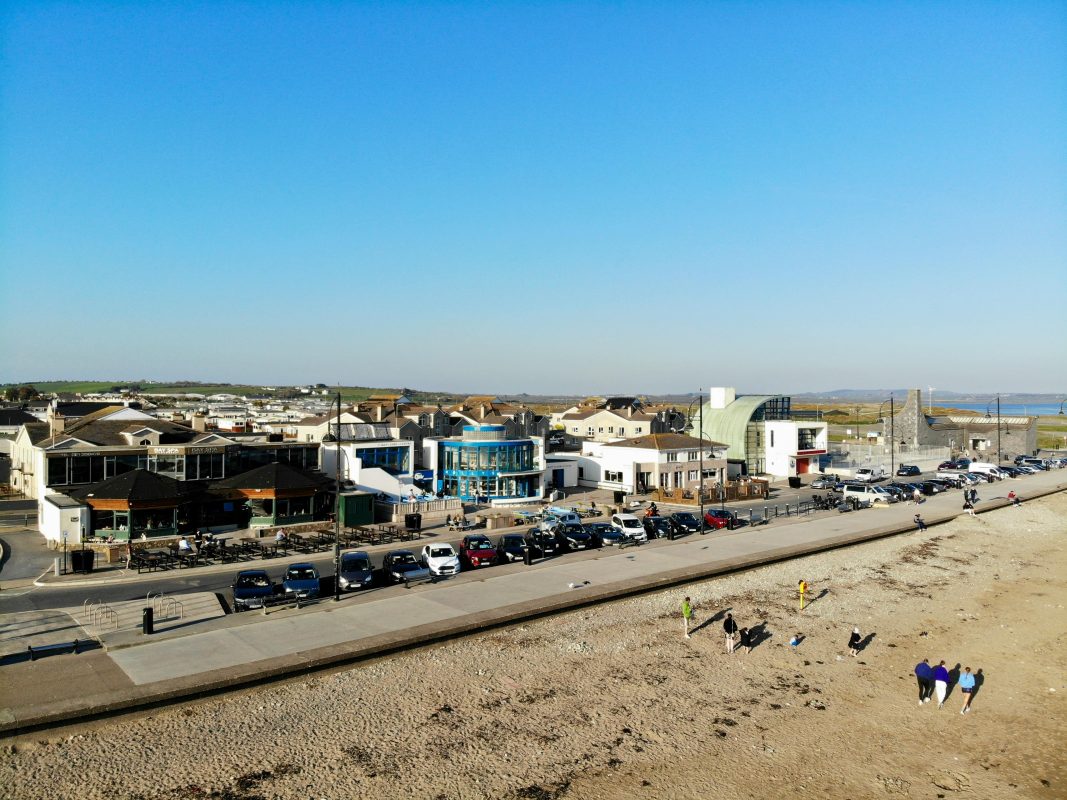
The Irish Flag: Boston’s Beacon of Hope and Identity

The Irish Flag: Boston’s Beacon of Hope and Identity

Published

The Day the Irish Flag Was Raised in Boston: How a Small Community Shaped a Nation’s Identity

Estimated reading time: 5 minutes

Key Takeaways

  • The raising of the Irish flag in Boston in 1848 symbolized the beginning of a new Irish identity in America.
  • Boston became a cultural haven for Irish immigrants seeking recognition and community.
  • The legacy of the Irish flag continues to inspire pride and unity among Irish Americans today.

Table of Contents

Introduction
A Flag of Hope in the City of Boston
The Wider Echo of a Flag
Today: The Legacy Remains
Did You Know?
FAQs
Final Word

Introduction

On a chilly March day in 1848, amidst the harsh realities of famine and a yearning for home, the Irish flag was hoisted high in Boston, igniting a flame of identity that would burn brightly across the seas. It wasn’t just cloth; it was a vibrant tapestry of resilience—a banner unfurled by a community of immigrants yearning for recognition. Here, in the heart of America, a people forged a new identity, wrapping themselves in green, white, and orange, a symbol of hope and liberty, swelling with the pulse of a diaspora united.

A Flag of Hope in the City of Boston

Imagine South Boston—a sea of shamrock green, enthusiasts vibrant with stories of home. This isn’t just any neighborhood; it’s a living museum of Irish heritage. In those early days, the Irish were no strangers to hardship—the Great Famine had pierced their hearts and driven them to this foreign land. Yet these immigrants weren’t merely survivors; they were warriors of culture, planting their roots deep into American soil while never forgetting the green hills of Kerry. The 1848 celebration, an early St. Patrick’s Day event, marked the debut of the Irish national flag in the U.S., a moment immortalized as their voice grew louder, demanding respect and recognition.

The Wider Echo of a Flag

This flag did not simply flutter against the Boston skyline; it carried echoes of home, of revolution, of the tumultuous struggles back in Ireland. As Irish eyes turned ever more to American shores, they found a ready audience; Boston became a sanctuary for the exiled. Decades later, as the fight for Irish independence ramped up, the flag shifted from celebration to a rallying point, an emblem of resilience that fueled revolutions and inspired poets. Historian Timothy J. Meagher states, “The Irish Americans transformed their sorrow into civic pride,” perfectly encapsulating how a simple flag wove into the fabric of American identity.

Today: The Legacy Remains

Fast forward to now, where hundreds gather in Boston each March to honor the legacy that day created, an annual Showdown of green and orange. But the flag’s spirit crosses oceans; it’s found in the hallowed grounds of GAA clubs in every corner, the colourful jerseys of the GAA jerseys worn by kids as they kick Dunny rounds against a backdrop of their local parks. Those colours are more than just fabric; they’re symbols of struggle, of family gatherings around tables overflowing with laughter and stories—of where we came from and the hopes carried on the winds of the American dream.

Did You Know?

  • Boston’s Irish population surged during the Great Famine, making it home to one of the largest Irish diasporas in the world.
  • The first St. Patrick’s Day parade in the United States took place in Boston in 1737, which was not merely a celebration but an act of asserting identity against discrimination.

FAQs

Why was the raising of the Irish flag significant in Boston?
It symbolized the Irish identity and community in America, marking a shift from invisibility to a recognized presence, crucial during the tumult of the Great Famine.

How has the Irish community in Boston influenced Irish culture?
Boston’s Irish community has become a cultural heartbeat, blending music, sports, and activism—forever intertwined with the legacy of Ireland itself.

Final Word

The raising of the Irish flag in Boston was not just an event; it was a heartfelt proclamation. It cemented ties that span oceans and generations, binding our Irish heritage with pride in shared fights for freedom. Just as the flag waves in every parade, find a piece of that pride at
HubIrish.com—because the spirit of Ireland lives on in every heart touched by its earth.

The Last Witch of Ireland: Reclaiming Her Story

The Last Witch of Ireland: Reclaiming Her Story

Published

How a Quiet Galway Village Harbored the Last Witch of Ireland and Reclaimed Her Story

Estimated reading time: 6 minutes

Key Takeaways

  • Anne O’Dwyer’s story highlights the historical injustices faced by women.
  • Her experience reflects broader themes of oppression and resilience.
  • Reclaiming marginalized narratives can challenge societal prejudices.

Table of Contents

Introduction
The Heart of the Story
The Wider Echo
The Now & The Next
Did You Know?
FAQs
Final Word

Introduction

In a world where secrets whisper through the thatched roofs and roads lie heavy with the burdens of history, Corr na Móna bears witness to one of the last true outcasts of Ireland: the last witch. A tale of injustice, resilience, and the reclaiming of a woman’s story unfolds in this tranquil Galway village, where the mist hangs low and the past lingers like the scent of turf fires. This is her story, shaped by heartache and defiance, forever etched into the soul of Ireland.

The Heart of the Story

In the late 17th century, when fear of the supernatural gripped the minds of many, a woman named Anne O’Dwyer found herself at the center of a storm that would lead to her being branded a witch. Accused of casting curses and causing misfortune for her neighbors, she was brought to trial in 1716 in a Galway courtroom. Here in Galway, once a thriving hub of poets and rebels, she would face a society that feared what it could not understand. The evidence against her was flimsy—an accusation made in whispers and fueled by neighborly grievances. Yet it was enough to label her as a witch, to condemn her to a life of ostracism and torment.

The Wider Echo

The story of Anne O’Dwyer resonates far beyond the confines of her time—it calls out to all who have felt the weight of judgement and persecution. Her plight mirrors the experiences of countless marginalized voices throughout Ireland’s turbulent history. “Her fate speaks to the historical silencing of women and the scapegoating of the vulnerable,” said a modern historian studying witch trials. In reclaiming her narrative, we illuminate the long shadows of those who suffered for being perceived as different. Through her, we uncover not only the sting of injustice but the indomitable spirit of resilience that defines the Irish soul.

The Now & The Next

Today, as we gather in pubs and backrooms sharing laughter and stories, we must also remember the ghosts of our past. The trials of individuals like Anne O’Dwyer remind us of the ongoing struggles against discrimination and prejudice. Just as the people of Corr na Móna reclaimed her story, so too must we reclaim our narratives, celebrating diversity in all its forms. Whether that means advocating for equal rights, supporting local artists, or simply listening to the stories of our elders, it’s a call for action. In today’s Ireland, let’s ensure every voice, like Anne’s, is heard and valued.

Did You Know?

  • Between the 15th and 17th centuries, approximately 1,000 people were executed in Ireland for witchcraft, the overwhelming majority being women.
  • In 2009, the Irish government formally apologised for the historic mistreatment of women accused of witchcraft and began a process of pardon.

FAQs

What happened to Anne O’Dwyer after her trial?
Anne’s fate remains largely shrouded in mystery, but many believe she lived out her days in the village, marked by the stigma of her trial.

How did witch trials impact Irish society?
They instilled a culture of fear and suspicion, often targeting the vulnerable. The memory of these trials echoes in contemporary discussions about women’s rights and social justice.

Final Word

In echoing the heartache and bravery of Anne O’Dwyer, we honor a woman who was much more than her labels—she is a symbol of every struggle against injustice, every voice cloaked in silence. The next time you share a story over a pint in Corr na Móna or any corner of this beautiful country, remember Anne’s legacy and let it inspire us to embrace all the diverse narratives that make us who we are. If you carry the same pride we do, you’ll find a piece of home waiting at
HubIrish.com.

Women Rising Against the Magdalene Laundries

Women Rising Against the Magdalene Laundries

Published

Under the Shadow of the Cross: The Untold Story of Women Who Fought Against the Magdalene Laundries

Estimated reading time: 7 minutes

Key Takeaways

  • The Magdalene Laundries were sites of systemic abuse and confinement for thousands of women.
  • Women like Mairead O’Brien emerged as courageous advocates for justice and recognition.
  • The Irish Government has begun to address the historical injustices faced by these women.

Table of Contents

Introduction
The Heart of the Story
The Wider Echo
The Now & The Next
Did You Know?
FAQs
Final Word

Introduction

In the heart of Ireland, in quiet towns and bustling cities, shadows linger; shadows where the voices of women who whispered against the silence of their confinement echo still. The Magdalene Laundries, infamous sanctuaries of shame masked as charity, housed thousands of women — many innocent — trapped under the guise of moral correction. Today, we delve into the untold stories of the fierce heroines who dared to rise against a haunting past, against the cross that bore so much weight.

The Heart of the Story

To understand the plight of the Magdalene women, one must traverse the cobbled streets of Dublin — not just the capital, but a city rich in lost tales and whispered wrongs. At the crest of the 20th century, these laundries thrived under the pretense of rehabilitation. Shame, sorrow, and silence were their constant companions as young mothers, victimized girls, and women silenced by society found themselves behind walls that echoed heavier than the iron bars they never saw. They came from all walks of life, yet were treated as outcasts, stripped of their identities and their futures in places that claimed charity as their banner.

But courage burned in the hearts of many — women like Mairead O’Brien, and others who emerged from the shadows to reveal the hidden truths. The Irish memory is a tapestry woven with strands of rebellion, and these women, often overlooked, have become a thread of resilience, connecting past to present. With every story unearthed, the memory of their suffering brings life to the restless spirits clamoring for justice.

The Wider Echo

This topic is not just personal; it’s political. These women’s stories reverberate in the very fabric of Ireland, piercing through the veils of deception that kept the Magdalene Laundries hidden in plain sight. The Ryan Report (2009) laid bare the systemic abuses — a revelation dragging the Catholic Church, once an untouchable power, into the spotlight of accountability. Ireland, often perceived as a bastion of faith, began grappling with the grim realities of its past, as collective anger awoke in the hearts of a new generation who say, “Never again.”

Women across Cork, a city ripe with stories of struggle and fierce community resilience, joined forces to ensure these tales of heartbreak would not vanish into history. Silence was replaced with action, and the courage found within the Magdalene hearts became a rallying cry that inspired movements challenging patriarchal structures. A wounded past began to stitch itself together through shared narratives and newfound strength.

The Now & The Next

Today, the fight against systemic abuse continues. Survivors of the laundries and their advocates push forward — demanding justice, recognition, and a genuine apology from those who perpetuated the institutions of oppression. In this modern age where we cling to the rights of the marginalized, these women’s voices resonate louder than ever. Every protest, every statement issued by the Government, weaves through the hearts of those who silently endured, reminding us that quickly forgotten histories can forge stronger futures.

Words matter. Acknowledgment matters. The struggle for dignity surges forward into a new generation, imbued with the indomitable Irish spirit, drawn from the struggle of our mothers, our sisters, our comrades. Who will rise from the past? Who will fight today? We all hold responsibility for a better tomorrow.

Did You Know?

  • The last of the Magdalene Laundries closed in 1996, indicating how recent this part of Irish history is, revealing societal attitudes that lingered far too long.
  • In 2013, the Irish Government issued a formal apology to the survivors of the Magdalene Laundries, acknowledging the suffering endured, but the battle for justice continues to resonate.

FAQs

What were the Magdalene Laundries?
The Magdalene Laundries were institutions run by Catholic religious orders where ‘fallen’ women were confined to work in laundries, often subjected to hard labor under harsh conditions. Many were placed there against their will.

Who were the notable women involved in the Magdalene Laundries movement?
Women like Mairead O’Brien and many activists and survivors have courageously spoken out to raise awareness about the injustices endured, inspiring ongoing advocacy and support for victims of institutional abuse. You can find more about their stories through reports, documentaries, and survivor-led initiatives.

Final Word

In the echoes of their suffering, there blooms a fierce desire for justice, an indomitable spirit that refuses to be silenced. Together, we shall weave new tales of resilience and hope from the threads of sorrow. If you carry the same pride we do, you’ll find a piece of home waiting at
HubIrish.com.

The Irish Revolution and Its Lasting Legacy

The Irish Revolution and Its Lasting Legacy

Published

The Day the Irish Revolution Began: How the 1916 Rising Ignited a Nation’s Soul

Estimated reading time: 6 minutes

Key Takeaways

  • The 1916 Rising was a pivotal event in Irish history, marking the beginning of a revolution.
  • Key leaders included Patrick Pearse and James Connolly who declared the Proclamation of the Irish Republic.
  • The uprising led to significant changes in public consciousness regarding Irish nationalism.

Table of Contents

Introduction
A Day Like No Other
Reverberations Across the Land
The Legacy Lives On
Did You Know?
FAQs
Final Word

Introduction

In the heart of Dublin, whispers of rebellion danced on the breeze, igniting a flame that flickered for centuries. One hundred and seven years ago, men and women from all walks of life gathered in defiance. The echoes of the 1916 Rising resonate through time, reminding us of the unyielding spirit of a nation aching for freedom. With every heartbeat, we honor their dreams and the chains they shattered. This is the story of how a handful of brave souls ignited a movement that would embolden a nation’s very soul.

A Day Like No Other

On Easter Monday, April 24, 1916, the streets of Dublin erupted into chaos. Guided by passion and a yearning for independence, leaders like Patrick Pearse and James Connolly, armed with little more than rifles and revolutionary zeal, declared the Proclamation of the Irish Republic. The GPO became a stronghold of defiance, a symbol of reckless hope amid a war-torn world. From the façade, the echoes of gunfire danced with the dirges of old nationhood, while the city—specifically Dublin—watched with bated breath. And though the gleam of rebellion turned to ash amidst the ruins, its light would not be extinguished.

Reverberations Across the Land

After a week-long fight—bloody and fierce—the uprising met a tragic end, but what followed was a sea change in the Irish consciousness. The ink of the Proclamation seeped deeply into the bones of a weary people, feeding the flames of nationalism across the island. The sacrifices made transformed the ideals of a few into a cause embraced by the many. As the words ‘Serious and Resolute’ echoed from the GPO, they birthed leaders, poets, and a generation determined to forge their path. In a post-rebellion Ireland, the tide surged toward elections and voices of dissent—united in hope for a brighter tomorrow.

The Legacy Lives On

In today’s Ireland, the spirit of the 1916 Rising can be felt in the heartbeat of social movements—where old battles for freedom have morphed into cries for equality and justice. We witness a landscape of struggle transforming under the weight of history, resonating in the streets from Cork to Derry as young activists pick up the mantle. And just as the rebels of 1916 rose against oppression, today’s voices demand housing, health, and human rights. They are the descendants of revolutionaries who dared to dream—and we are forever entwined in their legacy, a country unified in its struggles and its triumphs.

Did You Know?

  • The Easter Rising lasted just six days, ending on April 29, 1916, but it set the stage for the Irish War of Independence.
  • During the Rising, approximately 485 people were killed, and thousands more were injured, leaving a lasting imprint on Irish history.

FAQs

What was the main goal of the 1916 Rising?
It aimed to end British rule in Ireland and establish an independent Irish Republic. The Proclamation detailed these aspirations clearly, acting as fuel for future generations.

How did the public react to the Rising?
Initially met with mixed feelings, public perception shifted dramatically after the executions of the leaders. They became martyrs, inspiring further efforts toward independence.

Final Word

The spirit of the 1916 Rising is woven into the very fabric of modern Ireland. As we raise our voices today, may we remember the sacrifices made and the vision they had—of a free and just nation. If you carry the same pride we do, you’ll find a piece of home waiting at HubIrish.com.
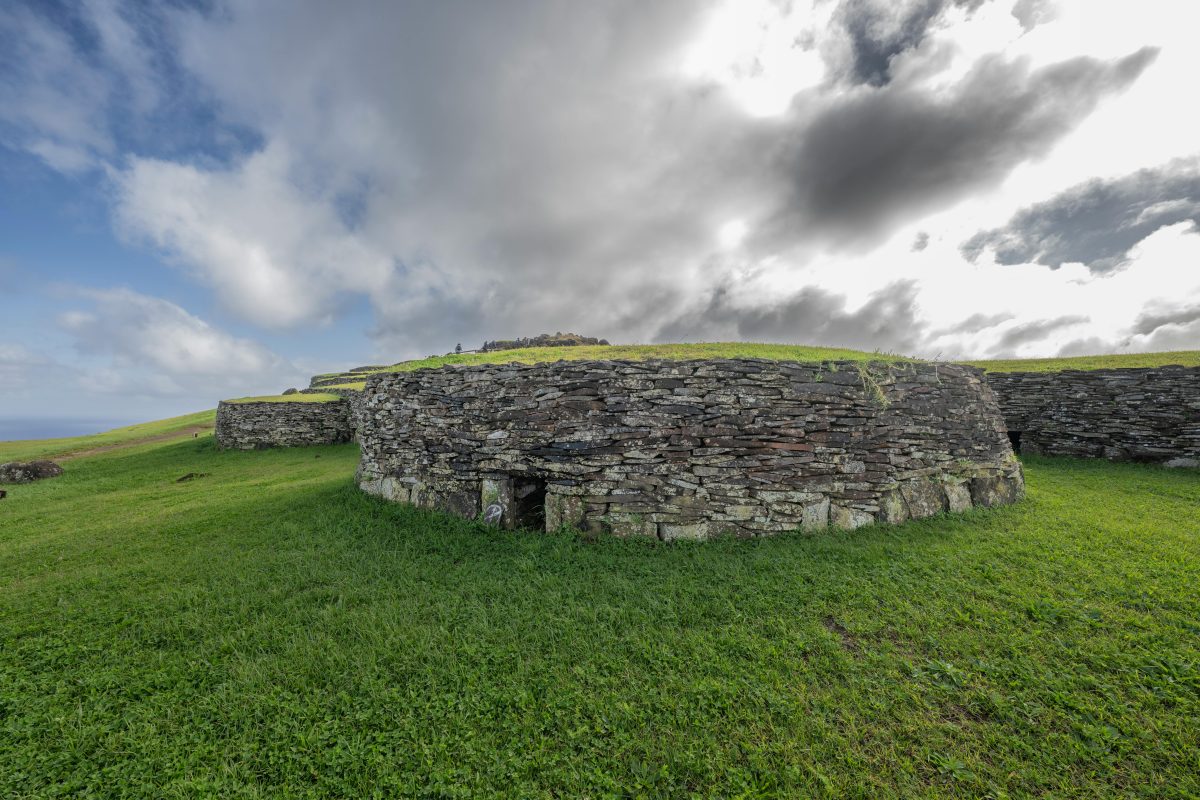
The haunting legacy of Ann Lovett in Ireland

The haunting legacy of Ann Lovett in Ireland

Published

Ann Lovett’s Tragic Story Still Haunts Ireland: A Stolen Childhood and the Silence That Followed

Estimated reading time: 5 minutes

Key Takeaways

  • Ann Lovett’s story highlights the societal stigma surrounding unwed motherhood.
  • Her tragic death ignited conversations about mental health and women’s rights in Ireland.
  • The legacy of Ann’s story continues to influence policies aimed at protecting vulnerable individuals.

Table of Contents

Introduction
The Heart of the Story
The Wider Echo
The Now & The Next
Did You Know?
FAQs
Final Word

Introduction

In the quiet town of Ballaghaderreen, County Roscommon, whispers of sorrow linger through the streets. A tragedy once hidden beneath the weight of shame and silence, the story of Ann Lovett is one Ireland struggles to confront. A stolen childhood, a mother’s embrace omitted by fate — here begins a tale that demands to be heard.

The Heart of the Story

Ann Lovett was just 15, a girl on the cusp of womanhood, filled with dreams yet tied down by the shackles of circumstance. In 1984, she hid a truth buried beneath fear and stigma — she was pregnant. On the cold morning of January 31, Ann gave birth in a remote field in County Roscommon, seeking solace in the arms of nature when her own community turned its back. Tragically, both she and her newborn daughter would perish in that frost-bitten embrace.

That day, the silence of Ballaghaderreen spoke louder than any words. A silence that echoed through the heart of a community unwilling to face its own complicity in Ann’s plight. The deep-set shame surrounding unwed motherhood and mental health struggles took the lives of two innocents, forever binding them to the land they left behind.

The Wider Echo

Ann’s tragic story revealed the dark shadows of Irish society – one where a young girl’s plight was drowned in whispers and judgement. This was not merely a tale of loss but a reflection of societal failings. It opened discussions around mental health, the Catholic Church’s grip on morality, and the stigma attached to women’s bodies. As Anne F. Hargreaves reported, public outcry arose from the horror of a system that allowed Ann’s cries to go unheard.

The fallout from this heartbreaking tragedy rippled through the nation, leading to an examination of how society could fail its young. It spoke to the failures of the State in protecting its vulnerable and shone a light on the need for change that has since led to greater awareness and advocacy for women’s rights in Ireland. Ann became a symbol, her loss echoing in the continued fight for dignity for women everywhere.

The Now & The Next

Today, we carry Ann’s memory in our hearts as we face new challenges. The echoes of her story remind us that still, women in Ireland grapple with issues of reproductive rights and mental health. Strides have been made, yes — but as we re-examine policies, we must ensure that no child is born into silence. Modern Ireland has a responsibility to her legacy; to nourish those voices that society has historically tried to silence, whether in the streets of Dublin or the fields of County Roscommon.

Did You Know?

  • More than 30 years after the tragic death of Ann Lovett, Ireland has made significant strides in women’s rights, but discussions around mental health remain crucial in addressing societal stigmas.
  • The Irish government continues to reform policies regarding healthcare access and support systems for women, rooted in the lessons learned from Ann Lovett’s haunting story.

FAQs

Why is Ann Lovett’s story still relevant today?
Ann’s tale exposes the historical stigma surrounding unwed mothers and sheds light on ongoing challenges women face. Her story compels us to advocate for change, supporting vulnerable youth across Ireland. You can explore more about this critical narrative within Roscommon.

What impact did Ann Lovett’s story have on Irish society?
Ann’s heartbreaking story sparked national conversations about women’s rights and mental health, contributing to significant policy changes that prioritize support for women in crisis.

Final Word

Ann Lovett’s story is a mirror reflecting our communal scars, our silences turned to echoes. May we remember her name, honor her legacy, and ensure that every voice is heard in the story of Ireland. If you carry the same pride we do, you’ll find a piece of home waiting at
HubIrish.com.
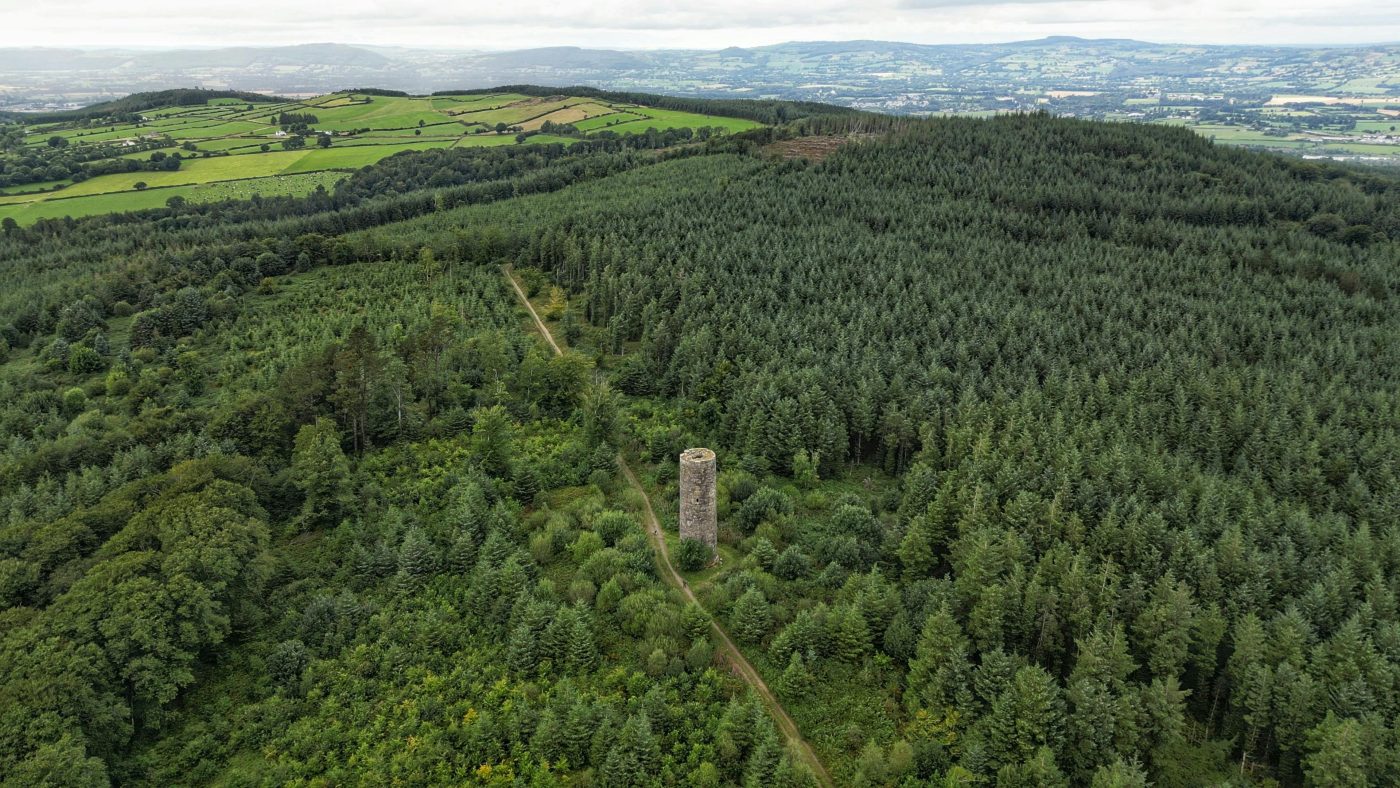
Echoes of Grief: Remembering Tuam’s Lost Children

Echoes of Grief: Remembering Tuam’s Lost Children

Published

From Stolen Childhoods to Silent Graves: The Tragic Legacy of Tuam’s Mother and Baby Home

Estimated reading time: 6 minutes

Key Takeaways

  • Over 9,000 women and children passed through the Tuam Mother and Baby Home.
  • More than 800 babies died in this institution, many buried in a mass grave.
  • The Irish government is working towards redress and historical documentation for survivors.

Table of Contents

Introduction
The Heart of the Story
The Wider Echo
The Now & The Next
Did You Know?
FAQs
Final Word

Introduction

Tuam, County Galway — a name that carries the weight of loss, a haunting echo of stolen futures and buried lives. This tale, woven from grief and injustice, speaks of a dark chapter in Irish history, where mothers and their children were torn from one another, cast into the silence of a society too afraid to confront its sins. In echoes, we hear their sobs, and in shadows, we find the stories that refuse to fade. This isn’t merely history; it’s a call to remember, to feel, to grieve.

The Heart of the Story

The Tuam Mother and Baby Home, operational from 1925 to 1961, became a prison for the vulnerable, where over 9,000 women and children were hidden away, their lives marked by neglect and shame. Poor and unmarried mothers were stripped of their dignity, forced into silence by a system that equated their suffering with sin. In Tuam, more than 800 babies died — their lives extinguished before they could draw breath, buried in a mass grave that became a forgotten fragment of this nation’s soul. This tragic legacy is forever entwined with Galway, a county that witnessed the heart-wrenching reality of societal failure and religious authority. Galway bears witness today, echoing the calls for justice and remembrance that began long before.

The Wider Echo

Ireland, a country rich in spirit and resilience, has grappled with the scars of its past. The revelations from Tuam shone a light on the systemic issues surrounding the treatment of women and children, sparking outrage across the globe. In 2017, the then Taoiseach Leo Varadkar acknowledged the tragedy, promising that “there will be no hiding place for those who carried out these wrongs.” These echoes reverberate through the fabric of the nation, intertwining with its journey towards healing. It forces us to confront uncomfortable truths — how far have we come? The buried lives cry out for recognition, and the reality of infant mortality rates during the home’s operation serves as a reminder of our failures, garnering attention and demanding accountability.

The Now & The Next

As we confront the legacy of institutions like the Tuam Mother and Baby Home, we find ourselves standing at a crossroads. The shadow of this tragic history looms over contemporary Ireland, urging us to ensure such atrocities are never repeated. The survivors, if we listen, have much to teach us about resilience, loss, and the power of truth. Today, as families tackle issues of mental health, housing disparities, and the legacy of institutional reform, we must champion the voices previously silenced. Will we, as a nation, rise together, learning from the ghosts of our past and paving the way for a future where every child is cherished, every mother is protected?

Did You Know?

  • The Commission of Investigation into Mother and Baby Homes was established in 2015, revealing the systemic issues present in these institutions.
  • In Tuam, the discovery of the mass grave sparked widespread media scrutiny and prompted global outrage, resulting in a rallying cry for justice and remembrance.

FAQs

What changes have been made in Ireland regarding mother and baby homes?
The government has committed to a comprehensive redress scheme for survivors, along with efforts to document and preserve the history of these institutions to ensure transparency and accountability.

How can I support survivors of mother and baby homes?
Supporting charities and organizations that advocate for victims’ rights, raising awareness, and participating in campaigns can significantly aid the healing process.

Final Word

The story of Tuam is more than a reminder of past wrongs — it’s a clarion call for justice, dignity, and the unwavering remembrance of those lost to silence. As we navigate the path to reconciliation, we must hold the hands of remembrance and action together, allowing history to guide us toward a brighter, more inclusive Ireland.
If you carry the same pride we do, you’ll find a piece of home waiting at
HubIrish.com.
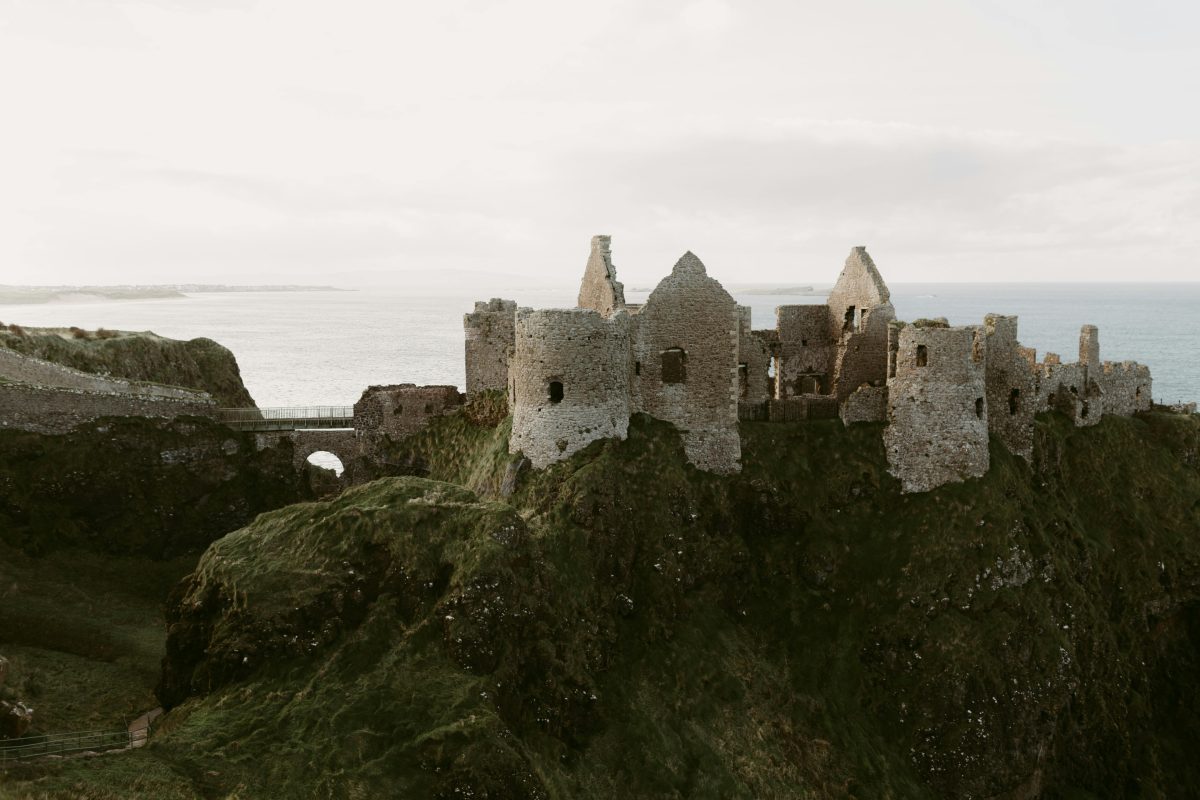
Why Maureen O’Hara’s Spirit Lingers in Irish Homes at Christmas

Why Maureen O’Hara’s Spirit Lingers in Irish Homes at Christmas

Published

Why the Whispered Name of Maureen O’Hara Still Echoes in Irish Hearts Every Christmas

Estimated reading time: 5 minutes

Key Takeaways

  • Maureen O’Hara embodies the essence of Irish identity through her performances.
  • Her legacy continues to inspire modern Irish artists.
  • O’Hara’s work has significantly impacted the perception of Irish women in cinema.

Table of Contents

Introduction
O’Hara: The Bright Star from County Dublin
The Wider Echo
The Now & The Next
Did You Know?
FAQs
Final Word

Introduction

As the frost clings to the evergreen boughs and the scent of roasted chestnuts fills the air, a familiar warmth folds over the Irish diaspora, echoing with love, laughter, and the heart-wrenching nostalgia of home. Maureen O’Hara’s name drapes the hearth like a cherished quilt, a reminder of a time when silver screens lit up faces in dim pub corners, and ghosts of the past stirred our festive spirits. This is not just the story of a film star; it’s the story of an icon who breathed the essence of Ireland into every role, capturing the heartstrings of those who listened, revered, and adored her.

O’Hara: The Bright Star from County Dublin

Born in 1920 in Dublin, she grew up amidst the sights and sounds that would shape her fierce independence and undeniable talent. O’Hara started her journey in the vibrant, rebellious city, finding her way into acting with a fire that matched the spirit of the times. Her breakout role in “The Quiet Man,” set against the lush, rolling hills of Connemara, melded her cinematic storytelling with the essence of her homeland, sparking love affairs that transcended generations. When she asked the iconic line, “Do you want to marry me, Johnny?” the world fell in love. Not just with her but with an idealized Irish romance, one steeped in vibrant color and passion. Even now, as we gather near the flickering glow of the television during Christmas, those spirited connections bind us tighter than any family ties.

The Wider Echo

O’Hara’s legacy illuminates the broader themes of Irish resilience and identity, as Ireland itself has undergone a transformation from colonial struggles to a thriving modern identity. Perhaps the true beauty of her legacy lies in how it resonates in the hearts of expatriates, expounding hope and a relentless spirit. Like the cadences of a rebel ballad sung in a Boston pub, her roles remind us of battles won and the stories that keep our spirits alive—her fierce portrayals competing with the realities of life in a nation often divided yet vibrantly united by stories and song. “Ireland is where my heart is,” she often stated. In her words lived a longing that mirrored the thousands longing for home far beyond its shores.

The Now & The Next

Today, as we cling to the memories of our loved ones around the Christmas table, O’Hara’s name dances among us. From the joy of watching her beloved films to the soulful conversations held next to crackling fires, her spirit whispers through the echoes of the past into the present. She inspires countless modern Irish artists who carry the torch of talent shaped by her legacy. In an era where many Irish continue to immigrate, seeking fortune and solace far from the emerald isle, O’Hara becomes a symbol of home—a beacon drawing our families back together through culture, laughter, and tears. Whether it’s a young actress from Kerry dreaming big or a distant descendant revisiting her passionate tales, Maureen O’Hara is eternally entwined with love and pride as we remember her at our festive gatherings.

Did You Know?

  • Maureen O’Hara was the only actress to be featured in all three of the first Irish films nominated for the Academy Award for Best Foreign Language Film.
  • Her role in “The Quiet Man” helped to revitalize tourism in Ireland, leading to a surge of American visitors eager to see the landscapes immortalized in the classic film.

FAQs

What impact did Maureen O’Hara have on the image of Irish women in cinema?
O’Hara’s strong, spirited characters broke stereotypes and showcased the complex, resilient nature of Irish women, leading to a lasting legacy of powerful female representation in film. Explore more about Irish cinema here.

Are there any famous quotes by Maureen O’Hara that reflect her Irish pride?
Absolutely! O’Hara often expressed her love for Ireland, notably saying, “I’ve always been proud of being an Irish girl. The Irish spirit, the Irish pride—it’s in my heart and my soul.”

Final Word

So, as we gather with family and friends, raising a glass to the flickering lights and loving memories of home, let us carry the whispered name of Maureen O’Hara in our hearts—a reminder of the spirit and strength that unites us, regardless of distances traveled. If you carry the same pride we do, you’ll find a piece of home waiting at
HubIrish.com.

Remembering the Kerry Babies: A Tale of Loss and Resilience

Remembering the Kerry Babies: A Tale of Loss and Resilience

Published

The Night Ireland Wept — Remembering the Forgotten Victims of the Kerry Babies Scandal

Estimated reading time: 5 minutes

Key Takeaways

  • A tragic event highlighted the societal and legal challenges faced by women in Ireland.
  • The Kerry Babies scandal exposed systemic failures within the justice and health systems.
  • Modern movements advocate for women’s rights and seek to address past injustices.

Table of Contents

Introduction
The Heart of the Story
The Wider Echo
The Now & The Next
Did You Know?
FAQs
Final Word

Introduction

When the news broke that a woman had given birth to a baby boy on the desolate shores of County Kerry, it was just the whisper of a scandal, a flicker of tragedy waiting to ignite a furious storm. But beneath the coastal winds and the soft glow of the midnight moon, a mother’s heart broke, a life was lost, and a nation wept. For amidst the shadows of 1984, the true agony of the Kerry Babies scandal came to light — a tale not just of shame, but of deep-seated sorrow that echoed through the very soul of Ireland.

The Heart of the Story

On April 14th, 1984, a newborn boy was discovered on a beach near Caherciveen, County Kerry, and what first seemed a possible tragedy of nature blossomed into a nightmare for many. Anne Lovett, a young mother from County Kerry, faced the harsh realities of societal judgment when her secret became public. The police’s insistence on accusing her of murder rather than understanding the depths of her despair turned her life into a media frenzy. Remembering that night, the whispers of townsfolk turned into screams of scandal, as tragic as any rebel ballad.

The Wider Echo

The scandal shone a harsh light on the Church’s grip on women in Ireland — “The sins of the mother are passed on to the child,” they said. In a nation with deep Catholic roots, the narrative that demonized young mothers was pervasive. No longer could Anne Lovett, or any woman facing a similar plight, hide in the shadows. Statistics poured in, showing that thousands of Irish women faced the same brutal judgment, many fleeing to foreign shores seeking solace from a Ireland seemingly blind to their pain. The echoes of a country’s collective guilt rang loud, and the wounds of Anne’s story would not heal.

The Now & The Next

As Ireland continues to wrestle with the legacy of its past, the stories like that of Anne Lovett still matter today. Dublin’s streets resound with calls for change, as women’s rights advocates strive to ensure no mother feels the stark betrayal that Lovett felt in her darkest hours. The housing crisis grips families where stability falters, and unseen children become statistics in a modern-day echo of neglect. The scars remain, the call for justice still plays, united by generations of sorrow and resilience.

Did You Know?

  • The Kerry Babies scandal led to two high-profile criminal trials, which highlighted systemic failures within the Irish justice and health systems.
  • A 1992 report by the European Court of Human Rights found that Ireland’s treatment of unmarried mothers violated their rights.

FAQs

What happened to Anne Lovett?
Tragically, Anne Lovett’s life ended shortly after the scandal due to various pressures, spotlighting a need for support and understanding for women in similar situations. Her story remains a harrowing reminder of societal failings.

How did the Kerry Babies scandal affect Irish legislation?
The outrage surrounding the scandal eventually contributed to the push for reforms that improved women’s rights and childcare laws in Ireland, fostering a new generation of safety and compassion.

Final Word

The night Ireland wept was not merely a passing moment, but a defining chapter in the narrative of our past, ripe with lessons yet to be grasped by the present. As we reflect on those lost in the shadows, remember that compassion and empathy can cultivate hope in our ever-evolving story. If you carry the same pride we do, you’ll find a piece of home waiting at
HubIrish.com.