Published
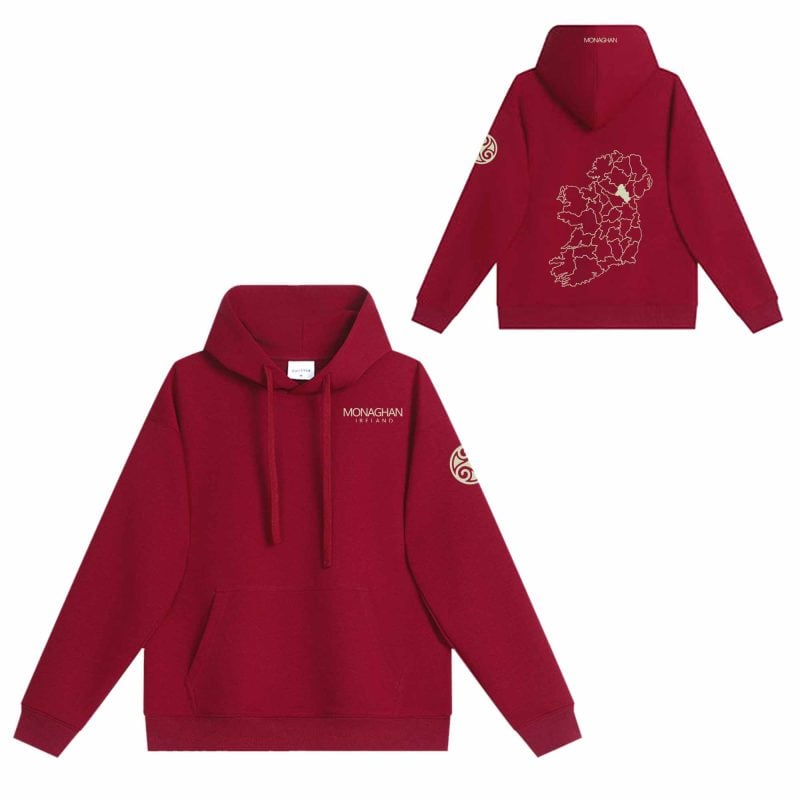
Explore Monaghan’s rich heritage and identity through sports, culture, and county pride, connecting with Irish supporters globally.

Published
Explore Monaghan’s rich heritage and identity through sports, culture, and county pride, connecting with Irish supporters globally.
Published
Explore the rich tapestry of Irish music and its enduring influence on supporter culture, weaving through sport and heritage.
Published
Discover the rich Antrim matchday traditions, their history, and how they unite fans across generations.

Published
Estimated reading time: 5 minutes
Introduction
The Heart of the Story
The Wider Echo
The Now & The Next
Did You Know?
FAQs
Final Word
Not every ghost in Ireland is bound to the shadows; some carry the weight of broken hearts and twisted fates. Bridget Cleary’s story is such a tale, echoing through the ages, mingling with the whispers of the past and the bitter chill of a fading memory. Her life—brief and tragic—was a cruel reflection of a society anchored in superstition, misogyny, and the ferocity of love turned sour. For those who dare to listen, the ripples of her fate still resonate, whispering not just of heartache but of a warning that shakes the very soul of the Irish spirit.
On a misty March morning in 1895, in County Tipperary, Bridget Cleary was found lying lifeless in a shallow grave, first thought to be an astounding peak of superstition and betrayal. A beautiful young woman, Bridget stood out, too fiercely independent and headstrong for her own good. Her husband, Michael Cleary, and a handful of her relatives, spiraled into a frenzy of belief that Bridget had been abducted by fairies, an enchantment claiming her spirit. They devised a horrific ritual to ‘save’ her from these fey, leading them to murder her instead. It was a grim testament to the failures of love and a society restricted by outdated customs. Tipperary became the backdrop of this tragedy, a haunting reminder of how easily tenderness can curdle into terror.
Bridget’s brutal end cast long shadows, stretching far beyond the vale of Tipperary to echo through Ireland’s social fabric. Indeed, her story intertwines with a legion of women relegated to victimhood by a patriarchal society, encapsulating the struggle for autonomy against the suffocating grip of tradition. As the case captured public attention, it forced Ireland to face its inherent contradictions: a nation proud of its folklore while entwined in the chains of its misogynistic underbelly. In the words of renowned author Roddy Doyle, “She died for love, and yet she became a ghost—a lesson in who we were and who we really ought to be.”
Today, we carry the burden of Bridget Cleary’s story into a new century. Yes, we’ve made strides—abortion rights, divorce, and a growing recognition of women in leadership—but the embers of insidious misogyny still threaten to ignite. Just ask those fighting against domestic abuse and the old-fashioned judgments that reverberate through our society. Bridging the gap between her heartbreak and our present circumstances is essential; the fight for women’s rights in modern Ireland is a testament to her enduring spirit—her tragedy sparking the relentless push for change today. It’s more than just remembering Bridget; it’s about honoring her through action and advocacy.
What happened to Michael Cleary after Bridget’s death?
Michael Cleary was found guilty of manslaughter and received a 15-year sentence. His life became a stark reminder of the extremes of belief and the unexpected consequences of jealousy.
How has Bridget’s story impacted contemporary Irish culture?
Bridget’s tragic story highlights ongoing social challenges regarding gender equality and women’s rights, serving as inspiration for literature, art, and discussions centering on societal reform.
Bridget Cleary’s tale resonates beyond the grave, reminding us that love, envy, and power dynamics can yield devastating consequences. It beckons us to reflect on our past and take charge of our future, where every woman’s story commands respect.
If you carry the same pride we do, you’ll find a piece of home waiting at
HubIrish.com.
Published
Estimated reading time: 6 minutes
Introduction
The Heart of the Story
The Wider Echo
The Now & The Next
Did You Know?
FAQs
Final Word
In a country steeped in rich cultural heritage and fierce pride, it’s easy to forget the voices that have been silenced through centuries of discrimination. The stories of travelling women echo with resilience hidden beneath layers of prejudice and abhorrence. Today, we embark on a journey to unearth their truths, woven into the fabric of Irish society, yet too often overlooked.
Glancing back at the mid-20th century, we unveil a heartbreaking narrative surrounding one of Ireland’s bravest icons—Bridget O’Neill. Born into the nomadic life of the Travelling community in Clare, her hands were calloused from years of survival while her heart ached under the weight of societal rejection. Her fierce spirit propelled her to become one of the earliest advocates for Travelling women, yet her desperate fight often fell on deaf ears.
Bridget’s voice rang loud as an air raid siren amidst turbulent times, and still, there were barriers; police harassment, cultural discrimination, misunderstanding that threatened to drown her out. Statistics reveal a stark reality: Travellers are 22 times more likely to be subject to hate speech than non-Travellers. Yet in the face of such adversity, her message of dignity and equality continues to ripple through generations, inspiring countless others to stand up and sing their own ballads.
Today, the plight of Travelling women is louder than ever. With advances in social justice, the undeniable bravery of voices like Bridget’s helped ignite a movement across counties, from the urban streets of Dublin to the quiet lanes of Donegal. The modernisation of attitudes towards the Travelling community still holds challenges, yet it is a fight worth engaging in. Just think: what if each child learned not only the fear of the past but also the hope that lies in shared stories? From the parks of Carrick-on-Shannon to the bustling streets of Cork, these journeys form the backbone of our collective resilience.
How has representation for Travelling women changed over time?
Great strides have been made towards visibility, but there’s much more work to do. Advocates continue to shine light on the challenges and contributions of Travelling women, catalyzing change at community and national levels.
What can I do to support Travelling communities today?
Engaging in conversations, advocating for fair representation, and supporting Traveller-led organizations can make a significant impact in reshaping perceptions and ending discrimination.
Just like the wild landscapes of Ireland, each Traveller woman’s story is unique and deserving of recognition. They invite us to celebrate their strength, resilience, and courage against the tides of ignorance. Carry that spirit and let’s honor their truth—because if you carry the same pride we do, you’ll find a piece of home waiting at
HubIrish.com.

Published
Estimated reading time: 6 minutes
Introduction
The Heart of the Story
The Wider Echo
The Now & The Next
Did You Know?
FAQs
Final Word
A fateful summer’s day in 1922, the air stood heavy with smoke and the ghostly whispers of a nation. Michael Collins, the man who dared to dream of a united Ireland, was cut down by a single bullet, leaving behind a legacy soaked in blood and rebellion. On that day, the hopes of a people hung in the balance, changing the destiny of a nation forever.
Collins was not just a soldier; he was a visionary, a strategist who had masterminded the fight for independence. Hailing from Cork, he embodied the fiery spirit of the south, a man who moved with the winds of change. But on August 22, 1922, in a misty lane near Bandon, the shots rang out. It was a tragedy born from the bitter aftermath of the Civil War, brother turned against brother. In a split second, Ireland lost one of its greatest leaders; the weight of his absence echoed through time, igniting grief and fury that would blaze through generations.
Collins’s assassination shook the nation to its core, destabilizing the fragile peace that followed the Anglo-Irish Treaty. With over 500,000 people attending his funeral, his death marked a turning point—a time when every heart in Ireland felt the ache of loss. The ramifications of that bullet were vast; the future of the fledgling state hung precariously on the edge, and the subsequent conflict birthed further divisions. As scholar and commentator Tim Pat Coogan wrote, “Michael Collins symbolized the struggle for the enhancement of national sovereignty. His assassination marked a black day in Irish history.”
Today, as we grapple with modern echoes of division—whether through ongoing debates about unity or the challenges of housing and inequality—we must reflect on the sacrifices made by leaders like Collins. His vision reminds us of the necessity for dialogue and reconciliation. The scars of history are not just footprints of the past; they shape our present and inform our future. His spirit still calls to us, urging us to confront our legacies and build a future marked by togetherness rather than division.
What was the significance of Michael Collins’s leadership?
Collins’s leadership was crucial for the creation of the Irish Free State. His modern methods and political strategy helped shape the nation’s early governance. His story is vital in understanding the history of Cork and its role in the struggle for independence.
How do we remember Collins today?
Collins is remembered as a martyr and a national hero. His legacy lives on in literature, memorials, and the ongoing pursuit of unity, reminding us that leaders like him paved the way for the Ireland we know today.
The day Michael Collins was assassinated reshaped not just a nation but the very fabric of Irish identity. We raise our glasses to him—the tragic hero of our history. If you carry the same pride we do, you’ll find a piece of home waiting at
HubIrish.com.

Published
Estimated reading time: 7 minutes
Introduction
The Heart of the Story
The Wider Echo
The Now & The Next
Did You Know?
FAQs
Final Word
In the heart of Ireland, amidst the rolling hills and whispered tales, lie the echoes of women silenced—women stripped of their names, their dignity, their humanity. The Magdalene Laundries: a grim testament to our collective fear, shame, and denial. And yet, like the stubborn Irish rain, their voices seep through the cracks, calling for justice, calling for remembrance, calling for change.
In County Cork, one of the most infamous Magdalene institutions operated. The laundries were not just places of forced labor; they were prisons dressed in piety. For decades, women—many mere girls, victims of social stigma or abusive homes—were branded as “fallen” and condemned to a life of servitude. One survivor, Mary J. O’Sullivan, recalled the icy grip of despair within those walls: “We were the forgotten, the unwanted, but we were never invisible.” These women’s stories are woven into the fabric of modern Ireland, reminding us of our past and urging us to create a future where compassion prevails over cruelty.
The legacy of the Magdalene Laundries extends far beyond their crumbling walls. As Ireland grapples with its past, the survivors’ testimonies have ignited a reckoning. Calls for justice reverberated in recent years, culminating in a 2013 report acknowledging the State’s involvement and the subsequent apology from government officials. It isn’t just about closure; it’s about restoring dignity and acknowledging the pain inflicted on countless women. As former President Mary Robinson once said, “Real acknowledgement must be followed by action.” In these echoes, we find motivation—an incessant push towards social justice that rings louder each year.
Today, in an Ireland much improved yet still flawed, the echoes of the Magdalene women inspire movements for change. Issues like homelessness, domestic violence, and mental health affecting women are pushed to the forefront. Activists, now refusing to be silenced, wear their pain as armor and demand justice. Each march, each protest is a salute to the courage of those who came before. Perhaps we cannot erase the past, but we can learn from it. The next chapter in this story is ours to write—a chapter steeped in empathy and determined to uplift the unheard.
What were the Magdalene Laundries?
The Magdalene Laundries were institutions run by Catholic religious orders where women were sent, often against their will, to work as laundresses. The churches operated these facilities with the belief that they were saving the sinners by providing them with “a home and a job”.
How are survivors being supported today?
Various organizations are working tirelessly to provide support and advocacy for survivors, pushing for compensation and recognition of the traumas endured in the laundries.
The voices of the Magdalene women remain a crucial part of our story—a story of resilience, pain, and the relentless quest for justice. As we carry these haunting echoes forward, they become not just a reminder of what was but a rallying cry for what can be—an Ireland that stands firm against injustice, cherishing the dignity of every citizen. If you carry the same pride we do, you’ll find a piece of home waiting at
HubIrish.com.
Published
Estimated reading time: 5 minutes
Introduction
The Heart of the Story
The Wider Echo
The Now & The Next
Did You Know?
FAQs
Final Word
In the hidden corners of Ireland’s past lie the tales of women who lived and labored in silence—captives of a cold society that turned sacred hearts into shadows. The Magdalene Laundries, those grim institutions wrapped in the guise of redemption, are a dark legacy that many wish to forget. Yet, within the walls of these laundries, the forgotten women sang a haunting melody of resilience and despair that still echoes through the valleys and hills of our nation today.
From the 18th century onwards, the Magdalene Laundries operated as a bleak sanctuary for thousands of women—some merely girls—who found themselves banished from society for sins perceived or real. Often victims of their circumstances, these women—referred to derogatorily as “Magdalene girls”—faced hard labor, emotional abuse, and, tragically, systemic erasure from the collective memory of Ireland.
Take Donegal, for instance, a county where whispers of past injustices flutter just beneath its beautiful, rugged landscape. Within its fog-laden hills, many families bore the scars of losing daughters to these institutions—silently, they mourned. Few dared to speak out, rendered voiceless by the very structures meant to protect virtue. Yet, it was these echoes of their pain that fueled the fires of social change in Ireland as survivors began to share their testimonies, revealing a tapestry of lost lives.
For decades, Ireland turned a blind eye. Meanwhile, the Magdalene Laundries ran their grim operations in plain sight. In 1993, when the harsh light of inquiry finally pierced the darkness, a wave of revelations rushed forth—survivors spoke out, recounting harrowing experiences that were met with both outrage and disbelief. Ireland’s collective conscience faced a reckoning, too late for those who suffered under the guise of “penitence.” The Truth Commission shone light on the long-neglected seams of society’s fabric. According to a report by the Irish Government, about 30,000 women passed through these facilities until their closure in 1996, a stark reminder of the past that hangs over modern Ireland like a shadow.
Symbolically, these stories became part of the national narrative, intertwining with tales of heroic resistance and cultural pride. In shedding light on the darkness, these once-silenced women emerged as figures of strength—proof that resilience can thrive even in the cruelest of circumstances.
Today, as Ireland stands at a crossroads, the echoes of those women demand not just remembrance but action. In a country grappling with its past, the fight for justice continues—addressing survivors’ experiences, ensuring that their stories forge policies protecting the vulnerable, and dismantling systems of oppression. The dialogue surrounding the Magdalene Laundries is crucial in understanding broader issues of consent, autonomy, and women’s rights that linger in contemporary discourse.
We owe it to the generations that follow to ensure that history does not repeat itself, to turn whispers into roars. The ghosts of Donegal, being laid to rest with dignity, form the backbone of a nation reborn from its trials, ready to bear witness to the futures forged from battles hard-fought.
What were the Magdalene Laundries?
The Magdalene Laundries were institutions run by Catholic religious orders where women were sent, often against their will, for perceived moral failings. They operated from the 18th century until the late 1990s.
How many women were affected by the Magdalene Laundries?
Estimates suggest that around 30,000 women passed through these institutions during their years in operation, many of whom faced harsh conditions and lifelong stigma.
The forgotten women of the Magdalene Laundries remind us all that silence isn’t always golden. They held the strength of nations in their voices, even when the world sought to drown them out. If you carry the same pride we do, you’ll find a piece of home waiting at
HubIrish.com.
Published
Estimated reading time: 6 minutes
Introduction
The Heart of the Story
The Wider Echo
The Now & The Next
Did You Know?
FAQs
Final Word
In the shadows of our past lie the stories of women silenced by the unforgiving hands of history. The Magdalene Laundries—those dreaded sanctuaries of shame—held young girls taken from their families, stripped of freedom, dignity, and often their very sense of self. These women, often forgotten, deserve to be remembered. Their voices call to us, demanding to be heard amidst the echoes of an Ireland that turned its back on them.
Imagine, for just a moment, the streets of Dublin in the 1960s, where young women like Margaret and Ann—and countless others—were forcefully taken to the Magdalene Laundries. These institutions were operated by religious orders, claiming to rehabilitate ‘fallen women’—those who had sinned according to societal norms. Under the guise of piety and morality, young mothers, victims of abuse, and even those who danced too freely were confined to these laundries. Their days blended into monotonous cycles of hard labor and emotional neglect, stripped of their names, reduced to mere numbers in a system designed to shackle their spirits.
As the days turned to months, the echoes of their laughter and dreams faded, silenced by the stony walls of a system that sought to erase their very existence. It wasn’t until 2013, when the Irish government finally acknowledged the suffering endured behind those walls, that the world began to glimpse the extent of this scandal. According to a report by the Irish Human Rights Commission, at least 10,000 women were confined within the laundries’ walls across the country. Yet for many, justice remains elusive, leaving families—and the nation—grappling with the haunting memories of a dark chapter in our collective history.
Today, as we continue to fight for women’s rights and equality, we cannot forget the Magdalene women. Their stories resonate with those advocating for justice and recognition in contemporary Ireland. In this moment of reckoning, as the country grapples with issues of gender-based violence, the voices of the laundries remind us of the systemic inequalities still at play. Let us not allow the agony of history to fade into obscurity—let us amplify these stories, share their truths, and seek reparations for the wrongs of the past.
What were the Magdalene Laundries?
The Magdalene Laundries were institutions run primarily by Catholic orders in Ireland, where women labeled as ‘fallen’ were sent for ‘rehabilitation’ through hard labor, often suffering emotional and physical abuse.
How many women were affected by this system?
Estimates suggest that over 10,000 women were confined in these laundries between 1922 and 1996, many experiencing lifelong repercussions from their time there.
Remembering the forgotten women of the Magdalene Laundries isn’t just an exercise in history—it’s a call to action. Their stories remind us that we must continually strive for justice, compassion, and recognition for all who have suffered. If you carry the same pride we do, you’ll find a piece of home waiting at
HubIrish.com.
Published
Estimated reading time: 6 minutes
Introduction
The Heart of the Story
The Wider Echo
The Now & The Next
Did You Know?
FAQs
Final Word
In the rich tapestry of Ireland’s history, there are names that shine brightly, and then there are the shadows—women like Brigid McMahon, a name often lost to time. Born in *Galway*, her story is not just one of survival; it’s a poignant reminder of the countless children lost to the cracks of society. McMahon stands today not just as a ghost of the past, but as the symbol of a generation we failed to see. It’s about time we bring her into the light.
Brigid McMahon was born in 1927 in the coastal town of *Galway*. As the daughter of a fisherman, her childhood was touched by waves of hardship and the relentless call of the sea. But it wasn’t just the sea that would shape her destiny. After losing both of her parents early in life, Brigid fell into the hellish grip of orphanages, a system designed not for care, but for oppression. With a heart as brave as a lion yet burdened by grief, she endured the systemic cruelty of children cast away. These were voices unheard, lives unlived—a collective sorrow that echoes in the hollow places of our past. Her own battles and those of her fellow orphans haunted her; she witnessed first-hand the blatant disregard society had for children like her.
Brigid’s plight was not singular. Across the emerald isle, countless children endured the same fate, particularly within the walls of institutions throughout places like *County Kerry*, where the sharp divisions of faith and class left deeper scars than the ocean ever would. Kerry holds its own stories of struggle with an undercurrent of resilience—a title Brigid would wear with fierce pride.
The tales of forgotten children like Brigid McMahon illuminate the darker chapters of Irish history. According to a 2018 report by the *Irish Human Rights and Equality Commission*, an astonishing 12,000 children were in institutional care throughout the 20th century, many subjected to neglect and abuse. Today, we mourn not just the individual lives lost but the very essence of our humanity that turned a blind eye to their suffering. As Brigid became a voice for the voiceless, she beckons us all to remember those lost under the weight of injustice, a spirit that rings in the hearts of modern activists now fighting for those in foster care or within the juvenile justice system.
While we uncover these histories, we stand in the shadow of urgent issues even today. The devastating effects of childhood trauma continue to ripple through Irish society, manifesting in homelessness and mental health crises. The recent housing situation, where children find themselves without a roof over their heads, reverberates with the echoes of Brigid’s past. As we wrestle with awareness and action, her story serves as a rallying cry—let’s not repeat history. Her struggle inspires today’s movements advocating for equitable housing for every child, ensuring that no child ever has to endure the loneliness she faced. Just as Brigid once held her head high amidst despair, we too must rise for those who cannot.
Why is Brigid McMahon significant in Irish history?
Brigid symbolizes the suffering endured by thousands of children in institutions, advocating for a more compassionate society. Her life reminds us that we must focus on reform and remembrance of forgotten souls.
How can I help current children in need?
Supporting charities focused on child welfare or volunteering in local initiatives can make a significant difference. It’s our turn to ensure no child feels forgotten again.
McMahon’s story, though burdened with sorrow, dances in the winds of change and call for justice. There’s power in lifting her name from the ashes, a torch lighting the way for future generations. If you carry the same pride we do, you’ll find a piece of home waiting at
HubIrish.com.