
The Irish Language’s Journey of Rebellion and Redemption

The Irish Language’s Journey of Rebellion and Redemption

Published

Lost in Translation: The Irish Language’s Journey from Rebellion to Redemption

Estimated reading time: 8 minutes

Key Takeaways

  • The Irish language has a rich history tied to rebellion and cultural identity.
  • Language learning is on the rise, reclaiming heritage and pride.
  • The Irish language belongs to everyone and can be embraced by all.

Table of Contents

Introduction
The Heart of the Story
The Wider Echo
The Now & The Next
Did You Know?
FAQs
Final Word

Introduction

Ah, the Irish language! A melody that’s been silenced and sung in equal measure across time. It whispers rebellion like a lover’s sigh, or it rages like a storm brewing over a whiskey-fueled debate in a crowded pub. Once, it was the tongue of our rebels, a weapon against the oppressor’s might; today it blooms anew, finding home in the heart of every child learning a cúpla focail, from the misty hills of Kerry to the bustling streets of New York. We gather here to peel back the layers of this beautiful tongue. To trace its footsteps along the paths of our past, and hold it firmly in the light of our future.

The Heart of the Story

Cast your minds back to the wild mornings of a bygone age, to the sweat-soaked laborers of Kerry, toiling under the stubborn sun, all while whispering the words of a language deemed inferior by those who sought to erase it. Picture the classrooms with bare wooden desks where children were forbidden from speaking Irish, the punishment as harsh as a cold winter’s night. But like the tide, the spirit of the Irish language ebbed and flowed; it refused to drown, even when it was forced to hide beneath the weight of English snobbery and colonial oppression. And so it was that the songs of our ancestors became the war cries of our freedom — ‘An Phoblacht’, ‘A Chara’ — turning the mundane into a hammer strike against injustice.

The Wider Echo

Now, as language learning resurges like spring after a harsh winter, what does it say of us — of our identity, our longing for connection? Young people in Derry and beyond are diving into the nuances of their heritage, reclaiming words as if they were stolen treasures. The Irish language, once a ghost haunting the edges of society, is now at the heart of a cultural renaissance. The statistics are staggering: Of the 1.8 million people in Ireland who can speak Irish, 11.6% use it daily outside the education system. This isn’t just a revival; it’s a reclamation of pride! The journey is long, but every Lúb na cainte (word of speech) spoken fuels the passion of a populace that once whispered.

The Now & The Next

As we stand here, clutching the threads of our identity, let’s marry the past with the present. It’s not just about speaking Irish — it’s about standing in solidarity. Look around you! Under the flickering fairy lights at a pub in Boston or the vibrant dance halls of Cork, the air is thick with the spirit of joy and remembrance. The oldest music hall of our ancestors resonates with the cries for housing equality from those with Irish roots. During the glow of a summer evening, cast a glance at a child sporting a jersey emblazoned with ‘Gaelscoil’ while chanting the GAA anthems as if they were born to roll the ball under the bright lights.

Did You Know?

  • The Irish language is one of the oldest languages in Europe, with a history stretching back over 2,500 years.
  • Over 1.7 million people in the Republic have some knowledge of Irish, with numbers steadily rising thanks to educational initiatives.

FAQs

How can I start learning Irish?
There are plenty of online resources and courses available! Check your local community for classes, too. Don’t forget the lovely charm of speaking it in day-to-day life. Find local groups and join the conversation!

Is Irish only for certain people in Ireland?
Not at all! Irish belongs to everyone. Anyone with a spark of curiosity can embrace it. Embrace your roots, wherever that may be!

Final Word

So, as the fires crackle in your heart and the tales pour forth from your lips like a fine whiskey, remember that each word you conjure becomes a connection to who we are. The Irish language is a living thing, born of rebellion, now woven into the rich tapestry of who we are as a nation and a people. If you carry the same pride we do, you’ll find a piece of home waiting at
HubIrish.com.
Irish Voices: From Rebels to Rockstars of Protest

Irish Voices: From Rebels to Rockstars of Protest

Published

From Rebels to Rockstars: How Irish Voices Transformed Protest into Power

Estimated reading time: 8 minutes

Key Takeaways

  • The Irish spirit of protest is intricately tied to music and cultural expression.
  • Modern movements build upon the legacy of past generations, using new tools for activism.
  • Irish music serves not only as entertainment but as a powerful medium for sharing stories of resilience.

Table of Contents

Introduction
The Heart of the Story
The Wider Echo
The Now & The Next
Did You Know?
FAQs
Final Word

Introduction

Ah, gather ’round, my friends, for every rebel song hummed in a smoky pub, every battle cry that rumbled through the streets, carries with it the story of a people ignited by passion. We, the Irish, turn our voices into weapons — songs into shields, and cries for justice into anthems of power. From the echoes of the civil rights marches of the ’60s to the roaring chants of today’s movements, Irish hearts have bled into the tapestry of protest, bravely sewn into the fabric of our identity.

The Heart of the Story

Look back to County Cork. The windswept hills have whispered the pains of generations. In 1969, the Irish civil rights movement began to gather momentum, with young voices demanding rights long denied. And who was at the forefront? The fiercely proud — the likes of Father Andrew McMahon, whose spirit echoed through the crowded streets along with the joyful shouts of “We shall overcome!” This was not just a movement; it was the Irish soul rising anew, fueled by the same gutsy spirit that sparked the Easter Rising. And what came next? Songs—the heartbeats of revolution. From the vivid words of Christy Moore to the rebel tunes that rang louder than gunfire, these melodies harnessed our collective rage and resilience, igniting fires in the souls of many.

The Wider Echo

And it was not just in Cork. The stories spread like wildfire. Music in these moments served as the bloodline of our history. Acts like The Wolfe Tones and Planxty carried their guitars as swords, reimagining protest as power. A world away, in the pubs of Boston, songs intersected with stories of loss, longing, and identity for Irish emigrants. Today, the songs linger in diaspora enclaves—as Irish as the rolling green hills back home, where every chord vibrates with kinship and sorrow. Our stories transcended borders and became anthems of collective resilience while rooting us firmly within our Irishness.

The Now & The Next

Now, let’s cast our eyes to the horizon of modern Ireland. Climate protests fill the streets—young voices rising, carrying the weight of their ancestors in their bones. Whether it’s the vibrant chants rising in Dublin or the fervor of the grassroots movements pulsing in Galway, a new generation is taking up the mantle. And why? Because the power of our ancestors whispers that change is possible, that justice must be fought for. The melodies of old buoy their resolve, turning protests into songs of hope. Watch closely now: they’ll use the instruments of rebellion — smartphones and hashtags — to ensure their voices echo across the globe. From rebels to rockstars, our stories keep shifting, shifting, reshaping the world.

Did You Know?

  • The Wolfe Tones’ “Come Out Ye Black and Tans” remains one of the most played songs at sporting events, instilling a sense of pride and defiance.
  • In recent years, over 78% of Irish people support direct action against climate change, showcasing our commitment to transforming protest into real power.

FAQs

What role does music play in Irish culture?
Music is the pulse of Irish culture, serving as a tool for protest and a connector of generations. It carries the stories of our past with a twist of modernity. Explore our musical heritage through items from Galway.

How can I support the Irish music scene today?
Simple! Attend gigs, buy from local artists, and share their music. Let every note reverberate through the tapestry of our shared identity—it’s our heritage, after all!

Final Word

So, let your voice rise in harmony with a thousand others—each note a declaration of power, resilience, and pride. In the words of the old songs, “For the boys who fought and died, we’ll carry on the fight.” If you carry the same pride we do, you’ll find a piece of home waiting at
HubIrish.com.
TikTok and the Revival of Irish Rebel Songs

TikTok and the Revival of Irish Rebel Songs

Published

From Rebel Songs to Viral Trends: How TikTok is Rewriting Irish Folklore for a New Generation

Estimated reading time: 6 minutes

Key Takeaways

  • TikTok is revitalizing traditional Irish music and culture.
  • Nearly 70 million people worldwide identify as having Irish ancestry.
  • The digital age fosters new expressions of traditional songs, bringing them to a younger audience.

Table of Contents

Introduction
The Heart of the Story
The Wider Echo
The Now & The Next
Did You Know?
FAQs
Final Word

Introduction

Gather ’round, my friends, for I’m about to spin you a tale that could rattle the rafters of any room — a saga of culture, rebellion, and the fierce spirit of modern Ireland. In a world buzzing with TikTok tunes and twirling dancers, a new fire ignites under the hearth of our ancient folklore. It’s more than just catchy beats; it’s a revival, a rebellion against forgetting who we are. Let’s find the heart of our rebels and ramblers, their stories latched onto the lips of the next generation.

The Heart of the Story

You know the verses — the heart-wrenching melodies of old men in the back of a pub, the thud of their boots kicking up dust as they recall tales of hunger and heartache. Take a wander to the rugged lands of Galway, where the Claddagh rings true like an echo of defiance. Here, among the wandering minstrels and dreaming poets, TikTok emerges with an electric pulse, sparking the once-dim glories of folklore alive. Old rebel songs are re-emerging, remixed and rejuvenated, carried on the swift wings of a digital phoenix. Do you remember “Rocky Road to Dublin”? Well, now there are a hundred variations playing on loop, with the youth twisting their narratives, reshaping the past while strutting their heartbeat to the rhythm of a new age.

The Wider Echo

This isn’t just another fad; it’s a honeyed reconciliation with our tangled history. These viral melodies bring our ancestors’ spirits back into the realm of the living, forcing a reckoning in the hearts of our diaspora — from Boston to Berlin. Did you know nearly 70 million people globally claim Irish ancestry? That’s a vast crowd reminding us of the fights and festoons that paved the paths we walk today. As these snippets filter through our screens, we find unity through sound, connecting to our roots with every shared laugh and every communal dance.

The Now & The Next

But hold tight to your hat, for it’s not just a rewind to the bygone days. In a digital age crying out for authenticity, TikTok’s wave of passion has pulled together queer kids donning their Kerry jerseys, proud and loud at NYC parades. It births a cultural renaissance amidst housing crises and political upheaval, blending music with movement, mirth with memory. Every click, each share, harmonizes the past with the present, crafting a future netted in the beauty of remembrance and rebellion.

Did You Know?

  • In the 21st century, traditional Irish music has experienced a 60% increase in Google searches, with platforms like TikTok driving this resurgence.
  • The Irish diaspora counts more than 70 million individuals worldwide, creating a cultural cache that remains fresh and vital through music.

FAQs

How is TikTok influencing Irish cultural heritage?
TikTok has played a pivotal role in spreading Irish folklore, making it accessible and attractive to younger audiences while keeping traditions alive. Dive deeper into Irish culture here at HubIrish.com.

What’s a recent viral song that brings back old Irish tunes?
Ah, it’s a banger of a question! “The Rocky Road to Dublin” saw a revival that had everyone on their feet — new beats layered over timeless words, a real dance to the ages!

Final Word

So raise your glasses to the rebel spirits past, present, and future! As the next generation leads with their rhythms, we find our stories alive once more — never fading, always evolving. If you carry the same pride we do, you’ll find a piece of home waiting at
HubIrish.com.
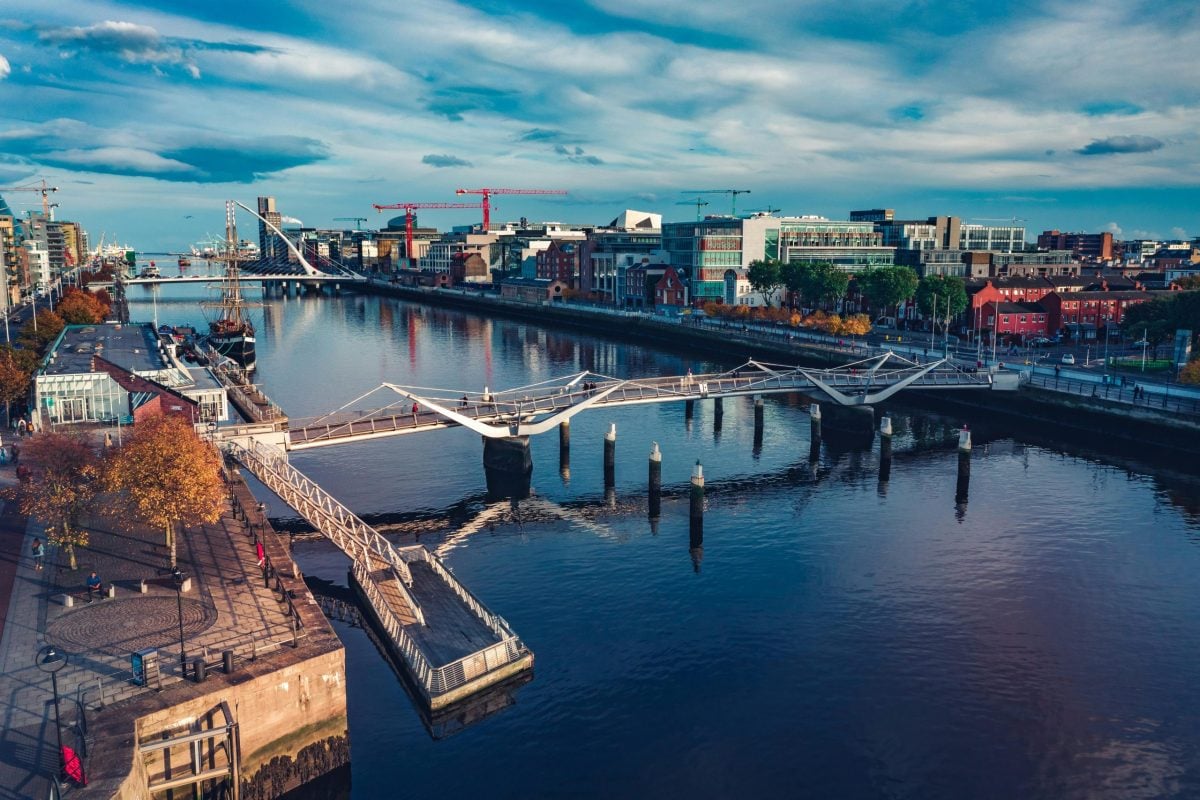
The Tin Whistle’s Journey: From Derry to the World

The Tin Whistle's Journey: From Derry to the World

Published

From Derry to Destiny: How a Tin Whistle Sparked a Global Revolution in Irish Music

Estimated reading time: 7 minutes

Key Takeaways

  • The tin whistle is a vital instrument in Irish culture, embodying the spirit of the Irish people.
  • It has successfully crossed borders and cultural divides, resonating with global audiences.
  • Modern interpretations blend traditional sounds with contemporary flavors, enriching the musical landscape.

Table of Contents

Introduction
The Heart of the Story
The Wider Echo
The Now & The Next
Did You Know?
FAQs
Final Word

Introduction

Ah, gather ’round, folks. Do you hear the sweet sound of the tin whistle cutting through the dreary fog? It’s the lifeblood of our lands, a humble instrument that danced through the lanes of Derry and found its way into the hearts of the world. This isn’t just music, mind you; it’s the soundtrack of rebellion, history, and the indomitable spirit of the Irish. Come sit awhile and let’s weave the tale of how a simple tin whistle blazed a trail from the fields of Ulster to the bustling streets of New York, London, and beyond.

The Heart of the Story

Picture this: a rainy evening in Derry, under the glow of street lamps, the echo of a tin whistle cascades through the gray streets. Young lads and lassies gather in the square, their spirits high despite the gloom. The tune—a haunting melody reflecting their dreams and hardships, their victories and losses—transforms the chill of the night into something warmer, bolder. It wasn’t just music; it was a shared heartbeat, a lifeline amid the unrest of The Troubles. Families would huddle close, nurturing this sound that spurred their souls, a soundtrack of hope birthed from strife.

The Wider Echo

And then? It spread. Like wildflowers in a crack in the pavement, the sound traveled across the seas like a wayward child searching for its roots. In corners of Boston bars, Sydney’s cafes, and even the dance floors of Dubai, the tin whistle found a new audience. With each note played, the diaspora sang along, filling the air with stories of home, of loss, of an Ireland stretched thin under the weight of its own dreams. According to a study by Irish Music Rights Organisation, over 7,000 gigs happen every year globally featuring traditional Irish music. That’s growth! That’s heritage! It’s a reminder that we carry our culture with us, whether in the flesh or in our hearts.

The Now & The Next

Today, that simple tin whistle stands at the forefront of a renaissance. Festivals across Cork embrace it, and musicians everywhere seek to harness its magic, blending it with hip-hop, jazz, and even rock! It’s the rebel spirit that breathes beneath the skin of the new generation—striving for change, equality, a voice. And as we gather around the hearth in these uncertain times, the notes play on reminding us of who we are, of the stories that made us, as vital and vibrant as the vivid green hills of our homeland.

Did You Know?

  • The tin whistle is believed to have originated in the early 19th century, evolving from simple metal tubes used for various purposes across Europe and becoming a staple of Irish traditional music.
  • In 2018, an estimated 70% of Irish music consumed around the world featured elements of traditional Irish tunes, proving the genre’s continued influence and appeal to both old and new generations.

FAQs

What role does the tin whistle play in traditional Irish music?
The tin whistle is a staple of traditional Irish music, often featured in sessions and performances. It brings to life the melodies of our heritage. You can find beautiful examples of Irish music culture in many sessions worldwide.

Can I learn to play the tin whistle as a beginner?
Absolutely! It’s one of the most accessible instruments to start with. Many musicians around the world began their journey with the tin whistle, finding their voice in the beautiful melodies that emanate from its simple structure.

Final Word

A tin whistle, once gripped tightly by youthful hands in Derry, became a beacon of culture and identity across the globe. So, when you hear that familiar note dance through the air, remember the stories it carries. If you carry the same pride we do, you’ll find a piece of home waiting at
HubIrish.com.

Back to the Bogs: The Irish Rebel Reviving Tradition

Back to the Bogs: The Irish Rebel Reviving Tradition

Published

🇮🇪 “Back to the Bogs: How a 1970s Irish Rebel Turned Her Druidic Heritage into a Green Revolution”

Estimated reading time: 6 minutes

Key Takeaways

  • Deirdre’s fight symbolized a resistance against industrialization and a call to protect Ireland’s bogs.
  • The rebels of the past inspire current generations to cherish and protect the environment.
  • Preserving bogs is not just about tradition; it is vital for combating climate change.

Table of Contents

Introduction
The Heart of the Story
The Wider Echo
The Now & The Next
Did You Know?
FAQs
Final Word

Introduction

Gather ’round, will ye? There’s a tale worth the telling, a thread woven deeply into the fabric of our land — back to the boglands of this green isle. A story of rebellion, resilience, and revolution, wrapped in the whispers of druids and the cries of modernity. She comes from the heart of the country, where the earth bleeds fuel and farmers curse the rain — this tale blooms where the rushes sway and the quiet linger. It’s the spirit of 1970s Ireland — raw and relentless, rich with heritage and heart.

The Heart of the Story

There was a time, back when the sun rose on the fog-laden fields of Kildare, that a fire was kindled in the heart of a young woman named Deirdre. She wasn’t just any lass; she carried the weight of the ancients, forging a connection to her druidic ancestry, one that seemed to ebb and flow with every gust of wind across the sodden earth. In a world spinning wildly toward industrialization, Deirdre stood defiant, rallying under the weight of her land’s history. So, with tattered boots caked in muck, she marched forth. She rallied the villagers, the farmers who longed for the good old days. Dubbed a rebel for her drive to protect the bogs, she whipped life into a movement that embraced the old ways against the suffocating stroke of concrete and greed.

The Wider Echo

Her story isn’t a solitary tale, no — it reverberates through the valleys and mountains of Ireland, echoing the cries of many who feel the chokehold of development on their roots. Raging against climate change isn’t just a modern issue; it’s a fight that sprawls across generations. The very spirit of Deirdre’s rebellion reflects Ireland now — a nation struggling to strike a balance between tradition and progress. With every protest chant and every reckless politician’s promise, we feel the ghosts of the past shake their heads in disappointment. Statistics show that we’ve lost 90% of our raised bogs to industry and agriculture. Who speaks for the land, the sanctity of which our ancestors revered? It was Deirdre and her crew that stood for those voices — a champion not just for Kildare but for all those who bleed green and cherish the whispers of the wind across untrammeled fields.

The Now & The Next

Today, while the cost of living soars and the struggles seem unyielding, the heart of the rebel beats on — stronger than ever. Families gather in their kitchens, recounting Deirdre’s fight, instilling that fire in their children, as they don their GAA jerseys to support their teams, a reminder of the ties that bind us. We forge ahead, working for a future where our lands might thrive again. There’s power in unity, as we chant not just for victory on the pitch but for our legacy and our earth. It’s a fight against developers who see nature as nothing more than a profit margin — a fight worth continuing, just as Deirdre once did.

Did You Know?

  • Deirdre’s legacy sparked the formation of several eco-groups across Ireland, reminding us that grassroots movements can reawaken our connection to the land.
  • Ireland’s bogs store around 1.3 billion tonnes of carbon, acting as vital carbon sinks — preserving them is not just about tradition, it’s about saving our future.

FAQs

What can I do to help protect Ireland’s bogs?
You can join local conservation efforts, support eco-friendly policies, or even simply educate yourself and others about the importance of preserving these ancient lands. Equip yourself with knowledge — there’s power in awareness.

Why are bogs so important?
Bogs are ecological treasures. They support biodiversity, filter water, and help regulate our climate. They’re the very soul of our countryside, so stand up for them as fiercely as the rebels of yore did.

Final Word

So, as you head into your day, remember Deirdre’s spirit. Let her fire burn within you. Whether you are marching through the hills of Kildare or sharing a pint under foreign skies, know that the spirit of our land rests in each of us, waiting for the moment we choose to honor it. If you carry the same pride we do, you’ll find a piece of home waiting at HubIrish.com.

The Irish Culinary Legacy: From Famine to Flavor

The Irish Culinary Legacy: From Famine to Flavor

Published

From Potato Famine to Pizza Shops: How the Irish Culinary Legacy Reshaped a Nation’s Identity

Estimated reading time: 5 minutes

Key Takeaways

  • The Irish culinary legacy is shaped by history and resilience, particularly during the Great Famine.
  • Food serves as a powerful link between the Irish diaspora and their roots, influencing cuisines worldwide.
  • Modern interpretations of traditional recipes reflect the evolving nature of Irish identity.

Table of Contents

Introduction
The Heart of the Story
The Wider Echo
The Now & The Next
Did You Know?
FAQs
Final Word

Introduction

Ah, gather round, me hearties! We’re about to take a merry jaunt through time, from our forebears, starved and broken, clutching at dreams across the wild Atlantic, to the bustling pizza shops on both sides of the pond. In the warm embrace of family kitchens and the hush of smoky pubs, from the first wave of immigrants laboring on New York’s docks to the sleek modern restaurants in Dublin, we find the story of us—how the Irish, through grit, laughter, and our undying love for good grub, have shaped an identity that stretches far beyond just potatoes.

The Heart of the Story

Let’s set our scene in Wexford, where the landscape smiles with endless fields, lilting hills, and the whispers of each generation that’s walked that soil. It’s not just the land that bears witness, however; it’s the food they create. The potato, a humble spud, birthed our nation and gave us a reason to soldier on through the Famine. But my word, did we ever take it far! From boxty pancakes that dance on the griddle to a savory colcannon that warms the soul, we turned that simple tuber into culinary praise. After heartbreak, your man would find solace lifting a fork, feasting on hearty stew, shared with the kindred spirits that reminded us of home.

The Wider Echo

But let’s not forget the diaspora—our children scattered like dandelion seeds, taking the spirit of Ireland with them. In Boston, the pub doors swing wide as the aroma of shepherd’s pie meets the clink of glasses. In Sydney, a thrilling mix of curry and coddle celebrates the blend of cultures. It’s a beautiful cacophony that has propelled our identity into all corners of the globe—proof that even when the tables turn, the essence of what it means to be Irish stays with us, no matter how many slices of pizza or portions of pad thai we devour. “You can take the Irish from Ireland, but you can’t take Ireland from the Irish,” as the saying goes.

The Now & The Next

Fast-forward to the present, and you have Kerry kids in Brooklyn and Cork students hustling in the culinary scene of London. They’re twisting up our old recipes—finding soul food in burgers and burritos, always exploring and expanding our culinary narrative. It’s more than just the food; it’s celebrating our roots with a global twist. Let’s toast to them and their madness—for every slice shared, every laugh, every taste brings us one step closer to reconciling our past with our future. Because let’s be real: whether it’s a bowl of potato soup or a fancy pizza topped with ‘Irish’ smoked salmon, it’s the stories, the heart, that makes our legacy rich.

Did You Know?

  • The Irish diaspora is one of the largest in the world, with over 70 million people of Irish descent around the globe.
  • The average Irish person consumes over 100kg of potatoes each year, making them a staple of our diet, and alive in every dinner!

FAQs

What is the significance of potatoes in Irish culture?
Potatoes symbolize resilience and have been a staple food for centuries, shaping our identity, particularly during the Great Famine.

How has Irish cuisine evolved in the diaspora?
Irish cuisine abroad has taken on a life of its own, merging with local flavors, but always keeping that hearty Irish essence at its core.

Final Word

So there you have it, lads and lassies! From the stoic roots of famine to the bustling streets of today, the pride of the Irish culinary legacy is something we each carry, no matter where we might roam. If you carry the same pride we do, you’ll find a piece of home waiting at
HubIrish.com.
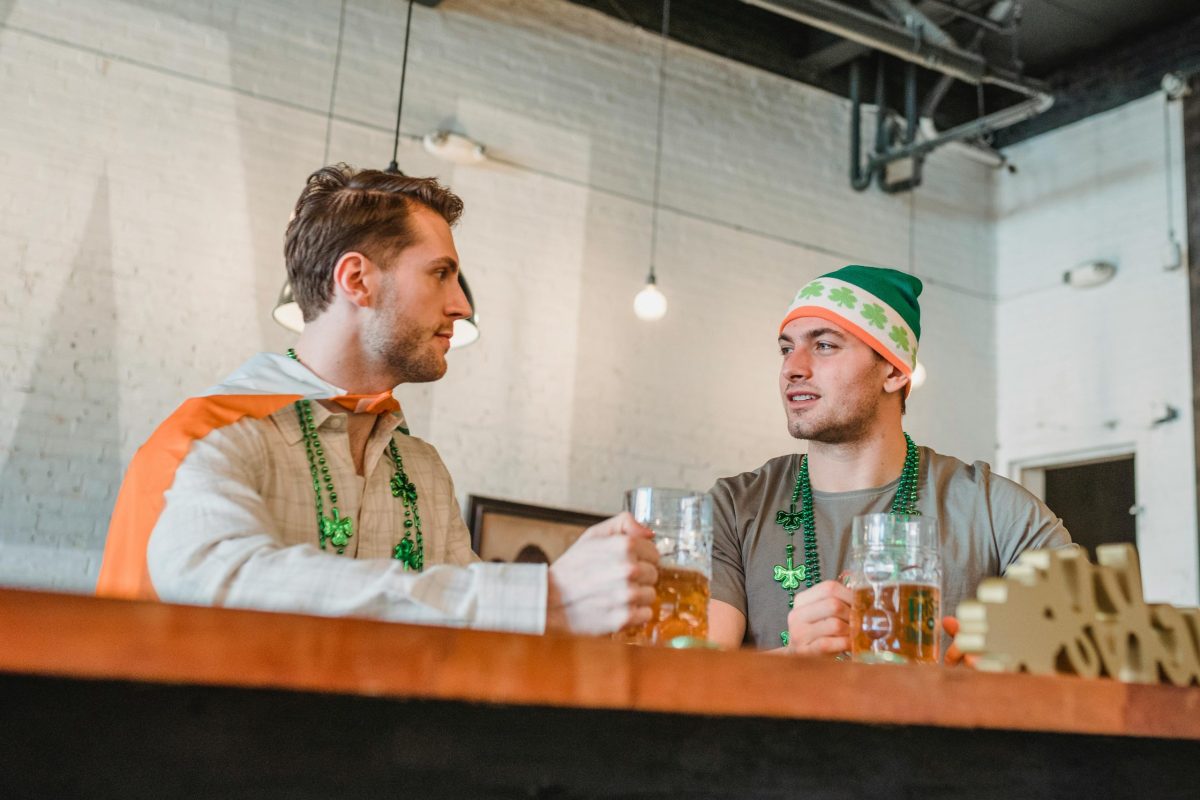
How Ireland’s Music Reflects Its Resilience

How Ireland's Music Reflects Its Resilience

Published

From Rebel Songs to Radio Silence: How Ireland’s Music Shaped and Suffered Through Conflict

Estimated reading time: 6 minutes

Key Takeaways

  • Music has been a powerful tool for rebellion and expression in Irish history.
  • Many traditional songs reflect the struggles of the Irish people under political oppression.
  • The diaspora maintains a deep connection to Irish music, using it as a link to their heritage.

Table of Contents

Introduction
The Heart of the Story
The Wider Echo
The Now & The Next
Did You Know?
FAQs
Final Word

Introduction

Ah, if walls could sing, dear friends, we’d hear anthems of bravery and ballads of betrayal echoing through the alleys of our past. Ireland’s music isn’t just a tune; it’s blood and bone, laughter mixed with tears, rooted deep in the soul of a nation that has endured fiercely—women and men, young and old, all woven into an intricate tapestry of melody and memory. Here lies the story of how our songs have shaped a rebellion, comforted a nation, and even fell silent in the face of despair.

The Heart of the Story

Take a stroll through the streets of Tipperary, and ask the locals about their history. They’ll tell ya about the rebellious strains of Wolfe Tone’s ballads that stirred hearts during hard times, songs sung in kitchens with firelight dancing across the faces of the young and old, where every note was a silent prayer hoping for freedom from tyranny. Strumming guitars and lilting voices became the soundtrack to our fight, a heartbeat amidst the chaos. During the heights of The Troubles, when communities faced division, music was the common ground—a way to express pain, reflect struggles, and unite under a shared identity. Rebel songs like “The Foggy Dew” and “A Nation Once Again” became odes to our longing for independence, each lyric an act of defiance sung through clenched teeth, every chorus a rallying cry stirring the blood.

The Wider Echo

But as we dug deeper, through trials and tribulations, music and song became intertwined with our political landscape, reflecting our dreams, our fears, and our deepest despairs. When the voices of musicians were silenced, it was a sign of the times. Censorship and war were cruel, but still, echoing across the seas, the whispers of our ballads reached the hearts of the diaspora, rallying those in Boston bars and London pubs. As Bobby Sands sang from behind the prison walls, his words danced through our collective consciousness, shimmering with hope. And those in distant lands held onto our music, along with their stout and spirits, a link to home that knew no bounds.

The Now & The Next

Today, as we navigate the complexities of modern life—a housing crisis that echoes through our cities, uncertainty clouding our sharper minds—we find solace in music. Young artists channel the spirit of rebellion not with rifles but with melodies, blasting through the airwaves off Spotify playlists, seeking to remedy what’s broken, one lyric at a time. It’s a different kind of fight, yet the anthem remains the same. The melody soothes spirits, ignites movements, and fuels protests—just look at the shouts for housing rights in Dublin, or the cacophony of voices chanting in New York City streets, as they hold tight to our familial threads, our stories made of song. There’s a revival, a moment to reclaim our voice in a rapidly changing world, the echoes of our past guiding us forward.

Did You Know?

  • In the 1980s, it is estimated that over 40,000 songs related to the Troubles emerged, reflecting various perspectives and personal narratives.
  • Many Irish traditional songs have roots in the community’s response to political and social issues, ensuring that history and identity remain alive through musical storytelling.

FAQs

What is the significance of rebel songs in Irish culture?
Rebel songs have played a crucial role in expressing the feelings of oppression and resistance throughout Irish history. They connect the past with the present, energizing movements for change. Check out cultural treasures from Cork to understand the pride behind our songs.

How has music influenced the Irish diaspora?
Music has been a lifeline for the Irish abroad, serving as a reminder of home and a means of connection. Folks from places like Dublin to Denver share tunes that remind them of the old country, binding generations through shared melodies and memories.

Final Word

So as you tread music-laden paths—be it at a pub in Galway or streaming online in an apartment far from our shores—remember that each strum of a guitar, each bitter and sweet note, is a conversation with our past. Never forget the songs that brought us through heartache, rebellion, and the sheer stubborn joy of being Irish. If you carry the same pride we do, you’ll find a piece of home waiting at
HubIrish.com.

Community Resilience: The Irish Pub Experience During Lockdown

Community Resilience: The Irish Pub Experience During Lockdown

Published

The Day the Irish Pubs Closed: How a Nation Found Community in Isolation

Estimated reading time: 6 minutes

Key Takeaways

  • Irish pubs serve as community hubs that foster connection and storytelling.
  • The closure of pubs during the pandemic highlighted the importance of virtual connections.
  • Resilience emerged as communities adapted to isolation with creativity and camaraderie.

Table of Contents

Introduction
The Heart of the Story
The Wider Echo
The Now & The Next
Did You Know?
FAQs
Final Word

Introduction

Picture this, if you can: the local pub, where laughter rings out like the clinking of glasses at half-time. A place where tales are spun like a great ball of yarn. Memories of joyous roars and the sweet sound of “a pint and a story” fill your head. And then it stopped. Just like that, the world inverted and silence fell heavier than a whiskey barrel at midnight. When the Irish pubs closed, a spirit of community faced a vast void — only to rise anew from the ashes of isolation, teaching us that we are not alone in this great tapestry of life.

The Heart of the Story

On that fateful day — March 16, 2020, when the last pint was pulled and the doors of pubs like O’Malley’s in Cork slammed shut — it felt like a collective punch to the gut. The energy that vibrant pubs exude; the late-night chats over a Guinness, the passionate debates about the GAA, the mournful singing of “Fields of Athenry” that you could hear echoing from the cobbled streets. Each pub is a heartbeat of its community, a launching pad for stories that weave the fabric of our lives. Yet, just like that, our gathering places disappeared faster than a summer’s rain. Yet, in that silence, something remarkable happened; we found a new way to connect. A simple phone call or a video chat grew into a lifeline, connecting us across miles and bringing the warmth of home right into our living rooms.

The Wider Echo

The pandemic stripped away many faces, but what it could not take was the essence of who we are. In the darkest corners of our minds, amidst the unrelenting anxiety, a spark of resilience ignited. Irish folks abroad, expats scattered from Derry to Dublin, began to band together in virtual pub quizzes and Zoom call singalongs. It was a pang of nostalgia wrapped in a new coat of modernity. We learned that isolation could be soothed, even from a distance. The truth struck deep: what mattered was not the wooden bar or the frosty pint, but the connection itself — the shared stories, the laughter, the grit in our throats when we remembered those we’d lost.

The Now & The Next

As we ease back into the pub-filled economy, it is essential to carry the lessons learned from those barren months. Like a solid Kerry jersey stitched together with pride, our communities have been sewn as one. We’re no longer just raising a glass to a single goal but reinforcing the spirit of perseverance. In the face of housing crises and the uncertain tides of today, a community rooted in camaraderie will lift one another up. One pint at a time, it seems we all needed that reminder of our connectedness — a lesson dipped in humor, nostalgia, and Irish pride. It is in this same vein that we can ensure every toast in a pub honors not only our victories but also those nights of shared solitude as we remember our kin, both near and far. So when you step into the pub for the first time, raise your glass high — not just for the ones beside you but for those who had to go without.

Did You Know?

  • Before the pandemic, there were over 7,000 licensed pubs in Ireland, each playing a crucial part in local culture.
  • During lockdown, Dubliners created “I Love Dublin” and other online communities, helping thousands feel less isolated and connected to their city.

FAQs

What were the most significant changes in Irish pubs during lockdown?
Social distancing rules redefined the layout of our beloved pubs. A pint or two was enjoyed over longer stretches, with patrons finding joy in the simple little things like waiting outside queuing — much like the old days of feisanna.

Will the Irish pub experience ever return to normal?
Normal might now be a new way of gathering in heart. The essence of the pub — the laughter, songs, and stories — will remain. Many will rise up stronger, just as our ancestors did before us.

Final Word

So, from this wake of closed doors, we swipe open new tales and traditions. The heart of a nation beats in its ability to overcome, to revisit its roots, and to honour its past. If you carry the same pride we do, you’ll find a piece of home waiting at
HubIrish.com.

Irish Identity in the Diaspora: Language and Love

Irish Identity in the Diaspora: Language and Love

Published

You Can Take the Boy Out of the Gaeltacht: The Irish Identity That Comes Home with You — Stories of Language, Love, and Loss from the Diaspora

Estimated reading time: 5 minutes

Key Takeaways

  • The Irish identity is deeply rooted in language and culture, persisting despite geographical distances.
  • Shared history and traditions play a crucial role in uniting the global Irish diaspora.
  • The younger generation continues to embrace and celebrate their heritage through various cultural events and practices.

Table of Contents

Introduction
[The Heart of the Story]
[The Wider Echo]
[The Now & The Next]
Did You Know?
FAQs
Final Word

Introduction

Step into a pub on a rainy evening in Galway, where the air is thick with tales of home and heartbreak. The flickering light of the fire dances, and a familiar accent rises above the chatter. Here, stories ripple like a brook, flowing from lips that long to reconnect with what shapes their very core. You see, no matter how far we wander — Donegal, Denver, or Dubai — the heart remains tethered to the land of our ancestors, whispering secrets of our Irish identity like the soft rustle of trees in a misty glen.

[The Heart of the Story]

In the dark corners of a Chicago pub, an Irishman raises his glass, the weight of memories heavy in his heart. He tells a story of summer days spent running across the grassy hills of Donegal, where as a boy, he first heard the lilting sounds of Irish spoken by the old folks — a language organic and alive, bursting with life and folklore. He shares tales of women weaving tapestries of stories, of faeries dancing at dusk, of his mother’s voice warning him not to stray too far lest he be whisked away. It’s in these memories that he finds the essence of home, filled with laughter, sorrow, and lessons that stitch him back to his roots, no matter how many miles he’s traveled.

[The Wider Echo]

Our shared history ebbs and flows like the tides, a collective song sung by generations past. Language isn’t just words; it’s the lifeblood of our culture. The rhythm of Gaelic is a balm for the ache of homesickness — a reminder that we belong to something grander. Statistics tell us of over 70 million people of Irish descent across the globe. Most haven’t set foot on the verdant isle for decades, yet in their hearts, Ireland breathes. It’s a testament to resilience, a bridge connecting the old world with the new, a battle cry of identity forged in the fire of history.

[The Now & The Next]

But it’s not just about history; it’s about the present. In New York, the Kerry diaspora gathers to watch the All-Ireland finals, where fists pump and voices roar as if the men of the past stood shoulder to shoulder with them. The housing crisis back home stirs deep concern as they rally for change, ever aware that their brothers and sisters live under the weight of injustice. And from the heart of Kerry to the city streets of Boston, young children adorn their jerseys, they’re a mix of heritage and hope, carrying that green pride with them just like their ancestors did. They play the games in schoolyards, creating the next chapter of the story we’re all bound to — an identity marked by love, loss, and a fierce spirit.

Did You Know?

  • Approximately 30% of the population of Ireland speaks Irish, yet it’s the rhythm of the language in diaspora communities that keeps it alive.
  • Irish emigration has seen over 10 million people leave the country since the 19th century, with many holding onto their culture and pride, no matter the distance.

FAQs

What does it mean to be Irish in the diaspora today?
Being Irish today means holding onto the memories and traditions that connect us, wherever we are. From traditional music in community halls to gathering for Gaelic games, our culture remains vibrant. Explore more about our heritage through GAA jerseys.

How can the diaspora stay connected to their roots?
Attend cultural events, celebrate St. Patrick’s Day, or join local GAA clubs! Even small acts, like learning a few phrases in Irish, can forge connections that keep the flame of our identity glowing strong.

Final Word

So, raise your glass tonight to the language of our past, to the stories that shape us, and to the generations yet to come. We are bound by memory, heritage, and a loving spirit that defies distance.
If you carry the same pride we do, you’ll find a piece of home waiting at
HubIrish.com.

Ireland’s Musical Heartbeat: Songs of Resilience and Pride

Ireland's Musical Heartbeat: Songs of Resilience and Pride

Published

From Rebel Yells to Celtic Melodies: How Ireland’s Soul Is Found in Every Tune and Tear

Estimated reading time: 5 minutes

Key Takeaways

  • The music of Ireland is a powerful reflection of its history and culture.
  • Over 70 million people worldwide trace their ancestry back to Ireland.
  • Irish folk songs serve as a connection for the diaspora, celebrating shared experiences.

Table of Contents

Introduction
The Heart of the Story
The Wider Echo
The Now & The Next
Did You Know?
FAQs
Final Word

Introduction

Ah, gather ‘round, dear friends, and let me spin you a yarn. It’s the music of our hearts, the rebels’ cries echoing through the valleys, the sweet sounds of fiddles and pipes lifting our spirits when times get tough. We walk with our heads held high, successors of warriors and dreamers, and every note resonates like thunder from our past — reminding us who we are and where we come from. Each tune, every tear we shed, tells the story of our genteel madness, our muddy roots, and the vibrant tapestry of life that defines us as Irish. It’s in the cracks of our laughter and the deep sighs of our sorrow that we find our essence. So, hold your pint tight and let’s sing along.

The Heart of the Story

Imagine yourself in a wee pub in Tyrone, the rich aroma of stout swirling around you, its hoppy bitterness a comfort to the soul. The musicians, aged like the finest whiskey, serenade tales of rebellion, resilience, and romance. “There was a time when our voices were stifled,” the fiddler says, as the crowd hushes for a moment, listening intently — “but not now, by God.” Those rebel songs, with their thumping drums and unruly lyrics, remind us of the scars we bare, of battles fought on muddy fields, of dreams crushed yet revived with every verse. They carry whispers of activism, a deep-set belief that we were never meant to be silenced. There’s power in the strum of a guitar that makes your heart race like the pulse of your ancient ancestors. In music, we rise. In song, we find our freedom.

The Wider Echo

But let’s zoom out for a moment — what does all this mean beyond the smoky walls of our pubs? Ask any emigrant in a far-off land, and they’ll tell you that the bittersweet sounds of home wrap around them like a warm blanket on cold nights. Statistically, over 70 million people trace their roots back to this emerald isle — from Boston’s streets to the bustling horns of Dubai’s markets. We sing of our ancestors’ struggles and victories across continents, with each note a lifeline that ties the diaspora to their homeland. It’s a reminder — we are never alone; we walk together. The past isn’t just history; it’s breathed into the very fabric of our present and shadows our future. Those melodies are our memories, threading together fragmented lives flung across the globe.

The Now & The Next

And here we stand today, the GAA jersey as much a part of us as the bodhrán’s beat. The togs may change, the accents may soften, but the pride? Oh, it only grows. Picture it: a local team in Dublin, jerseys emblazoned with family names, knotted memories of summers past and futures yet to unfold. Young lads or lassies, heads held high, marching onto the field with the clarity of those old rebel songs ringing in their ears. They know — each game is not just a bout of sport, but a saga being played out in the flesh. The Irish story is still being written, inked with laughter and tears, victories and losses, dreams dashed only to be rebuilt. Our resilience? Forged in music, tempered by rebellion, reflected in every ounce of heart we put into life.

Did You Know?

  • There are more people of Irish descent worldwide than there are Irish citizens on the island — a staggering 70 million across the globe!
  • The bodhrán, a traditional Irish drum, has roots dating back over 2,000 years, connecting us to our ancient past.

FAQs

What are some popular Irish folk songs?
You’d hear classics like “The Wild Rover” and “Galway Girl” echoing in pubs across Ireland and beyond, stirring the heart and feet of any who happen to listen. They’ve become anthems of our heritage.

Why is music so important to Irish culture?
It’s our lifeblood, holding our history, uniting our people, and celebrating our resilience. It’s how we remember, connect, and keep our stories alive — even in the farthest corners of the world.

Final Word

So, let’s keep the music playing, the memories alive, and the stories soaring on the winds of time. Every tune, a heartbeat; every tear, a celebration of life.
If you carry the same pride we do, you’ll find a piece of home waiting at
HubIrish.com.