
Claddagh rings and broken hearts in Galway

Claddagh rings and broken hearts in Galway

Published

Claddagh Rings and Broken Hearts: The Love Story That Launched a Thousand Irish Pubs

Estimated reading time: 5 minutes

Key Takeaways

  • The Claddagh ring is a symbol of love, loyalty, and friendship.
  • It has origins in Galway and has transcended borders, connecting the Irish diaspora.
  • The ring’s design reflects the wearer’s relationship status.

Table of Contents

Introduction
The Heart of the Story
The Wider Echo
The Now & The Next
Did You Know?
FAQs
Final Word

Introduction

Ah, the Claddagh ring. Worn on the left hand to signify love, worn on the right to signify loss — brackets of our hearts captured in a circle of gold. It’s more than a ring; it’s a story, a connection, a downside of what the Irish do best: love like it’s going out of style and drink like there’s no tomorrow. It’s about the homes we’ve left behind and the pints we’ve raised high in their honour. That’s the heart of it. So sit back and let’s weave through the echoes of cracked hearts and busy pubs, where every neck of the wood remembers a tale or two involving the mighty Claddagh.

The Heart of the Story

Picture it: Galway, where the sea wraps you tight and whispers sweet nothings of love lost and found. The Claddagh ring, born from the heart of this bustling city, is a symbol universally recognized, twisting and turning through time. Back when men were men and hearts were true, these rings were given as tokens — declarations of love and loyalty. Yet, as every old-timer will tell you, love doesn’t always follow the path we carve. There were rows and raucous nights spent drowning sorrows in pubs just down from Quay Street, where laughter mingled with the salty breeze. These pubs, now a generation or two on, are still platforms for every bittersweet tale of the heart — reminders that the Claddagh, much like that pint of Guinness, is best shared. Oh, the memories drift through the air, tastes of bitterness and sweetness alike — rings of love and betrayal, just like those that fill the streets of Galway.

The Wider Echo

And here’s the thing: the Claddagh ring echoes beyond its shores. Imbued with longing, it drifts into the diaspora — a bridge from Boston to Brisbane; in every bar where an Irish heart beats away from home, you’ll find the ring’s legacy. It’s a talisman of timelessness, worn on and off — a connection to those you left behind and a beacon for those you hold close. During those warm nights of laughter at the bar, where a Dubliner squeezes a pint with one hand while holding a Claddagh with the other, they’re standing for something bigger. They’re standing for the idea that no matter how far we roam or how broken our hearts may feel, love and loyalty are the truths we carry with us. As Irish poet Patrick Kavanagh once said, “Love is the only freedom.” And isn’t that a thing to hold onto — especially when you’re out there in the wide world?

The Now & The Next

As we emerge from the heartache of lockdowns and long-buried sorrows danced upon at weddings half-celebrated last year, we carry a unique spirit forward. It’s the spirit we learned from mugs at a crowded bar, tales of heartbreak and Claddagh rings shared between sips of whiskey. Eked-out joys and sorrows intertwining in the melodies of our favourite rebel songs. Whether it’s mothers knitting together generations or fathers bemoaning missed chances, the stories keep twisting, just like those rings — a beautiful knot of life’s chaos and tenderness wrapped into one. As we lace our lives with hopes anew, remember: every ring tells a story, every heart a song, and in every Irish pub, the laughter rings truest. The living spirit of Ireland lies not only in its folk but in the very places that cradle our stories, keeping them alive.

Did You Know?

  • The Claddagh ring traditions date back to the 17th century, originating from the fishing village of Claddagh near Galway.
  • A Claddagh ring worn with the heart facing inwards symbolizes love and loyalty, while outward-facing indicates a broken heart and readiness to find new love.

FAQs

What does the Claddagh ring symbolize?
The ring embodies love, loyalty, and friendship — values that resonate deeply within Irish culture. Want to wear one? Check out our selection of Claddagh rings to find the perfect piece to represent your heart.

Can I find Claddagh rings in pubs?
You certainly might! Many pubs display local crafts, including Claddagh rings, showcasing pride in Irish heritage. Nothing like raising a glass in a place that honors your roots!

Final Word

Life is an odd mix of pints, passion, and the bittersweet dance of love and longing. From the shores of Galway to the heart of every pub across the world, we weave our stories in Claddagh rings and the echoes of laughter. If you carry the same pride we do, you’ll find a piece of home waiting at HubIrish.com.

Irish Stories and Hollywood’s Heartbeat

Irish Stories and Hollywood's Heartbeat

Published

From Stolen Land to the Silver Screen: How Irish Stories Became Hollywood’s Heartbeat

Estimated reading time: 6 minutes

Key Takeaways

  • The transformation of Irish stories from folklore to cinema.
  • How Irish culture is represented in Hollywood films.
  • The impact of the Irish diaspora on film narratives.

Table of Contents

Introduction
The Heart of the Story
The Wider Echo
The Now & The Next
Did You Know?
FAQs
Final Word

Introduction

Ah, go on now! Here we sit, at the crux of our stories, those grand tales of heartache and humour, lost loves and fights won against all odds. Ireland, the land of poets and dreamers, has had its stories filched from pub corners and kitchen tables, every line twisting its way across mountains and seas, down into the Hollywood abyss where you hear the sound of a thousand voices echoing back. From the whispers of the bogs in Galway to the bustling streets of Los Angeles, it’s time to delve deep into how our heritage transformed from sharp, painful truths into glittering spectacles of cinema. Come, grab your pint, and let’s set sail on this odyssey.

The Heart of the Story

Picture this: rolling green hills, laughter echoing from thatched cottages, a night spent listening to the old folk spin a yarn about the plight of their ancestors. It’s these heartbeats of storytelling—rooted in the fireside—where we see our culture nurtured and crafted. Our tales of rebellion, loss, and love have fueled generations from the time of Brian Boru right through to the stirring years of the 1916 Rising. Yet, every narrative winds its way through the struggles of our people, no matter where they’ve landed, yearning for connection — think of the passionate songs of Kerry rounding out symphonies of empathy on the shores of Boston. Those narratives have blossomed into Hollywood legends like “The Commitments” and “Michael Collins,” where our pain transforms into poetry; our stories are not just retold — they are reborn.

The Wider Echo

This kinship of stories reaches far beyond the flickering screens of cinema houses. Irish folklore boasts an arsenal rich with rebellion, love, and loss, a raw emotional engine that powers stories watched and wept over across continents. According to the Irish Film Board, our filmmakers have never been more influential, crafting narratives that pull on the heartstrings of the Irish diaspora and beyond. “The quiet man,” bursting with wit and tender longing, shows us that through our tales of strife, we find humanity. As charming and clever as a drumstick dance at a hunched tavern bar after a hard day, our heritage now plays a role on the global stage, marrying the old and beautiful traditions with the bright lights of modern cinema.

The Now & The Next

But what does this mean for us, here and now? In the face of a housing crisis, rising uncertainty, and an ever-shifting cultural landscape, the stories of our past become a balm for our troubled souls. They give context to our battles, whether it’s a young lad in a Mayo jersey on the sidelines of a New York Gaelic game or a woman holding onto her grandmother’s rosary beads while she navigates life in a foreign land. Each heartbeat, each story cradled within borders and oceans, finds power through shared laughter and common grief. From the embrace of tradition to the pulse of modernity, Irish identity vibrates with the music of the ages.

Did You Know?

  • The Irish have won the Academy Award for Best Foreign Language Film more than any other country in the world.
  • Over 70 million people around the globe claim Irish ancestry, a number that outstrips our own population by a significant margin.

FAQs

What are some classic Irish films that represent our culture?
You can’t go wrong with classics like “The Quiet Man,” “In the Name of the Father,” and “Brooklyn.” Each reflects our rich tapestry of stories that echo the challenges and joys of our people. And if you want to wear your pride on your sleeve, check out some of our GAA jerseys.

How has the Irish diaspora impacted cinema?
The diaspora has brought new perspectives to our storytelling, illustrating the complexities of Irish identity across borders and generations — and what better way to celebrate than with a few rounds of “The Fields of Athenry”? Raise a glass!

Final Word

So here we are, gathering our stories like stars scattered over a darkened field, each one glimmering with the stubborn spirit of our past. The tales of yore interweave with our present-day struggles, teaching us that every whispered tale or roaring ballad is a lifeline — forts against the jagged edges of reality. If you carry the same pride we do, you’ll find a piece of home waiting at
HubIrish.com. Carry it well!
Whiskey and the Heart of Irish Hospitality

Whiskey and the Heart of Irish Hospitality

Published

Whiskey and the Wild Atlantic Way: How a Bottle of Jameson Became the Soul of Irish Hospitality

Estimated reading time: 6 minutes

Key Takeaways

  • Whiskey, especially Jameson, is central to Irish culture and hospitality.
  • The Wild Atlantic Way offers stunning experiences that enhance whiskey appreciation.
  • Jameson serves as a bridge for connection across the global Irish community.

Table of Contents

Introduction
The Heart of the Story
The Wider Echo
The Now & The Next
Did You Know?
FAQs
Final Word

Introduction

Ah, the Wild Atlantic Way—a ribbon of rugged coastline that sings the ballads of old. Its cliffs kiss the waves, and its winds carry tales of fishermen and dreamers. But what’s the best way to tell these tales? With a bottle of whiskey, of course. Not just any whiskey, mind you, but a drop of Jameson that wraps itself around your soul like a snug wool blanket. Pour one for yourself, and let’s dive into how that golden nectar became the heartbeat of the Irish way of welcoming, mourning, celebrating, and remembering.

The Heart of the Story

In the corners of a quaint pub in Galway, where the laughter dances like the flickering firelight, you’ll find a half-empty glass sitting on the table. It’s a refuge for stories of love, loss, and everything in between. A storyteller leans in, and as the whiskey slides down, memories pour out. “Did I ever tell ye about Seamus and the storm?” he’d begin, and immediately the room would hush. With every sip, the Jameson binds the crowd closer, every heart warmed by the knowledge that this golden spirit has witnessed our joys and sorrows, our reunions and farewells.

The Wider Echo

Now, this isn’t just about a drink; it’s about heritage, about how whiskey and the art of pouring it have shaped our identity. They say, “A nation’s greatness is measured by how it treats its slowest members,” but I reckon it’s also about how we toast to the high and low tides of life. As our global diaspora gathers on patios from Boston to Sydney, our embassies are not just brick and mortar but places filled with the spirit of Irish hospitality. And there’s Jameson—pouring memories across the miles, a bridge connecting hearts under distant stars. After all, what’s a home if not the laughter shared over a drink?

The Now & The Next

Today, as we sit on the razor’s edge of change—housing crises, the cost of living dragging us down like an anchor—we cling to what matters. A pint with a pal or a glass of whiskey with family can lighten the burden and remind us that we are more than our struggles. Whether it’s your kid proudly donning a GAA jersey in Dublin or your grandmother stirring stories into a pot of stew in Kerry, Jameson lingers in our lives, anchoring us in tumultuous seas. It’s the unifying spirit that compels us to raise our glasses—to resilience, to rebellion, but most crucially, to each other.

Did You Know?

  • Jameson has been produced in Ireland since 1780, making it one of the oldest distilleries in the world.
  • The Wild Atlantic Way spans over 2,500 km, making it one of the longest scenic drives in the world and a top time for whiskey enthusiasts to mingle with locals.

FAQs

Why is whiskey important to Irish culture?
Whiskey is more than a drink; it’s a symbol of Irish warmth and community, often accompanying our life’s most pivotal moments—from christenings to wakes.

How should I drink Jameson?
Neat, on the rocks, or in a cocktail—any way you decide, just make sure to share it with friends, for that’s where the true magic lies!

Final Word

So there you have it—whiskey and the wild ways of our lives intertwined in every drop. As you pour the next round, remember that each sip is an invitation to connection, a celebration of all that we share. And wherever you roam, if you carry the same pride we do, you’ll find a piece of home waiting at
HubIrish.com.
How Irish Folklore Inspires New Storytellers

How Irish Folklore Inspires New Storytellers

Published

From Leprechauns to Legends: How Irish Folklore Inspires a New Generation of Storytellers

Estimated reading time: 7 minutes

Key Takeaways

  • Irish folklore weaves the fabric of cultural identity.
  • Modern storytellers remix ancient tales for contemporary relevance.
  • Folklore serves as a lens for understanding current societal issues.

Table of Contents

Introduction
The Heart of the Story
The Wider Echo
The Now & The Next
Did You Know?
FAQs
Final Word

Introduction

What is it about a folk tale that can make your heart race? A whisper of magic, a shadow of the old ways? In the dark corners of our pubs or the whispers of children’s bedtime stories, Irish folklore lives and breathes. We’re not just spinning yarns; we’re weaving the very fabric of our identity, drawing upon the rich seams of our history. So sit back, pour a pint, and let’s wander through the green hills of myth and memory, where leprechauns dance and legends are born.

The Heart of the Story

Growing up in Galway, the stories of Selkies and changelings filled my childhood, like the haunting notes of a sean-nós song. Grandparents would gather us around the fire, their voices rich with the melodies of our ancestors. I remember my Da, his eyes twinkling with mischief as he regaled us with tales of the púca — a mischievous spirit who’d lead you astray if you weren’t careful. “Ah, but mind your step, or he’ll have you dancing with the fairies till morn!” he’d say, laughter echoing through the room. These weren’t just anecdotes; they were warnings, truths hidden beneath layers of magic. In Galway, every rock and stone had a story — each twisted tree a whisper from ye olden days. And that’s the power of our folklore: it teaches us about ourselves.

The Wider Echo

But it’s not just a tale from the past. Irish folklore offers a lens through which we can view our present. It resonates deeply with our collective memory, whether you’re in a Dublin café or a New York bar. Much like the Irish diaspora, these stories travel and transform, carrying the dreams and hopes of everyone they touch. Cultural critic and writer Kevin Barry once said, “Mythology isn’t simply a remnant of the past; it is the very backdrop of our futures.” As we navigate the turbulent waters of modernity—housing crises, climate change, and political upheaval—these folk tales ground us, pulling us back to our roots and reminding us of who we are.

The Now & The Next

Today, a new generation of storytellers is rising, inspired by the age-old magic that still floods our veins. They are remixing the tales of old, speaking truths that echo through the ages. You’ll find them in community theaters in Cork, poetry slams in Belfast, and around crackling campfires in the wilds of Kerry. They’re using those ancient myths to critique modern society, from the ghost estates whispering of failed promises to the rebel songs that never seem to fade. The Irish story continues to evolve, our heroes and our struggles reshaping the very narratives we inhabit. In a world that can feel cold and disconnected, these stories connect us. They remind us that we are bound by the same threads — our blood, our laughter, our tears — all stitched together with the vibrant colors of folklore.

Did You Know?

  • The Banshee is one of the most famous figures in Irish folklore, believed to be a harbinger of death and a warning to families. For centuries, her wail has echoed through the ages.
  • In Ireland, there are over 400 fairy forts, or “ring forts,” scattered across the landscape, said to be the homes of fairies and other magical beings. Each is steeped in the rich lore of local history.

FAQs

What’s the significance of storytelling in Irish culture?
Storytelling is a cornerstone of Irish heritage. It shapes our identity, offering a way to pass down history and values. For more insights, explore our folklore category.

How can I connect with my Irish roots through folklore?
Dive into community events or local storytelling circles, where you can share your family’s tales. There’s magic in the memories of our ancestors that yearns to be relived.

Final Word

So there it is, the heart and soul of our heritage woven through every tale of old. If you carry the same pride we do, you’ll find a piece of home waiting at
HubIrish.com. Let’s keep these stories alive, for they are our legacy, grounding us in the ever-changing tides of time.
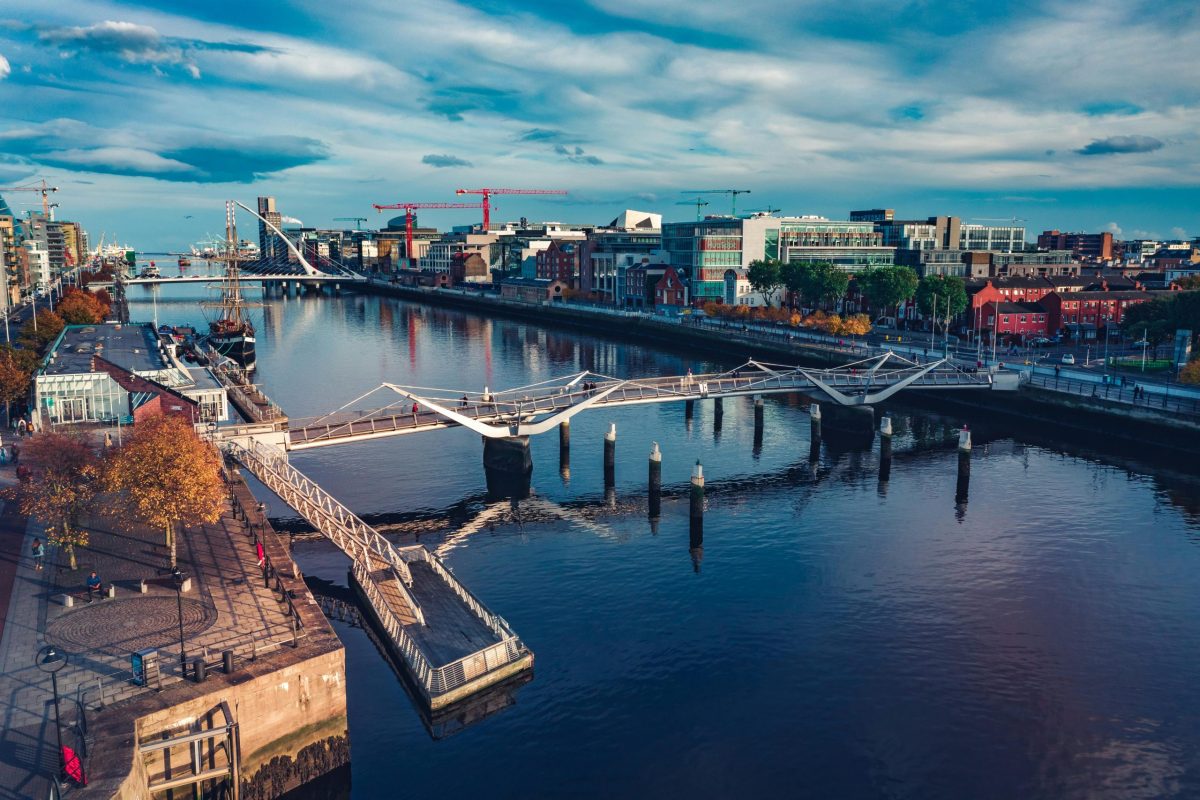
The Heart of Ireland’s Film Revolution

The Heart of Ireland's Film Revolution

Published

From the Bogs to the Big Screen: The Unseen Grit Behind Ireland’s Film Revolution

Estimated reading time: 5 minutes

Key Takeaways

  • The spirit of Irish storytelling is rooted in resilience and community.
  • Ireland’s film industry has significantly contributed to the nation’s economy.
  • Cinema serves as a reflection of societal issues and the national identity.

Table of Contents

Introduction
The Heart of the Story
The Wider Echo
The Now & The Next
Did You Know?
FAQs
Final Word

Introduction

Gather ’round, lads and lassies. Pull up a chair, pour yourself a pint, and let me take you on a journey — an odyssey of sorts, where the bogs are stained with sweat, laughter, and all the untold stories of our land. Ireland, you see, is more than just rolling green hills and a sprinkle of rain. No, it’s the raw spirit of the people that breeds the magic we see flickering to life on the silver screen. Our film revolution didn’t come from glitzy Hollywood. It emerged from the heart of places like Galway, echoing with voices of the past and dreams for the future. So let’s dive into the grit, the grind, and the beauty that has propelled Ireland’s stories, our stories, to the global stage.

The Heart of the Story

You stand in a field in County Kerry, the scent of earth and grass mixing in the air, while the distant sound of a crew shouting directions hangs heavy. It’s not just a film set; it’s a pilgrimage. Each actor stepping into their role is like a player suiting up for a GAA final — ready to give it everything. And forget the glamour. The real stories lie in the struggling artists driven by unspeakable passion. They toil like farmers, pulling weeds of doubt in the soil of ambition, breathing in the spirit of their ancestors. This culture, this raw emotion is what connects us, whether you’re on the banks of the Shannon or a crowded pub in Melbourne, sharing tales that make your heart swell with pride.

The Wider Echo

But let’s step back a beat. The film revolution is more than just cinema; it’s the spirit of a nation wrestling with its identity. We’re talking about the stories of our troubles, our triumphs, and the unyielding fight for freedom. Remember the likes of “In the Name of the Father”? A flicker of outrage, a call to arms wrapped in story. It is said that storytelling is our resistance, a means to grapple with the past and shape the future. Statistics from recent years show our film industry has bloomed, now contributing billions to our economy. But numbers don’t mean a thing if we lose our soul in the process. What we need, and what we reclaim, is the spirit of community found in those dreamy flats above the pubs, where the heavy hearts and cocky laughter remind us who we are, on-screen and off.

The Now & The Next

Today, a young filmmaker in Derry turns life’s pain into art, capturing stories of history, resilience, and resistance. They wield their cameras like poets wield their pens, layering voices of the unheard. It’s not just about the glitz. It’s about a deeper connection, an intimate dialogue that resonates with every Irish heart, whether you’re dining out in Dublin or reminiscing in a café in San Francisco. As housing crises ripple through Dublin’s streets, the film world stands as a reflection of society’s truths, with narratives that challenge norms and provoke thoughts. The next great Irish film? Perhaps it’s already brewing in a local pub where whispers of the past dance between glasses and laughter.

Did You Know?

  • In 2022, Irish films garnered 24 nominations at the Academy Awards, showcasing the world’s recognition of our powerful narratives.
  • The Irish film industry employs over 12,000 people directly, each contributing their piece to this beautiful tapestry of our cultural expression.

FAQs

Why is Irish cinema important to our culture?
Irish cinema is a powerful tool in narrating our history, shaping national identity, and fostering pride in our heritage. The struggles and triumphs of our people are projected on screen, teaching us about who we are.

How can I support Irish filmmakers?
You can support by watching Irish productions, promoting them on social media, and attending local screenings or festivals. Every ticket bought is a step towards nurturing the storytellers of tomorrow.

Final Word

So, raise your glasses and toast to the storytellers, the crew behind the cameras, and the crowds at film festivals who keep our stories alive. If you carry the same pride we do, you’ll find a piece of home waiting at
HubIrish.com. Together, let’s keep telling the tales that spark the spirit of our land, one frame at a time.
Irish folklore: echoes of our ancestors’ stories

Irish folklore: echoes of our ancestors' stories

Published

From Silence to Symphony: How Irish Folklore Spoke the Truth of Our Ancestors

Estimated reading time: 6 minutes

Key Takeaways

  • Folklore connects generations, preserving the essence of Irish identity.
  • Stories of resistance and resilience resonate through time.
  • Modern challenges echo ancestral struggles, reminding us to listen.
  • Connecting with our folklore can inspire modern social movements.

Table of Contents

Introduction
The Heart of the Story
The Wider Echo
The Now & The Next
Did You Know?
FAQs
Final Word

Introduction

Ah, the tales we carry, folks, passed down like well-aged whiskey: bittersweet, strong, and full of fire. In every corner of this fair land, from the cliffs of Moher down to the bustlin’ streets of Dublin, silence hardly ever stays silent — it morphs into songs, folklore, and fierce stories that speak for our ancestors. Whether we’re in a packed pub in Galway or gathered ’round the hearth in a cozy Cavan home, these tales wrap around our hearts like a soft shawl, holding the fabric of our identity tight against the chill of forgetting.

The Heart of the Story

Words were once the cherished thread in the tapestry of Irish life, weaving connections from one heart to another, flowing through the valleys of Kerry and into the world beyond. Remember the stories told under the fading light at the end of a long day, about the faeries in the woods, watching from their dappled boughs? Or those dark tales that spun around the kitchen table, where laughter intertwined with whispers of the banshee’s wail? Our folklore — it’s not just fanciful nonsense. It’s history and truth, heartache and hope, scored into our very souls by the winds that have shaped our shores. Each myth tells of love and loss, rebellion and reprisal, a symphony of voices crying out to be heard — the symphony of who we are.

The Wider Echo

But it goes deeper, doesn’t it? Beyond campfires and tale-spinning, folklore represented resistance — the unyielding spirits of rebels who stood tall against oppression. Every ancient ghost tale infused with a call to arms echoes through time like a rebel’s song, meant to stir the blood in our veins and ignite the fire in our hearts. It reminds immigrants yearning for home, no matter if they’re in San Francisco’s Mission District or London’s bustling streets, that they’re part of something greater. As John O’Donohue once beautifully articulated, “We are all born at a given moment, and the past is like a constellation we carry within.” That past still vibrates like a haunting melody through our histories — a truth that echoes on fog-laden hillsides and in the tales traded among strangers.

The Now & The Next

Today, as the modern world spills over with noise — tweets and alerts vying for our attention — let us stop for just a moment and listen. Listen to the stories of our people, of their struggles with displacement, as families from rural hearts grapple with the rising rents of urban sprawl. The voices of our ancestors ring true still, guiding the heartbeats of young activists marching for change in Cork, demanding a country that cares as fiercely as the people who built it. And in every farewell, we carry them with us — that connection, that pride woven into our very fabric. Let us let these echoes of the past guide our futures, writing new stories that resonate with the same vigor as the great mythic tales spun around the fire long ago.

Did You Know?

  • The Banshee, a haunting spirit in Irish mythology, is said to appear to families as a harbinger of death, often associated with various Munster families.
  • The folk tradition of storytelling is one of the oldest forms of communication, serving as a crucial bridge between generations.

FAQs

What are some famous Irish folklore tales?
From the tale of Fionn mac Cumhaill to the magical stories of the Tuatha Dé Danann, Irish folklore is rich with narratives that bring our culture to life. Discover more about this enchanting world through our GAA jerseys, often showcasing beloved legends on the field.

How can folk stories impact modern life?
Folk stories remind us of who we are and where we come from. They foster a sense of belonging, resilience, and pride, encouraging us to fight for social issues today, echoing the struggle of our ancestors.

Final Word

So, as you sit back now, let the rhythms of our ancestors wash over you. In every pub, every home, every whispered secret between friends, their spirit lives on. And if you carry the same pride we do, you’ll find a piece of home waiting at
HubIrish.com.
From the Ashes of Famine: An Irish Farmer’s Legacy

From the Ashes of Famine: An Irish Farmer's Legacy

Published

From the Ashes of Famine: How One Irish Farmer’s Legacy Became a Symbol of Resilience

Estimated reading time: 5 minutes

Key Takeaways

  • The resilience of Irish farmers became a symbol of hope during the Great Famine.
  • Cultural tales of survival and pride stretch from Ireland to the global diaspora.
  • Modern echoes of hardship and resilience continue to resonate in present-day Ireland.

Table of Contents

Introduction
The Heart of the Story
The Wider Echo
The Now & The Next
Did You Know?
FAQs
Final Word

Introduction

It’s a tale that hangs heavy in the heart of every Irishman and woman: the sorrow of the past, wrapped in the resilience of the present. Gather ’round, my friends, like an old friend spinning yarns in a dimly lit pub, where each word carries the weight of history, laughter, and a touch of good ol’ Irish whiskey. This is not just a story of land and toil, but of survival against the odds—an echo of hope that rises from the ashes of famine, reminding us that we are stronger than the pain that seeks to break us.

The Heart of the Story

In the rolling fields of Galway, a farmer named Patrick O’Reilly tilled the soil with hands hardened by decades of hardship. The Great Famine had swept through like a cruel mistress, leaving behind whispers of hunger and despair. But as crops withered and despair threatened to consume every corner of the land, Patrick’s spirit never faltered. He dug deeper, not just into the earth, but into the heart of resilience. With each seed he planted, he sowed not only potential but also defiance against the very forces that sought to break his people. For Patrick was not just a farmer; he was a beacon of hope, a reminder that the land could heal, just as the heart could mend.

The Wider Echo

This tale transcends Patrick’s humble beginnings. It’s a narrative etched into the soul of Ireland. For generations, we carried our stories from the fields of our ancestors to the bustling streets of Boston, the sunny shores of Sydney, and the lively bars of Dubai. The resilience of the Irish is legendary, carrying us through every tribulation—from the blight of the potato to the struggles against colonization. Citiers talk of the famine as a scar—it shaped and defined us, but it also taught us to stand tall, to sing our songs louder, to dance under the stars even when the storm threatens. As poet Seamus Heaney once wrote, “If we can’t make weathers out of our wounds, we will become the weathers.”

The Now & The Next

Fast forward to today, and the echoes of our ancestors’ struggles resonate more than ever. Families torn apart, young people emigrating in search of greener pastures, echo the footsteps of those who left during the Famine. Yet, every GAA match watched in a New York pub or every song sung at gatherings unites us, binding our diaspora in a tapestry of pride. The ghosts of our past do not haunt us; they guide us, lighting the way for families standing in line for housing today, or for that wee lad in Kerry donning his GAA jersey, dreaming of a place on the field.

Did You Know?

  • The population of Ireland dropped by about a quarter during the Great Famine, leading to the largest emigration in Irish history.
  • Galway is home to the largest number of traditional music sessions in the country, keeping the spirit of our ancestors alive through song.

FAQs

What happened to the farmers during the Irish Famine?
Many farmers like Patrick O’Reilly faced devastation as their crops failed, leading to widespread hunger. Yet, resilience became their legacy, driving them to adapt and survive.

How is the Irish spirit of resilience reflected today?
From community gatherings in Galway to those GAA games shared across the diaspora, the same spirit of resilience and pride thrives in our culture, reminding us of where we came from and the strength we carry.

Final Word

As we raise a glass to the bygone days and the paths that brought us here, let’s remember that from the ashes of famine, we’ve built a legacy of resilience that won’t be forgotten. Stand proud in the face of whatever life throws your way. If you carry the same pride we do, you’ll find a piece of home waiting at HubIrish.com.
From Turf to Tir na nÓg: The Legend of Seamus O’Sullivan

From Turf to Tir na nÓg: The Legend of Seamus O'Sullivan

Published

From Turf to Tir na nÓg: How an Irish Farmer Became a Legend in the Land of Fairies

Estimated reading time: 5 minutes

Key Takeaways

  • A farmer named Seamus O’Sullivan discovers a fairy fort in Tipperary.
  • The connection between Irish folklore and everyday life persists today.
  • Fairies symbolize our respect for nature and the unseen world.

Table of Contents

Introduction
The Heart of the Story
The Wider Echo
The Now & The Next
Did You Know?
FAQs
Final Word

Introduction

There’s a tale told on the wind, one that lifts the spirits from the muddy fields of Ireland to the ethereal realms of Tir na nÓg. A story of a farmer — not just any farmer, mind you, but a man of grit and heart, who tilled not only the soil but the very fabric of our folklore. Close your eyes, lean back, and let the whispers of legends past wrap around you like a woolen blanket by the fire, where laughter dances through the smoke of our stories.

The Heart of the Story

In Tipperary, among the rolling hills where the cattle graze and the rivers sing, there lived a farmer named Seamus O’Sullivan. Known for his wild mane and the kind eyes that crinkled like autumn leaves, Seamus was a keeper of the land — but it was his ability to converse with the unseen that turned him into a figure of mystery. One canny morning, while ploughing his field, he stumbled upon a hidden mound. The old folk called it a fairy fort, a place of magic, where time bends and stories come alive.

The Wider Echo

Seamus stood there, heart pounding, breath held, as whispers of the ‘aos sí’ flowed from the earthen mound. “Ah, don’t be a fool,” called an old woman from the village as she passed by, “they’ll have your soul for breakfast!” But here was the thing — Seamus had heart, and a long line of ancestors who had walked these fields, hands gnarled as the roots beneath his feet. In the fog of history, the Irish have always recognized the intertwining of their lives with the supernatural, be it through rebellion, hardship or rich folklore. Tales of yore have been spoken over pints in pubs, swallowed whole like the last drop of whiskey before a toast.

The Now & The Next

Today, as our diaspora scratches its head over the potholes of life in Toronto or the boiling heat of Sydney, we can imagine Seamus striding forth from the fields, stepping into our lives as we gather around the glow of our screens, echoing his spirit. Imbued with his bravery, we become the storytellers, weaving the tales of our ancestors into the present. Let us not forget those struggling for a fair home, like so many before them. Seamus into the age of housing crises and climate woes — he’d still stand tall, hands in the soil, arms outstretched to those who listen, asking us to believe in the magic, to embrace the resistance against the mundane and to create legends anew.

Did You Know?

  • Irish folklore holds that every fairy mound is both a gateway and a guardian, a thin veil between our world and what lies beyond.
  • In 2020, Tipperary’s historic role in the War of Independence was celebrated, reminding us that every farm has secrets deeper than the roots it grows.

FAQs

Why do Irish stories often include fairies?
Fairies symbolize our connection to the unseen, our respect for nature, and the balance of life itself. They’re woven into every tale like the threads of a traditional tapestry.

How do I find out more about Irish folklore?
It’s as simple as gathering around the table with your loved ones. Or, you can delve deep into books, like the tales of Mayo, where the heart of folklore still beats strong.

Final Word

So next time you’re trudging down that familiar path, look for the fairies lingering at the edge of your vision and listen carefully. For in every legend lies a truth, in every tale a heartbeat echoing through the valleys.
If you carry the same pride we do, you’ll find a piece of home waiting at
HubIrish.com.
The River Shannon Runs Red: A Rebel’s Tale

The River Shannon Runs Red: A Rebel's Tale

Published

The Night the River Shannon Ran Red: When the Irish Rebelled Against the Crown at Kilmainham

Estimated reading time: 6 minutes

Key Takeaways

  • This event symbolized the deep-seated desire for Irish independence.
  • The 1916 Rising ignited the flame of national identity.
  • The spirit of rebellion continues to influence modern Ireland.

Table of Contents

Introduction
A Fateful Gathering
A Symbol of Resilience
Rebellion Lives On
Did You Know?
FAQs
Final Word

Introduction

Gather ’round, one and all, for a tale to make a heart surge with pride and a spirit clench with rage! For on a fateful night at Kilmainham, the River Shannon ran red as history crashed in a clash of wills and valor. The air was thick with the taste of rebellion, and the echoes of the past were as loud as the cries of the fallen. Let me take you back to that night of nights when men and women stood tall against the Crown, their blood mingling with the very soil they claimed as their own. One river, one rebellion, and the beating heart of a nation.

A Fateful Gathering

On that chilly April night in 1916, Dublin was alive with hope and defiance. The echo of allied drums and the soft murmurs of rebellion flared into roaring shouts at the gates of Kilmainham Gaol. Not far away, in the lush fields of Longford, families spoke in hushed tones about the bravery of those who dared to reclaim their land. These weren’t just rebels; they were dreamers! They lit fires in the hearts of the oppressed, stoking flames of national pride that could not be extinguished. They adorned themselves in the green of the land, hearts heavy with the weight of a history soaked in blood and sorrows.

A Symbol of Resilience

But let’s pull back the lens a moment. This was not merely one battle in the stone-strewn streets of Dublin. This was a declaration—a manifesto that spanned across borders and time zones. From Boston to Birmingham, Irish folk listened in rapture, connecting the beating heart of their homeland to the diaspora encased in the arms of their adopted cities. They rallied under the banner of freedom, their eyes glistening not just with pride but with the raw, poignant tears of enduring struggle. As the clarion call rang out, the words of Patrick Pearse echoed—”The blood of martyrs is the seed of the Irish.” Yes, my friends, the spirit of those brave souls transcended borders; it danced across oceans!

Rebellion Lives On

Now, be it in pubs crowded with laughter or down lonely streets lit by the moon’s gaze, the spirit of rebellion still fills the air! It buzzes through memories like a forgotten ballad sung by an old man in a wet Dublin pub, or the fervent cheers at Croke Park where the GAA grounds stand as monuments to our grit and glory. The issues we face today—housing crises, unemployment—still demand the same fiery spirit that stirred in ’16. Each young lad in a Kerry jersey, each girl on a Dublin bus, they carry within them that promise of a new rebellion, a new fight for their home. Together, we remember the blood that soaked into our soil and honor it not just in memory, but in action!

Did You Know?

  • In the 1916 Easter Rising, approximately 1,600 rebels participated, with over 400 losing their lives in the fight for freedom.
  • The 1916 Proclamation of the Irish Republic is considered one of the most significant documents in Irish history, igniting the flame of national identity.

FAQs

What impact did the 1916 Rising have on subsequent Irish history?
The Rising galvanized public sentiment and served as the catalyst for political movements that led to the establishment of the Irish Free State in 1922.

How can I connect with stories of Ireland today?
Attend GAA games, visit communal gatherings, or embrace the tales your family tells over a pint – they’re the threads that bind our rich tapestry of history together!

Final Word

So raise your glass, shout a cheer, and remember that the River Shannon may have run red, but its currents carry hope, pride, and an everlasting call to unite. Together, we honour our past and face the future with the fire of our forebears in our hearts. If you carry the same pride we do, you’ll find a piece of home waiting at
HubIrish.com.

When Love Took Flight: An Irish Couple’s Tale of Hope

When Love Took Flight: An Irish Couple's Tale of Hope

Published

When Love Took Flight: How One Irish Couple Turned a Small Plane into a Symbol of Hope During the Troubles

Estimated reading time: 7 minutes

Key Takeaways

  • Fiona and Sean’s love story symbolizes hope during times of conflict.
  • Their small plane became a beacon of unity amidst division.
  • Resilience exists in the heart of communities, echoing through stories of the past.

Table of Contents

Introduction
The Heart of the Story
The Wider Echo
The Now & The Next
Did You Know?
FAQs
Final Word

Introduction

In a time when love was sifted through the stormy sands of war, one Irish couple took a leap — not just in faith, but into the skies above a fractured land. Picture two hearts, surviving the cacophony of turmoil, hoping to mend their world, and trusting the winds that know no borders. Like the old ballads whispered in smoky pubs, they carved a destiny that fluttered defiantly above the chaos of the Troubles, where even the darkest days could not snuff out the flame of hope. Welcome to the tale of flight, resilience, and a love that soared above it all.

The Heart of the Story

In the heart of Derry, where the ghosts of a turbulent past wail through the gaps in the walls of the Bogside, lived a couple named Fiona and Sean. Together, they defied the odds, their love crafted through shared struggles and laughter that echoed like a rebel song amidst the harrowing sounds of sirens and finger-pointing blame. Sean, a quiet and determined lad, had a knack for flying; his eyes lit up at the very thought of lifting off the ground, feeling the clouds cradle him in their soft embrace. His love for Fiona was akin to that very sky — limitless, boundless, and profound.

The Wider Echo

As the Troubles unraveled like an old tapestry, Sean and Fiona found solace in a small, rusted aircraft—a symbol, albeit a beaten one. With each flight, they transported not just themselves but a beacon of trust and unity among the ruins of a war-torn landscape. The sight of their little plane soaring above the walls became a metaphor for hope. And as they embraced, arms wide in a last embrace before takeoff, their story joined the murmurs of a nation longing for peace. The words of poet Seamus Heaney rang clear: “Hope is a thing with feathers,” and indeed it was — fluttering against the winds of dissent.

The Now & The Next

Today, across Ireland, echoes of their love resound even louder. The diaspora, scattered like seeds blown in the wind—from Boston to Sydney—breathe life into stories like Fiona and Sean’s. As we tune into the news, we see the heartaches of housing crises, mental health battles, and climate threats running rampant. But as every true Irish soul knows, we also see glimmers of laughter and unity, whether it’s at a GAA match or over a cup of tea after a long day. The spirit of Derry persists in every stroke of resilience, reminding us that love, when nourished, can take flight against all odds.

Did You Know?

  • During the Troubles, over 3,600 lives were lost. Yet, stories of love and courage like Sean and Fiona’s remind us that hope persisted.
  • Small aircraft were often used during the Troubles for smuggling goods, but Sean and Fiona reshaped its meaning, turning it into a symbol of peace and possibility.

FAQs

What inspired Sean and Fiona to fly during the Troubles?
They sought an escape and a way to connect, hoping to unite a divided community and demonstrate that love knows no division. Their flights became a bold statement for peace amidst unrest.

Are there ongoing efforts to foster peace in Derry today?
Absolutely! Grassroots movements, community engagements, and stories like that of Sean and Fiona continue to inspire new generations in Derry, bringing hearts together through shared history and hope.

Final Word

So next time you spot a plane soaring across the vibrant emerald fields of Ireland, remember Sean and Fiona’s tale — a testament to the spirit of resilience and love. Just as they took to the skies, we are called, too, to rise above our struggles and embrace the winds of change together. If you carry the same pride we do, you’ll find a piece of home waiting at HubIrish.com.