
The Haunting Legacy of Partition and Rebel Songs

The Haunting Legacy of Partition and Rebel Songs

Published

From Fields of Green to Streets of Screams: The Ghost of Partition Haunted Our Dreams While We Sang Rebel Songs at Mass and Cursed the Land That Turned its Back on Us.

Estimated reading time: 8 minutes

Key Takeaways

  • The impact of partition on Irish identity and diaspora.
  • Rebel songs as a cultural legacy and form of expression.
  • The importance of resilience in contemporary issues facing Ireland.

Table of Contents

Introduction
The Heart of the Story
The Wider Echo
The Now & The Next
Did You Know?
FAQs
Final Word

Introduction

Ah, gather ’round, ye sons and daughters of the Emerald Isle, for today we delve into tales that make your heart swell and your blood boil. We grew up in fields of green, where every blade of grass whispered the ghosts of our ancestors, the cries of rebels ringing in our ears even as we knelt in silent prayer. The streets, too, are alive with our voices, echoing with the laughter and sorrow that is the marrow of our bones. This is a tale that binds us from Dublin to Donegal, from the back lanes of Belfast to the sunny shores of Kerry, where the spirit of rebellion is as strong as the tide that crashes on our coasts. So roll up your sleeves and pour yourself a pint, for the story of partition and pride is about to unfold.

The Heart of the Story

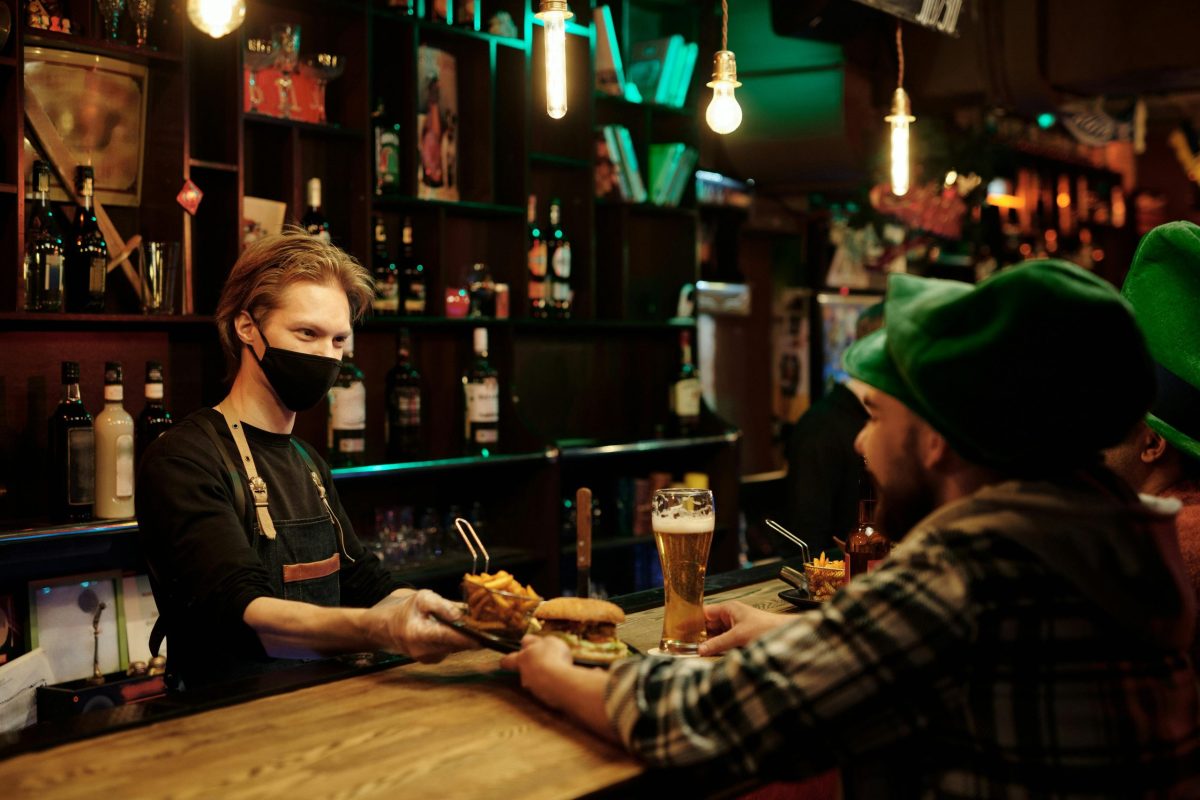
In the smoky pubs of Tyrone, where the whiskey flows like the River Erne, tales of rebellion and regret linger like the scent of burnt peat. We remember the days when our voices rose high, not just for the teams playing on the field, but for the proud hearts who fought and fell for freedom. These fields were once lush and green, adorned with the dreams of a united Ireland, yet the bitter gusts of partition left deep scars that never healed. Each rebel song sung during evening Mass becomes a haunting reminder of the divides that drove us apart. We’re singing songs while our hearts ache from separation; our families scattered, not just by the sea to faraway lands, but across a border drawn by hands that never felt the soil of our ancestors.

The Wider Echo

This partition has bred a diaspora that stretches ’round the globe, from the lively streets of New York to the bustling markets of Sydney. It’s said that nearly 70 million people around the world carry an Irish heritage deep within them, threading their history with every pint raised in a foreign bar. And while we toast to lives lived and lost, the shadows of our past twine around our histories; it is a reminder that the battle isn’t just for the GAA titles but for our very essence as a people. Partition still whispers to us today, as issues of identity and belonging reignite old wounds. Whatever the years bring, we carry them like a badge of honour, for resilience is our second nature. And if our hearts are heavy with the weight of sorrow, they also swell with the pride of those rebels who sang of a united Ireland in the face of oppression.

The Now & The Next

Today, as we battle new storms—housing crises that leave too many out in the cold, mental health struggles echoing in the hearts of our youth—the spirit of our past guides us. Whether we wear a GAA jersey or pin a shamrock to our coat, we embody the legacy of our forebears. Those brave enough to stand against oppression inspire us to raise our voices louder than ever, demanding justice and change in a world still divided. Just like the rebel songs of old, our voices will not be silenced or surrendered. We are the children of resilience, determined to keep our fires burning bright, lighting the way not just for ourselves but for generations yet to come. So let us sing louder, love harder, and remember the lessons of our past as we forge our futures together.

Did You Know?

  • Over 10 million people in the US claim Irish ancestry, making the Irish diaspora one of the largest globally.
  • Irish music has been recognized by UNESCO as an Intangible Cultural Heritage, celebrating our rich storytelling tradition.

FAQs

What are rebel songs?
Rebel songs are musical tributes to Irish nationalism, telling tales of the struggles and dreams of our people. These songs resonate deeply, especially in gatherings that celebrate our culture. For authentic memorabilia, check out our commemoration jerseys.

How can I connect with my Irish roots while living abroad?
Engage with local Irish communities, join GAA clubs, or participate in cultural events. You’re not just carrying the torch of tradition; you’re igniting it for others too.

Final Word

So here’s to us, the Irish — the dreamers, the fighters, the lovers of song and sorrow. Let’s raise our glasses and never forget the songs sung in fields of green and the screams of our cities. If you carry the same pride we do, you’ll find a piece of home waiting at
HubIrish.com.


Banshees, Bobby Sands and the Fight for Irish Identity

Banshees, Bobby Sands and the Fight for Irish Identity

Published

From the Banshee’s Wail to Bobby Sands: The Heartbeat of a Nation That Rises, Falls, and Rages in the Rain

Estimated reading time: 5 minutes

Key Takeaways

  • The spirit of Ireland is deeply intertwined with its history and music.
  • Irish emigration has significantly influenced global cultures, with millions of people of Irish descent living abroad.
  • The struggles of the past resonate today as Ireland faces new challenges.

Table of Contents

Introduction
The Heart of the Story
The Wider Echo
The Now & The Next
Did You Know?
FAQs
Final Word

Introduction

Gather ’round, will ya? Pour a pint, or maybe something stronger, because we’re off to the wild places of the Irish heart. A place where the banshee’s wail still echoes through the valleys, where the spirit of Bobby Sands roams free, and where every drop of rain washes our sorrows clean while washing our courage anew. Listen closely, for this is not just our past; it’s our present and future, painted with the bold brush strokes of rebellion, heartache, and the timeless joy that is our birthright.

The Heart of the Story

Let’s walk a road carved by the winds of Kerry — land of the lakes where the whispers of ancient legends mingle with the salty sea breeze. Once, in the shadow of the mountains, an old lad shared tales of the banshee, that ghostly woman whose cry foretells the death of a loved one. The hair would stand on the back of your neck as he spoke of shadows chasing shadows through the night. But, as we know, it’s not just about death; it’s about life — the life we’ve fought for, on fields and in streets, hearts entwined with our history and our music. Each note strains under the weight of our losses, yet rises like a phoenix borne on the wings of rebellion.

The Wider Echo

In the grander tale of Ireland, every shout for freedom echoes alongside familiar rebellion songs. From the pubs of Dublin to the backroads of Derry, our echo resonates with everyone who ever felt the edge of despair twisted into hope. Did you know Irish emigration has shaped nations far and wide? A staggering 10 million people of Irish descent live outside these shores, each carrying a piece of our turbulent history in their marrow. Bobby Sands, a name etched in memory, reminds us that each of our struggles, past and present, feeds into that great river of national identity. It’s a river that runs fierce and fast, taking our anger and pride with it like a hearty stew cooking on a cold night.

The Now & The Next

Today, we’re standing at another crossroads. As we face the housing crisis gripping our beautiful land, the cries for justice are no less than those raised during the Troubles. Our sports — our GAA — is the pulse of our communities. Picture a child from Cork in a GAA jersey, holding onto a dream during a game in Melbourne or Brussels, pulsing away at a heart that knows where it comes from. And those dreams will spark new revolutions as we fight for homes just as our forefathers fought for freedom. Resilience isn’t merely a word; it’s a breath, it’s a heartthrob resounding within each of us, alive through the songs, the jerseys, the memories.

Did You Know?

  • The drought of the Great Famine in the 19th century caused the first massive wave of Irish emigration, reshaping the Irish diaspora you see today.
  • Over 300,000 people in America identified as Irish in the year 1850, a number that swelled in the years following the famine. A phenomenon that shaped the fabric of cities like Boston.

FAQs

What does the banshee symbolize in Irish culture?
The banshee is often viewed as a harbinger of death, but she also symbolizes the deep connection we have with our past and the reverence we hold for our ancestors. Many Irish families tell stories involving her presence, echoing the timeless notion that while we mourn, we also celebrate life.

How has Irish music influenced global culture?
Irish music has inspired countless genres across the globe, with folk, rock, and even hip-hop artists channeling that spirited dance of rebellion. It speaks to our collective heart, reminding us that no matter where we are, we’re united by the sound of our laughter and tears.

Final Word

So as you-down your drink and raise a toast, remember — we are all part of this continuum, a story that weaves through fog and flame, rage and revelry. Whether you’re on the cobbled streets of Galway or staring into the sunset on foreign sands, this heart beats within us all. If you carry the same pride we do, you’ll find a piece of home waiting at
HubIrish.com.
From the famine ships to the GAA fields

Published

From the Famine Ships to the GAA Fields: We Scream for Our Dead, Dance with Our Ghosts, and Never Forget the Hallowed Ground Beneath Our Feet!

Estimated reading time: 5 minutes

Key Takeaways

  • The stories of Irish emigrants intertwine with sports culture, emphasizing heritage and resilience.
  • The GAA serves as a connection to Irish identity, bringing communities together across the globe.
  • Modern challenges mirror past struggles; remembering our heritage can guide us forward.

Table of Contents

Introduction
The Heart of the Story
The Wider Echo
The Now & The Next
Did You Know?
FAQs
Final Word

Introduction

Listen close, dear hearts, for the winds of history howl through our veins. They tell tales of sorrow and resilience, of ships that sailed with fear clenched like a fist, of fields that echo with the roars of pride and pain. Our stories, layered like the peat on the hills of Donegal, entwine with the ghosts of ancestors who shed blood for the love of this land — the land that cradles our memories and dreams.

The Heart of the Story

Picture it: the green fields of GAA, the chill of the autumn air, and the roar of a crowd gathered to celebrate their warriors. But before the athlete’s footsteps, we had the weary souls who crossed the oceans, forced from their homes by famine’s grasp, clutching onto their identities like a child holding a mother’s hand. These were the ones who remembered the hallowed ground of their birth, who planted the roots of our pride even as they stepped onto foreign soil, raising flags of hope and remembrance.

The Wider Echo

As we rally on the sidelines, shouting ourselves hoarse for our teams, we also scream for the dead whose sacrifices paved our paths. We’re not merely spectators; we are the keepers of their stories, echoing through time. Each whistle, every score, transcends past and present, binding us to the loss and gain carved into our souls. We must remember that every moment of joy in the GAA fields is shadowed by the heartbreak of those who came before us, a testament to their enduring spirit.

The Now & The Next

Today, we stand at another crossroads—a housing crisis gripping the nation, families scrabbling to build a life, kids in their jerseys pining for a sense of belonging. From Dublin to the diaspora, those with Kerry jerseys and Mayo hopes alike are grappling with dreams that feel just out of reach. Yet, as we navigate this modern madness, we must remember to hold fast to our heritage. The grit that saw generations through strife now calls on us to come together, to protect our roots, and to keep on dancing with the ghosts of our past as we build futures for those who will follow.

Did You Know?

  • Over eight million Irish emigrants have left their homeland since the 18th century, each carrying a piece of Ireland in their hearts.
  • The GAA was founded in 1884 and has become a bastion of Irish heritage, embracing over 2,200 clubs worldwide, fostering community and identity wherever you go.

FAQs

What is the significance of GAA in Irish culture?
GAA is not just a sport; it’s a heartbeat of the nation that unites people across generations, reminding us of our shared history. From the rural fields to urban streets, the ethos of community and competition is alive and kicking.

How does the journey of the Irish diaspora influence modern culture?
The Irish diaspora carries stories of struggle and perseverance. Their influence can be seen in music, art, and sports, resonating in every pub where songs of old are belted out, keeping the flame of home alive.

Final Word

So, wherever you roam — from a pub in Paris to a field in Philadelphia — remember the hallowed ground you stand upon. We are a tapestry woven with strands of sweat, tears, and triumphs. If you carry the same pride we do, you’ll find a piece of home waiting at
HubIrish.com.

From Pubs to Pride: Hidden Love Stories in Ireland

From Pubs to Pride: Hidden Love Stories in Ireland

Published

From Pubs to Pride: The Hidden Love Stories That Defied a Thousand Curses in the Land of Saints and Sinners

Estimated reading time: 8 minutes

Key Takeaways

  • Love stories in Ireland often emerge against societal norms.
  • The Cork LGBTQ+ community has a rich history of resilience.
  • Hidden narratives shape Irish identity, echoing globally.

Table of Contents

Introduction
The Heart of the Story
The Wider Echo
The Now & The Next
Did You Know?
FAQs
Final Word

Introduction

Ah, gather ’round, ye sons and daughters of Éireann! There are tales so raw, they peel the skin back from our hearts. Of loves that bloomed in the shadows, whispered in the backrooms of pubs, or shouted in defiance under a full moon. These aren’t your classic rom-coms — they’re the stories forged in the fiery grip of history, laden with the curses and blessings of a thousand souls pulling at our very threads. So, pour yourself a pint, sit back, and let’s stroll down the cobblestones that brought love to life in the land of saints and sinners.

The Heart of the Story

In the heart of Cork, where the streets echo with laughter and the air is thick with the scent of history, lives a story less told. Imagine a 1970s pub, where the walls are plastered with the faces of revolutionaries and heartbroken ballads spill from weary lips. It’s here that Seamus, a fiery redhead with a twinkle in his eye, found himself falling for Liam, the quiet lad who tended bar with a gentle grace. Their love, electric and tender, flickered like a candle thrust through the fog — warm but perilous. Family curses, societal expectations, and whispers of disapproval lurked around every pint. Yet, as the music soared, their hearts, too, took flight, defying the world that tried to tell them who to love.

The Wider Echo

This tale of Cork’s hidden love wasn’t just localized; it resonated throughout the diaspora. Each whispered secret of romance and rebellion weaved itself into the fabric of Irish identity, echoing from the alleys of Boston to the cafés of Paris. In 1981, amidst the fervor of the hunger strikes, love letters and coded messages danced between the bars. The stories weren’t just of heartbreak but of solidarity — wrapped in the warmth of secret meetings and quiet affirmations of faith in each other. A community oppressed by politics, yet buoyed by the wild spirit of love, inspired by figures like Bobby Sands whose defiance infused every giddy meeting and tearful goodbye.

The Now & The Next

Today, the streets of Cork still hum the songs of those brave hearts. As we face the trials of a rising cost of living and a housing crisis that makes even the staunchest optimist despair, it is love that remains the anchor. Love that holds communities together, where a Traveller kid in a Kerry jersey daydreams of freedom and acceptance on the pitch. The struggles of the past teach the urgency of the now — to love fiercely, to speak out, and to fight for rights denied. Let our love stories echo forward, breaking through barriers we thought too thick, too solid.

Did You Know?

  • Over 80% of Irish LGBTQ+ adults have experienced some form of discrimination, yet love continues to flourish as a radical act of resistance.
  • Cork is home to the oldest LGBT Pride festival in Ireland, dating back to 2003, making it a heartland for acceptance and love.

FAQs

Is it safe to be LGBT in Ireland today?
While significant progress has been made, challenges remain. Yet, in places like Cork, vibrant communities are a testament to resilience and love. Check out more on Cork’s story here.

What are some iconic love stories from Irish history?
Ah, love abounds in Irish history! From the fabled tales of Diarmuid and Gráinne to the poignant letters exchanged during the Troubles, each love story adds a layer to our rich tapestry of existence.

Final Word

Love is a force capable of transcending borders, breaking chains, and stitching together the frayed edges of our shared history. So, as you raise your glass or catch a ferry to the land of your ancestors, remember that your heart beats along with the pain, pride, and passion of countless others. If you carry the same pride we do, you’ll find a piece of home waiting at
HubIrish.com.

The Heart of Ireland Through Songs and Loss

The Heart of Ireland Through Songs and Loss

Published

Estimated reading time: 5 minutes

Key Takeaways

  • The Irish narrative is deeply intertwined with themes of loss and resilience.
  • Music serves as a vital connection to history and communal identity.
  • Modern Irish artists continue to reflect the emotional landscape of their heritage.

Table of Contents

Introduction
The Heart of the Story
The Wider Echo
The Now & The Next
Did You Know?
FAQs
Final Word

Introduction

Ah, the Irish heart — a tapestry woven with laughter and tears, rebellion and resilience. From Bono’s croonings echoing across Dublin streets to the ghostly whispers of banshees that haunt the hills of Laois, we are a people who wear our emotions on our sleeves and sing in the rain. Our dreams often flutter like leaves in the autumn wind, fragile yet fierce, the weight of a past full of loss, mingled with the vibrancy of songs sung in pubs and parishes, where the spirit of the nation rises with each note. In this tale, we explore how the heart of Ireland beats to the rhythm of loss, yet finds solace in song.

The Heart of the Story

Picture this: A cold, damp evening in November, the winds howling through the narrow streets of Laois, where a gathering huddles around a flickering fire. Voices rise, and suddenly, you hear the sharp whistle of a tune, shivering through the air like a creeping banshee’s wail. The room swells with stories of weighty dreams from back when, of men and women who left for foreign shores — New York or Sydney — with stars in their eyes and the taste of home still fresh on their lips. The air grows thick with time, a mix of laughter from five decades past and the solemnity of those whose dreams went unfulfilled. The bittersweet symphony of it all hits harder than any Galway goal, a reminder that for every soaring note, a heart may be breaking. And there, amid the clinking of glasses and the laughter, one realizes; we are a nation that cries for what we’ve lost, but we sing louder for what remains.

The Wider Echo

As the world looks at Ireland, we must realize our history has shaped this narrative. The echoes of rebellion, the cries of a hunger that once gripped our ancestors, now play a pivotal role in how we view our identity. We are anchored by our past, yet we sail into the future on a sea of music. The question is: how do we channel this heartache into strength? A wise one once said that nations can rise as ghosts from valleys of shadows. When we look at Bono and his ragged band of dreamers sharing the message of peace across the globe, we see a reflection of our strength—the strength to transform pain into creativity, to lift our voices in solidarity, even when the sky darkens.

The Now & The Next

What does this mean for us today? The landscape of Ireland has changed, yet the spirit remains undaunted. Families in Kerry worry about rent and rising costs, children with dreams wrapped in sports jerseys. A boy in a Kerry GAA jersey on the streets of Tralee, dreaming of Croke Park glory while the world spins wildly around him. Emigration aches within us still, our people dispersed like autumn leaves, but the language of song binds us together. The rebellion echoes through our hearts — a call to build anew, to rally around shared dreams, giving voice to the voiceless and holding tight to the ties we foster. If we gather our songs like kindling, we can fuel a fire that keeps hope burning bright against the odds.

Did You Know?

  • According to the latest census, over 70 million people worldwide identify as being of Irish descent.
  • The banshee, an emblem of loss in Irish folklore, is said to be a mournful spirit who foretells death—yet within her wails lies an ancestral call to remember.

FAQs

What is the significance of the banshee in Irish culture?
The banshee represents a connection to our ancestors, a symbol that reminds us to honor those who came before and the dreams they wrought. You can find more about her haunting presence in our folk stories.

How do modern Irish artists carry on traditional themes?
Irish artists like Hozier and Sinéad O’Connor weave the threads of our collective emotions into their work, capturing the spirit of resilience and rebellion. Their music reflects the same heartaches and joys that have echoed through generations, ensuring that our stories remain alive and loud.

Final Word

So, dear reader, remember — every note played, every tear shed for bygone dreams, we carry our stories across the oceans and valleys while singing in the rain. If you carry the same pride we do, you’ll find a piece of home waiting at HubIrish.com. Here’s to the songs yet to come, to the dreams that linger and the joys we will find amidst our memories.

Will You Stand in the Streets or Shout in the Pubs?

Will You Stand in the Streets or Shout in the Pubs?

Published

When the Banshee Wails, Will You Stand With Us in the Streets or Shout in the Pubs?

Estimated reading time: 7 minutes

Key Takeaways

  • The banshee serves as a symbol of warning and connection to Irish heritage.
  • Community resilience is mirrored in the stories and struggles across Ireland.
  • Modern rebellions often arise from socio-economic issues that resonate with historical struggles.

Table of Contents

Introduction
The Heart of the Story
The Wider Echo
The Now & The Next
Did You Know?
FAQs
Final Word

Introduction

The wail of the banshee reaches your ears, sweeping through the streets like a wild wind on an autumn evening. Are you the one to curse and shout in the pubs, fueled by pints of stout, or will you join the throng out in the streets, fists raised against the rip tides of change? In Ireland, we’ve worn both hats, often at the same time, and it’s in this bitter sweet blend that we find our spine—wrapped in pride and stitched with sorrow, we are raised on the songs of old and the tales of the young.

The Heart of the Story

Let’s pull you to Galway—the city where echoes of laughter dance with whispers of despair. Streets alive with music, poets wandering among the crowds, but remember, the shadow of the banshee is ever near. One evening, at a quaint little pub, I caught sight of an old man in a flat cap, his tired eyes shimmering with rage and regret as he recounted the story of a local hero whose fight against the oppressive shadows of the past still stirred the people there. “Did you hear the news? The old ways are dying,” he huffed, taking a long pull from his pint, “but if the banshee comes for me in the midnight hours, I’ll fight like hell!” His words hung heavy, like the weight of the world on his shoulders—it’s in these moments we realize history isn’t a thing of the past, but a living, breathing entity that demands our attention.

The Wider Echo

This isn’t confined just to Galway. No, it reverberates through the heart of every town, every village, and every hamlet in Ireland. From parades celebrating fallen heroes to marches against injustice, every shout in the street stands as a testament against the banshee’s wail. We get angry, we shout, we cry, and sometimes we even kick up a storm at the local football match, but it’s all part of the same tapestry. “When injustice becomes law, rebellion becomes duty,” a wise voice will often remind us, and oh how we’ve embraced this phrase, keeping it close to our hearts, like our grandmother’s rosary beads—held tight when we need faith but also the strength to stand tall against the weight of despair.

The Now & The Next

And what of today? With housing crises knocking at the doors of young families, we must ask ourselves: are we willing to take to the streets like our forebears, or will we drown ourselves in drink, shouting in the pubs while the world spins on without us? The banshee is more than a myth, love; she’s a warning! A call to arms! You’ll see families now, just like my own from Kerry, struggling to find a place to call home, seeking a semblance of normalcy while their roots pull them between the homeland and foreign shores. It’s enough to make your heart break, but we are resilient, stubbornly so! The carcass of history teaches us to stand firm, to rally, whether it’s against economic turmoil or political indifference, for we know the banshee’s song can rally us like no other.

Did You Know?

  • In Irish folklore, the banshee appears as a symbol warning families of impending death, urging us to prepare for the storms that life throws our way.
  • The modern face of rebellion is complex, with Irish youth turning to social media, igniting movements from both sides of the Atlantic, proving our spirit knows no borders.

FAQs

What does the banshee symbolize in Irish culture?
The banshee is believed to be a harbinger of death, a ghostly figure associated with the fate of a family. It’s a reminder to honor our history and cherish our roots—but also to have a drink or two on the way!

How can I connect with my Irish heritage abroad?
Whether it’s joining a local GAA club, finding a pub with a piper or a traditional music night, or simply reaching out to your family back home, it’s all about weaving your stories into the communal tapestry. You carry your county’s pride wherever you go, so wear it visibly—a Kerry green, a Wexford yellow, or Donegal blue can ignite a connection like nothing else.

Final Word

So as we raise our glasses to the legends of the past, with cracked lips and throaty laughter, let us remember: when the banshee wails, will you stand with us in the streets, or will you shout in the pubs? Either way, we’ll keep the fire burning, clinging to our stories and each other. If you carry the same pride we do, you’ll find a piece of home waiting at
HubIrish.com.
Bobby Sands and the Echoes of Irish Resilience

Bobby Sands and the Echoes of Irish Resilience

Published

Bobby Sands Rises Again: The Ghost of Hunger Strikes Whispers Through the Streets of Belfast as a Forgotten Generation Cries for Justice Beneath the Shadow of Partition

Estimated reading time: 6 minutes

Key Takeaways

  • Bobby Sands symbolizes sacrifice and resistance in Irish history.
  • His legacy continues to inspire new generations advocating for justice.
  • The diaspora actively engages in preserving and celebrating their heritage.

Table of Contents

Introduction
The Heart of the Story
The Wider Echo
The Now & The Next
Did You Know?
FAQs
Final Word

Introduction

There’s a chill in the air when you walk the streets of Belfast, and it’s not just the weather. It’s the whispers of history, the echoes of voices lost and the fervent cries for justice that float around every corner, like stubborn fog. Amidst the modern hustle, one name rises above the tumult – Bobby Sands. His spirit wove through the brick and mortar, the hearts and minds of the mourners, the dreamers, and the fighters. More than forty years since his hunger strike, the very streets he trod pulse with memories, grievances, and a resolve that refuses to fade. This is a legacy laced with ironies and tragedies, that even the passage of time cannot smother.

The Heart of the Story

For many, the name Bobby Sands isn’t just a footnote in the books of war; he embodies a spirit of resistance. I remember the tales from my great-uncle, hardened by the realities of division, yet softened by memories of family gatherings where his name was a whispered chant for hope. Bobby, with his pen and paper, captured not just words but the hearts of a generation starving for recognition and rights. His poems became mantras in pubs, as enthusiasts mused over pints, “What would Bobby think of this mess?” But what strikes deeper than mere nostalgia is the heartbeat of those who remember him — younger generations who don’t only read about Sands in history books. They carry his legacy like a flag, defiant against an ongoing struggle for identity and justice that transcends borders. Meeting those survivors in communities that honor him, you find they’re not merely reminiscing; they are in combat against the listless tides of a world that often forgets.

The Wider Echo

Beyond the terraced houses and the painted murals of Divis, a city that breathes history and hardship mirrors itself across seas and borders. Irish communities in Boston, New York, and Sydney partake in a bittersweet unity, celebrating the heroism of Sands while grappling with their own connections to oppression and resilience. The weight of partition reverberates through lives lived in the shadows of proud exiles, who grasp the stories of ancestors like talismans, clutching their identities with fierce nostalgia. Echoes of rebel ballads lilt through the air, blending with the calls for social justice in far-flung rallies; the struggle for Irish unity melds with that for broader societal change, artfully woven through chants that ring with the spirit of Sands.

The Now & The Next

Fast forward to now, a sweater bearing the proclamation “Our Revenge Will Be the Laughter of Our Children” wraps around a neck in a café in Brooklyn – the past and present intertwined. Young ones, knowing little of the Troubles yet cradling their heritage in songs and stories, ponder on what freedom looks like in their everyday lives. The diaspora is alive and active, constantly reminding us of the perils of forgetting. You see it in the GAA jerseys worn as badges of honor under café tables, in children waving flags that signify more than sport; they symbolize dreams worn down in the face of adversity. What does it mean to remember today? For the Irish both at home and abroad, it means embracing the spirit of those forgotten, reigniting the hunger for justice, be it in the shadows of Belfast or the bright lights of Boston.

Did You Know?

  • Bobby Sands was the first member of the UK Parliament to die on hunger strike in 1981, igniting a series of protests and a resurgence of the nationalist movement.
  • A mural of Sands in West Belfast has become a pilgrimage site for both locals and visitors, symbolizing the enduring search for justice and remembrance.

FAQs

What is the significance of Bobby Sands today?
Bobby Sands symbolizes sacrifice and resistance for many, and his story resonates deeply within Irish history. His words continue to inspire new generations advocating for justice. For a piece of that legacy, consider donning a commemorative jersey that speaks to resilience.

How can I connect with Irish culture abroad?
Engage with local Irish communities, attend events commemorating key figures like Sands, and explore Irish history through storytelling and music. Each connection made strengthens the ties to our shared heritage.

Final Word

As we sit, raised glasses in hand at the pubs of our memories, let’s tell the stories that matter, not just for our past, but for our future. Bobby Sands once said, “Our revenge will be the laughter of our children.” Let’s ensure their laughter rings free and unbroken, carrying forward the legacy of struggle and pride. If you carry the same pride we do, you’ll find a piece of home waiting at HubIrish.com.
From Rebel Songs to Heartbreak Ballads

From Rebel Songs to Heartbreak Ballads

Published

From Rebel Songs to Heartbreak Ballads: How One Folklore Legend Captured a Nation’s Soul in Times of Turmoil

Estimated reading time: 5 minutes

Key Takeaways

  • Christy Moore’s music serves as an anthem for identity and resilience.
  • His songs connect the Irish diaspora, evoking a sense of home even in foreign lands.
  • Traditional Irish music continues to thrive in modern culture through communal experiences.

Table of Contents

Introduction
The Heart of the Story
The Wider Echo
The Now & The Next
Did You Know?
FAQs
Final Word

Introduction

Ah, there’s something magical about a song, isn’t there? The way it can stir the very marrow in your bones, take you right back to the corner of a smoky pub in Dingle or the bustling streets of Boston. This is not just music; it’s the heart and soul of a nation. There’s a tale to tell of a certain balladeer, a troubadour whose voice rose like a phoenix amid the ashes of despair, echoing the tumult of our past while knitting the fabric of identity for us today. Let’s gather ’round and remember how these notes shaped our rebel spirit and bled into our collective heartbreak in the face of turmoil.

The Heart of the Story

Picture it: the 1980s, a time when the streets of Dublin were alive with an energy both electric and chaotic. In pubs like The Misty Moon and The Barge, where hearts sang louder than voices and melodies danced on the tips of tongues, a hungry nation needed an anthem. Enter the legend: Christy Moore. From rebel tunes that stirred the blood of our ancestors to melancholic ballads that seemed to weep with the weight of lost dreams, his songs became a bridge—connecting the old world and the new. Stories shared over pints became the fuel for his music, songs like “Ordinary Man” and “The Voyage” resonating with every corner of our experience. He breathed life into words that fell from the lips of grandfathers and grandmothers, echoing eternal truths of struggle and resilience.

The Wider Echo

As we widen the lens, you see this wasn’t just a solo act. Christy’s songs navigated through the airwaves, binding the scattered notes of the diaspora. An Irish football fan in New York belting “Fascist State” after a few too many would bring strangers together—hearts thumping in unison for the homeland. These tunes became lifelines for many, igniting memories of home while people poured their hearts out in foreign lands. Research shows that diaspora communities—whether in Sydney drinking Guinness or in Toronto sharing a laugh over a Liam Clancy tune—find identity in these ballads. They breathe the essence of our struggle, reflecting the bonds that keep us close, no matter the miles in between.

The Now & The Next

And today? The world spins on. Yet, in our kitchens and gatherings, those tunes still find their way into our lives. Young ones don jerseys—like the FAI jerseys—flaunting colors while singing songs learned from parents, not in a history lesson, but in a moment molded by laughter and tears alike. In a global village, those heart-wrenching ballads remind us of our roots. They challenge us to remember where we came from, to feel the heartbeat of our ancestors. Whether at a family gathering or on a lonely night in a foreign land, the embers of our music can ignite a fire of belonging within us.

Did You Know?

  • Christy Moore’s debut album was released in 1972, yet his music still resonates with generations today.
  • Many of his songs have become popular protest anthems, sung widely during Irish political movements.

FAQs

What are some classic Christy Moore songs I should listen to?
You can’t go wrong with tracks like “The Voyage,” “Lisdoonvarna,” and “Joxer Goes to Stuttgart.” Each song is a window into the soul of Ireland. If you’re interested in sporting pride, check out our range of GAA Jerseys to wear while you listen!

How has the Irish diaspora influenced modern music?
The diaspora has played a vital role in keeping Irish folk music alive, bringing traditional sounds into new spaces and blending them with local melodies. Each pub jam in a foreign city nourishes the roots of our identity.

Final Word

So here we stand, carried through the ebbs and flows of history by the threads of song and story. The pulse of a proud nation found in the strum of a guitar or the rise of a voice on a still night echoes far beyond the shores of our emerald isle. It’s in every rebel song, every heartbreak ballad that we find a piece of ourselves. If you carry the same pride we do, you’ll find a piece of home waiting at HubIrish.com. Let the music play on, let the stories be told, and let’s keep the spirit alive.

Journey of Hope: Tracing the Irish Diaspora

Journey of Hope: Tracing the Irish Diaspora

Published

From Famine Ships to Flight: The Heartbreak and Hope of Leaving Home Behind

Estimated reading time: 7 minutes

  • The duality of leaving home—a mix of sorrow and ambition.
  • The historical significance of Famine ships and the Irish diaspora.
  • The enduring impact of Irish culture across the globe.
  • Current connections to Irish heritage through sports and community.

Introduction

We’re a people of two paths—one that leads you away from home, and another that always calls you back. Leaving Ireland, oh, that’s no simple fare. On one hand, there’s the heavy anchor of sorrow, pressed beneath your bones. On the other, the fierce pull of dreams, a spark igniting hope in foreign lands. You feel that knot in your chest, the ache of family farm or the buzzing energy of Dublin streets, fading into the distance as the ship’s horn blares. A million souls cast out by desperation, yet their eyes still glimmer with the flicker of ambition—a contradiction. It’s a beautiful kind of heartbreak.

Tracing the Trails of Our Ancestors

Let me tell ye about the ships—not like the kind that float today, but the vessels that carried our grandfathers and their dreams across the ocean. The Famine ships. Those dark, cramped holds where hope was as scarce as fresh air, yet they whispered tales of a better life. One foot always in the bog, the other lurching toward the bright lights of Boston, New York, or Sydney. Picture it: Irish men and women clutching rosaries like lifelines, children gnawing on bread crusts, and the scent of salt and sorrow mingling in the air. They fled poverty and hunger, but also the ghostly remnants of an archaic bond to the land—fields dearer than gold.

With every miles traversed, the pull of home weighed heavier, and each port faced was a bittersweet farewell. Families left behind, ancestral soil untended—yet their spirits sailed on. We are descendants of those who dared to dream beyond the horizon, who tucked pieces of home into their hearts and even into heirloom sets of fine china or a cap that tinged with green, worn by the generations as they conquered new fields. That relentless echo of the past sings through us, still.

The Wider Echo of Our Pasts

Now, ye might find yereself pondering—how do such echoes of the past shape our Irish identity today? Just glance at the diaspora. The vibrant pubs of Boston, where your grandmother’s favorite song stands locked in a frame next to the latest GAA jersey. The camaraderie at a Dubai match, where kinship sweeps across the pitch, powerful as any ancestral bond. We carry these pieces within us like a patchwork quilt, sewn with threads of heartache and perseverance. What once was an exodus turned into a tapestry of pride. Look to our culture—music strumming like a heartbeat, a reminder of roots buried deep, yet branches extended far into the world.

Histories meld together—some tragic, some glorious—creating a landscape rich with experience, the gaiety of GAA, the passion of a rebel song that stirs the soul. Every new generation, every new corner of the world we touch, we hold a piece of Ireland in our hearts. Kosher at the altar, but not bound by it; seeking, striving. The echoes are loud, laughter spilling out of crowded bars where the GAA jersey clashes with a suit. Mismatched yet always familiar.

The Now & The Next: Our Shared Journey

What’s happening today matters, too. From the kids draped in Mayo jerseys, showing us how their dreams fit into the fabric of this big old world—we’re writing the stories anew. Each game won, a tiny celebrating heartbeats. Every jersey worn in Yankee Stadium, every wall mural painted in Sydney, downloads the unbroken connection from past to present. They’re not just fabric, they’re talismans of the battles our forebears fought for dreams bigger than the land they left behind. They tell our story, blending history with hope.

These threads of diaspora intertwine with the tale of generations, forging identities that remain undeniable. With every passing glean into the GAA finals, we stand shoulder to shoulder, with hearts beating as one against the echoes of the years gone by. Have a sister in London cheering for the same jersey? A brother in Toronto tearing up to a tune that rings of Galway? What serves as our compass now is the unity of experience, the thread that binds us all. Let it be the title wave washing over continents. The fight for identity lives on—where lives, hopes, and dreams connect across borders.

Did You Know?

  • During the Great Famine, approximately 1 million Irish people emigrated, and many of them were packed into ships nicknamed “coffin ships” due to the dire conditions on board.
  • There are over 70 million people of Irish descent around the world today, making the Irish the second largest diasporic group globally.

FAQs

Why do many Irish people leave home?
Historically, emigration was largely driven by famine, poverty, and political strife. Today, opportunities for education, work, and exploration continue to lure many across the seas—discover more about this journey through our collection of GAA jerseys that symbolize the pride of home.

How can I connect with my Irish heritage from abroad?
Share stories, attend local GAA games, or get involved with diaspora events in your area. Immersing yourself in Irish culture is a great way to keep the flame alive, whether in the kitchen, the pub, or community gatherings.

Final Word

From boyhood dreams of glory to the present pulse of diaspora identity, our tales weave together not just a narrative, but a shared legacy. Embrace that wild heart of an Irishman or woman wherever you roam; the winds of our ancestors still sing through you. Remember, if you carry the same pride we do, you’ll find a piece of home waiting at HubIrish.com.

Croke Park and the Heartbeat of a Nation

Croke Park and the Heartbeat of a Nation

Published

“From the Ashes of Croke Park: When the Heartbeat of a Nation Roared for Its Lost Ones”

Estimated reading time: 7 minutes

  • Croke Park as a symbol of Irish identity and history
  • Significance of Bloody Sunday and its impact
  • The duality of joy and sorrow in Irish culture
  • Modern-day Croke Park as a venue and memorial

Introduction

A land of spirit and story, where every blade of grass whispers a tale, we gather like old companions, hearts intertwined with the joy and sorrow of our shared history. In the shadow of Croke Park, where dreams are born and lives are lost, we remember those whose footsteps can barely be heard but whose hearts beat strong within us. For the Irish, this hallowed ground is sacred—a canvas painted with the hues of glory and grief, where joy spills over into despair, embodying every inch of our glorious, tumultuous journey.

A Symphony of Loss and Belonging

Every sport played in this country is more than a game; it’s a lifeline to our past, a thread that stitches together a tapestry of identity. Croke Park, the beating heart of Gaelic games, has stood as a monument to this connection. In most European cities, a stadium is merely a venue; in Ireland, it’s a sanctuary. In so many ways, it was here that new generations learned to appreciate the depth of our shared experiences—especially in moments of silence, where the only sound is the rustling of memories. The late great poet Seamus Heaney once spoke of the need for “the intimacy of a hurley, the camaraderie forged in the struggle.” Losing these battles on the pitch reverberates through our communities, stitching us ever closer together, binding us in shared grief and pride.

Echoes of Reckoning: Remembering the Fallen

Yet, Croke Park is not confined by the lines of the pitch. On that fateful day of Bloody Sunday in 1920, the stand was transformed from a vibrant realm of sport into a solemn space of mourning. The killings were a brutal reminder of the ongoing conflict, where the cheers of thousands met the echoes of gunfire. “It’s not just a ground for games; it’s the ground of our stories,” as sport historian Paul Rouse eloquently expressed, reminding us that the tales of our past are written not just in sporting annals, but in the hearts of the families affected by tragedy. This duality of celebration and mourning embodies the Irish spirit, where resilience surfaces even amid loss, reminding us that from the ashes of grief arises the flowering of hope.

The Living Legacy of Croke Park

Today, Croke Park is not only a venue for the games that drive our passions but also a memorial for those lost. Generations later, when the anthem rises—“Amhrán na bhFiann”—it feels like a collective heartbeat, a roaring reminder that we carry the souls of those we lost, their legacy enveloped in every cheer and chant. The diasporas, from Boston to Dubai, don the jerseys of their counties, their pride palpable even continents away. The memories shared in Irish bars, with each pint raised, reflect the struggles and successes etched into the fabric of our nation. Just as our GAA jerseys tell tales of victories and defeats, so too do they signify unbreakable bonds formed through shared histories—an embodiment of identity that resonates globally.

Did You Know?

  • In 2019, the GAA hosted over 917,000 spectators at Croke Park, a testament to the enduring spirit of Irish sport.
  • Over 30% of the Irish population participates in GAA activities, showcasing the vast community linked through Irish culture.
  • Croke Park is not only a sports venue; it also serves as a concert ground for international artists, with the likes of U2 and Ed Sheeran gracing its stage.
  • The stadium played a pivotal role in the commemoration of the 1916 Rising with significant events honoring the sacrifices made for Irish independence.

FAQs

What does Croke Park symbolize for the Irish community?
Croke Park stands as a sacred landmark representing the heart and soul of Irish identity through sport and historical significance. It connects generations and embodies the spirit of resilience within the Irish community. You can learn more about GAA jerseys that keep this spirit alive at HubIrish.com.

How has Croke Park evolved over time?
Originally opened in 1884, Croke Park has grown from a simple playing field to an iconic sports venue that hosts significant cultural events. It transformed into a symbol of Irish pride and unity, adapting to the changing tides of history while preserving its core identity. Visit HubIrish.com to explore jerseys that carry this legacy.

Final Word

In the heart of our lore lies both sorrow and strength, echoing through Croke Park and beyond. As we gather to remember, let us celebrate the indomitable spirit of those who paved our way. Stand proud, dear reader, and know our history courses through your veins. Embrace your heritage, for if you carry the same pride we do, you’ll find a piece of home waiting at HubIrish.com.