

The Forgotten Women of the Magdalene Laundries

The Forgotten Women of the Magdalene Laundries

Published

Lost in the Shadows: How the Forgotten Women of the Magdalene Laundries Shattered Silence and Resilience

Estimated reading time: 6 minutes

Key Takeaways

  • The Magdalene Laundries operated as institutions of forced labor and stigma against women.
  • The United Nations has called for accountability regarding the treatment of these women.
  • Today’s conversations on gender equality trace back to the struggles faced by those in the laundries.

Table of Contents

Introduction
The Heart of the Story
The Wider Echo
The Now & The Next
Did You Know?
FAQs
Final Word

Introduction

Some stories bleed from shadows—silent screams echoing across the dark alleys of history. The Magdalene Laundries, those grim sanctuaries of shame, where women were cast aside, their lives held hostage by stigma, faith, and a society too frightened to look. But behind the bars and dirty laundry, resilience thrived, and the cries of the wronged began to rise. This is the tale of those women—lost yet stronger than the very chains that sought to bind them.

The Heart of the Story

In the heart of County Clare, where the rolling hills hold secrets of many, the lives of countless women were forever altered in the Magdalene Laundries. Established in the late 18th century and lasting well into the 20th, these institutions were cloaked in religious sanctity yet steeped in brutality. Women, often labeled as ‘fallen’, were subjected to forced labor, stripped of their dignity, and banished from the path to recovery. Each washing of linen was a testament not just to their servitude, but to an unbroken spirit—their humanity so often overlooked.

The Wider Echo

As whispers turned to cries, Ireland began to listen. The plight of the Magdalene women resonated across generations. In 2013, the United Nations Committee against Torture expressed concern about the treatment of the women and the lack of accountability. What was once a silent shame turned into a thunderous echo of demand for justice. Closure is a complicated thread—how can one truly heal when the emotional scars run so deep? The weight of the Magdalene Laundries hangs over Ireland, reminding us that the shadows can be cast long, but they don’t have to dictate our future.

The Now & The Next

Today, the stories of these women are not just relics of the past. Their legacy inspires movements for justice in a country still grappling with its demons. The ongoing conversations surrounding mental health, reproductive rights, and societal acceptance echo the fights endured by those in the laundries. When we look at the struggles faced by marginalized communities, be they women, LGBTQ+ individuals, or the Traveller community, we can trace a line back to the silence imposed by societal shame—an echo demanding not to be overlooked.

Did You Know?

  • The Magdalene Laundries operated in Ireland from the late 18th century until the late 1990s.
  • In 2015, the Irish government issued a formal apology to the surviving women of the laundries.

FAQs

What was the purpose of the Magdalene Laundries?
The Magdalene Laundries were designed to ‘reform’ women who were deemed immoral or unfit by society, often involving forced labor and deprivation of liberty.

How has society changed since the closure of the laundries?
Significant progress has been made in addressing gender equality and women’s rights in Ireland, but the past continues to affect present discussions about institutional abuse and accountability.

Final Word

As we reflect on the resilience of these forgotten women, we must honor their strength. Their spirits refuse to be silenced, reminding us that empathy and justice are immutable. If you carry the same pride we do, you’ll find a piece of home waiting at
HubIrish.com.
The haunting legacy of Ann Lovett in modern Ireland

The haunting legacy of Ann Lovett in modern Ireland

Published

Why the Life and Death of Ann Lovett Still Haunt Modern Ireland

Estimated reading time: 7 minutes

Key Takeaways

  • Ann Lovett’s tragic story highlights the consequences of societal judgment on young mothers.
  • Her experience prompted significant discussions on women’s rights and reproductive health in Ireland.
  • Changes in public sentiment culminated in the repeal of the Eighth Amendment in 2018.

Table of Contents

Introduction
The Heart of the Story
The Wider Echo
The Now & The Next
Did You Know?
FAQs
Final Word

Introduction

In the quiet village of Templemore, County Tipperary, whispers of sorrow roll through the hedgerows like the last leaves of autumn. Ann Lovett’s story—truncated, tragic, and untimely—mirrors an Ireland haunted by its unsaid horrors and unhealed scars. It is a tale that begs the question: how far have we really come? The ghost of Ann Lovett still lingers, redefining innocence, shame, and the cost of silence.

The Heart of the Story

Ann Lovett was only 15, a child on the brink of womanhood, yet shackled by the weight of expectations far heavier than her frail frame. In 1984, she faced the brutal realities that come with being a young mother in a country steeped in Catholic doctrine and conservative morality. Her death, hidden in the dilapidated remains of the local cemetery, was more than a loss; it was a flashing reminder of a system that failed her. Found lifeless with her newborn baby, Ann became a symbol of the fight against the stigma surrounding teenage motherhood and a church that offered punishment instead of compassion. In a land defined by its people, her fate echoes in every village in County Tipperary—from the fields of golden wheat to the empty schoolyards.

The Wider Echo

Ann’s story is not an isolated chapter but part of a larger narrative echoing through Ireland’s past and present. It catalyzed a trajectory of change, igniting conversations on women’s rights, reproductive health, and societal expectations that too often lead to devastating consequences. As survivors of her plight opened up years later, stories spilled forth like wildflowers reclaiming barren ground. Statistically, Ireland saw significant changes; in a 2018 report, over 60% of respondents supported the repeal of the Eighth Amendment, acknowledging that women’s choices must take precedence over outdated moral obligations. Ann’s tragedy drove the dialogue forward, pushing against walls that had long stifled female voices.

The Now & The Next

Today, Ann Lovett’s legacy reverberates within the current discourse on reproductive rights, LGBTQ+ issues, and gender equality. In bustling Dublin, at conferences advocating for women’s health, her name is invoked as a pivotal moment in the ongoing fight for societal acceptance and human rights. With new fighting spirits like those seen in the marches of Dublin, young activists today are reclaiming their narratives, guided by the silent screams of yesterday’s girls. In a world where change is constant yet often resisted, we owe it to Ann to continue pushing—apologizing not to silence, but to the living, to those who still feel the weight of her story.

Did You Know?

  • Ann Lovett’s story led to a national outcry that reshaped the narrative on women’s rights in Ireland.
  • A 2018 referendum resulted in the repeal of the Eighth Amendment, a constitutional ban on abortion, revealing a profound shift in public sentiment and policy.

FAQs

What challenges did Ann Lovett face as a young mother?
Ann faced profound societal judgment and a lack of support, deeply rooted in a culture that stigmatized unwed mothers. Her fate underscored the immediate need for a compassionate approach to unwanted pregnancies in Ireland.

How does Ann Lovett’s story relate to modern Ireland?
Her tragic tale is a cornerstone in the conversation that led to the reforms of the late 2010s, evolving Ireland’s views on women’s rights and reproductive choices, molding a more inclusive future for generations to come.

Final Word

Ann Lovett’s life and death remind us that behind every statistic, there’s a heartbeat, a story, a yearning for understanding. As we gather around the fire in county homes, let us honor her memory and champion the rights of women still silenced. If you carry the same pride we do, you’ll find a piece of home waiting at
HubIrish.com.
The Derry Woman Who Gave Voice to Hunger Strikes

The Derry Woman Who Gave Voice to Hunger Strikes

Published

Why the Voice of a Derry Woman Became the Anthem of the Hunger Strikes

Estimated reading time: 5 minutes

Key Takeaways

  • Dolores O’Riordan’s music became an anthem against violence and oppression.
  • The 1981 hunger strikes marked a pivotal moment in Irish history.
  • Dolores’s legacy continues to inspire activism today.

Table of Contents

Introduction
The Heart of the Story
The Wider Echo
The Now & The Next
Did You Know?
FAQs
Final Word

Introduction

In the gritty heart of Derry, a voice rose amid the storm of The Troubles, tearing through the suffocating silence. This is a tale of resilience, love, loss, and the raw power of song. It’s not just a voice; it’s an anthem of hunger strikes, a cry against oppression that still echoes down the corridors of history. The sheer spirit of a Derry woman transformed communal pain into art, crafting a melody that resounds with the spirit of rebellion.

The Heart of the Story

The late, legendary singer Dolores O’Riordan, lead vocalist of The Cranberries, brought a haunting beauty to the struggles of her people through her distinctive voice. Born and raised in Limerick, she was a proud daughter of Irish identity, yet Derry held a particularly potent symbolism for her. It was a city steeped in the resistance of Bobby Sands and his comrades, whose hunger strikes in 1981 were a desperate plea for political recognition. O’Riordan’s song “Zombie” captures this visceral angst; a lament etched with memories of conflict that still claw at the heart of the Irish people today. Her voice became the soundtrack of resilience and grief, intertwining local pain with universal suffering — it was Derry that gave her that fire.

The Wider Echo

Dolores’s transformation of personal and collective trauma into profound music resonated not just across Ireland but around the globe. It opened eyes and hearts to the plight of the Irish during one of the bloodiest chapters of modern history. Her music provided solace, a touchstone for those grappling with the trauma of loss. The struggles of Derry were echoed in the streets of Boston, New York, and beyond — connecting the diaspora through the shared pain of loss and longing. As Dolores sang, the world listened, and the stories of The Troubles reached beyond the shores of Ireland, intertwining lives in an intricate tapestry of resistance.

The Now & The Next

Today, as we grapple with new forms of struggle, Dolores’s music continues to inspire. The fight for political justice is echoed in the voices of today’s activists, from the streets of Dublin to those of Derry and everywhere in between. Her music serves as a reminder of the power of protest, challenging us to ensure history does not repeat itself — to honour those who fought before us. In moments of despair, we turn back to her songs, her lyrics wrapping around us like a warm embrace on a cold, lonely night. Her legacy, her fight, her voice still resounds, urging us to continue the struggle. In that spirit, we remember and we resist.

Did You Know?

  • Dolores O’Riordan’s “Zombie” became a powerful anthem protesting violence, climbing the charts in multiple countries and solidifying her voice as a symbol for peace.
  • The 1981 hunger strikes led by Bobby Sands lasted 66 days, resulting in ten martyrs who became legends in Ireland’s fight for freedom — their spirit forever haunting the songs of resistance.

FAQs

What inspired Dolores O’Riordan to write “Zombie”?
O’Riordan was deeply influenced by the ongoing violence of the Northern Ireland conflict. The song was written in response to the 1993 Warrington bombings in England, a poignant reminder of the impact of violence on families. To learn more about Derry’s impact on Irish music, check out our collection in Derry.

Why are the hunger strikes significant in Irish history?
The hunger strikes were a pivotal moment in the struggle for political recognition of the IRA prisoners. They turned public sentiment in Ireland and beyond, galvanizing solidarity for the cause. The sacrifices made are still celebrated in songs and stories, ensuring they remain alive in Irish memory.

Final Word

So here we stand, on the shoulders of giants and the echoes of a courageous Derry woman. In her voice, in her pain, we find our anthem, urging us to remember, to love, to fight, and to never forget. If you carry the same pride we do, you’ll find a piece of home waiting at
HubIrish.com.

Echoes of the Magdalene Laundries

Echoes of the Magdalene Laundries

Published

Behind the Silence: The Untold Story of the Women of the Magdalene Laundries

Estimated reading time: 5 minutes

Key Takeaways

  • Over 30,000 women were confined to Magdalene Laundries in Ireland.
  • The Irish government issued an official apology only in 2013.
  • The experiences of these women continue to resonate in today’s society.

Table of Contents

Introduction
The Heart of the Story
The Wider Echo
The Now & The Next
Did You Know?
FAQs
Final Word

Introduction

In a world thriving on irony, where the meek are shushed by an overpowering force of silence, the stories of the women trapped in the Magdalene Laundries resonate like shards of glass. These were places designed to purify sins—the sins of women deemed immoral or simply ‘fallen’—yet what happened behind those haunting walls was anything but redemption. Their voices, often lost to the ages, deserve to rise once more like the cries of a long-awaited spring.

The Heart of the Story

County Galway, rich in its emerald landscapes and tattered histories, birthed a poignant reality in the shadows of its hills. Here, in the heart of the west, many women found themselves consigned to the harsh confines of laundry houses, metaphorically scrubbing away at their identities, their joys, and their youth. The Magdalene Laundries, managed primarily by the Catholic Church, were operated with a veneer of piety but soaked in a tide of turmoil and humiliation. The lives of these women were molded by societal pressures: if they fell pregnant out of wedlock, if they were considered too ‘loose,’ or if they simply sought independence. They were beaten, both physically and emotionally, with silence being the heaviest lash of all. The names of places like Ballinasloe resonate as grim whispers in the corridors of Irish history.

The Wider Echo

What happened in those laundries echoes through the fabric of Irish society today. The women—now elderly or passed on, yet their experiences remain very much present in the cultural consciousness. In 2013, Ireland’s government officially apologized for the anguish caused, yet many feel this is a mere bandage on a wound that cannot be stitched. And as we reckon with the past, one often ponders: how do we uplift the voices of those we’ve silenced? Anne Harris, a spokesperson for Justice for Magdalenes, captures the heart of this: “They were among us, no different than our sisters, our mothers. Their stories are our stories.”

The Now & The Next

As our society grapples with the legacy of these injustices, conversations surrounding women’s rights are more vital than ever. Today, from education discussions in Dublin to grassroots movements in County Kerry, there’s a pulsing awareness about the importance of stem echoing the pleas of those women who lived in silence and suffering. How we engage with this history will shape the Ireland of tomorrow—where women’s voices matter, where their pain is acknowledged, and where their strength is celebrated, from the hills of Donegal to the shores of Wexford.

Did You Know?

  • Over 30,000 women were confined to Magdalene Laundries in Ireland from the 1920s to the 1990s.
  • The Irish government issued an official apology only in 2013, acknowledging the pain and suffering inflicted upon these women.

FAQs

What were the Magdalene Laundries?
The Magdalene Laundries were institutions run by the Catholic Church in Ireland that housed women considered “fallen” or immoral—many unjustly confined for reasons ranging from being a single mother to simply speaking out against authority.

What is the legacy of the Magdalene Laundries today?
The legacy of the Magdalene Laundries has sparked significant discussions around women’s rights, societal norms, and the role of the Church in Ireland, making it vital for future generations to understand and advocate for justice and equality.

Final Word

As the echoes of the past continue to shape our world, it is our duty to honor the spirit of the women who suffered in silence. Let us amplify their voices and ensure their experiences are never forgotten as we weave a new tapestry of Ireland—where everyone has a place and a voice.
If you carry the same pride we do, you’ll find a piece of home waiting at
HubIrish.com.
The haunting echoes of Croke Park’s memory

The haunting echoes of Croke Park’s memory

Published

Remembering the Night the Croke Park Choir Sang for the Forgotten — Voices of Those Lost in the Magdalene Laundries

Estimated reading time: 5 minutes

Key Takeaways

  • The Croke Park Choir commemorated the women of the Magdalene Laundries.
  • The performance highlighted the need for collective healing and acknowledgment of past injustices.
  • Social change continues through music and remembrance, representing a call for justice.

Table of Contents

Introduction
A Night of Atonement and Remembrance
The Wider Echo: Voices Awakening
The Now & The Next: A Call for Justice
Did You Know?
FAQs
Final Word

Introduction

Croke Park, an emblem of triumph, echoed with a haunting melody. On that starry night, the Croke Park Choir transformed the sacred ground into hallowed space for those whose voices were silenced for far too long. The Magdalene Laundries — cruel cages of shame and guilt — whispered the stories of women marginalized, overlooked, and forgotten. Tonight, through song, they were remembered, their pain woven into harmonies, and they rose to claim their rightful place in the proud tapestry of Ireland.

A Night of Atonement and Remembrance

On 18th September 2021, the Croke Park Choir took to the field, their luminous presence contrasting starkly with the shadows of Ireland’s past, much like the green fields of Kerry that cradle tales of loss and hope. They stood united in remembrance of women who endured unspeakable hardship in the Magdalene Laundries, institutions that housed thousands, lovingly cared for only by the unforgiving hands of shame. The event, infused with grief and grace, resonated with those who had dared to confront the darkness, echoing the cries of ‘Never Again’. As they sang the haunting strains of ‘The Parting Glass,’ the audience wept and cheered; it was a moment when sorrow became a form of solidarity.

The Wider Echo: Voices Awakening

The echoes of the Croke Park Choir carry far beyond mere notes and lyrics; they resonate within the heart of a nation still grappling with its history. The laundries served as a microcosm reflecting systemic oppression, silenced voices, and the cost of forgetting. In a nation still learning to come to terms with these dark chapters, the choir’s rendition reaffirmed the vital need for honesty and acknowledgment in the quest for collective healing. Mary Robinson, our steadfast former president, a beacon of empathy, reminds us that “we can’t ever fully embrace our present or future without recognizing and addressing our past.” It’s time for Ireland to collectively confront the truth.

The Now & The Next: A Call for Justice

As we stand in the present, the repercussions of these historic injustices continue to shape lives and identities. The struggle for human rights and reparations persists, echoing in every march, song, and story shared. Today, the echoes of those voices remind us: the fight for justice is not over. For each woman lost within the walls of the Magdalene Laundries, we owe it to them and future generations to raise our own voices, to create spaces where every Irish heart can belong without fear of reproach. As Croke Park inspired spirits on that fateful night, let us be the bearers of their stories and champions of lingering truths, transforming pain into power, crafting a tomorrow imbued with dignity.

Did You Know?

  • The last of the Magdalene Laundries closed in 1996, with the Irish state officially apologizing only in 2013.
  • The Croke Park Choir was formed to promote healing and community through music, aiming to engage with social issues deeply rooted in Irish society.

FAQs

What was the Magdalene Laundries scandal?
The Magdalene Laundries were institutions run by Catholic religious orders in Ireland, primarily for single mothers and women labeled as ‘fallen.’ They presented a harrowing reflection of societal shame, with women subjected to forced labor and emotional neglect. For more on this subject, consider the history and literature surrounding Dublin as it often highlights these narratives.

How has the choir been involved in justice for these women?
The Croke Park Choir has used their platform to raise awareness and foster dialogue about historical injustices, often performing in solidarity with those advocating for the rights and recognition of survivors. They are a part of a growing culture of understanding, found not only in Croke Park but in venues across the country.

Final Word

In the heart of Croke Park, choral voices became a testament to resilience. May we never forget the echoes of those who were silenced and strive towards a future where every Irish identity can flourish without fear. Together, we can embrace the truth and ensure that every song sung adds to the enduring spirit of our beloved land. If you carry the same pride we do, you’ll find a piece of home waiting at HubIrish.com.

Bridget Cleary’s Haunting Tale of Ireland’s Last Witch

Bridget Cleary’s Haunting Tale of Ireland’s Last Witch

Published

Bridget Cleary: The Witch-Scarred Legacy of Ireland’s Last Burning

Estimated reading time: 5 minutes

Key Takeaways

  • Bridget Cleary was the last woman to be burned as a witch in Ireland.
  • Her story reflects the dangers of superstition and misogyny.
  • Bridget’s legacy serves as a call to address ongoing issues of prejudice against women.

Table of Contents

Introduction
The Heart of the Story
The Wider Echo
The Now & The Next
Did You Know?
FAQs
Final Word

Introduction

In the heart of County Tipperary, beneath the weight of superstition and small-town whispers, a name reverberates through time — Bridget Cleary. The last woman to be burned as a witch in Ireland, her tragic tale reflects the savage truth of a society bound by horror and ignorance. As we mourn her fate, we find a haunting echo in our modern struggles, calling on us to wield the torch of remembrance against the shadows of prejudice.

The Heart of the Story

On March 15, 1895, Bridget Cleary, a young seamstress of just 26 summers, fell victim to an unholy blend of suspicion, fear, and deep-rooted folklore. Rumoured to be enchanted, her husband, Michael Cleary, under the influence of drunken logic, convinced her family and friends that she was not his wife but a changeling — a fairy who had replaced her. He believed she had been stolen away by the fae, leaving only an imposter. This dark tale unfolded in the village of Ballyvadlea, where gossip twisted into violence, leading to that fateful night when Bridget was brutally burned, the flames consuming both her body and the lingering dignity of a woman’s name.

One can hardly fathom how a community could turn on its own, igniting the spirit of a woman fighting for her existence. If the whispers of fear and superstition had been silenced, Bridget’s life, and the lives of countless women after her, could have been forever altered. In the dusty archives of Tipperary, her name is etched not just in the annals of horror, but as a beacon of resilience—an enduring reminder of the consequences of unchecked power and societal hysteria. You can explore more about the folklore that shaped these narratives through Tipperary, where Bridget’s legacy is carved into the landscape.

The Wider Echo

Bridget Cleary’s story is not merely a haunting fable, but a rallying cry against the tides of misogyny that still swell in modern Ireland. To gaze upon her face is to understand the weight of cultural expectation, the binding chains of tradition, and the relentless fight for self-identification. For too long, women have been scapegoated, outcast, or silenced—an echo of Bridget’s ordeal reverberates through the ages as we witness women still being hunted, not by flames, but by rumors and societal costs. In a 2021 study, over 31% of Irish women reported feeling judged by their appearance. The flames have died, yet the witch hunts persist in the whispers of those who seek to control female narratives.

The Now & The Next

Today, when we atomize prejudices and the fear of the “other” into the social fabric, Bridget’s name serves as a pivotal reminder of the necessity for vigilance. As we navigate a contemporary world beset by dual crises—the housing epidemic and social disparities—Bridget’s memory not only reminds us of the past but implores us to forge empowering narratives for the future. Whether it’s through protesting for affordable housing in Dublin or standing with victims of domestic violence in the streets of Limerick, we write our history anew. It is our responsibility to ensure that no woman is silenced, no name forgotten, and no flame reignited in hatred.

Did You Know?

  • The trial of Bridget Cleary led to the conviction of Michael Cleary and the others involved for murder, marking a rare moment of justice regarding witchcraft accusations in Ireland.
  • The 19th-century witch scare in Ireland included many similar cases, often fueled by poverty and a lack of education, resulting in irrational beliefs that led to violence.

FAQs

What became of the men who killed Bridget Cleary?
Michael Cleary and his accomplices were convicted of murder but faced lenient sentences, reflecting societal views at the time that often diminished the severity of crimes against women.

How does Bridget Cleary’s story relate to modern issues?
Bridget’s ordeal mirrors contemporary struggles against misogyny and prejudice, encouraging activism for women’s rights and highlighting the ongoing need for societal change.

Final Word

Bridget Cleary’s name may have been whispered in shame, but we honor her spirit in the annals of Irish history, letting her story resound as an everlasting lesson. It is our duty to carry her legacy forward, honoring the fight for equality and justice. Remember, if you carry the same pride we do, you’ll find a piece of home waiting at HubIrish.com.

Brigid Cleary: The Haunting Legacy of Ireland’s Last Witch

Brigid Cleary: The Haunting Legacy of Ireland’s Last Witch

Published

Brigid Cleary: The Last Witch of Ireland and a Warning From History

Estimated reading time: 5 minutes

Key Takeaways

  • Brigid Cleary’s tragic fate serves as a somber reminder of the dangers posed by fear and superstition.
  • The Cleary case highlights the historical suppression of women’s voices and power dynamics.
  • Modern society continues to grapple with issues of gender equality and the consequences of ignorance.

Table of Contents

Introduction
The Heart of the Story
The Wider Echo
The Now & The Next
Did You Know?
FAQs
Final Word

Introduction

In the quiet of County Tipperary, under the watchful gaze of the hills, a tragedy unfolded that would haunt the Irish consciousness for generations. In 1895, Brigid Cleary, a woman entwined with the mystique of folklore and superstition, met a fate that echoed the fear and ignorance of an age long past. Her story is more than a mournful tale; it is a solemn reminder of the dangers that arise when humanity strays into darkness, shadowed by fear and superstition.

The Heart of the Story

Brigid Cleary was rooted in a world steeped in ancient beliefs and the supernatural. Diagnosed with tuberculosis, her deteriorating health led the men in her life to believe she had succumbed to witchcraft, a fate not uncommon in a society gripped by fear. Her father and husband sanctified a local superstition that claimed she was a changeling, an evil fairy that had taken the real Brigid’s place. Their desperate beliefs culminated in a night of horror. On May 15, 1895, in the small village of Clonmel, not far from the shores of the River Suir, they murdered her in a vain attempt to reclaim their daughter and wife from the grips of the ‘spirits.’ This horrific act became a symbol, a grotesque emblem of ignorance and cruelty. Tipperary’s beauty thus belied this dark stain on its name.

The Wider Echo

Brigid Cleary’s fate reverberated through the landscape of Irish history, a cruel reminder of how female power was feared and suppressed. This brutal act of violence mirrored the witch hunts that had swept across Europe, where women’s voices were silenced, and their lives extinguished under the weight of patriarchal control. In the aftermath, the trial of her father and husband became a sensational feature in the Irish press. The case sparked public outrage and opened discussions on societal beliefs and gender roles. It offered a vital lens through which the horrors of superstition and the power dynamics of the era could be examined. The story of Brigid Cleary lives on, reminding us that fear can unleash the darkest parts of humanity.

The Now & The Next

Despite the progress we’ve made since Brigid’s tragic death, echoes of her story still resonate today. In a world plagued by misinformation and the resurgence of ancient prejudices, we find ourselves facing ghosts of the past. Many women still battle societal misconceptions and prejudices that threaten their rights and lives. The lessons of Brigid’s story urge us to speak for those silenced, to refuse to let fear dictate reality. As modern Irish society grapples with issues of gender equality and cultural identity, we must not forget Brigid Cleary and the thousands of others who were victims of the very worst of human nature. It is a truth often forgotten, yet it stitches the tapestry of our shared history.

Did You Know?

  • Brigid Cleary’s murder is one of the last recorded witch trials in Ireland, a chilling reminder of the dangers of superstition and societal anxiety.
  • The Cleary case was so sensational that it influenced discussions on women’s rights and the role of superstition in governance in late 19th-century Ireland.

FAQs

What motivated Brigid Cleary’s family to harm her?
Driven by fear of superstition and health deterioration, her family believed she had been replaced by a fairy, leading to a tragic misunderstanding.

How has Brigid Cleary’s story affected modern Irish society?
Her tale serves as a reminder of the dangers of ignorance and superstition, sparking discussions around women’s rights and societal beliefs.

Final Word

The haunting legacy of Brigid Cleary beckons us to look back at our past, not with an eye of shame, but with a resolve to learn and remember. In her tragic ending, we find a call to rise against fear and silence, to embrace knowledge and understanding. May her name be preserved, intertwined with our fight for justice and duty towards each other — ensuring the darkness never darkens our doors again. If you carry the same pride we do, you’ll find a piece of home waiting at
HubIrish.com.

Sinéad O’Connor and the Heart of Irish Stories

Sinéad O’Connor and the Heart of Irish Stories

Published

On the Night She Sang ‘This Is Your Land,’ Sinéad O’Connor Changed How We Heard Our Own Stories

Estimated reading time: 5 minutes

Key Takeaways

  • Sinéad O’Connor transformed the music landscape in Ireland, becoming a symbol of defiance and cultural pride.
  • Her performance at the Dublin Pride Parade in 1990 marked a pivotal moment in LGBTQ+ visibility.
  • O’Connor’s legacy continues to inspire conversations about mental health and acceptance today.

Table of Contents

Introduction
The Heart of the Story
The Wider Echo
The Now & The Next
Did You Know?
FAQs
Final Word

Introduction

It was a night like no other, the stars uneasy above Dublin. The haunting notes of “This Is Your Land” echoed in the air, weaving through the crowd like a prayer, a protest, a sigh. Sinéad O’Connor, the tempestuous spirit of Ireland, stood vulnerable yet fierce, channeling centuries of unspoken grief and defiance into an anthem that pierced the heart of a nation. She changed the way we listened—once passive, now active participants in our own stories.

The Heart of the Story

It was the late summer of 1990, a pivotal moment at the first-ever Dublin Pride Parade. In a city danced upon by history yet burdened by its shadows, Sinéad took the stage. Her voice, raw as the scars of a divided past, seized the audience, filling the gaps where words often stumbled. The heart of Ireland beat stronger that day, as she reclaimed our narratives, sculpting love from pain, resistance from silence. How powerful it was, to hear those lines echo the collective hopes of a people, all while draped in the colors of pride and unity.

The Wider Echo

O’Connor’s presence wasn’t just about music; it transcended into the uneasy political landscape of Ireland. It interlaced with the spectres of The Troubles and the fight for LGBTQ+ rights. She embodied the tempest of change, courage etched across her forehead, a counterbalance to a society often gripped by conservatism. When a queer voice sung loud, it resonated not just within the confines of a single night, but rippled throughout the diaspora, reminding those who longed for home, for acceptance, for identity—it is okay to stand proud. “There’s no need for you to feel ashamed,” she sang, and in those moments, she wielded power to hold a mirror to a nation, reflecting its fragile beauty and turbulent history.

The Now & The Next

Today, as we navigate the unsettling currents of memory and identity—amidst a housing crisis, climate chaos, and the echoes of dissent in the streets—Sinéad’s legacy continues to stir a restless spirit in all of us. Each note, each lyric of her work, beckons us to find our voices, our truths. In packed pubs and quiet kitchens across counties, her music lives on—sparking discussions about mental health, acceptance, and the right to exist without apology. She has taught us that every story, every song sung in defiance of silence, is an act of rebellion against forgetting. It is a reminder that while the struggle remains, there is glory in unity, power in vulnerability, and strength in authenticity.

Did You Know?

  • Sinéad O’Connor was the first female artist to win a Grammy Award for Best Alternative Music Performance in 1991.
  • Her cover of “Nothing Compares 2 U” spent four weeks at number one on the Billboard Hot 100 and became one of the defining songs of the 90s.

FAQs

Why did Sinéad O’Connor become a controversial figure?
O’Connor frequently used her platform to voice her opinions on issues such as religion, sexual abuse, and human rights, sparking both admiration and backlash. Her stance against injustices, especially within the Catholic Church and her criticisms of government policies, often placed her at the centre of media storms.

What impact did her music have on the LGBTQ+ community in Ireland?
Sinéad’s powerful messages of acceptance and love resonated deeply within the community, providing visibility and representation in a time when many were forced to hide their identities or live in secrecy.

Final Word

And as we remember Sinéad—her voice a haunting reminder of love and loss, of rebellion and hope—let us carry that spirit into our everyday lives. Stand tall, be unapologetic, and keep singing your own stories; in them lies the heart of Ireland. If you carry the same pride we do, you’ll find a piece of home waiting at
HubIrish.com.
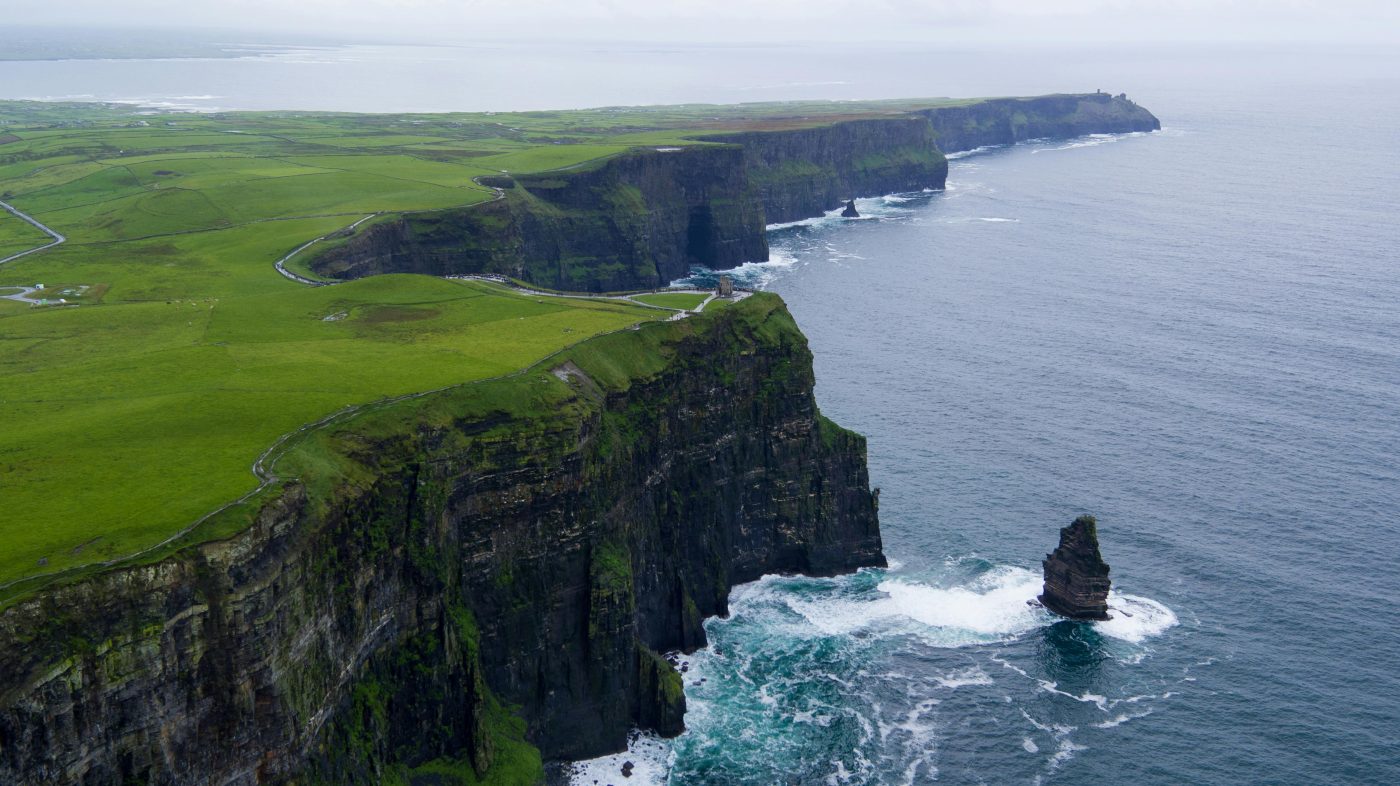
The Last Letter from the Kerry Babies: A Call for Justice

The Last Letter from the Kerry Babies: A Call for Justice

Published

How the Last Letter from the Kerry Babies Unveiled Decades of National Shame and Ignited a Fight for Justice

Estimated reading time: 7 minutes

Key Takeaways

  • The Kerry Babies case ignited a significant societal discussion in Ireland about women’s rights.
  • The aftermath led to the repeal of the Eighth Amendment in 2018, transforming reproductive rights.
  • Mary Boyle’s story symbolizes the struggle against societal judgment and the fight for justice.

Table of Contents

Introduction
The Heart of the Story
The Wider Echo
The Now & The Next
Did You Know?
FAQs
Final Word

Introduction

On a windswept road in County Kerry, echoes of a scandal still haunt the land. The Kerry Babies case uncovered a wound too deep for time to heal, exposing a nation grappling with its conscience and the silent cries of its women. This is a tale of lost innocence, unforgiving judgment, and the fierce quest for justice that resonates across generations.

The Heart of the Story

In 1984, the discovery of two dead infants on a beach in County Kerry ignited one of the most controversial judicial and societal battles in Irish history. Mary Boyle, a mother and victim, became a chilling symbol of a society steeped in shame and strict morality. The backlash against unmarried mothers was swift and brutal, leading to Mary being vilified while the real horrors of her life remained hidden in the shadows.

Investigation brought a storm of media frenzy and public scrutiny, but it was a letter — simple yet suffocating — revealing Mary’s terror, that resonated across the national psyche. The stark reality of her vulnerability was laid bare: alone, ashamed, entangled within a system that offered no compassion. Through the sands of time, Kerry’s name became synonymous with a struggle for humanity, for dignity, echoing in the hearts of many across the country.

The Wider Echo

This case would rip through the fabric of Irish society, igniting a firestorm of discussion on a woman’s right to choose, to bear, and to grieve. It fuelled protests, spurred rallies, and through the rage of mothers and allies, sowed the seeds for change. “No woman should ever have to endure such cruelty,” one activist asserted, reminding us that these women are not alone; they are a chorus of voices longing to be heard. Over the decades, the narrative sparked conversations about reproductive rights, family dynamics and the ongoing changes to a society still grappling with its past.

The Now & The Next

The echoes of the Kerry Babies continue to resonate today, as discussions around women’s rights remain contentious in contemporary Ireland. The past is a Teacher, or so they say, yet the shadows of judgment still linger in our culture. With evolving legislation around reproductive rights and societal acceptance, the ghosts of the past impel us forward. We are reminded of the brave women who faced the harshness of judgment — those who wore their scars with pride, those who remain voiceless.

Today, the fight for justice continues via initiatives honoring victims of silenced anguish. Justice and change tread a fine line, but we carry that spirit of resilience with us, weaving through our conversations in pubs, schools and homes. It’s a reignition of hope for those who still feel the weight of societal scorn. The Kerry Babies scandal whispers a potent truth: in our collective memory lies the strength to build a future built on compassion, understanding, and respect.

Did You Know?

  • The Kerry Babies incident led to a significant shift in public discourse around women’s reproductive rights in Ireland, culminating in the repeal of the Eighth Amendment in 2018.
  • The case also inspired several documentaries and discussions, amplifying the voices of victims and igniting a lasting movement for social change.

FAQs

What was the impact of the Kerry Babies scandal on Irish society?
The scandal brought to light the harsh realities faced by women in Irish society, driving conversations about women’s rights, morality, and legal reform, setting significant societal changes in motion both then and now.

How has Ireland changed since the Kerry Babies case?
Ireland has seen significant legal advancements in women’s rights, particularly regarding reproductive health, culminating in increased awareness to combat stigma and discrimination against unwed mothers, and granting them a voice.

Final Word

The Kerry Babies case is more than just a story; it’s a reminder that the echoes of the past resound with the weight of our collective responsibility. Beyond judgment, beyond shame, lies a travel path of understanding yet to be fully trekked. If you carry the same pride we do, you’ll find a piece of home waiting at HubIrish.com.

The forgotten women of the Magdalene laundries

The forgotten women of the Magdalene laundries

Published

The Forgotten Women of the Magdalene Laundries: Their Silence Speaks Louder Than Words

Estimated reading time: 5 minutes

Key Takeaways

  • The Magdalene Laundries operated in Ireland from the 18th to the late 20th century.
  • Over 30,000 women and girls are estimated to have passed through these institutions.
  • The Irish government issued a formal apology in 2013 for the treatment of women in the laundries.

Table of Contents

Introduction
The Heart of the Story
The Wider Echo
The Now & The Next
Did You Know?
FAQs
Final Word

Introduction

In the heart of Ireland, behind the stone walls and weather-beaten doors, lies a tale that shatters the heart. A dark chapter, woven with silence and sorrow, that many prefer to forget. The Magdalene Laundries—where women were sent to atone for their sins in lives cast away and forgotten. They were daughters, sisters, and mothers, cloaked in anonymity, their stories lingering like the faint echo of a forgotten hymn. Today, we reclaim their voices, for their silence speaks louder than words.

The Heart of the Story

The Magdalene Laundries were a network of institutions run by Catholic nuns in Ireland from the 18th to the late 20th century. Often women and girls, some as young as 12, were sent here for reasons as trivial as being a victim of sexual assault, bearing an illegitimate child, or simply exhibiting behaviors deemed “immoral.” One such laundry that exemplified this suffering was the infamous Magdalene Laundry in Cork, where women labored in harsh conditions, washing and ironing for the outside world, while within their souls languished. Sister Agnes and her sisters vowed to cleanse them not only of their clothes, but—through toil and shame—of their perceived sins. These women were stripped of identity and humanity, left to labor in silence, their names forgotten like the weeds that swallowed the past.

The Wider Echo

The echoes of this tragic past resonate through modern Ireland, reflecting a society at the crossroads of remembrance and denial. In 2013, the Irish government issued a formal apology, acknowledging the cruel treatment and offering some restitution, yet the scars remain. Reports of these institutions, while they flowed from journalists’ pens, were often muted by societal shame and the sacred veil of the Church. Today, survivors like Catherine Corless, who campaigned tirelessly to shine a light on the dark corners of these homes, remind us that justice must prevail, even if it comes many years too late. Her words resonate, imploring us to ensure such histories do not repeat.

The Now & The Next

Today, the impact of the Magdalene Laundries serves as a crucial reminder of how far women have to go in claiming their rights and dignity. We stand at a juncture where stories that were once buried must blossom. As we gather for protests and rallies demanding housing equality, mental health support, and recognition of marginalised voices, it’s the spirit of those women—whose resilience flickers like a candle in a darkened room—that fuels the fight. The scars of the past linger, but with voice, we break the silence and forge a path toward healing.

Did You Know?

  • Over 30,000 women and girls are estimated to have passed through the Magdalene Laundries across Ireland.
  • In 2015, the Irish government established a fund for the survivors, providing financial support and access to services to those who were imprisoned in the laundries.

FAQs

What were the Magdalene Laundries?
The Magdalene Laundries were institutions for women deemed “fallen” in society, where they were subjected to forced labor and harsh conditions, often without any legal rights. More historical insights can be found in Limerick.

Are there any memorials for the women who suffered in the Magdalene Laundries?
Yes, memorials exist throughout Ireland to honor the memory of the women who endured these hardships. One notable site is the site of the former laundries themselves, which are becoming heritage attractions aimed at educating future generations.

Final Word

As we stand together, remembering those forgotten women of the Magdalene Laundries, we ignite a fire that cannot be quenched. Their silence is not an end, but the start of our collective voice. Let us honor their memory by carrying forward the battles that matter today. If you carry the same pride we do, you’ll find a piece of home waiting at
HubIrish.com.