Echoes of the Magdalene Laundries in Modern Ireland

Echoes of the Magdalene Laundries in Modern Ireland

Published

How the Forgotten Stories of the Magdalene Laundries Still Echo in Ireland Today

Estimated reading time: 5 minutes

Key Takeaways

  • The Magdalene Laundries housed countless women and girls, often shamed for societal norms.
  • These stories prompt ongoing discussions about women’s rights and societal stigma in Ireland.
  • Activism continues to honor the experiences of Magdalene women, influencing modern Irish society.

Table of Contents

Introduction
The Heart of the Story
The Wider Echo
The Now & The Next
Did You Know?
FAQs
Final Word

Introduction

In the quiet shadows of Irish history lie stories that our hearts clutch tightly, yet our minds often forget. The Magdalene Laundries, dark echoes of a time when womanhood was cloaked in shame and silence, still reverberate through the fabric of modern Ireland. In them, lives were claimed, dreams crushed, and a haunting legacy birthed — a tale of resilience wrapped in sorrow, still yearning for a voice.

The Heart of the Story

Imagine stepping into the cold, gray walls of a Magdalene Laundry — the air thick with the scent of damp and despair. Between 1922 and 1996, an estimated 30,000 women and girls entered these institutions, seeking atonement for sins that often existed only in the minds of the society that cast them away. They were labeled unfit: pregnant teens, women who had loved too fiercely, or those whose mere existence challenged the rigid moral chains of a conservative Ireland. One such heart, that of a girl from County Kerry, is emblematic of countless others. She was placed there in the 1970s — a victim of the cruel judgments of a society unwilling to embrace its own complexities. Her spirit, like so many, showed gleams of defiance, hidden under layers of imposed shame.

The Wider Echo

Today, the tales of the Magdalene women serve as a rallying cry, a reminder of the scars still written on our national psyche. The scandal of the laundries isn’t just a footnote but a chapter that informs our ongoing conversations about women’s rights, societal stigma, and the justice still sought by survivors. As of 2019, a report discovered that nearly 800 individuals had yet to receive adequate restitution or recognition. Writer and activist, Anne Enright, encapsulated the national sentiment: “We must look at our past, not to blame, but to find the threads of our humanity, to weave a more inclusive tapestry.” The scars of the Magdalene Laundries mingle with political unrest, pushing us to question our history and seek a path towards understanding and healing.

The Now & The Next

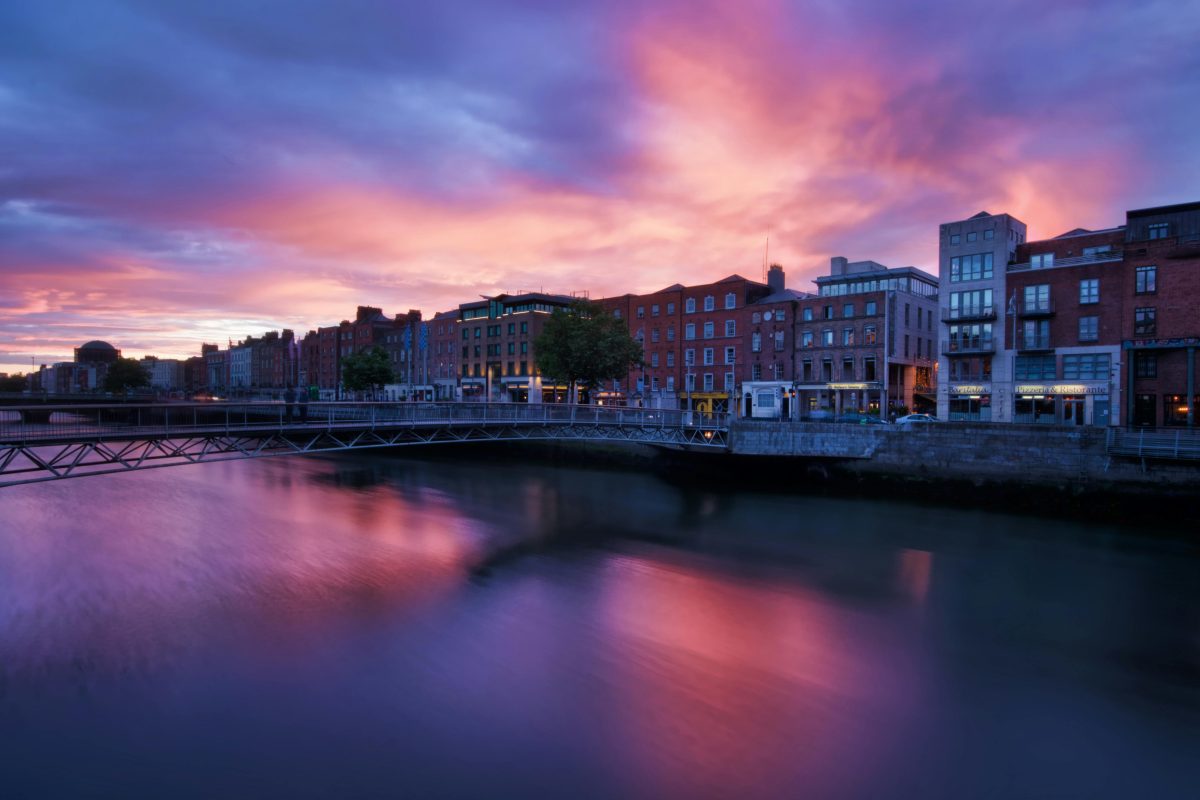
Fast forward to the present. Today, the stories from those laundries are not lost whispers; they linger in the hearts of a new generation, pushing for change. The movement for justice continues, weaving through the heart of Ireland as activism demands the inclusion of women’s narratives in the broader story of our nation. Homegrown movements advocating for the rights of single mothers and counseling for children of abuse are making waves. Rosie Hackett Bridge in Dublin stands as a reminder to honor the struggles of women, past and present, illuminating the insistence that no voice should go unheard in this land of poets and storytellers.

Did You Know?

  • The last Magdalene Laundry closed its doors in 1996, though the echoes of its existence haunt Ireland’s conscience even today.
  • The Irish government issued a formal apology in 2013, acknowledging the pain endured by the women affected, yet many survivors still seek justice and recognition.

FAQs

What were the Magdalene Laundries?
The Magdalene Laundries were institutions where women were sent to work and live, often for reasons such as having children out of wedlock. The treatment of these women was harsh, with many facing stigma and mistreatment.

How has the Magdalene Laundry story influenced modern Irish society?
It has raised awareness and sparked discussions about women’s rights, societal stigma, and the need for historical recognition. Efforts continue for justice and reparation for survivors, signifying a cultural reckoning with Irish heritage.

Final Word

As we gather around the flickering hearths of old and new stories, let us carry with us the timeless echoes of the Magdalene Laundries — not just as a part of our history but as a catalyst for change. For those who resonate with these shared tales of heartache and resilience, a piece of home awaits you at HubIrish.com.
How Derry Found Hope on the Day of Ceasefire

How Derry Found Hope on the Day of Ceasefire

Published

The Day the I.R.A. Declared a Ceasefire: How Hope Broke Through the Walls of Derry

Estimated reading time: 6 minutes

Key Takeaways

  • The I.R.A. ceasefire of 1994 was a pivotal moment in the Northern Irish peace process.
  • Derry’s rich culture continues to thrive despite its tumultuous history.
  • Resilience in communities reflects the lessons learned from the past.

Table of Contents

Introduction
A Moment in Time
The Wider Echo
The Now & The Next
Did You Know?
FAQs
Final Word

Introduction

Some days feel brighter than the sun. Some days feel like a sigh of relief drawn from the depths of despair. For those who bore witness, August 31, 1994, stood as a turning point — the day the I.R.A. declared a ceasefire and hope washed over the bruised and battered streets of Derry like a fresh breeze through a cracked window. In the shadow of history’s wounds, hearts dared to hope again.

A Moment in Time

Derry, a city cradled in the arms of conflict, was known for its towering walls, suffocated dreams, and the sound of gunfire echoing through its streets — a symphony of sorrow that played too long. The walls stood not just as barriers but as echoes of the past, filled with stories of loss and longing. The I.R.A.’s announcement was a siren song; it brought the promise of peace, flickering hope amidst the rubble. People poured onto the streets, tears mingling with laughter, their faces alight as if the very sun had chosen to shine for the first time in decades. You could hear the whispers of the past juxtaposed with the excited chatter about what the future might hold. Derry, with its turbulent history, now held a fragile dream — the possibility that a new chapter was beginning. Derry is in Northern Ireland, a place of resilience and revolution.

The Wider Echo

This ceasefire echoed beyond Derry, sending ripples through the hearts of the Irish diaspora and drawing attention from all corners of the world. The streets of Boston and New York buzzed with disbelief and hope as families shared stories through phone lines stretched too tight. It ignited conversations in pubs across the globe, where the echo of “no more” was more than an ideal; it became a rallying cry for those who longed to see an end to violence. The moment was transformative, a delicate dance on the edge of history, leading to the eventual Good Friday Agreement and a new, cautious peace. The journey was fraught with setbacks, yet that day marked the beginning of a new narrative — one grounded not in violence but in the shared humanity of living together.

The Now & The Next

Fast forward to today, the ghosts of history remind us that peace isn’t simple; it’s a craft, shaped by the hands of those willing to dream. In cafés and community centers in Derry, the laughter of children spills through the air, yet the weight of the past still lingers. The lessons learned during The Troubles are woven into the fabric of modern Irish life, teaching young people that resilience is more than survival; it’s also about thriving. It’s about coming together, despite differences, and refusing to let the walls built by hate limit their vision. These sentiments echo in the streets of Cork, where community activists work tirelessly to ensure that the memories of conflict fuel connections instead of fractures. The legacy of that ceasefire continues, lighting the way forward, reminding us that hope can indeed break through walls.

Did You Know?

  • The I.R.A. ceasefire of 1994 was one of the first significant steps towards the peace process that ultimately led to the Good Friday Agreement in 1998.
  • The city of Derry was not just a battleground; it has a rich cultural heritage, including a vibrant arts scene that continues to flourish today.

FAQs

What was the impact of the I.R.A. ceasefire on the peace process?
The ceasefire was a crucial turning point, paving the way for dialogue that led to the Good Friday Agreement. This agreement decreased violence and fostered political cooperation between communities in conflict.

How does Derry’s history influence its culture today?
Derry’s tumultuous past informs its artistic expressions and community activism, making it a beacon of resilience, culture, and social justice initiatives present in the contemporary narrative of post-conflict Ireland.

Final Word

In that moment of declaration, a spark ignited — reminding us that beneath the rubble of our histories lies the profound power of hope. Let us carry that fire forward, breathing life into our stories, and lifting each other as one people. If you carry the same pride we do, you’ll find a piece of home waiting at
HubIrish.com.

Mountmellick women and the fight for freedom

Mountmellick women and the fight for freedom

Published

From the Shadows of Mountmellick: The Untold Story of the Women Who Fought for Freedom in 1916

Estimated reading time: 5 minutes

Key Takeaways

  • The strength and contributions of women in historical movements are often overlooked.
  • Margaret McMurray stands out as a significant figure in the 1916 Easter Rising.
  • Women’s roles in the fight for freedom laid the groundwork for future generations.

Table of Contents

Introduction
The Heart of the Story
The Wider Echo
The Now & The Next
Did You Know?
FAQs
Final Word

Introduction

In a world where men have long written history, let us now whisper the tales of the women who stood at the dawn of our Republic. Not just for the sacrifice of the fallen, but for the bravery, toil, and heart of those who fought, and sometimes died, unrecognized in the shadows. These are the stories of Mountmellick’s daughters, whose voices, now echoing through time, deserve to be heard loud and clear.

The Heart of the Story

Among them was the fierce and indomitable Margaret McMurray, a woman whose spirit was forged in the fires of a restless nation. Born in the quiet streets of Mountmellick, a market town in Laois, she grew to become a key figure in the 1916 Easter Rising. Despite the weight of a society that often silenced women, Margaret organized, rallied, and fought. Her involvement with the Irish Citizens Army was not merely a path to freedom; it was an assertion of her existence in a land that had often cast women aside.

The Wider Echo

The impact of the Rising rippled far beyond those fateful days in Dublin; it set ablaze a movement that would include women at the forefront of Ireland’s ongoing fight for independence. The stories of women like Margaret McMurray remind us of their contributions to the cause, hidden in the whispers of history books, waiting for the light of remembrance. As Margaret once said, “In our quiet strength lies the heart of our nation.” The bravery during the Rising proved that the fight for freedom was a collective effort; fueled not only by heroes clad in uniforms but by the hearts of women who bore the brunt of sorrow and hope.

The Now & The Next

Today, as we grapple with new challenges—economic struggles, a refugee crisis, the fight for gender equality—let us not forget the echoes of those who came before us. The mantle lies gently upon our shoulders, a call to action. Just as their courage ignited a nation, our own acts of resistance and solidarity will carve the pathways of tomorrow. History isn’t merely about looking back; it’s a guiding star that illuminates our present and future.

Did You Know?

  • The Women’s Social and Political Union was founded in 1903 and played a pivotal role in advocating for women’s rights, leading to increased participation in political processes.
  • In 1916, the military rank of women in the insurrection was officially recognized, marking a significant shift in societal perceptions of women’s place in the fight for freedom.

FAQs

What were the roles of women in the Easter Rising?
Women played various roles, from organizing supplies and funds to active combatants like Margaret McMurray. Their contributions are increasingly recognized in current historiography and popular culture.

How can I honor the legacy of these women today?
Educating ourselves and others about their contributions, participating in commemorative events, or supporting women-led movements today can all help honor their legacy.

Final Word

The age-old tales of valor and sacrifice are often centered on men, but as we gather the memories of our forebears, we find strength in both men and women. Their shadows loom large over this moment in time, and we must honor them by carrying their spirit forward.
If you carry the same pride we do, you’ll find a piece of home waiting at
HubIrish.com.

The Heartbreaking Legacy of Ann Lovett and Ireland’s Forgotten Girls

The Heartbreaking Legacy of Ann Lovett and Ireland’s Forgotten Girls

Published

“You Don’t Know What It’s Like to Be Me”: The Heartbreaking Legacy of Ann Lovett and Ireland’s Forgotten Girls

Estimated reading time: 6 minutes

Key Takeaways

  • Ann Lovett’s tragic story amplifies the need for women’s rights and understanding in society.
  • Her legacy provides a reminder of the importance of compassion and support for those facing stigma.
  • The fight for change sparked by her story continues to resonate in modern Ireland.
  • Advocacy for women’s health has progressed significantly but remains a critical issue today.

Table of Contents

Introduction
The Heart of the Story
The Wider Echo
The Now & The Next
Did You Know?
FAQs
Final Word

Introduction

In the rolling green hills of County Longford, a story unfurls — a tale soaked in sorrow, silence, and the devastating weight of societal judgment. Ann Lovett, just 15, pregnant and alone, became a symbol of a broken Ireland, her life a shocking reminder of what it meant to be a girl in a country that turned its back. Like a haunting ballad, her memory lingers, imploring us to remember the countless voices lost to injustice. Her story echoes through the years: “You don’t know what it’s like to be me.” Do we understand? Can we bear the truth?

The Heart of the Story

Ann’s life, steeped in rural simplicity, took a tragic turn in 1984. In a society heavy with the burdens of Catholic morality, she became pregnant, ostracized by those who should have protected her. On that bleak February morning, alone in the cold embrace of an abandoned church, she gave birth. No warmth, no love, just the harsh judgment of a community unwilling to accept the reality of her situation. She and her baby were found, lifeless, a silent testimony to the relentless cruelty of shame and secrecy. Ann Lovett is more than a name etched in tragedy; she is every girl who was silenced, every mother who carried a burden alone. From the cobbled streets of Longford, her pain cascades down through generations, a warning and a call for change.

The Wider Echo

The legacy of Ann Lovett is not confined to Longford; it reverberates throughout Ireland’s history, a clarion call for empathy and understanding. Even now, Ireland grapples with the ghosts of its past — the Magdalene Laundries, the unmarked graves of mothers and children, and the pervasive silence that cloaked female experiences in shame. A quote from the late Vicky Phelan comes to mind: “We must stand up for those who cannot stand up for themselves.” Ann’s story, intertwined with the stories of countless women, reveals a stark reality about gender, dignity, and the responsibility we hold as a society. The events surrounding her death sparked discussions that shaped movements for change, pushing us to confront uncomfortable truths about reproductive rights and women’s health. Are we finally listening?

The Now & The Next

Today, as we witness a resurgence in the fight for women’s rights, the echo of Ann Lovett rings louder. In a world still grappling with the ghosts of the past, we are reminded that real change demands advocacy and courage. Whether it’s the struggle against restrictive laws or the fight for mental health resources, every voice matters. Each battle won pulls us closer to the light, fostering a culture where no girl feels the need to hide in shame. Dublin’s streets have seen marches, vigils, and an awakening — from the ashes of our shared history, a new generation rises to claim their narrative, to shout on behalf of the forgotten daughters of Ireland. Like Ann, their stories must not fade away. It’s time we create a future where no girl feels alone, where her heartache transforms into hope.

Did You Know?

  • Ann Lovett’s tragic death was a pivotal moment in Irish history, drawing attention to women’s rights and reproductive health, ultimately leading to significant legislative changes.
  • It wasn’t until 2018 that Ireland officially repealed the Eighth Amendment, allowing for the legalization of abortion after years of advocacy and activism.

FAQs

What can we learn from the story of Ann Lovett?
Ann’s experience is a stark reminder of the importance of compassion and understanding in discussions about women’s rights and reproductive health. For resources on women’s health in Ireland, explore the links available on Cork‘s community support networks.

How has Ann Lovett’s story impacted modern Ireland?
Her story has fueled movements advocating for human rights and sparked essential dialogues about women’s roles and challenges in Irish society. Today, activists continue to carry her memory forward, ensuring her legacy drives change.

Final Word

Ann Lovett’s story reminds us that behind every statistic, there is a person deserving of dignity and empathy. As we confront these shadows of our past, let us pledge to uplift every girl, ensuring they never feel alone, never silenced.
If you carry the same pride we do, you’ll find a piece of home waiting at
HubIrish.com.

Remembering the Forgotten Women of the Magdalene Laundries

Remembering the Forgotten Women of the Magdalene Laundries

Published

Under a Cloud of Silence: The Untold Story of the Forgotten Women of the Magdalene Laundries

Estimated reading time: 5 minutes

Key Takeaways

  • The Magdalene Laundries served to ‘redeem’ women, often through forced labor under harsh conditions.
  • Countless women were stigmatized and confined for minor societal judgments.
  • The legacy of the Magdalene Laundries informs ongoing discussions about women’s rights and societal treatment.

Table of Contents

Introduction
The Heart of the Story
The Wider Echo
The Now & The Next
Did You Know?
FAQs
Final Word

Introduction

In the quiet corners of Irish history lie tales too long muffled by shame. Under the weight of secrets, the stories of the women confined in the Magdalene Laundries whisper like the breeze through barren fields. These were lives stolen, silenced — but the truth, like the emerald isle itself, seeks its light. It’s time to unearth the voices buried beneath a cloud of silence, to reclaim the memory of those who endured with dignity.

The Heart of the Story

The Magdalene Laundries, founded in the 18th century, were institutions meant to ‘redeem’ women deemed fallen by societal standards. From Galway to Cork, countless women — girls, really — were sent to these places, branded as sinners for things as trivial as a youthful indiscretion. In the heart of Galway, these sanctuaries of suffering were paradoxically cloaked in the garb of salvation. Here, under the watchful eyes of nuns, lives unravelled day by day, as these women labored in silence, their stories drowned in a sea of monastic propriety. These laundries were not mere institutions; they were prisons, where repentance was painstakingly scrubbed into the fabric of their daily lives.

The Wider Echo

This dark chapter reflects a broader narrative that echoed through Ireland’s past. The Magdalene Laundries stand as a poignant symbol of how society has often treated its women, casting out those who dare stray from an arbitrary path of righteousness. In the wake of their closure in the late 1990s, a national inquiry was launched, exposing the extent of abuse and neglect. The 2013 report from the Irish government recognized these women as victims of a system designed to suppress their humanity. Yet, even in acknowledgment, the scars run deep, much like the wounds of a land long afflicted by colonial scars and civil strife.

The Now & The Next

Today, the legacy of the Magdalene Laundries invites a reckoning that resonates in a modern Ireland grappling with issues of consent, rights, and memory. As the nation moves towards a more inclusive discourse on women’s rights, the stories of these forgotten women must inspire a culture of empathy and honesty. Let us not forget men and women from all walks of life who continue to face struggles unworthy of the Irish spirit. There is no national pride without ensuring all our voices, past and present, are acknowledged and honored.

Did You Know?

  • Over 30,000 women are estimated to have passed through the Magdalene Laundries in Ireland during their operation.
  • The last of these institutions closed its doors in 1996, long after the opiate of silence had settled into the heart of a nation.

FAQs

What was the primary function of the Magdalene Laundries?
These institutions were ostensibly created to ‘redeem’ women who were considered morally wayward, but they often became places of forced labor and neglect. If you’re interested in learning more about the history of social issues in Ireland, check out the GAA jerseys that reflect pride in community and resilience.

What steps have been taken to acknowledge the wrongs of the Magdalene Laundries?
In recent years, the Irish government has issued apologies and sought to establish funds for the women affected, yet the journey to healing is long and fraught with emotional legacies that linger in the national psyche.

Final Word

To remember is to resist the cycle of injustice. As Ireland navigates its identity in a new era, let us keep our hearts open to those stories once left in shadow. If you carry the same pride we do, you’ll find a piece of home waiting at
HubIrish.com.

Mary Robinson’s Defiance: A New Conscience for Ireland

Mary Robinson’s Defiance: A New Conscience for Ireland

Published

How Mary Robinson’s Defiance Against the Church Transformed Ireland’s Conscience

Estimated reading time: 7 minutes

Key Takeaways

  • Mary Robinson challenged the Church’s stronghold on Irish society.
  • Her presidency marked a turning point for women’s rights in Ireland.
  • Robinson’s legacy inspires the ongoing fight for justice and equality.

Table of Contents

Introduction
A Voice for the Voiceless
The Ripple Effect
Resistance and Resurrection
Did You Know?
FAQs
Final Word

Introduction

In the tapestry of Irish history, few threads shine brighter than that of Mary Robinson. A beacon of change, she defied the suffocating grip of the Church, challenging a nation to confront its conscience. Her journey from the quiet paths of Ballina, County Mayo, to the heights of the presidency is a tale not just of politics but of passion, resilience, and the human spirit’s capacity to ignite hope in even the darkest of times.

A Voice for the Voiceless

In a country where the Church’s influence seemed to have no bounds, Mary Robinson stood as an unwavering challenger. Elected President in 1990, she was not merely a figurehead; she embodied a wave of societal shift, pressing for reforms that brought issues like divorce and contraception into the public eye. Her defiance in tackling the Church’s stronghold—particularly on women’s rights—was nothing short of revolutionary. In her first public speech as President, she invoked the dignity of every Irish citizen, heralding equal rights that resonated deeply in Mayo and the hearts of many across the nation. Her words reverberated, setting Ireland on a new trajectory.

The Ripple Effect

Robinson’s presidency marked a pivotal moment in Ireland—a reminder that power does not merely reside in institutions but in the courage of individuals to speak out and demand change. Her advocacy for the marginalized, whether the homeless or the bereaved from scandals like the Magdalene Laundries, reflected a deep-seated empathy that inspired a generation. According to a survey by the Irish Times, public opinion on critical issues shifted dramatically during her terms. It became apparent: change was possible. A nation that had long shied away from difficult conversations now found itself confronted by its own conscience, searching for answers in the shadows of its past.

Resistance and Resurrection

Today, as Ireland grapples with new challenges—from the housing crisis to the legacy of past injustices—Mary Robinson’s defiance serves as a clarion call for all who yearn for progress. Justice, equality, and human rights remain unfinished business. Robinson’s legacy is a reminder: we stand on the shoulders of giants. In the spirit of defiance against oppression, we can ignite the fires of change once more. From the streets of Dublin to the corners of Ballina, we continue to fight for every voice—be it singing in unison or crying out for justice.

Did You Know?

  • Mary Robinson was the first woman to become the President of Ireland, shaping the role into a platform for social reform.
  • Robinson’s presidency coincided with significant changes, including the legalization of divorce in 1995, a watershed moment for Irish society.

FAQs

Q: What were Mary Robinson’s major contributions during her presidency?
A: Robinson championed human rights, environmental issues, and social justice, pushing boundaries around topics long stifled in Irish discourse. Her work laid the groundwork for future reforms in areas like reproductive rights. For those interested, discover more about Mayo’s rich history and how it shaped her journey.

Q: How did Mary Robinson impact Irish society after her presidency?
A: After her time in office, Robinson continued advocating for global human rights, serving as the UN High Commissioner for Human Rights and contributing to numerous international sustainability initiatives. She remains an influential figure in modern Ireland and beyond.

Final Word

Mary Robinson’s legacy is etched in the hearts of a nation transformed. The battles she fought resonate today, a reminder to always strive for a fairer, kinder Ireland. If you carry the same pride we do, you’ll find a piece of home waiting at
HubIrish.com.

From Fear to Freedom: Mary Robinson’s Impact on Ireland

From Fear to Freedom: Mary Robinson’s Impact on Ireland

Published

From Fear to Freedom: The Day Mary Robinson Defied the Vatican and Changed Irish Politics Forever

Estimated reading time: 6 minutes

Key Takeaways

  • Mary Robinson broke political barriers as Ireland’s first female president.
  • Her defiance against the Vatican highlighted human rights issues in Ireland.
  • Robinson’s legacy continues to inspire modern activism for equality.

Table of Contents

Introduction
The Heart of the Story
The Wider Echo
The Now & The Next
Did You Know?
FAQs
Final Word

Introduction

In a world where the Catholic Church cast shadows over thoughts and freedoms, one woman dared to step into the light. Mary Robinson, a name whispered in coffee shops and shouted in protest, broke the chains binding Irish politics to old dogmas. The day she defied Vatican dictates wasn’t just a moment; it was the dawn of a new era. It was a day charged with emotions, echoing through the hearts of the people, infused with hope, and ignited by the flame of freedom.

The Heart of the Story

It was a momentous July day in 1990 when Mary Robinson, a woman from Ballina, County Mayo, stood at the helm of Irish politics as the country’s first female president. Fresh from her groundbreaking campaign that had tapped into the grassroots energy spread across the nation, Robinson was not merely a candidate; she was a force of nature. On this particular day, she took a bold step to challenge the norms when, during her visit to the Vatican, she spoke candidly about the human rights issues in Ireland, advocating for the marginalized and voicing what many had only dared to think in whispers.

The Wider Echo

Robinson’s defiance wasn’t just about her stance; it echoed through Ireland, illuminating the dark corners of societal inequalities. Her voice was one among the many who had fought tirelessly against the oppressive tide of conservatism that had shackled progress. It was a call for all voices to be heard, from the misty streets of ballad-singing Dublin to the rural fields of everywhere, demanding change. Her presidency ignited a torch that would ultimately lead to the advancement of women’s rights, the legalization of divorce, and the acknowledgment of LGBTQ+ rights.

The Now & The Next

Today, as Ireland faces a new crisis—a housing emergency that has uprooted families and forced many into uncertainty—Robinson’s legacy shines through those fighting for justice, echoing her relentless spirit. New generations of activists, armed with their smartphones, echo her calls, rallying under hashtags and banners in the streets of Cork. They proclaim, “Injustice anywhere is a threat to justice everywhere!” It’s a reminder that her fight for equality still reverberates through the soul of the nation, inspiring people to defy, question, and demand freedom in all its forms.

Did You Know?

  • Mary Robinson was the first woman elected as the President of Ireland, serving from 1990 to 1997, and later became the United Nations High Commissioner for Human Rights.
  • Her presidency was pivotal in changing global perceptions of Ireland, showcasing a country ready to step into the future while not forgetting its past.

FAQs

Why is Mary Robinson significant in Irish history?
Mary Robinson’s presidency shattered glass ceilings in a conservative Ireland, making waves for women’s rights and human rights across the globe. Her tenure encouraged a reexamination of Ireland’s identity, one that embraced progress over tradition.

How did Robinson’s actions impact Ireland’s modern politics?
Robinson’s challenges to the status quo reverberated, paving the way for subsequent leaders to push for equality and reform, changing the landscape of Irish politics forever.

Final Word

Mary Robinson’s story is not just her own; it belongs to the people of Ireland, marked by their strife, their sorrow, and ultimately, their joy. She showed that courage could dismantle fear, turning it into a beacon of hope. If you carry the same pride we do, you’ll find a piece of home waiting at HubIrish.com.

The haunting truth of Ireland’s Tuam tragedy

The haunting truth of Ireland’s Tuam tragedy

Published

How a Young Woman’s Silent Suffering in a Tuam Mother and Baby Home Exposed Ireland’s Hidden Shame

Estimated reading time: 5 minutes

Key Takeaways

  • A young woman’s suffering in the Tuam Mother and Baby Home symbolizes Ireland’s hidden shame.
  • The Tuam revelations have prompted a broader discussion about women’s rights and accountability.
  • Over 9,000 babies died in mother and baby homes in Ireland, with many buried in unmarked graves.

Table of Contents

Introduction
The Heart of the Story
The Wider Echo
The Now & The Next
Did You Know?
FAQs
Final Word

Introduction

It’s a tale told in whispers, hidden behind the closed doors of a country that turned its back. A young woman, name perhaps lost to history, was swallowed by Ireland’s shame in the Tuam Mother and Baby Home. Her silence echoes still, a haunting reminder of the injustices faced by countless women and children, and a nation’s struggle to confront its dark past. Here we delve deep into the heart of this tragic chapter, one suffused with rage, sorrow, and ultimately, a quest for truth.

The Heart of the Story

The Tuam Mother and Baby Home, located in County Galway, operated from 1925 to 1961, a grim institution where thousands of single mothers were sent, their children treated as pariahs. Behind its high walls, love turned to a silent horror. Women like the unnamed young lass were stripped of their identities, forced to give birth in isolated shame, their cries for help muffled by societal disdain. The story of this place is not just of suffering but resilience. Among the dusty archives and crumbling photos, her spirit beckons us to remember — to recognize her humanity in a system designed to dehumanize. The scandal ignited a firestorm, revealing the horror of baby deaths, the burial of children in unmarked graves, but it was the faceless anguish of each mother that made this tragedy deeply felt across generations. Galway and its spirit rise from the ashes of the silence of the Tuam home.

The Wider Echo

Ireland’s reckoning with its past is long overdue. The Tuam revelations signaled a tidal shift, forcing the nation to confront the Catholic Church’s oppressive grip on women’s rights and reproductive health. As the heartbreaking truths unfolded, the country faced itself in the mirror, grappling with its collective shame. “The abuse of women and children in these homes was part of a much larger societal problem,” said historian Professor Maria O’Dwyer, highlighting a past riddled with judgment and neglect. From the shadow of Tuam, a louder collective action emerged, demanding accountability and justice. Past wounds aren’t easily healed, but for those who endured, every story uncovered is a step toward healing and recognition.

The Now & The Next

In the echoes of those dark days, Ireland must still navigate the murky waters of contemporary challenges. With women’s rights constantly under threat and the echoes of history resounding in conversations about reproductive rights today, we ask — can we ever truly let go of the burdens we’ve carried? The Tuam scandal illuminated not just the death of innocents but also the resiliency of voices long stifled. It’s the fight for justice that links the young mothers of Tuam to the present day, where activism surges in the face of a housing crisis and deepening disparities. Today, we must speak truth to power, whether it be in the streets of Dublin or across echoing halls of protest. The fight continues, carrying the weight of our mothers and sisters who were silenced.

Did You Know?

  • Over 9,000 babies died at mother and baby homes in Ireland in just a couple of decades, many of whom were buried in unconsecrated graves.
  • The Tuam site was discovered to hold the remains of 796 infants, sparking national outrage and demands for accountability.

FAQs

What is the current status of the Tuam Mother and Baby Home?
The Irish government is still investigating the full extent of the abuses and is working on a memorial for the babies lost there. You can find more about healing and remembrance through initiatives at local councils like Galway.

How has this history affected modern Ireland?
The revelations have sparked national discussions around women’s rights, health care, and the role of the Church in Irish society. It has encouraged a wave of activism for justice and recognition of all marginalized voices.

Final Word

As we close this chapter, remember those whispers from Tuam. They are not just sobs from the past but clarion calls to our present. Each story shared is a blow against silence, every woman’s dignity reclaimed brings us closer to an Ireland where no one is left behind. If you carry the same pride we do, you’ll find a piece of home waiting at
HubIrish.com.

Ireland Mourns Sinéad O’Connor: A Rebel’s Legacy

Ireland Mourns Sinéad O’Connor: A Rebel’s Legacy

Published

The Day Ireland Said Goodbye to Sinéad O’Connor: A Nation’s Heartbreak Echoes in the Streets

Estimated reading time: 5 minutes

Key Takeaways

  • Sinéad O’Connor was a powerful advocate for mental health awareness.
  • Her legacy resonates with themes of rebellion and authenticity in art.
  • The nation mourned her loss, reflecting on her influence and impact.

Table of Contents

Introduction
A Life Beyond the Spotlight
The Wider Echo
The Now & The Next
Did You Know?
FAQs
Final Word

Introduction

On July 26, 2023, the world woke up to news that felt like a mournful thunderclap. Sinéad O’Connor, the unyielding voice of dissent and the haunting echo of Ireland’s soul, passed away. In her death, we lost not just a musician, but a rebel, a storyteller threaded into the very fabric of our national identity. As if the Irish skies themselves wept, tributes poured in from every corner of the globe, a chorus of heartbreak resonating from Dublin to distant shores.

A Life Beyond the Spotlight

Sinéad O’Connor was born in Glenageary, County Dublin, in 1966. She grew up in a world where her voice was often at odds with the silence of the oppressed. From the moment her song “Nothing Compares 2 U” hit the airwaves, it was clear she was destined to be more than just a pop icon. Her bold statements, whether on stage or in interviews, often drew ire and admiration. Sinéad was a fierce advocate for mental health awareness, speaking openly about her struggles. Each note of her anthem pierced through the noise of societal stigma, igniting a fire within many who felt lost.

The Wider Echo

Her raw and unapologetic embrace of personal and political truths turned her into a cultural beacon for every generation looking for a voice. “I am not your flippin’ pop star,” she once exclaimed, and who could argue? From the Magdalene Laundries scandal to her outspoken support for marginalized communities, she lent her platform to the voiceless. In death, Sinéad became a symbol of resilience, her legacy entwined with the struggles of women, artists, and rebels. The streets of Dublin were adorned with flickering candles, an art installation of grief that served as a poignant tribute to the woman who so often confronted uncomfortable truths.

The Now & The Next

Today, Sinéad’s voice reverberates in the conversations we hold about mental health, societal expectations, and the role of art in activism. At a time when Ireland faces issues of housing crises and cultural identity conflicts, her call for authenticity and compassion rings louder than ever. Young Irish artists find courage in her rebellious spirit, pushing the boundaries of creativity just as she did. The question isn’t just about mourning her loss; it is a clarion call for us to embrace our own truths, to stand firm against the tidal waves of societal pressures.

Did You Know?

  • Sinéad O’Connor was the first woman to win the Best Irish Female Artist and dominated the Irish Music Awards in the early 1990s.
  • Her activism included a high-profile protest against the Catholic Church, which she famously showcased by tearing up a photo of Pope John Paul II on live television.

FAQs

What was Sinéad O’Connor’s most famous song?
“Nothing Compares 2 U” remains her most iconic hit, a ballad of heartbreak that resonated globally and highlighted her extraordinary vocal talent.

How did Sinéad impact mental health awareness?
By openly discussing her struggles with mental illness, she dismantled the stigma surrounding mental health, encouraging others to seek help and speak out.

Final Word

Sinéad O’Connor’s departure was not just a personal tragedy; it was a profound loss for a nation that saw in her the spirit of rebellion, truth, and healing. Let us honour her memory not just in mourning but in action—pushing forward, speaking our truths, standing strong. If you carry the same pride we do, you’ll find a piece of home waiting at
HubIrish.com.

The Night of the Long Knives and the GAA’s Betrayal

The Night of the Long Knives and the GAA’s Betrayal

Published

The Night of the Long Knives: How the GAA’s Greatest Betrayal Changed Irish Sport Forever

Estimated reading time: 6 minutes

Key Takeaways

  • The GAA experienced a significant schism in the 1970s, marked by betrayal and division.
  • The event reflected broader socio-political tensions in Ireland and altered the landscape of Irish sport.
  • Despite past divisions, the GAA today embodies resilience and unity across communities.

Table of Contents

Introduction
A Shattering Blow
A National Tragedy
Resilience in the Face of Adversity
Did You Know?
FAQs
Final Word

Introduction

In the heart of the Emerald Isle, the air hangs heavy with history, betrayal, and unyielding spirit. The clattering of hurling sticks echoes long past, yet even silence speaks volumes in the hallowed grounds of the GAA. The night of the long knives—the fateful 1970s schism—swept through the Gaelic Athletic Association like a tempest. A tragedy that ripped apart not just teams, but the very essence of a nation and its beloved sport, leaving scars that last to this day.

A Shattering Blow

In counties like Clare, where pride sits as deep as the roots of ancient oaks, the GAA was more than a game; it was identity, community. However, on a cold evening in 1971, this unity was tested. Youths, eager and impassioned, found themselves caught in a rising political and sectarian tide that ran parallel to sport. As the GAA divided, friendships forged on the pitch shattered, and rivals turned brother against brother.

A National Tragedy

The rift exposed the fragility of Irish solidarity during turbulent times. With the blood of innocents staining the streets, the GAA reflected the broader struggles of Northern Ireland. A stark reality: sport, a unifying force, turned into a battlefield. But it was also a turning point—an awakening. The betrayal propelled discussions about belonging, identity, and the complexities of being Irish in a land fractured by division. Just as rebels stood for change, so too did players demand unity, letting their voices rise above the rancor of hate.

Resilience in the Face of Adversity

Fast forward decades—today’s GAA embodies that resilience. The heart of Irish youth pulses strong, from the suburbs of Dublin to the hills of Kerry. The association has transformed, yet the notion of loyalty remains unyielding. As we gather in stadiums, wearing our jerseys—each thread woven with the ancestral tales of our regions—we hold tight to the spirit of the game. The scars of the past remind us that every whistle blown, every goal scored, is a testament to a people who refuse to be defeated.

Did You Know?

  • The GAA was founded in 1884 to promote traditional Irish sports and culture, uniting the diaspora around a common identity.
  • The term “the night of the long knives” originally refers to a purge in Nazi Germany but echoes throughout Irish history, reflecting the depths of betrayal that can emerge in divided times.

FAQs

What event triggered the GAA’s schism in the 1970s?
Rising sectarian tensions during The Troubles of Northern Ireland spurred deep divides within clubs, leading to estrangement within the sport itself.

How does the GAA contribute to modern Irish identity?
The GAA serves as a cultural and social heartbeat for communities, encapsulating the spirit of resilience and modern pride in a country that continues to evolve.

Final Word

As the night falls over our green fields, the echoes of the past blend with present cheers—it’s a reminder that through heartbreak and division, we remain united in our love for the game.
If you carry the same pride we do, you’ll find a piece of home waiting at
HubIrish.com.