
Published
Discover the heritage and significance of Dublin’s county colours — sky blue and navy. Explore the identity and culture behind the iconic shades.

Published
Discover the heritage and significance of Dublin’s county colours — sky blue and navy. Explore the identity and culture behind the iconic shades.
Published
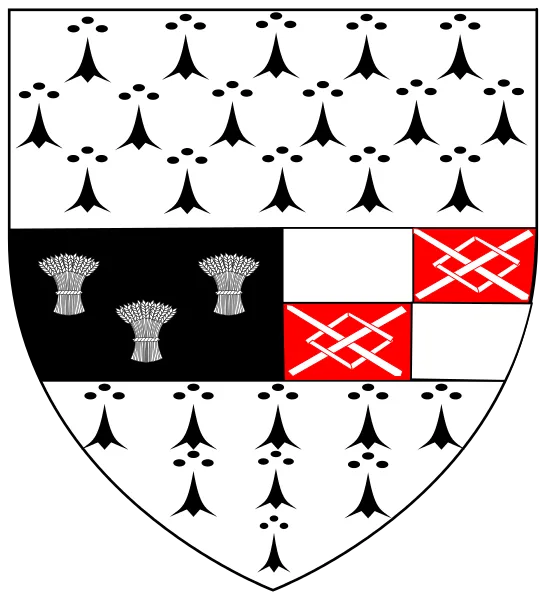
Explore Kilkenny GAA rivalries in this HubIrish deep dive, celebrating county pride and GAA heritage.
Published
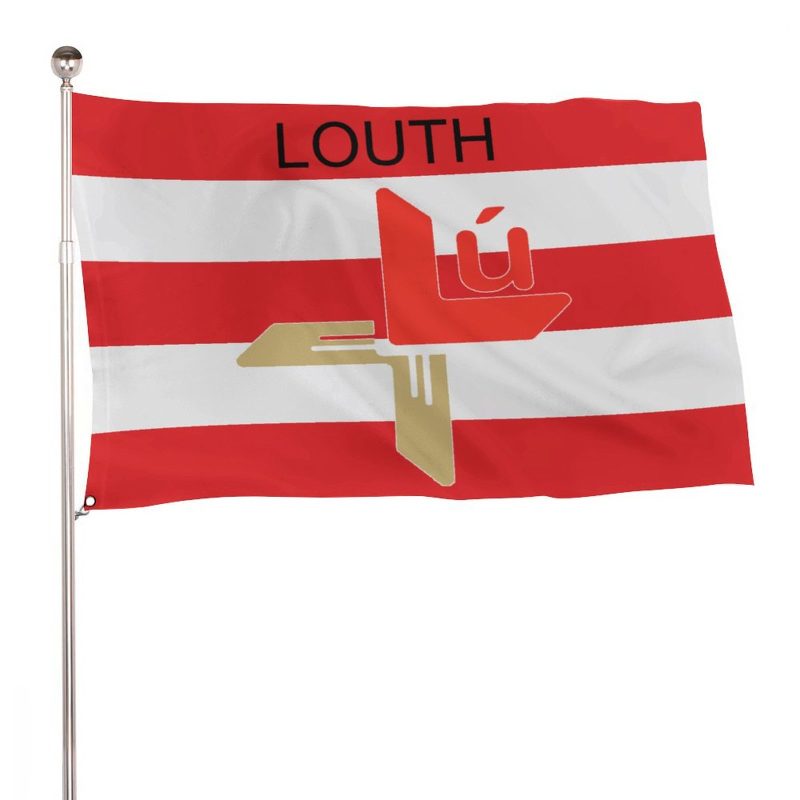
Uncover the rich history and significance of Louth’s county crest and symbols. Celebrate the identity and pride they inspire.
Published
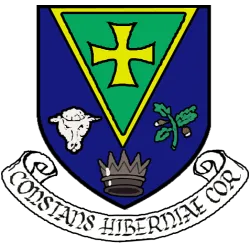
Explore famous Roscommon matches that shaped Irish sport and culture, with links to county pride and supporterwear.

Published
Discover the rich heritage of GAA clubs abroad and their role in connecting the Irish diaspora to home.
Published
Discover the greatest Irish athletes of all time, their history, and their impact on sports culture. Dive into the stories with HubIrish.

Published
Estimated reading time: 8 minutes
Introduction
The Heart of the Story
The Wider Echo
The Now & The Next
Did You Know?
FAQs
Final Word
In the heart of Ireland’s shadowy past, where green fields have borne witness to unimaginable pain, echoes of lost voices rise anew. The women of the Magdalene Laundries—whose lives were stained by shame and silenced by society—are reclaiming their narratives, fighting back against the echoes of their suffering. This is not merely a tale of woe, but a song of resilience, empowerment, and rebirth. It’s a story that must shake your heart and make your spirit sing; embroidered in each thread is a lesson of grief turned to grace.
Though the Magdalene Laundries spanned several counties, their dark history is most closely linked to Dublin, where the first institution was established in the early 18th century. Vulnerable girls—often cast aside by society, marked as ‘fallen’—entered these sanctuaries of shame under the guise of redemption. Men of the cloth claimed they would save these women through forced labor and excessive punishment, treating them like nothing more than the linens they scrubbed. It was here in the hushed, stony halls that laughter turned to the silence of despair, hope faded like the setting sun, and lives were unwoven, leaving behind nothing but threads of anguish and guilt. It wasn’t until 1993 that the public began to confront the horrors endured in these institutions, igniting a spark for acknowledgment and healing.
The shadows of the Magdalene Laundries call upon us to remember and reflect. With their closure came the dawning realization that these women—once silenced—held within them the strength to rise. Activists like Catherine Corless uncovered the truth, shedding light on the lost lives and buried secrets, demanding justice and redress. In 2013, the Irish government issued a formal apology, yet many advocates contend that true accountability remains a distant dream. Their journeys resonate through today’s Ireland, where discussions about mental health, survivors’ rights, and social justice echo through the streets, demanding deep change. A powerful quote from Corless captures this spirit: “Let us not forget them; let their suffering not have been in vain.” These words resonate as a collective promise to amplify their stories and seek genuine reform.
As we navigate the present, the voices of the Magdalene women remind us that healing is a journey. Today, many survivors have found solace in community, sharing their stories and demanding justice. They become advocates for mental health, challenging continued stigma while embracing vulnerability as a strength. Emerging narratives from the diaspora only deepen their significance; stories shared in Boston bars and London cafes illuminate the urgent need for remembrance and reform across borders. We are called not just to hear their words, but to ensure their legacies are honored, like the victors at a GAA match—proudly parading their colors, fostering a generation that knows the power of resilience.
What was the purpose of the Magdalene Laundries?
Initially framed as places of refuge for “fallen women,” these institutions often subjected individuals to harsh conditions and forced labor under the guise of reformation.
How can I support survivors today?
Engaging with local charities, fostering awareness and education, or simply listening to and amplifying survivors’ stories can aid in the journey of reconciling with this painful past.
Every tale carved into the fabric of our collective memory shapes the Ireland we aspire to be. Standing with the women of the Magdalene Laundries means lending our voices to the hurt and heartache, transforming silence into strength. In the words of poet Seamus Heaney, “The cure for a long walk is a long walk.” Together, let us embark on this trek towards truth and reconciliation. If you carry the same pride we do, you’ll find a piece of home waiting at
HubIrish.com.

Published
Estimated reading time: 4 minutes
Introduction
From Fields of Glory to Political Battlegrounds
A Voice for Peace
The Now & The Next
Did You Know?
FAQs
Final Word
In a land woven with tales of struggle, hope, and camaraderie, the voice of one man brought light to the shadows. Jimmy McGee — a name that resonated across GAA fields and political arenas alike. A beacon of the Irish spirit, he emerged from the hallowed grounds of sport to take up the mantle of peace in a divided nation, reminding us all that healing can blossom amidst heartache.
Born in the heart of Offaly, Jimmy McGee’s early years were steeped in the vibrant culture of the GAA. The thunderous cheers echoing from the stands fueled his passion for the game, shaping not just the athlete he would become, but the man capable of championing a cause even greater than sport. As a prominent broadcaster and commentator, McGee’s rich baritone narrated more than just matches; it chronicled a nation in flux. His ability to capture the fervor and emotional weight of GAA rivalries — the victories and defeats — laid the foundation for a voice that would one day turn its focus to the most critical challenges facing Ireland.
Jimmy McGee’s transition from the sport to the delicate tapestry of Irish politics came at a time when turmoil threatened to unravel centuries of fabric. During the rise of the peace movement, his poignant thoughts resonated deeply within the hearts of those yearning for a brighter future. A dedicated participant in the conversations surrounding the Good Friday Agreement, McGee emphasized the importance of unity, compassion, and dialogue — elements that bolstered the Irish peace process. He famously stated, “We are all citizens of the same Ireland, and until we embrace that, we remain at war with ourselves.” This truth reverberated through the generations, reminding us that, in the grand game of life, empathy and understanding are our most potent tools.
In today’s fractured society, the legacy of McGee’s voice has never been more crucial. As communities continue to grapple with division — be it through housing crises, ongoing debate about identity, or the scars of earlier conflicts — his message resonates with fresh urgency. Young athletes of various backgrounds, wielding their GAA jerseys with pride, are the embodiment of McGee’s vision for a united Ireland. They are not just sporting jerseys; they are wearing a hopeful narrative of inclusivity that knows no geographic or cultural bounds, fostering aspirations of peace on and off the field.
What makes Jimmy McGee pivotal in Irish history?
His transition from GAA legend to a peace advocate during the Irish conflict illustrates the unique power of sport as a unifying force. Read more about the GAA legacy here.
How can the youth of Ireland continue McGee’s legacy?
By embracing inclusivity in sport and dialogue, young Irish men and women can honor McGee’s vision, fostering peace and reconciliation through teamwork and sportsmanship.
So, let’s carry forward the echoes of Jimmy McGee, allowing his story to remind us that hope, resilience, and unity can triumph over division. As you reflect on the intersections of sport and society, remember that the GAA fields today are the arenas of tomorrow’s peace. If you carry the same pride we do, you’ll find a piece of home waiting at
HubIrish.com.
Published
Estimated reading time: 5 minutes
Introduction
The Heart of the Story
The Wider Echo
The Now & The Next
Did You Know?
FAQs
Final Word
In the green hills of County Kerry, where the wind whispers secrets and the shadows of history loom, a scandal erupted that shook the very foundations of Irish society. The Kerry Babies case was not merely about a tragic disappearance; it was a stark reflection of our nation’s collective conscience, a story of loss and betrayal that illuminated the plight of women—a tale that our mothers and daughters would not soon forget.
In 1984, the body of a baby was found on a beach near Tralee, County Kerry. A local mother, Linda Göth, was thrust into the cruel spotlight when she became a suspect—not for being a grieving mother, but for being a woman who dared to defy societal norms. The police, more interested in preserving the moral fabric of a conservative Ireland than seeking justice, launched a witch hunt that tore the community apart. As the nation grappled with its conscience, it became painfully clear: women’s bodies were still seen as vessels for shame rather than harbingers of love. The Kerry Babies case stoked the fires of feminist outrage, leading to a movement that echoed through the generations and became a battle cry for future activists.
In the wake of the Kerry Babies scandal, Ireland found itself in a crucible of change. Voices that had long been silenced began to rise, demanding not only accountability but dignity and respect for women. This case forced the Irish government to finally address the archaic attitudes that had shackled women’s rights, leading to landmark changes in legislation and the eventual repeal of oppressive laws. It was a domino effect—echoing the cries for justice and equality across the diaspora, where Irish women felt the impact of the scandal in far-flung corners of the globe. “Justice delayed is justice denied,” or so the saying goes, and the Kerry Babies case illuminated the need for an unwavering commitment to justice that transcended borders.
Today, as we walk the bustling streets of Dublin or gather in global Irish pubs, the legacy of the Kerry Babies case remains alive. Young women wearing GAA jerseys and holding placards march for their rights, echoing the courage of those who came before them. The scars of the past still influence current conversations surrounding women’s rights, reproductive choices, and social justice. As we continue to strive for equality, we carry the lessons of the Kerry Babies case—a reminder that it is our duty to fight against oppression in all its forms, for every woman, in every corner of our beloved Ireland.
What was the Kerry Babies case about?
It involved the tragic discovery of a baby’s body, leading to a miscarriage of justice against a young mother, and opened up discussions about women’s rights in Ireland. The case remains a vital part of Irish feminist history.
How did the Kerry Babies case impact women’s rights in Ireland?
It catalyzed a national conversation about women’s autonomy, leading to changes in legislation related to reproductive rights and the protection of women’s dignity.
As we reflect on the Kerry Babies case, let us hold onto the courage of those who fought for justice and extend that fight into our future.
If you carry the same pride we do, you’ll find a piece of home waiting at
HubIrish.com.

Published
Estimated reading time: 6 minutes
Introduction
The Heart of the Story
The Wider Echo
The Now & The Next
Did You Know?
FAQs
Final Word
In a world often overshadowed by the roaring winds of history, one delicate letter penned by a woman named Margaret Wallace emerges from the shadows—a faint whisper of rebellion nestled in the heart of County Kerry. This letter, imbued with desperation and hope, would ignite sparks that would flicker and flare in the face of colonial darkness. Join me on a journey through time, where the voice of one unsung Irish soul resonates louder than the thundering army and the clashing of swords, echoing unwaveringly through our collective memory.
Margaret Wallace was a mother, a lover, and a believer in freedom—like many Irish women whose names were lost to time. Letter in hand, she begged for help, recounting the hardship faced by her family and community during the height of Irish suffering in the 19th century, when the Great Famine had laid its bloody hands on County Kerry. With each stroke of her quill, she outlined the plight of the Irish people, victims of an indifferent British regime, and urged support for a liberation movement that had outgrown whispers, one demanding a voice at the table. The letter found its way into the hands of revolutionary leaders like Daniel O’Connell, who recognized the power that lay in the stories of women like her. Her despair transformed into a battle cry, proving that even the gentlest among us can inspire a seismic shift. In a country steeped in folklore, she dared to rewrite the story of her life into the larger narrative of the Irish people. Her words would refuse to be buried, igniting a movement that demanded change.
Margaret’s words echoed across the valleys and hills, a resonant reflection of the collective struggle, catalyzing the call for justice that stirred hearts far beyond County Kerry. The letter became a testament of resilience, igniting fervor across the nation. It participated in rallies and protests, fueling the fight for independence. It reminded Ireland of the women—the mothers, daughters, and sisters—who bore the brunt of British oppression and were often sidelined in history’s grand narrative. Even today, as we remember the legacy of resistance, we cannot forget that behind each battle was a story, often told by those who went unheard. “The heart of a woman can alter the course of history,” remarked historian Tim Pat Coogan, highlighting how women like Margaret became the quiet architects of our past, often overshadowed yet essential in our resolve for freedom.
In this modern age, when the struggles continue—housing crises and social injustices abound—it is imperative to remember the power of words. Today, we find ourselves advocating for our rights, just as Margaret did so bravely. Her courage teaches us that letters can still spark movements; petitions can still fill the voids left by silence. Young activists in Dublin and Cork march with signs that declare the injustices faced by their generations, echoing Margaret’s passion. Each new letter sent to a local representative or each social media post is a part of the unbroken chain of resistance she started. She reminds us, as we don our GAA jerseys and stand up for equality, that every voice—every letter—matters.
Why is Margaret Wallace significant?
She represents the many women whose voices were silenced but whose courage was monumental in shaping Irish history. Her letter fueled a movement for justice in the face of oppression.
How can I help carry on Margaret’s legacy?
Engage in local activism, write your representatives, and share the stories of women in your community who inspire change—because every letter, handwritten or typed, can forge our path forward.
So, the next time you swallow the bitter truth of our history or feel like your voice is small, remember Margaret Wallace and all the forgotten women whose spirits fight alongside us. It’s time we raise our pens, lift our hearts, and write our story anew. If you carry the same pride we do, you’ll find a piece of home waiting at
HubIrish.com.