
Bridget Cleary: Ireland’s Last Witch and Her Legacy

Bridget Cleary: Ireland’s Last Witch and Her Legacy

Published

In the Shadow of the Thatch: The Hidden Life and Legacy of the Last Irish Witch, Bridget Cleary

Estimated reading time: 6 minutes

Key Takeaways

  • Bridget Cleary’s story reflects the struggles of women against societal norms.
  • Her tragic end underscores the dangers of superstition and fear.
  • Bridget became a symbol for independence in a traditional society.

Table of Contents

Introduction
The Heart of the Story
The Wider Echo
The Now & The Next
Did You Know?
FAQs
Final Word

Introduction

In a world dominated by the rational and the mundane, there exists a raw, pulsating thread of magic woven into the fabric of Irish history. Among the stories that dance in the flickering shadows of our past is that of Bridget Cleary — the last witch of Ireland, whose life and tragic end still haunt us like a fading song. Is she a heroine, a victim, or a symbol of a bygone era? To understand Bridget is to embrace the complexity of Irish life where love, betrayal, and fear tangled in a dance as old as time itself.

The Heart of the Story

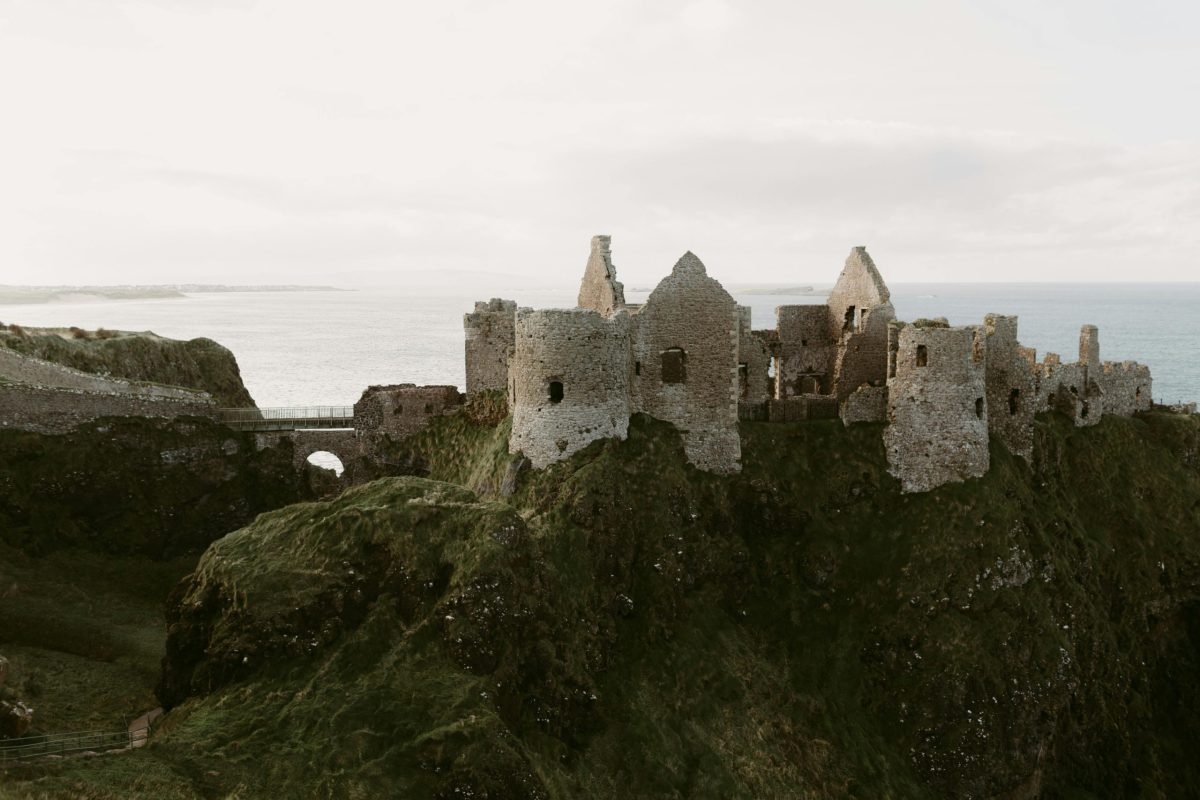
Bridget Cleary was born in 1871 in County Tipperary, into a world that still revered the old ways—a land where the fae and the superstitions whispered through the trees. She was no ordinary woman; known for her beauty and her independence, she straddled the worlds of the familiar and the mystical. It was this very independence that made her a target in the eyes of those who clung desperately to tradition. In 1895, her death at the hands of her husband, Michael Cleary, and his family marked a cataclysmic moment in Irish history—a culmination of myth, jealousy, and the relentless fear of the unknown. They called her a witch, a curse upon their household. Misguided and maddened by the loss of her health, they saw in her the powers and ills of ancient lore. In this rural Irish landscape, steeped in the spirit of County Tipperary, Bridget became a harbinger of change, a symbol of what could be if one dared to stand apart.

The Wider Echo

Bridget’s story transcends the borders of time and place. It’s a reflection of the societal struggles that continue to reverberate through Ireland—tension between progress and tradition, between the perceived and the real. In a community angry to shield itself from the shadows of witchcraft, the tragedy of her life echoes as a warning against fear and ignorance. “She was no witch; they made her one,” the historian Conal Creagh puts forth in his poignant observations on how folklore can illuminate disturbing truths about misogyny and the consequences of unchecked beliefs. Bridget Cleary could have been one of the women forging new paths; instead, she met a brutal end, her name and legacy forever scarred.

The Now & The Next

Today, we face our monsters anew. The ghost of Bridget haunts the modern world in the struggles of women seeking their place in the ever-evolving Irish society. The headlines might speak of different battles—the housing crisis, speaking out against domestic violence, and fighting for equal rights, but the battle for recognition and respect remains the same. In every young girl brave enough to wear her independence as a badge, Bridget’s spirit flickers in the torchlight, demanding to be remembered, to be honored, to be revered. Her tragic narrative compels us to rise against the fears that still keep women shackled in shadows. Much like the GAA jerseys worn with pride on the field, we now sport the fight for equality like a second skin—unapologetic, determined, and with hearts full of hope.

Did You Know?

  • The term “witch” in Ireland was historically used to describe women who defied societal norms, often leading to tragic outcomes.
  • The trial of Bridget Cleary was one of the last witch trials in Western Europe, reflecting the struggle against ingrained superstitions and the persecution of women.

FAQs

What was Bridget Cleary accused of?
Bridget was accused of witchcraft after her husband and family believed her to be under the influence of otherworldly forces when she fell ill. Her refusal to conform to societal expectations branded her a witch in their eyes.

How does Bridget Cleary’s story resonate today?
Bridget’s legacy highlights ongoing issues of misogyny and the dangers of superstition. It acts as an urgent reminder that true empowerment involves recognizing and confronting social prejudices.

Final Word

In remembering Bridget Cleary, we acknowledge the intertwining of history and folklore, the fierce independence of Irish women, and the courage it takes to own one’s narrative. As we carry her spirit forward, let us weave a new story—one of strength and unity, where shadows no longer hold power over our fate.
If you carry the same pride we do, you’ll find a piece of home waiting at
HubIrish.com.
Mary Kelly’s Struggle for Justice in Ireland

Mary Kelly's Struggle for Justice in Ireland

Published

From the Shadows of Willowbrook: The Untold Story of Mary Kelly and the Fight for Justice

Estimated reading time: 6 minutes

Key Takeaways

  • Mary Kelly’s activism was fueled by personal tragedy.
  • Her efforts led to significant changes in victims’ rights legislation in Ireland.
  • Mary’s story continues to inspire advocates for justice across the nation.

Table of Contents

Introduction
The Heart of the Story
The Wider Echo
The Now & The Next
Did You Know?
FAQs
Final Word

Introduction

In a land where the tall tales of heroes often eclipse the quiet struggles of the forgotten, Mary Kelly emerged—a phoenix from the ashes of loss, a voice for the voiceless, a relentless seeker of justice. From the shadows of Willowbrook, where the whispers of the past intertwine with the present, her story is not just a personal saga; it is a clarion call echoing across the hills of Ireland, reminding us that the fight against injustice knows no boundaries.

The Heart of the Story

Mary Kelly, born in the heart of Galway, was raised amidst a tapestry of familial love and community spirit, yet she soon faced life’s cruelest whims. In 2002, tragedy struck when her son, Jonathan, was brutally murdered. His death was a turning point, not just for Mary but for a nation still grappling with its own shadows. The relentless pursuit of truth became her lifeblood, driving her to transform her grief into a movement that demanded accountability. Each leaf turned over, each door knocked upon, was a testament to a mother’s resolve—a mother grieving, but unyielding in her quest for justice.

The Wider Echo

Mary’s struggle resonated far beyond the borders of her beloved Galway, igniting a fire within the hearts of countless others who felt robbed by a system that often felt broken. Her tireless advocacy led not only to increased awareness of victims’ rights but also to vital discussions surrounding violence and loss in Ireland. “If we don’t speak up, who will?” she often quipped—a battle cry that bypassed mere rhetoric and instead became the drumbeat of a movement, uniting families, activists, and advocates across the nation. Mary’s journey from personal despair to public defiance painted a broader picture of an Ireland grappling with its own past, pushing forward into a future where grief must lead to justice.

The Now & The Next

Today, as we stand amidst waves of crises—housing, mental health, and social inequality—Mary’s legacy continues to embolden advocates who ask the difficult questions, who push for change. In this spring of unrest, her voice still echoes, nudging us to confront our truths. As we gather on the sidelines of community football matches, or in the heart of a bustling Dublin pub, let us carry Mary’s message: justice is not a solitary fight; it is a shared dream forged in community bonds and collective courage. There is always hope, she reminds us, even in the darkest of times, because the heart that seeks justice will never tire.

Did You Know?

  • Mary Kelly was a prominent figure in the establishment of families’ rights groups in Ireland, advocating for victims of violent crime and their families.
  • Her tireless campaigning played a crucial role in the introduction of the Victims’ Rights Bill in Ireland, aimed at improving legal protections for victims.

FAQs

What inspired Mary Kelly’s activism?
The tragic murder of her son propelled her into a public role, pushing her to seek justice for Jonathan and others affected by crime. You can find more about related advocacy efforts in Cork.

How can I support the victims of violent crime in Ireland?
Support local charities and organizations focused on victims’ rights, attend community meetings and engage in conversations that promote awareness and healing.

Final Word

Mary Kelly’s story is a profound part of our Irish narrative—a tale of resilience, loss, and the fevered fight for justice. Every whisper of her name in the heart of urban Dublin or the quiet fields of Galway reverberates with the promise of hope. So, as we stand shoulder to shoulder in pursuit of truth and justice, remember, “If you carry the same pride we do, you’ll find a piece of home waiting at
HubIrish.com.”

Coddle: The Comfort Food That Connects a Divided Ireland

Coddle: The Comfort Food That Connects a Divided Ireland

Published

From Civil War to Coddle: How a Shared Love for Comfort Food Unites a Divided Nation

Estimated reading time: 5 minutes

Key Takeaways

  • Coddle represents a connection to history and shared narratives.
  • Food transcends divisions, creating bonds among communities regardless of their past conflicts.
  • The tradition of coddle continues to resonate among the Irish diaspora worldwide.

Table of Contents

Introduction
The Heart of the Story
The Wider Echo
The Now & The Next
Did You Know?
FAQs
Final Word

Introduction

Ah, the heart of Ireland beats soft and slow, like a pot of coddle bubbling on the stove. It’s a dish that fills the belly and warms the soul, but it also tells a tale — a tale of division, of our noisy neighbours and the patterns stitched into our fabric, much like the layers of potatoes, onions, and sausages of that humble stew. If comfort food could speak, would it speak the truth of our shared stories? Or would it whisper the secrets of what once tore us apart? In a land knitted with threads of sorrow and joy, where history’s echoes still rumble, coddle stands as a herald to a national soul searching for unity.

The Heart of the Story

Picture it, a wee village in Wicklow, generations past: families gathering after long days of toil, the scent of coddle curling around the table like a warm embrace. Among the hearty choruses of laughter and stories from the fields, there was a sense of togetherness powered by a simple meal. And yet, not long before, men from that same village stood on opposing sides fighting the Civil War, each bite of their mothers’ coddle steeped in memories of loss and longing. This dish, born from the quotidian, became a recipe for healing, a chance to forget the past, if only for a moment.

The Wider Echo

As the years rolled on and waves of emigration swept over our shores, coddle found new homes everywhere from Brooklyn to Sydney, becoming a loving symbol of those who yearned for the warmth of home. It transcended politics, a meal shared by the Irish everywhere. In America, pubs are stacked with memories of homesickness relieved by the taste of coddle, as umbrellas seemed to sprout wherever the Irish gathered. Food like that transcends politics; it’s the golden connection in a divided world. A 2016 report noted that 70% of Irish immigrants felt a deep nostalgia for the traditional meals of home. This longing for comfort, at its core, is a yearning for unity amidst discord.

The Now & The Next

In today’s world, as we face housing crises and generational trauma, that old pot of coddle still bubbles on the back burner. It sits there asking us to remember, to come together. Imagine a group of young Kerry lads donning their GAA jerseys, passing stories over a steaming pot, absorbing the heat and history enveloping them. It’s more than just food; it’s a call to reconnect with what it means to be Irish today. So as we continue through a transforming landscape, let our meals — from Dublin to Donegal — echo the late-night chats about dreams and struggles, built on shared love, laughter, and yes, a hearty bowl of coddle.

Did You Know?

  • Coddle, with its origins tied to the Dublin poor, was once considered a dish for the working class, symbolizing resilience.
  • During the Irish Civil War, many families were torn between loyalty and love, often coming together again over common meals, like coddle, in attempts to reunite.

FAQs

What makes coddle special?
Some say it’s the simplicity of ingredients, while others believe it’s the memories tied to every spoonful — like your auntie’s rich laughter simmering in the onion broth.

Can I make coddle at home?
Absolutely! Just grab some sausages, potatoes, and broth. Throw them in a pot and let love do the rest. It’s a recipe for reunions, so don’t be shy about inviting over folks from near and far.

Final Word

As we navigate through the storms of life, let us not forget that our comfort food can remind us of who we are and where we come from. So when you sit down with your loved ones, brewing that familiar, dirty broth of memories, remember that despite our pasts, we share a love that unites us. If you carry the same pride we do, you’ll find a piece of home waiting at HubIrish.com.
How Italia ’90 Brought Ireland Together

Published

🇮🇪 “The Day Ireland Stood Still: How One Soccer Match United a Divided Nation” — Remembering Italia ’90 and the Spirit of a Generation

Estimated reading time: 7 minutes

Key Takeaways

  • The 1990 World Cup was a watershed moment for Irish national pride.
  • Italia ’90 united a nation divided by sectarian conflict.
  • Football became a powerful connector and source of hope for future generations.

Table of Contents

Introduction
A Moment in Time: The Match That Stopped Time
The Wider Echo: A Nation Reborn
The Now & The Next: Reflecting Scars and Dreams
Did You Know?
FAQs
Final Word

Introduction

The world was painted a peculiar shade of green that summer, the summer of 1990. The sun shone a tad brighter, the pint of Guinness tasted just a bit better, and every heart beat in unison, pulsing with an unquenchable hope. This was the summer the soccer gods smiled down upon us, and the flat-screen televisions lit up the pubs like the great bonfires of old. It wasn’t just a game; it was a communion of spirit, a shared heartbeat for a nation standing on the brink of something monumental.

A Moment in Time: The Match That Stopped Time

Picture it: a small pub in Cork, the air thick with laughter mixed with anticipation. Faces adorned in green, white, and gold, the smell of salt and fish and chips clinging to the air. We gathered not just to sip pints, no sir! We came to witness history—the fateful quarter-final against Romania. Penalties loomed like a dark cloud, yet with each kick, we held our breath. When Packie Bonner saved that shot in the shootout, who could forget the roaring cheer erupting from the depths of our souls? It was as if the land itself sang back to life, quelling the centuries of strife that had divided us. Bonded together by sheer will and joy, we shared the collective memory, one that you can still feel almost thirty years on.

The Wider Echo: A Nation Reborn

Yet, it was more than just a win on a pitch; it was a stitch in the fabric of our nation. Up until then, the shadow of sectarian conflict darkened our doorsteps—north and south, unity felt impossible. But there we were, in shared delirium, as one. It was a time when an Irish goal meant a gleeful embrace, whether you hailed from Derry or Kerry, Dublin or Donegal. Just listen to the chants that echoed through the streets, a melody of unity that rang out loud and clear, reminding us that football could be our common ground, a balm for old wounds. When we won against the odds, we weren’t just a soccer team—we were a family, a dream forged in that shimmering summer. The thirst for peace started in that stadium in Italy, and what began with a simple game catalyzed a broader sense of belonging and hope.

The Now & The Next: Reflecting Scars and Dreams

Fast forward to the present, and if you think the magic of 1990 has faded like the memory of hearing “Liam Brady” on the radio, think again. That spirit lives on, some say it flows in our rivers and rains down from the skies. Today, as our youth don jerseys emblazoned with the tricolour, their hearts still echo that same fervour. But cheering for our team amidst economic strife—housing shortages, cost-of-living concerns—is akin to trying to balance a pint on a wobbly table. We carry the weight of our ancestors, dreams unfulfilled, yet steered forward by the fighter’s spirit. And now, Irish football isn’t just in our blood, it’s a rallying cry. Whether in a pub in Galway or a park in Boston, the love for the game connects the threads of our broken tapestry into something that feels whole, thriving, and alive.

Did You Know?

  • Italia ’90 marked Ireland’s first World Cup appearance, leaving us with an unforgettable memory that bridged generations.
  • The team’s success was celebrated far beyond our shores, uniting the diaspora—an Irish pub in San Francisco felt no different than one in Limerick.

FAQs

What was the significance of Italia ’90 for Ireland?
It represented a critical moment of national pride, a unifying force amidst political turmoil, and the encouragement for future generations to dream big.

What is the legacy of that soccer team today?
The spirit of that squad continues to inspire youngsters across Ireland and beyond. Football camps and fans constantly recall that summer of unity, fostering a connection among all Irish people—no matter where they reside.

Final Word

So here’s to the past and the future, where dreams once dared to rise! Raise a glass, sing a song, and let the echoes of Italia ’90 reverberate through our lives, reminding us of the magic that can unite us all.
And if you still carry that same pride we do, you’ll find a piece of home waiting at
HubIrish.com.
Dublin Unites in Grief to Sing You’ll Never Walk Alone

Published

🇮🇪 “The Night Dublin United to Sing ‘You’ll Never Walk Alone’: How Football United a City in Grief”

Estimated reading time: 6 minutes

Key Takeaways

  • The power of music and sports to unite communities in times of grief.
  • The significance of “You’ll Never Walk Alone” as an anthem of solidarity.
  • The importance of remembering shared struggles and history.
  • Football as a transformative force for future generations.

Table of Contents

Introduction
The Heart of the Story
The Wider Echo
The Now & The Next
Did You Know?
FAQs
Final Word

Introduction

On a night where sorrow hung lower than the darkened clouds over the capital, Dublin came together in a way that only those in despair could—a gathering born not just of tragedy, but of an unbreakable bond forged through years of shared heartache and joy. The echoes of “You’ll Never Walk Alone” filled the air, wrapping around a grieving city like a warm embrace. In pubs, homes, and on the streets, the familiar melody stirred souls, reminding us all, even in our deepest grief, that we were never alone.

The Heart of the Story

It was a night steeped in haunting memories, steeped in loss. The news spread like wildfire, igniting a call to arms that transcended club loyalties and rivalries—this was about something far larger than sport. The tragedy that had befallen the beautiful game had struck a chord in every corner of Dublin. From the vibrant streets of Dublin to the hollowed hearts of the fans donning their jerseys, they didn’t just mourn a loss; they celebrated a life—a life woven tightly into the fabric of their community. It wasn’t just football; it was family.

The Wider Echo

As the city united, we felt the ripples of that night spread throughout Ireland and beyond. “You’ll Never Walk Alone” — those words resonate deeper than any sport; they speak of solidarity, of shared struggle. In this shared grief, we are reminded of the struggles of our forebearers who fought for freedom and identity. We remembered the stories of a diaspora that stretched far beyond Dublin, with families split across continents, clinging to the threads of memory and resilience. It was a cry carried from the hills of Kerry to the streets of New York, connecting every Irish soul no matter where they found themselves.

The Now & The Next

But we must ask ourselves, in this present tumultuous time, how do we continue this unity? With rising rents, isolation, and a cost-of-living crisis gripping the nation like a vice, we draw strength from those celebrations of life in moments of darkness. Football is transformative; it’s a village raised on the backs of jerseys and the spirit of camaraderie. The next generation—kids running about in their Kerry jerseys, throwing balls in the air—remind us that while we have our losses, hope will always pulse through the heart of our communities.

Did You Know?

  • The phrase “You’ll Never Walk Alone” originated from the lyrics of the musical “Carousel,” but has since become enshrined as an anthem of solidarity across the world.
  • In 2020, Irish fans led a campaign for mental health awareness involving the same anthem, showcasing how sport can be a powerful platform for making vital social changes.

FAQs

Why is “You’ll Never Walk Alone” significant in Irish culture?
It symbolizes unity and resilience, reminding every Irish person that even in hardship, we stand together—just like the fans at football matches do.

How can I connect with my roots from abroad?
Whether you’re in the bustling streets of Boston or the sun-soaked sands of Dubai, finding a local GAA club or connecting through online forums can bring that feeling of home back—nothing beats the warmth of kindred spirits.

Final Word

As the final notes of the night faded, it became clear that it was not just a song sung in grief, but a declaration of defiance, love, and togetherness. We will carry this memory like a badge of honor, knowing that even in times of sorrow, there is an unyielding strength that runs through our veins. If you carry the same pride we do, you’ll find a piece of home waiting at HubIrish.com. Remember, you’ve got more than merely a jersey; you’ve got a legacy.
Irish Legacy of Finding Laughter in Tragedy

Published

Why the Irish Have Always Found Comedy in Tragedy: A Legacy of Laughing Through Our Tears

Estimated reading time: 6 minutes

Key Takeaways

  • The Irish have a unique way of intertwining humour with tragedy.
  • Shared laughter helps communities navigate despair and fosters resilience.
  • Comedy exists even in the darkest moments, a beacon of hope and connection.

Table of Contents

Introduction
The Heart of the Story
The Wider Echo
The Now & The Next
Did You Know?
FAQs
Final Word

Introduction

“There’s no tears like the ones of an Irishman in a pub,” said my uncle Seamus after yet another defeat. It was heartache dressed up in laughter—an age-old Irish tradition, wrapped in the fabric of our very souls. From the potato blight and the haunting echoes of lost kin, to the ballads sung in smoky bars around Boston’s Southie or a pub in Kerry, we have always walked this fine line between sorrow and joy. Our laughter bursts forth like a spring flower from cracked pavement, defiant and proud, shining in the very face of despair.

The Heart of the Story

Picture this: a wake in a dimly lit cottage in Donegal. The candles flicker like spirits rising, and in the corner, old Miriam, with her wild, silver hair, recalls the time young Patrick fell into the bog. “He thought he was the next big Gaelic footballer until he realized he couldn’t swim!” The room erupts with laughter, the sorrow of farewell momentarily forgotten. Such tales are stitched into the tapestry of our lives—every tragic story given wings to fly in the light of laughter. It’s the way of our people; we laugh through the tears because that’s what keeps us going; that’s how we survive. In our darkest nights, our humour lights the way, reminding us that even in the depths of loss, life has its absurdities.

The Wider Echo

Though the world may celebrate our pain from afar, it’s our laughter that stirs the hearts of our next-generation rebels and dreamers wandering the globe. Think of the diaspora—those scattered from Limerick to Los Angeles, retaining a resilience forged in the fires of history. We understand instinctively that it’s not just about enduring hardship; it’s about reveling in our quirky existence. “You find humour where you can,” my grandfather used to say, “otherwise you’ll just be crying all the time.” This Egyptian curse of silence doesn’t belong to us, no sir. We shout, we sing, we laugh—a buoyant roar that echoes with pride across underdog stories and tough songs of rebellion.

The Now & The Next

Today, as we navigate the chaos of evictions and financial woes, that laughter becomes our battle cry. It’s the children in the streets wearing their GAA jerseys who remind us: hope is in every match played. Sure, the shouts of “next year is ours!” rings through every pub from Cavan to Chicago — we live on this edge of tragedy and comedy, hand in hand. Our Irish spirit thrives in those tender moments when a joke breaks the tension, igniting a spark of love and togetherness in the face of crisis. In our humour, we build bridges; in our stories, we reinforce connections that span miles and generations.

Did You Know?

  • The Irish use humour as a coping mechanism; studies show that laughter can help reduce stress hormones and boost our immune response.
  • More than 70 million people around the globe claim Irish ancestry, a testament to a legacy of resilience and perspective that continues to shape the world today.

FAQs

Why do Irish people use humour in difficult situations?
Humour is our survival tool—it helps us navigate through despair, connect with our communities, and celebrate the absurdity of life. If you fancy a laugh, you might join the next GAA match back home!

Can you share an example of this perspective in modern life?
Of course! Take a small street gathering in Dublin, where neighbours share a pint over stories of the lottery won and some left tragic. It’s our way of saying, “We’re all in this mess together!”

Final Word

So here’s to the laughter that cuts through the dark, the stories that echo down through the years, and to the shared spirit of this beautiful country—where even when the world collapses, we stand together, guffawing at the chaos. Keep that laughter alive, wherever you are, and remember, if you carry the same pride we do, you’ll find a piece of home waiting at
HubIrish.com.
Irish Resilience: From Famine to Fortune

Irish Resilience: From Famine to Fortune

Published

🇮🇪 “From Famine to Fortune: How the Irish Diaspora Rewrote the Rules of Resilience” — Tales of Triumph Across Continents

Estimated reading time: 7 minutes

Key Takeaways

  • The Irish diaspora exemplifies resilience through adversity.
  • Community and connection played a vital role in the survival of the Irish abroad.
  • Legacy and pride in heritage continue to thrive across generations.

Table of Contents

Introduction
Roots of Resilience: The Famine’s Legacy
Echoing Through Time: Community and Connection
The Now & The Next: A Legacy of Grit
Did You Know?
FAQs
Final Word

Introduction

Ah, gather round! For tales as spine-tingling as a fog-laden morning over the Wild Atlantic Way, we’re here to weave the threads of our resilience. This isn’t just a history lesson; it’s life, lived — from the heart-wrenching echoes of the famine years to the soaring fortunes carved by the Irish diaspora in the uncharted lands of America, Australia, and beyond. The stories you’ll hear today? They’re the kind that rise like good whiskey, warming the soul and igniting a fire in your belly.

Roots of Resilience: The Famine’s Legacy

Picture this: the lush green fields of Kerry once teeming with life, now silenced by the ravages of famine. The Great Famine wasn’t just a series of failed potato crops; it was a reckoning, a catalyst that scattered families like dandelion seeds on a windy day. From the depths of despair, the Irish spirit found a way, as they always do. They didn’t just leave; they forged paths in foreign soils, building lives brick by brick, fueled by the memory of those who couldn’t escape.

Echoing Through Time: Community and Connection

In the booming opulence of Boston’s Irish neighborhoods, or under the bright lights of Sydney, they found each other. “You have to turn your back to the wind to see the sun,” as my grand-aunt Mary used to say. This was a testament not just to survival, but to thriving. Neighbors became family, pubs became sanctuaries, and songs of solace filled the air. The Irish were rewriting the rules — from “being the appointed survivors” to becoming the heartbeats of communities overseas. A home away from home was built on the back of a pint and unyielding camaraderie.

The Now & The Next: A Legacy of Grit

Fast forward to today, the spirit of those who ventured forth now courses through the veins of their descendants. From the Kerry jerseys worn during fierce Gaelic football matches across American pitches to the enduring pride in their heritage — defeat doesn’t dictate the generations. Rather, failures become stepping stones. We’ve had our fill of losses too, be it the stumble of a local team or the struggles of the housing crisis back home, but it’s all in the blood. We have the heart to fight on, and the loudest cheers still resonate from afar, echoing resilience.

Did You Know?

  • Over 70 million people worldwide claim Irish ancestry, a staggering number compared to Ireland’s population of just 5 million.
  • During the Great Famine, it’s estimated that Ireland’s population dropped from about 8 million to 4 million during the 1840s and 1850s.

FAQs

What role did music play in uniting the Irish diaspora?
Music, my friends, isn’t just a pastime; it’s the pulse of our identity. From rebel songs echoing against oppression to jigs that sweep you off your feet in a Dublin pub, music binds us across oceans. A reminder of home and the spirit of resilience.

How can I reconnect with my Irish roots today?
Whether it’s through joining a GAA club abroad or learning the stories of your ancestors, there’s no shortage of ways. Countless communities celebrate heritage, and for those passionate about sports, wearing a GAA jersey is a way to reconnect and be part of that pride.

Final Word

As we raise our glasses, let us remember: it’s the tales of our ancestors that light the way forward. Resilience isn’t just a word; it’s a way of life passed down through generations. So, if you carry the same pride we do, you’ll find a piece of home waiting at
HubIrish.com.

The Unseen Heroes of Irish History

The Unseen Heroes of Irish History

Published

🇮🇪 “Why We All Know an Uncle Who Fought the Brits—Even If He Never Left the Farm” — The Untold Stories of Ordinary Heroes in Irish History

Estimated reading time: 5 minutes

Key Takeaways

  • The stories of ordinary heroes shape our national identity.
  • Folklore connects the past to the present across generations.
  • Each tale inspires resilience and courage in modern challenges.

Table of Contents

Introduction
The Heart of the Story
The Wider Echo
The Now & The Next
Did You Know?
FAQs
Final Word

Introduction

If you’ve not heard the tales, the pub’s been dry. Head down to any corner in Ireland and you’ll find that thread — the one that binds our hearts to our history. Ah, those uncles. The ones who spoon-fed the spirit of rebellion with tales of fighting the Brits, even though you’ve never seen them outside the county bounds, too busy in the fields or at the forge, crafting legends in whispers. This isn’t a tale of kings and queens; it’s about the ghosts who shaped a nation with grit and a healthy dose of stubborn pride.

The Heart of the Story

Picture it now: a small farm in Kerry, the mist rolling in from the mountains, and a flickering lamp casting shadows on whitewashed walls. There sat the patriarch, pint in hand, telling tales of a daring uncle who once sparked a rebellion, a single potato sack stuffed with dreams and bruised hopes. This uncle never left the farm, yet his heart roamed the streets of Dublin during the Rising, his spirit dancing with rebels in the dead of night. Through struggles against crooked landlords and whispers of ferocious battles, these stories grow roots in the souls of farmers, shopkeepers, and taxi drivers alike. They breathe life into the very fabric of our shared identity, binding generations in the sweet sorrow of history.

The Wider Echo

But why does this matter today? Because the echoes of those voices — the ones who whispered rebellion from behind green hedges — are still being felt from Dublin to the streets of Boston. In their tales, we find pride and pain wrapped in a single thread. It’s our collective ache that stirs a revolution with every GAA match, every family gathering where the politics of yesterday mingle with today’s troubles. For each drink spilled in memory, there are hearts rekindled by the bravery of the ordinary. Just like those stories of our uncles forced us to reflect on who we are, they spur us on to fight the ongoing battles against injustice and inequality.

The Now & The Next

Fast forward to now, and you’ll see the same passion and spirit bubbling up — just look at the GAA finals on a Sunday afternoon, full of folks in the diaspora, wearing the county jerseys of their forebears; it’s a link to our shared identity. In New York, they relive the Mayos and the Kerrys, relaying old fight songs as they gather in packed pubs, echoing the lineage of rebellion. A young lad, sparing a moment from his video games, wears his mum’s Kerry jersey like a badge of honour, hoping to become more than his circumstances, all inspired by tales of a fighting uncle. They push against the weight of history, carving out their own legends as they navigate today’s struggles — the housing crisis, rising costs, and the shadow of uncertainty hovering over us.

Did You Know?

  • The 1916 Rising was not just an act of war but a call to arms for uncounted ordinary Irish citizens who believed in freedom, many of whom never held a weapon outside of the farm.
  • In the U.S., Irish immigrants kept their heritage alive through cultural organisations and GAA clubs, making it a sanctuary for the spirits of home across the ocean.

FAQs

How does folklore influence modern Irish identity?
Folklore serves as both a reminder of where we’ve been and a guide for where we’re going. It’s in our stories of uncles and rebels that we find the strength for modern challenges. Countless Irish folks—from every corner—draw strength from these tales to navigate their own lives.

What can we learn from these ordinary heroes?
They teach resilience. Those uncles who never left the farm lived with a spirit unyielded by circumstance. Their tales remind us we too can create heroes in our own lives, in the small acts of courage and pride we embody every day.

Final Word

So here’s to all the uncles, may they forever stir our pot of dreams and tales. If you carry the same pride we do, you’ll find a piece of home waiting at HubIrish.com. Remember, history is not just to be read; it’s to be lived, whispered, and shouted against the winds of change.

The Irish Pub that Became a Diaspora Beacon

The Irish Pub that Became a Diaspora Beacon

Published

From Cliché to Core Memory: How an Irish Pub in Chicago Became the Heartbeat of the Diaspora

Estimated reading time: 5 minutes

Key Takeaways

  • The importance of Irish pubs as community hubs for the diaspora.
  • Liam’s Bar serves as a memory keeper for Irish stories and experiences.
  • The cultural impact of the Irish diaspora on global culture.

Table of Contents

Introduction
The Heart of the Story
The Wider Echo
The Now & The Next
Did You Know?
FAQs
Final Word

Introduction

There’s an old saying—if you don’t have an Irish pub in your life, well, you’re missing out on the heart of Ireland itself! Among the winding streets of Chicago, where the wind howls like a banshee on a winter’s night, there beats a pulse that harks back to our motherland. It’s not just the pints of Guinness, the warm whiskey, or the raucous laughter; it’s where our stories mingle with the songs of old, the clink of glasses echoing like the Gaelic chants of yore. In a city so far from Cavan, from Kerry, even, one pub has become the very heartbeat of the Irish diaspora, reminding us of who we are, where we came from, and the tales we carry like medals in our hearts.

The Heart of the Story

Liam’s Bar, an unassuming spot tucked away in a Chicago neighborhood, is where the magic happens. It’s a community built on laughter, sorrow, and unparalleled pride. Long and narrow, dimly lit, with worn wooden floors that have absorbed generations of heartache and joy, it knows the stories of many who’ve crossed oceans to find solace. Take, for instance, the tale of Seamus O’Reilly from Cavan, who walked through those doors during a snowstorm that seemed like an omen. With his thick accent and thick skin, he shared tales of home—the scent of turf fires, the bitterness of unrequited love, and a football match that, of all things, brought tears to his eyes. Everyone listened, hanging on every word, drinking in his experiences as if they were the finest ale. Here, clichés dissolve into core memories, bonding families separated by miles and decades.

The Wider Echo

These pubs, these havens, do more than serve pints. They serve purpose. They remind us of the history we can’t escape and the future we long for. As our ancestors stood strong against famine and oppression, we toast not just to the victories, but to the resilience that courses through our veins. It’s here that love stories unfold, and eyes glisten as we remember loved ones left behind—both in joy and in mourning. With every raised glass, we echo the words of the late and great playwright Brian Friel: “We are all inextricably linked with each other in the fabric of memory.” A single pub in a land so far removed becomes a tapestry of shared histories, interwoven like the fabric of our lives. When you walk into Liam’s, you don’t just step into a bar; you step into hundreds of personal histories, each more profound than the last.

The Now & The Next

Today, as we face crises that feel insurmountable—housing shortages, identity struggles, and bawling kids who still wear their heart on their sleeves—pubs like Liam’s remind us to gather, unite, and fight the good fight. The young ones in their Kerry jerseys watch as each pint is poured, eyes wide, absorbing the stories that will shape their own futures. In a world that often feels cold, these connections remind us that love and memory are what bring warmth. And as the old ballads make their way through the air, a strange blend of nostalgia and hope lifts us high, binding us together like the powerful notes in a rebel song.

Did You Know?

  • Over 70 million people worldwide can trace their ancestry back to Ireland.
  • The Irish diaspora contributes significantly to global culture, showcasing resilience through art, literature, and music that resonates far beyond our little island.

FAQs

What can I expect from an Irish pub experience?
Expect laughter, music, and tales that warm your soul. You might even end up joining a spontaneous céilí! It’s where old friends become new ones, just like back home in Galway at the weekly dance.

How do these pubs impact the local Irish community?
They’re the lifeblood, my friend! From hosting GAA screenings with undying support for our teams to acting as a rallying point for community causes, they’re where hearts beat strongest, and traditions live on.

Final Word

So raise your glass and tip your hat to those smoky corners that keep the stories alive, to the spirits of our people who never let geography dim the vibrancy of their memories. If you carry the same pride we do, you’ll find a piece of home waiting at HubIrish.com. Remember, the heart of the Irish spirit doesn’t only reside in the green hills but can be found in the laughter echoing within every pub, from Chicago to County Clare.

An Irish Tale of Unity and Identity

An Irish Tale of Unity and Identity

Published

From the Pubs of Dublin to the Divided Streets of Belfast: An Irish Tale of Unity, Division, and the Never-Ending Quest for Identity

Estimated reading time: 6 minutes

Key Takeaways

  • The story of Ireland is rich with themes of unity and division.
  • The Irish diaspora continues to shape cultural identity worldwide.
  • Community, resilience, and belonging are core aspects of modern Irish society.

Table of Contents

Introduction
The Heart of the Story
The Wider Echo
The Now & The Next
Did You Know?
FAQs
Final Word

Introduction

Gather ‘round, my dear friends, as we pull a stool to the bar and let the stories flow like the finest Irish stout. You see, the tale of our emerald isle isn’t just painted in green; it’s laced with the reds and blues of our struggles, our unity, and the love that often slips through our fingers like whiskey on the rocks. In a land stitched together by blood, sweat, and a thousand struggles, the echoes of laughter and lament resound—spilling from the smoky pubs of Dublin to the conflicted yet resilient streets of Belfast.

The Heart of the Story

Let’s take a trip to Derry, a city where the river wraps around its history tighter than a pair of well-worn black shoes. It’s a place where shadows linger longer than light, where children laugh by day and mourners walk by night. Here, the walls are inked with murals—testaments to strife and pride, reminders of who we are and who we might become. Remember those days of glory when the Irish football team took to the pitch, hearts thumping, roaring for the boys in green? In Derry, the tension of unity and division dances like a wild spirit through pub doors. We stand together, yet apart—boundless in pride, yet often filled with disparate loyalties that can rip us apart.

The Wider Echo

But let’s pull back, widen our gaze, and see the web we weave across the globe. Our stories fly from Boston’s bustling streets to the neon lights of Dubai—bridging both time and geography, yet weighed down by the scars of our past. In every sip of a pint abroad, there’s a whisper of home, a longing for the familiar. In 2020, about 425,000 Irish-born people lived overseas, each carrying their share of tales that ripple back to us like the tide. Those stories of resilience are stitched into the fabric of our identity, an identity built through hardship and joy. As James Connolly once said, “The thing I am most proud of is the ‘I’ in Ireland.” And isn’t that what we are all seeking? That solid ground, that unwavering sense of belonging amid the chaos.

The Now & The Next

And as we stare into the present—a housing crisis looming over our shoulders like a harsh winter wind, a rugby match blaring over the speakers of a New York pub, or a young Traveller kid in a Kerry jersey dreaming of glory—what do we do with our tales? They matter now more than ever. Every day is a chance to build bridges rather than walls, to call on that collective spirit and share our pride and pain. Let us remember that while the streets may divide us, our hearts never truly will. Together, let’s roar for our heroes on and off the pitch, for the damsels in distress and the forgotten tales, lifting each other up as we set the stage for the next round.

Did You Know?

  • Between 2015 and 2020, over 60,000 Irish nationals emigrated, reflecting the ongoing search for dignity and opportunity in distant lands.
  • The Irish population abroad is estimated to be around 70 million—more than ten times the population of Ireland itself—each one carrying a piece of our rich tapestry.

FAQs

Q: What role does GAA play in modern Irish identity?
The GAA stands as a bastion of community spirit. It reminds us of who we are, uniting us across borders. You can find jerseys from every county, including GAA jerseys representing our rich heritage.

Q: How can I reconnect with my Irish roots while living abroad?
Get involved in local Irish societies, join a GAA club, or dive into the music scene. No matter the distance, the spirit of home always calls us back.

Final Word

So let’s raise a glass to unity, to the stories that bind us through division and celebration. As we leave the pub tonight, remember those words from our ancestors—strength lies in our shared identity. If you carry the same pride we do, you’ll find a piece of home waiting at HubIrish.com.