
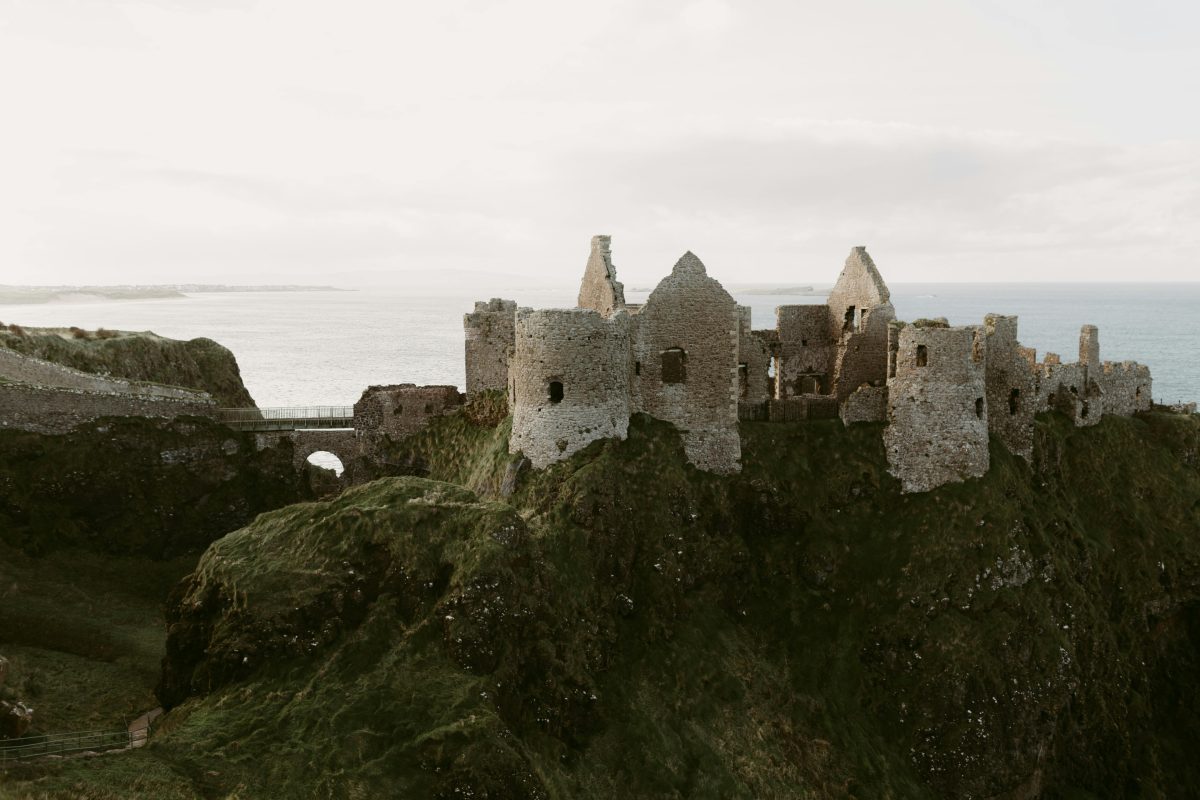
Kerry’s Villages United Against Eviction

Kerry’s Villages United Against Eviction

Published

How the Villages in Kerry Resisted Eviction — And Stood Together to Save Their Souls

Estimated reading time: 5 minutes

Key Takeaways

  • The Land Wars in the late 19th century ignited a wave of resistance against eviction in Kerry.
  • Solidarity among families and the community played a crucial role in opposing landlord authority.
  • The echoes of the past continue to influence modern housing rights movements across Ireland.

Table of Contents

Introduction
The Heart of the Story
The Wider Echo
The Now & The Next
Did You Know?
FAQs
Final Word

Introduction

In the emerald embrace of County Kerry lies a tale of bravery and sorrow, where the very marrow of Irish spirit was tested against the cold winds of eviction. Picture it: families torn from their homes, children weeping in the shadows of those old stone walls, women clutching at the fabric of their lives as the specter of homelessness loomed like a storm cloud overhead. This is the resilient story of the villages in Kerry—bound together by the blood, sweat, and tears of their ancestors, standing firm against the night.

The Heart of the Story

In the late 19th century, the villages in that rugged land of Kerry faced the specter of eviction as landlords seized control of their lands. The infamous Land Wars stirred the hearts of men and women alike. It was here that the likes of the great John Mitchel and others rallied, igniting the flame of resistance in the hearts of the oppressed. Farmers, once proud owners of their fields, became desperate as they faced the gallows of poverty and the galling authority of the landlords. Gathered under starry skies, whispers turned to roars as communities united, refusing to succumb to despair.

The Wider Echo

What began in the vale of Kerry echoed through the isles of Ireland, reaching the ears of those in far-off lands. The mantra of ‘Land for the People’ became the rallying cry, resonating not only in fields but in hearts across the globe. Emigrants in America, with their weary souls and aching hearts, reinvigorated the movement, sending funds and support to those struggling at home. Family ties served as lifelines, a venomous reminder of what was at stake—not just land, but a way of life deeply intertwined with the Irish identity. The sacrifices made galvanized the cause as stories of eviction and short-lived resilience crashed like waves against the shores of Irish diaspora memory.

The Now & The Next

And today? The spirit of those who resisted evictions can still be felt in the energy of modern protests, as people rally for housing rights across Ireland. In Kerry, as in the bustling streets of Dublin or the vibrant corners of Galway, the fight for belonging continues, echoing the age-old struggle of our ancestors. The echoes of the past teach us; as we gather with our GAA jerseys, as we raise our voices in solidarity, we embody the spirit of resilience that defines us. As families gather in homes that still stand, they remember, and they fight for those homes—for the generations yet to come.

Did You Know?

  • The Land League, founded in the 1870s, was crucial in driving the Irish land struggle, advocating for tenant rights across the nation.
  • In Kerry, like much of rural Ireland, the average eviction rate in the early 1880s was alarmingly high, causing widespread despair.

FAQs

What were the main causes of eviction in rural Ireland during the Land Wars?
The primary causes included the rise of rents, agricultural failures, and oppressive land laws. Evicted families often faced dire circumstances, leading to mass movements for reform.

How did the local Irish communities respond to these challenges?
Communities banded together, organized protests, and supported each other through mutual aid. These acts of solidarity laid the groundwork for the powerful movements that would follow.

Final Word

The soul of Ireland is stitched together with threads of hardship, resilience, and an indomitable spirit. The story of how the villages in Kerry resisted eviction reveals the heartbeat of a nation—a nation that continues to fight for its soul, its land, and its people. If you too carry the same pride we do, you’ll find a piece of home waiting at
HubIrish.com.
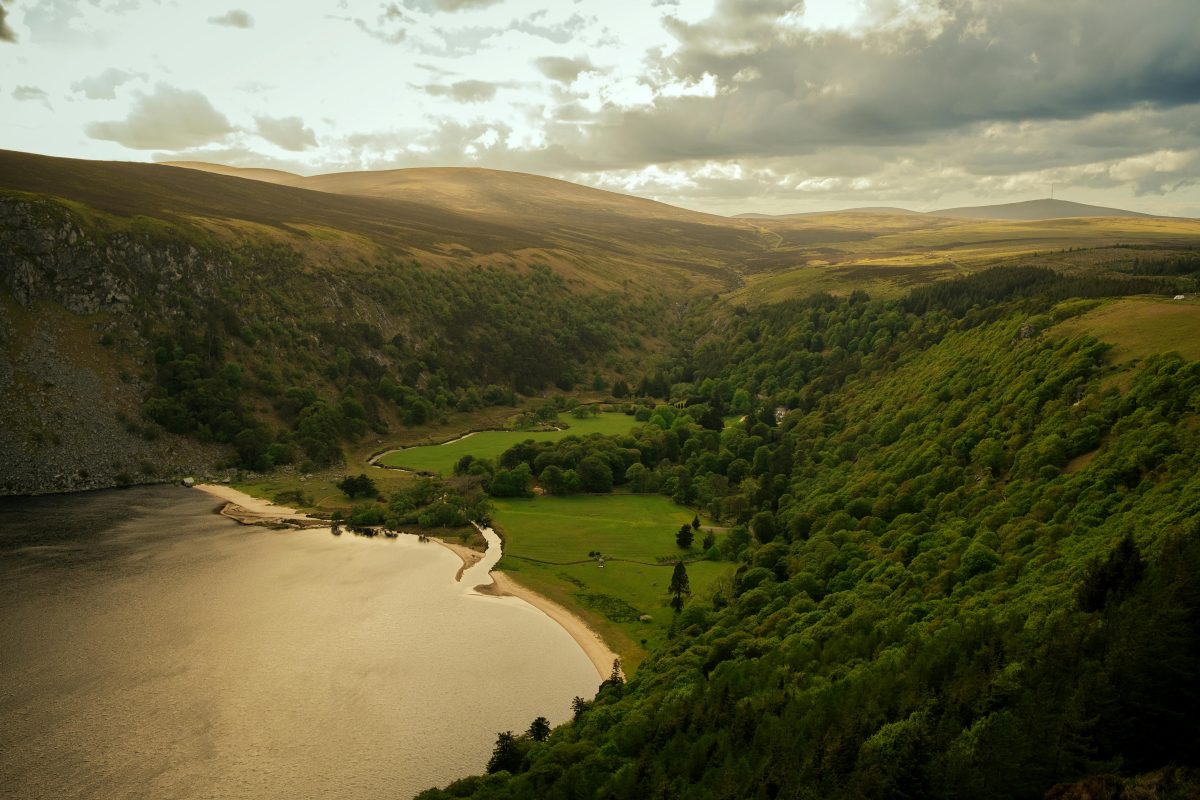
How an Irish Boy’s Dream of Football United a Nation

How an Irish Boy’s Dream of Football United a Nation

Published

The Day the World Stood Still: How an Irish Boy’s Dream of Football Changed His Life and United a Nation

Estimated reading time: 6 minutes

Key Takeaways

  • The transformative power of football in Irish culture.
  • The story of John O’Sullivan illustrates the dreams of youth and national pride.
  • Football links generations and creates shared identity among the Irish diaspora.

Table of Contents

Introduction
The Heart of the Story
The Wider Echo
The Now & The Next
Did You Know?
FAQs
Final Word

Introduction

There is magic in the air when the whistle blows, a kind of electricity that dances through the hearts of fans and players alike. For many in Ireland, football isn’t just a sport — it’s a lifeline, a bridge across generations, and a balm for ages of heartache. And on a certain day, in a wee town in County Kerry, an Irish boy’s dream turned into a shared vision — one that would unite a nation in highs and lows, in jubilation and despair. The world stood still, because on that day, the heartbeat of football thudded louder than every soft lament of the past.

The Heart of the Story

In the summer of 1988, a 10-year-old boy named John O’Sullivan from Kerry found himself clutching a dusty football on the uneven green patch that served as his pitch. It was a world of dreams woven into the fabric of the FAI Cup, as he would watch in awe how the famed Derry City and Cork City clashed. Every kick, every roar in the stands was not just a game but a lesson in perseverance. Young John learned that these matches were not just battles for silverware but a tapestry of shared hopes, struggles, and the indomitable spirit of his people. Little did he know, that day in Kerry would set him on a trajectory that would not only change his life but also connect him with a nation desperate for heroes. He would one day wear the green jersey with pride, standing on the ground where legends had walked. But for now, he remained a dreamer, chasing every ball laden with possibility.

The Wider Echo

As time moved on, the resonance of O’Sullivan’s journey echoed throughout the country. The streets of Dublin to the shores of Galway witnessed baby jerseys adorned with hopeful names, as boys and girls unknowingly carried the weight of their ancestors’ dreams — dreams of unity, of resilience. When the Irish team made it to the 2002 World Cup, the spirit of ’88 re-emerged. Suddenly, it wasn’t just about football; it was about identity, about belonging. Former Irish international Roy Keane said it best: “We are all in this together.” Football was a ridiculously big deal for people in pubs, in homes, and in the hearts of the heavyweight supporters spanning the globe.

The Now & The Next

And here we are, years later, still lifting our heads high while wearing our country’s colors. In cities like London, Boston, and Sydney, you find clubs packed with ex-pats draped in tri-colors, igniting their passion anew. The game and the stories remain relevant as they burgeon through generations; the pain and joy are shared over pints and late-night chats. Amid the echo of feet on the pitch and the familiar thrill in our chests, we feel the connection to John O’Sullivan and all the children dreaming along with him. It is more than a game; it is a legacy. Even today, whether it’s another day in the life of children clutching a football in Kerry or a love-filled cry from the crowded stands in the Aviva, we understand that every ball kicked against the ground, every cheer in jubilation, has the power to change lives, shape futures, and remind us of the bonds we share.

Did You Know?

  • The first international football match that Ireland participated in was against Wales in 1882, showcasing the deep-rooted history of the sport in the country.
  • Ireland has produced several world-renowned footballers, including Robbie Keane and Niall Quinn, who have not only excelled on the pitch but have also been role models for young aspiring players from every corner of the country.

FAQs

What are some popular football clubs in Ireland?
Clubs like Celtic FC and Shamrock Rovers have a vibrant history and a huge following both locally and internationally, acting as proud representatives of Irish football culture. You can check out some merch from FAI jerseys.

How has football impacted the Irish diaspora?
Football remains a source of camaraderie and shared identity for the Irish abroad, with many clubs starting up in cities worldwide, helping to keep the community spirit alive far from home.

Final Word

At the heart of it all, we celebrate the dreams of every boy and girl who ever kicked a football. This isn’t just about a game; it’s a rich legacy of love, pride, and passion that will resonate through the ages. If you carry the same pride we do, you’ll find a piece of home waiting at
HubIrish.com.
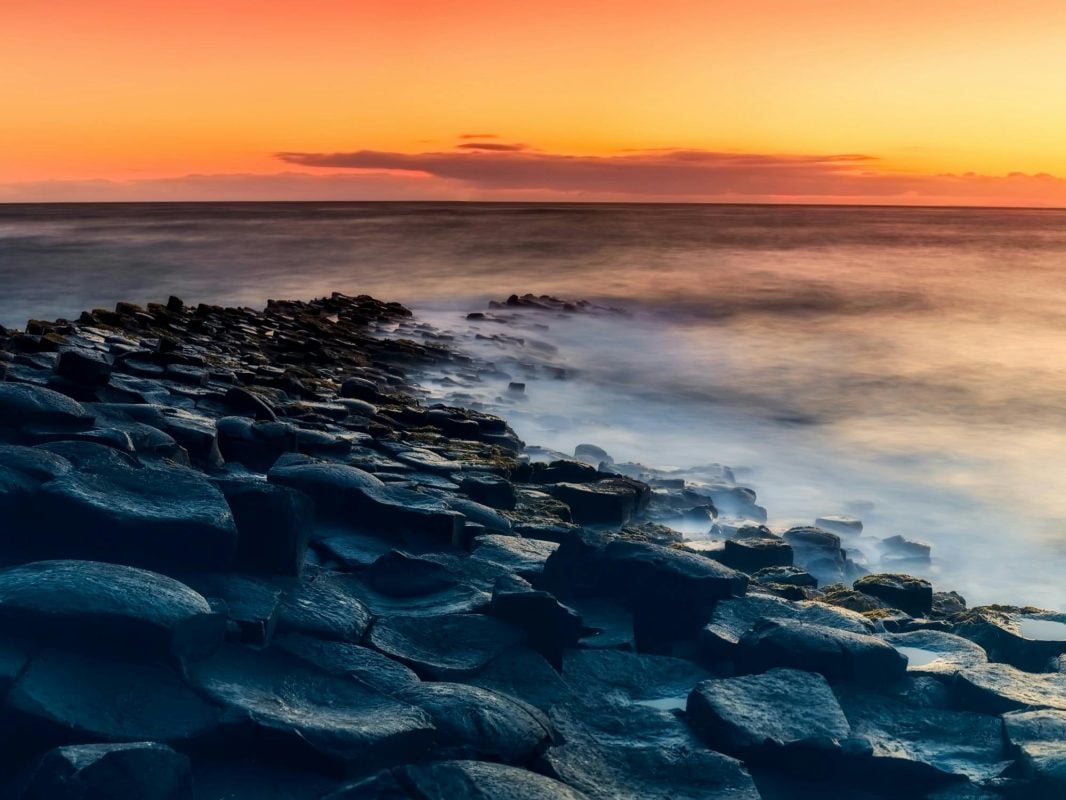
How Cork’s Spirit Shone Through the Flood

How Cork’s Spirit Shone Through the Flood

Published

The Day the River Lee Flooded Cork: How the City Resilience Redefined Irish Community Spirit

Estimated reading time: 6 minutes

Key Takeaways

  • The River Lee flooding in October 2017 tested the resilience of Cork’s community.
  • During the disaster, neighbors came together to support one another, illustrating the strength of Irish community spirit.
  • The flood prompted discussions on urban planning and climate resilience in Cork.

Table of Contents

Introduction
Waves of Resilience
The Wider Echo
The Now & The Next
Did You Know?
FAQs
Final Word

Introduction

October 2017, a month etched in the soul of Cork, as the River Lee swelled beyond its banks. The dark skies wept, swirling winds howled through the streets, and what was once a tranquil embrace turned into chaos. Yet, amid the torrent, there emerged a spirit—unyielding and fierce—a heart that beat for unity and resilience. This is not just a tale of floodwaters but a tribute to the centuries-old tenacity of a people bound by the roots of their land and the threads of community.

Waves of Resilience

On that fateful day, businesses were submerged, homes were ravaged, and the comforting hum of everyday life was drowned in a cacophony of despair. Streets transformed into rivers, and the beloved English Market, a sanctuary of local produce and culture, found itself under siege. However, the spirit of Cork was unbreakable. Neighbors turned into saviors, friends morphed into family, and the community converged in a fierce act of solidarity. From monks to schoolchildren, everyone banded together with a collective heart, prepared to rise from the ashes of destruction. It was an echo of history—the Irish have always known how to rebuild, to mend, to carry on.

The Wider Echo

This story of Cork resonates deep within the marrow of Irish society. It speaks to the hurricanes of hardship, the battles fought in the shadows, and the victories that shimmer through even the heaviest storms. Every flood brings with it the reminder that community isn’t just a word; it’s a lifeline, a tether that binds us through the darkest times. As Corkonians faced their challenges, the diaspora beamed back love and encouragement across the seas, illustrating the indomitable spirit of the Irish wherever they may roam. “Together, we are stronger,” they said, and the world listened.

The Now & The Next

Fast forward to today, as Cork rebuilds—like the phoenix from the flames. The scars of that October storm remind us of the fragility of our existence but also of the strength derived from our united front. Whether it’s the youths donning their GAA jerseys or the families getting involved in their local community, the value of connection remains paramount. The River Lee flows on, an eternal witness to our trials and triumphs, resilient like the spirit of the people who call this city home. In every cup of Irish tea shared during recovery meetings, every laugh exchanged at a local pub, the essence of Cork remains alive and roaring.

Did You Know?

  • The River Lee is approximately 90 kilometers long and has played a crucial role in Cork’s history.
  • The 2017 flooding was one of the worst in recent history, prompting significant discussions about urban planning and climate resilience in Irish cities.

FAQs

What caused the River Lee to flood in 2017?
Heavy rainfall, combined with high tides, led to the overflow of the River Lee, wreaking havoc on the city. Local authorities and environmental experts have since emphasized the need for improved flood defenses.

How has Cork improved flood resilience since then?
Following the floods, Cork City Council implemented a series of measures focusing on sustainable urban drainage and increased green spaces to absorb rainfall better.

Final Word

As the River Lee winds its way through Cork, so too does the spirit of its people—resilient, proud, and unified. The flooding served not only as a reminder of nature’s might but also as a canvas for the incredible beauty of the human spirit. If you carry the same pride we do, from Cork to the far corners of the world, you’ll find a piece of home waiting at
HubIrish.com.
The Letter That Ignited Irish Independence

The Letter That Ignited Irish Independence

Published

How a Forgotten Letter from an Irish Soldier Changed the Course of the War of Independence

Estimated reading time: 6 minutes

Key Takeaways

  • The letter from Private John O’Reilly highlights the personal narratives that shaped Ireland’s War of Independence.
  • Releasing forgotten stories inspires contemporary movements for social justice and equality.
  • O’Reilly’s legacy continues to resonate with the Irish diaspora, fostering a sense of pride and identity.

Table of Contents

Introduction
The Heart of the Story
The Wider Echo
The Now & The Next
Did You Know?
FAQs
Final Word

Introduction

In the heart of a turbulent Ireland, where whispers of rebellion mingled with the scent of fear, a forgotten letter emerged from the shadows — penned by a soldier who dared to defy tyranny. This letter held more than ink; it was the lifeblood of a weary nation yearning for freedom, and its revelation would ignite a path toward independence. Each word was a pulse, each line a vow, resonating through the valleys and peaks of this island soaked in struggle.

The Heart of the Story

The letter belonged to Private John O’Reilly, a young soldier from Cavan, who fought valiantly for the Irish Republican Army (IRA) during the War of Independence (1919–1921). For years, it lay hidden in a family attic, gathering dust alongside old photographs and fading memories. O’Reilly penned his thoughts, detailing the harsh realities of life in the trenches and the evolving spirit of resistance that swept through his comrades like wildfire. He eloquently captured the bitterness of betrayal and the fragility of hope. The letter was found by his grandson, untouched, much like the stories of countless unsung heroes of the Irish struggle.

The Wider Echo

O’Reilly’s words, once just ink and paper, reverberated throughout Ireland. In a context marred by political disarray and societal conflict, this letter reminded a weary nation of its dreams. Fueled by stories like O’Reilly’s, the Irish people were inspired to rise against their oppressors, galvanizing movements and protests that shaped future generations. The letter also became a symbol of remembrance and a catalyst for the public’s deepening engagement with the struggle for self-determination.

The Now & The Next

Fast forward to the present day, where O’Reilly’s letter serves not just as a historical artifact but as a living testament to Ireland’s ongoing journey toward social justice. In a world where struggles persist, his legacy whispers through modern protests, echoing sentiments of equality and fairness. Today, many Irish across the globe wear their GAA jerseys or gather in the diaspora, driven by that same fire for pride and identity, championing causes that resonate with their roots.

Did You Know?

  • Over 2,500 men and women joined the ranks of the IRA during the War of Independence, spurred by the visions and letters of soldiers like O’Reilly.
  • The War of Independence ultimately led to the signing of the Anglo-Irish Treaty in 1921, establishing the Irish Free State but leaving a legacy of division that still resonates today.

FAQs

What can we learn from O’Reilly’s letter today?
O’Reilly’s letter illustrates the importance of personal narratives in shaping historical understanding, urging us to listen to the stories of those who lived through hardship and courage, much like those told in our conversations at pubs or gatherings.

How has the legacy of the War of Independence influenced modern Ireland?
It has fostered a deeply rooted national pride and a commitment to social justice, pushing us towards conversations about equality and representation in Ireland and among the diaspora.

Final Word

As we remember the brave souls like John O’Reilly, let us carry their spirit forward, not just in remembrance but in action. The fight continues, intertwined with love for our homeland and a vision of a just future. If you carry the same pride we do, you’ll find a piece of home waiting at
HubIrish.com.
Maureen O’Hara’s Fight for Justice in Hollywood

Maureen O’Hara’s Fight for Justice in Hollywood

Published

Why the Forgotten Story of Maureen O’Hara’s Fight for Justice Resonates Today

Estimated reading time: 5 minutes

Key Takeaways

  • Maureen O’Hara’s legacy is a powerful reminder of the fight for personal agency.
  • Her battle against her family’s control over her narrative reflects broader societal issues.
  • O’Hara’s story resonates with current movements for women’s rights and equality.

Table of Contents

Introduction
The Heart of the Story
The Wider Echo
The Now & The Next
Did You Know?
FAQs
Final Word

Introduction

In the heart of a fog-drenched Irish morn, Maureen O’Hara stands not only as a cinematic legend but also as a beacon of resilience. Born amid the verdant hills of County Dublin, her beauty graced the silver screen, yet behind the glimmer of Hollywood, a fierce spirit simmered. This is the tale of a woman who challenged not just the sparkly celluloid fantasy but dared to confront the stark realities of justice — her legacy, a resounding call to action that echoes through the years.

The Heart of the Story

Maureen O’Hara was born Maureen FitzSimons on August 17, 1920, in Ranelagh, a suburb of Dublin. Her beauty and talent captivated audiences in classics like “The Quiet Man” and “How Green Was My Valley.” Yet beneath the glamour lay tales of heartbreak and bravery. In the late 1980s, O’Hara found herself embroiled in an intense battle with her own family over the rights to her legacy, amid accusations and betrayal. It was a defining moment that showcased her indomitable spirit — she refused to let her story be written by others, she would not be silenced. In the often ruthless world of entertainment, her struggle for control over her own narrative became a profound commentary on the broader fight for personal agency.

The Wider Echo

Maureen O’Hara’s determination resonates far beyond the boundaries of Tinseltown. Her experience echoes in the lives of countless women and marginalized voices battling to reclaim their narratives. The late 20th century was a time when women’s rights were still burgeoning, and O’Hara’s fight symbolizes that relentless push against systemic silencing. As we remember Maureen today, in an era where gender equality continues to be a hotly contested issue, her legacy acts as a rallying cry for all who seek justice in their lives.

The Now & The Next

Today, as we stand amidst a cultural renaissance of storytelling, O’Hara’s assertiveness in the male-dominated film industry is a call to arms for a new generation. The #MeToo movement and the push for representation in film and media resonate with her struggle — a reminder that though paths diverge, the fight remains the same. Maureen’s legacy challenges us all to confront injustice, whether through art, activism, or personal choices. It’s a spark in the darkness, lighting the way forward for each one of us who dares to dream fiercely.

Did You Know?

  • Maureen O’Hara was one of the first actresses to stand against Hollywood’s studio system, advocating for fair treatment and recognition of women in film.
  • She was awarded an honorary Academy Award in 2014, celebrating her lifetime of achievement and her influence in shaping female characters in cinema.

FAQs

What was Maureen O’Hara’s most famous film?
“The Quiet Man,” alongside John Wayne, is often cited as her most iconic film, showcasing her talent and indomitable spirit.

How did O’Hara’s fight for justice influence modern actresses?
Her courage set a precedent for modern actresses, inspiring many to advocate for their rights and the stories they tell. Acts of defiance similar to hers can be seen in the current push for equality in the film industry.

Final Word

Maureen O’Hara’s story is not merely a tale of fame; it’s a poignant reminder of the power each of us holds to shape our destiny and narratives. If you carry the same pride we do, you’ll find a piece of home waiting at
HubIrish.com. Let us honor O’Hara by continuing her fight — one story at a time.
The haunting legacy of Tuam’s lost children

The haunting legacy of Tuam’s lost children

Published

How the Ghosts of Tuam’s Babies Haunt Ireland’s Conscience Today

Estimated reading time: 6 minutes

Key Takeaways

  • The discovery of a mass grave in Tuam revealed a dark chapter in Irish history.
  • Tuam serves as a symbol of systemic failures faced by vulnerable women and children.
  • The ongoing fight for accountability and justice continues as Ireland reflects on its past.

Table of Contents

Introduction
The Heart of the Story
The Wider Echo
The Now & The Next
Did You Know?
FAQs
Final Word

Introduction

In the quiet town of Tuam, a storm of silence rages like an ancient curse. Ghosts do not only linger in the alleys of haunted houses; they lurk in the memories of mothers who had to walk away, tearing their hearts asunder. The graves of over 800 babies at the Mother and Baby Home are not merely stones in the ground; they are the shadows that stretch across Ireland’s conscience, whispering tales of loss, neglect, and a society’s apathy.

The Heart of the Story

In 2014, the discovery came as a dagger through the heart of a nation—bodies of abandoned babies, lying in a mass grave near the former institution. This was not simply a local tragedy; this was a grotesque tapestry woven through time in the deep fabric of Irish society. The Tuam home had operated from 1925 to 1961, a façade of care hiding a horrific exploitation of vulnerable women—unwanted pregnancies deemed sinful, and unremembered children buried like trash. Here, in Galway, the cries of those forsaken were silenced, but their voices echo still, a persistent reminder of sorrow and shame.

The Wider Echo

Tuam resonates in the heart of those who grapple with shame and regret. It represents a failure not just of a local community, but of a country that often turned a blind eye to the suffering of its most vulnerable. The echoes of these lost lives ripple through Ireland, raising questions about accountability and justice. As the world watched, Ireland was forced to reckon with its past, seeking absolution in the eyes of a global audience horrified by our own collective amnesia. “We must learn from our past,” the Irish government proclaimed, but how does one make amends for what was never acknowledged? “We cannot forget these children,” the voices of mothers and advocates ring louder now than ever, pushing for memorials and recognition.

The Now & The Next

Today, the ghosts of Tuam serve as a rallying cry for advocates fighting for rights and reforms. As the housing crisis engulfs the nation, Ireland’s psyche must not be overshadowed by the dread of another generation being abandoned. Families in county homes grapple with the social implications of what has come to light—abusive institutions have transformed into a haunting specter. It is time to break the cycle and ensure our future celebrates remembrance over repression. Those ghosts can guide us to ensure that no child is forgotten, that every child matters, reminding us that we must raise our voices, not just in memory but in action for justice.

Did You Know?

  • In 2017, the Irish government launched the Mother and Baby Home Commission of Investigation to investigate the treatment and conditions of women and children in these institutions.
  • The Tuam gravesite was officially opened to the public in 2021 as a memorial, emphasizing the necessity of remembrance for the victims of this unspeakable truth.

FAQs

What steps is the government taking to address the legacy of these institutions?
As part of the response, the government has committed to implementing a national recovery plan, including appropriate burial sites and memorials across Ireland. For more resources on the investigation, check out GAA jerseys.

How are families and communities remembering their lost children?
Many families participate in remembrance events, share stories, and advocate for memorials that honor the lives lost due to systemic failures. The voices of the many, once silenced, are now amplified in hope and defiance.

Final Word

The ghosts of Tuam remind us—we are the custodians of our stories. Embracing the truth about our past makes the path toward healing possible. So let’s honor these souls and ride the crest of remembrance into a future that cherishes every life, every voice. If you carry the same pride we do, you’ll find a piece of home waiting at
HubIrish.com.
Croke Park and the Legacy of the Hunger Strikes

Croke Park and the Legacy of the Hunger Strikes

Published

From Croke Park to the Streets: How the 1981 Hunger Strikes Changed Irish Identity Forever

Estimated reading time: 5 minutes

Key Takeaways

  • The 1981 Hunger Strikes were a pivotal moment in Irish history that reshaped identity.
  • Bobby Sands became a symbol of resilience and hope for many.
  • The impact of the hunger strikes extended globally, fostering solidarity among Irish communities worldwide.

Table of Contents

Introduction
The Heart of the Story
The Wider Echo
The Now & The Next
Did You Know?
FAQs
Final Word

Introduction

On the morning of July 5, 1981, the air in Ireland was thick with sorrow and determination. For 66 harrowing days, ten brave souls, twisted into human shapes by hunger and hope, dedicated their lives for a cause that echoed through alleyways, estates, and the heart of every Irishman and woman. As the sun cast its golden warmth over Croke Park, where the roar of GAA fans usually drowned out the pain of existence, a different story was about to unfold – one that held the weight of history on its shoulders. It was here, in the midst of sporting pride, that the spirit of the 1981 Hunger Strikes ignited a movement, forever reshaping Irish identity.

The Heart of the Story

Bobby Sands was not just another name in the long litany of Irish martyrs; he was a poet, a dreamer, a man who stood firmly at the crossroads of despair and resilience. From Derry, this man transformed the prison walls of Long Kesh into a stage where the narrative of struggle and survival danced with heart-wrenching beauty. While he fasted on his prison cot, his words echoed louder than a football chant, adorning walls and hearts. In each word, he reminded his people of the power of identity amidst oppression, and for the first time, the voice of a generation found resonance beyond the confines of the prison walls that engulfed him. The hearts of the Irish swelled with pride, and the flickering candlelight of hope illuminated countless dark corners of a divided land.

The Wider Echo

The impact of the hunger strikes spread beyond the borders of Northern Ireland, touching shores in America and Australia and igniting a fire in the hearts of the diaspora. The hunger strikers’ plight allied itself with aspirations for freedom across the globe. Voices clamored for justice; solidarity marches populated cities from Chicago to Melbourne, flooding streets with banners and chants. People united under the shadow of prison bars, their messages clear: the struggle for dignity, for recognition, for identity. “Our revenge will be the laughter of our children,” Sands penned, and it resonated like patriotic hymns sung on the steps of Croke Park.

The Now & The Next

Fast forward to today, and the ripple effects of the hunger strikes remain palpably alive. In the smoky pubs of Kerry and the bustling streets of Cork, conversations about identity, justice, and collective memory flourish. Every match played, every jersey worn (from GAA jerseys to home team colours) connects a young generation to the sacrifices of those who fought before them. The housing crisis debates echo the same cries for visibility and validation; marchers still traverse the streets, rallying for their dreams amidst challenges that feel insurmountable. The spirit of those ten brave souls – Sands, McCreesh, McElrath, to name a few – continues to inspire acts of rebellion and resilience, reminding us that an Irish heart beats tenacious against any adversity.

Did You Know?

  • Bobby Sands was the first prisoner to be elected to the British Parliament while on a hunger strike, symbolizing the deep scars and raw emotion of the conflict.
  • Following the hunger strikes, the movement for Irish unity gained momentum, leading to the eventual peace processes in the 1990s, forever altering the political landscape of Ireland.

FAQs

What were the main demands of the hunger strikers?
The hunger strikers sought the recognition of their status as political prisoners and various rights they were denied, including the right to wear their own clothes and to associate with one another.

How did the hunger strikes affect Ireland’s political landscape?
The hunger strikes ignited political awareness and activism, mobilizing the populace and leading to significant shifts in public opinion towards a more united front for peace and justice in Ireland.

Final Word

Forever marked by the bravery of its warriors, the Irish story is one of grit and grace. The hunger strikes forever intertwined the spirit of Croke Park with the streets where people marched for freedom.
“If you carry the same pride we do, you’ll find a piece of home waiting at
HubIrish.com.”

The GAA Match That United a Divided Ireland

The GAA Match That United a Divided Ireland

Published

The Day the GAA Became a Symbol of Hope: How One Match United a Divided Ireland

Estimated reading time: 5 minutes

Key Takeaways

  • The All-Ireland Football Final of 1991 symbolized hope and unity for a divided Ireland.
  • Meath’s victory was a cultural milestone, lifting spirits across the nation.
  • The GAA continues to foster community and pride among the Irish diaspora today.

Table of Contents

Introduction
The Heart of the Story
The Wider Echo
The Now & The Next
Did You Know?
FAQs
Final Word

Introduction

On a sun-drenched autumn day in 1991, a match played in the heart of Dublin transcended mere sport and unraveled the tapestry of a divided Ireland. The air crackled with anticipation, fervor, and hope, as two rival counties faced off in a spectacle that showcased more than just skill, but the Irish spirit itself—defiant, unyielding, and achingly human.

The Heart of the Story

The All-Ireland Football Final of 1991, featuring the fierce contest between Meath and Dublin, was more than a battle for the Sam Maguire trophy. It was a battle for the very identity of a nation still healing from the wounds of a fraught political landscape. Dublin, the bustling capital and symbol of establishment power, faced off against the underdog Meath, a county steeped in pride and despair. As the ball flew from player to player, hearts swelled across counties from Meath to Kerry, reminding everyone watching that on this field, they were all united. The jubilant chants echoed, a chorus of camaraderie against the backdrop of urban turmoil.

The Wider Echo

In a nation burdened by strife, the excitement of the match ignited a shared sense of belonging. The triumph of Meath that day—its first All-Ireland title in over a decade—was a balm for the wounds of division. It echoed through the streets of Dublin and rattled hearts all the way to the north, as people reflected on their shared culture, history, and love for the game. “Sport has the power to change the world,” said Nelson Mandela, but for that autumn day, it was the essence of Irish resilience against the encroachments of division that truly resonated. This match became not just a game, but a symbol of what Ireland could be—a place of hope rising from the ashes of discord.

The Now & The Next

Fast forward to today, the GAA continues to be a powerful force for unity among the Irish diaspora, forging connections from Boston to Brisbane. Youngsters with dreams of county jerseys resting on their shoulders know that wearing a GAA crest signifies more than allegiance; it embodies hope, community, and pride. As housing crises and societal issues shape modern Ireland, the ethos born on a field in 1991 continues to inspire and galvanize a new generation. They now embody the spirit of resilience, much like their forebears did, proving that sport not only heals but builds bridges across fractures.

Did You Know?

  • The All-Ireland Football Final of 1991 had one of the highest attendance rates in history, with over 80,000 fans at Croke Park.
  • GAA sports are a significant part of Irish culture, with over 2.3 million people actively participating in clubs across the country.

FAQs

What is the GAA?
The Gaelic Athletic Association (GAA) is Ireland’s largest sporting organization, promoting traditional Irish sports like Gaelic football and hurling across the country and abroad.

How do GAA events foster community spirit?
GAA events bring together people from various backgrounds, offering a space for collective celebration of culture, pride, and often serving as a focal point for local identities within national narratives.

Final Word

So, let us raise a glass and remember that day when hope took to the field, cloaked in green and gold, and united a fractured nation. If you carry the same pride we do, you’ll find a piece of home waiting at
HubIrish.com.

Katie Taylor’s Triumph That Inspired a Nation

Katie Taylor’s Triumph That Inspired a Nation

Published

How Katie Taylor’s Olympic Triumph Became Ireland’s Heartbeat in a Time of Crises

Estimated reading time: 5 minutes

Key Takeaways

  • Katie Taylor’s Olympic success symbolizes hope and resilience for Ireland.
  • Her journey has inspired a new generation of boxers across the nation.
  • Taylor embodies the spirit of fighting through challenges, both inside and outside the ring.

Table of Contents

Introduction
The Heart of the Story
The Wider Echo
The Now & The Next
Did You Know?
FAQs
Final Word

Introduction

When Katie Taylor stepped into that ring on the day of her Olympic final in 2012, she did not just fight for gold. Oh no, she fought for a nation, for the pulse of Ireland that had felt more like a ghost town in the years leading up to her bout. In the grey shadows of economic despair and societal challenges, Taylor was a beacon — an electric spark of hope tethered to each jab, hook, and uppercut. The cheers erupted like volcanoes as she became a force of national pride, transforming a moment into a heartbeat people could feel deep in their bones.

The Heart of the Story

In the canvas of Dublin, where the Liffey flows, tales of struggle and triumph are stitched into the very fabric of its people. Katie Taylor hails from Dublin, and her journey is a testament to resilience in the face of adversity. As the daughter of an avid boxer, she found her footing in the family gym. The echoes of leather gloves against the heavy bag became not just her training ground, but a theatre—where dreams collided with a turbulent reality. In a nation grappling with austerity measures and a sense of hopelessness, Taylor’s ascent in the boxing world became a story for the ages. Every victory she claimed was like a rallying cry — a declaration that dreams matter most when they push us through the storm.

The Wider Echo

Katie’s triumph resonated beyond sport; it triggered a national revival. Her Olympic gold was a bittersweet reminder of what Ireland could achieve amidst turmoil. In March 2020, we faced yet another crisis with the pandemic, yet each time Taylor’s name graced the sports pages, our spirits lifted. “If you dream it, you can do it,” she once declared, embodying the mantra that began to erase the shadows dwelling over homes across the nation. Statistics showed a spike in youth participation in boxing, inspired by her tenacity. Communities began to buzz; kids in the ring saw not just visions of glory, but the path that Taylor illuminated with her fierce heart.

The Now & The Next

Today, as we find ourselves walking through societal challenges — housing shortages, mental health crises, and the trials of daily life — Katie Taylor continues to inspire us to dig deep and push forward. The values she represents are also evident in the GAA fields of Kerry, where children lace up their boots to play with the same passion she used to lace her own gloves. At every match and Gaelic football game, the spirit she ignited in 2012 lives on, reminding us that victories can come from hard work, humility, and a relentless spirit.

Did You Know?

  • Katie Taylor’s victory in the 2012 London Olympics was the first gold medal for Ireland in women’s boxing.
  • She has won world titles in both amateur and professional boxing, adding layers to her legacy.

FAQs

What has Katie Taylor’s career impact been?
With a staggering professional record, Taylor has not only paved the way in boxing but has also redefined the landscape of women’s sports in Ireland. Her role as a cultural icon energizes young girls and boys, inspiring them to strive for greatness.

How has her story impacted Irish sports culture?
Taylor’s story resonates deeply, fostering a culture that recognizes resilience and dedication. As families gather to watch her fights and local clubs train hard, her influence strengthens the connection between sport and national pride.

Final Word

So whether she’s dodging punches or landing gold medals, Katie Taylor reminds us what it means to fight — not just inside the ring, but for each other, for our communities, for Ireland. If you carry the same pride we do, you’ll find a piece of home waiting at
HubIrish.com.

The McGuigans: Pioneers of GAA in America

The McGuigans: Pioneers of GAA in America

Published

From Tyrone to Triumph: How the Footballing Legacy of the McGuigan Family Redefined GAA in America

Estimated reading time: 6 minutes

Key Takeaways

  • The McGuigan family’s journey reflects resilience and cultural pride in the face of emigration.
  • Gaelic games have fostered community bonds among Irish-Americans, enriching their cultural identity.
  • The legacy of the McGuigans continues to inspire young players in the U.S.

Table of Contents

Introduction
A Family’s Genesis in the Fields of Tyrone
The Shift Across the Sea: New Dreams in America
Building Bridges with Every Goal
Did You Know?
FAQs
Final Word

Introduction

In the land where the green hills roll like a football under the sun, a family named McGuigan carried the weight of triumph and tragedy. They sailed across the Atlantic, bringing with them not just an enduring love for Gaelic sports but a legacy that would echo across the fields of America. From the heart of Tyrone to the spirited stadiums of New York, their story is that of resilience, love, and relentless pursuit of glory — a testament to what it means to be Irish in a foreign land.

A Family’s Genesis in the Fields of Tyrone

The McGuigan family hails from County Tyrone, a land rich in sporting heritage and the haunting echoes of history. Hurling and football weren’t just games; they were lifelines woven into the very fabric of community life. At home, the family’s bond grew strong among the fields of Clonoe, where brothers played with the heart of a lion and the fury of the storm. Their father, a quiet man with a fierce passion for the GAA, instilled the values of perseverance and teamwork in each of his sons — values that would carry them through heartbreak and triumph alike.

The Shift Across the Sea: New Dreams in America

As emigration became a bitter reality during the hardships of the late 20th century, the McGuigan family found themselves in the bustling heart of New York City. They brought with them the hallowed principles of Gaelic sports, quickly forming communities that transcended the limitations of their new environment. The New York GAA scene was thirsty for their passion, adaptability, and the indomitable Irish spirit — they were the lifeblood that pulsed through the veins of Irish-American football.

Building Bridges with Every Goal

Today, the McGuigan legacy stands as a beacon for countless Irish families in the diaspora. Every goal scored in the field reflects a heart’s yearning for recognition, a call back home. From the historic Gaelic Park of the Bronx to the vibrant celebrations of St. Patrick’s Day, their journey resonates. Young players wearing the colors of tyranny, adorned with the emblem of slain heroes, continue to honor their legacy. The McGuigans symbolize hope and aspiration, bridging past and future — the beating heart of a community carved from struggles and dreams.

Did You Know?

  • The GAA in New York dates back to 1928, reflecting the deep-rooted connection of the Irish diaspora to their home culture.
  • The McGuigan family’s unique approach to Gaelic games helped nurture over 20 local clubs in the New York region.

FAQs

What impact have families like the McGuigans had on GAA in America?
They have enriched the cultural and sporting fabric of the diaspora, fostering deep community bonds through Gaelic games. The McGuigans are often hailed as pioneers in this respect.

What can new Irish emigrants learn from the McGuigan story?
Their journey teaches resilience, the power of community, and keeping cultural ties alive, no matter where you are in the world — a lesson that rings true to many, with County Tyrone forever rooted in their hearts.

Final Word

As the sun sets over New York City and the chants of Gaelic football drift through the parks, we remember the McGuigan family as more than just athletes; they are the custodians of culture, the bearers of dreams, and the embodiment of Irish heritage in America. If you carry the same pride we do, you’ll find a piece of home waiting at
HubIrish.com.