
When the GAA Became a Battlefield for Peace

When the GAA Became a Battlefield for Peace

Published

When the GAA Became a Battlefield: The Day Offaly’s Hurlers Called for Peace Amidst the Storm

Estimated reading time: 5 minutes

Key Takeaways

  • Sport can transcend competition and become a call for unity.
  • The GAA reflects the socio-political landscape of Ireland.
  • Moments of solidarity can echo through generations.

Table of Contents

Introduction
A Moment in the Fray
From Hurling to Harmony
The Echoes of Today
Did You Know?
FAQs
Final Word

Introduction

Ah, gather ’round, my friends, and let me spin a yarn. Picture this: a grey day in Offaly, the air heavy with the scent of rain and the sweet anticipation of battle — not just of hurls and balls, but of hearts and histories. This isn’t just a tale of points and puck-outs. No, this is a poignant moment where sport kissed the fragile threads of peace, and the cry for harmony rang louder than the roar of a thousand fans. Therein lies a story that stitches together pride, pain, and a fierce love for our land.

A Moment in the Fray

It was the summer of ’99, and Offaly’s hurlers stood on the precipice of a great reckoning. The GAA holds a mirror to our society; in its dust and sweat lies the pulse of the nation. And that year, the pulse quickened with tensions that erupted not only on the field but off it, echoing the struggles of real life outside the pitch. The players, handsome and fierce, bore their county’s name like a shield — Offaly was not just a team; it was a family, a story of hopes and dreams, trimmed with the bitter edge of hard-fought battles. They played for glory, but also for unity, and on that fateful day, they transcended sport.

From Hurling to Harmony

As the match unfolded before thousands at Croke Park, heartbeats synchronizing with every swing of the hurley, a rare chant surged through the crowd: “Peace, not points!” It wasn’t just the pursuit of victory that mattered anymore; it was the peace we yearned for in a time of divide, a message that carried far beyond the smoky confines of stadium gates. A roar of solidarity emerged, reminiscent of the songs that came before, born from rebellion but now singing for something deeper. The hurlers of Offaly became unlikely prophets that day — their message resonating from Dublin to Derry and beyond.

The Echoes of Today

In our modern Ireland, where challenges loom large — from the struggles of the housing crisis to the battles we fight over identity and unity — this moment serves as a reminder that the spirit of the GAA is more significant than the trophies that shine on our shelves. Today, as families trail from the banks of the Shannon to the bustling streets of New York, the essence of Offaly’s call for peace resides in our hearts. Just as those players wore their jerseys with pride, today’s youth are draped in their county colors, yearning for a sense of belonging amid the noise of life. The legacy continues as we press forward, not to forget the past but to weave it into a brighter future.

Did You Know?

  • The GAA is over 130 years old, founded in 1884, and has since become a cornerstone of Irish culture.
  • Offaly has won four All-Ireland Senior Hurling Championships — notable triumphs steeped in fervor and passion.

FAQs

Why is the GAA so important to Irish culture?
It’s the heartbeat of our communities, binding us together through stories, struggles, and a love for sport. Offaly’s story is just one of many that illustrate how deeply it resonates across all of Ireland.

How can I support my county from abroad?
There’s no shortage of ways! Wearing your county’s colors, following matches online, or getting involved with GAA clubs around the world brings that spirit of home wherever you find yourself. Check out the latest gear for GAA jerseys to show your pride!

Final Word

So, dear friends, as you raise a glass tonight — whether at a pub in Portlaoise or a bar in Boston — remember the echoes of that day when hurling called for harmony, reminding us that the game is more than just a pastime. It’s a powerful narrative of who we are, where we came from, and where we dream to go. If you carry the same pride we do, you’ll find a piece of home waiting at
HubIrish.com.

The Fight for Freedom: Irish Women in History

The Fight for Freedom: Irish Women in History

Published

🇮🇪 “The Unseen Battle: How Irish Women Fought for Freedom Long Before the Vote” — Uncovering the Stories of Courageous Rebels Who Changed Our History

Estimated reading time: 6 minutes

Key Takeaways

  • Women played a vital role in Ireland’s fight for freedom long before they gained the right to vote.
  • The legacy of women like Countess Markievicz highlights the importance of recognizing diverse contributions to history.
  • Today’s struggles for gender equality are intertwined with the battles fought by these historical figures.

Table of Contents

Introduction
The Heart of the Story
The Wider Echo
The Now & The Next
Did You Know?
FAQs
Final Word

Introduction

Gather ’round, folks, for I have a tale steeped in the blood and the grit of our dear green isle. In the shadows of our tumultuous history, behind every uprising and rebellion, there were women—stoic, spirited, and sometimes downright fierce—who fought battles not just for the right to vote, but for the very soul of Ireland. Stories not documented in the grand history books, but whispered in the corners of the pub, shared over pints amidst laughter and tears. Let’s peel back the layers of time and clothe these brave women in the recognition they deserve.

The Heart of the Story

In the quiet town of Cavan, women such as the indomitable Countess Markievicz were stirring in their kitchens, yes, but also planting seeds of revolution in their hearts. Long before the world turned its gaze toward the suffrage movement, she and her comrades armed themselves not only with rifles but with conviction. Markievicz joined the ranks of the Irish Citizen Army, lending her voice to the cause of freedom. Stories of her exploits are robust and raucous—paint the picture of her leading soldiers into battle, a woman defying conventions, leading with iron will and unmatched bravery. While her male contemporaries were busy planning strategies, she fought with the passion of a thousand hearts that ached for freedom. The echoes of her cries still resound through the ages, reminding us that the fight for equality is as old as the hills themselves.

The Wider Echo

And what do we make of this legacy? For the Irish, these women symbolize resilience—the backbone of our fight for independence that was so often overshadowed. While history books clamored for male figures, these women etched their names into the fabric of our story, forcing us to reckon with their contributions. In a world that fancies itself enlightened, it serves us well to remember that gender equality is not merely a modern pursuit; it springs from our origins, our very inception. As James Connolly said, “Freedom makes no appeal to a man’s wallet.” Such wisdom rings especially true for women, who so often found their wallets empty of rights and full of battles to win.

The Now & The Next

Today, as we gather in our local GAA clubs or sip a pint across the oceans—from Boston to Brisbane—the stories of these fierce women ought to echo in our hearts. The modern-day struggle for gender equality, the ongoing battle against economic disparity, and the vibrant roar of our GAA teams—it all intertwines with these historical roots. When a woman puts on her county’s jersey at a championship match, know she stands on the shoulders of giants, among them the Countess herself. As we toast our heroes past and present, let’s not just raise our glasses to the sportsmanship or the thrill of victory, but to the fearless spirit that propelled us into the future we continue to fight for.

Did You Know?

  • In 1916, women such as Constance Markievicz took part in the Easter Rising, challenging the norms of the early 20th-century Ireland.
  • It wasn’t until 1922 that women officially gained the right to vote in Ireland, making the early fight for equality a long and arduous journey.

FAQs

Why is it essential to acknowledge women’s role in Irish history?
Women’s contributions to our freedom struggle underscore the diverse voices that shaped Ireland. We must honor them by learning and sharing their stories often, much like wearing a GAA jersey with pride for our homes and heroes.

How can I help raise awareness of these stories?
Engage in conversations, share articles, and push for inclusivity in education. Let’s make sure our children grow up knowing that our history isn’t complete without the voices of women who fought tooth and nail for their places in the world.

Final Word

So I leave you with this wisdom: our story, the fabric of our history, is woven from the threads of all who fought, especially the unseen women who shaped the course of our nation. If you carry the same pride we do, you’ll find a piece of home waiting at
HubIrish.com.
From Celtic Tiger to Hubris: Ireland’s Economic Tale

From Celtic Tiger to Hubris: Ireland's Economic Tale

Published

For the Love of God, Don’t Call It a ‘Celtic Tiger’ — How Ireland’s Economic Boom Went from Hope to Hubris

Estimated reading time: 7 minutes

Key Takeaways

  • The ‘Celtic Tiger’ era symbolized both prosperity and eventual economic collapse in Ireland.
  • Many Irish people regretted the excesses of the boom period, which led to the financial crisis.
  • Current resilience in Ireland is akin to historical struggles, teaching lessons for a better future.

Table of Contents

Introduction
The Heart of the Story
The Wider Echo
The Now & The Next
Did You Know?
FAQs
Final Word

Introduction

Ah, Ireland. A land of green hills and wild dreams. A place where the laughter of children mingles with the sighs of old men reminiscing about days of glory past. Yet, somewhere between the pints of Guinness and the notes of a fiddle, we stumbled — a modern-day Icarus flying too close to the sun. The ‘Celtic Tiger’ era, they called it. A time when the glitter of Euro notes blinded us to the dangers lurking behind the gilded curtain. As we chased growth like it was the final whistle in a Gaelic football match, did we forget to look back at the stories forged in the ashes of hard times? Brace yourself, dear reader, for a tale woven through hope, excess, and the prickly lessons of hubris.

The Heart of the Story

In the late ’90s, when the streets of Kerry echoed with visions of prosperity, you could feel the pulse of something electric. People were flush, buying homes faster than ye could say “saoirse.” The old stories of hardship began to fade like the memories of the previous economic crises — the ‘80s strife felt like a distant dream. Every corner of Dublin hummed with progress, new businesses popped up faster than daisies in spring. Yet, my uncle Paddy had a saying: “A fool and his money are soon parted.” Funny how the wise words of ancestors dance at the back of your mind when you least expect it. As we filled our pockets with prosperity, we forgot the old song of caution. Houses were built and sold, land was bought and sold — but what about our souls? Who’d protect the spirit of the land we claimed to love?

The Wider Echo

Fast forward to the bust, and it was as if the land had shifted beneath our feet. Those who had danced in the streets now watched as loved ones left the country — emigrating to seek the life they once had at home, this time in Boston or Sydney. The ‘Celtic Tiger’ didn’t just roar; it shredded the fabric of Irish society. A country wreathed in cheer turned to gritted teeth, housing estates left empty, and dreams now dashed amid the rubble of unfinished lives. In a survey back in 2013, nearly one in three Irish people expressed a deep sense of regret over the economic collapse. Regret, how we wear it like a heavy coat on a hot day — stifling, suffocating. And amid this struggle for survival, the echoes of a rebellious past remind us that we have fought battles before. The resilience that got us through the famine and oppression now urged us to forge new paths, and yet, we remained shackled by our recent choices like weeds choking a grand oak tree.

The Now & The Next

Today, the spirit of the country is rising again, but we must tread carefully, like children learning to walk. The housing crisis is real, and dreams of home ownership feel as elusive as a banshee’s wail. Yet, amid the strife, there are bright lights — a new generation of thinkers, artists, and activists rising from the ashes of our previous mistakes. With the joy of a GAA match at Croker filling the air, we lift our hearts just for a moment. The stories of old — of fighting for our rights, of brotherhood and unity — are alive and breathing. On the streets of Dublin to the lesser-known corners of Offaly, we hear the drums beating again, rallying us to remember who we are, to hold each other accountable, and to prepare for the next chapter. Let’s carry the lessons of the ‘Celtic Tiger’ in our hearts, learn from them, and weave them into our shared tapestry. In this new narrative, let’s forge a spirit that refuses to bow to the arrogance of past glories.

Did You Know?

  • During the height of the ‘Celtic Tiger’, Ireland’s GDP grew by an astounding 9% per year — making it one of the fastest-growing economies in the world.
  • However, by the end of 2010, property prices had plummeted by over 50%, leaving many in negative equity and financial ruins.

FAQs

What was the ‘Celtic Tiger’ period?
A time of economic boom in Ireland that lasted from the mid-’90s to the late 2000s, marred by excessive spending and eventual collapse. If you’re curious about the history of this period, check out the stories we have on Irish history.

What effects did the bust have on Irish society?
The economic collapse led to mass unemployment, emigration, and a significant housing crisis, pushing many to seek better lives abroad. Yet, it also ignited a fire in the hearts of many to advocate for change and build a more resilient community going forward.

Final Word

So, let us raise a glass to the lessons of the past, to the enduring spirit of the Irish people, and to the future we are weaving together. For the love of all that’s holy, let’s not forget — we’re stronger together, rooted in our history and ready to push forward. If you carry the same pride we do, you’ll find a piece of home waiting at
HubIrish.com.

GAA and the Great Famine: A Legacy of Resilience

GAA and the Great Famine: A Legacy of Resilience

Published

The GAA and the Great Famine: How Our National Sport Rose from the Ashes of Tragedy

Estimated reading time: 5 minutes

Key Takeaways

  • The GAA emerged during the Great Famine as a means to reclaim Irish identity.
  • Clubs served as community sanctuaries during turbulent times.
  • The GAA remains a powerful unifying force for the Irish diaspora worldwide.

Table of Contents

Introduction
The Heart of the Story
The Wider Echo
The Now & The Next
Did You Know?
FAQs
Final Word

Introduction

Ah, the GAA — a thing of beauty, a thunderous thing. It’s more than just a game; it’s the heart of a nation, beating through every rain-soaked pitch, every roar of a crowd. Pull back the curtain, and you see how this grand institution rose, phoenix-like, from the ashes of despair — no more poignant than during the grim years of the Great Famine. Picture it: the fields of Kilkenny, where echoes of laughter hung heavy in the air just before hunger took hold. In those dark days, when the potato blight stole the bounty of the land, sports, for many, became a lifeline to something greater.

The Heart of the Story

In those times of suffering, when the sun seemed to forget how to shine, communities huddled closer, around makeshift fields where children kicked a ball as if it were the very future they were fighting for. GAA was born of toil, despair, camaraderie. It took roots in the parishes where the youth became men not just through survival, but through the spirit of sport. It wasn’t just the games they played; it was an assertion of their identity. Those who fell by the wayside during the Famine were remembered not just as losses but as heroes enriched in folklore, much like the stories told in pubs throughout Mayo, blending tears with laughter over a pint.

The Wider Echo

As clubs sprouted across every corner of Ireland, they became sanctuaries — rafts cast adrift in raging seas of change. The GAA took strides beyond the pitch; it became a voice against oppression and a beacon of hope for the oppressed. The tales of young lads and lasses running through the fields with their matches held promises of a better, brighter tomorrow, drenching the aching hearts of their forebears with flickers of resilience. During the troubles, it wasn’t uncommon to see flags that echoed not just county pride but a nation’s right to exist, reminding each other that while we may fall, our spirit forever stands strong.

The Now & The Next

Fast forward to today, where the GAA witnesses a new generation rising, transcending borders and boundaries — the Irish diaspora, clutching their county jerseys in Boston or Sydney, reminds us that we’re never really that far from home. For that Traveller child in a Kerry jersey at a game in New York, pride and belonging surge through them like the pulse of history. They bring the tales of the past into the now, weaving cherished memories into their modern lives. With every cheer, every freckled-faced child on our sidelines — the GAA breathes life, reminding us that sport is community, community is history, and history, dear friends, is what keeps us grounded.

Did You Know?

  • The GAA was founded in 1884, just over a decade after the Famine, as a way to reclaim Irish culture and identity.
  • In the last century, GAA has grown into a global phenomenon, with over 400 clubs around the world — from Kildare to Cape Town.

FAQs

What makes GAA matches so special?
The heart and soul of GAA is a blend of community spirit, history, and unrivalled passion — it’s like coming home, wherever you are in the world.

How can I connect with Irish sports while living abroad?
Seek out your local GAA club, don your county’s colors, and get ready to experience belonging, laughter, and the thrill of your heritage, whether it’s in San Francisco or Melbourne!

Final Word

So here’s the thing: the GAA isn’t just a pastime; it’s a testament to our resilience, stitched together by the threads of pain and joy of our ancestors. As you remember the meaning behind every score, every cheer, let it sink in: we’re not just reliving the past; we’re carrying it forward, together.
If you carry the same pride we do, you’ll find a piece of home waiting at
HubIrish.com.
Finding Unity in the Chaos of Irish Life

Finding Unity in the Chaos of Irish Life

Published

From Croke Park to the Copper Face Jacks: How the Irish Mind Finds Unity in Chaos

Estimated reading time: 5 minutes

Key Takeaways

  • The Irish spirit thrives in chaos and unity.
  • Cultural events serve as a powerful connector of communities.
  • Folklore and shared experiences shape collective identity.
  • Music acts as a bridge across distances, reminding us of our roots.

Table of Contents

Introduction
The Heart of the Story
The Wider Echo
The Now & The Next
Did You Know?
FAQs
Final Word

Introduction

Ah, there’s a magic in the air, isn’t there? It swirls through the heart of every Irish soul, binding us together like the finest strands of a fiddle’s melody. Croke Park thundering with the roars of a match, the ‘hup!’ and ‘come on!’ mingling with the scent of fresh grass and the sharp tang of anticipation—it’s a language of its own. Now, swap that scene for the Copper Face Jacks, where the voices rise to sing of love lost and found over a pint too many. This is the very heartbeat of Ireland: chaotic, beautiful, and a touch mad. From the hallowed ground of our revered stadiums to the heaving dancefloors of Dublin’s heartbeat, it’s a tapestry woven from pride, rebellion, and an uncanny knack for finding joy amidst the disarray.

The Heart of the Story

Picture this: it’s 1985, and the air in Mayo is thick with tension. The county blazingly hopeful, yet weighed down by a history of heartbreak. It’s All-Ireland final day, and boy, does that field feel like a sacred ground, a battlefield of dreams and despair. Each tick of the clock feels like a drumbeat reverberating in the hearts of the faithful; the flags flutter like nervous hearts. But when that final whistle blows and the result doesn’t go our way—sweet Jesus, the heartbreak! It’s a collective gasp, a wave of despair shattering the hope of thousands. But will we wallow? No! As the tears dry, the very same folk who were holding each other’s knuckles tight as the score ticked unfavourably begin to raise spirits in the local bars. The music kicks up, and the camaraderie turns buoyant. The chaos forms unity; it’s a fierce beauty where we join arms and sing along to “The West’s Awake!” So strong is our connection, you’d swear you were sharing a whiskey with every soul from Ballina to Belmullet that day. Chaos? Sure. But it’s our chaos, and it brings us closer. It’s also why you’ll find myriad heroes celebrating with a pint in one hand and a story in the other; a cut above your everyday GAA fan, living the memories that unite us.

It’s why we need Mayo, with its stubborn pride, out on the field and across the bars of New York and Sydney during championship season. We find our tribe, even oceans apart.

The Wider Echo

In every corner of this isle, we bear witness to this madness. It’s carved in our folklore too—banshees wailing and spirits whispering through the hills of Clare… these tales shelter our collective grief, transforming it into a source of strength. Each song a rebellion, each game a chapter from the unwritten book of our existence, dipped in sweat, tears, and bitter laughter. It’s a collective catharsis played out on the grandest stages, whether rugby or hurling, football or ceilí—each the backdrop to our individual triumphs and tragedies. Our identities woven into the fabric of these celebrations and agonies. And oh, how we carry that with us, connecting the land of our forebears to the bustling streets of modern life, whether in Cork or California.

The Now & The Next

And what about today? Cities bustling with history echo the stories of our ancestors, their struggles turning into triumphs. Overcrowded housing, fast-tracked dreams chased relentlessly by a newer generation, struggling for footing and family. Yet still, we gather: in pubs, over hastily arranged reunions, or even in video calls, tuning into the latest GAA match from afar, reliving those ‘never-forget’ moments with mates who’ve taken up new lives abroad. Each cheer brings us closer, reminding us that no matter the distance, the story unfolds. As that Croke Park crowd roars for the green and gold, family members in far-flung corners of the world smile at their screens, hands clutching a pint, feeling every bit of that joyful chaos. We synch our hearts with our roots and find our unity in it. And that’s the Irish way.

Did You Know?

  • In Irish folklore, the Banshee is said to be a harbinger of death, yet her haunting wails bind us to our loved ones forever.
  • The famed GAA has fostered community and culture not just in Ireland but across the globe, with over 1 million members belonging to clubs worldwide.

FAQs

What does GAA stand for?
The GAA, or Gaelic Athletic Association, is the heart and soul of Irish sport, encompassing hurling, Gaelic football, and more. It’s where the pride of counties bloom and old rivalries burn bright.

Why is music so integral to Irish culture?
Because it tells our stories! Like the songs echoing through the jam-packed pubs of Galway, it binds us together, connecting our hearts to our history and enriching our gatherings.

Final Word

As the last notes of a rebel ballad fade, and the laughter echoes off the walls of every snug in Dublin, remember this: you carry a piece of Ireland with you, wherever you go. From Croke Park to the Copper Face Jacks, we find unity in our chaos, in our shared joys and sorrows. So, if you carry the same pride we do, you’ll find a piece of home waiting at
HubIrish.com.

The GAA and the Night of Protest for Justice

The GAA and the Night of Protest for Justice

Published

The Night the GAA Stood Still: How a County Final Became a National Protest for Justice

Estimated reading time: 7 minutes

Key Takeaways

  • The GAA served as a platform for community voices demanding justice.
  • The night of the final became a moment of collective resilience.
  • Kerry’s rich history in GAA symbolizes the spirit of Ireland.
  • Current issues reflect ongoing struggles tied to past injustices.

Table of Contents

Introduction
The Heart of the Story
The Wider Echo
The Now & The Next
Did You Know?
FAQs
Final Word

Introduction

The heart beats, nearly silent. The crowd, thousands strong, fills the air thick with anticipation, the sweet smell of turf fires and the sharp tang of summer rain. It’s not just another county final; it’s a reckoning. A night when the rhythm of the GAA was swallowed by the pulse of protest, memories wrapped in green and gold, and a people’s voice raised to the heavens. Tonight, we stand united — against injustice. And on this field, in this moment, we make history.

The Heart of the Story

It was a chilly evening under the wide-open skies of Kerry. The crowd was electric, spirits buoyed by the prospect of glory on the hallowed grounds of the local pitch. But whispers grew louder, tales of a community’s struggle for justice cutting through the jubilant shouts filled with reckless hope. In a county that prided itself on its footballing prowess, players took to the field not just for a trophy but for voices silenced too long, for memories of injustices that weighed heavier than any gold medal. This wasn’t merely a match; it was a battlefield for truth. Families stood shoulder to shoulder, a tapestry woven with shared tears and hidden hardships, facing an adversary not just of skill but of systemic failures and ghosts of the forgotten.

The Wider Echo

Word travels fast in a land steeped in stories, carried on whispers across barstools and dining room tables. In that frozen moment—when the referee blew the whistle, and the crowd fell silent—what echoed through the hearts of the gathered was not just the hope of a county title but the universal longing for justice. The GAA stood still, not just a spectator but a vibrant thread in the fabric of a nation rising to question a system that had long neglected its own. As the faces of the crowd turned from the field to the scoreboard, they remembered the struggles of those who once played under the weight of history—men and women who carried the spirit of rebellion with every kick and catch. Just like in 1916, when tragedy prompted a response, this was a moment steeped in collective resilience and the determination to shout louder than the bureaucratic indifference that plagued their lives.

The Now & The Next

Today, as the dust settles and the stories of that night weave themselves into the annals of local legend, echoes of their struggle resound as we grapple with fresh challenges: housing shortages, the spiraling cost of living, and the outcry of voices that see the next generation bearing the brunt of structural failures. GAA jerseys once worn in pride now carry from the fields of Kerry to the bustling streets of New York, each representing a story, a song, and a flash of rebellion in the midst of chaos. Let us honor that night and carry forward the flame sparked, for the GAA is more than a game. It is the lifeblood of our community, the beating heart of a nation that remembers its past while charging bravely into its future.

Did You Know?

  • Kerry is home to the most successful GAA team in history, with 37 All-Ireland titles, each telling a story of heart, passion, and triumph.
  • The GAA was founded in 1884, not just promoting sports but also serving as a cornerstone for Irish identity and solidarity through times of strife.

FAQs

What does the GAA stand for?
The GAA stands for the Gaelic Athletic Association, which promotes Gaelic games like hurling and Gaelic football across Ireland and the diaspora. A true celebration of our roots!

How can I experience GAA from abroad?
You can catch games through various online streaming services or join one of the many GAA clubs worldwide — there’s camaraderie waiting from Boston to Bali, mate!

Final Word

So raise your glass, sing your songs, and let the echoes of that infamous night ring in your hearts. The GAA isn’t merely a game stitched into our culture — it’s a lineage of resilience, nostalgia, and relentless spirit. If you carry the same pride we do, you’ll find a piece of home waiting at
HubIrish.com.
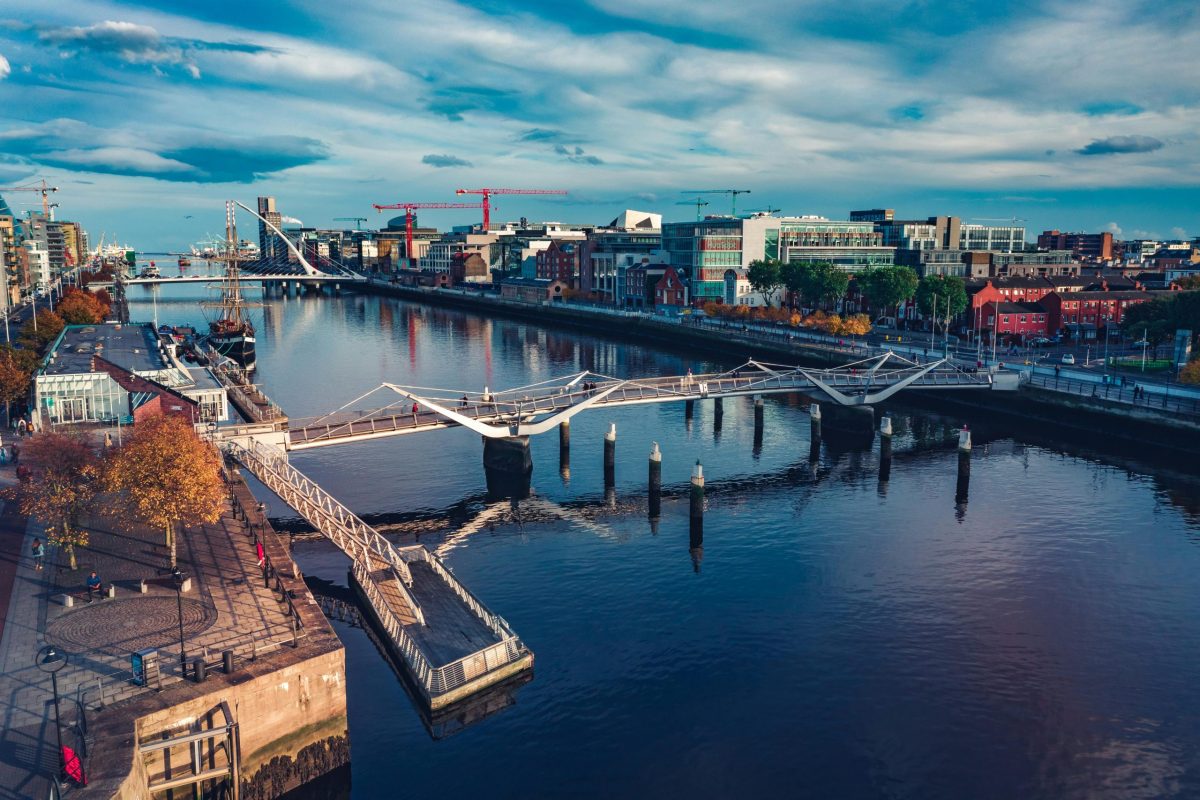
Gaelic Games: The Heartbeat of Irish Identity

Gaelic Games: The Heartbeat of Irish Identity

Published

From Tailteann to Tormund: How Gaelic Games Became the Heartbeat of Irish Identity

Estimated reading time: 7 minutes

Key Takeaways

  • Gaelic games represent more than sport; they are integral to Irish identity.
  • Tradition and community play vital roles in the experience of Gaelic games.
  • The global reach of the GAA connects the Irish diaspora to their roots.
  • The GAA continues to evolve and thrive amidst modern challenges.

Table of Contents

Introduction
The Heart of the Story
The Wider Echo
The Now & The Next
Did You Know?
FAQs
Final Word

Introduction

Ah, gather ’round, me friends, and let me spin you a yarn. A tale of grassy fields echoing with cheer and heartbreak, of heroes and legends born not just on the pitch, but in the very soul of our beautiful island. From the echoes of ancient Tailteann where champions were crowned, to the vibrant cheers in the modern-day arenas that feel like sacred ground, Gaelic games have become more than just sport; they are the pulse of our Irish identity, the heartbeat in our chests, whether in a smoky Dublin pub or a bustling bar in New York City. This is a tale worth knowing — a tapestry woven with our past, present, and the diaspora that carries it across oceans.

The Heart of the Story

Picture this: Donegal, a rainy Sunday afternoon, the sky a tapestry of grey clouds and determined spirits. A group of children, clad in their county’s green and gold, dart about on a muddy pitch, laughter ringing like music. It’s more than a game here — it’s tradition, it’s family. Football in Donegal isn’t a pastime; it’s a rite of passage. When a young lad dons his first jersey, he carries the weight of history upon his shoulders — legends of old, tales of the greats who once played the same very fields, their names whispered in reverence. And so, the cycle continues; with each kick, each cheer, we gather our stories, stitch our hearts together, and reignite our pride as we remember where we came from — all to the rhythm of a leather ball bouncing off wet earth.

The Wider Echo

But it’s not confined to the green fields. Oh no, it’s a force that stretches across seas, reaching Irish hearts from Boston to Brisbane. It wraps around you at a gathering where the scent of soda bread dances with the laughter of distant cousins. It’s the memory of the last Dublin championship match you watched on your phone, surrounded by your fellow Irish in a bar underneath the neon lights of Times Square, all bellowing the same anthem as the players pour their souls into victory. Statistics say nearly 70 million people worldwide claim Irish ancestry — and many of them cling to the GAA as if it were a lifeline back to their roots. In a world that often feels divided, Gaelic games remind us we belong to something larger. They are a lifeboat of identity amidst the turbulent waters of the modern age.

The Now & The Next

Today, as we grapple with our housing crisis and tainted politics, we find solace in the fields of our GAA clubs. It’s where a Traveller kid from Kerry shares laughs and dreams with a city slicker from Cork. They may not think they have much in common, but over a shared game, they find bond — a bridge across the divides that too often separate us. Picture it: a Kerry jersey spotted on the back of a young immigrant in a London café, their heart swelling with pride as they cheer on their county from afar — longing for the taste of home, the echo of the GAA, and the warmth of community. The game morphs, just like our people, adapting and thriving, reminding us that no matter where we land, the roots of the GAA run deep.

Did You Know?

  • The GAA was founded in 1884, born from a desire to preserve native Irish culture amidst a sea of British influence.
  • Over 8,000 games are played every year in Ireland, uniting communities in rivalry, camaraderie, and pure passion.

FAQs

Why is GAA so important to Irish culture?
The GAA embodies the spirit of community and identity for Irish people, both at home and abroad. It’s where heritage, pride, and history intertwine, making dear memories that last a lifetime. Many even sport their colors afar, whether it’s a Kerry jersey or a Dublin cap, a tribute to their roots.

How can I connect with my Irish roots from abroad?
Engage in local GAA clubs, attend events, sing the songs of our land, and wear your county’s colors proudly. That’s how you keep your heritage alive, lighting the spark of identity no matter the distance.

Final Word

So let us hoist our flags high, be they GAA jerseys or simple rags dyed in vibrant color, and remember that every moment spent on the field, in a pub, or across the waves is a heartbeat in the symphony of our Irish identity. If you carry the same pride we do, you’ll find a piece of home waiting at
HubIrish.com.

The Night the Titanic Sank: A Warning from Cavan

The Night the Titanic Sank: A Warning from Cavan

Published

“The Night the Titanic Sank: How One Irish Villager’s Warning Went Unheeded” — A Tale of Fate and Folly from County Cavan

Estimated reading time: 6 minutes

Key Takeaways

  • Seamus O’Reilly’s warnings symbolize the consequences of ignoring intuition.
  • The tragedy of the Titanic resonates with the stories of countless families.
  • Today’s challenges remind us to heed the warnings of the past.

Table of Contents

Introduction
The Heart of the Story
The Wider Echo
The Now & The Next
Did You Know?
FAQs
Final Word

Introduction

Gather ‘round, my friends, and let me spin you a tale — one as sprawling and tragic as the Atlantic itself. The night the Titanic met its fate was marred by a Cavan villager’s warning that went unheard, echoing across the ages like the mournful notes of a fiddle played at a wake. In this story, we weave through the colours of history, tragedy, and the stubborn pride of an Irish people, too often drowned by the waves of fate.

The Heart of the Story

In a quiet Cavan village, a man named Seamus O’Reilly stood with hands weathered by toil. On that fateful night in April 1912, he had just returned from the marketplace, the scent of fresh bread still clinging to him, when word of the great ship’s voyage reached his ears. He could see the thrill in the eyes of the villagers, the tastes of freedom and adventure tantalizing their tongues. The young men and women dreamed of America — a land of milk and honey, or so they thought. But deep down, Seamus felt a chill, a gut instinct that something terrible was lurking beneath the waves. He warned his neighbours, gestured wildly, but they laughed it off, dismissing his warnings as the seasonal superstitions of a man too attached to the earth.

The Wider Echo

As the Titanic glided through the water, proud and ignorant as its passengers, the fate of Seamus’s villagers lay like a prerequisite sketch for a tragic play. Think of all the dreams tied to that voyage! It was said that of the 2,224 souls aboard, over 1,500 of them perished, leaving behind families shattered and futures dimmed. In our history, we often recall the catastrophe in cold numbers, but each statistic is a name, a heartbeat, a lost laugh. It reverberates across families, across generations. Irish emigrants scattered across the globe, whispering tales of ancestral sorrow in American bars, in the clubs of Sydney, in the cafés of London. On distant shores, their hearts still beat in unison with the ghostly notes of Seamus O’Reilly’s desperate warnings.

The Now & The Next

Today, we still find ourselves sending warnings into the void, don’t we? Climate change, a housing crisis, and the silent cries of the forgotten fill the air. Look at the kids in Kerry and Limerick, swinging a hurling stick with dreams laced in prosperity; they could be flying high across oceans or chasing goals right here at home. We dance with history, but let’s not get swept into the sea of indifference. The legacy of Seamus O’Reilly lives on — a reminder that even the loudest warnings can be buried under laughter and a pint. Let’s heed the echoes of our past, nurture our roots, and remember those who dared to speak out, for they may well save us in the storms yet to come.

Did You Know?

  • Over 30 Irish passengers lost their lives in the Titanic disaster, many of whom were seeking a better life across the ocean.
  • The wreck of the Titanic was discovered in 1985, yet it remains a symbol of folly and tragedy, mirroring our own struggles and triumphs.

FAQs

What happened to Seamus O’Reilly?
Unfortunately, there’s no historical record of what became of him after that night, but legends say he never stopped warning others. Maybe there’s an echo of him in every villager who stands up for what’s right — or what they sense is right.

Why is the Titanic’s story still relevant today?
The Titanic’s fate is a stark reminder of the consequences of ignoring warnings and the voices of those less heard. It’s crucial we listen to each other, especially when lives hang in the balance, whether it’s about climate, community, or care.

Final Word

As you raise a glass tonight, remember Seamus O’Reilly and all those who dared to speak when others would not listen. Feel the pulse of history beneath our feet and let it guide us. If you carry the same pride we do, you’ll find a piece of home waiting at HubIrish.com. May we never forget to listen to the warnings of our own hearts.
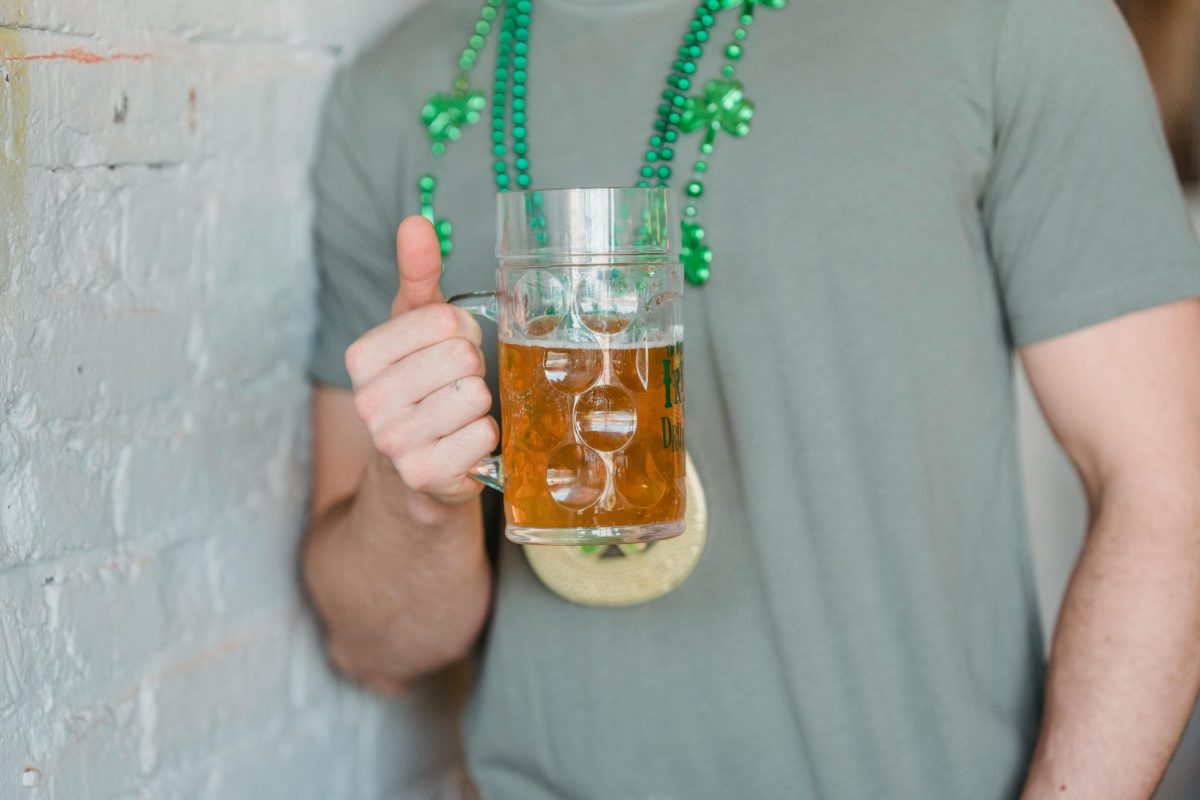
The Resilience of the Irish Spirit after the Celtic Tiger

The Resilience of the Irish Spirit after the Celtic Tiger

Published

From Rebellion to Recovery: How the Irish Spirit Rose from the Ashes of the Celtic Tiger

Estimated reading time: 6 minutes

Key Takeaways

  • The Irish spirit is defined by resilience and community.
  • The Celtic Tiger era was a time of both prosperity and downfall.
  • Financial crisis led to a renewed sense of solidarity among the Irish.

Table of Contents

Introduction
The Heart of the Story
The Wider Echo
The Now & The Next
Did You Know?
FAQs
Final Word

Introduction

There’s a line in an old rebel song that goes, “I’m a rebel, I’m a fighter.” Well, doesn’t that sum up the spirit of the Irish? It’s a spirit forged in struggle, stitched together with shamrocks and tears. From the gaudy highs of the Celtic Tiger—when we thought we’d conquered the world—to the mighty crash that left us reeling, our story is one of resilience, rebellion, and recovery. Sit back, my friends, and let’s spin a yarn about how we clawed our way back from the brink, spitting fire and spirit all the way.

The Heart of the Story

Oh, the Celtic Tiger! How we danced to its ferocious rhythm in the 90s and into the naughties. Investment flowed like Guinness at a wedding, and for a brief moment, we were kings and queens, sipping on prosperity. In Dublin, skyscrapers shot up like promises, each one a toast to the future, or so we thought. Yet, as quickly as our fortune changed, so too did our reality. The banks collapsed, the housing market took a joyful nosedive, and suddenly the gleeful laughter turned to hushed whispers of despair. But through it all, we remembered the old songs of our mothers—“Tear down the sky, rise up anew!” And rise we did, spurred by community and solidarity.

The Wider Echo

For Ireland, the crash was more than just a financial catastrophe; it unearthed ghosts we thought were buried. Our diaspora, scattered from Boston to Birmingham, felt the tremors. Many felt the sting of exile again—last pint raised, last waves waved—and for those at home, the struggle for a decent wage, a roof over the head, that familiar fight continued. A recent study pointed out that over 1 in 5 young adults in Ireland are living at home due to the skyrocketing cost of living. Yet here we stand, on the shoulders of giants, where the fight doesn’t fade and hope lingers longer than a pint in a quiet pub.

The Now & The Next

Fast-forward from the rubble of the Celtic crisis to today. We’ve emerged into a new landscape—still battered but not broken. Whether it’s the hands that raised a glass at a GAA match in Kerry, or the community groups rebuilding lives across the country, hope has taken root. Look around you—you’ll find an Ireland where resilience is a lifestyle. There are pubs filled with laughter, families gathering for Sunday dinner, and with every game we play, every song that echoes through the hills, we come together. We sing of our ancestors’ bravery not as a distant echo, but as a living anthem in our hearts.

Did You Know?

  • In 2013, Ireland became the first country to legalize same-sex marriage through popular vote, showcasing the resilient spirit of change in society.
  • Ireland’s GDP grew exponentially post-bailout, proving that where there’s a hill, there’s a way—a true mark of our tenacity.

FAQs

What is the Celtic Tiger?
The Celtic Tiger refers to the period of rapid economic growth in Ireland from the mid-1990s until the global recession of 2008. It was marked by a surge in job creation and wealth, particularly for those in urban Ireland.
You can read more about the impact this period had on the Irish community here.

How did the financial crisis affect the Irish people?
The financial crisis left a lasting impact on many Irish families, with rising unemployment and housing crises. However, it also galvanized community efforts and inspired a drive towards political reform, resulting in a strong sense of solidarity across the nation.

Final Word

And so, dear friends, we toast not just to the triumph of Irish ingenuity but to the heart that beats in every village and city across this grand green isle. The story of our recovery is still being written; every day is a new chapter filled with challenges and victories. If you carry the same pride we do, you’ll find a piece of home waiting at
HubIrish.com.

Irish Resilience: From Famine to Foam

Irish Resilience: From Famine to Foam

Published

From Spoiled Potatoes to Stellar Pints: How an Irish Legacy of Resilience is Brewing Across the Globe

Estimated reading time: 6 minutes

Key Takeaways

  • The Irish narrative of resilience shapes both culture and community.
  • Pubs serve as cultural and social hubs for the Irish diaspora.
  • The influence of Irish ancestry spans across the globe.

Table of Contents

Introduction
The Heart of the Story
The Wider Echo
The Now & The Next
Did You Know?
FAQs
Final Word

Introduction

Ah, the weight of history hangs heavy on the shoulders of the Irish! From the arid fields in Mayo where the potatoes withered and dreams wilted, to the bustling bars of New York where laughter rises like the froth on a freshly poured pint. This tale isn’t merely about sustenance; no, it’s a testament to the indomitable spirit that binds past and present, loss and triumph, tradition and innovation. It’s a ripple in time that shouts: We are still here, and our story is rich as the stout we brew!

The Heart of the Story

Let’s step into the heart of this storied land, a little corner of Mayo that pulses with pride and pain. Picture the famines, the sweat of generations shaping the earth we tread. Our ancestors, wrestling with the soil, were poets and warriors alike — turning the very dirt of hunger into a feast of resilience. The cafes of Castlebar and the pubs of Westport remember it all, whispering tales over pints. But as our potatoes turned to dust, our dreams took flight across oceans. What emerged from those ashes? An unyielding legacy, where stout and ale flourish in foreign lands, carrying the essence of home and hope.

The Wider Echo

Now, let’s widen our gaze, shall we? There’s a thread of continuity that stitches together the past and the present. In pubs from Dublin to Toronto, a pint of Guinness isn’t just a drink; it’s a ritual, connecting hearts and homes. After all, the Irish are no strangers to hardship. A friend once said, “We are a nation that thrives on the bitter,” and how right he was! From the ghost estates left behind to the vibrant GAA clubs popping up in cities far beyond our shores, the spirit of resilience fuels our diaspora, driving a cultural renaissance fueled by pride. Statistics show that Irish pubs welcome over 5 million tourists annually — a beautiful reminder that our spirit keeps wandering hearts anchored.

The Now & The Next

But what does this all mean today, in the wake of the current housing crisis or as we deal with the changing tides of identity and community? Every pint poured carries with it a history, a collective memory of resilience, a bridge spanning despair with fierce community pride. See it in the faces in the stands at Gaelic games in New York — families waving their flags, generations entwined in the fervor of sport. Our identity swirls in competition and camaraderie. And as we hold onto our jerseys tight, let’s remember where we came from and keep the spirit of resilience alive as we drink to the past, celebrate the present, and toast the future!

Did You Know?

  • About 70 million people around the world claim Irish ancestry, echoing our legacy far and wide.
  • Irish pubs serve over 300,000 pints of Guinness every day — can you taste that sweet unity?

FAQs

What does resilience look like in modern Ireland?
It’s in every chant at GAA matches, every immigrant’s story, every pint raised in cheerful camaraderie. Resilience is our lifeblood! For more gear, check out GAA jerseys that honor our journey.

How can we support Irish culture abroad?
Engage with your local Irish community, attend cultural festivals, and yes, pop into a pub! Each pint shared tells a story of unity. Remember, every drop counts!

Final Word

So, let’s lift a glass and toast to our ancestors — the farmers who fertilized our spirit and the warriors who defend our culture. Here’s to bridging the gap from spoiled potatoes to stellar pints, threading our past into the tapestry of tomorrow.
If you carry the same pride we do, you’ll find a piece of home waiting at
HubIrish.com.