
How the GAA Became the Heartbeat of Irish Identity

How the GAA Became the Heartbeat of Irish Identity

Published

We Were Never Just a Hobby—How the GAA Became the Heartbeat of Irish Identity

Estimated reading time: 6 minutes

Key Takeaways

  • The GAA is a vital part of Irish cultural identity.
  • It connects communities, both locally and internationally.
  • Modern GAA reflects inclusivity and global representation.

Table of Contents

Introduction
The Heart of the Story
The Wider Echo
The Now & The Next
Did You Know?
FAQs
Final Word

Introduction

Gather ’round, you curious souls, for there’s magic in our stories. In every shout from the sideline, every clash of hurley on leather, there’s a heartbeat — our heartbeat. The GAA is more than a pastime; it is a tapestry woven with the threads of laughter, strife, and pride. It’s the beating heart of who we are, whether we’re huddled in a damp field in Galway or standing in the sunlit squares of Manhattan. It’s the rhythm of our existence, a world of sweat-soaked jerseys, and the sweet taste of victory that lingers long past the whistle blows.

The Heart of the Story

Ah, the stories etched into our souls! I remember a day, clear and bright, a crowd of us gathered in the heat of summer, hearts pounding as we watched the lads from Cork battle it out against the men from Kerry. The air was thick with the scent of simmering stews, leaping flames of rivalry swirling in those stands. It was here, at that local pitch, that young boys dreamt their dreams and grannies dug out their rosary beads, whispering a prayer for the boy with the number 10. And isn’t that the truth? The GAA isn’t merely sport; it’s a rite of passage, a crucible where heroes are made and tales are spun. From Cork to Kerry, from championship glory to gut-wrenching defeats — it’s a story shared, a culture steeped in passion.

The Wider Echo

As we zoom out, we see the broader strokes of our identity painted against the canvas of Ireland’s landscape. The GAA is not just a game; it has become a focal point of our national pride and communal resilience. In the words of a wise old man I once knew, “Football and hurling paint the whole world green.” And he’s right. It’s a tether that binds us all, from the rolling hills of Antrim to the bustling streets of Dublin — a connection as deep-rooted as the stone walls built to fend off the invading hordes. As the pandemic swept through, people sought solace in watching the GAA online, a reminder of home, a glimpse into the heart of Ireland when so many were miles away.

The Now & The Next

Today, the GAA stands at a crossroads. It’s a microcosm of modern Irish life; young ones sporting jerseys with names etched on the back, heroes rising from the ashes of shame, leaving the old rivalries behind in favour of unity, inclusivity, and — dare I say it — the pride of representation for all. From the lads in New York wearing their Mayo jerseys, grieving for the home they can’t touch, to the TikTok videos of children showing their hurling skills in the streets of Chicago — the spirit of Ireland thrives! The GAA is no longer confined to the emerald isle; it resonates globally. These games are cultural lifelines, pulling at our roots, reminding us who we were and who we can be, together.

Did You Know?

  • The GAA was founded in 1884, making it one of the oldest sporting organisations in the world.
  • There are now over 2,200 GAA clubs globally, with a vibrant community of Irish emigrants keeping the spirit alive.

FAQs

Why is the GAA so important to Irish culture?
The GAA is a powerful symbol of Irish identity, connecting generations and communities. It embodies our folklore, heritage, and community spirit. It’s a tradition that’s been passed down through the generations, and proudly so. Just ask anyone from Limerick about the glory days, and you’ll get an earful!

How can I participate in GAA events abroad?
Many cities have GAA clubs that welcome all, so you’re never alone in a foreign land. Get out there, wear your colours, and join a team! You’ll feel the crack from the moment you step onto the pitch, just as if you were on home soil.

Final Word

So there you have it. The GAA isn’t merely a hobby to pass the time; it’s a heartbeat that reverberates through the lives and stories of every Irish soul, from the fields of Donegal to the backstreets of Derry and beyond.
If you carry the same pride we do, you’ll find a piece of home waiting at
HubIrish.com.
The Irish Heart: Love Across Oceans and Generations

The Irish Heart: Love Across Oceans and Generations

Published

From Emigration to Emoticons: How the Irish Heart Speaks in Every Language of Love

Estimated reading time: 7 minutes

Key Takeaways

  • The Irish experience of love transcends borders and time.
  • Modern expressions of love connect generations through technology.
  • The Irish diaspora is a rich tapestry of stories and belonging.

Table of Contents

Introduction
The Heart of the Story
The Wider Echo
The Now & The Next
Did You Know?
FAQs
Final Word

Introduction

Ah, gather round and lend an ear, for tonight we delve into the soul of what it means to be Irish—whether you’re nestled in the green fields of Donegal or amidst the skyscrapers of New York. Love, my friends, is the language we all speak, and for the Irish, it’s a tongue steeped in stories, ties that bind, and guffaws accompanied by a drop of whiskey. It whispers through the rolling hills, echoes in the pubs, and dances across the oceans, connecting us in ways we can only begin to grasp.

The Heart of the Story

Love, like our old Gaelic games, is passed down from generation to generation, a fiercely proud legacy. Think back to the ancestors who ventured forth across the choppy seas, clutching their dreams like their children—a farewell steeped in both courage and heartache. Picture them, bustling through the gritty streets of Boston or lonesome lanes in Melbourne, finding solace among familiar vignettes of home, trading stories over pints and heartaches over long-distance calls.

Perhaps it’s your da, who left Kerry with nothing but a suitcase and a song, reminding you in every long-distance chat about the simple things—the taste of tea on a stormy day, the touch of the land underfoot. His heart packed tighter than that suitcase. And yet, here we are, speaking in text messages and emojis—the modern-day iterations of his love letters. Who knew that a simple heart emoji could carry the weight of generations?

The Wider Echo

The Irish diaspora is not merely a scattering; it’s a tapestry woven from threads of love, loss, and a fierce sense of belonging. Each thread tells a story—like the rebel songs of old, they call us back. When Katie McCabe taps the football into the net, or when the Gaelic chant rises from the stands of Croker, it’s not just sport. It’s the heartbeat of a nation, reverberating through the streets of Dublin and the backroads of America. That same heartbeat fuels both the hope of our youth as they chase dreams abroad and the memories of those who circled back to remind us where we came from.

The Now & The Next

In today’s world, emotions fly faster than a ball on match day. From virtual embraces to emoticons, we’ve learned to express our vulnerabilities—something the old lads may never have dreamed of. Yet, the essence of love remains unchanged. As conversations bloom in chats and the laughter dances through video calls, let’s not lose sight of our roots. We owe it to our forebears who crossed the oceans so we could boast a life rich in connection, unity, and yes, a bit of chaos.

As we tread through the murky waters of the housing crisis or the ever-rising cost of living, let’s remember to wield our hearts as weapons—sharing love for family, friends, and yes, even strangers, just like those who came before us might’ve done pushing through the fields and lanes of Galway.

Did You Know?

  • Over 70 million people worldwide claim Irish ancestry, creating a vast network of hearts waiting to express their love, no matter the distance.
  • The Irish are renowned for their storytelling, with a long lineage of oral tradition punctuated by the rhythm of music and the warmth of shared tales.

FAQs

What does it mean to have ‘the gift of the gab’?
It means having an ability to speak fluently and engageively. It’s an Irish trait, treasured in our pubs, at family gatherings, and surely among every puckish child who charms their way into or out of trouble!

How do I connect with my Irish roots?
Start with family stories—reach out to older generations. Dive into history, visit the old haunts, or sport a GAA jersey to show off your pride!

Final Word

So here we stand, across continents and time zones, sharing heartbeats and heartbreaks, carrying the essence of home wherever we go. If you carry the same pride we do, you’ll find a piece of home waiting at
HubIrish.com. Join us, share your story, and let’s keep the spirit of the Irish alive — for love knows no borders.
How Ireland’s 1988 Rugby Victory Reshaped Our Identity

How Ireland’s 1988 Rugby Victory Reshaped Our Identity

Published

The Day the Shamrock Shook the World: How Ireland’s 1988 Rugby Victory Reshaped Our National Identity

Estimated reading time: 5 minutes

Key Takeaways

  • The 1988 victory revitalized Irish national pride.
  • Irish rugby transformed from perennial underdogs to formidable competitors.
  • The win had a global impact, connecting the diaspora through shared joy.

Table of Contents

Introduction
A Day Like No Other
The Wider Echo
The Now & The Next
Did You Know?
FAQs
Final Word

Introduction

Ah, gather ‘round, my friends! Let me take you back to a moment thick with possibility and pride — the day the shamrock shook the world. It was a day in 1988, a day when a bunch of lads in emerald green showed not just the rugby world but also ourselves what we were made of. It was a turning point, a surefire reminder that amidst the ruins of identity, something beautiful could emerge. And as the crowd roared in Lansdowne Road, even the very soil of Ireland seemed to vibrate with a shared heartbeat.

A Day Like No Other

Picture this: the wind in your hair, and you can almost taste the hope and tension hanging in the air that night in Dublin. The clash against the mighty All Blacks wasn’t just any game; it was a rite of passage. We’d been beaten and beaten again, but that evening in November, the stars aligned. Over in Clare, locals gathered in pubs, their hearts intertwined with the players trotting out onto the sacred grass. And what happened next? Glory, pure bloody glory! A 15-12 victory that didn’t just change a scoreboard; it altered our national psyche.

The Wider Echo

This wasn’t just a match. No, this was a symphony of pride that echoed from Skibbereen to Sydney, and from Killarney to Kansas City. Irish pubs around the globe erupted; even the stout seemed to flow with extra vigor that night. The diaspora, every soul longing for home, clinked their glasses in unison, a chorus of cheers ringing out that transcended oceans. We collectively redefined ourselves — a nation no longer merely known for a history of struggles but as a fierce competitor on the global stage. Every slice of that game rippled through our narrative, and suddenly, we were not just survivors; we were warriors.

The Now & The Next

Fast forward to today, and the echoes of 1988 still reverberate. We navigate modern challenges, be it the rising cost of living or the ongoing plight of housing. But hope reminds us: “We did it once, we can do it again!” Children in Kerry throw their jerseys on, dreaming of matches they have yet to play, filled with stories passed down from their grannies. As memories linger in the air, that victory gives us the fortitude to stride forward, shoulders back, heads held high, ready to meet the future, whatever the hell it holds.

Did You Know?

  • The Irish rugby team’s victory over the All Blacks in 1988 marked the first time in 28 matches that Ireland triumphed over New Zealand.
  • Over 750,000 Irish emigrants in the United States celebrated that win, proving how sport can forge deeper connections to the homeland.

FAQs

What impact did the 1988 victory have on Irish rugby?
That triumph laid the groundwork for a brighter future for Irish rugby, heralding an era of success and unity. The legacy still inspires young players, especially in counties like Ulster, fostering pride in our history.

How did the win affect Irish identity?
It reshaped how we saw ourselves. No longer just a country of poetic lament, we became a nation that could stand toe-to-toe with the best in the world. That achievement inspired not just athletes but entire generations, proving that we can conquer adversity, together.

Final Word

As the sun sets on another day, remember the fire ignited by that moment in ’88. Each time you pull on your jersey, picture those players running out from the tunnel. If you carry the same pride we do, you’ll find a piece of home waiting at
HubIrish.com.
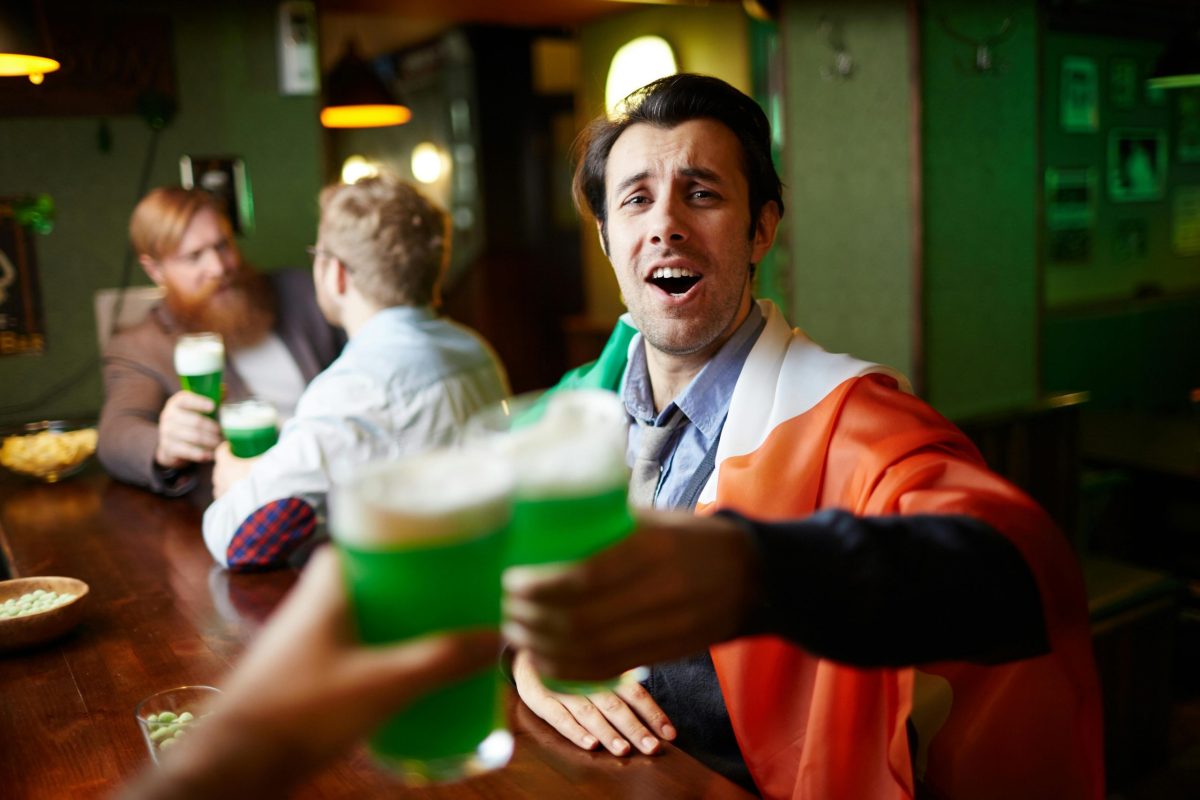
Keep the spirit alive, and may the shamrock continue to shake the world.

Irish Athletes Rising From Adversity

Irish Athletes Rising From Adversity

Published

From the Fields of Famine to the Halls of Fame: How Irish Athletes Overcame Adversity to Triumph on the World Stage

Estimated reading time: 6 minutes

Key Takeaways

  • Irish athletes have risen from the depths of adversity to showcase their talents globally.
  • The spirit of resilience is embedded in the culture, reflected in their sports achievements.
  • Contemporary issues mirror historical struggles, uniting the Irish identity through sport.

Table of Contents

Introduction
The Heart of the Story
The Wider Echo
The Now & The Next
Did You Know?
FAQs
Final Word

Introduction

Gather ’round, dear friends, and lend me your ears. We’re spinning a yarn, long and winding as a Connemara road, about grit — the kind that meets sweat and tears on the world’s grand stages. It’s a tale steeped in storms and sunshine, from fields bitter with famine to the hallowed halls of triumph. This is not just the story of our champions, but a reflection of a people — resilient, defiant, and forever searching for the light, even when the dark feels pervasive.

The Heart of the Story

Think of the haunting cries of the old times, where Irish feet trod fields once starved of life. They were fields of sorrow, yet they birthed athletes who’d come to embody the struggle and spirit of our nation. Take a gander at County Galway, where legends were sewn into the very fabric of the turf. That red-haired sprinter who rose from the ashes, racing not just against time but against the legacy of those who suffered before him. Every achievement, a nod to those who endured — the weight of famine pressing down, yet every shot, every sprint, resonating with the call of the ancestors.

The Wider Echo

Now, look beyond our shores. The Irish have nestled into every corner of the globe, bringing with them stories of resilience. We’re a nation who has waltzed through desperation and into delight. Figures like Katie Taylor, wearing victory as if it were second skin, forge paths not just for themselves but for entire communities. Every time she raises a glove, it’s a love letter to grit. “You can’t take the fight out of the Irish,” they say, and that’s truer than the weather forecast—often grim, but not without a flicker of hope and warmth. In those moments, reigniting the flame of pride, we remember our power, our fortitude.

The Now & The Next

And here we sit today, surrounded by stories of struggle that parallel our past. The housing crisis pushes families into corners and the battlegrounds of everyday life. Our children wearing their County jerseys with pride, running down the streets of New York, Dubai, or any pub in between, carrying a legacy riddled with both beauty and pain. These athletes—be they hurlers, footballers, or boxers—are crafting a new narrative of what it means to be Irish today. They remind us that the fight isn’t over; we continue to push forward, whether on a pitch or in life’s daily scuffles, with a fierce determination that sings from the marrow of our bones.

Did You Know?

  • In the early 1900s, Ireland had the highest number of amateur athletes per capita than any other nation.
  • Kerry has won the All-Ireland Senior Football Championship a record 37 times, making their GAA legacy one of triumph against the odds.

FAQs

Why is sport so important to Irish identity?
Sport is the lifeblood of our communities. It connects us, inspires pride, and reflects our resilience, particularly in the face of adversity.

How can I support Irish athletes?
Show up to matches, share their stories, and wear their jerseys with pride! Dive into the Celtic spirit through sporting events that keep our history bright. Check GAA jerseys for pieces of heritage.

Final Word

So here’s to the heroes born from hardship—those who remind us that even the darkest evenings do not last forever. Let’s raise a glass, whether filled with whiskey or cheer, to the fighters, the dreamers, and kin stretching across continents. If you carry the same pride we do, you’ll find a piece of home waiting at
HubIrish.com.
Ireland’s Enchanted Outlaws and Their Lasting Legacy

Ireland's Enchanted Outlaws and Their Lasting Legacy

Published

From Rebel Yells to Magical Spells: The Unforgettable Legacy of Ireland’s Enchanted Outlaws

Estimated reading time: 6 minutes

Key Takeaways

  • Irish rebellion is steeped in magical and historical narratives.
  • The global Irish diaspora keeps the spirit of rebellion alive.
  • Modern challenges echo the struggles of past generations.

Table of Contents

Introduction
The Heart of the Story
The Wider Echo
The Now & The Next
Did You Know?
FAQs
Final Word

Introduction

Gather ’round, lads and lasses, for let me spin you a yarn — one that’s soaked in whiskey, rebellion, and the soul of a land that sways with the echoes of ancient tales. There’s a magic here in the air, a wild spirit threading through the very fabric of our being. It hums in the background of our lives, a reminder that to be Irish is to dance on the edge of the mystical and the real, to caress the longing for freedom while clutching a pint in the other hand. This is no dainty story; it’s a roar from the heart of past rebellions, woven with enchantments that refuse to die even with time.

The Heart of the Story

Picture this: it’s the 1916 Easter Rising, the streets of Dublin alive with the raucous yells of defiance. As the rebels sought to pry their homeland from the cold grip of British rule, a pulse of magic thrummed through the cobblestones. The legends of the past surged with them—like the puca, mischief-maker of the hills, rallying the hearts of the men and women who believed not just in a country, but in the very notion of freedom. Here, in bustling places like Dublin, the spirit of the outlaws mingled with rebellious poetry, a charged union that breathed life and vigor into round-table discussions held after late-night sing-alongs.

The Wider Echo

Embracing the essence of rebellion, such moments echo across the global Irish diaspora. The pints might flow differently in Boston, Toronto, or Sydney, but the flame burns bright. You’d hear stories of granddads who marched for freedom, how they beamed with pride when they wore their county jerseys, only to feel the weight of the world while carving out lives far from the green fields of Kerry. The love for the land—imbued in rebel songs of the Wolfe Tones or the bold strumming of a guitar at a Céilí—transcends borders, uniting the scattered souls who long for home. Remember, every time a Kerry man walks onto the field, it’s not just a game; it’s a chant of their ancestors, a legacy that refuses to be silenced.

The Now & The Next

Fast forward to now, where the spirit of rebellion intertwines with the dilemmas we face. Housing crises grip our cities, yet in every cheer for our lads and lassies on a foreign pitch, there’s an undercurrent, a reminder that our past is hauntingly tethered to our present. A young traveler in Limerick, adorned in a new Mayo jersey, is mesmerized by tales of those who came before him, heroes and outlaws alike, living the dream that went beyond geography. The magic of those stories, reborn anew with each generation, beckons for change, and insists that the rebels’ legacy isn’t merely history—it’s a spell for the heart that ignites action today.

Did You Know?

  • The Irish diaspora is estimated to be around 70 million worldwide, more than ten times the population of Ireland itself. A testament to the indomitable spirit!
  • There are more than 2,500 pub songbooks, filled with rebel songs that echo tales of legacy, magic, and heart—each one a thread in the tapestry that binds us as Irish.

FAQs

What are some traditional Irish rebel songs?
Ah, ponder no longer! Songs like “The Foggy Dew” and “The Rising of the Moon” tell tales as old as time, keeping the fire of rebellion and heritage alive in hearts around the globe.

How can I connect with my roots, living abroad?
Seek out your local GAA club, or better yet, grab a pint in a pub where laughter echoes through the ages. The spirit of home isn’t far; it’s nestled in the stories shared over raised glasses and heartfelt songs.

Final Word

So, should you ever find yourself waist-deep in the trials of modern life, recall that rebellious spark borne of centuries of defiance, and call upon the magic of those who walked before us. In their story, we find our purpose. If you carry the same pride we do, you’ll find a piece of home waiting at
HubIrish.com.

From Fields of War to Fields of Dreams

From Fields of War to Fields of Dreams

Published

From Fields of War to Fields of Dreams: The Irishmen Who Fought for Freedom and Found Their Voices in Sport

Estimated reading time: 6 minutes

Key Takeaways

  • Irish sport is deeply intertwined with the history of rebellion and identity.
  • The GAA stands as a testament to community, resilience, and cultural pride.
  • Sports figures serve as symbols of both struggle and celebration for the Irish people.

Table of Contents

Introduction
The Heart of the Story
The Wider Echo
The Now & The Next
Did You Know?
FAQs
Final Word

Introduction

Listen close, my friends, for the tales I tell are steeped in sweat and blood, pride and heartbreak. In the villages where the wind howls like a banshee, stories echo — of men who delved into the fire of rebellion, wrestled with the ghosts of history, and leapt onto the pitch to sing a different song, a song of freedom wrapped in sport. These are not just players; they are poets of the field, warriors reborn, whose battle flags now unfurl in the heart of the GAA and in every corner of the globe where our people gather.

The Heart of the Story

Imagine it, if you dare: the suffragettes raising their voices in the smoky pubs of Galway, the crack of a hurley on a summer’s day—a sound that bears the weight of a nation’s sorrow and pride. From the blood-soaked fields of the 1916 Rising, gallant souls would weave their experiences into the game we adore, their struggles turned into stories. Do you remember how the hallowed grounds of Croker became hallowed for a different reason — not just for the sport, but as a place of remembrance? Men like Michael McCarthy, who donned jerseys as fiercely as they bore the torch of revolution, showed us that the heart doesn’t forget. The ball in play dances like a rebel’s spirit, a rich tapestry of heritage and sweat reaffirming our Irishness.

The Wider Echo

The smell of grass mingling with the scent of rebellion; it’s how we’ve built our identity. From the GAA to politics, that same spirit of fighting for freedom inhaled through the lungs of men on the field echoes in our history. Tributes of victory in Dublin were not merely titles won — they were celebration of a fight for our place in the world. For every point scored, a memory of a life lost, a story to tell. The migration of those who sought better shores cannot erase the deep-rooted connection we feel to our heritage. Bobby Sands may have fought with his pen and heart while the likes of Roy Keane and Katie McCabe take to the pitch, but at the core, they are all pushing against chains, against a weight that threatens to silence our voices.

The Now & The Next

And so we find ourselves in this moment, where a Gaelic club in Boston buzzes with the same passion as a team from Kilkenny, where a young lad in Kerry dons his jersey with pride, not just for the game, but as a lineage, a legacy. The fight for housing, for dignity, echoes in the cheers of the euros that are sent home to keep a family afloat. This sport is more than a game; it provides a bridge across time and distance, an anchor for those of us casting our nets wide. In the deafening roars for scores long past, we find comfort and a call to action, urging us to continue that struggle, to lift those who can’t, just as we were once lifted by those brave souls before us.

Did You Know?

  • The GAA was founded in 1884, a response to the English trying to suppress Irish culture through sports.
  • Current statistics show over 500,000 members in Gaelic football clubs across Ireland, a testament to our never-ending spirit!

FAQs

How is sport linked to Irish identity?
Sport has always been a path for expressing our collective memory and resilience, deeply rooted in our history of struggle and triumph. It fosters community, introduces young and old alike to a shared culture, and is a pulsing heartbeat of Irish pride.

Why should I get involved with GAA?
GAA is a community. It’s where stories are shared, where friendships are formed, and where your heritage comes to life like a summer’s day match. You don’t just watch; you belong.

Final Word

So let’s raise a glass, not just to the winners on the field but to those who arrived before us, paving the way with sweat and spirit, fighting battles across time with every kick, every catch, every cheer. If you carry the same pride we do, you’ll find a piece of home waiting at
HubIrish.com.
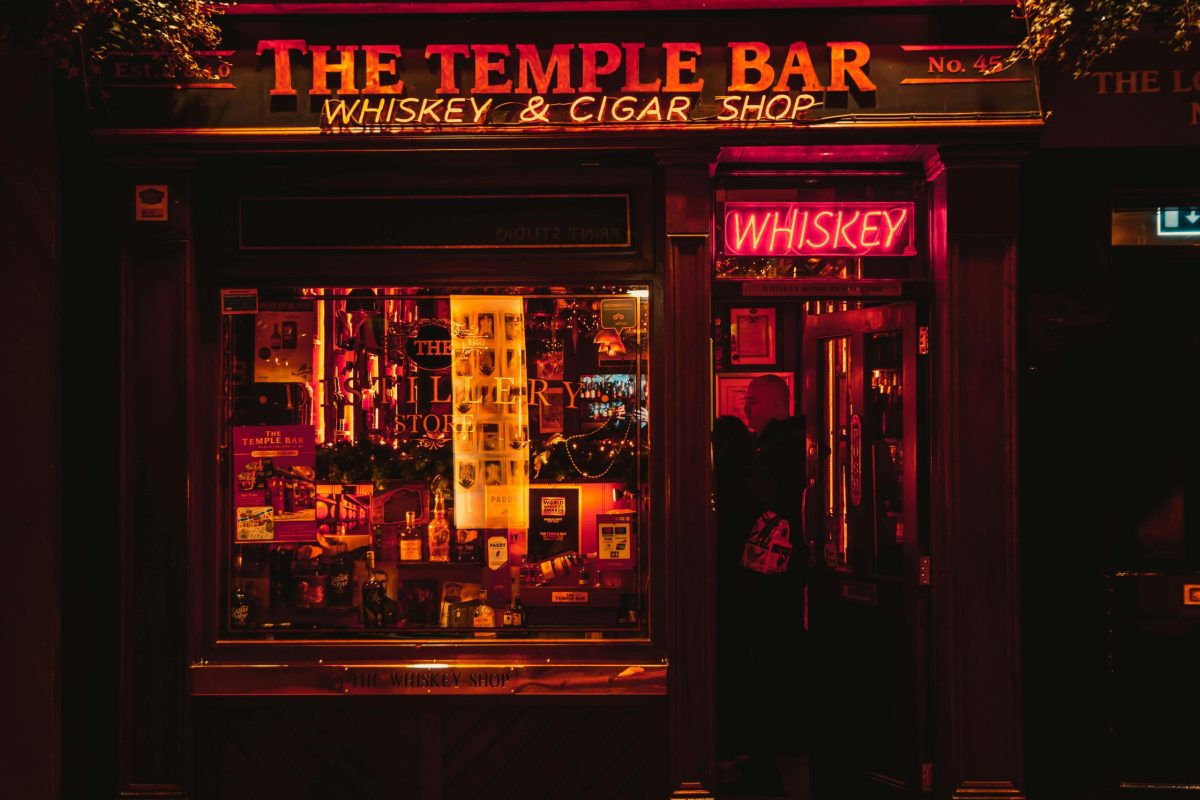
The Irish Pint: A Toast to Rebellion and Unity

The Irish Pint: A Toast to Rebellion and Unity

Published

From Pubs to Protest: How an Irish Pint Became a Symbol of Rebellion

Estimated reading time: 6 minutes

Key Takeaways

  • An Irish pint has evolved into a symbol of camaraderie and resistance.
  • Pubs in Ireland serve as essential spaces for community activism and social movements.
  • The cultural significance of pints continues to resonate through modern protests and gatherings.

Table of Contents

Introduction
The Heart of the Story
The Wider Echo
The Now & The Next
Did You Know?
FAQs
Final Word

Introduction

Gather ’round, now. You hear the clinking of glasses, the ebb and flow of laughter, maybe a few shadows of sorrow peeking through the half-light. There’s something magical about an Irish pub — it’s where stories collide, ideas ignite, and rebellion takes root. A pint isn’t just a drink; it’s a gesture of camaraderie, a badge of defiance. From the bustling lanes of Dublin to the quiet corners of a pub in Galway, a pint of stout can rouse the spirits and spark fires of change, whispers turning into roars of protest. So, let’s raise a glass and dive into how our beloved pint transcended its glass, becoming a symbol of rebellion across generations.

The Heart of the Story

Picture this: the year is 1916, and the city of Dublin is on the brink of revolution. The air is thick with tension, the scent of gunpowder and determination mingling together. In O’Connell Street, the GPO stands tall, but let’s take a step back into a backroom pub where men and women huddle close, whispers flowing as steady as the porter. They share tales of the past, dreams for the future — each pint shared a pact against oppression. The pain poured out, the laughter that followed a necessary salve. Here, the pint became a functional ally in the fight for Ireland’s freedom, just as relevant as the rifles they carried. Stories of sacrifice intertwined, and it was in these sacred spaces that hope dared to take root, fueled by a pint shared. When the revolution burned brighter in some hearts than the drink did, those shared moments fueled the courage that lit a spark in a nation. And in places like Cork, the pints poured freely in support of those braving the fight.

The Wider Echo

Fast forward to the present day, and that spirit remains — a pint still calls to the weary worker in a smoky bar after a long week, a nod to family and a wink to betrayal. It resonates through marches in every corner, from housing protests that echo in the streets of Cork to GAA matches in far-flung lands where Irish expats watch their county colors fly with pride. It’s in the shouts of a crowd at a Dublin match, where the love for the game dances like the foam on top of a pint. Just last year, the Dublin GAA team played their way to glory, fans roaring from pub stools to stadium stands, raising their glasses as much to victory as to the camaraderie that fueled the fights past. A pint is not just a drink, it’s an emblem of unity and a toast to resilience — a way of saying, “We’re here, and we’re not backing down.”

The Now & The Next

And what does it mean today? Well, strap in. Today, we face housing crises, the cost of living squeezing us tighter than a Dublin wall pub’s door at closing time. Yet, in the chill of a pint, we find solace. It’s where we gather to strategize, to dream about a home we can afford, a fair system that doesn’t make us bleed for a roof over our heads. With each pint raised, the cheers turn to calls for action. The youth in the diaspora wearing their green jerseys sweat through their celebrations in New York and London, becoming the new voices of rebellion far removed from home, yet intrinsically linked by blood, pride, and the stout in their hands. They remember the songs, the words of their ancestors rolling through their laughter. Each pint poured is a reminder of who we are, the battles we’ve fought, and the zeal we hold for our homeland.

Did You Know?

  • The tradition of raising a pint in Ireland dates back to the early 17th century!
  • Pubs across Ireland play a crucial role in local community activism, often serving as meeting grounds for social and political movements.

FAQs

What’s the significance of a pint in Irish culture?
A pint transcends mere drinking; it symbolizes community, resistance, and a shared history — uniting voices and souls.

Are there any famous Irish songs about pints and drinking?
Oh, absolutely! Songs like “The Wild Rover” and “Drunken Lullabies” capture the spirit of Irish pubs and the stories that flow with each pint.

Final Word

So, next time you find yourself cradling a pint in one of the countless pubs from Limerick to Los Angeles, remember: you’re not just raising a glass. You’re lifting the weight of history, the dreams of those who came before, and the fights that still echo today. So let’s toast to the future — and as we always say, “Sláinte!” If you carry the same pride we do, you’ll find a piece of home waiting at
HubIrish.com.
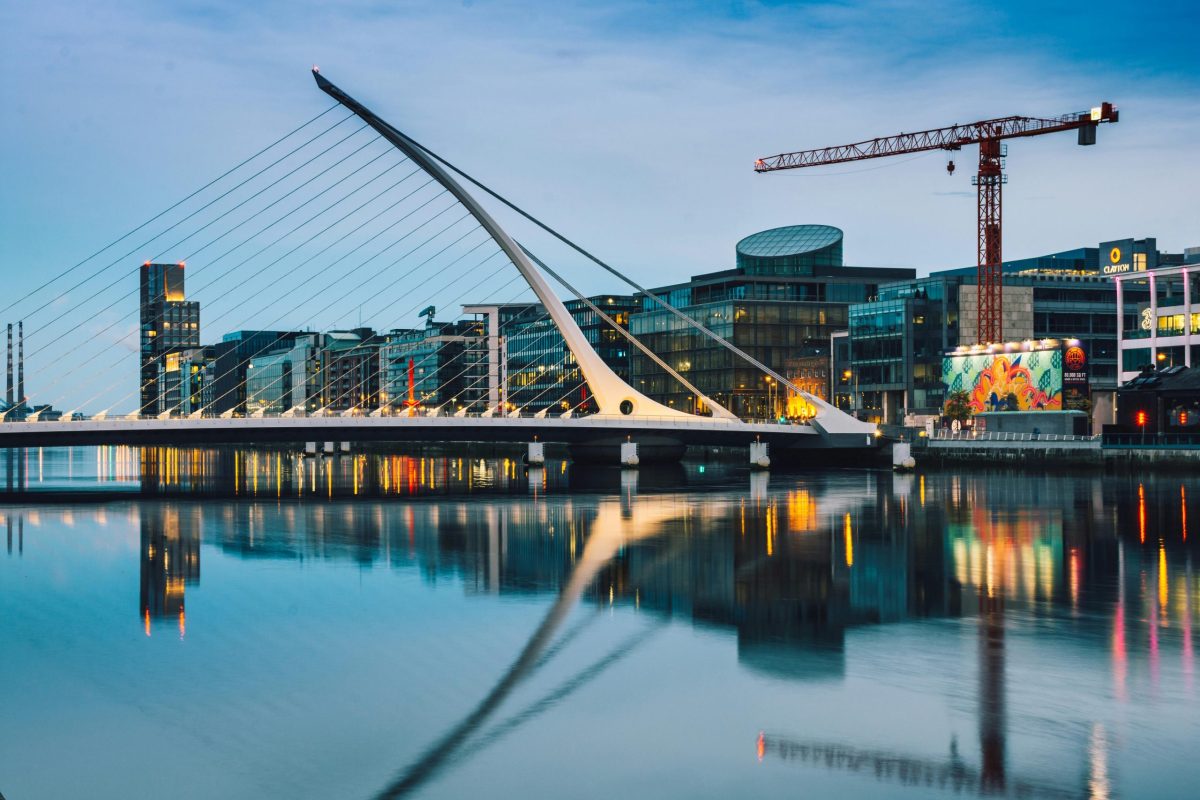
Rediscovering the Spirit of the 1798 Rebellion

Rediscovering the Spirit of the 1798 Rebellion

Published

Beneath the Shamrock: How a Forgotten Rebellion Reshaped Irish Identity

Estimated reading time: 6 minutes

Key Takeaways

  • The United Irishmen’s rebellion in 1798 laid the foundation for future Irish struggles.
  • Historical events like the 1798 Rebellion are crucial for understanding modern Irish identity.
  • The spirit of the United Irishmen continues to inspire movements for justice today.

Table of Contents

Introduction
The Heart of the Story
The Wider Echo
The Now & The Next
Did You Know?
FAQs
Final Word

Introduction

Ah, Ireland — where the green hills echo with tales of sorrow and glory; where every leaf of the shamrock carries whispers of rebellion. It’s a country forged in the fires of conflict and the sweat of hard work. We’re a stubborn lot, clinking pints in smoky pubs while recounting stories of our ancestors who stood against oppression. But it’s often the forgotten tales that shape our identity most profoundly, weaving a rich tapestry that binds our past to our present. So sit a while, and let me tell you of a rebellion that didn’t make the headlines but left scars and memories deep within our collective soul.

The Heart of the Story

Let us wander back to the year 1798, where in the fields of Wexford, brave souls known as the United Irishmen rose against British rule. A rebellion sparked by dreams of liberty and equality, their fight was not just against an army but against a society rigid with class and oppression. They marched not for conquest, but for the promise of a united Ireland, one that would include all — no matter their birthright. The spirit of their cause danced through the hearts of common folk like the fiddle tune at a ceili, a haunting lament of what could be.

The Wider Echo

Now, I can hear you saying, “Oh, but we’ve heard the story of the 1916 Rising, the War of Independence.” Of course! But let’s not overlook what came before. The echoes of ’98 reverberate through time, a crucial precursor to all that followed. It stirred the hearts of rebels like Wolfe Tone and Robert Emmet, planting seeds in Irish soil that would bloom into future struggles. The death knell of that rebellion? It rippled through generations—combining courage with the bittersweet taste of failure, a necessary agony that shaped our national consciousness. History often forgets these details, but we — we remember. It’s in our songs, in our folklore, and in the very air we breathe.

The Now & The Next

Today, as we face a different sort of oppression—housing crises, emigration patterns that scatter families, and a government that feels far removed from the people—it’s easy to get lost in the din. But remember the spirit of those United Irishmen. In every protest, in every march we partake in, we channel their resilience. Whether wearing a jersey with pride at a Dublin GAA match or singing rebel ballads in a New York bar surrounded by fellow exiles, we honour our past with every breath. So raise a glass to the rebels of ‘98: they fought not just for their time but for ours, igniting a flame of protest against the darkness. We carry that flame forward, each of us a guardian of a legacy that refuses to fade.

Did You Know?

  • The United Irishmen were inspired by the American and French revolutions, seeking to establish a democratic government in Ireland.
  • 1798 saw the enactment of martial law by the British, with an estimated 30,000 people dying in the uprising, a tragedy that set a precedent for future rebellions.

FAQs

Why is the 1798 Rebellion considered a precursor to the 1916 Rising?
The 1798 Rebellion laid the groundwork for a national consciousness and identified the aspiration for a democratic and united Ireland, which was echoed during the 1916 Rising.

How does the spirit of the United Irishmen live on today?
In every protest, community gathering, and even sports event, their spirit resonates—reminding us to stand firm against injustice and champion equality, much like those members of the GAA who wear their county colours with pride, embodying local and national identity.

Final Word

So next time you find yourself amongst friends, whether in a Dublin pub or a Cork corner shop, remember the hidden rebellions that weave through the fabric of our Irish identity. Let stories of courage fuel your pride and bind you with rich history, seamlessly stitching the past to the present. If you carry the same pride we do, you’ll find a piece of home waiting at
HubIrish.com.

When Ireland’s Heart Beat for a Revolution

When Ireland’s Heart Beat for a Revolution

Published

When Ireland’s Heart Beat for a Revolution: The Day the Rising Went Global

Estimated reading time: 6 minutes

Key Takeaways

  • The Easter Rising marked a pivotal moment in Irish history.
  • It inspired movements for freedom across the globe.
  • The values from the Rising continue to resonate in modern Ireland.

Table of Contents

Introduction
The Heart of the Story
The Wider Echo
The Now & The Next
Did You Know?
FAQs
Final Word

Introduction

Ah, the echoes of a time when the world held its breath, when the stubborn heart of Ireland pumped life into a revolutionary tide. The Easter Rising, a culmination of dreams, despair, and defiance, didn’t just change the shape of our little island; it sent ripples across oceans, breathing fire into the souls of the oppressed worldwide. Gather ‘round, my friends, as we spin the yarn of how, on one fateful spring day in 1916, Ireland seized her fate and set the world ablaze with the promise of freedom.

The Heart of the Story

On the streets of Dublin, from O’Connell Street to the cobbled lanes of Temple Bar, the world stood still. Seven brave souls gathered, hearts pounding, dreams pushing against the iron bars of imperialism. From adverse conditions, figures like Patrick Pearse and James Connolly emerged, fighting not just for Ireland but for the spirit of mankind itself. Imagine the energy of that moment swirling through the air like the notes of a traditional Gaelic ballad, each word binding the hearts of men and women ready to make a stand. Imagine the proud faces of folk from Armagh gathering together, knowing this was no ordinary day — this was destiny demanding to be written. Though the Rising was met with brutal repression, it forged a new identity that pulled generations into its embrace.

The Wider Echo

As whispers of rebellion danced through the corners of Ireland, they traveled far beyond our shores. In cities from New York to Sydney, brothers and sisters of the revolution heard the call. Folks waved flags like a gusty wind pulling on our hearts, igniting patriotism among the Irish diaspora. It was a moment where we collectively understood: we are not alone. The Rising illuminated the dark corners of colonialism, and with every backlash came an uprising elsewhere, a message that reverberated across streets and stages. A statement of solidarity, like that of the Black Lives Matter movement decades later, was birthed in the fire that lit up 1916. “No man’s freedom is secure until all men are free.” These words rang through cultural gatherings, breeding spirit among the mighty and meek alike.

The Now & The Next

In our modern times, we find ourselves still clutching the threads of that rebellion, woven into our very essence, shaping our battles today — from housing crises to the cries for justice from our communities. As young folks don their county jerseys with pride or march through the streets with dreams of a better tomorrow, we sense the pulse of that revolutionary spirit pumping through them. The values born from 1916 still guide our engagements, be it in the feisty GAA matches in Tyrone fields or the political rally outside Leinster House. The vibrance of that passion reminds us that every day is an opportunity to fight for those who still feel oppressed, no matter if they’re in Longford or Lebanon. Remember, Ireland’s heart beats still, urging us forward.

Did You Know?

  • The 1916 Rising lasted just six days but ignited a revolutionary spirit that would transform Ireland’s future.
  • The Proclamation of the Irish Republic was read by Pearse outside the GPO, declaring the rights to the nation — a bold move that resonated deeply worldwide.

FAQs

What was the main goal of the 1916 Rising?
The Rising aimed to establish an independent Irish Republic and end British rule in Ireland. Its legacy ushered in a wave of renewed national pride and political activism.

How did the Rising influence Irish Americans?
Many Irish Americans felt a kinship with the rebels and organized support, creating connections across the Atlantic that lasted for generations. Just as their GAA teams flew high, so too did their ideals.

Final Word

So, as we sit back with a pint and share stories that keep our history alive, let us remember that the heart of Ireland still beats, eternally in tandem with the resilience of those who came before. And if this tale stirs your spirit, if you’ve felt that fire within you, you’ll find a piece of our beautiful heritage waiting for you at
HubIrish.com.

A Unifying Anthem in Ireland’s Divided History

A Unifying Anthem in Ireland's Divided History

Published

When Protestants Sang ‘The Fields of Athenry’—A Unifying Anthem Amidst Division

Estimated reading time: 6 minutes

Key Takeaways

  • The song “The Fields of Athenry” serves as a unifying anthem amidst divisions in Ireland.
  • It connects distinct communities through shared history and cultural identity.
  • The lyrics remind us of resilience in the face of adversity.

Table of Contents

Introduction
The Heart of the Story
The Wider Echo
The Now & The Next
Did You Know?
FAQs
Final Word

Introduction

It’s a cold, rainy day in Belfast, the kind of day that sinks into your bones and makes every stone wall look like it’s crumbling under the burden of history. Yet, amidst the gloom, a song rises, threading its way through the hearts of Protestants and Catholics alike — “The Fields of Athenry.” Picture it: in a pub where the laughter is tinged with both joy and sorrow, a voice breaks the din, and soon others join in, arms raised, spirits lifted, memories mingling in the air like smoke. This isn’t just a song; it’s a lifeline to a shared past, an anthem that has somehow managed to bridge divides where politics and prejudice have failed. Let’s gather ‘round and reconnect with the significance of this haunting melody and the unyielding spirit behind it.

The Heart of the Story

The mournful strains of “The Fields of Athenry” call to mind the Great Famine, the tragic chapter in our history that tore families apart. Yet it’s in those great divides that we find unexpected duets sung by those wearing different colors. For the people of County Galway, where the echoes of famine still resonate, the song carries the weight of loss as much as it does a sense of identity. It vibrates across classes and divides, connecting the oppressed Irish spirit with a resilience seldom seen elsewhere. It’s in those smoky pubs and at the weekend games, where someone might start belting out the lyrics as if to remind everyone that they share something deeper than the differences that may separate them.

The Wider Echo

Look beyond the song and you’ll find its roots reaching far into Irish history and struggle. “The Fields of Athenry” speaks not only of the loss of a family but of the collective memories of injustice and shame that bind us together like thread through a tapestry. Some might say it’s the bittersweet reminder of hardship that keeps our hearts close. In Hibernian bars from Boston to Ballymena, you’ll hear it sung not as a lament, but as a proclamation of unity, a testament to the indomitable Irish spirit that thrives despite everything clawing at it from outside.

The Now & The Next

In the present day, as we face crises on many fronts — housing woes, displacement, cultural identity — the song carries a relevance that resonates louder than ever. This isn’t just about past glories; it’s about an ongoing fight, one that resonates in every hurley match in Limerick, every GAA chant, every shared pint in a city far from home. The lyrics remind us that while we may be separated by belief or allegiance, we’re linked in heart and history, fierce and unbroken. As the diaspora stretches out into the arms of the world, let this song be our shared anthem, a reminder that together we can sing in harmony, turning divisions into a chorus of hope.

Did You Know?

  • The Famine affected around 1 million people in Ireland, leading to mass emigration, which is part of why our diaspora is as lively as ever.
  • “The Fields of Athenry” has transcended politics, becoming a popular anthem in sports, even sung during rugby matches by fans across the spectrum.

FAQs

What is the story behind ‘The Fields of Athenry’?
It tells of a man’s wrongful imprisonment during the Irish Famine, reflecting the sorrow and tenacity of a people. It has become an enduring symbol of resilience in Ireland, often sung with a shared spirit at various gatherings.

How has the meaning of the song changed over time?
Originally a lament, it has become a song of solidarity and celebration in both Irish communities and among the diaspora, symbolizing unity amid adversity.

Final Word

As we part ways, remember this: our songs are more than melodies; they’re the pulse of our shared heritage. In a world so often divided, let the echoes of “The Fields of Athenry” remind us of our common threads. We may roam the globe, but if you carry the same pride we do, you’ll find a piece of home waiting at
HubIrish.com.